
 Medium spice
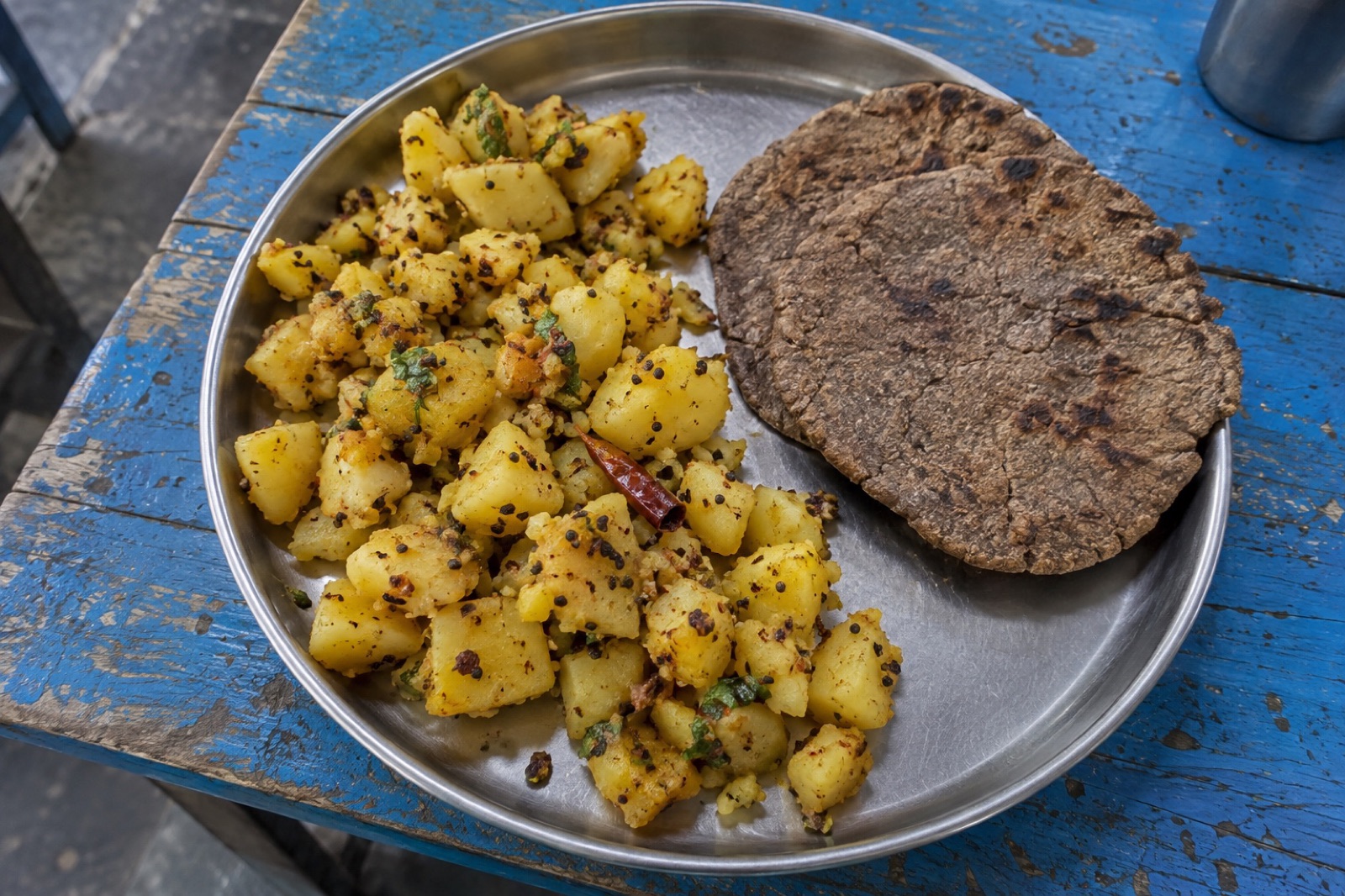
Aloo ke Gutke
VegBoiled potatoes tossed in mustard oil with red chilli, cumin and jakhya seeds — the everyday Kumaoni potato dish.
₹80–200
Best around: Ranikhet
Eat in Ranikhet
Search Ranikhet dishes by craving — aloo ke gutke, bal mithai, bhatt ki churkani and more.
Ranikhet eats like the rest of Kumaon: plain, filling hill food built on millets, black soybeans and potatoes. The sweets are the part people carry home.
Popular cravings
Diet
Best for
5 Ranikhet dishes found
Medium spiceBoiled potatoes tossed in mustard oil with red chilli, cumin and jakhya seeds — the everyday Kumaoni potato dish.
₹80–200
Best around: Ranikhet
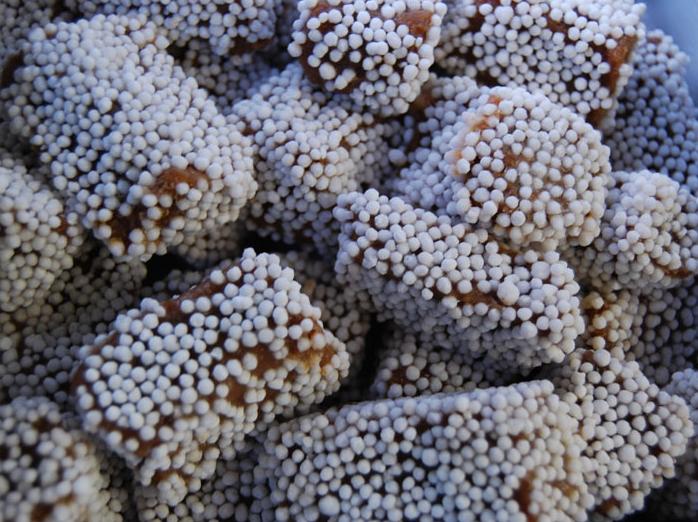
A dark chocolate-brown roasted-khoya fudge coated in tiny white sugar balls — the famous Kumaoni sweet from Almora.
₹300–600/kg
Best around: Chaubatia
 Mild
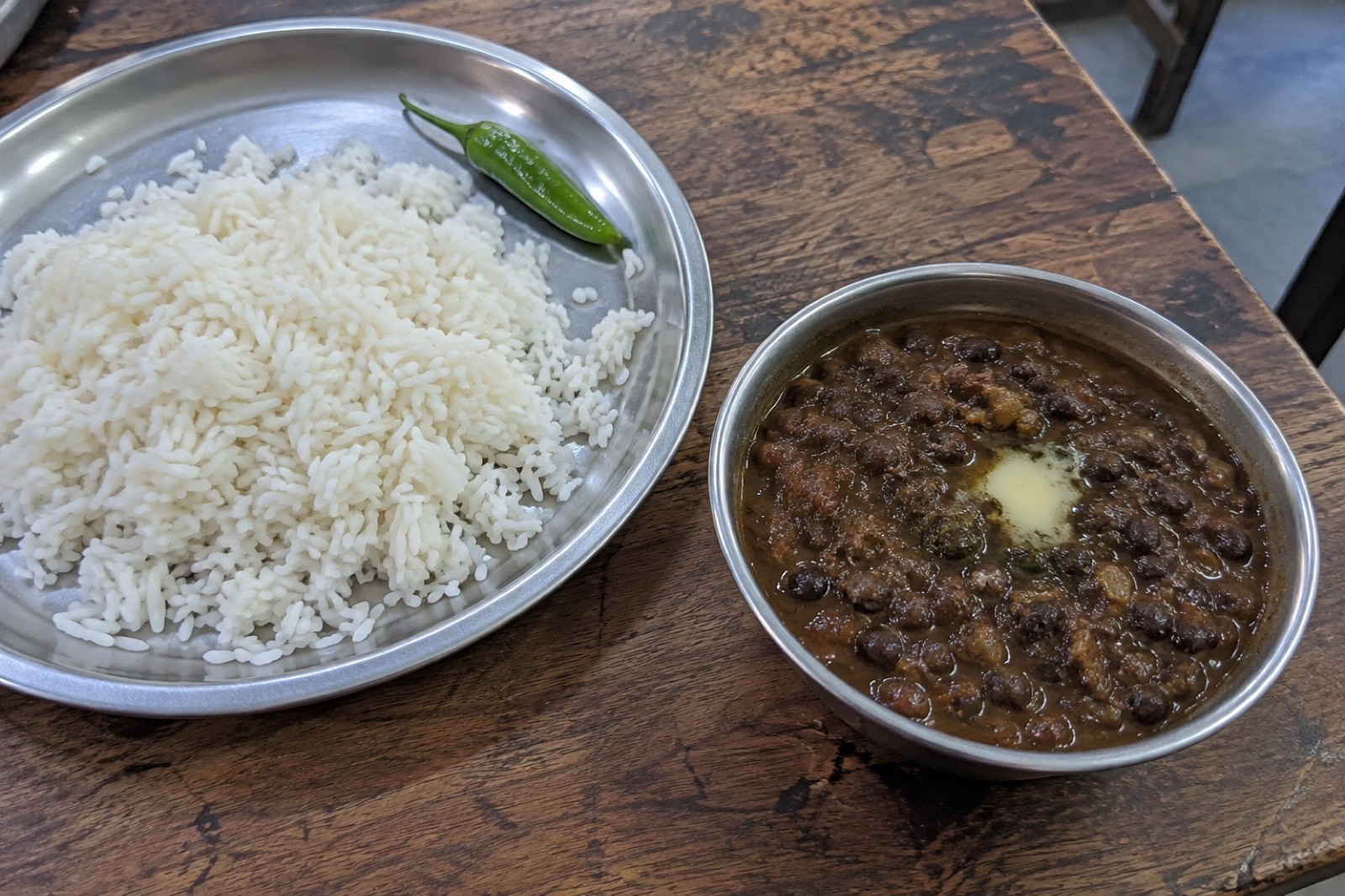
A thick, dark curry of black soybeans tempered with local spices — a protein-rich Kumaoni staple eaten with rice.
₹100–250
Best around: Ranikhet market and Ranikhet
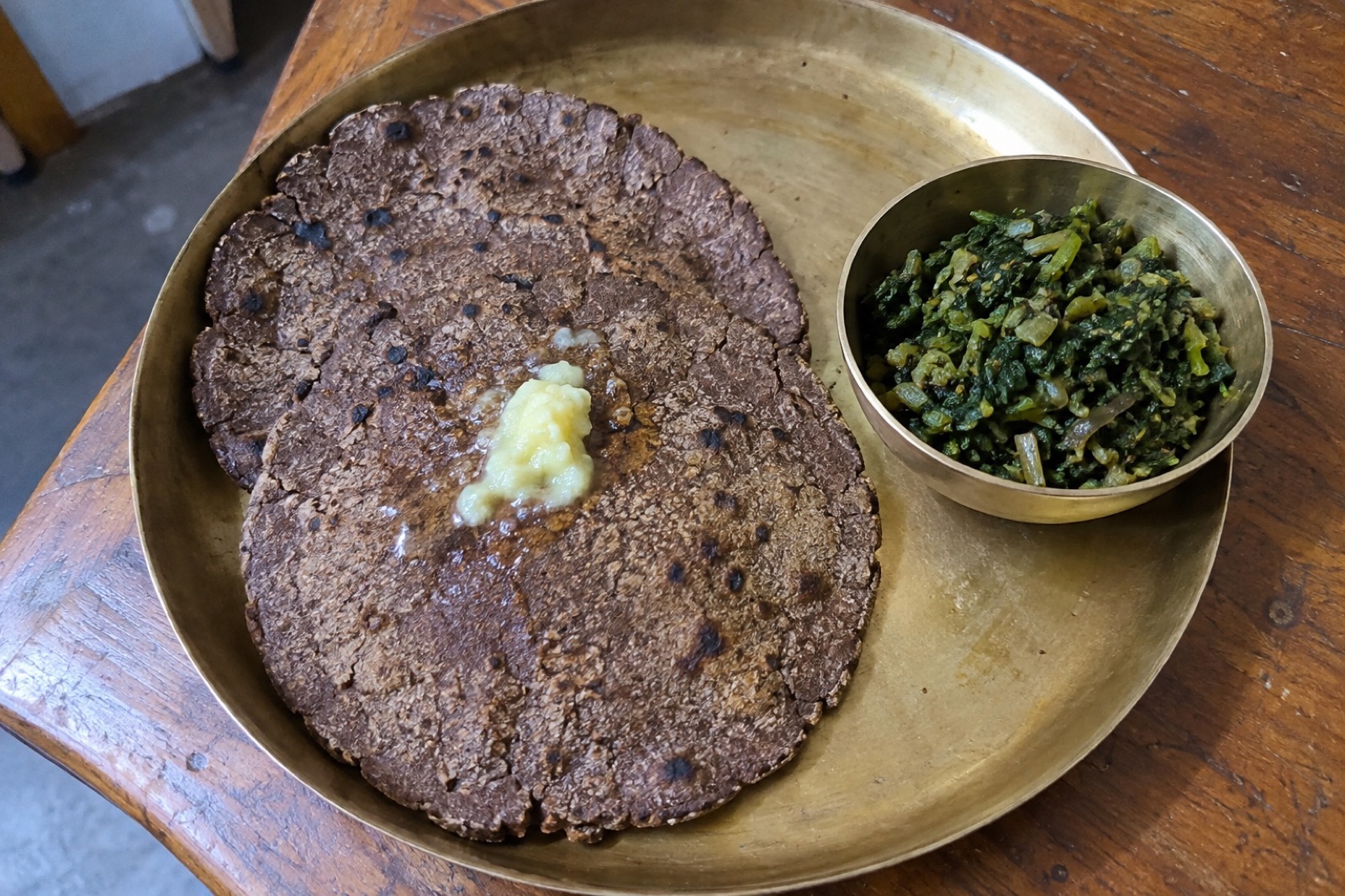
Rustic rotis of madua (finger millet/ragi) served with ghee and hill vegetables — a wholesome Kumaoni staple bread.
₹60–180
Best around: Ranikhet market and Ranikhet
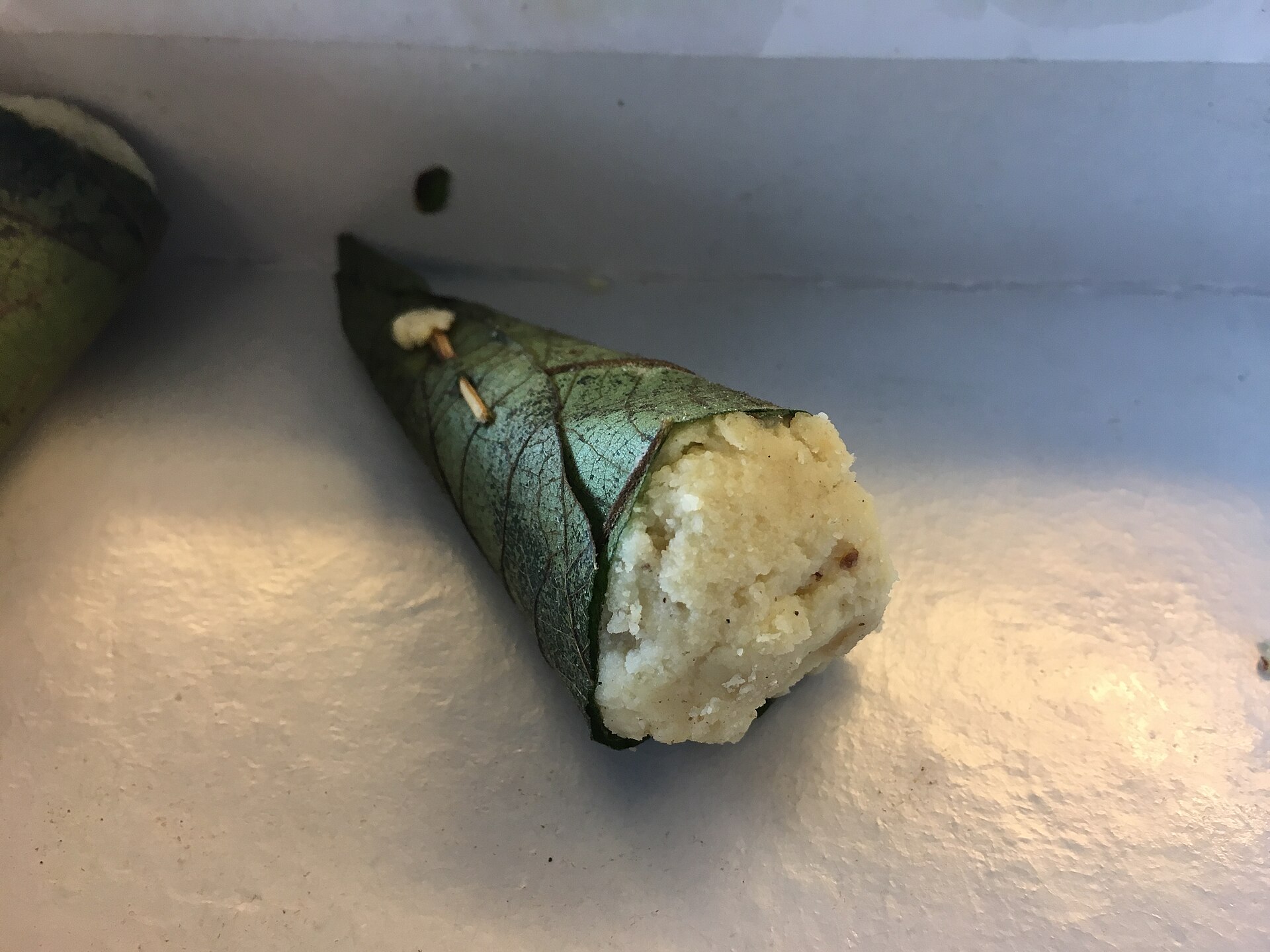
A cone of sweetened khoya wrapped in a fragrant maalu leaf — a delicate Kumaoni sweet from the Almora region.
₹20–50 each
Best around: Chaubatia
Most restaurants in Ranikhet serve North Indian and Chinese food first. The local dishes are there if you ask, and a Kumaoni thali is the easiest way to try several at once.
Bhatt ki churkani is a dark, thick curry of black soybeans, roasted and then simmered with spices. It is eaten with rice and is filling rather than fiery. Madua ki roti is flatbread made from finger millet. It is brown, dense and slightly sweet, and best eaten hot with ghee and a green vegetable.
Aloo ke gutke is the Kumaoni answer to spiced potatoes: boiled potato pieces tossed in mustard oil with red chilli and jakhya, a small, crunchy hill seed used instead of cumin. Order it as a snack with tea or as a side with lunch. It can be quite spicy, so ask for it milder if needed.
Bal mithai is Kumaon's best-known sweet: brown roasted-milk fudge rolled in tiny white sugar balls. It comes from Almora, but shops in Ranikhet sell it too. Singori is fresh khoya, a thickened milk, wrapped in a cone of maalu leaf, which gives it a faint green scent. Singori does not keep long, so eat it within a day; bal mithai travels well.
The government orchards at Chaubatia have long grown apples, peaches, plums and apricots. In season, usually from about June to September, look for fresh fruit there and in the market. Out of season, jams, squashes and juices from the orchards are sold as souvenirs.
Kitchens in Ranikhet close early, often by about 9.30 or 10 pm, and earlier in winter. Food is mostly simple and vegetarian-friendly, though non-vegetarian dishes are easy to find in town. There is little to eat out at Bhalu Dam or Majkhali, so carry water and snacks. For places, see where to eat in Ranikhet.
Questions
A small, dark seed from a wild hill plant, used in Kumaoni cooking to temper potatoes and vegetables. It turns crunchy and nutty in hot oil.
Usually a week or more in a cool place, which makes it a good sweet to carry home. Singori should be eaten within a day.
Roughly June to September, with apples coming later in that window. Ask locally, as the timing changes with each year's weather.