
 Mild
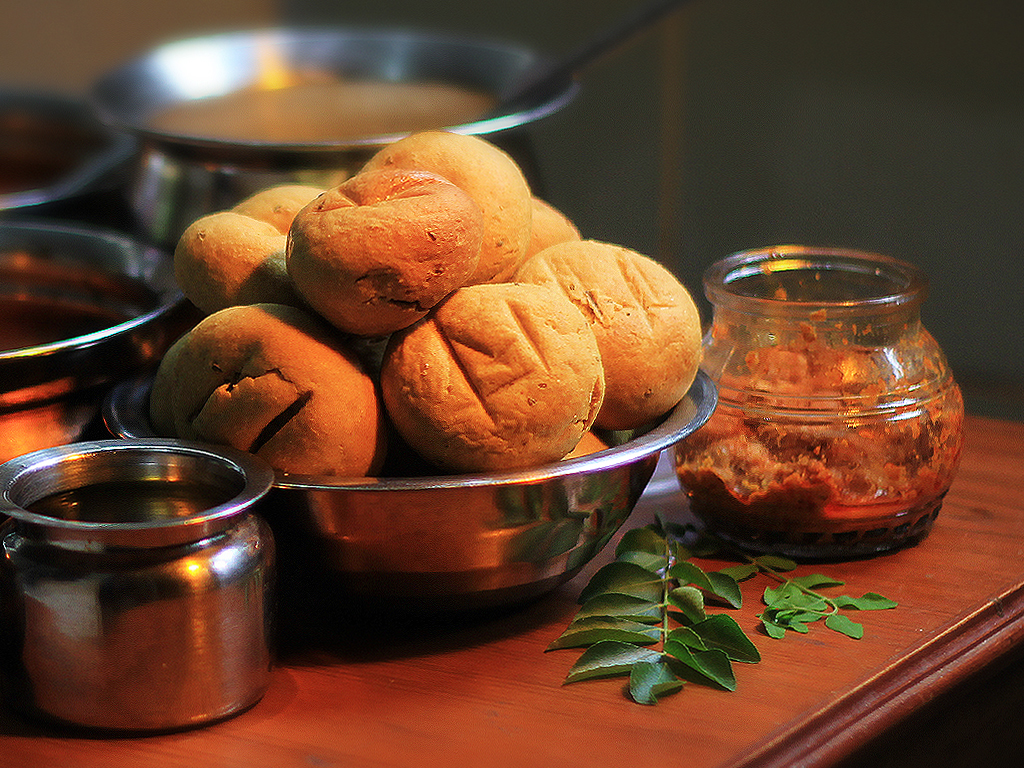
Dal Baati Churma
VegBaked baati served with dal, ghee and sweet churma.
₹150–350
Best around: Sawai Madhopur and Ranthambore Road
Eat in Ranthambore
Search Ranthambore dishes by craving — dal baati churma, gatte ki sabzi, ghevar and more.
Food in Ranthambore is Rajasthani home cooking: filling, rich with ghee and made to last through a long day. Most meals happen around the safari timings, with a big breakfast after the morning drive and a late lunch before the afternoon one.
If you are wondering what to eat in Ranthambore, start with dal baati churma and gatte ki sabzi, and try laal maas if you like spicy mutton.
Popular cravings
Diet
Best for
5 Ranthambore dishes found
MildBaked baati served with dal, ghee and sweet churma.
₹150–350
Best around: Sawai Madhopur and Ranthambore Road
 Medium spice
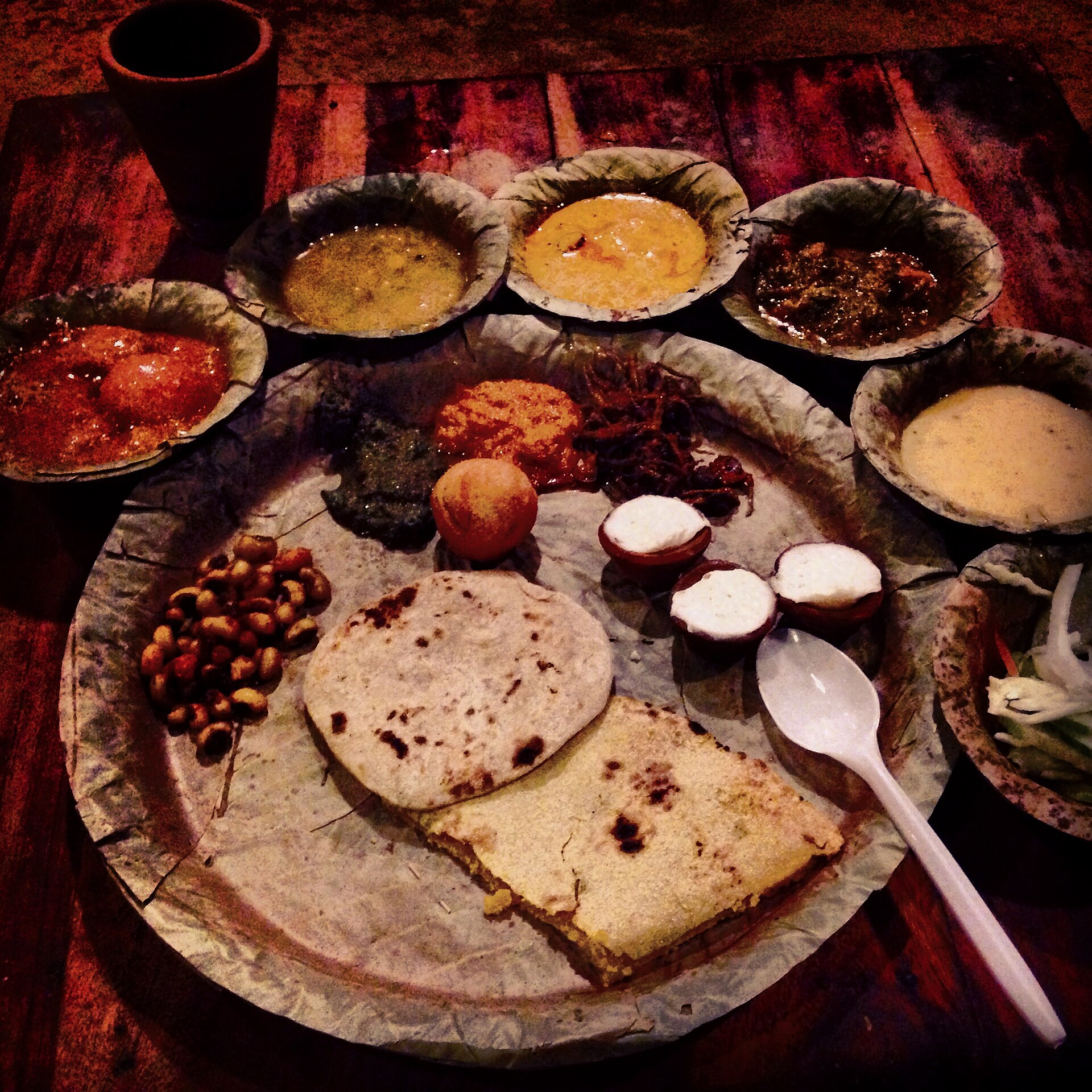
Gram-flour dumplings (gatte) simmered in a spiced yoghurt gravy — a beloved Rajasthani everyday curry.
₹120–280
Best around: Sawai Madhopur
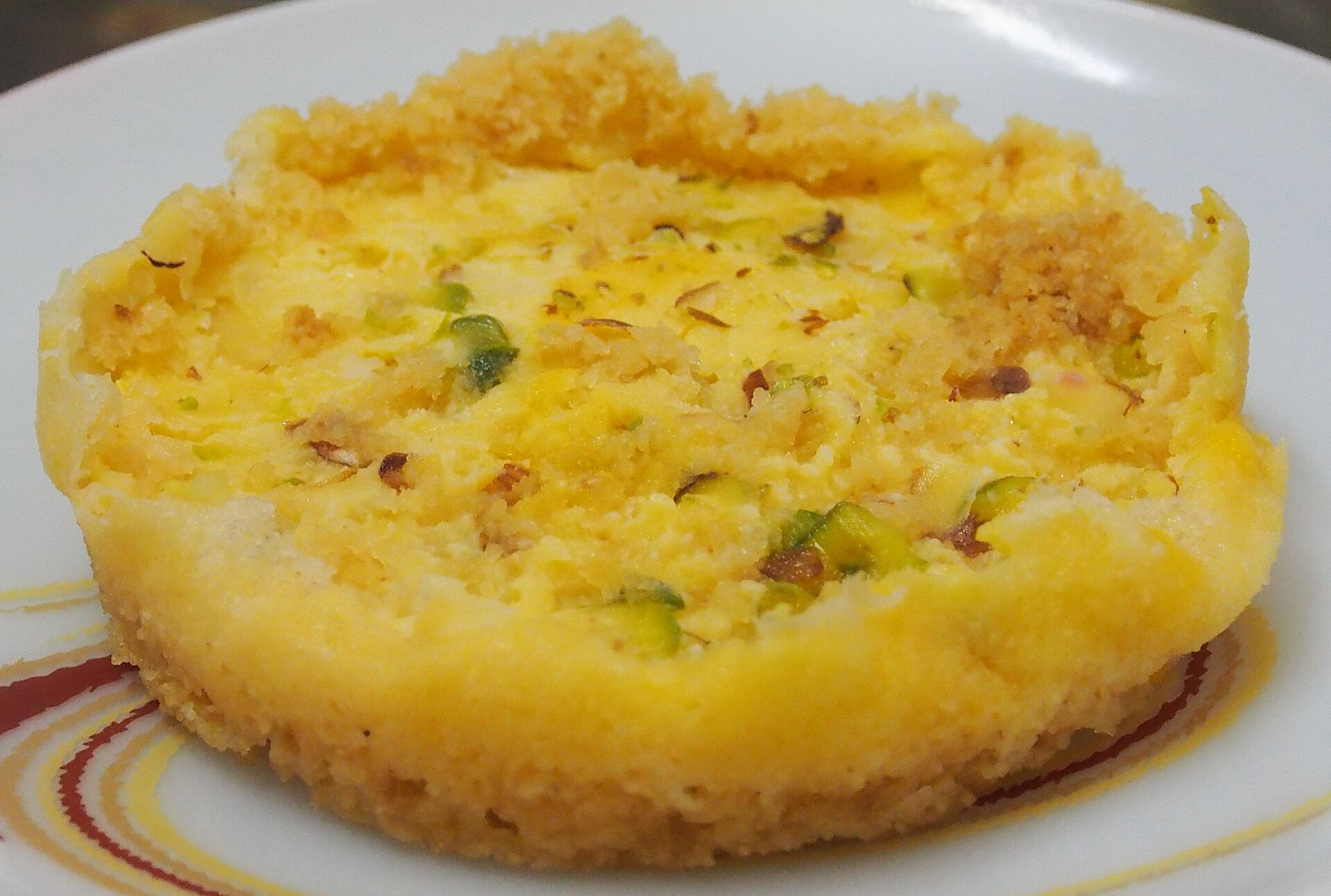
A disc-shaped honeycomb sweet of fried batter soaked in syrup and topped with rabri and nuts — a Rajasthani festival specialty.
₹300–600/kg
Best around: Sawai Madhopur and Ranthambore Road
 Medium spice
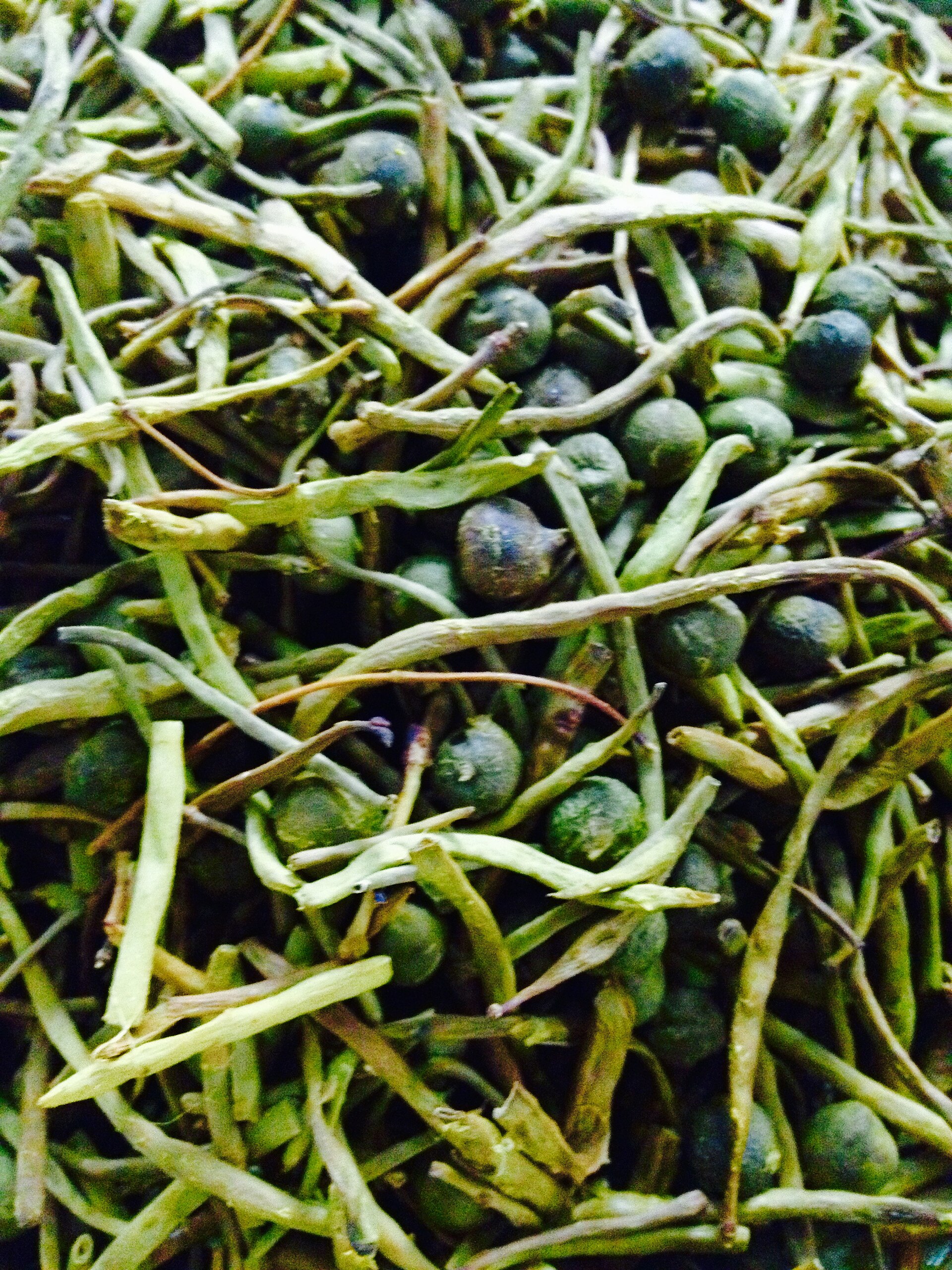
A dry, tangy Rajasthani dish of desert ker berries and sangri beans cooked with spices and dried mango — a classic Marwari preparation.
₹150–300
Best around: Sawai Madhopur
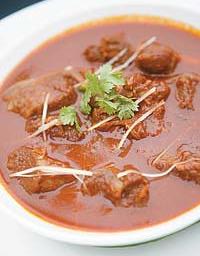 Hot
A fiery Rajasthani mutton curry made with Mathania red chillies.
₹300–600
Best around: Ranthambore Road
These are the Rajasthani dishes to look for in Sawai Madhopur and along Ranthambore Road.
Dal Baati Churma
Hard wheat balls (baati) baked until crisp, broken up and soaked in ghee, then eaten with spiced dal and sweet crumbled churma. It is the most famous meal in Rajasthan and very filling.
Gatte ki Sabzi
Steamed gram-flour dumplings cooked in a spiced yoghurt gravy. It is an everyday Rajasthani curry and goes well with rotis or rice.
Ker Sangri
A dry, tangy dish of desert berries (ker) and beans (sangri) cooked with spices. It is a classic from the dry parts of Rajasthan and tastes unlike most Indian vegetable dishes.
Laal Maas
A hot, red mutton curry made with dried red chillies. It is the best-known non-vegetarian dish in Rajasthan and is not for people who avoid spice.
Ghevar
A round, honeycomb-textured sweet of fried batter soaked in sugar syrup, often topped with rabri and nuts. It is most common around the festivals of Teej and Raksha Bandhan.
Sawai Madhopur has sweet shops selling ghevar, milk sweets and namkeen. Kabir Sweets in the town is a good stop for Rajasthani sweets. Tea stalls near the park gates open early, so you can get a hot cup before a morning safari.
Questions
Ranthambore serves classic Rajasthani food, including dal baati churma, gatte ki sabzi, ker sangri, laal maas and ghevar.
Yes. Laal maas is one of the hottest dishes in Rajasthan, made with a lot of dried red chilli. Ask for a milder version if you are not used to spicy food.
Most morning safaris start around sunrise, before restaurants open. Have tea and a light snack before you leave, and plan a full breakfast after you return.
Ker sangri is a dry Rajasthani dish of small desert berries and long beans, cooked with spices and sometimes dried mango. It is tangy, slightly bitter and usually eaten with bajra or wheat rotis.