
Rajasthan · India
Ranthambore
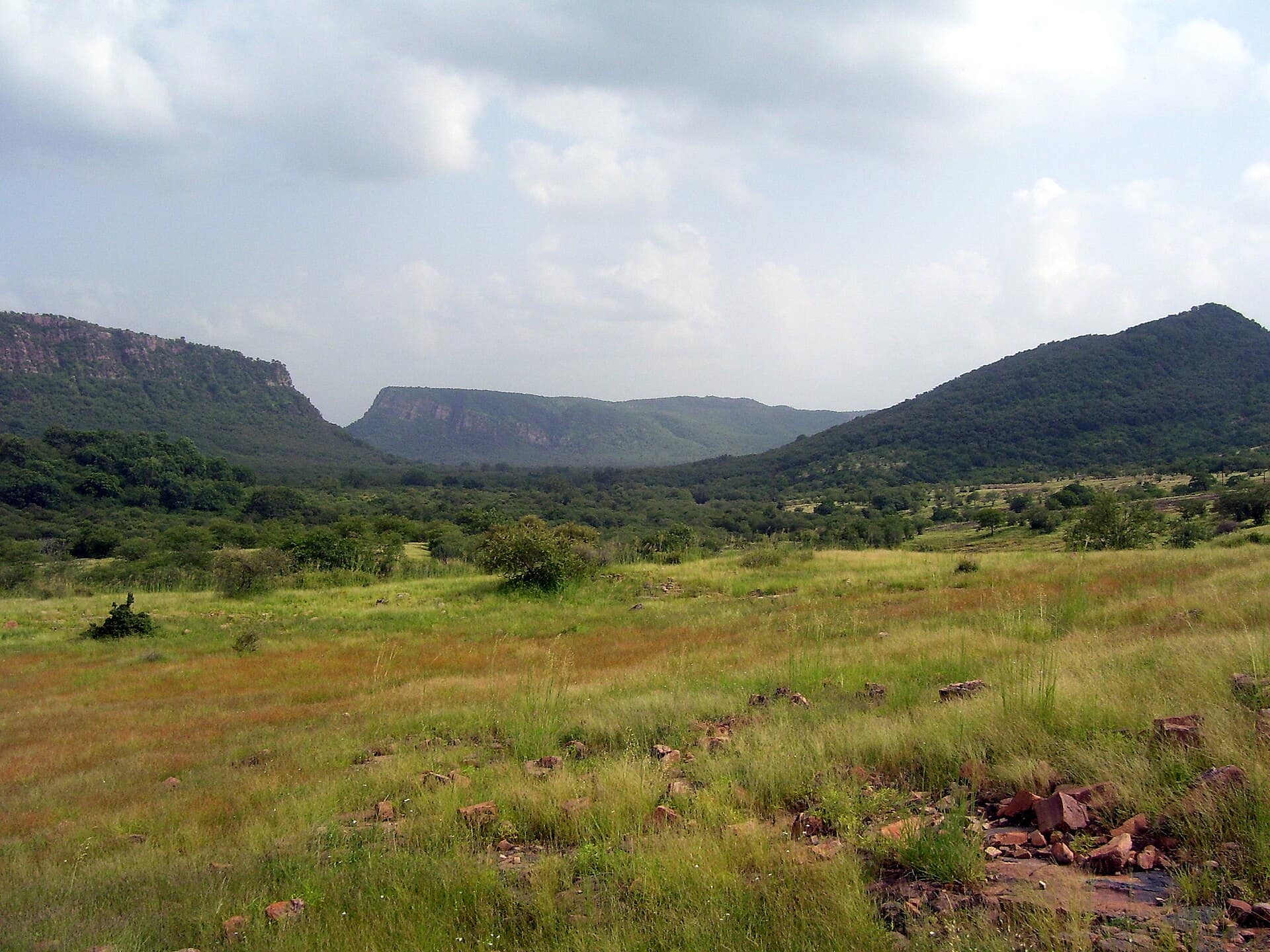
One of India's most storied tiger reserves, where big cats roam dry deciduous forest, lakes and the ruins of a mighty 10th-century hill fort — the meeting of wilderness and Rajput history.
Ranthambore is tiger-and-fort Rajasthan: jeep and canter safaris past Padam Talao and Jogi Mahal, the towering hilltop fort, the Trinetra Ganesh temple, and Rajasthani food.
Plan your trip
Ranthambore Tour Itineraries
Timed, walkable day plans — plus the best season to go.
Where to shoot
Ranthambore Photo Spots
 Medium crowd
Entry Safari permit
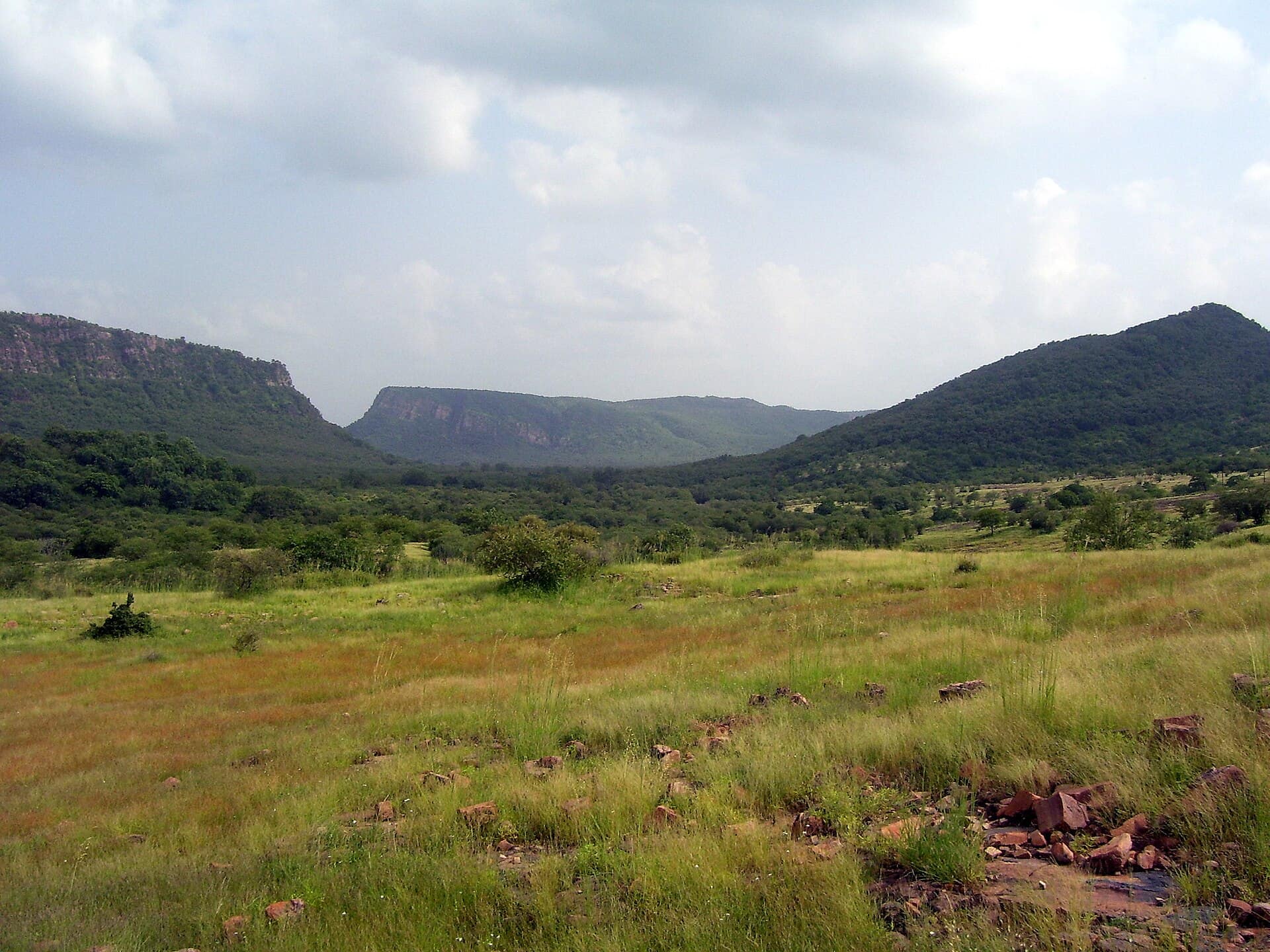
Jogi Mahal
- Best timeEarly morning, when mist lifts off Padam Talao and the red stone catches the first light; late afternoon for warm light at the end of the safari.
- ColorsRustCreamOlive
 Medium crowd
Entry Safari permit
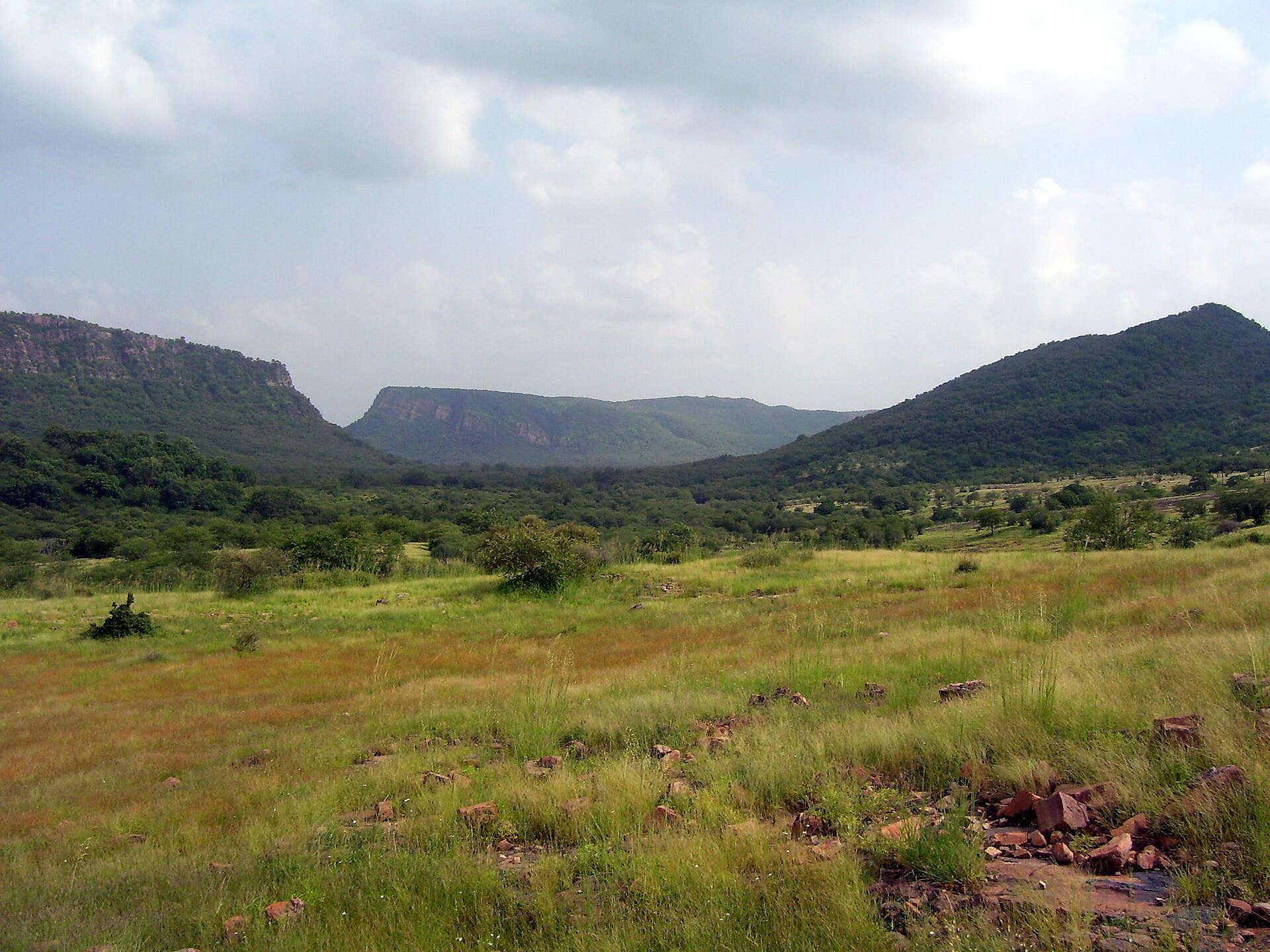
Padam Talao
- Best timeEarly morning, when the water is calm and animals come down to drink; late afternoon for warm light on Jogi Mahal across the lake.
- ColorsOliveRustCream
 Medium crowd
Entry Nominal
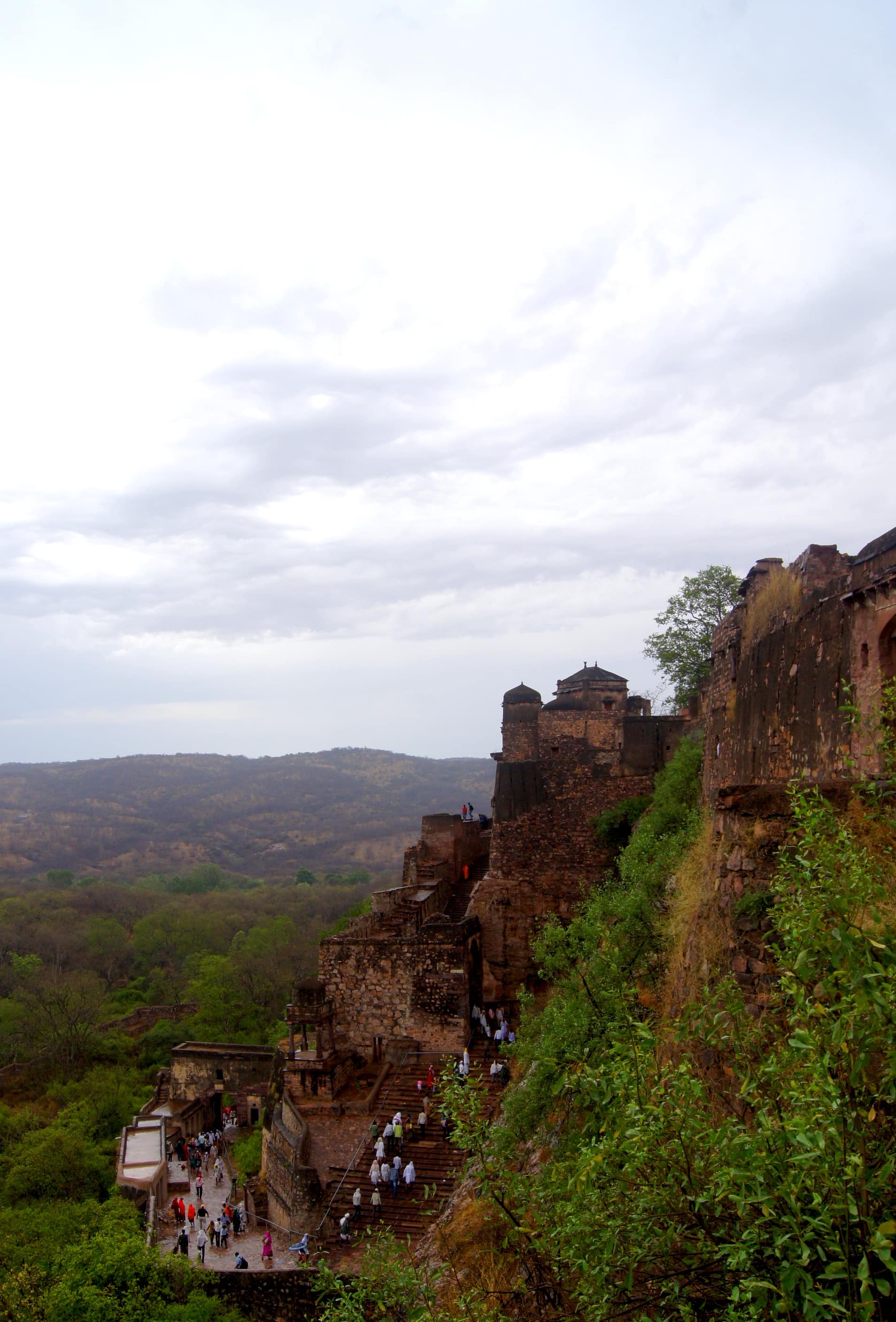
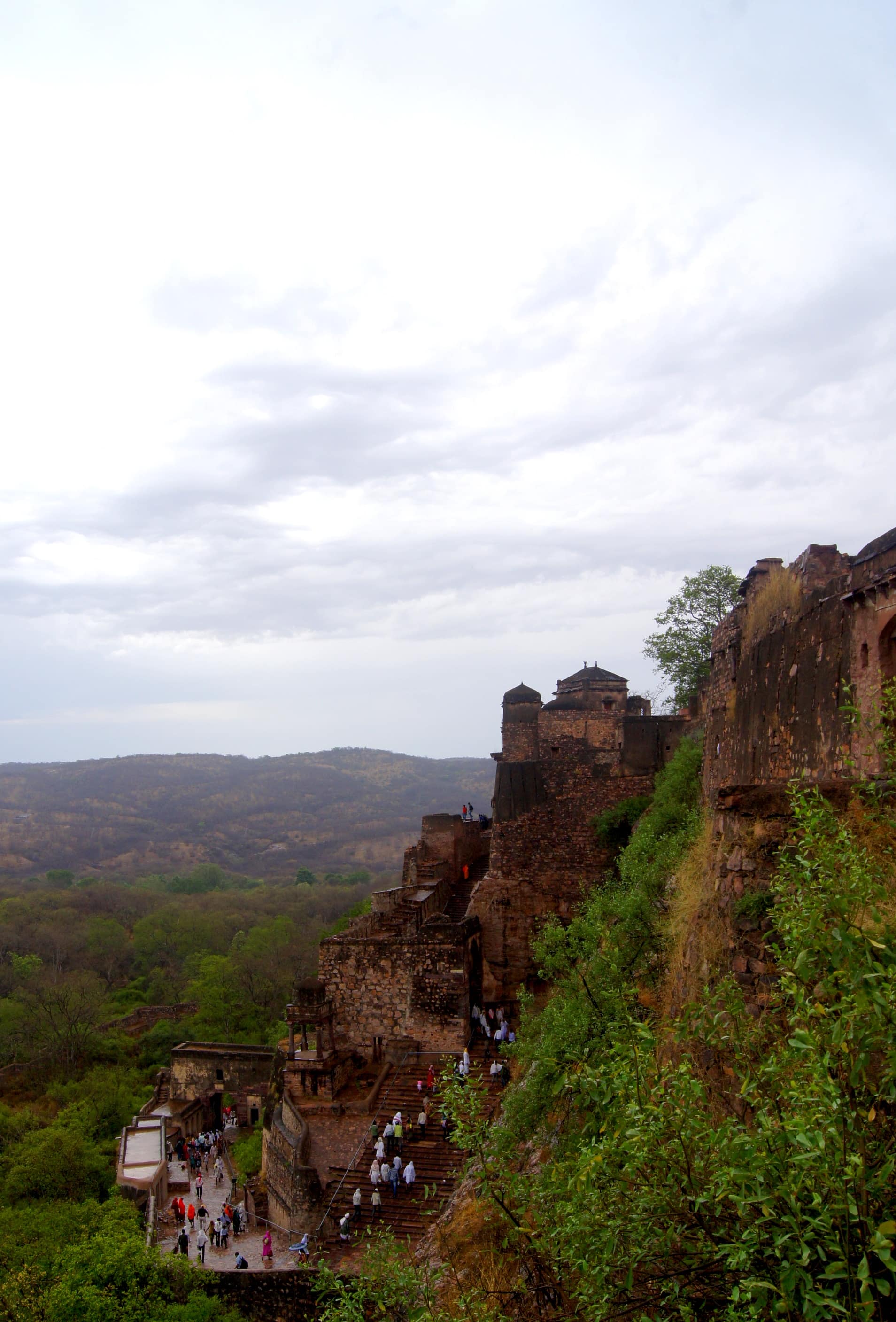
Ranthambore Fort
- Best timeEarly morning, for soft light on the walls and a quiet path before the pilgrims arrive; late afternoon for warm light over the forest and lakes.
- ColorsRustCreamSaffron
 High crowd
Entry Safari permit & jeep/canter
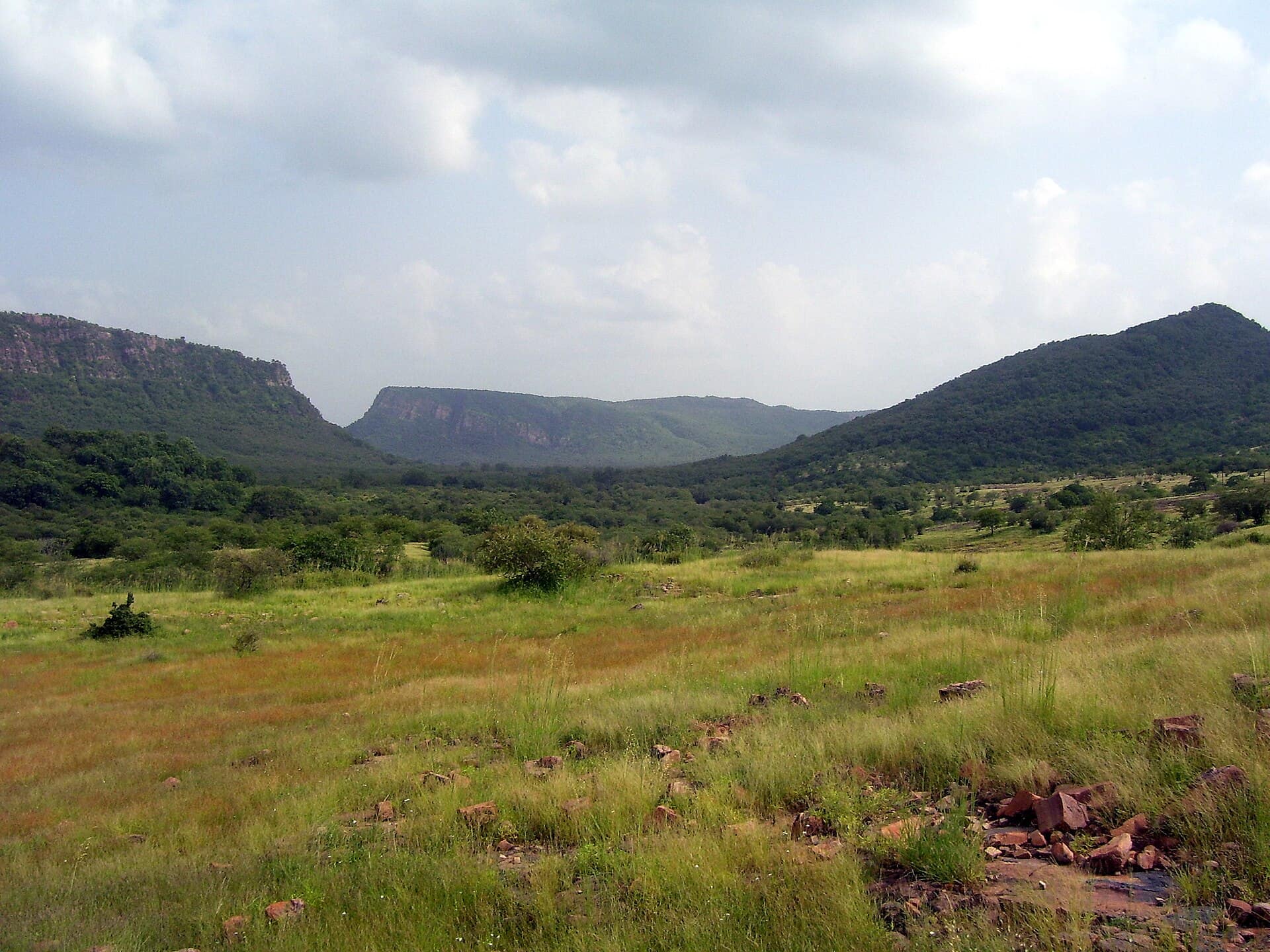
Ranthambore National Park
- Best timeEarly morning, in the first hour of the safari, when the light is soft and animals are active; late afternoon as the light turns golden on the lakes and ruins.
- ColorsOliveKhakiBrown
 High crowd
Entry Free
Trinetra Ganesh Temple
- Best timeEarly morning, when the queue is short and soft light falls on the fort walls around the temple.
- ColorsSaffronRedCream
For the feed
Trending Wear in Ranthambore
Modern, Instagram-friendly looks


Rooted in the city
Ranthambore Traditional Wear
Local, cultural, handcrafted outfits


Taste the city
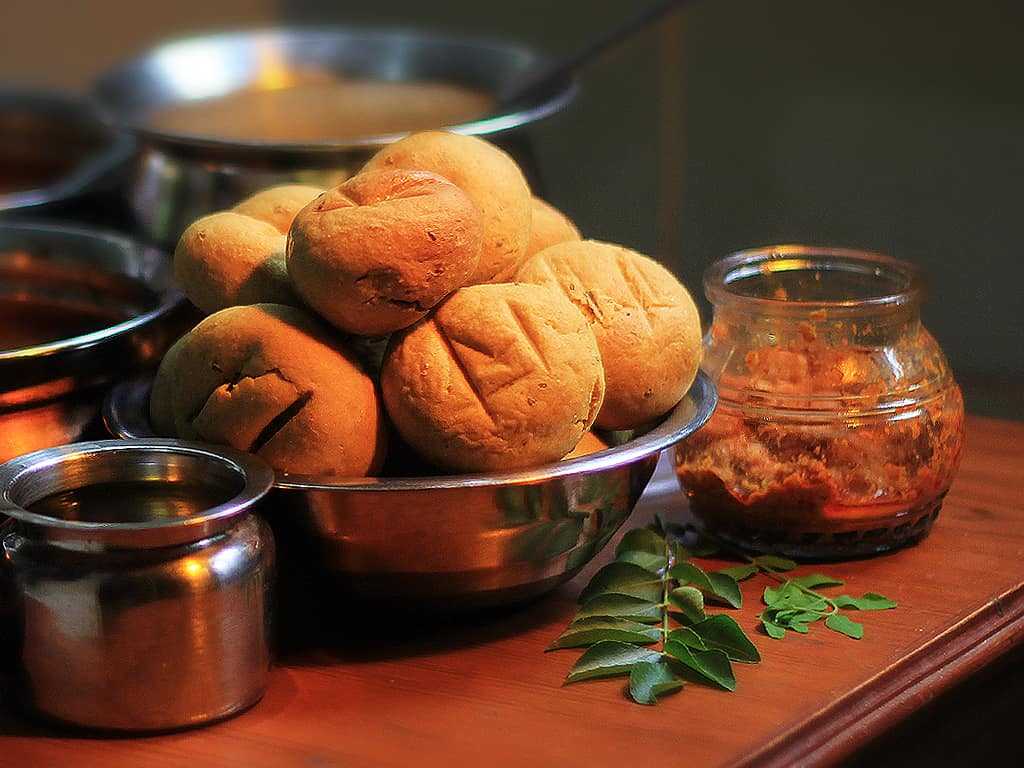
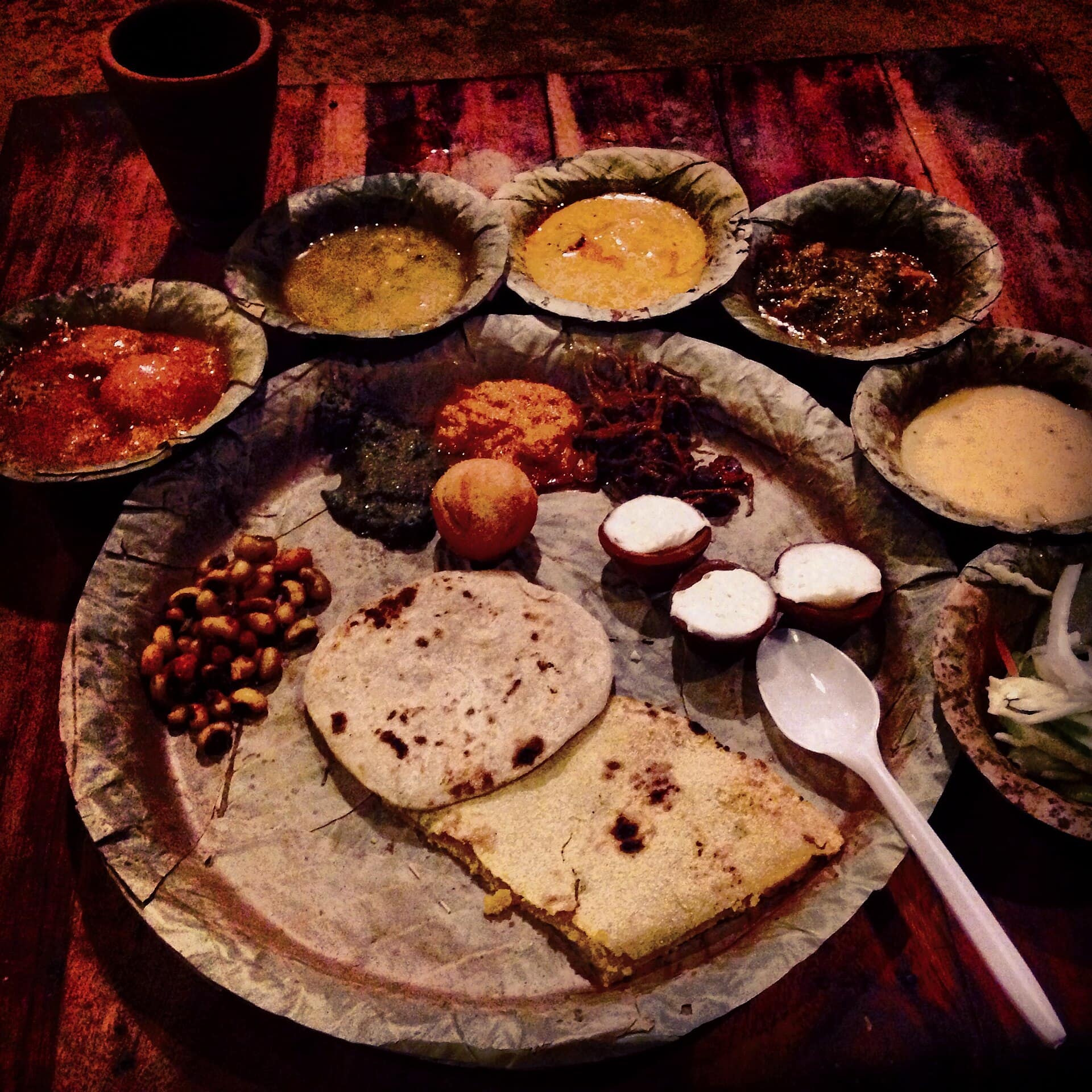
Food to Eat in Ranthambore



Trusted tables
Where to Eat in Ranthambore
 Representative photo
Dhikara Restaurant
Sawai Madhopur
Representative photoKabir Sweets
Sawai Madhopur
Representative photoRanthambore Regency Dining
Ranthambore Road
 Representative photo
The Tiger Den Restaurant
Ranthambore Road
About Ranthambore
Ranthambore is a tiger reserve in eastern Rajasthan, next to the town of Sawai Madhopur. Its dry forest, rocky hills and lakes are home to tigers, leopards, sloth bears, sambar deer and marsh crocodiles. What makes it different from most Indian parks is the history inside it: a 10th-century hill fort stands above the forest, and old hunting lodges and ruins sit beside the lakes.
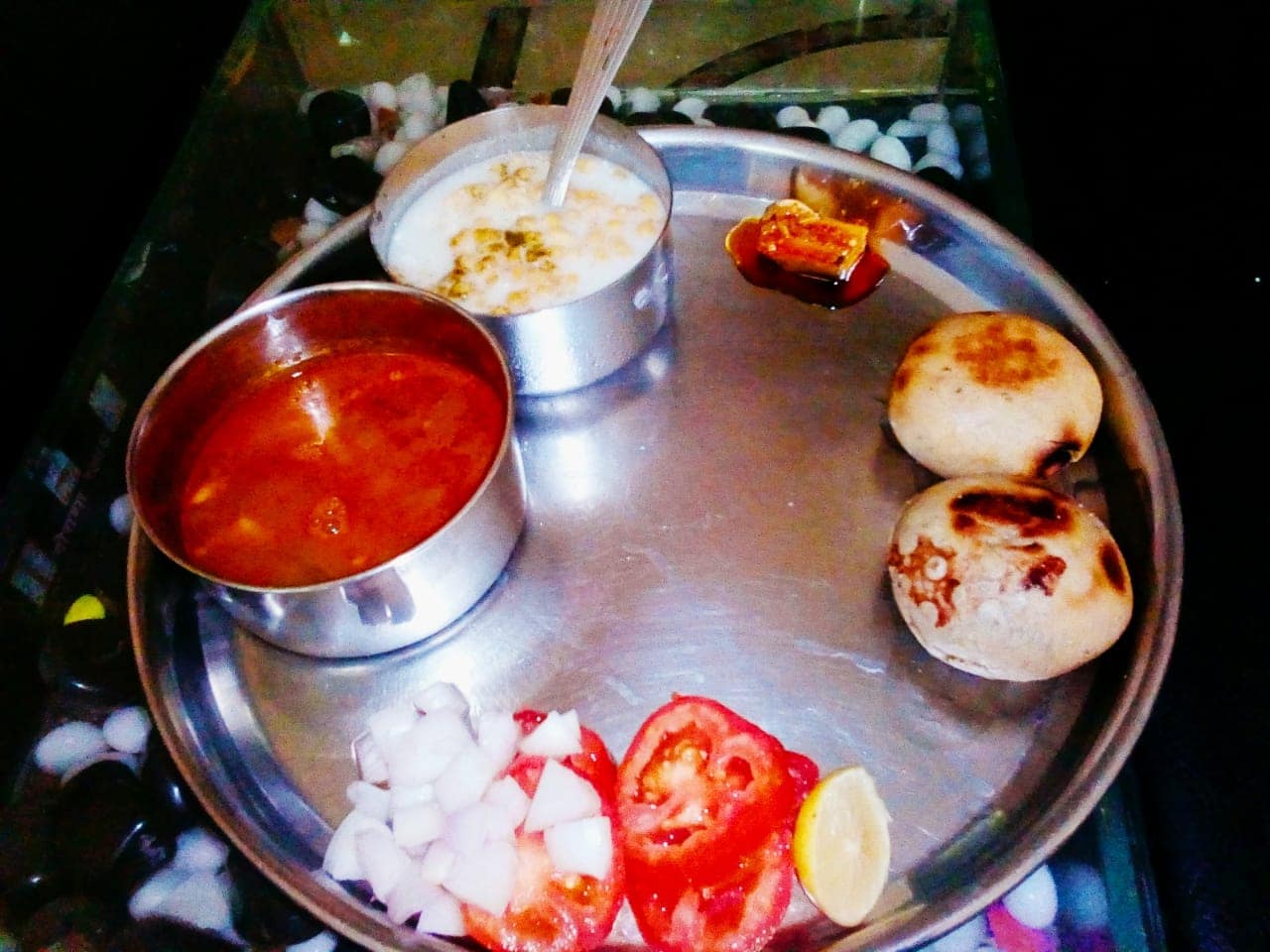
Most visitors come for the safaris, which run in two slots a day in open jeeps (gypsies) or larger open buses (canters). Plan at least two or three drives, because sightings are never guaranteed. Between safaris, climb up to Ranthambore Fort and the Trinetra Ganesh temple, which you can visit without a safari permit, and eat Rajasthani food like dal baati churma, gatte ki sabzi and laal maas in Sawai Madhopur.
Questions
Ranthambore — FAQ
What is Ranthambore famous for?
Ranthambore is famous for its tigers, which are often seen in daylight, and for the way the forest mixes with history. Ranthambore Fort, Padam Talao and the red-stone Jogi Mahal all sit inside the reserve, and the Trinetra Ganesh temple in the fort is an important pilgrimage site.
How many days are enough for Ranthambore?
2–3 days is ideal. That gives you three or four safaris, which improves your chance of seeing a tiger, plus a morning or afternoon at the fort and Trinetra Ganesh temple.
What is the best time to visit Ranthambore?
October to March is the most comfortable time, with cool mornings and pleasant days. April to June is very hot but good for sightings, as animals gather at the lakes. The core safari zones usually close from July to September. See the best time to visit Ranthambore for a month-by-month guide.
How do I reach Ranthambore?
Sawai Madhopur railway station is the main gateway and sits on the busy Delhi–Mumbai line, about 10–15 km from the park gates. The nearest large airport is Jaipur, about 180 km away by road. Most visitors arrive by train or drive from Jaipur.
Am I sure to see a tiger in Ranthambore?
No. Ranthambore has one of the better sighting records in India, but tigers are wild and no safari can promise one. Booking several drives, in different zones if you can, gives you the best chance. The birds, deer, crocodiles and scenery make each drive worth it anyway.