
Best Photo Spots in Rishikesh
Rishikesh photographs best at the two ends of the day: soft morning light on the green river, and lamps on the water at the evening aarti. Midday light on the ghats is flat and harsh.
Entry Ticketed — check the current rate at the gate
Beatles Ashram (Chaurasi Kutia)
- Best timeMorning, when soft light falls through the trees onto the domes; late afternoon for warm light on the painted walls.
- ColorsWhiteRustForest green
 High crowd
Entry Free
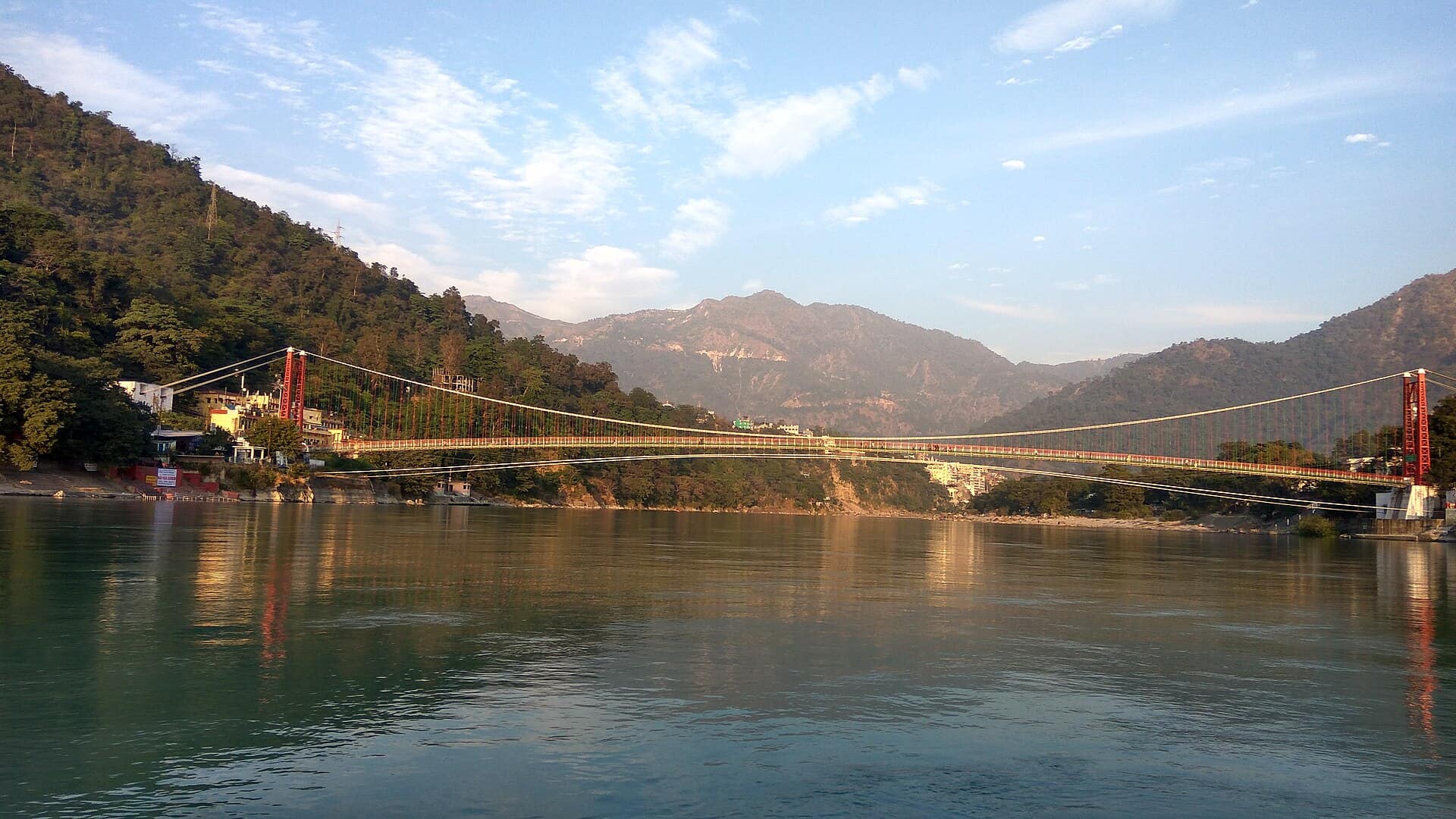
Laxman Jhula
- Best timeEarly morning, when the river is green and the bridges are quiet; late afternoon for warm light on the temple tower.
- ColorsSaffronWhiteRiver green
 High crowd
Entry Free
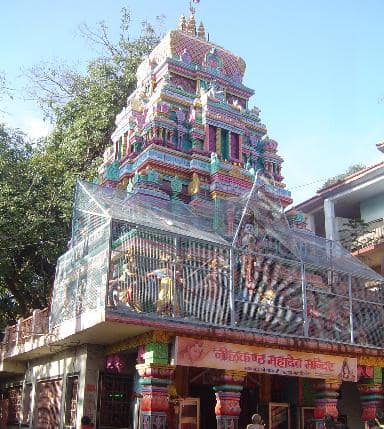
Neelkanth Mahadev Temple
- Best timeEarly morning, before the queues build and while the hills are clear; late afternoon for warm light on the painted tower.
- ColorsSaffronBlueWhite
 High crowd
Entry Free
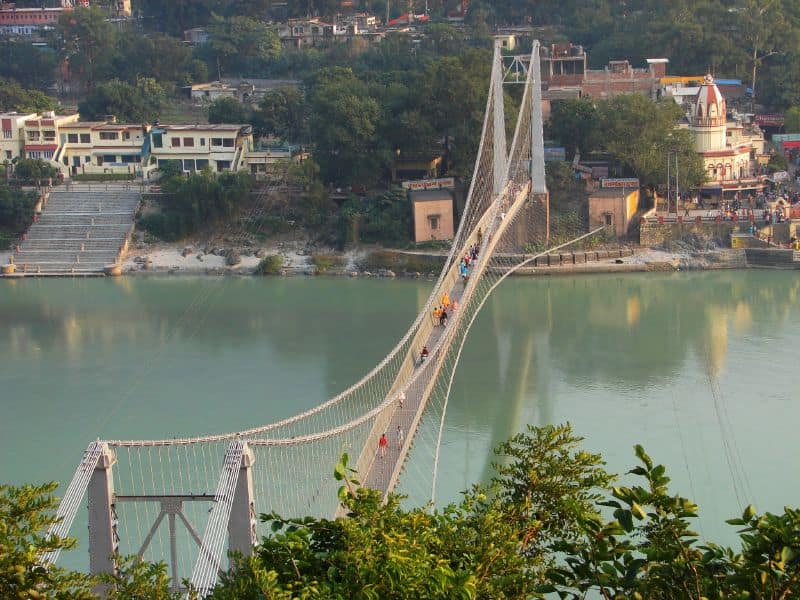
Ram Jhula
- Best timeSunset, when the towers and cables catch warm light over the river; early morning for mist and a green river.
- ColorsSaffronWhiteRiver green
 High crowd
Entry Free
Triveni Ghat
- Best timeEvening at the aarti, when brass lamps glow against the darkening river; early morning for soft light and bathers on the steps.
- ColorsSaffronWhiteMarigold
The river is the subject
Almost every good photo in Rishikesh has the Ganga in it. In winter and spring the water is clear and jade green, and the hills on the far bank are sharp in the morning. After the monsoon it turns brown and fast, and haze softens the hills. If you want the classic green river, come between October and March.
Evening aarti
At Triveni Ghat the evening aarti fills the steps with people, bells and brass lamps. Arrive early, sit a few steps above the priests, and shoot the flames against the dark water. Across the river, the aarti at Parmarth Niketan on the Swarg Ashram side is smaller and more ordered, with a choir of young students in saffron. Turn the flash off at both.
Bridges
The old Laxman Jhula has been closed since 2022, but you can still photograph its iron towers from the banks. The new Bajrang Setu beside it is open to walkers and gives the best view of the thirteen-storey Trayambakeshwar temple on the far side. Ram Jhula is closed for repairs until early 2027, so photograph it from the ghats below rather than from its deck.
Murals in the forest
The ruined meditation huts of the Beatles Ashram are covered in painted murals and slowly being taken back by the forest. Morning light through the trees is kind to the domes. It is ticketed and managed by the forest department, and tripods or professional shoots may need permission.
Up in the hills
Neelkanth Mahadev has a brightly painted tower of carved figures and forested valleys all round. The road there gives several places to pull over for views back over the ridges.
Respect at the ghats
Ask before you photograph sadhus, bathers or families doing rituals. Some sadhus will ask for money for a picture. Keep drones at home unless you have permission, as the ghats and the tiger reserve are both sensitive areas.
Questions
Rishikesh — FAQ
Where is the best place to photograph the Ganga aarti?
Triveni Ghat gives the biggest scene with the most people and fire. Parmarth Niketan is calmer and easier for a clean shot of the priests and the river.
Can I fly a drone in Rishikesh?
Not without permission. The riverside ghats are crowded religious spaces and the Beatles Ashram sits inside Rajaji Tiger Reserve, so assume drones need clearance from the local authorities.
When is the river greenest for photos?
From about October to March, when the water is low and clear. In the monsoon and just after it, the river is muddy brown.
Is the glass bridge at Laxman Jhula good for photos?
Yes. Bajrang Setu gives a clear view of the Trayambakeshwar temple and the old bridge beside it. The glass walkways are a separate ticketed section; the central deck is free.