
 Medium spice
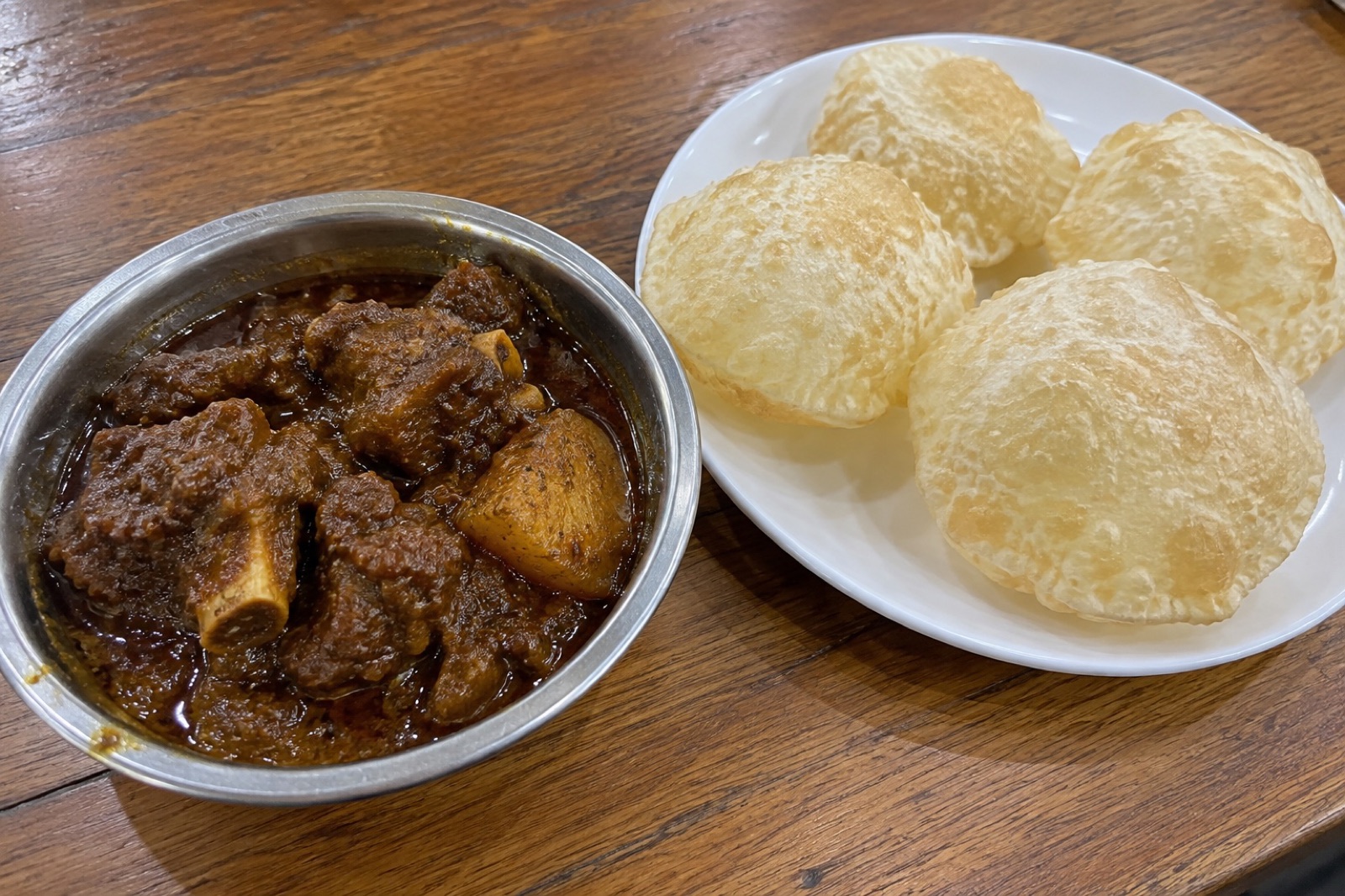
Kosha Mangsho
Non-vegSlow-cooked, deeply spiced dark mutton curry, eaten with luchi or rice — a rich Bengali festive favourite.
₹200–450
Eat in Shantiniketan
Search Shantiniketan dishes by craving — kosha mangsho, luchi & alur dom, macher jhol and more.
Shantiniketan eats like a Bengali household. Expect rice and fish at lunch, fried breads in the morning, and a sweet shop never far away.
Popular cravings
Diet
Best for
5 Shantiniketan dishes found
Medium spiceSlow-cooked, deeply spiced dark mutton curry, eaten with luchi or rice — a rich Bengali festive favourite.
₹200–450
 Mild
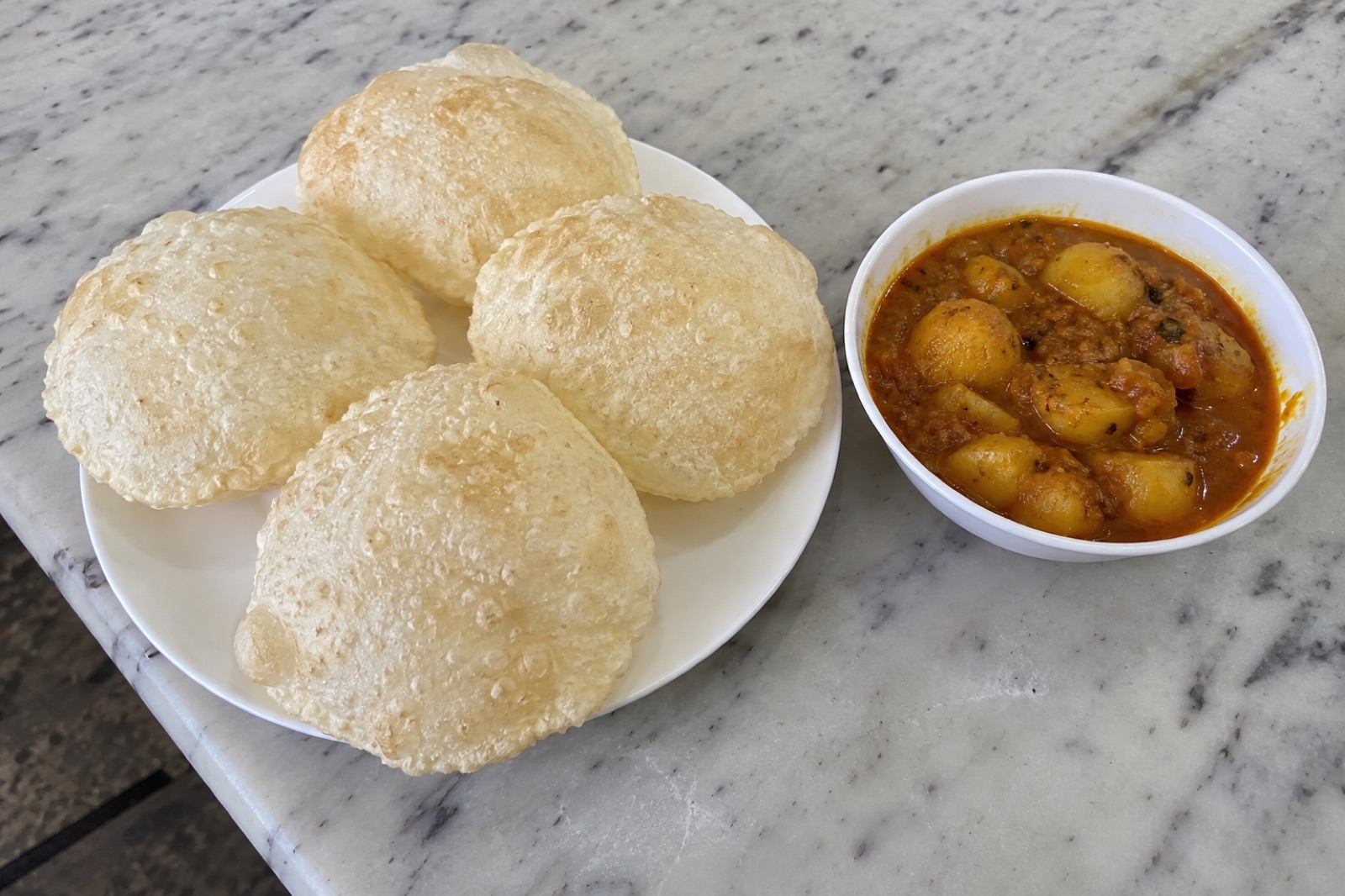
Puffy fried luchis with a spiced baby-potato curry (alur dom) — a classic Bengali breakfast and festival dish.
₹60–160
 Mild
A light, spiced fish curry with potato and tomato in a thin turmeric gravy — the everyday Bengali fish-and-rice meal.
₹120–300
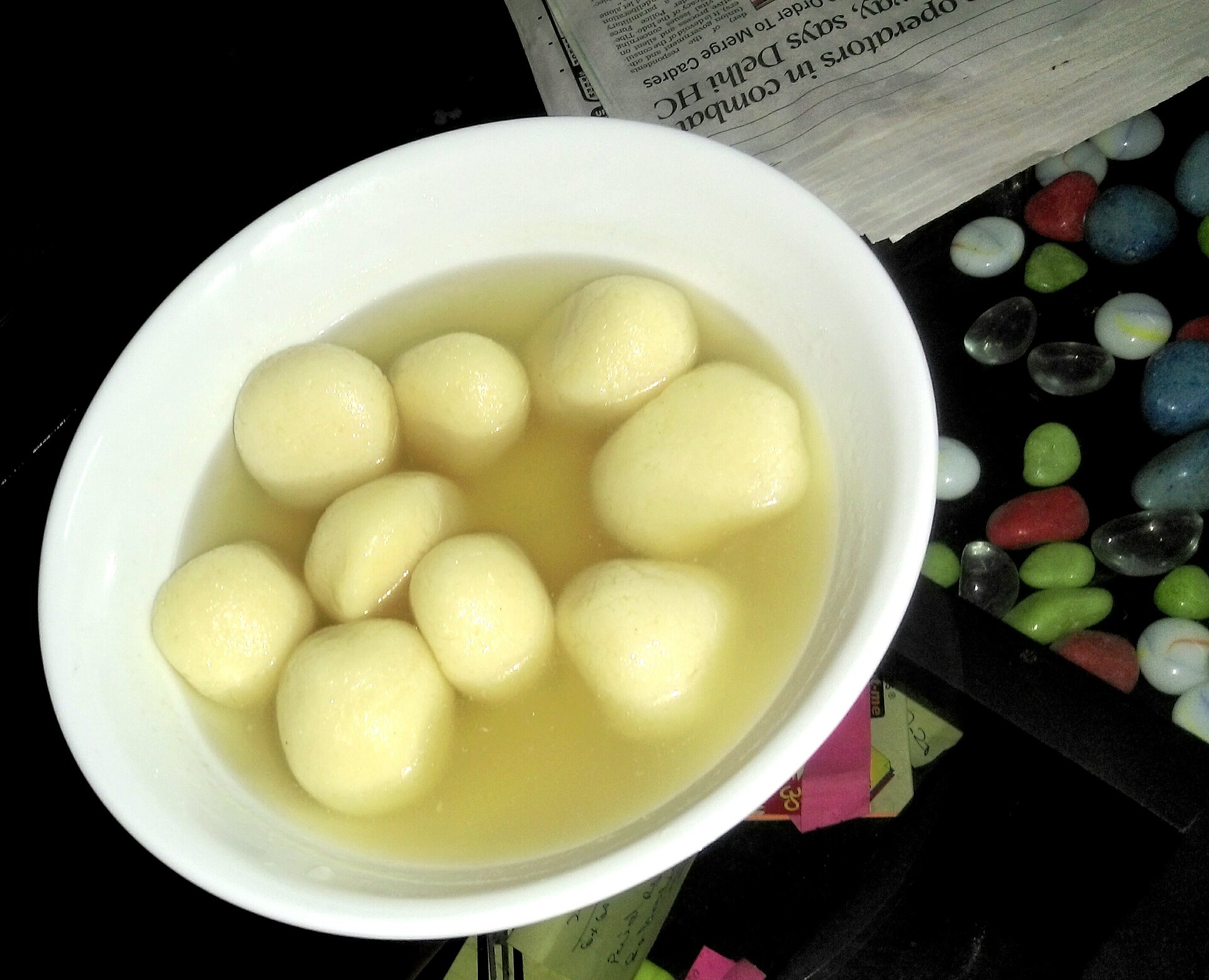
Soft, spongy chhena balls simmered in light sugar syrup — Bengal's most beloved sweet, best had fresh and warm.
₹10–30 each
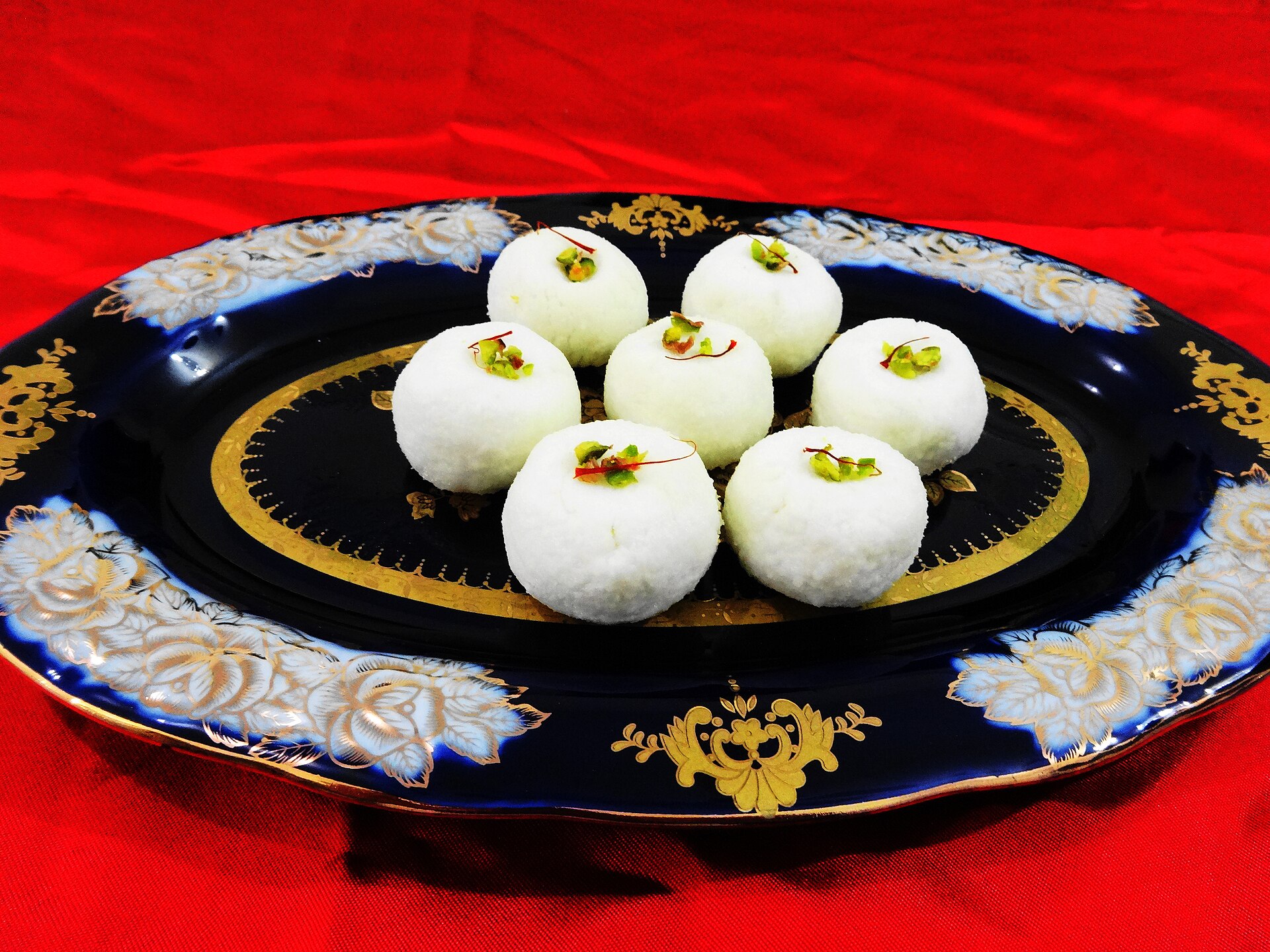
A refined fresh-chhena sweet flavoured with cardamom, saffron or nolen gur, moulded into delicate shapes — Bengal's elegant mishti.
₹15–40 each
Lunch is the main meal, and it usually means rice with macher jhol, a thin, turmeric-yellow fish curry with potato and tomato. It is light and only mildly spiced, which surprises people who expect every Indian curry to be heavy. Most Bengali meals come in a sequence rather than all at once: a bitter or mild vegetable first, then dal, then fish, then something sweet. In Bolpur, Ghoroa and Mouban both serve a fish-and-rice meal.
Luchi, a small, puffy fried bread made with white flour, is eaten with alur dom, baby potatoes in a spiced gravy. It is a weekend and festival breakfast in many homes, and in a town full of students and visitors you can find it most mornings. Eat it hot; a luchi that has gone flat is a different, sadder thing. Banalakshmi lists it on its menu.
Kosha mangsho is mutton cooked slowly with onion and spices until the gravy turns dark and thick. It is richer and hotter than the fish curry, and goes with luchi or rice. It is the dish for a Sunday lunch or a festival dinner. Ghoroa is known for it.
Rosogolla, soft balls of fresh chhena, or cottage cheese, poached in light syrup, is the sweet everyone knows. Sandesh is the finer one: pressed chhena flavoured with cardamom, saffron or nolen gur, the date-palm jaggery that comes in only in winter. From about December to February, ask for nolen gur sandesh and taste the difference. Buy sweets fresh on the day; they don't travel well in the heat.
Bengali cooking is often thought of as fish-heavy, but vegetarian meals are easy to find. Luchi and alur dom, dal, vegetable dishes and all the sweets are vegetarian, and Alcha Café in Ratanpalli is a vegetarian spot for coffee and a sweet. Ask whether a vegetable dish has been cooked with fish, as a few Bengali recipes use a little.
See where to eat for the four kitchens and what each one does best.
Questions
Nolen gur is jaggery made from the sap of the date palm. It is a winter product, usually around December to February, and shows up in sandesh and rosogolla during those months.
Mostly not. Macher jhol and alur dom are mild. Kosha mangsho is the richest and hottest of the local dishes, and you can ask for it less spicy.
Both are made from chhena. Rosogolla is soft and poached in syrup; sandesh is pressed and dry, and is flavoured with cardamom, saffron or date-palm jaggery.