
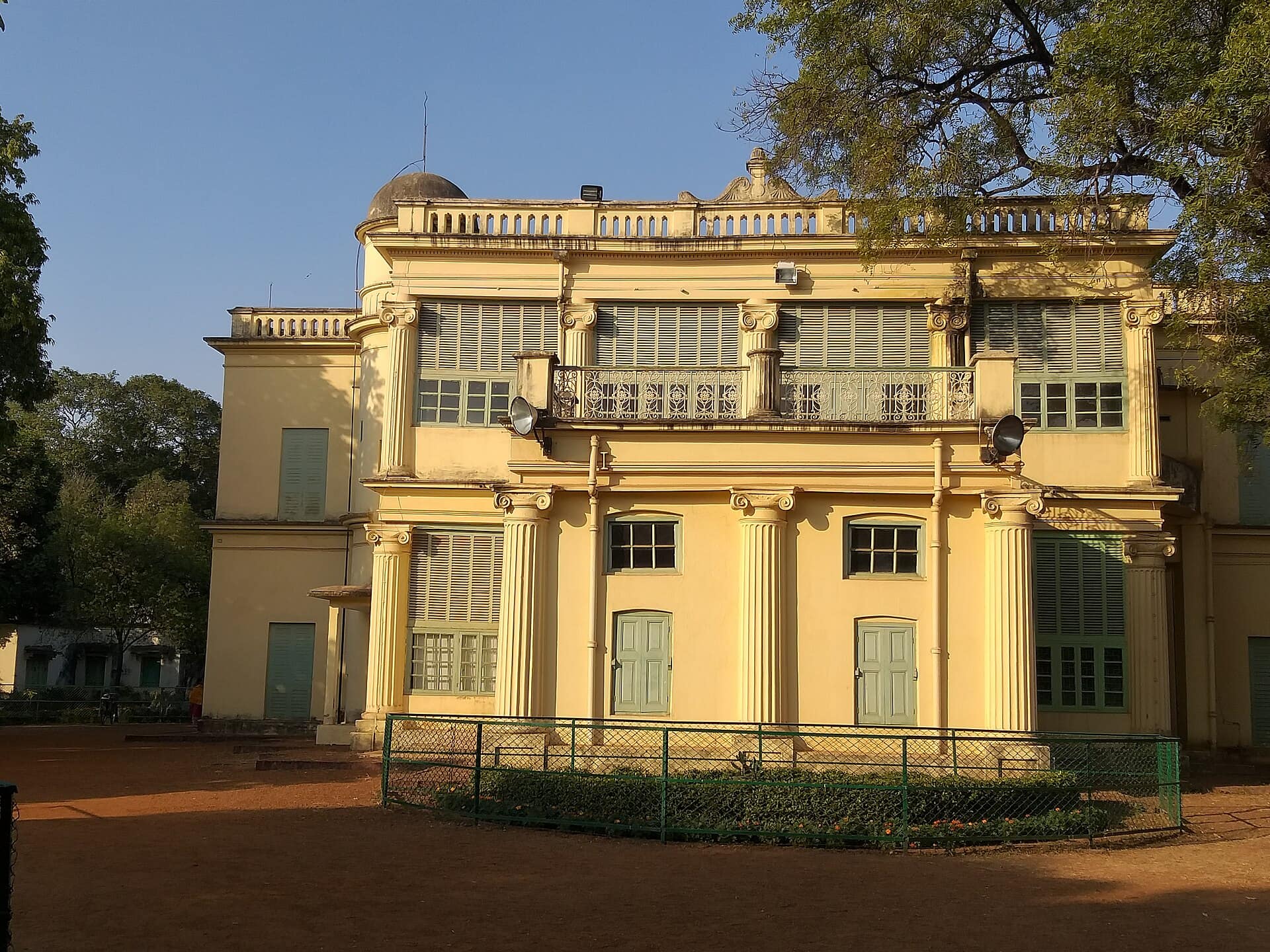
West Bengal · India
Shantiniketan
Rabindranath Tagore's serene 'abode of peace' — the open-air university town of Visva-Bharati, Baul music, terracotta art and the weekly Sonajhuri forest haat.
Shantiniketan is Tagore's living ideal: classes under the trees at Visva-Bharati, Baul singers, Kala Bhavana art, the Poush Mela and Basanta Utsav, and Bengali sweets.
Plan your trip
Shantiniketan Tour Itineraries
Timed, walkable day plans — plus the best season to go.
Where to shoot
Shantiniketan Photo Spots
 Low crowd
Entry Free
Amar Kutir
- Best timeLate morning, when light comes into the shop and shows the true colours of the batik; late afternoon for soft light in the tree-shaded grounds.
- ColorsRustCreamIndigo
 Medium crowd
Entry Free (galleries vary)
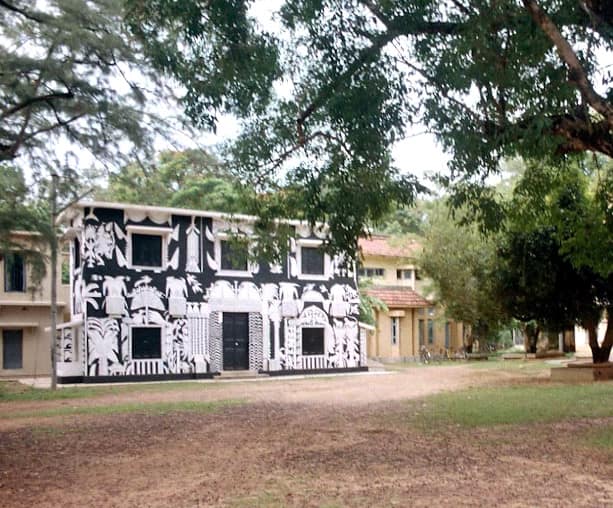
Kala Bhavana
- Best timeLate afternoon, when low sun picks out the rough texture of Ramkinkar's sculptures; early morning for soft light and empty lanes.
- ColorsRustCreamIndigo
Entry Free
Sonajhuri Haat (Khoai)
- Best timeLate afternoon, when the low sun turns the red earth deep orange and lights the stalls between the trees; the last half hour before sunset for silhouettes.
- ColorsRustMustardOff-white
Entry Ticketed
Uttarayan Complex (Rabindra Bhavana)
- Best timeMorning, when the garden is cool and soft light falls on the house fronts; late afternoon for warm colour on Shyamali's mud walls.
- ColorsOff-whiteMaroonCream
Entry Free (some museums ticketed)
Visva-Bharati University
- Best timeMorning on the Sunday heritage walk, when soft light falls through the old trees at Chhatimtala; mid-afternoon batch for long shadows across the avenues.
- ColorsOff-whiteRustMustard
For the feed
Trending Wear in Shantiniketan
Modern, Instagram-friendly looks

Rooted in the city
Shantiniketan Traditional Wear
Local, cultural, handcrafted outfits

Taste the city
Food to Eat in Shantiniketan


Trusted tables
Where to Eat in Shantiniketan
A university town before anything else
Shantiniketan is a neighbourhood of Bolpur in Birbhum district, about 160 km north of Kolkata. It began in 1863, when Debendranath Tagore leased a plot of open land with two chhatim trees on it and built a guest house he called the abode of peace. His son Rabindranath opened a small school here in 1901 and founded Visva-Bharati in 1921. The university still sets the town's pace: bicycles, students carrying instruments, bells between classes, and lessons held outdoors under the trees. UNESCO added Santiniketan to the World Heritage List in 2023.
What you can and cannot walk into
This is the thing most first-time visitors get wrong. Visva-Bharati is a working central university, and its historic Ashram area is not open for wandering. Visitors see it on a guided, ticketed heritage walk that runs on Sundays, in batches with English, Bengali and Hindi slots. Book ahead and check the current timings on the university website. The Rabindra Bhavana museum and Tagore's houses in the Uttarayan complex have their own ticket and hours, and close on Wednesday, the university's weekly holiday.
How the place fits together
Bolpur, with the railway station, the bus stand and most of the restaurants, lies to the south. The campus and its older neighbourhoods, such as Ratanpalli and Purbapalli, are in the middle, with Uttarayan on the northern side. Sonajhuri Haat sits on the edge of town among tall sonajhuri trees and bare red earth, which locals call khoai. Amar Kutir, the crafts cooperative, is further out on the Kopai river. Totos, the electric rickshaws, are the usual way to get about; agree the fare before you set off.
Plan around the days of the week
A Saturday and Sunday together work best here. Spend Saturday morning at Uttarayan and the museum, have lunch in Bolpur, and go to Sonajhuri Haat in the afternoon, when the full weekly market runs until sunset. Take the heritage walk on Sunday morning, then ride out to Amar Kutir for batik and leatherwork. Avoid building a short trip around a Wednesday.
Seasons and festivals
November to February is the comfortable stretch, with cool mornings and dry, sunny days. Poush Mela, the big winter fair, starts on 7 Poush in the Bengali calendar, around 23 December, on the Purbapalli ground; it came back in 2024 after a gap of a few years. Spring brings Basanta Utsav at Dol Purnima. In recent years the university has kept its own programme to students, staff and residents, so visitors join the celebrations at the haat and around town instead. March to May is hot, and the monsoon runs from about June to September.
Eating
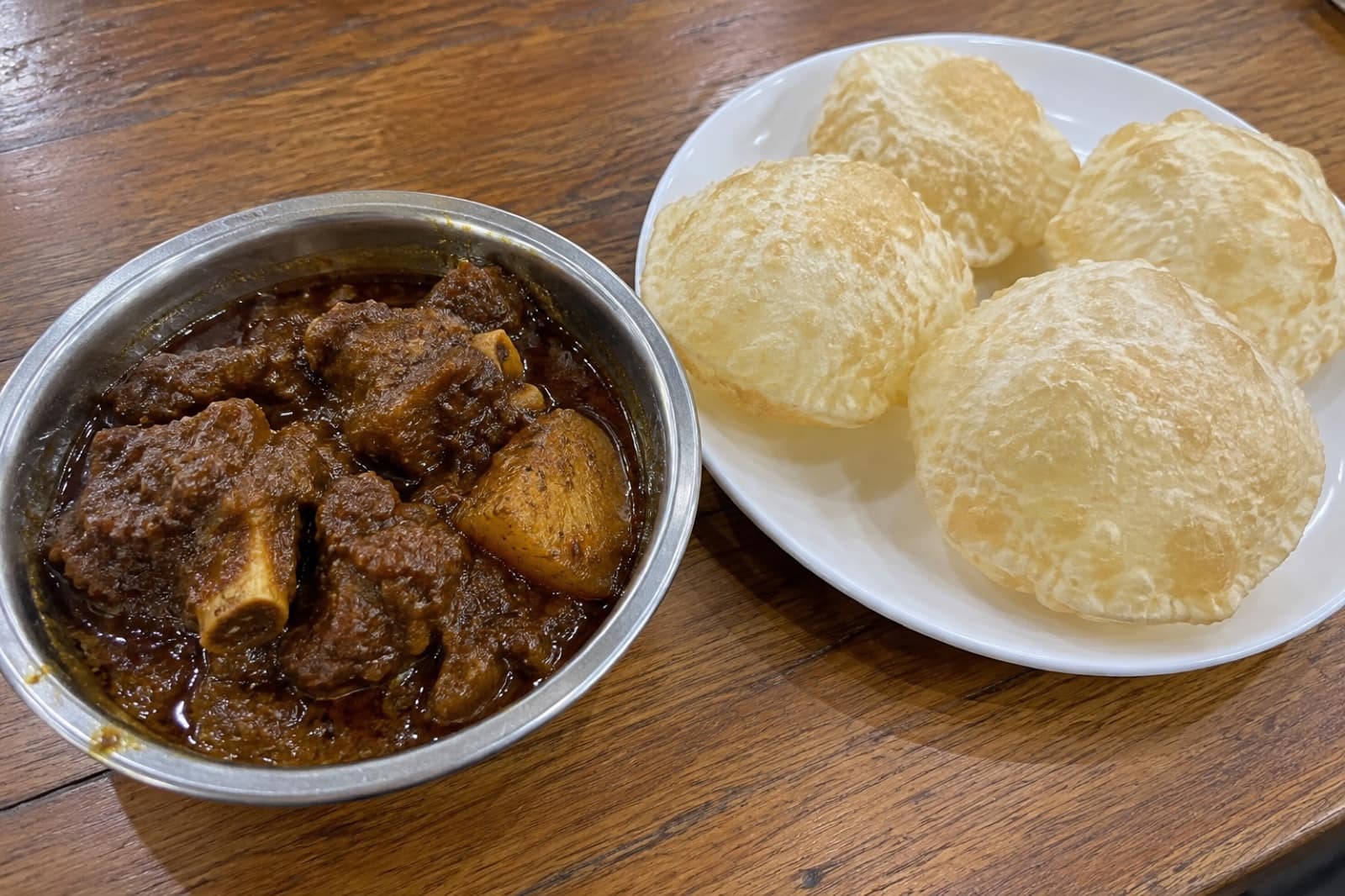
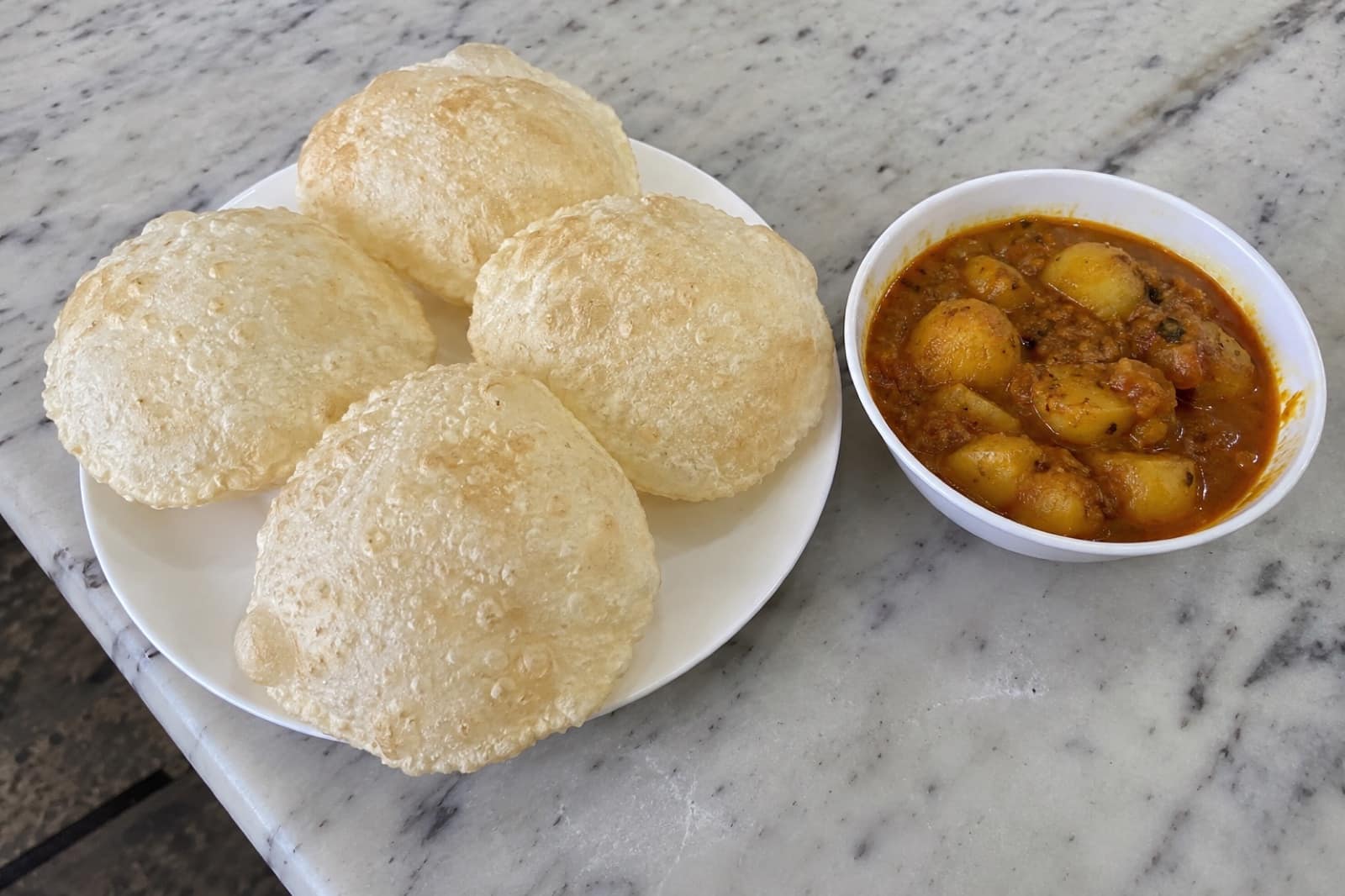
Food here is Bengali home cooking: fish curry and rice at lunch, luchi with potato curry in the morning, and a rosogolla or sandesh in between. The food guide covers each dish, and where to eat lists the kitchens in Bolpur and Ratanpalli.
Questions
Shantiniketan — FAQ
Can tourists go inside the Visva-Bharati campus?
Only on the guided heritage walk. The historic Ashram area is closed to free roaming; the walk runs on Sundays in small batches, and tickets must be booked in advance. The Rabindra Bhavana museum and Uttarayan complex are visited separately.
Which day of the week is best for a visit to Shantiniketan?
Arrive on a Saturday and stay into Sunday. The full Sonajhuri Haat is on Saturday afternoon, and the campus heritage walk runs on Sunday. Wednesday is the university's weekly holiday, when the museum is closed.
How do I get to Shantiniketan from Kolkata?
Most people take the train from Howrah or Sealdah to Bolpur Shantiniketan station, which usually takes around three hours. By road it is about 160 km, and state-run buses also run from Kolkata to Bolpur.
Is Poush Mela still held in Shantiniketan?
Yes. After a break of a few years it returned in 2024 under Visva-Bharati, and the 2025 fair ran from 23 to 28 December on the Purbapalli ground. Confirm each year's dates before you book, as rooms fill early.
Are Shantiniketan and Bolpur the same place?
Nearly. Shantiniketan is the university neighbourhood within Bolpur town. The station is called Bolpur Shantiniketan, and most hotels and restaurants are in Bolpur, a short toto ride from the campus.