
Best Photo Spots in Shantiniketan
Shantiniketan photographs in earth colours: red laterite paths, mud walls, tall trees and handloom in rust and mustard. There are no grand stone monuments, so the light matters more than the landmark, and late afternoon is when the red earth glows.
 Low crowd
Entry Free
Amar Kutir
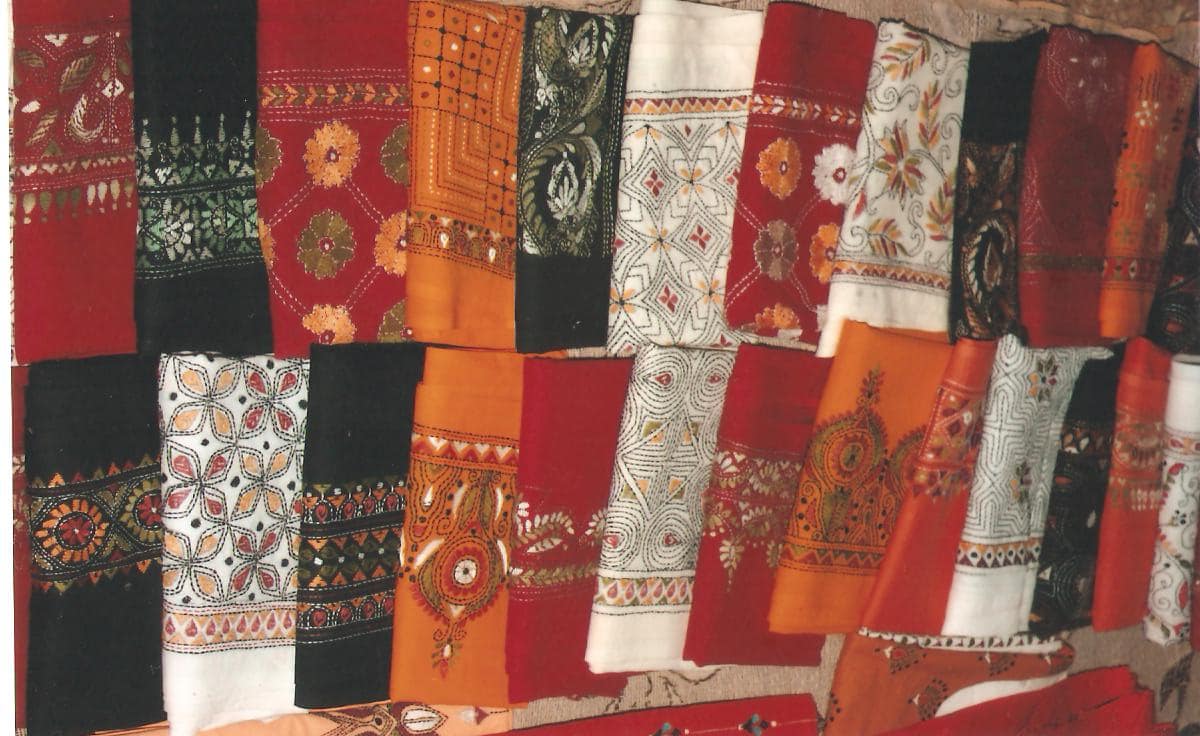
- Best timeLate morning, when light comes into the shop and shows the true colours of the batik; late afternoon for soft light in the tree-shaded grounds.
- ColorsRustCreamIndigo
 Medium crowd
Entry Free (galleries vary)
Kala Bhavana
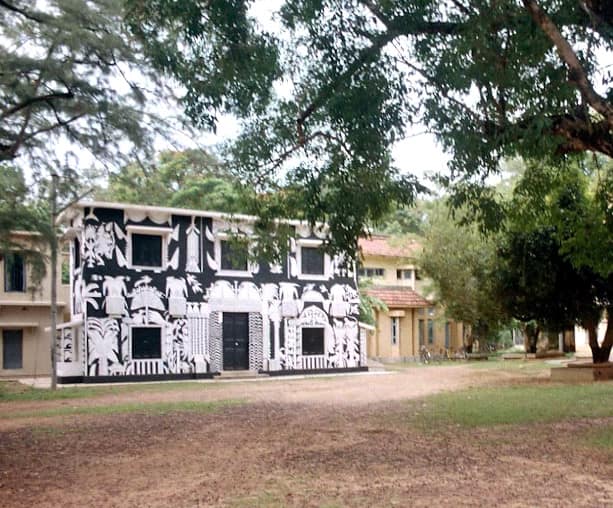
- Best timeLate afternoon, when low sun picks out the rough texture of Ramkinkar's sculptures; early morning for soft light and empty lanes.
- ColorsRustCreamIndigo
Entry Free
Sonajhuri Haat (Khoai)
- Best timeLate afternoon, when the low sun turns the red earth deep orange and lights the stalls between the trees; the last half hour before sunset for silhouettes.
- ColorsRustMustardOff-white
Entry Ticketed
Uttarayan Complex (Rabindra Bhavana)
- Best timeMorning, when the garden is cool and soft light falls on the house fronts; late afternoon for warm colour on Shyamali's mud walls.
- ColorsOff-whiteMaroonCream
Entry Free (some museums ticketed)
Visva-Bharati University
- Best timeMorning on the Sunday heritage walk, when soft light falls through the old trees at Chhatimtala; mid-afternoon batch for long shadows across the avenues.
- ColorsOff-whiteRustMustard
Red earth and tall trees
The look that says Shantiniketan in a single frame is the khoai: bare, eroded red ground cut into gullies, with lines of sonajhuri trees planted to hold the soil. The trees at Sonajhuri Haat are the easiest place to find it. Come in the last two hours of daylight, when the sun is low and the ground turns deep orange. At noon the same earth looks flat and pale.
Tagore's houses
The five houses in the Uttarayan complex were each built in a different style, and they photograph better from the garden than up close. Shyamali, the mud house, has relief figures on its outer walls. Photography inside the Rabindra Bhavana museum is restricted without prior permission, so take your pictures in the grounds and put the camera away indoors.
Art in the open
Kala Bhavana, the university's art school, has murals, frescoes and Ramkinkar Baij's large cement sculptures of Santal workers and families. Some stand beside the campus roads. It is a working college, so ask before you walk into a studio or a courtyard, and don't shoot students at work without their say-so.
Inside the Ashram
The oldest part of Visva-Bharati, including Chhatimtala and the glass-walled prayer hall, is seen only on the Sunday heritage walk. Follow your guide's instructions about photos; rules can differ from one building to the next.
Crafts and colour
Amar Kutir is good for close-ups of batik, kantha and tooled leather. The haat gives you people, music and colour, all in one place.
Being a polite photographer
Baul singers and Santal dancers at the haat are performing for a living. If you film a whole song, leave something in the cloth or the ektara bowl. Ask before you photograph stallholders, especially women selling on their own. Leave the tripod at the hotel for the heritage walk and the museum unless you have permission.
Questions
Shantiniketan — FAQ
Can I take photos inside Rabindra Bhavana?
Photography inside the museum is restricted unless you have prior permission. The gardens and the outsides of Tagore's houses in the Uttarayan complex are where visitors usually take their pictures.
Where can I see Ramkinkar Baij's sculptures?
Around Kala Bhavana and along the campus roads nearby. His Santal family group and other large cement figures stand in the open, among trees.
Is it all right to photograph the Baul singers at Sonajhuri Haat?
Yes, most expect it. Ask first if you want a close portrait, and leave a small tip if you record a full song.
What is the khoai and why does it photograph so well?
Khoai is the local word for the eroded red earth around Shantiniketan. Its gullies and deep colour, with the tall sonajhuri trees above, glow in low evening light.