
Photo spot in Shantiniketan
Sonajhuri Haat (Khoai)
Shantiniketan, West Bengal
A weekly open-air forest market under sonajhuri trees, where artisans sell terracotta, kantha, dokra and handloom amid live Baul music.
Best time
Late afternoon, when the low sun turns the red earth deep orange and lights the stalls between the trees; the last half hour before sunset for silhouettes.
Best angle
Walk to the edge of the market and take a wide photo along the rows of stalls, with the tall sonajhuri trunks and red ground leading into the frame.
Entry fee
Free
Opening hours
Sat afternoons (and daily lite)
Crowd level
High
Best outfit colors
Overview
Best time to visit Sonajhuri Haat (Khoai)
Late afternoon, when the low sun turns the red earth deep orange and lights the stalls between the trees; the last half hour before sunset for silhouettes. Crowds here are typically high. Arrive a little early to claim your angle and catch the softest light before the day tips over.
Poses & angles
Photo tips for Sonajhuri Haat (Khoai)
Walk to the edge of the market and take a wide photo along the rows of stalls, with the tall sonajhuri trunks and red ground leading into the frame. Work a few of the pose ideas below, shoot wide for context and tight for detail, and give yourself a couple of extra minutes to get the frame right.
Among the craft stalls
With Baul musicians
Outfit guide
What to wear at Sonajhuri Haat (Khoai)
For photos at Sonajhuri Haat (Khoai), rust, mustard and off-white work beautifully — they stand out against the setting without fighting it. Pick one hero colour and keep the rest of the look calm so you stay the subject of the frame.
Best outfit colors for photos
Trending wear for this spot
Modern, camera-ready looks picked for Sonajhuri Haat (Khoai).
Traditional wear for this spot
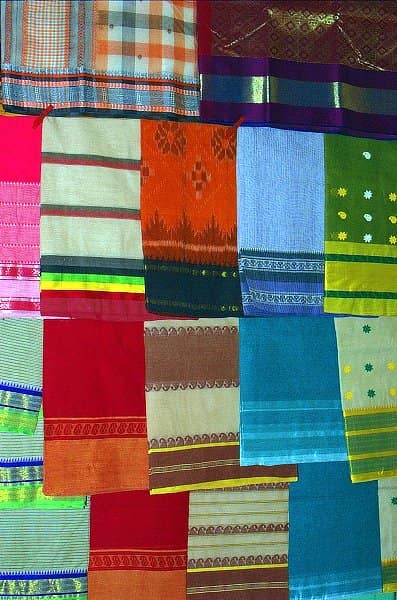
Timeless, cultural outfits worn across Shantiniketan.
Eat nearby
Food near Sonajhuri Haat (Khoai)
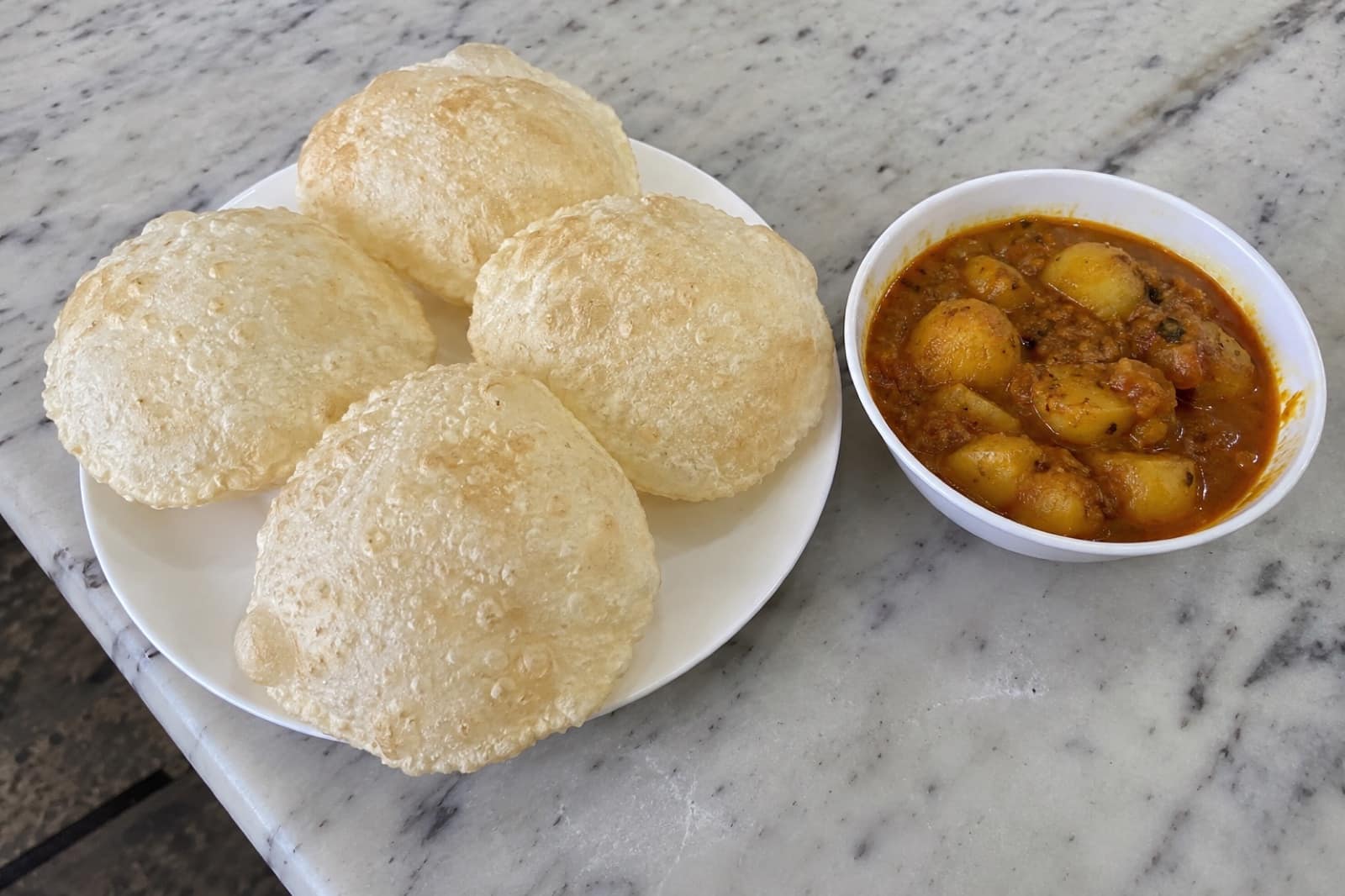
Round out the visit with something to eat. Look for luchi & alur dom nearby.
Special dishes to try
Search food by craving
Good to know
Local tips
Plan for Saturday afternoon, as the full haat runs only then.
Carry cash in small notes, because many sellers don't take cards or UPI.
Bargain lightly, since most sellers are makers selling their own work.
Leave a tip for Baul singers if you record a whole song.
Wear darker shoes, as the red earth stains pale soles and white hems.
Arrange your return toto before dusk, when everyone leaves at once.
Carry water in the warmer months, because there is little shade in open patches.
A market in the woods
Every Saturday afternoon, sellers spread cloths under the sonajhuri trees on the edge of Shantiniketan and set up a market that runs until the light goes. The ground is the bare red khoai, cut into gullies by erosion, and the tall trees were planted to hold it together. The haat has been running for a little over twenty years and has grown into the town's weekly gathering.
What you'll find
Most of the sellers are local women, many of them from nearby villages, selling their own work. Look for kantha-stitched stoles and sarees, block-printed kurtas, cloth bags, dokra metal jewellery, terracotta, wooden toys, wall hangings and paintings. Some stalls sell vegetables and home-made food as well. Quality varies, so feel the cloth and look at the stitching before you buy.
Music and dance
Baul singers, the wandering mystic musicians of Bengal, perform with the one-stringed ektara and the dotara. Groups of Santal women dance in a line to drums and invite visitors to join in. None of this is on a stage; it simply happens among the stalls.
When to go
The full market is on Saturday afternoon and closes at sundown. Stalls usually start setting up after lunch, and the start time moves later in hot weather. A smaller market sometimes runs on Sunday mornings, and a few stalls appear on other days, but Saturday is the one to plan around. It gets very busy around Basanta Utsav and in the winter holidays.
Getting there
The haat is about 1.5 km from the centre of Shantiniketan, near the Shyambati canal. Totos run there from Bolpur and the campus; on Saturday evenings, agree a return fare or ask your driver to wait. Combine it with Uttarayan in the morning, and see the wear guide for what to buy.
Questions
Sonajhuri Haat (Khoai) — FAQ
What is the best time to visit Sonajhuri Haat (Khoai)?
Late afternoon, when the low sun turns the red earth deep orange and lights the stalls between the trees; the last half hour before sunset for silhouettes. Walk to the edge of the market and take a wide photo along the rows of stalls, with the tall sonajhuri trunks and red ground leading into the frame.
Is there an entry fee at Sonajhuri Haat (Khoai)?
Entry to Sonajhuri Haat (Khoai) is free.
What are the opening hours of Sonajhuri Haat (Khoai)?
Sonajhuri Haat (Khoai) is open Sat afternoons (and daily lite).
What should I wear at Sonajhuri Haat (Khoai)?
Rust, mustard and off-white photograph especially well here. Explore the trending and traditional outfit ideas on this page for full looks.
How crowded does Sonajhuri Haat (Khoai) get?
Crowd levels are typically high. To miss the busiest window: late afternoon, when the low sun turns the red earth deep orange and lights the stalls between the trees; the last half hour before sunset for silhouettes.
What food should I try near Sonajhuri Haat (Khoai)?
Try luchi & alur dom at spots close by.
Is Sonajhuri Haat open every day?
The full market is only on Saturday afternoon. A smaller one sometimes runs on Sunday mornings, and a few stalls set up on other days.
Why is it called Sonajhuri?
After the sonajhuri trees that shade it. They were planted across the eroded red khoai land to hold the soil.
Who are the musicians at the haat?
Mostly Baul singers, Bengal's wandering folk mystics, who play the ektara and dotara. Groups of Santal women also dance to drums.
How far is Sonajhuri Haat from Shantiniketan?
About 1.5 km from the centre, near the Shyambati canal. A toto from the campus or Bolpur takes a few minutes.