
What to Wear in Shantiniketan
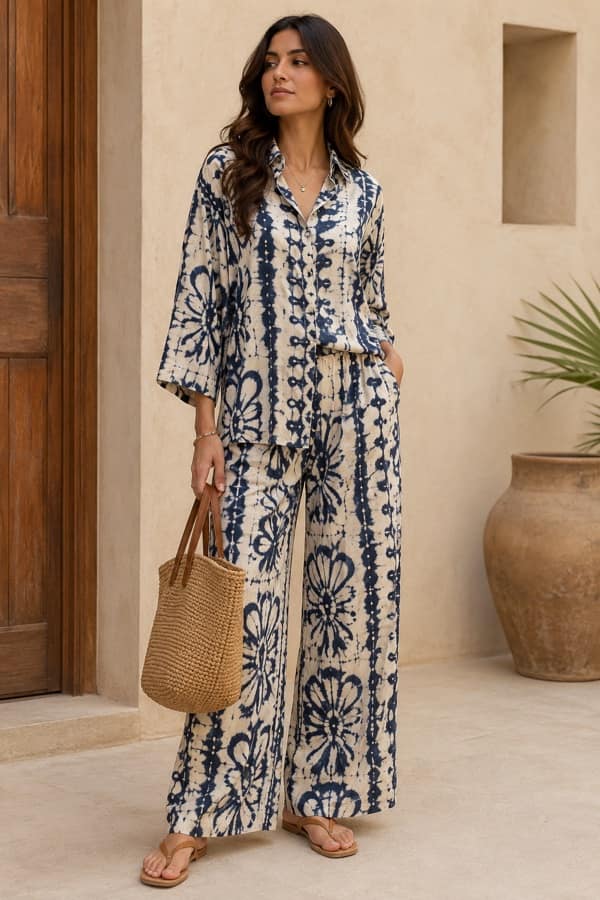
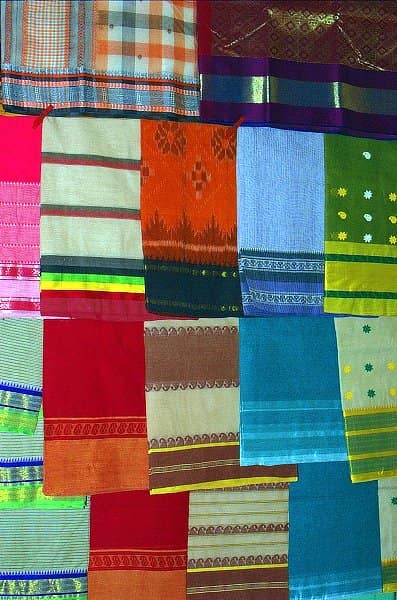
Shantiniketan dresses down and dresses in handloom. A cotton kurta, a tant saree or a batik top fits in everywhere, from the museum to the Saturday haat.
Trending wear
Modern, Instagram-friendly looks
Traditional wear
Local cultural outfits
The local look
The town has had an artists' and students' dress code of its own for a century: handwoven cotton, earth colours, a cloth jhola bag over the shoulder and terracotta or dokra jewellery. You don't need to copy it, but loose natural fabrics in off-white, rust, mustard or indigo sit well against the red earth and the mud walls, both in person and in photos. Bright synthetics look out of place here.
By season
From November to February, mornings can be cold, sometimes close to 10°C, while the afternoons are warm and sunny. Wear layers: a cotton kurta or shirt, with a shawl or light jacket for early starts and evenings. Poush Mela nights in late December are chilly in the open ground. From March to May, days are very hot, often above 35°C, so wear loose light cotton and a hat, and carry water. In the monsoon, from about June to September, quick-dry clothes and an umbrella matter more than style, and the red earth turns to sticky mud.
Festivals
For Basanta Utsav in spring, many people wear yellow or saffron: a yellow saree or a white one with a coloured border for women, a yellow panjabi for men, often with flowers in the hair. For Poush Mela and other formal occasions, the white tant saree with a red border and the dhoti with a panjabi are the classic Bengali choices. Wear something you don't mind getting abir, the coloured powder, on.
Shoes and dust
You take your shoes off to enter Tagore's houses at Uttarayan, so slip-ons or Kolhapuris save time. The khoai around the haat is dusty red laterite that marks white hems and pale soles. Choose darker sandals and keep the good white saree for the evening.
Buying clothes here
Sonajhuri Haat is the place for kantha-stitched stoles, block prints and handloom kurtas made by local women. Amar Kutir, a cooperative, sells batik, kantha and leather in a shop setting. Bolpur's market has tant sarees and ready-made panjabis. See the photo spots for where each outfit works best.
Questions
Shantiniketan — FAQ
What colour should I wear for Basanta Utsav in Shantiniketan?
Yellow is the traditional colour of spring here, so yellow or saffron sarees, kurtas and panjabis are the usual choice. White with a yellow or red border also works.
Do I need warm clothes for Poush Mela?
Yes. Late December days are pleasant, but evenings in the open fairground get cold. Bring a shawl or a light jacket for the cultural programmes after dark.
Where can I buy a kantha stole or batik top in Shantiniketan?
Sonajhuri Haat on Saturday afternoon has the widest choice from local makers. Amar Kutir's cooperative shop is better for batik, leather goods and kantha sarees.
Will I have to take my shoes off anywhere?
Yes, before entering the houses in the Uttarayan complex, and at prayer halls. Easy slip-on sandals make this simpler.