
Photo spot in Shantiniketan
Amar Kutir
Shantiniketan, West Bengal
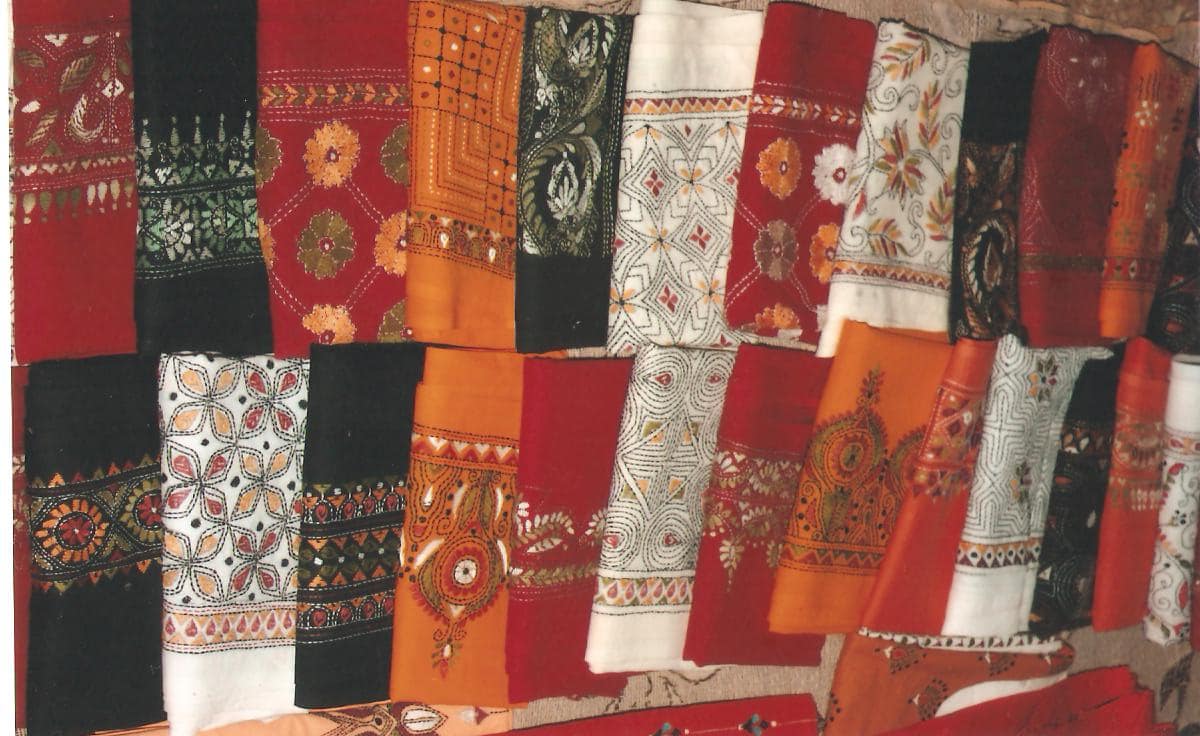
A cooperative society and emporium showcasing Bengal's crafts — batik, leatherwork, kantha and dokra — set in a leafy campus.
Best time
Late morning, when light comes into the shop and shows the true colours of the batik; late afternoon for soft light in the tree-shaded grounds.
Best angle
Take a close photo of the batik or leather pieces laid out, then step back and shoot the cottage-style buildings through the trees.
Entry fee
Free
Opening hours
9:00 AM – 6:00 PM
Crowd level
Low
Best outfit colors
Overview
Best time to visit Amar Kutir
Late morning, when light comes into the shop and shows the true colours of the batik; late afternoon for soft light in the tree-shaded grounds. Crowds here are typically low. Arrive a little early to claim your angle and catch the softest light before the day tips over.
Poses & angles
Photo tips for Amar Kutir
Take a close photo of the batik or leather pieces laid out, then step back and shoot the cottage-style buildings through the trees. Work a few of the pose ideas below, shoot wide for context and tight for detail, and give yourself a couple of extra minutes to get the frame right.
At the craft emporium
In the leafy grounds
Outfit guide
What to wear at Amar Kutir
For photos at Amar Kutir, rust, cream and indigo work beautifully — they stand out against the setting without fighting it. Pick one hero colour and keep the rest of the look calm so you stay the subject of the frame.
Best outfit colors for photos
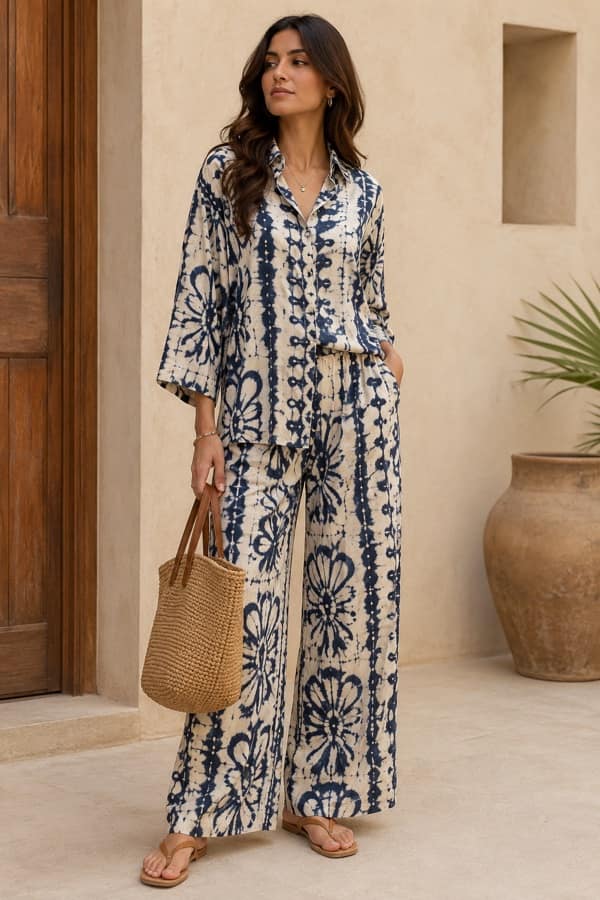
Trending wear for this spot
Modern, camera-ready looks picked for Amar Kutir.
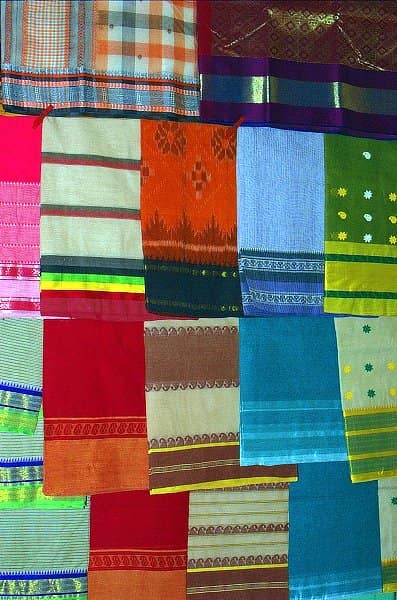
Traditional wear for this spot
Timeless, cultural outfits worn across Shantiniketan.
Eat nearby
Food near Amar Kutir
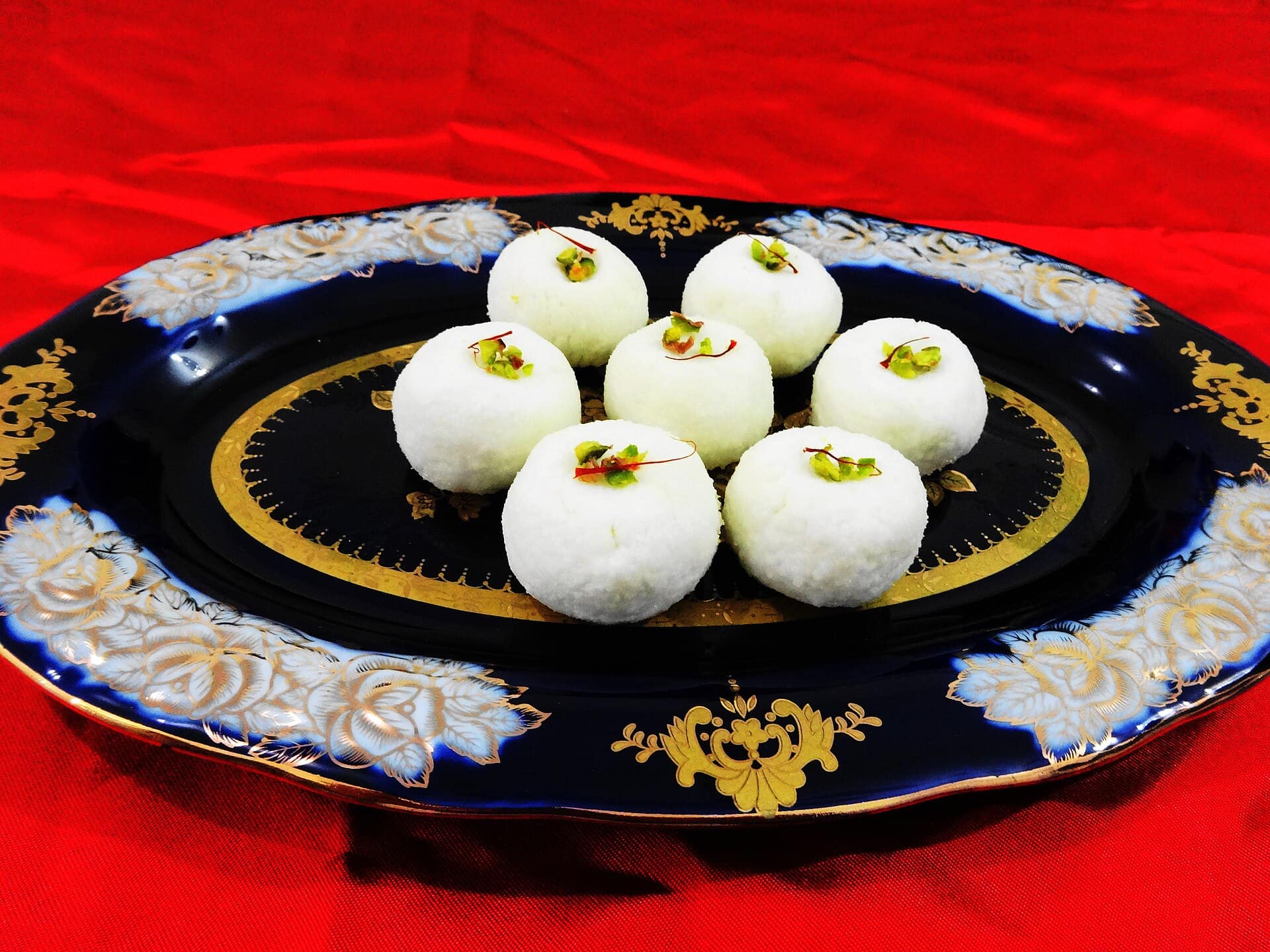
Round out the visit with something to eat. Look for sandesh nearby.
Special dishes to try
Search food by craving
Good to know
Local tips
Ask your toto or car to wait, as return transport from here can be hard to find.
Ask whether the workshops are open; you can often watch batik and leather being made.
Check the stitching and edges of leather bags before you pay, as with any handmade piece.
Buy batik here rather than at roadside stalls if you want hand-waxed work.
Carry cash as a backup in case card or UPI payment isn't working.
Walk down to the Kopai river behind the grounds for a quiet few minutes.
Check the day's timings before a long ride, especially around festivals.
From hideout to cooperative
Amar Kutir means my cottage. Sushen Mukherjee started it in 1927, after meeting Gandhi at Shantiniketan, and in the years that followed it sheltered activists of the independence movement. The British raided it in 1930 and jailed him. After independence the focus turned to rural work and crafts, and the Amar Kutir Society for Rural Development was registered in 1978. Today it is a cooperative that gives local artisans a steady place to make and sell their work.
What they make
The two crafts Amar Kutir is best known for are batik and leather. The batik is hand-waxed and dyed, on sarees, stoles, bedcovers and kurtas, and the leather goods are tooled and dyed in the Shantiniketan style, with bags, wallets and diaries among them. There is also kantha embroidery, bamboo work and other units. You can often see artisans at work in the sheds behind the shop.
The setting
The cooperative sits on the bank of the Kopai river, in quiet, tree-shaded grounds that feel far from the crowds of the haat. It is further from the centre than the other sights, so take a toto or car and ask the driver to wait. Many visitors combine it with lunch at Banalakshmi in Bolpur.
Why come here
If Sonajhuri Haat is where you find one-off pieces and bargain, Amar Kutir is where you know what you are buying. The shop is calmer, the goods come from the cooperative's own units, and you can check the quality in good light. It is a sound place to buy a gift that will last.
Plan your time
Allow an hour, more if you want to watch the workshops. The shop may close on some days or for festivals, so check before you set out. Pair it with Sonajhuri Haat on a Saturday, and see the wear guide for how to wear a batik or kantha piece.
Questions
Amar Kutir — FAQ
What is the best time to visit Amar Kutir?
Late morning, when light comes into the shop and shows the true colours of the batik; late afternoon for soft light in the tree-shaded grounds. Take a close photo of the batik or leather pieces laid out, then step back and shoot the cottage-style buildings through the trees.
Is there an entry fee at Amar Kutir?
Entry to Amar Kutir is free.
What are the opening hours of Amar Kutir?
Amar Kutir is open 9:00 AM – 6:00 PM.
What should I wear at Amar Kutir?
Rust, cream and indigo photograph especially well here. Explore the trending and traditional outfit ideas on this page for full looks.
How crowded does Amar Kutir get?
Crowd levels are typically low. To miss the busiest window: late morning, when light comes into the shop and shows the true colours of the batik; late afternoon for soft light in the tree-shaded grounds.
What food should I try near Amar Kutir?
Try sandesh at spots close by.
What is Amar Kutir known for?
Batik textiles and tooled leather goods, made by its own artisans. It also sells kantha embroidery and bamboo crafts.
Who founded Amar Kutir?
Sushen Mukherjee, in 1927. It sheltered freedom fighters in the 1930s and later became a rural development cooperative.
Can I see the crafts being made?
Often, yes. The workshops are behind the shop, and visitors can usually watch artisans at work if they ask.
Is Amar Kutir close to Shantiniketan?
It is on the Kopai river outside town, further than the other sights. Take a toto or car and have it wait for the return.