
Temple in Udaipur
Eklingji Temple
Udaipur, Rajasthan
About 22 km north of Udaipur, and not an ordinary temple: Eklingji is held to be the actual ruler of Mewar, the Maharana serving as his regent. A four-faced black marble lingam sits under a silver-doored shrine.
Overview
Who it's to, and what's expected
Deity
Shiva as Eklingji
Tradition
Shiva temple
- Entry
The temple is open to both tourists and devotees, but visitors must wear modest clothing and are prohibited from bringing mobile phones or taking photographs inside.
Time your visit
The darshan clock
A single opening-hours line cannot express a midday closure or an evening ceremony.
4:30 am
Opening hours
The temple is open for visitors in the morning from 4:30 am to 7:00 am and 10:30 am to 1:30 pm, and in the evening from 5:00 pm to 7:30 pm.
Rules, timings and fees change — confirm locally before you rely on this.
How long this takes
Ways in
The difference between a twenty-minute visit and a three-hour one.
General darshan
- Free, in three daily sessions - roughly 4:30 to 7:00 AM, 10:30 AM to 1:30 PM, and 5:00 to 7:30 PM - with the temple closed between sessions
- No separate arrangements exist; the temple publishes its own schedule at the gate
Mondays
- The deity's own day, when the temple traditionally opens a little early and attendance is at its weekly fullest - the day the royal family's visits made famous
Mahashivratri
- The temple's greatest festival, in February or March, when the complex fills with pilgrims from across Mewar and beyond; expect long waits through the sessions
At the gate
Before you go in
What gets refused, and what you cannot take past the door.
What to wear
Visitors are expected to wear modest and respectful clothing.
Phones and cameras
Mobile phones are not permitted inside the temple, and photography or videography is strictly prohibited.
Rules, timings and fees change — confirm locally before you rely on this.
When not to come — unless you mean to
Festival windows
These follow lunar calendars and move by weeks each year, so the windows are months, not dates.
Mahashivratri
Eklingji Patotsav
Shravan
Practicalities
The things that go wrong
Book through official channels, and treat anyone promising a guaranteed slot as a warning sign.
What to watch for
- Charging for entry
- Darshan is free in all three sessions; anyone collecting money at the gate for entry is not authorised
- Offering a photography permit for a fee
- Photography and mobile phones are strictly prohibited inside, and no permit exists
- Selling flowers, milk or offerings at inflated prices at the approach; the temple's own counter prices are far lower
- Shoe-stand attendants demanding arbitrary amounts; a small fixed fee is normal, a quoted 'rate' is not
- Drivers from Udaipur quoting a fare only on arrival, or detouring to shops on the Eklingji-Nathdwara road; agree the itinerary and fare before setting out
General guidance
Planning the visit
Customary practice and what Udaipur's climate means for a barefoot visit — not rules posted at this temple. Anything specific to Eklingji Temple is above.
Circling the shrine
At most Shaiva temples the circuit around the sanctum is not completed in a full circle — the channel draining the abhishekam is not crossed. Walk to it, turn, and come back the way you came. Watching what the queue in front of you does is the reliable guide.
Come in winter
Winter is when Udaipur is most comfortable to walk around, which matters here because a temple visit is done on foot and barefoot. Locally the window is given as september to march.
Cold stone, early starts
Barefoot on stone at altitude before sunrise is colder than the air temperature suggests, and the first darshan of the day is usually the coldest hour. Socks are permitted almost everywhere shoes are not.
Arriving by train
Udaipur has a railway station, and auto-rickshaws wait outside it. Agree the fare or use a meter before you set off, and expect to be dropped a short walk from the temple rather than at its door.
Outfit guide
What to wear at Eklingji Temple
Cover shoulders and knees — the rules above win over anything here.
Trending wear for this spot
Popular modern looks travellers are wearing across Udaipur.

Traditional wear for this spot
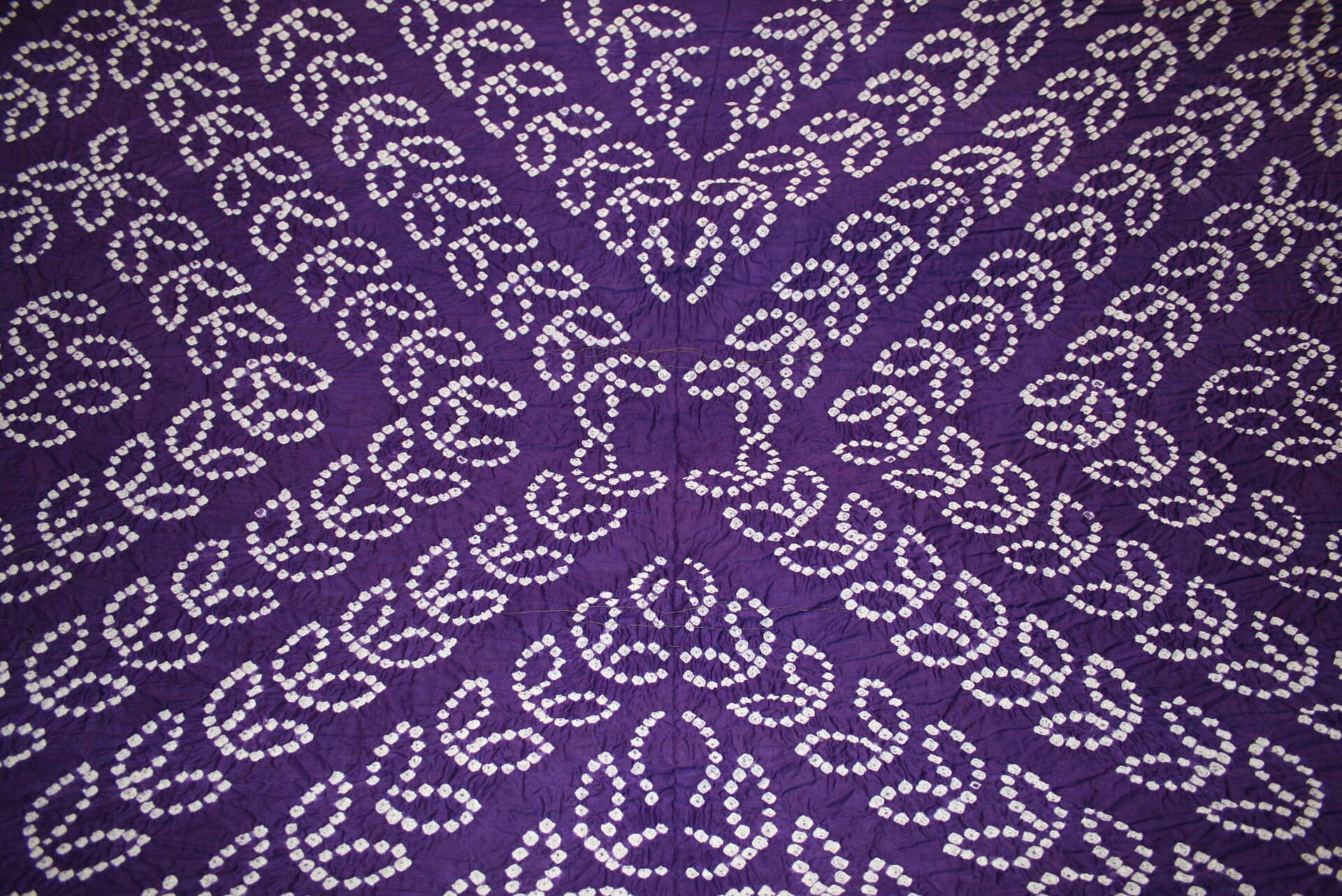
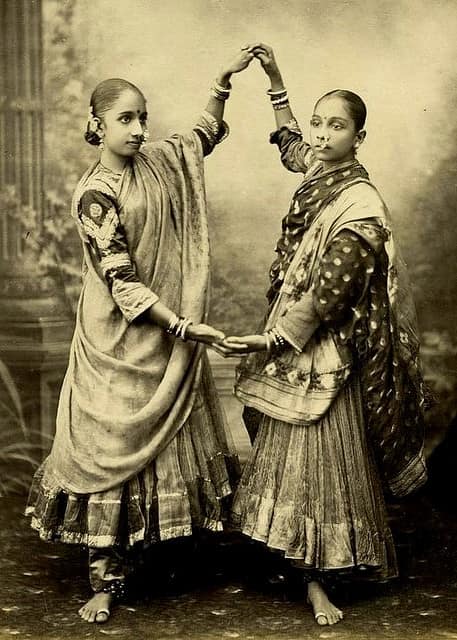
Timeless, cultural outfits worn across Udaipur.
Eklingji Temple, near Udaipur
Twenty-two kilometres north of Udaipur, and not an ordinary temple: in the Mewar tradition Eklingji is the actual ruler of the kingdom, and the Maharana has always served as his regent.
👑 The deity who ruled Mewar
Eklingji — a form of Shiva — is the state deity of the Mewar dynasty, and the tradition runs deeper than patronage: the kingdom is held to belong to the deity, with the Maharana acting as his dewan, his minister. Treaties and administration were historically conducted in the deity's name, and the reverence is alive today — the descendants of the royal family traditionally visit every Monday to offer prayers.
The temple's founding is attributed to Bappa Rawal, the founder of the Mewar dynasty, in 734 CE, as recorded in the Ekalinga Mahatmya, the temple's own early-fifteenth-century chronicle. The original shrine did not survive the centuries in its first form; the present temple is largely a fifteenth-century rebuilding under Maharana Raimal, whose inscription remains on the southern wall.
🕉️ The four-faced lingam
The temple tower rises about fifty feet, and beneath it the sanctum holds the striking four-faced black marble image of Eklingji.
The four faces look to the four directions — Surya the sun in the east, Brahma in the west, Vishnu in the north, and Rudra in the south — with the raised apex above them representing Sadashiva with his consort. A silver serpent coils around the lingam, and a silver Nandi, Shiva's bull, faces the sanctum from the hall, with two further Nandis in black stone and brass nearby.
The effect is of a deity assembled from the whole cosmos rather than a single image — which suits a god who is meant to be ruling rather than merely residing.
🏯 One hundred and eight temples
The walled complex holds 108 temples, large and small, clustered around the main shrine — shrines, courtyards and tanks rather than a single building. The town around it is called Kailashpuri, after Shiva's mountain, and lives for the temple.
🕉️ A state run in the deity's name
The arrangement was not only devotional. For centuries the Maharana of Mewar administered the kingdom as the deity's minister — campaigns, treaties and grants carried out in Eklingji's name, and the shrine's chronicle, the Ekalinga Mahatmya, frames the dynasty's legitimacy itself as service to the deity.
The temple's custodianship has its own history: the shrine was long served by the Pashupata sect, then by the Nath tradition, and since the sixteenth century by the Ramanandis, who serve it still — an unbroken sequence of worship at one of Rajasthan's oldest living Shiva shrines.
What this means for a visitor is that Eklingji is not a monument with worshippers attached, but a working temple with a state attached — the difference shows in the fullness of the morning aartis on any ordinary day.
🕒 Timings
Darshan runs in three sessions daily: roughly 4:30 to 7:00 AM, 10:30 AM to 1:30 PM, and 5:00 to 7:30 PM, with the temple closed between them.
Aartis thread the day — morning aartis around 5:30, 8:15, 9:15 and 11:30 AM, afternoon aartis around 3:30 and 4:30 PM, and evening aartis around 5:00 and 6:30 PM. The midday gap between the second and third sessions is long enough for a meal in Kailashpuri, and the evening session under the lamps is the one to keep if you can only manage one. On Mondays the temple traditionally opens a little early for the deity's own day. Crowds build through the morning sessions on weekends and festival days, when the halls fill with pilgrims from across the region. The most atmospheric visits are early morning, when the first aartis are sung, and the evening session under lamps.
Entry is free. Mobile phones are not permitted inside, and photography is strictly prohibited.
🌕 Mahashivratri and the year
Mahashivratri, in February or March, is the temple's greatest festival, when the complex fills with pilgrims from across Mewar and beyond. The Eklingji Patotsav, the temple's own anniversary observance, is the other principal occasion, with special rituals for Navratri, Pradosh and through the month of Shravan.
📍 Getting there and pairing
Kailashpuri, 22 km north of Udaipur — under an hour's drive, and the standard circuit is Eklingji with Nathdwara, the Krishna shrine further east, and the Haldighati pass on the way — a full and satisfying day out of Udaipur through the Aravalli hills.
Carry nothing you cannot pocket, since phones stay behind, and dress modestly — shoulders and knees covered as at any major Shiva shrine.
The drive out of Udaipur is part of the visit: the road climbs north through the Aravalli hills past villages and marble country, and most travellers take in the whole Eklingji-Nathdwara-Haldighati arc in a loop, returning to the city by evening. Start early enough to reach Eklingji for the morning session, when the aartis are sung and the complex is at its most alive, and let Nathdwara take the afternoon.
Last verified: 2026. The 734 CE founding attributed to Bappa Rawal, the fifteenth-century rebuilding under Maharana Raimal with his inscription on the southern wall, the four-faced black marble image with its directional faces and silver Nandi, the 108 temples of the complex, the three darshan sessions and the aarti times, the free entry, and the prohibition on phones and photography are documented; timings extend on festival days and the temple's own notice is authoritative.
Questions
Eklingji Temple — FAQ
Who is Eklingji Temple dedicated to?
Eklingji Temple in Udaipur is dedicated to Shiva as Eklingji.
Who can enter Eklingji Temple?
The temple is open to both tourists and devotees, but visitors must wear modest clothing and are prohibited from bringing mobile phones or taking photographs inside.
What is the dress code at Eklingji Temple?
Visitors are expected to wear modest and respectful clothing.
Can I take photos inside Eklingji Temple?
Mobile phones are not permitted inside the temple, and photography or videography is strictly prohibited.
Checked, not remembered
Sources
Every rule and timing above traces back to one of these.