
Rajasthan · India
Udaipur
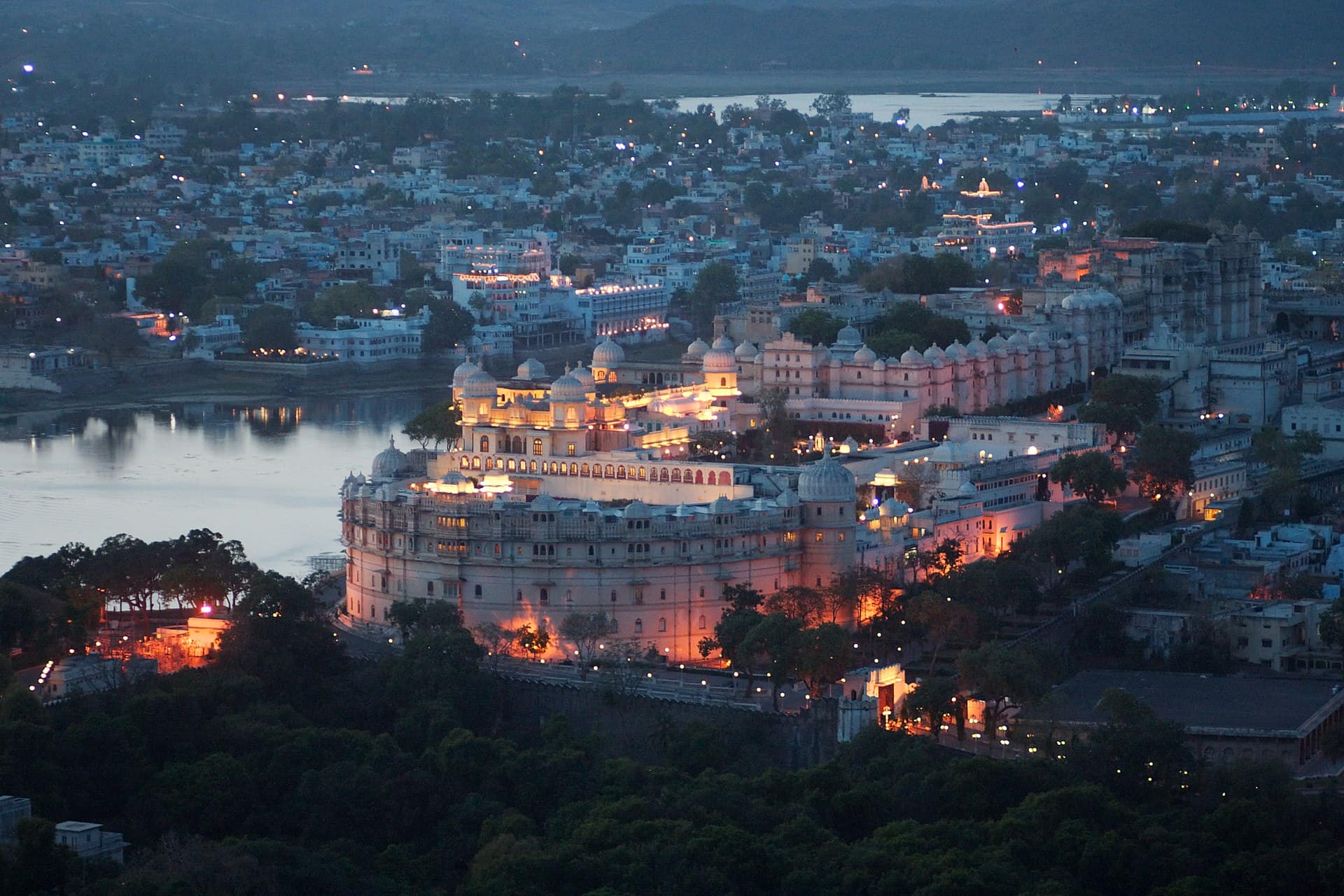
The City of Lakes — a romantic maze of marble palaces, ghats and shimmering lakes ringed by the Aravalli hills, and Rajasthan's most photogenic old town.
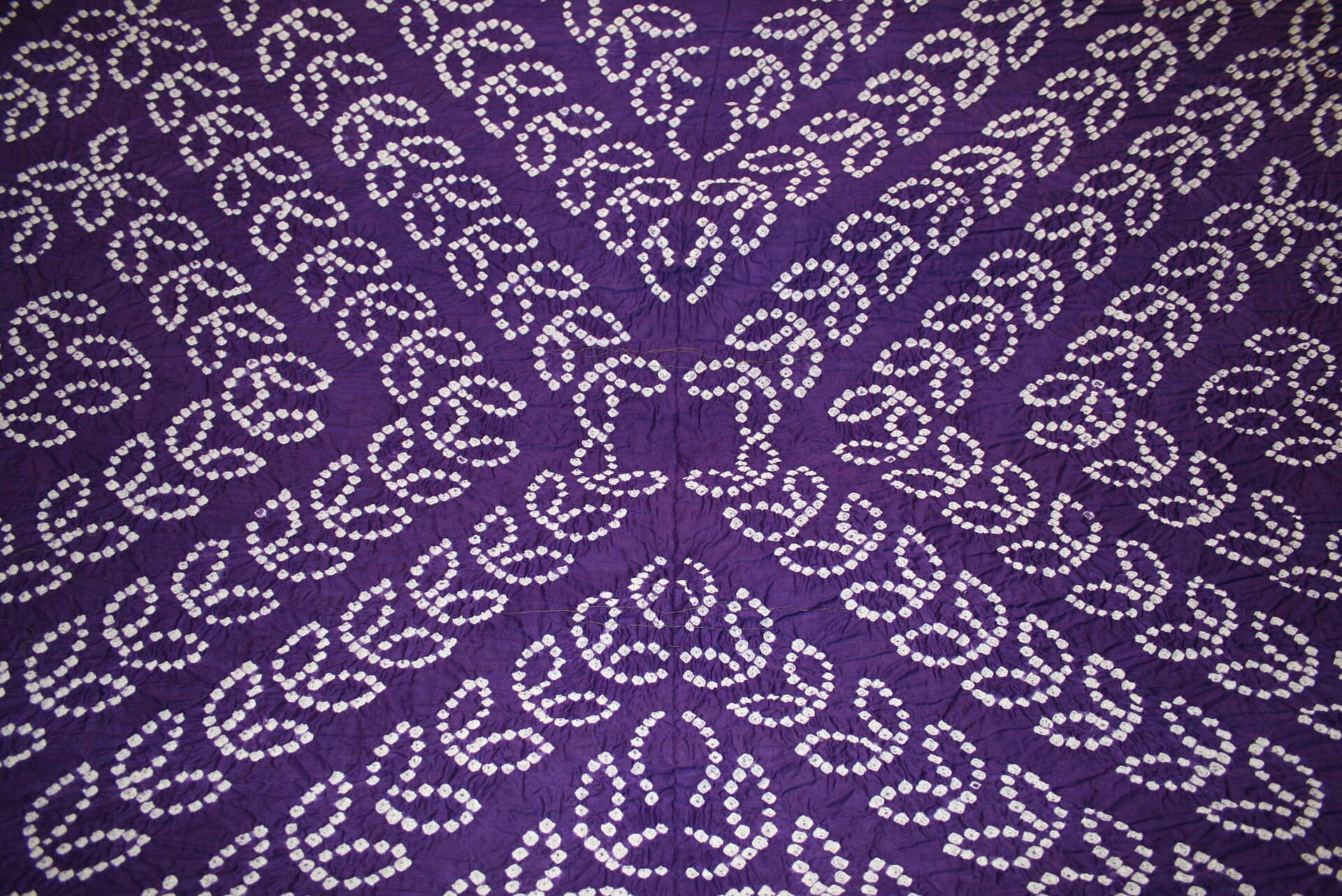
Udaipur (Mewar) is known for its miniature Mewari paintings, Pichhwai art, bandhani textiles and silver jewellery. Whites and pastels photograph beautifully against the blue lakes and marble.
Plan your trip
Udaipur Tour Itineraries
Timed, walkable day plans — plus the best season to go.
Where to shoot
Udaipur Photo Spots
 Medium crowd
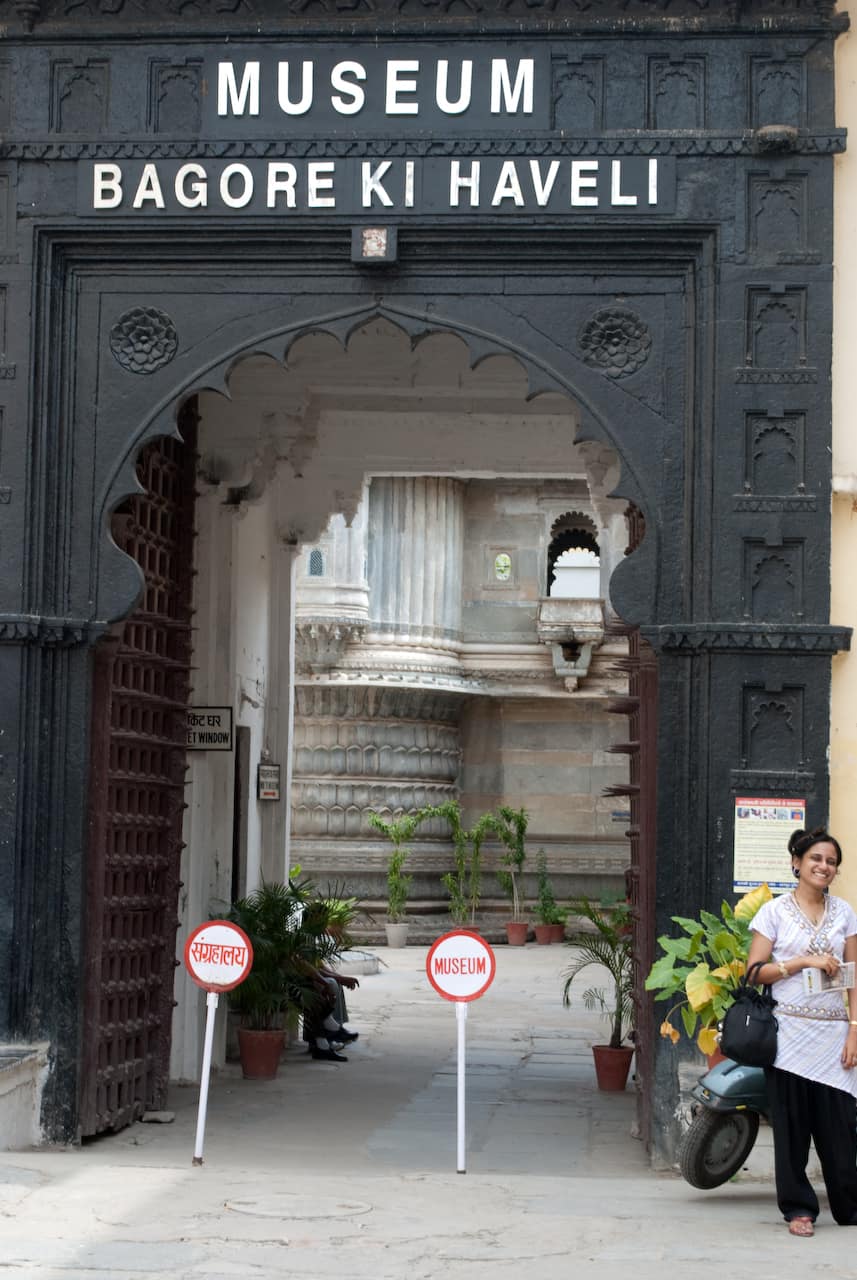
Entry ₹100 (Indian) / ₹200 (foreign); show extra
Bagore Ki Haveli
- Best timeLate afternoon, when soft light fills the courtyards and the lake glows through the windows; evening for the folk-dance show.
- ColorsBandhani brightsMustardTeal
 High crowd
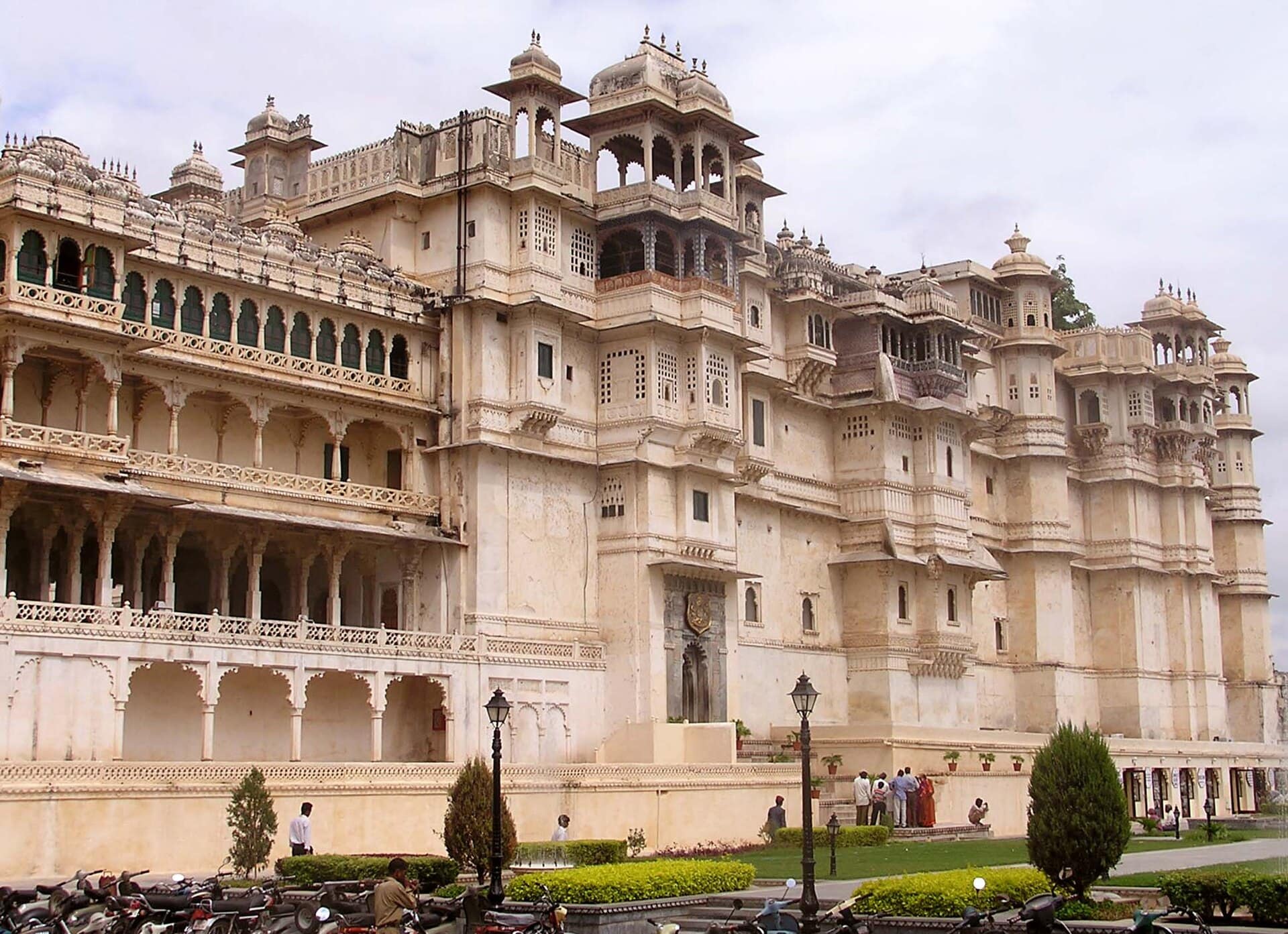
Entry ₹300 (museum entry) + ₹250 camera
City Palace, Udaipur
- Best timeMorning, soon after opening, for soft light on the balconies and fewer people in the courtyards; sunset from the lake for the whole façade.
- ColorsWhitePastel blueCoral
 Medium crowd
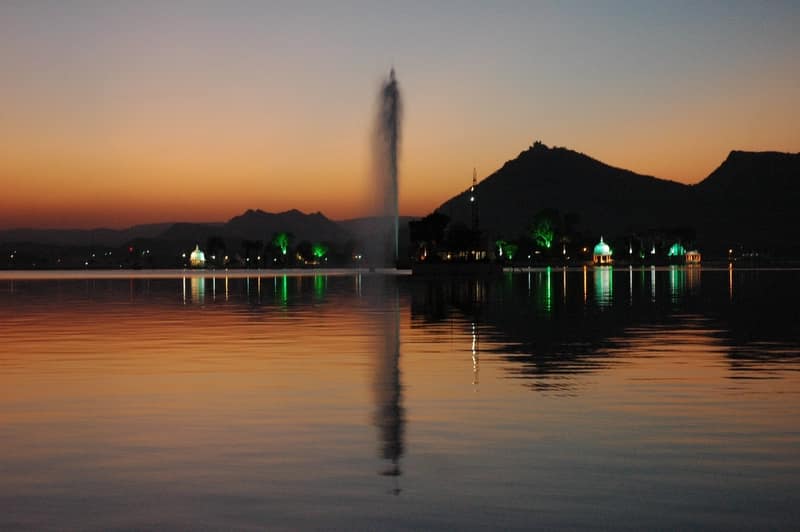
Entry Free (promenade); boat ride ₹150–300
Fateh Sagar Lake
- Best timeLate afternoon into sunset, when the hills turn gold and the promenade lights come on.
- ColorsWhiteSky blueCoral
 Medium crowd
Entry Free
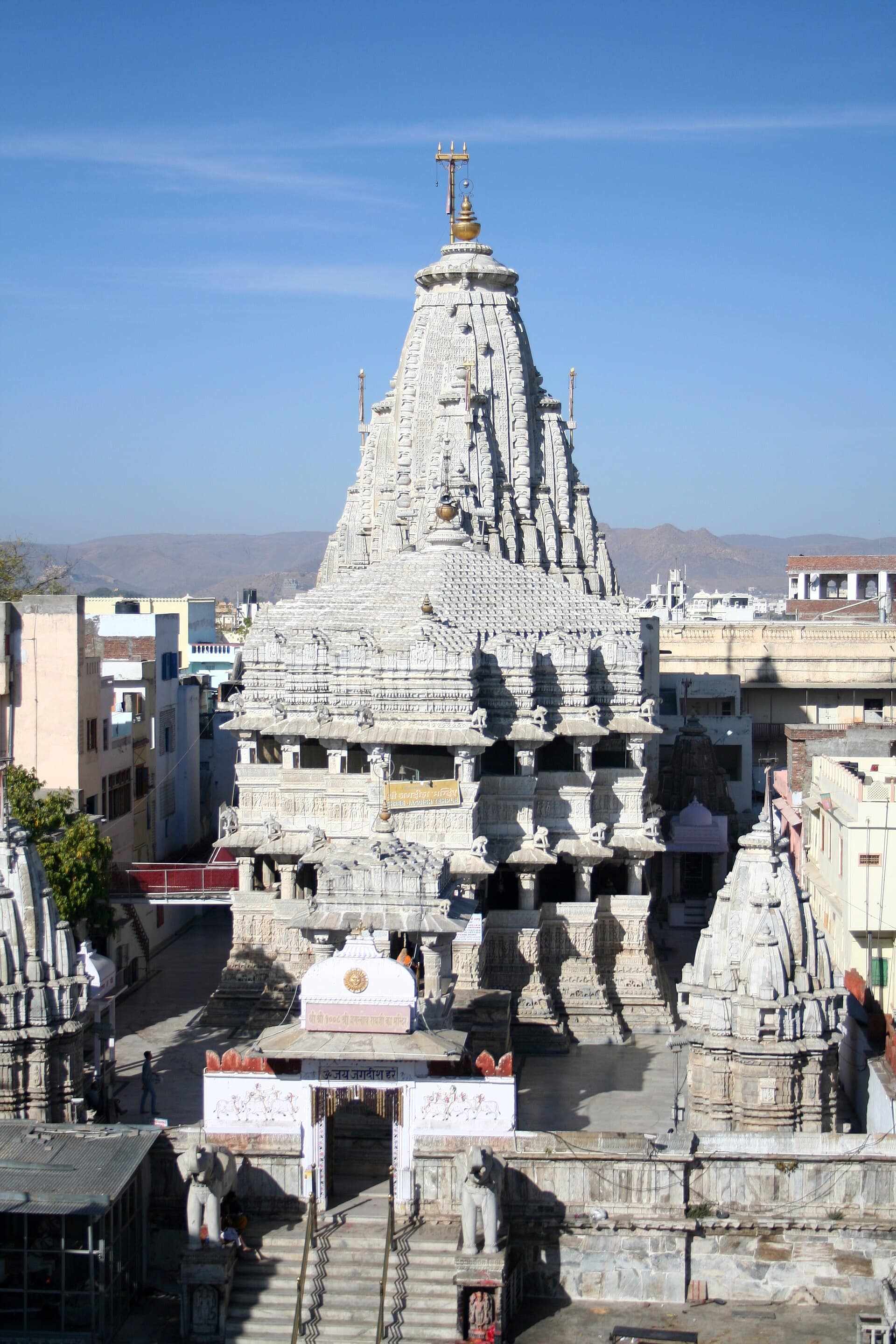
Jagdish Temple
- Best timeEarly morning, before the old-city lanes fill up and while the light is soft on the carved stone.
- ColorsTraditional brightsYellowRed
 Medium crowd
Entry Boat + entry ₹400–700
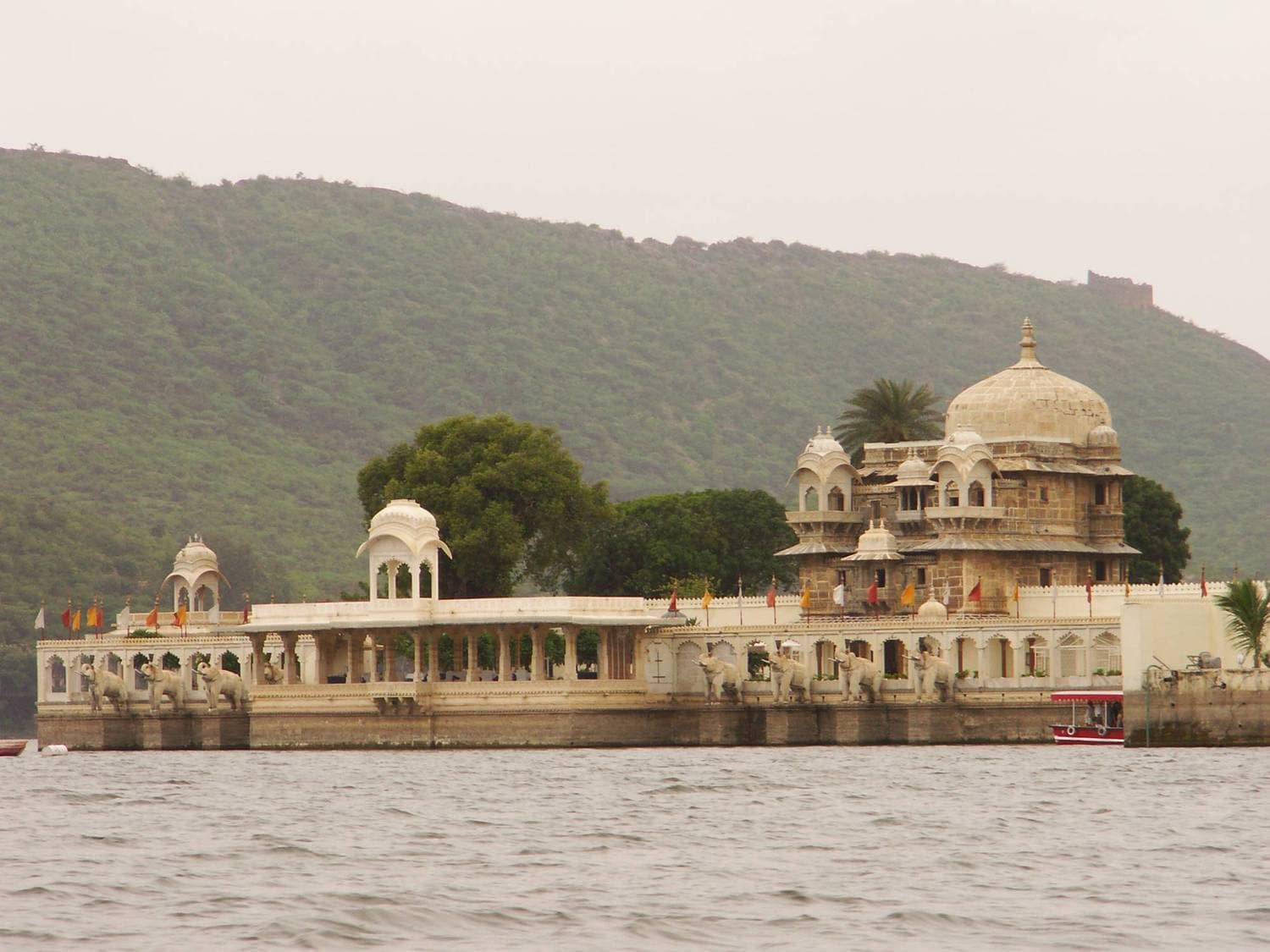
Jag Mandir
- Best timeLate afternoon, when the marble turns warm and the water is calm; stay for sunset over the lake.
- ColorsWhiteIvoryPowder blue
 Medium crowd
Entry Boat ride ₹400–700 (sunset slot higher)
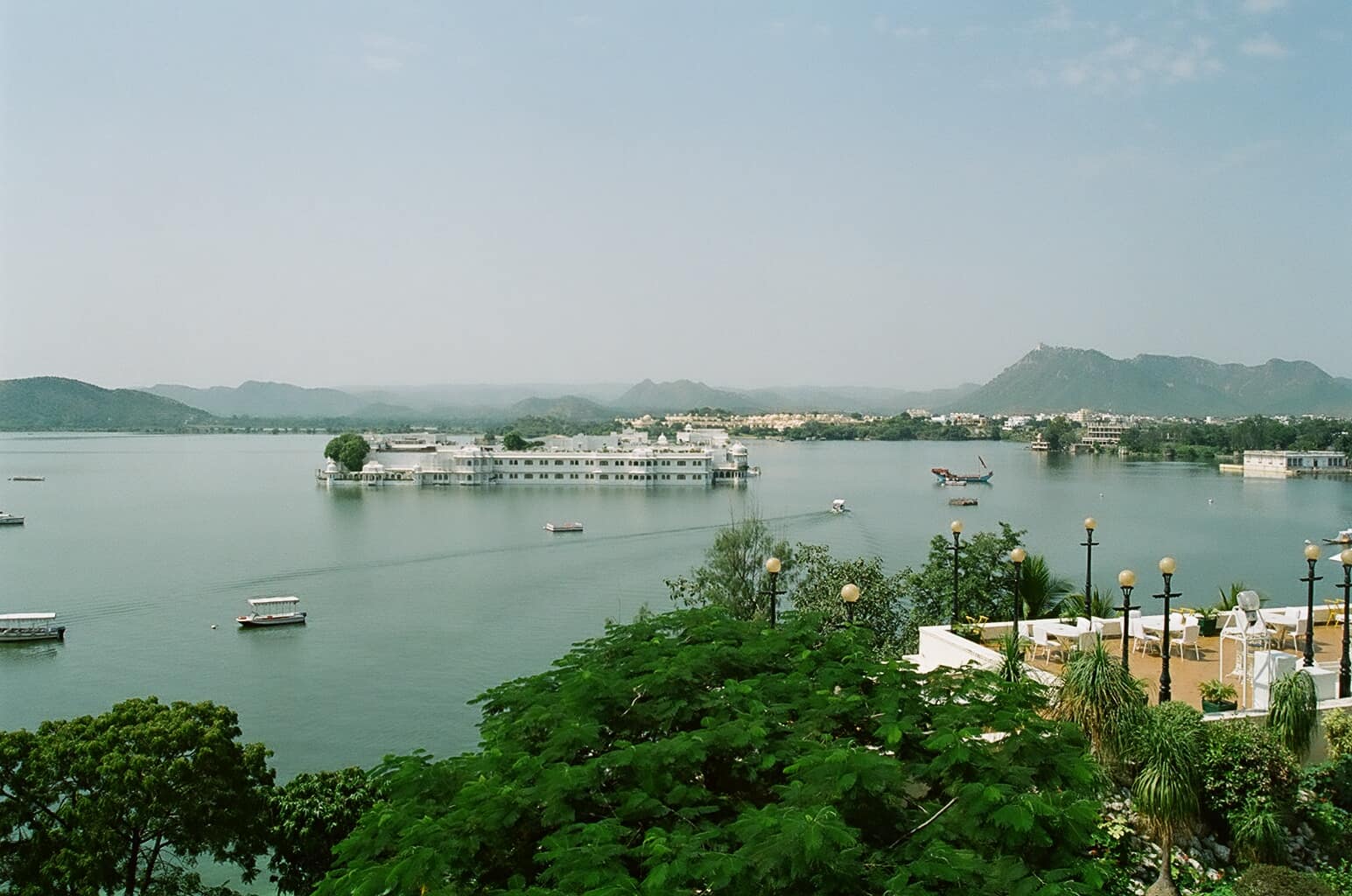
Lake Pichola
- Best timeGolden hour and sunset, when the palaces glow and the water turns orange; early morning for calm water and clear reflections.
- ColorsWhiteBlushSky blue
For the feed
Trending Wear in Udaipur
Modern, Instagram-friendly looks

Rooted in the city
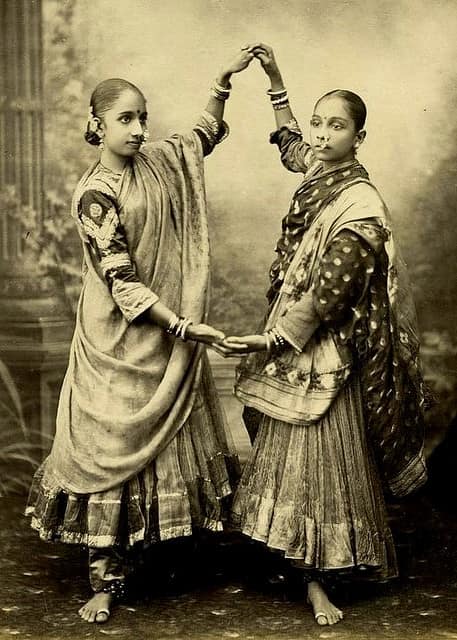
Udaipur Traditional Wear
Local, cultural, handcrafted outfits
Before you go
Temples in Udaipur
Darshan hours, dress codes and what gets refused at the gate
Taste the city
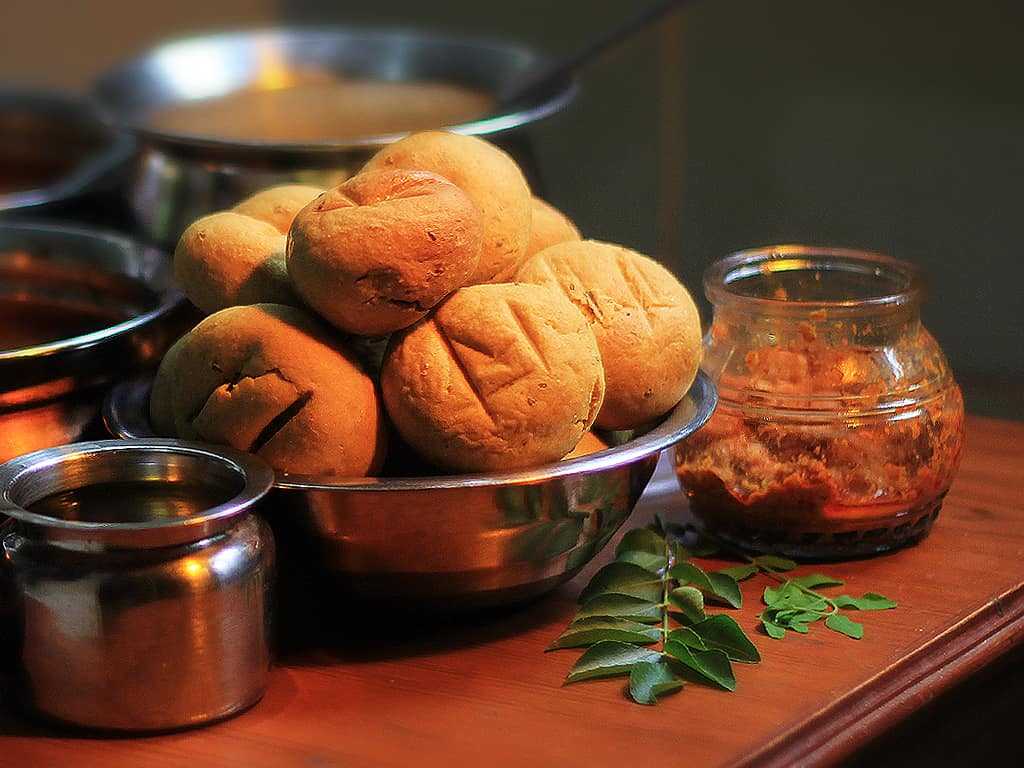
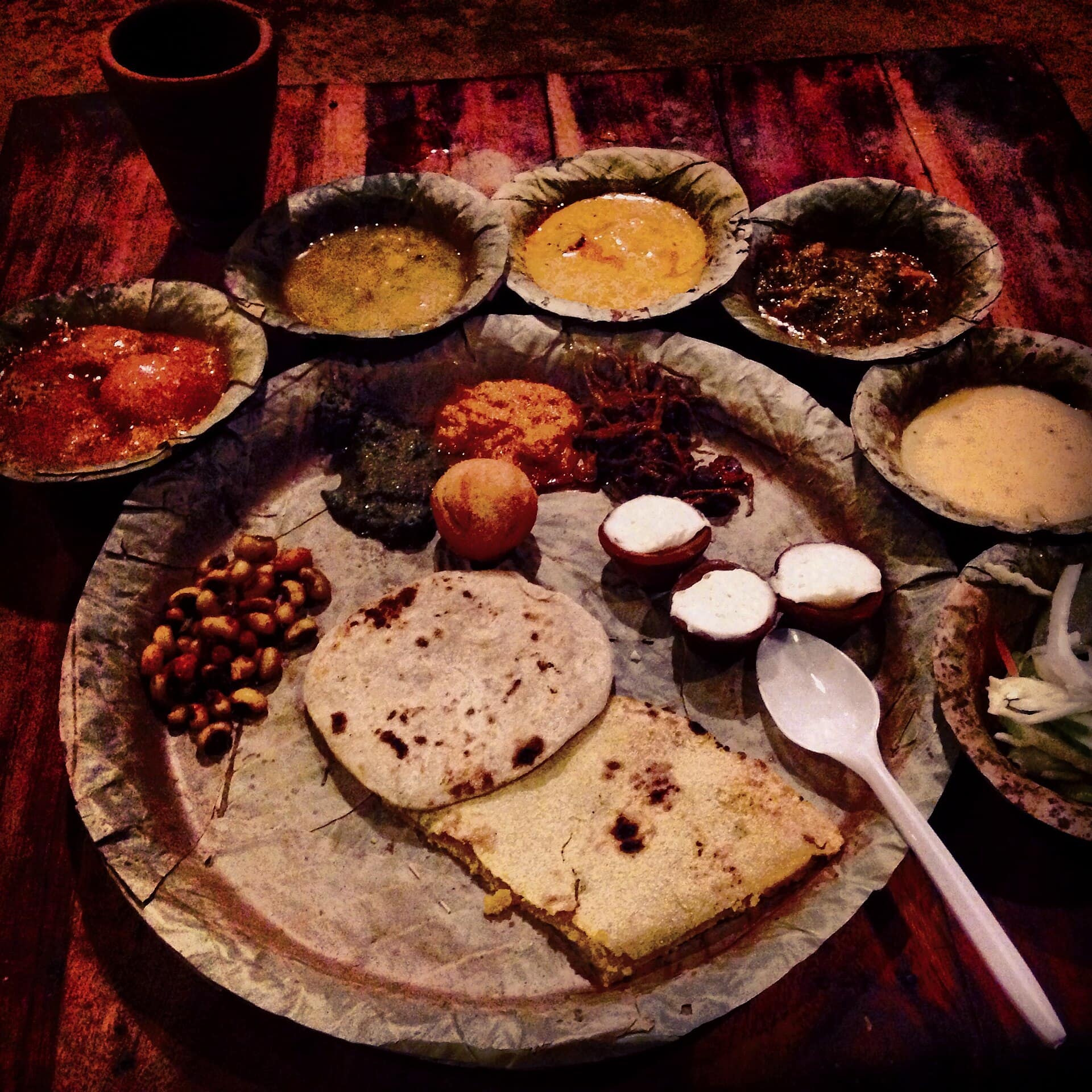
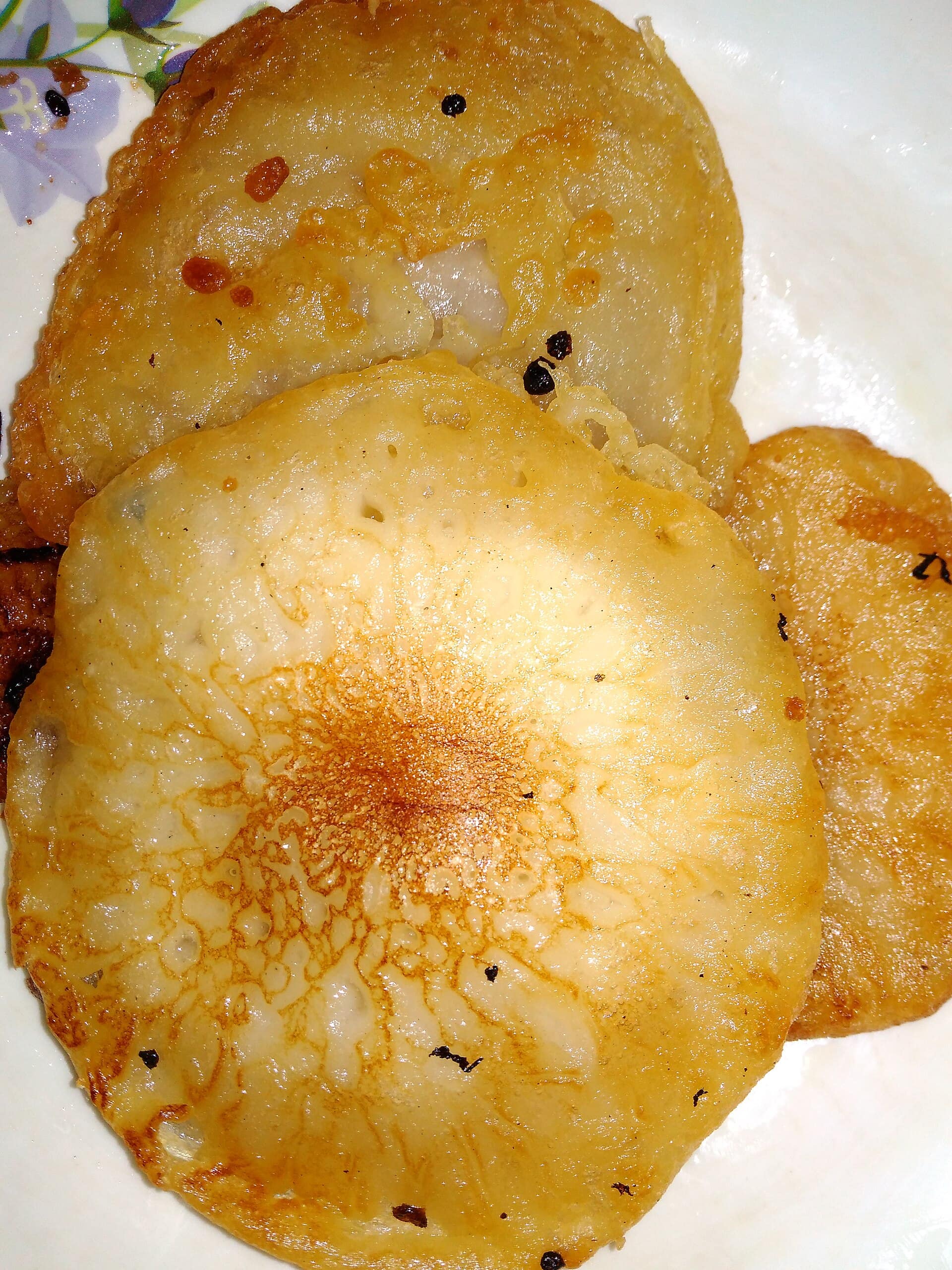
Food to Eat in Udaipur

Trusted tables
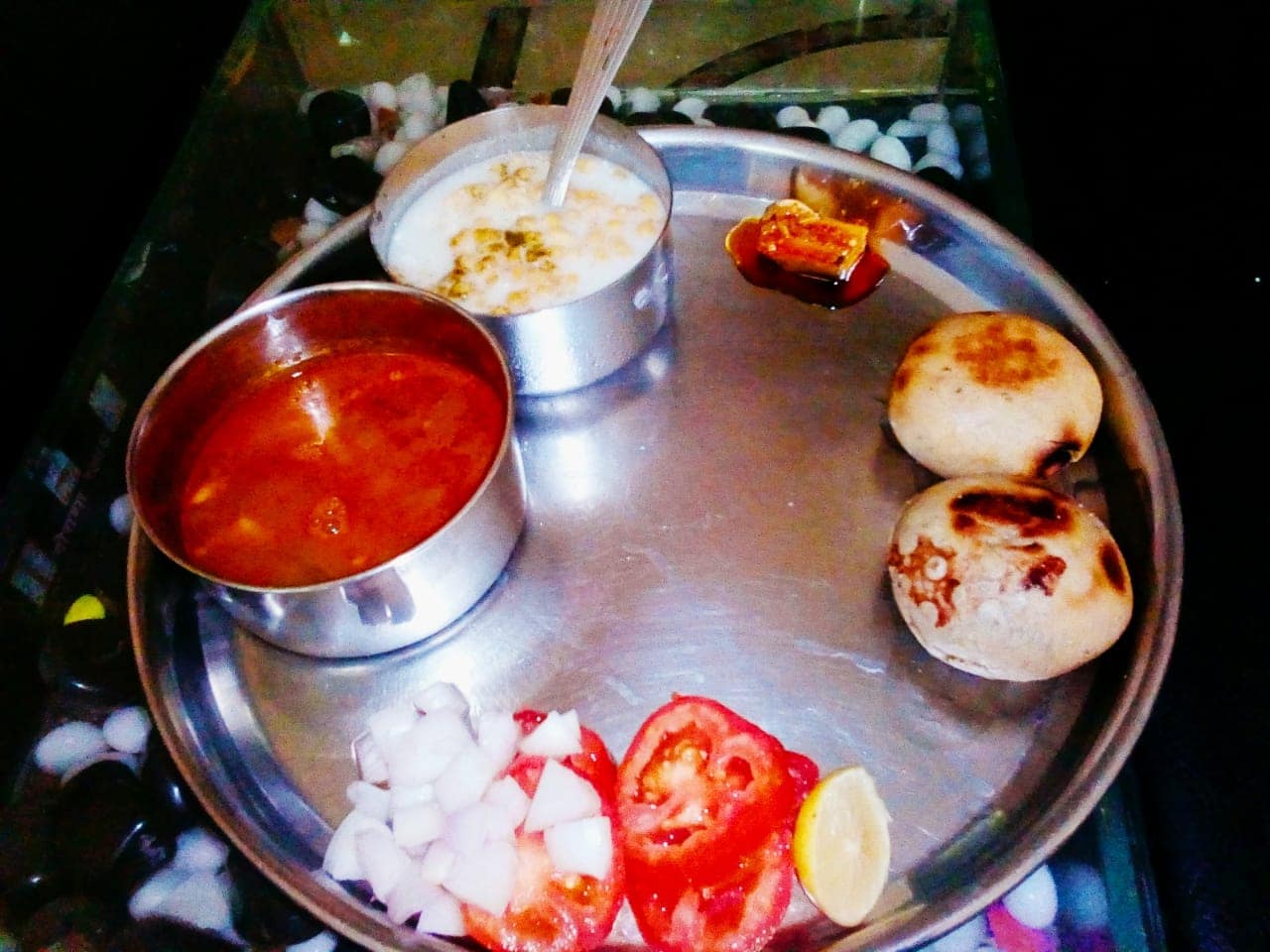
Where to Eat in Udaipur
 Representative photo
Ambrai
Hanuman Ghat
Bawarchi Restaurant
Nada Khada
Khamma Ghani Restaurant
Ambamata
Representative photoMillets of Mewar
Hanuman Ghat
Representative photoNatraj Dining Hall
Bhopalpura
About Udaipur
Udaipur was founded in 1559 by Maharana Udai Singh II as the new capital of Mewar, and it grew up around a chain of man-made lakes in the Aravalli hills. The City Palace rises along the east bank of Lake Pichola, Jag Mandir sits on an island in the middle, and the old city climbs the slopes behind the ghats in a tangle of lanes, havelis and temples. It is milder than the desert cities of western Rajasthan, and the lakes and green hills make it feel quite different from Jaipur or Jodhpur.
Most of the sights are close together, so the old city is easy to explore on foot. Spend a morning at the City Palace and Jagdish Temple, take a boat on Lake Pichola in the late afternoon, and watch the evening folk-dance show at Bagore ki Haveli. Save another evening for sunset at Sajjangarh or a walk along Fateh Sagar, and try Mewari food like dal baati churma, gatte ki sabzi and laal maas.
Questions
Udaipur — FAQ
What is Udaipur famous for?
Udaipur is famous for its lakes and palaces. The best-known sights are the City Palace, Lake Pichola, the island palace of Jag Mandir, Jagdish Temple, Fateh Sagar Lake and the hilltop Sajjangarh (Monsoon Palace). It is also known for Mewari miniature painting, bandhani textiles and Rajasthani food.
How many days are enough for Udaipur?
2–3 days is enough for the City Palace, Jagdish Temple, a Lake Pichola boat ride, Bagore ki Haveli, Fateh Sagar and a sunset at Sajjangarh. Add a day if you want to visit Eklingji Temple or take a longer day trip out of the city.
What is the best time to visit Udaipur?
October to March is the most comfortable time, with warm days and cool evenings. April to June is very hot, and July to September brings the monsoon, when the lakes fill and the hills turn green. See the best time to visit Udaipur for a month-by-month guide.
How do I reach Udaipur?
Maharana Pratap Airport at Dabok is about 22 km from the city and has flights from Delhi, Mumbai and other major cities. Udaipur City railway station has trains from Delhi, Jaipur and other parts of India, and good roads connect the city with Jaipur, Jodhpur and Ahmedabad.
Why is Udaipur called the City of Lakes?
The rulers of Mewar built or enlarged a series of lakes around the city, including Lake Pichola, Fateh Sagar, Swaroop Sagar and Doodh Talai, several of them linked by channels. They supply the city's water and give Udaipur its lakeside setting. Water levels depend on the monsoon, so the lakes can be low after a dry year.