
Best Photo Spots in Vadodara
Vadodara is a royal city, and it photographs like one. Laxmi Vilas Palace and Nyay Mandir show off the Gaekwads' taste for grand buildings, the old city around Mandvi Gate adds busy bazaars, and Sursagar Lake has a gold Shiva statue that glows after dark. About 50 km away, the Sultanate-era mosques and stepwells of Champaner add carved stone and wide heritage views.
Whether you enjoy architecture, night scenes, gardens or heritage ruins, these are the best photo spots in Vadodara.
 Medium crowd
Entry Ticketed
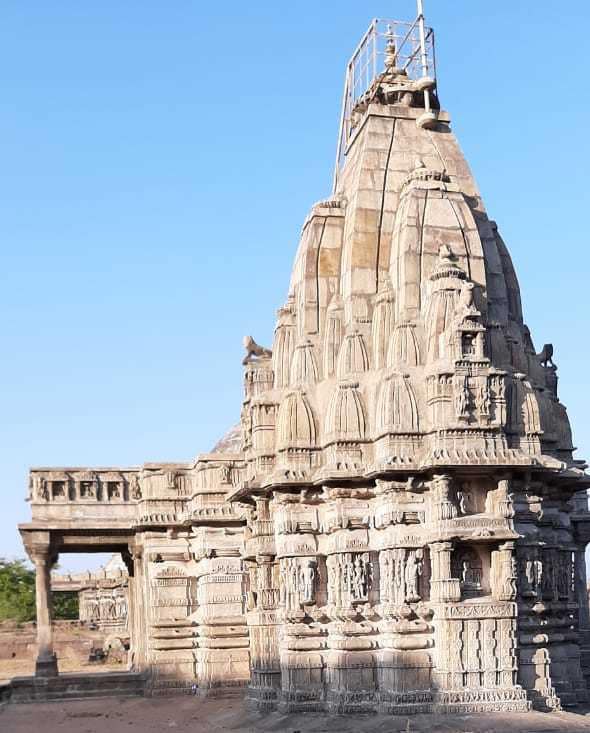
Champaner-Pavagadh
- Best timeEarly morning for soft light on the carved stone and a quiet site; late afternoon for warm light on the Jama Masjid's minarets.
- ColorsRustCreamIndigo
 Low crowd
Entry Free
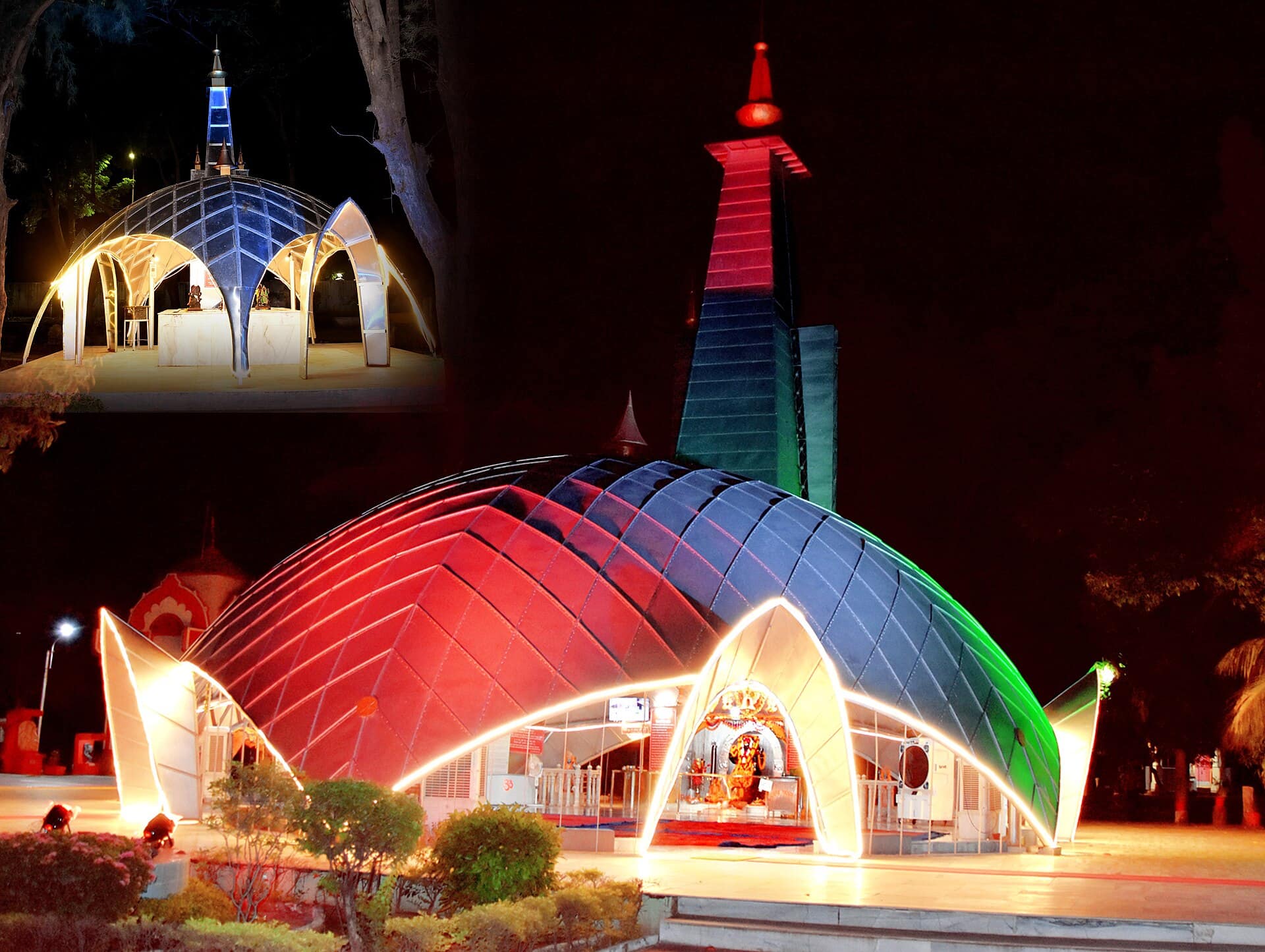
EME Temple (Dakshinamurthy)
- Best timeMorning, when the silver dome shines in soft sunlight and the garden is quiet, if photos are allowed that day.
- ColorsWhiteSilver-greyBlue
 Medium crowd
Entry Ticketed
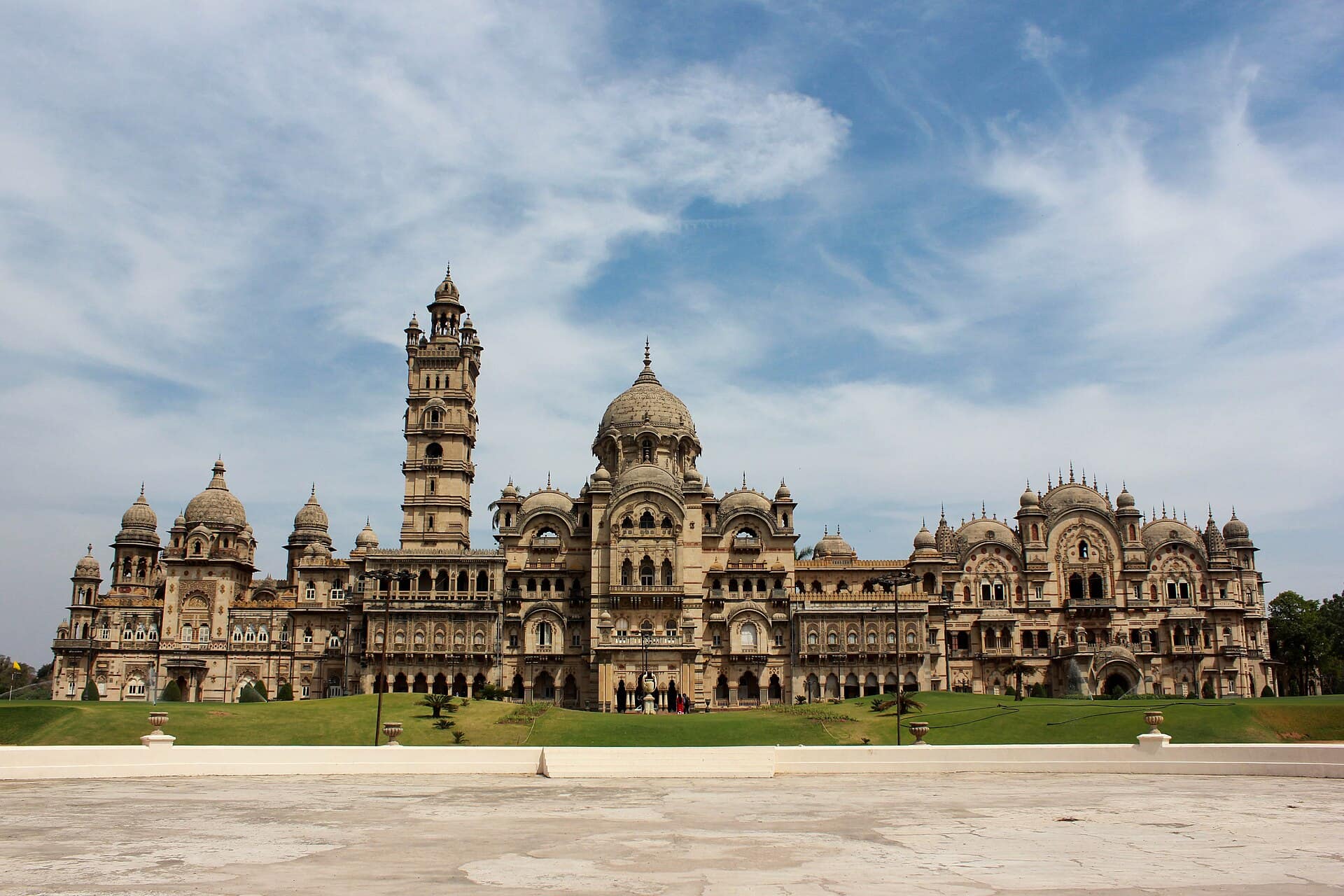
Laxmi Vilas Palace
- Best timeMorning, soon after the gates open, for softer light on the facade and quieter lawns; late afternoon for warm light on the domes before closing time.
- ColorsEmeraldGoldCream
Entry Free (attractions extra)
Sayaji Baug
- Best timeEarly morning for soft light, cool air and quiet paths; late afternoon for warm light filtering through the old trees.
- ColorsWhiteCoralGreen
 Medium crowd
Entry Free
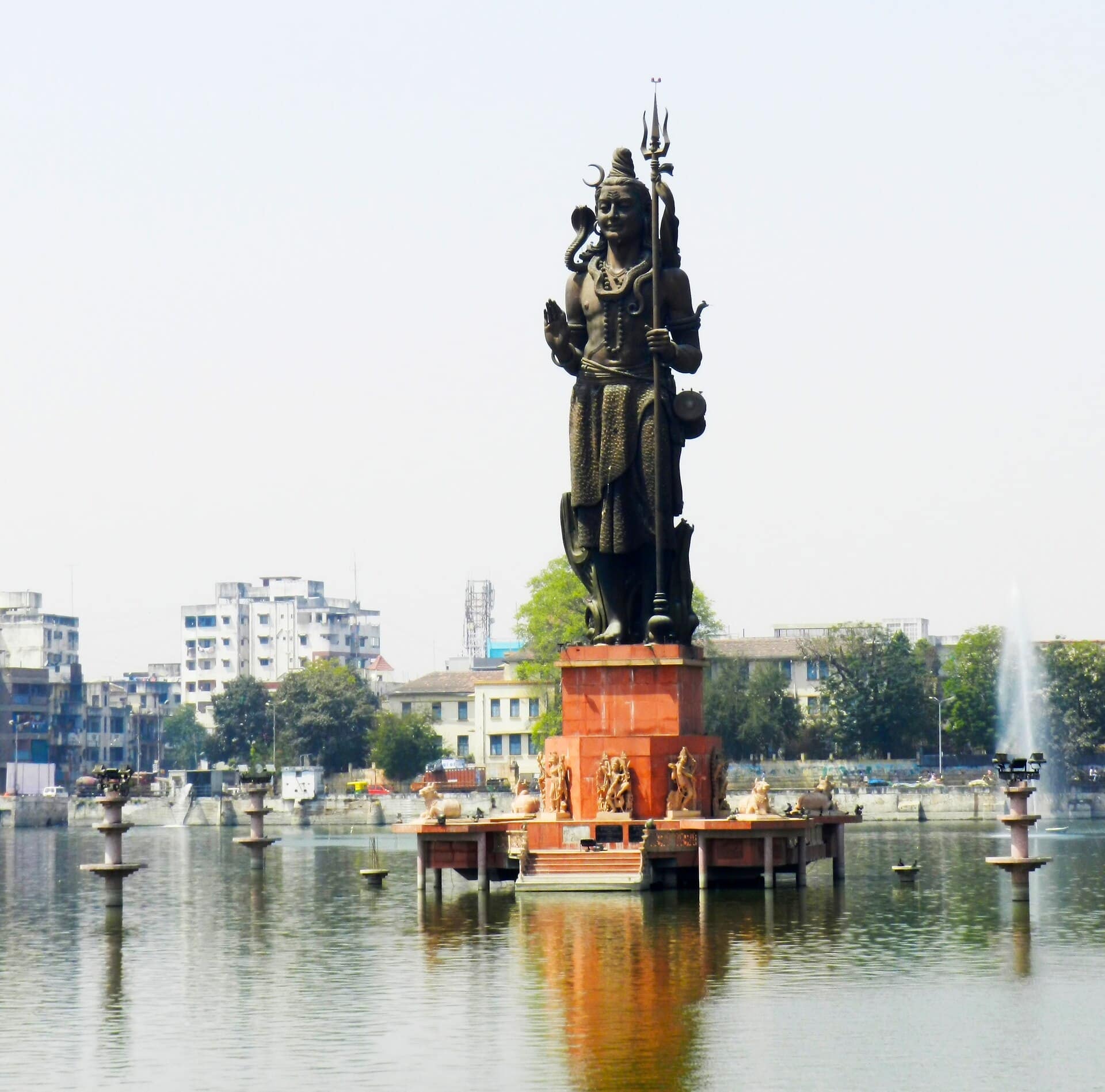
Sursagar Lake
- Best timeBlue hour just after sunset, when the gold statue is lit and the sky still has some colour.
- ColorsWhiteSaffronTeal
Why Vadodara Is Great for Photography
Vadodara packs a lot of variety into a small area. The Gaekwad rulers left behind palaces, public buildings and gardens, from the Indo-Saracenic Laxmi Vilas Palace to Nyay Mandir and the museum in Sayaji Baug. In the old city, the lanes around Mandvi Gate are full of street life, and the EME Temple's silver geodesic dome is one of the most unusual temple buildings in India.
Beyond the city, Champaner-Pavagadh has carved mosques, fort walls and stepwells, with Pavagadh hill rising behind them. And if you visit during Navratri, the garba nights give you some of the most colourful crowd scenes of the year.
Photography Tips for Vadodara
- Start early: Sayaji Baug is calmest early in the morning, the palace is quietest just after it opens, and stone buildings lose their colour under the harsh midday sun.
- Save Sursagar for blue hour: The Shiva statue is lit after sunset, and for a short while the sky still has some colour.
- Plan around the palace rules: Photography is usually not allowed inside Laxmi Vilas Palace, so plan your shots for the front of the building and the gardens.
- Ask first at the EME Temple: The temple is inside an Army cantonment, so photo rules are strict. Never photograph Army buildings, gates or guards.
- Leave the tripod and drone behind: Tripods are often refused at ticketed monuments, and flying a drone needs official permission.
- Carry water and a hat to Champaner: The monuments are spread out, and there is little shade between them.
- Ask before photographing people: This matters most at garba grounds and temples, where people are dancing or praying.
Best Time for Photography in Vadodara
October to March gives the clearest skies and the most comfortable weather for long days out, including the trip to Champaner. From April to June, the heat and harsh light make early mornings and evenings the only good times to shoot. The monsoon, from July to September, turns Sayaji Baug and Pavagadh hill green and brings dramatic skies, but plan for sudden downpours.
Check photography rules and opening days before visiting the palace and the EME Temple, as rules can change. For the weather month by month, see the best time to visit Vadodara.
Questions
Vadodara — FAQ
What are the best photo spots in Vadodara?
The best photo spots in Vadodara are Laxmi Vilas Palace, Sursagar Lake, Sayaji Baug, the EME Temple and Champaner-Pavagadh. Together they cover royal architecture, night scenes, gardens, an unusual modern temple and UNESCO-listed ruins.
What is the best time of day for photography in Vadodara?
Early morning is best for Sayaji Baug and Champaner, when the light is soft and the heat is lower, and Laxmi Vilas Palace is quietest soon after it opens. Evening is best at Sursagar Lake, where the Shiva statue is lit after sunset.
Where can I take night photos in Vadodara?
Sursagar Lake is the best place for night photos, as the gold Shiva statue in the middle of the lake is lit after dark. During Navratri, the garba grounds are full of colour and light, but ask before photographing dancers up close.
Is Vadodara good for Instagram photos?
Yes. The front of Laxmi Vilas Palace, the gold statue at Sursagar Lake and the carved Jama Masjid at Champaner make recognisable backdrops, and Navratri outfits work well for photos and reels.
Is Champaner-Pavagadh worth a photography day trip from Vadodara?
Yes. Champaner-Pavagadh is about 50 km from Vadodara and has carved mosques, stepwells and fort walls below Pavagadh hill. Leave early, as the monuments are spread out and the midday light is harsh.