
Photo spot in Varanasi
Assi Ghat
Varanasi, Uttar Pradesh
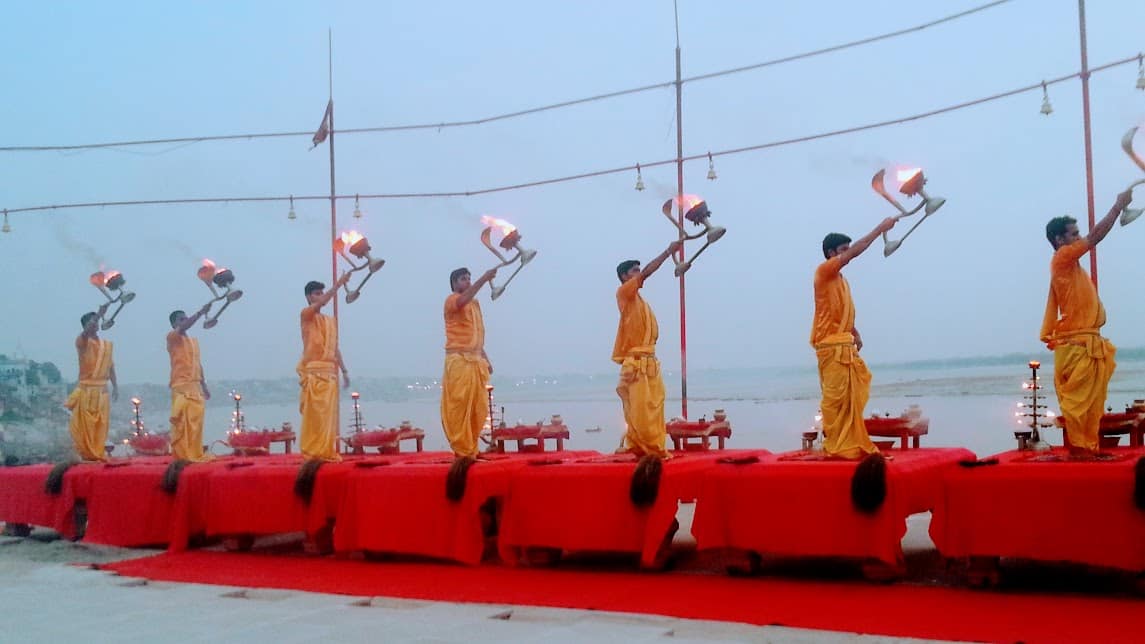
The southernmost ghat, famous for its relaxed dawn Subah-e-Banaras aarti, yoga and chai culture.
Best time
Early morning during Subah-e-Banaras, when the lamps and first light meet on the river; early evening for a calm, warm scene on the wide steps.
Best angle
Stand at the top of the steps and take a wide photo looking down over the morning aarti, with the river and the rising sun behind.
Entry fee
Free
Opening hours
Open all day; morning aarti ~5:30 AM
Crowd level
Medium
Best outfit colors
Overview
Best time to visit Assi Ghat
Early morning during Subah-e-Banaras, when the lamps and first light meet on the river; early evening for a calm, warm scene on the wide steps. Crowds here are typically medium. Arrive a little early to claim your angle and catch the softest light before the day tips over.
Poses & angles
Photo tips for Assi Ghat
Stand at the top of the steps and take a wide photo looking down over the morning aarti, with the river and the rising sun behind. Work a few of the pose ideas below, shoot wide for context and tight for detail, and give yourself a couple of extra minutes to get the frame right.
Seated on the steps at sunrise
Chai in hand by the river
Outfit guide
What to wear at Assi Ghat
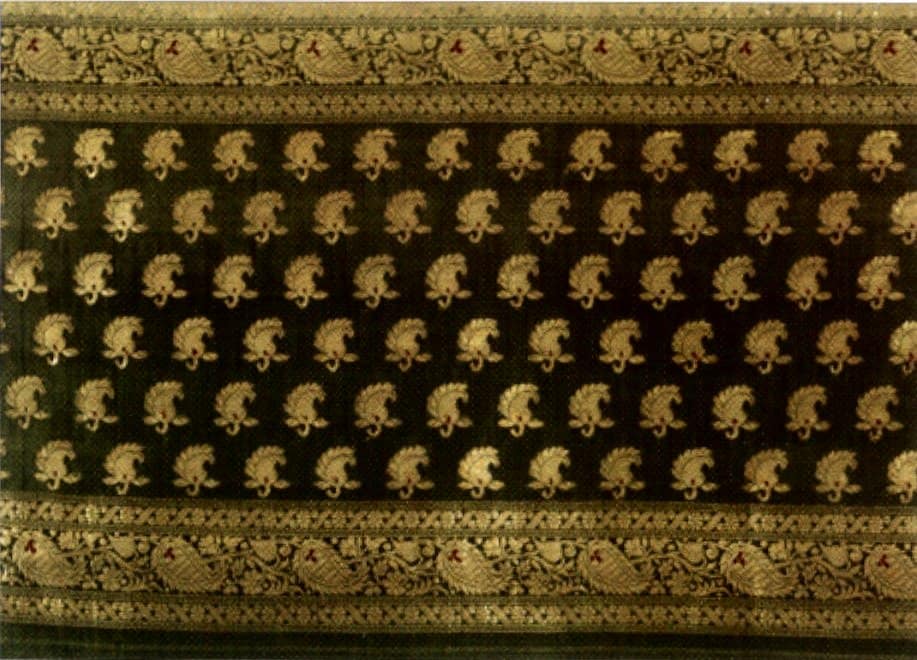
For photos at Assi Ghat, white, pastel and saffron work beautifully — they stand out against the setting without fighting it. Pick one hero colour and keep the rest of the look calm so you stay the subject of the frame.
Best outfit colors for photos
Trending wear for this spot
Modern, camera-ready looks picked for Assi Ghat.

Traditional wear for this spot
Timeless, cultural outfits worn across Varanasi.
Eat nearby
Food near Assi Ghat
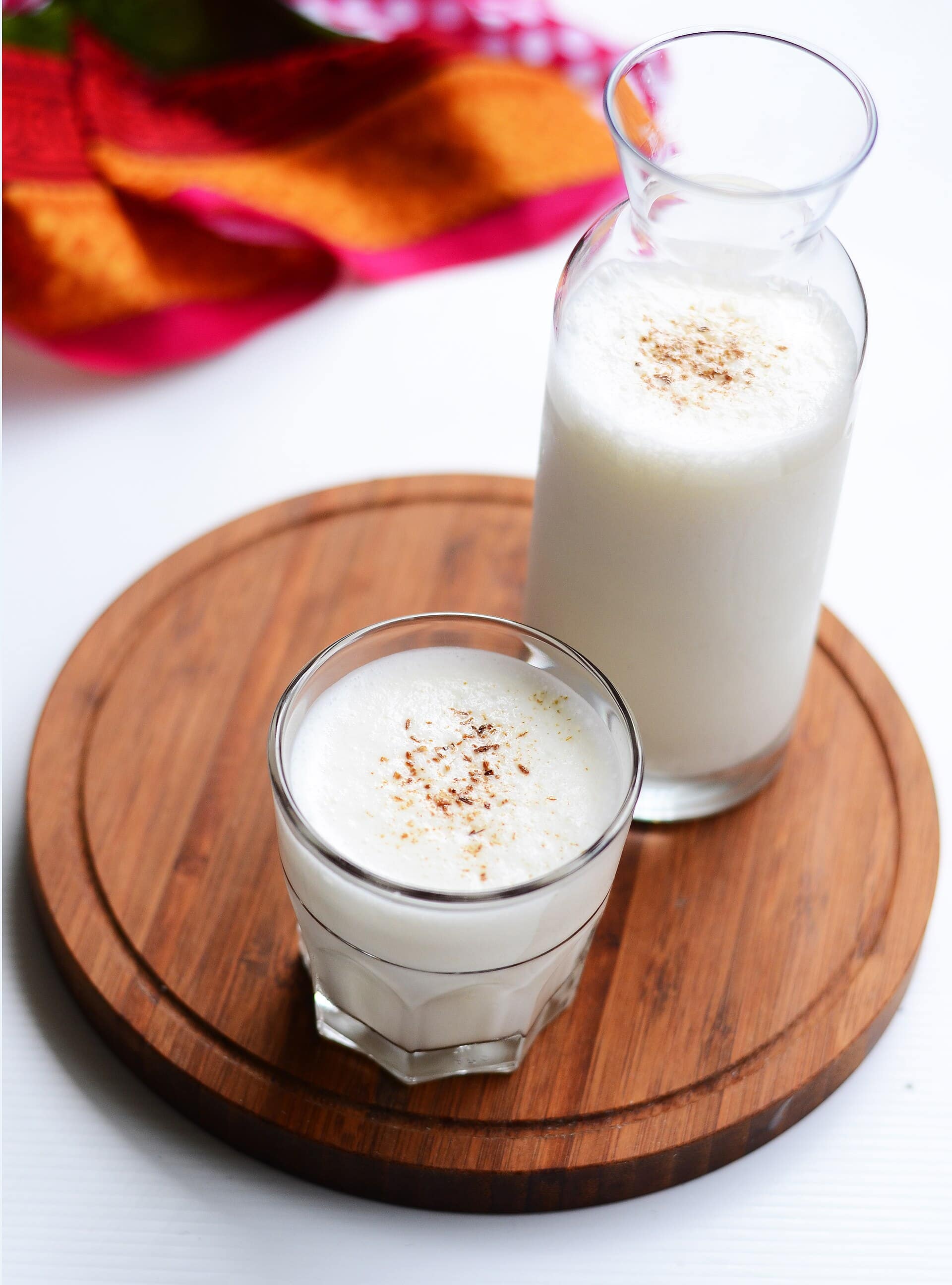
Round out the visit with something to eat. Look for banarasi lassi nearby.
Special dishes to try
Search food by craving
Good to know
Local tips
Get to the ghat by about 5 am in summer for the start of Subah-e-Banaras.
Check the next morning's start time at the ghat the evening before, as it changes with the season.
Take a sunrise boat from here if you want to reach Dashashwamedh as the bathers arrive.
Walk north along the ghats to Dashashwamedh only in daylight and when the river is low.
Keep your camera down as you pass Harishchandra Ghat, which is a cremation ground.
Buy a chai from a stall at the top of the steps and sit for the evening aarti.
Say no firmly to boatmen who follow you along the steps; pick one and agree the fare first.
The southern end
Assi is the southernmost of the main ghats, where the small Assi river meets the Ganga. It is broader and more open than the ghats in the old city, with a wide paved space at the top and room to sit. Banaras Hindu University is a short ride away, so students, long-stay travellers and families on an evening walk mix here. Tradition holds that the poet Tulsidas died at Assi.
Subah-e-Banaras
Every morning before sunrise, a free programme called Subah-e-Banaras runs on a stage by the water. It begins with Vedic chanting and a morning aarti, then a fire ritual, classical music and a yoga session, over about two hours. It usually starts around 5 am in summer and later in winter, so check the time at the ghat the evening before. It is a gentler start to the day than the crowds at Dashashwamedh.
Evenings
Assi holds its own evening Ganga aarti. It is smaller than the one at Dashashwamedh, and you can often find a place close to the priests without arriving early.
Boats and the walk north
Boats leave from Assi as well as Dashashwamedh, and a sunrise ride from here takes you north past the ghats as they fill with bathers. When the river is low, you can walk along the waterfront from Assi to Dashashwamedh in about an hour, past Tulsi Ghat, Harishchandra's cremation ghat and the painted steps in between.
Around the ghat
The lanes above Assi have cafés, bookshops and guesthouses, and chai stalls sit on the steps. It is the easiest part of the riverfront for a first evening. In the monsoon, the lower steps go under water and the programme moves up.
Questions
Assi Ghat — FAQ
What is the best time to visit Assi Ghat?
Early morning during Subah-e-Banaras, when the lamps and first light meet on the river; early evening for a calm, warm scene on the wide steps. Stand at the top of the steps and take a wide photo looking down over the morning aarti, with the river and the rising sun behind.
Is there an entry fee at Assi Ghat?
Entry to Assi Ghat is free.
What are the opening hours of Assi Ghat?
Assi Ghat is open all day; morning aarti ~5:30 AM.
What should I wear at Assi Ghat?
White, pastel and saffron photograph especially well here. Explore the trending and traditional outfit ideas on this page for full looks.
How crowded does Assi Ghat get?
Crowd levels are typically medium. To miss the busiest window: early morning during Subah-e-Banaras, when the lamps and first light meet on the river; early evening for a calm, warm scene on the wide steps.
What food should I try near Assi Ghat?
Try banarasi lassi at spots close by.
What is Subah-e-Banaras?
A free morning programme on Assi Ghat, running daily since 2014. It includes Vedic chanting, a morning aarti, a fire ritual, classical music and yoga, and lasts about two hours from before sunrise.
Is there an evening aarti at Assi Ghat?
Yes. It is smaller and calmer than the one at Dashashwamedh, and you can usually get close without arriving early.
Can I walk from Assi Ghat to Dashashwamedh Ghat?
Yes, along the riverfront, in about an hour at an easy pace. In the monsoon the lower ghats flood and the path is cut off, so use the road instead.
Is Assi Ghat a good area to stay?
Yes, for a quieter base with cafés and guesthouses. It is about 3 km from Dashashwamedh and Kashi Vishwanath, so expect a rickshaw ride or a long walk to reach them.