
Uttar Pradesh · India
Varanasi
India's spiritual capital on the Ganges — a labyrinth of ghats, temples and silk bazaars where dawn boat rides and evening aartis define the day.
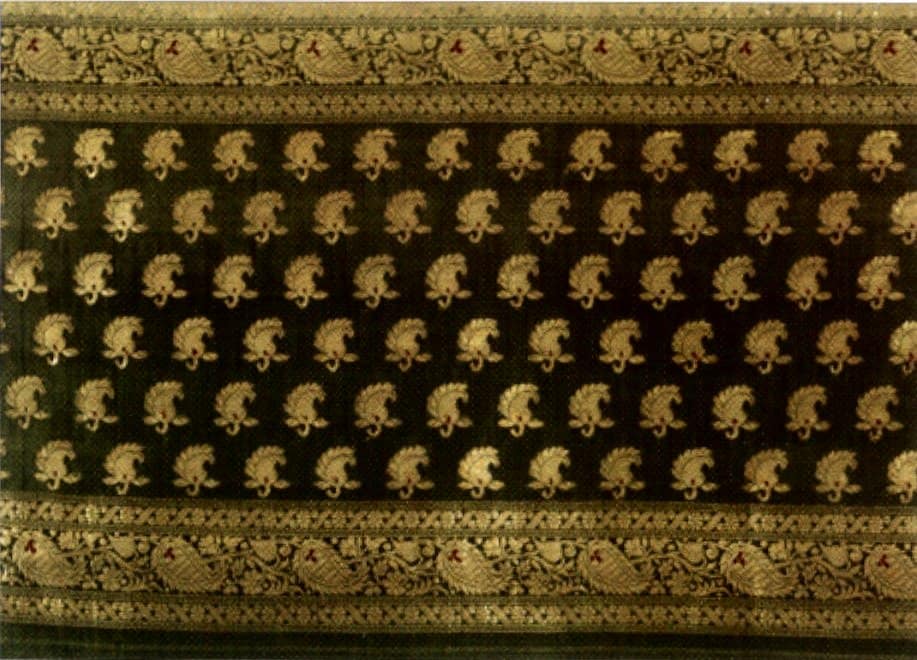
Varanasi is famed for Banarasi silk sarees, its riverside ghat culture, and the nightly Ganga aarti at Dashashwamedh.
Plan your trip
Varanasi Tour Itineraries
Timed, walkable day plans — plus the best season to go.
Where to shoot
Varanasi Photo Spots
 Medium crowd
Entry Free
Assi Ghat
- Best timeEarly morning during Subah-e-Banaras, when the lamps and first light meet on the river; early evening for a calm, warm scene on the wide steps.
- ColorsWhitePastelSaffron
High crowdEntry Free (boat ride extra)
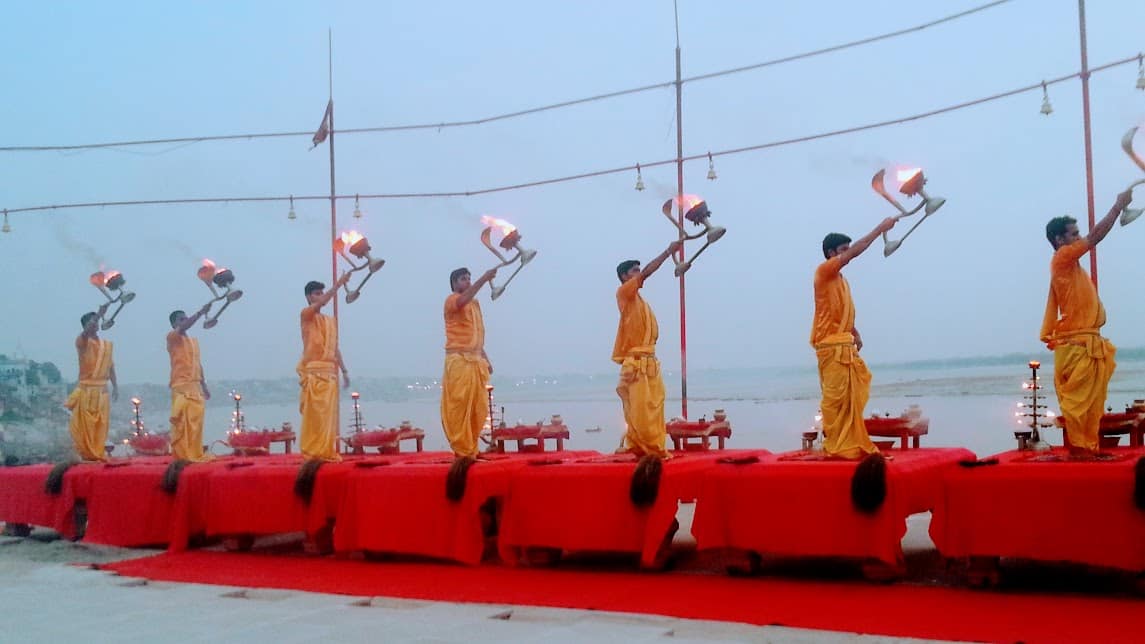
Dashashwamedh Ghat
- Best timeSunrise from a boat, when the light falls straight onto the steps; just after sunset for the lamps of the aarti.
- ColorsSaffronWhiteMarigold yellow
 High crowd
Entry Free
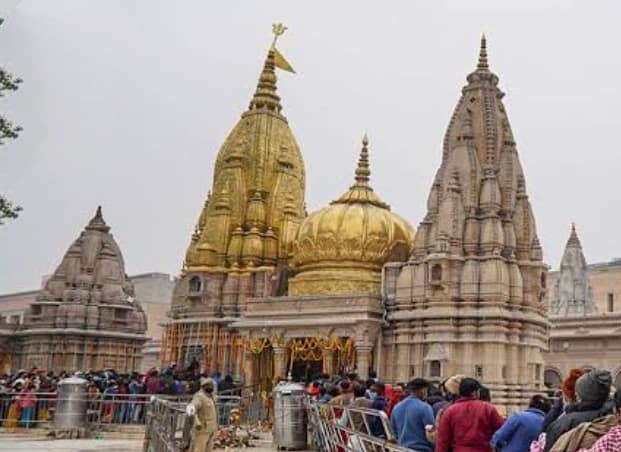
Kashi Vishwanath Temple
- Best timeEarly morning from the river, when the sun lights the gold spire; late afternoon from the corridor approach for warm light on the stone.
- ColorsSaffronRedGold
 Low crowd
Entry ₹20 (Indian) / ₹150 (foreign)
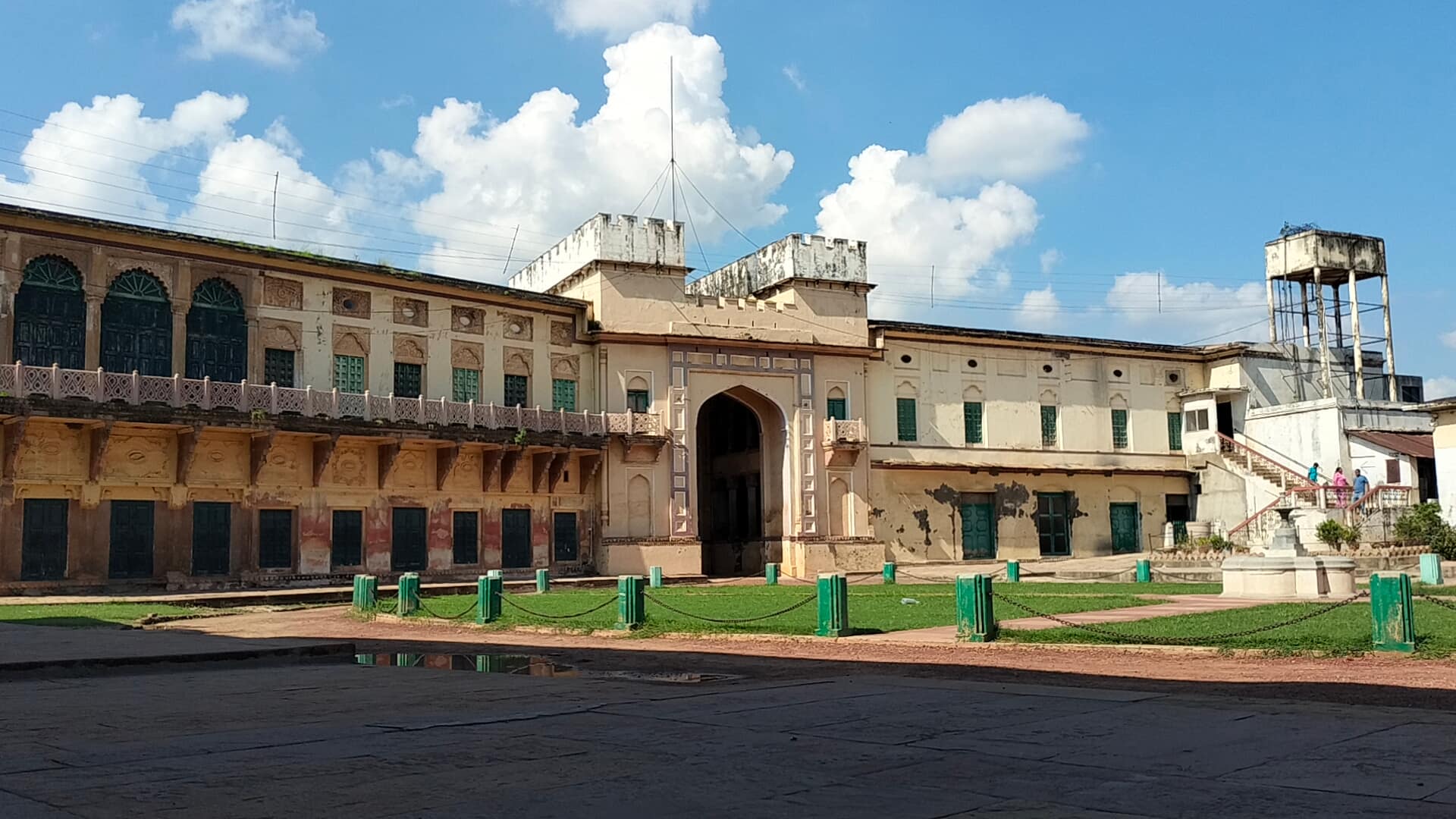
Ramnagar Fort
- Best timeLate afternoon from a boat, when the sun lights the sandstone walls facing the river; sunset for warm colour on the towers.
- ColorsOchreWhiteIndigo
 Low crowd
Entry ₹25 (Indian) / ₹300 (foreign)
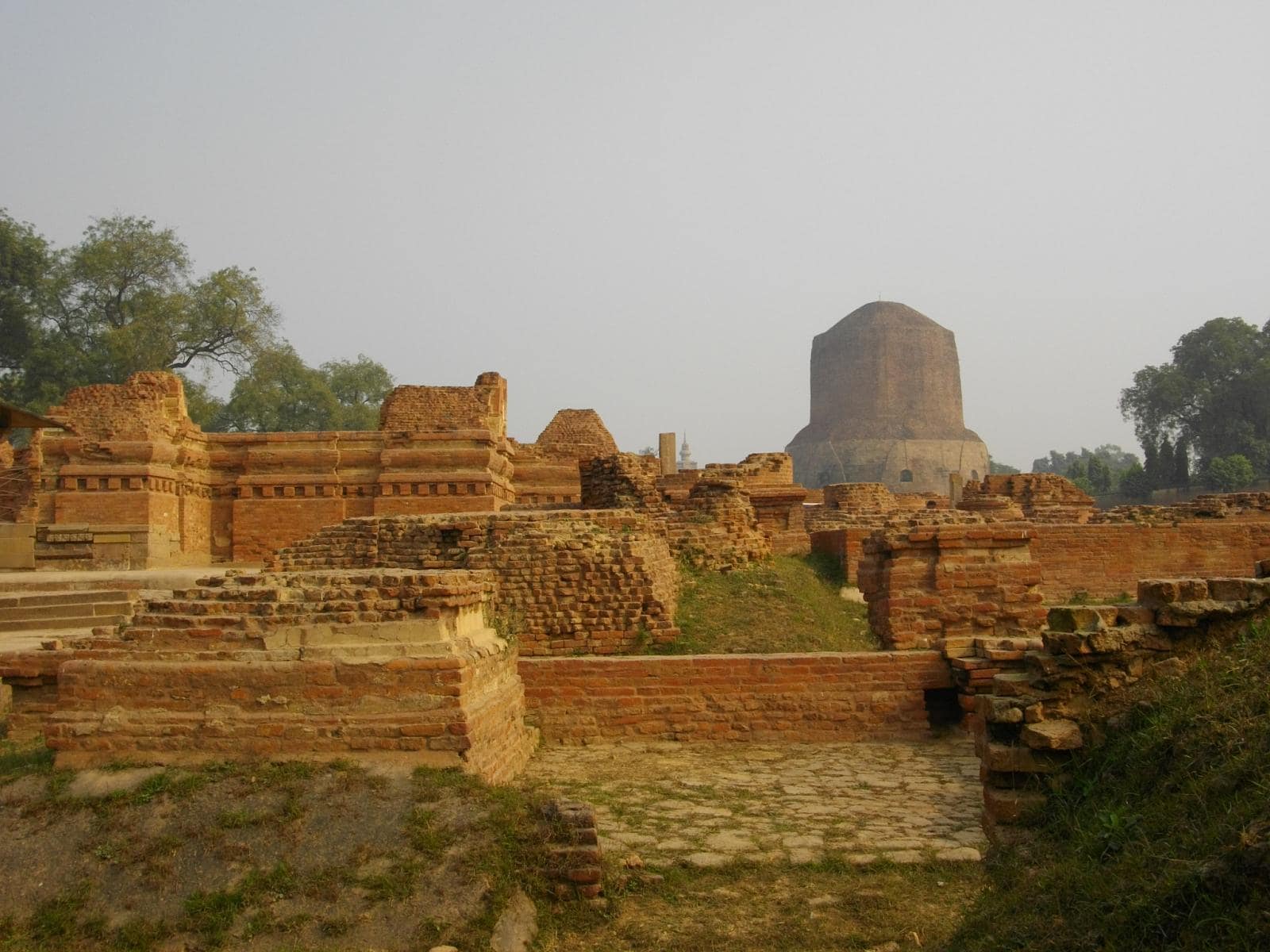
Sarnath
- Best timeEarly morning, when low sun picks out the carving on the stupa; late afternoon for warm light on the brick ruins.
- ColorsOchreMaroonCream
For the feed
Trending Wear in Varanasi
Modern, Instagram-friendly looks


Rooted in the city
Varanasi Traditional Wear
Local, cultural, handcrafted outfits
Before you go
Temples in Varanasi
Darshan hours, dress codes and what gets refused at the gate
Annapurna Devi Mandir
Annapurna
Devi · Shakti templeKaal Bhairav Temple
Kaal Bhairav
Shiva templeNew Vishwanath Temple (BHU)
Shiva as Vishwanath
Shiva templeRatneshwar Mahadev Temple
Shiva
Shiva templeSankat Mochan Hanuman Temple
Hanuman
Vishnu · Krishna templeShri Kashi Vishwanath Temple
Shiva as Vishwanath
Shiva templeTaste the city
Food to Eat in Varanasi
Trusted tables
Where to Eat in Varanasi
A city that faces the river
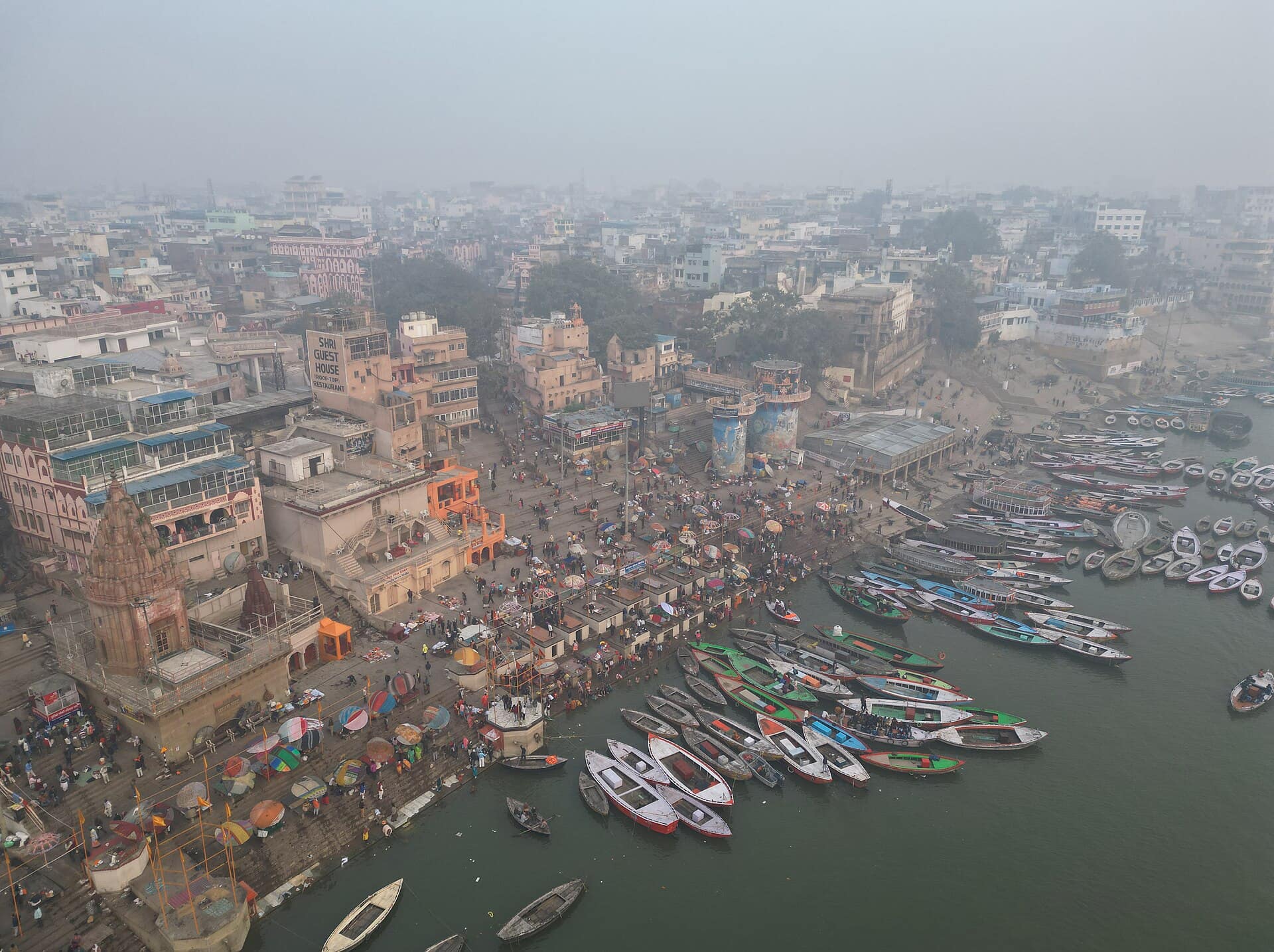
Varanasi is known by three names: Kashi, its oldest; Banaras, the one people use every day; and Varanasi, the official one. It is built along the west bank of the Ganga where the river bends north. More than 80 ghats, flights of stone steps down to the water, run for about 6–7 km from Assi in the south to Raj Ghat in the north. People bathe, pray, wash clothes, practise wrestling and cremate their dead on them, often within sight of each other. The old city climbs up behind the ghats in lanes too narrow for cars, and the far bank is left as open sand.
Getting your bearings
Most first-time visitors stay somewhere between Assi Ghat and Dashashwamedh Ghat. Assi is the easy-going southern end, with cafés, guesthouses and a dawn programme of music and prayer. Dashashwamedh, about 3 km downstream, is the busy centre: the evening Ganga aarti, the Godowlia crossing and the lanes up to Kashi Vishwanath. When the river is low you can walk between the two along the ghats in about an hour. Traffic is often stopped short of Godowlia, so expect to walk the last stretch or take a cycle-rickshaw.
A good first two days
Take a boat at first light, when the ghats fill with bathers and the sun rises straight onto the steps. Walk back through the lanes for kachori and jalebi, then queue for Kashi Vishwanath after leaving your phone in a locker. Spend the afternoon at Sarnath, about 10 km north-east, where the Buddha gave his first sermon, and come back for the evening aarti. On day two, cross the river to Ramnagar Fort and give the evening to the quieter ghats south of Dashashwamedh.
Before you go
Manikarnika and Harishchandra are working cremation ghats. You can watch quietly from a distance, but do not photograph the pyres, and ignore anyone who asks you for money for firewood. Agree the boat fare and how long the ride lasts before you step in. Cover shoulders and knees near temples. From July to September the Ganga rises over the lower steps; the police often stop boats, and the aarti moves to higher ground. In December and January, thick fog regularly delays trains and flights.
Eating
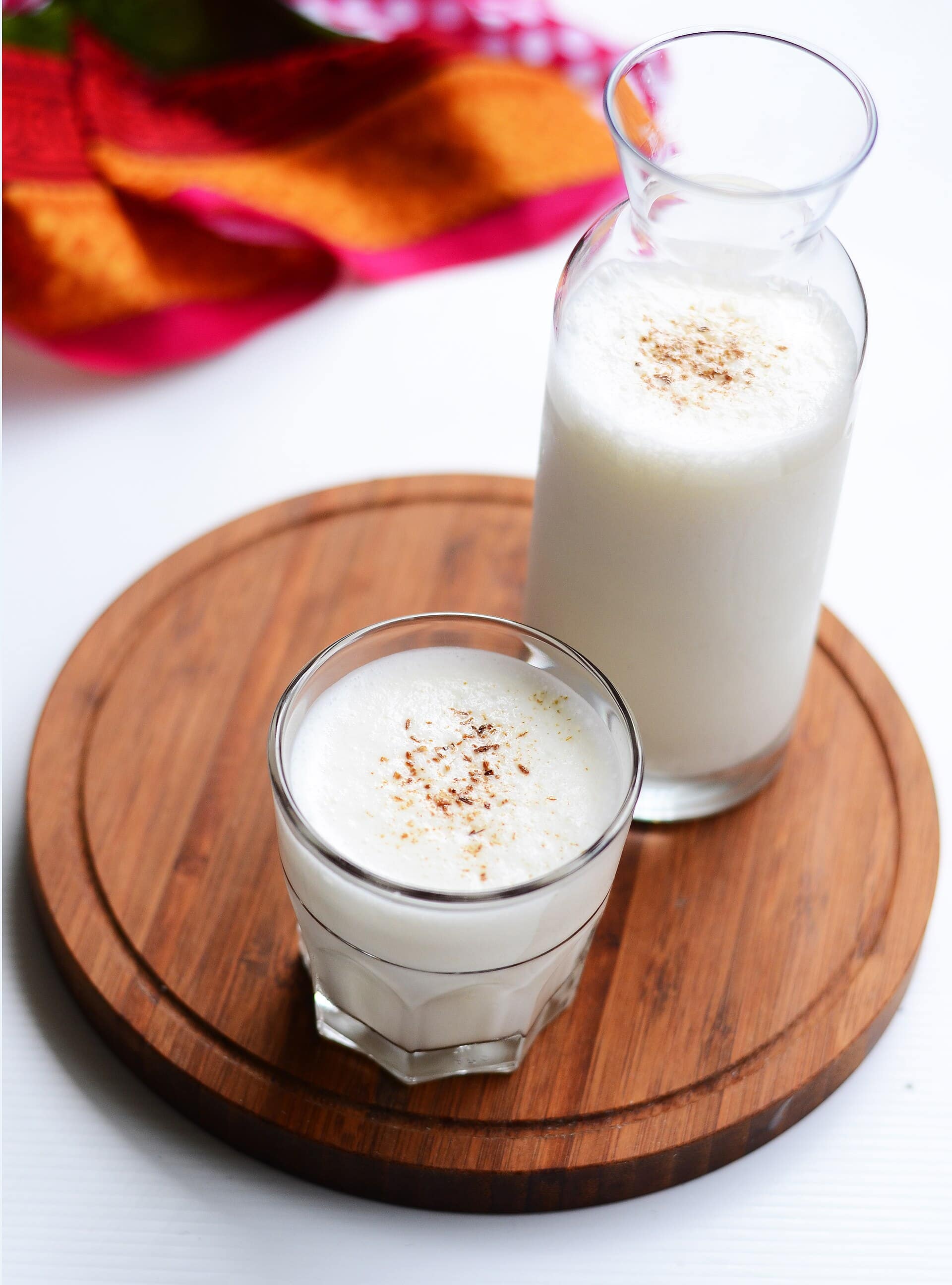
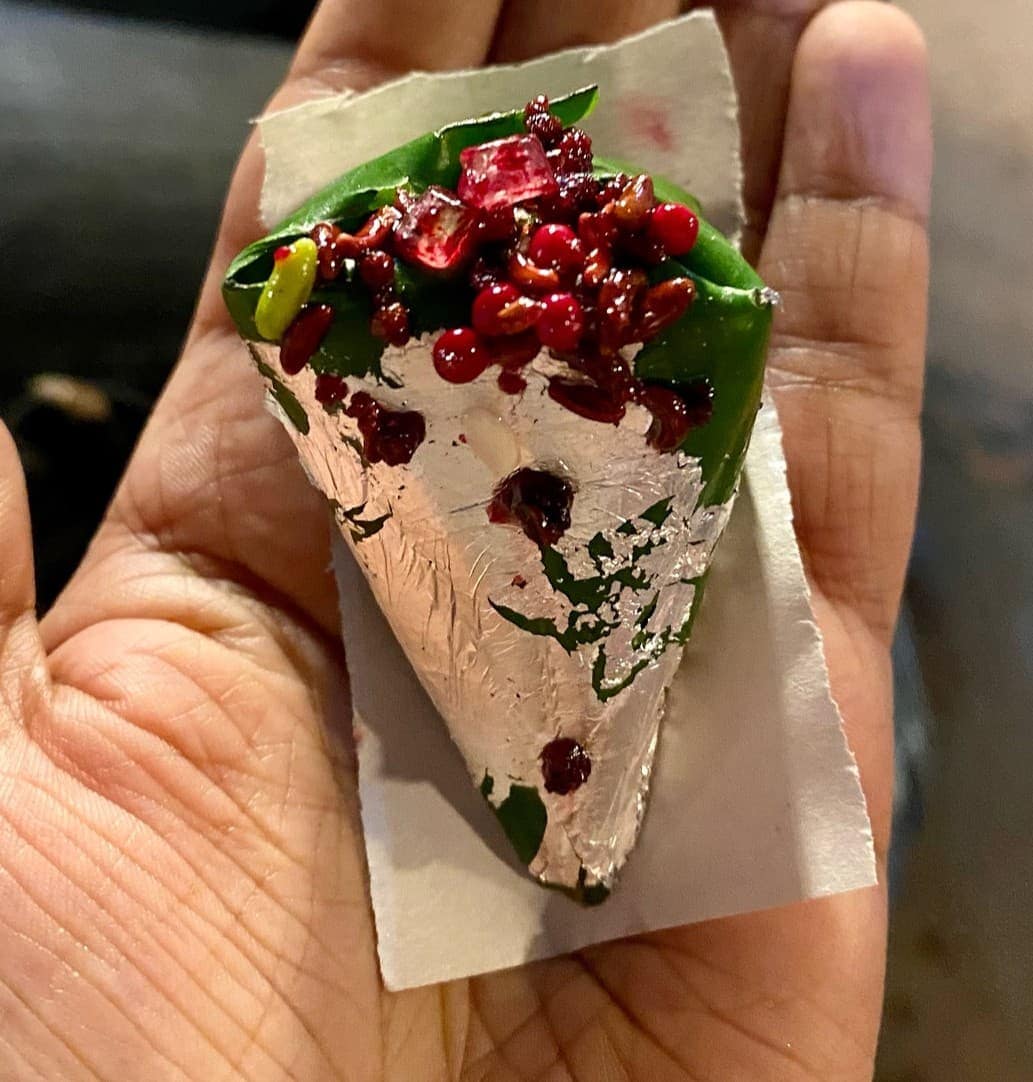
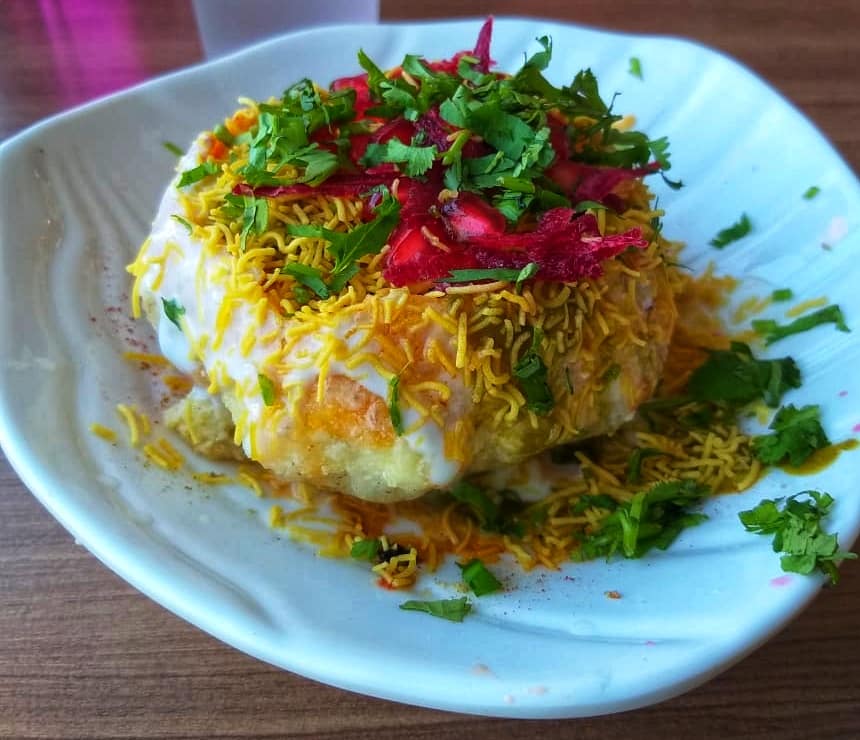
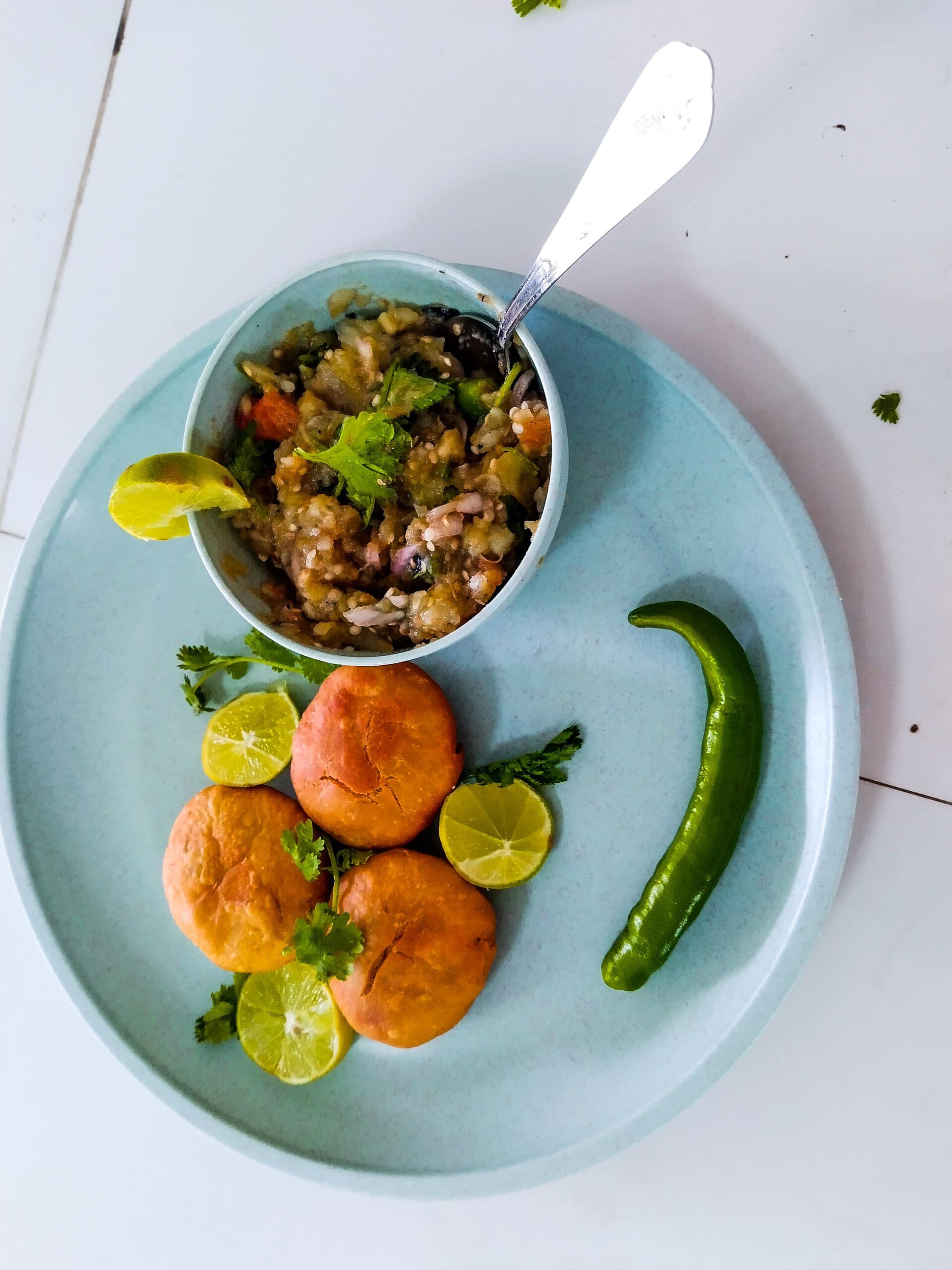
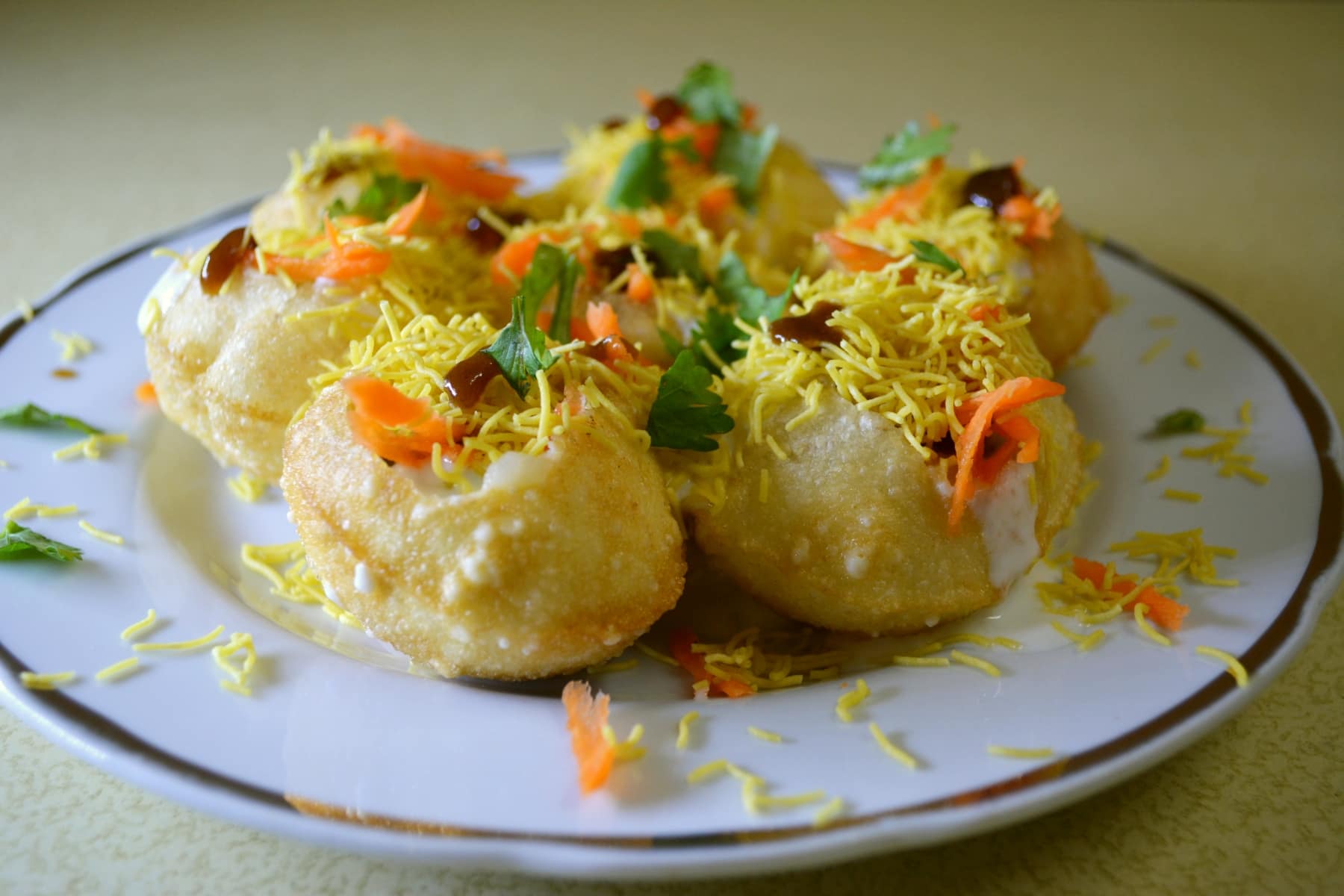
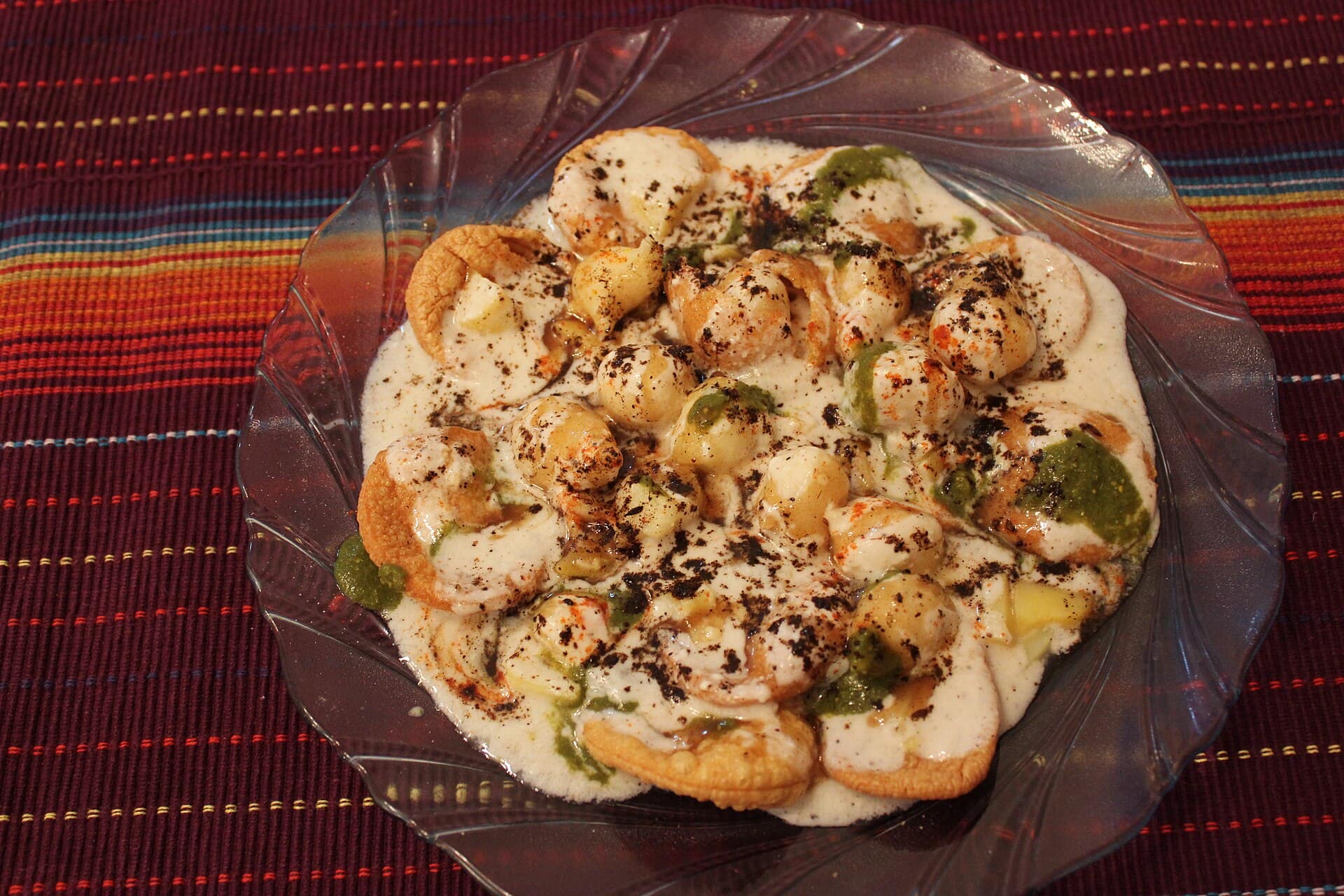
Almost everything you will want to eat here is vegetarian. Start the day with kachori sabzi, have tamatar chaat near Godowlia in the evening, a thick lassi in a clay cup, and a Banarasi paan to finish. The food page goes dish by dish, and where to eat lists the shops.
Questions
Varanasi — FAQ
Are Varanasi, Banaras and Kashi the same place?
Yes. Kashi is the ancient name used in scripture and by pilgrims, Banaras is the everyday name, and Varanasi is the official one. It is usually explained as the city between the Varuna and Assi rivers.
How many days do I need in Varanasi?
Two full days cover a sunrise boat ride, Kashi Vishwanath, Sarnath and the evening aarti. A third day lets you add Ramnagar Fort, the temples near BHU and a second, slower morning on the ghats.
Which area is best to stay in?
Stay near Assi Ghat for a calmer base with cafés, or near Dashashwamedh and Godowlia to be close to the aarti and the main temple. Hotels in the Cantonment are quieter but 20 to 40 minutes from the river by road.
How do I get from the airport to the ghats?
Lal Bahadur Shastri Airport at Babatpur is about 25 km north-west of the city. A taxi usually takes an hour or more, and it drops you at the nearest point a car can reach, so be ready to walk into the lanes.
Can I photograph the cremation ghats?
Not the cremations. Families are grieving a few metres away, and raising a camera causes real offence. Anyone who offers to let you photograph for a donation is not collecting for the family.