
Andalucía · Spain
Málaga
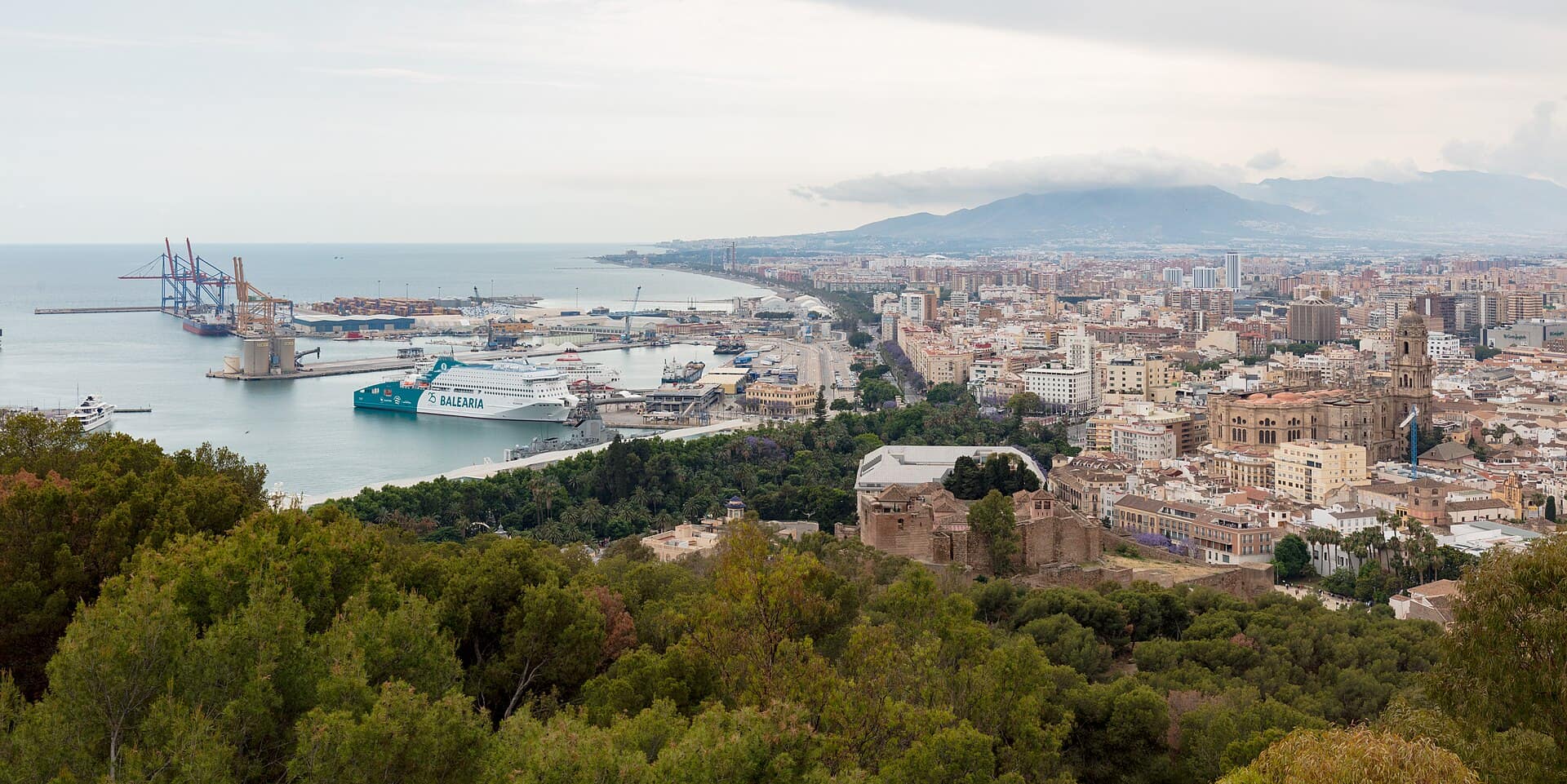
A Phoenician port that became a Roman one, then a Moorish one, and spent most of the last century being treated as the airport you pass through on the way to the Costa del Sol. It stopped being that: the old town is pedestrianised, the port ends in a promenade, and there are now more than thirty museums in a city you can cross on foot — with the beach at the end of the walk.
Two things tell you where you are. The first is the coffee: Málaga orders it on a nine-point scale by how much of the glass is coffee — nube, sombra, corto, entrecorto, mitad, solo corto, semilargo, largo, solo — a system invented in a café on the Plaza de la Constitución in 1954 to stop wasting coffee in the post-war years. The café itself closed in 2022; the vocabulary outlived it and is still what you order in. The second is the biznaga: not a flower but a made object, jasmine buds pushed one by one into the dried spine of a thistle, sold by biznagueros in the street. They are assembled by day while the buds are shut, and only open — and only smell — after dark.
Plan your trip
Málaga Tour Itineraries
Timed, walkable day plans — plus the best season to go.
Where to shoot
Málaga Photo Spots
 High crowd
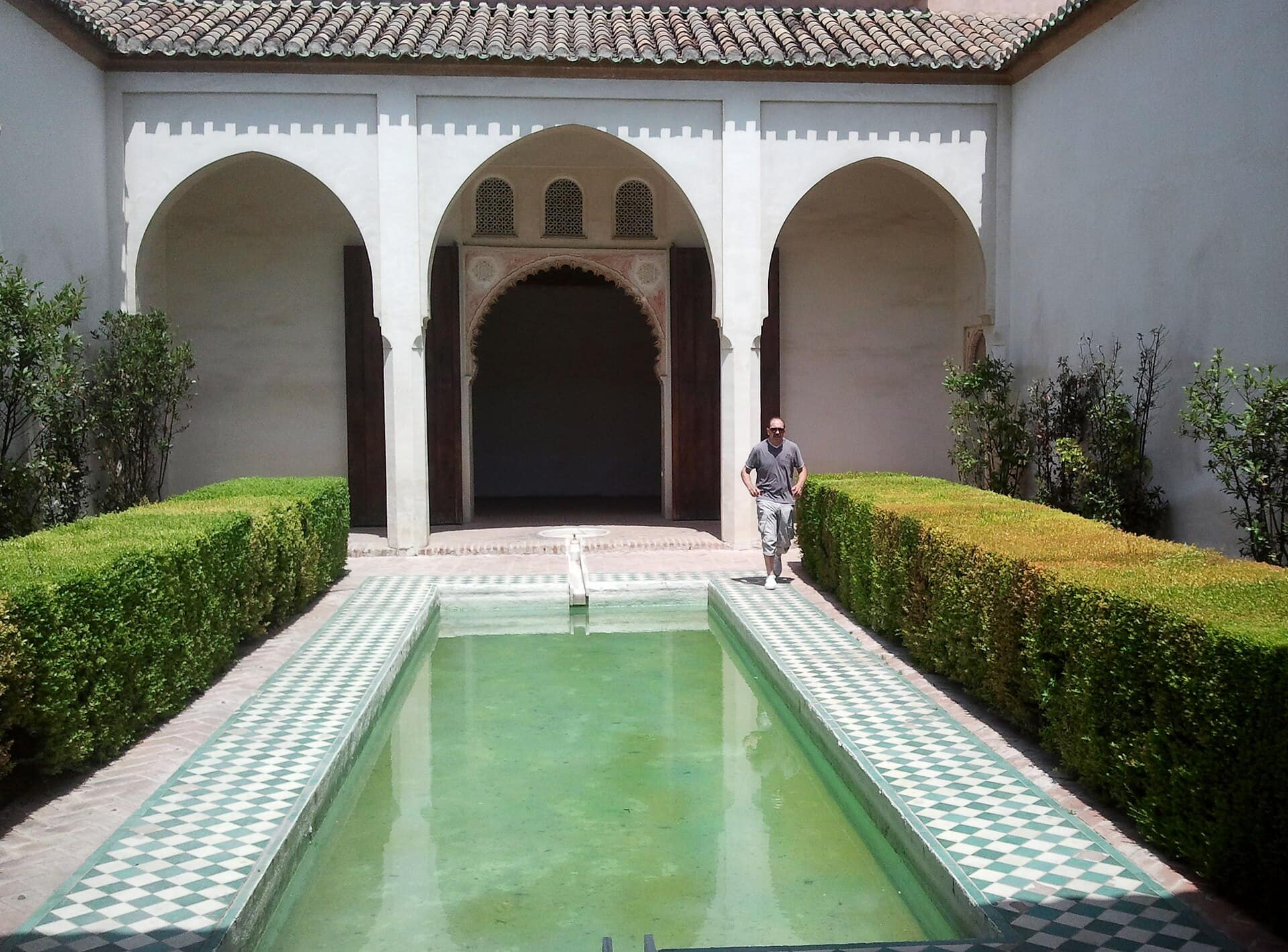
Entry Around €3.50, or €5.50 combined with Gibralfaro — and free every Sunday from 2pm
Alcazaba de Málaga
- Best timeEarly morning at opening, when the light comes through the arcades along the upper courtyards and there is nobody in them
- ColorsWhiteTerracottaSand
 Medium crowd
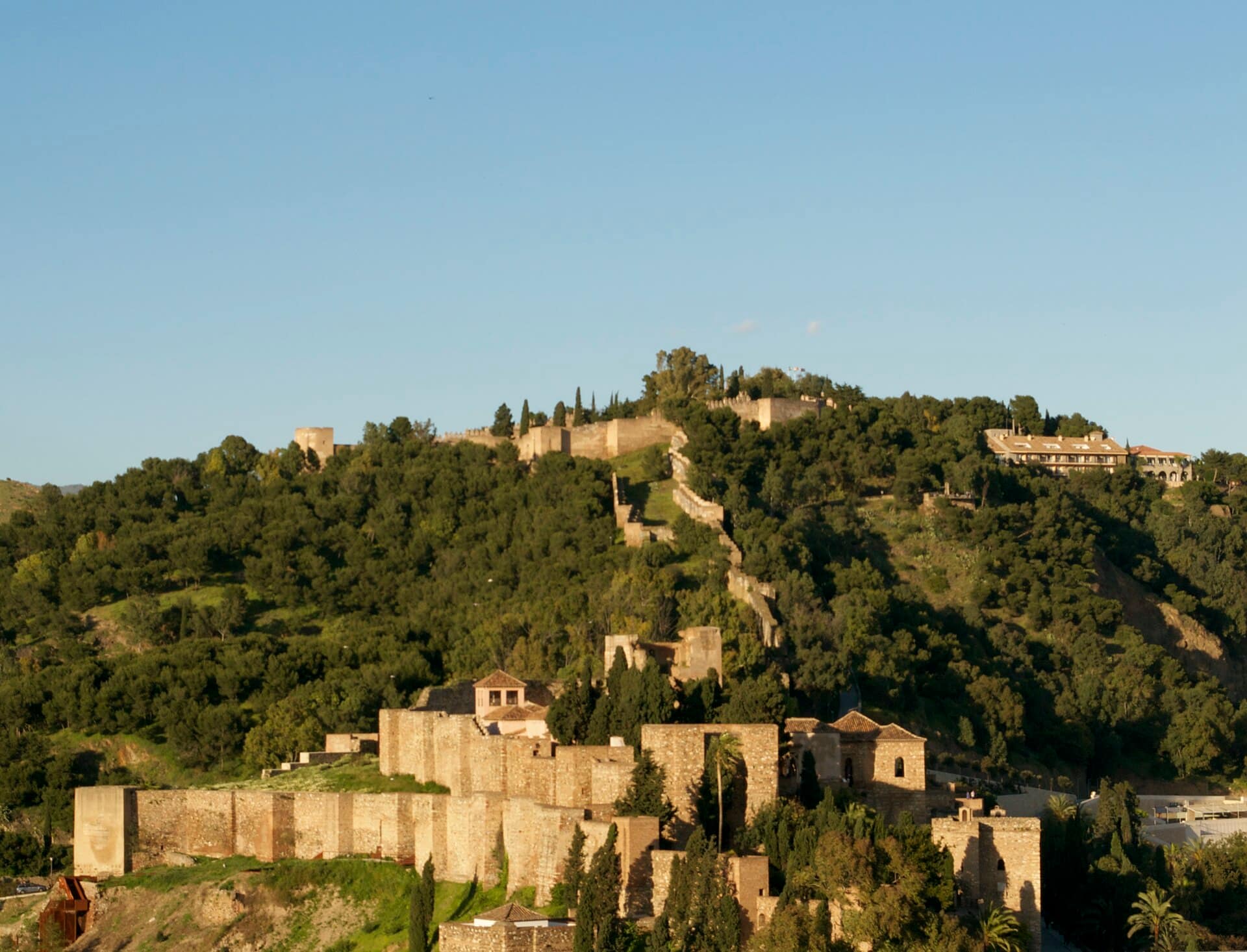
Entry Around €3.50, or €5.50 combined with the Alcazaba — free every Sunday from 2pm
Castillo de Gibralfaro
- Best timeThe hour before sunset, when the sun drops behind the city and the bullring below turns into a lit circle
- ColorsWhiteOchreNavy
 Medium crowd
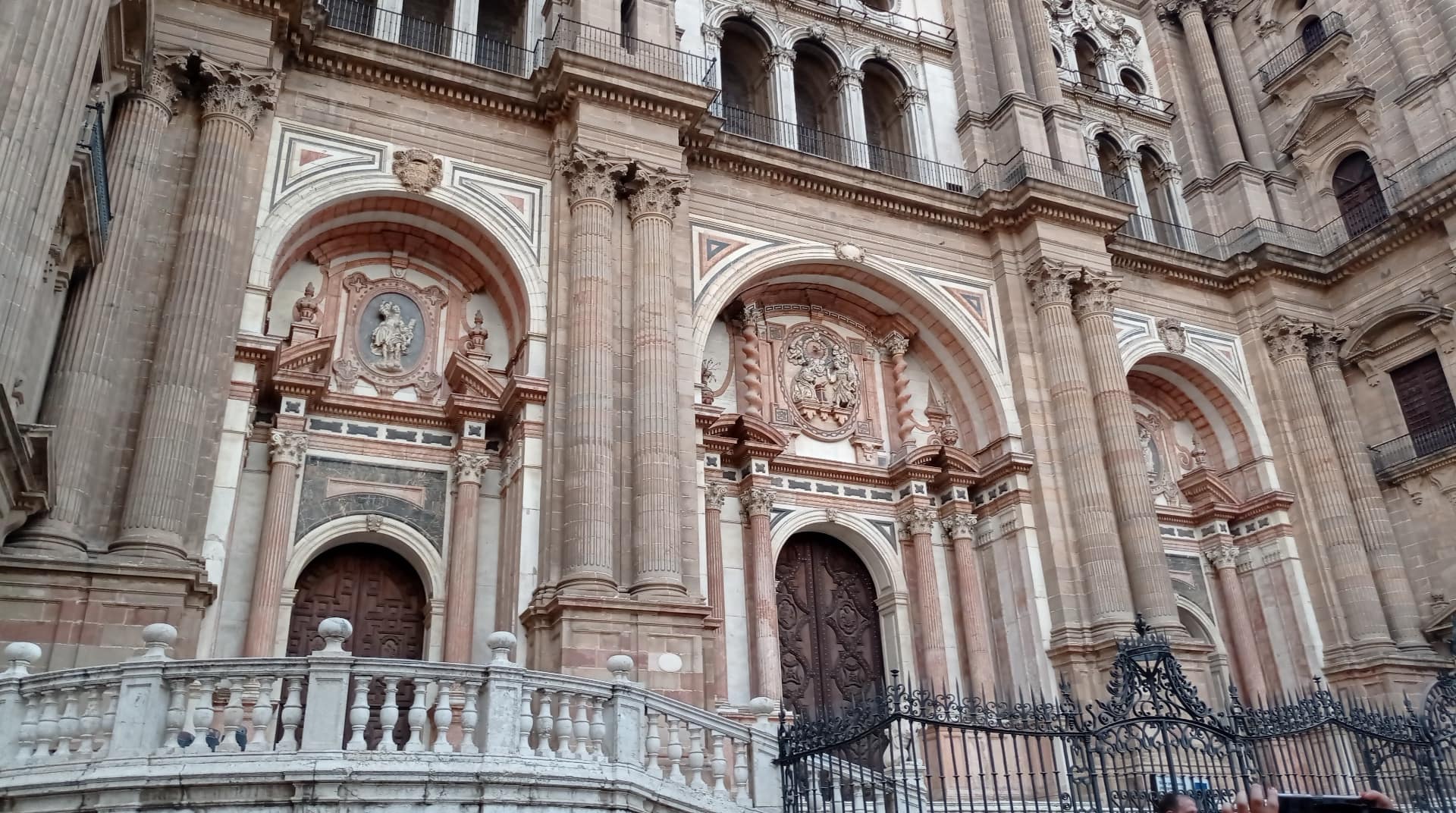
Entry Around €6 for the cathedral, and about €10 including the rooftop tour
Catedral de Málaga — La Manquita
- Best timeLate afternoon from the roof, when the light goes long across the tiles and the unfinished tower throws its shadow over the vaults
- ColorsCreamIvoryBurgundy
 Medium crowd
Entry Free
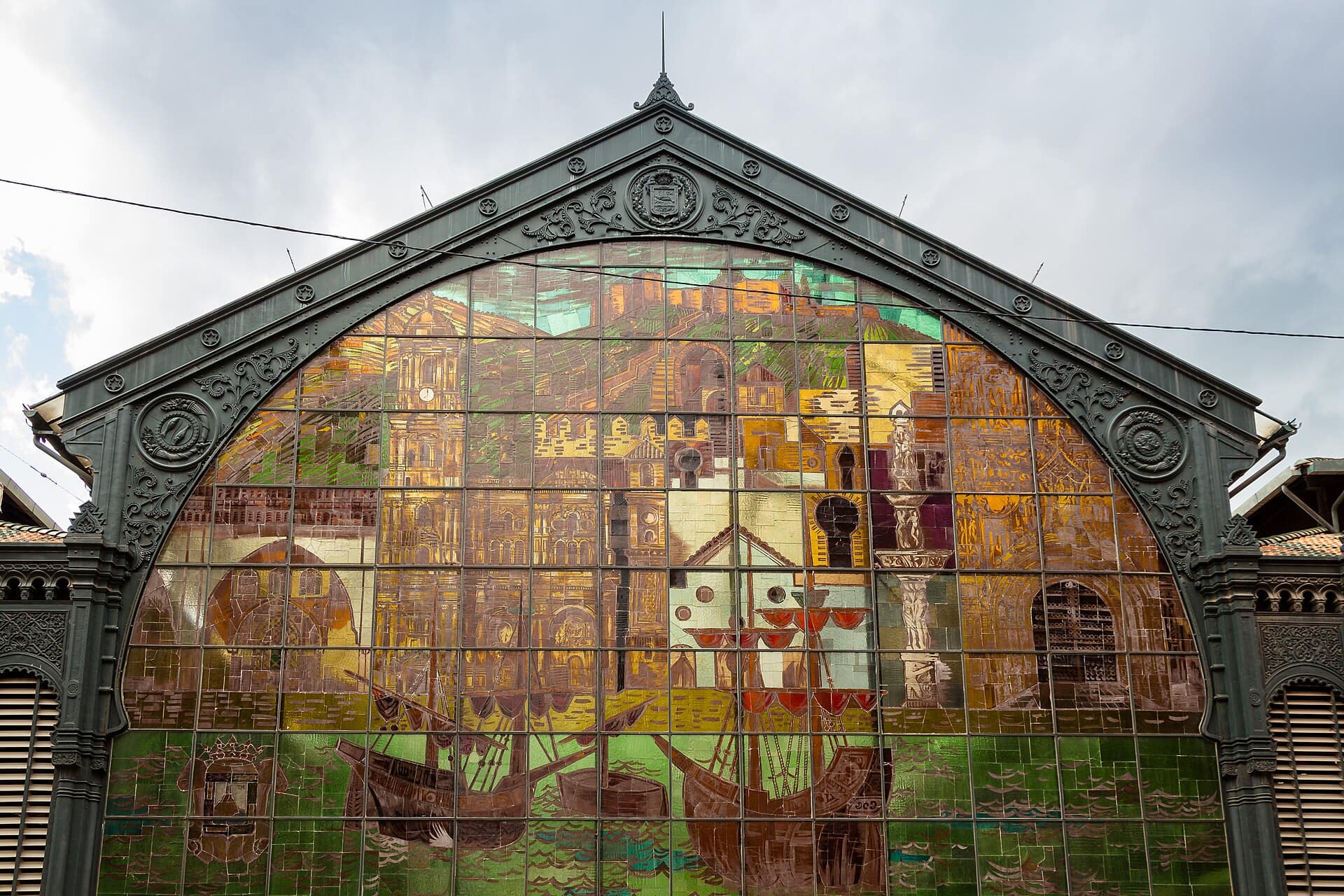
Mercado Central de Atarazanas
- Best timeEarly morning, from about eight — the fish counters are full, the light through the stained glass reaches the aisle, and by one o'clock half of it is packed away
- ColorsWhiteCoralCobalt
 Medium crowd
Entry Free to walk; the Pompidou is around €7 for the collection and €9 with the exhibition
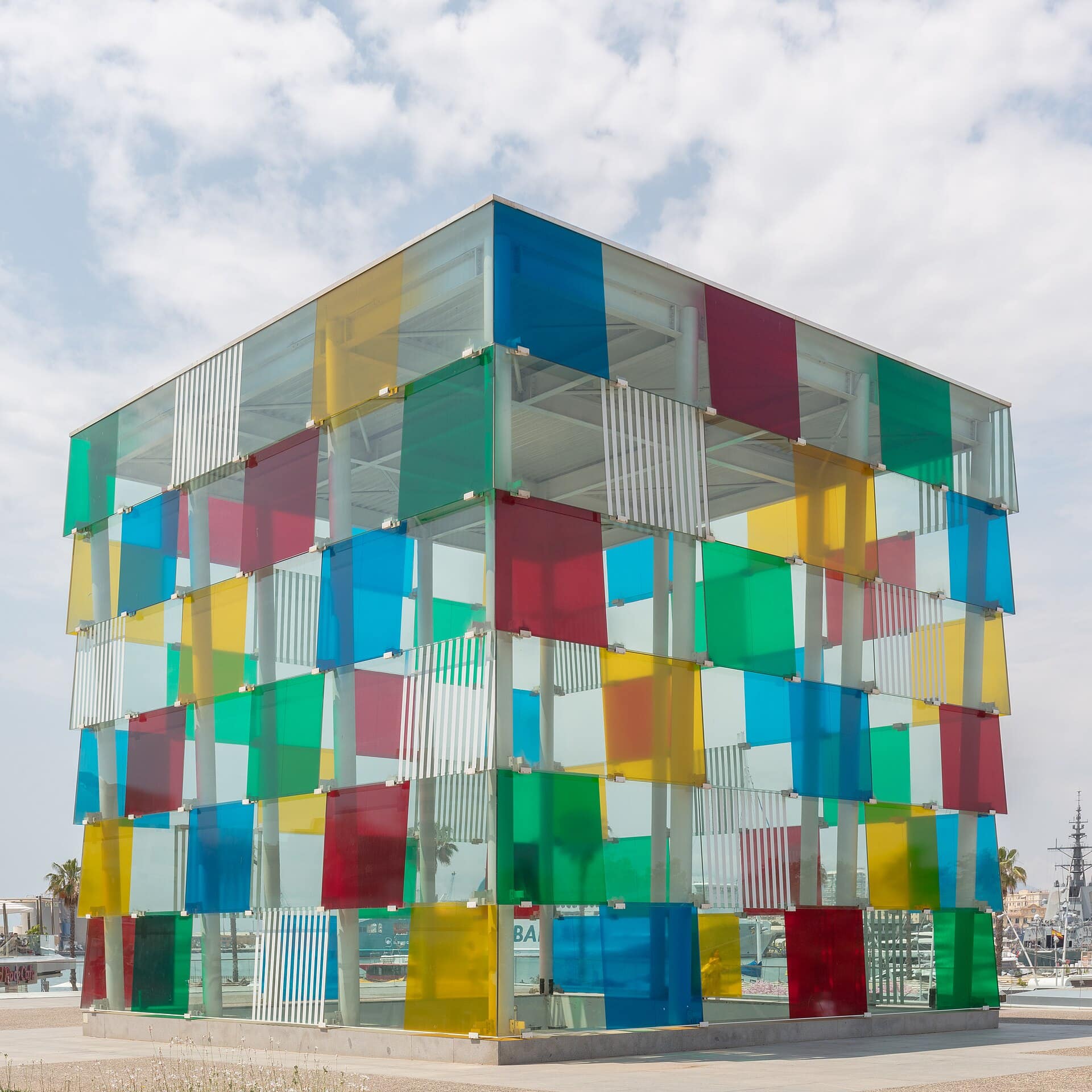
Muelle Uno & El Cubo
- Best timeThe blue hour just after sunset, when the cube is lit from inside and the colours read against a dark sky rather than washing out
- ColorsWhitePrimary redCobalt
 Medium crowd
Entry Around €12 for the collection, more with the temporary exhibition — free in the last two hours every Sunday
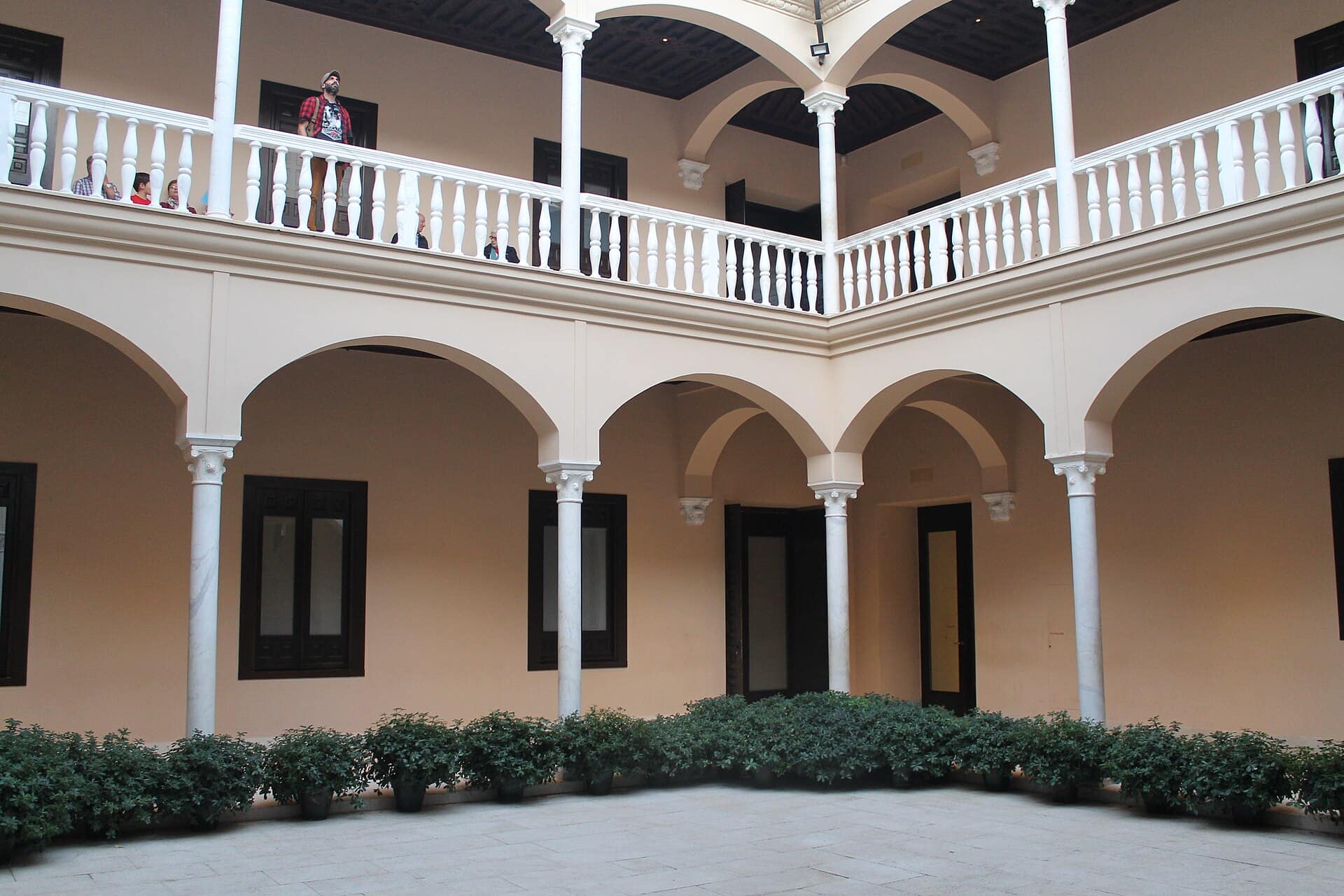
Museo Picasso Málaga
- Best timeMidday in the courtyard, when the sun is high enough to reach the bottom of it — the galleries themselves are no-photography
- ColorsBlackIvoryCobalt
For the feed
Trending Wear in Málaga
Modern, Instagram-friendly looks
Dressing for humid coastal heat
€40–120
The cover-up the bylaw actually requires
€25–70
What people wear to the feria de día
€40–150
Rooted in the city
Málaga Traditional Wear
Local, cultural, handcrafted outfits
Taste the city
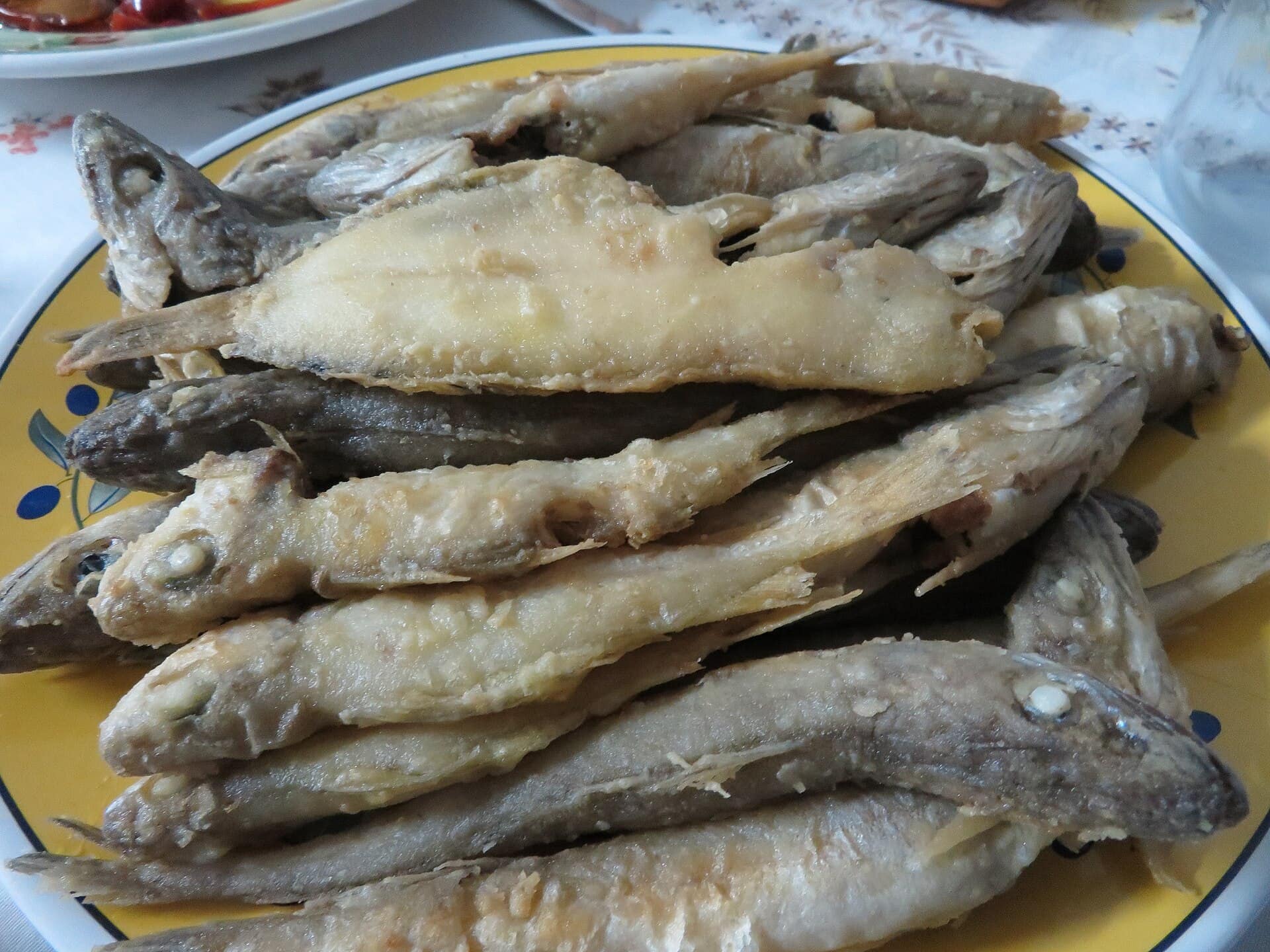
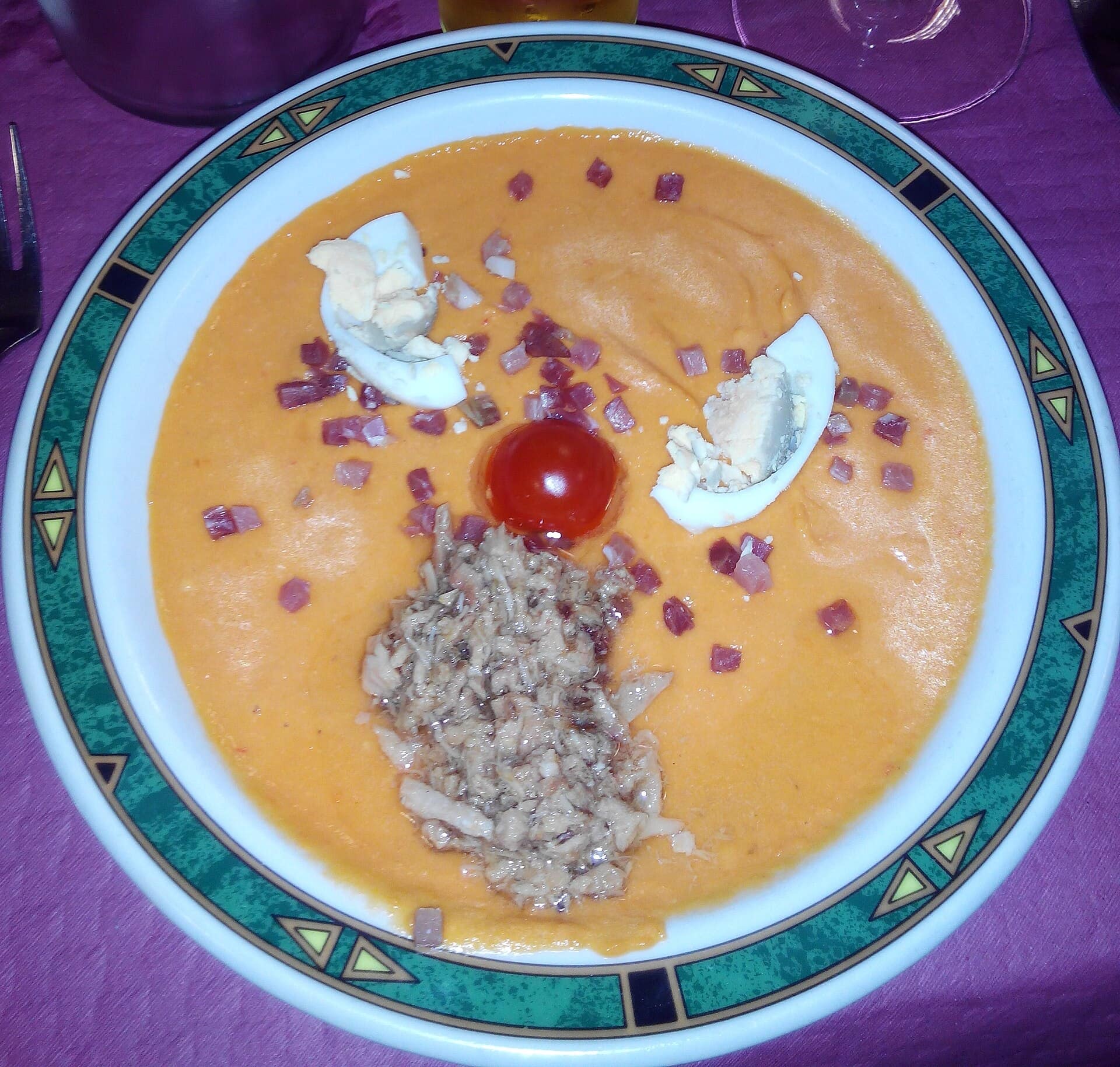
Food to Eat in Málaga

Trusted tables
Where to Eat in Málaga
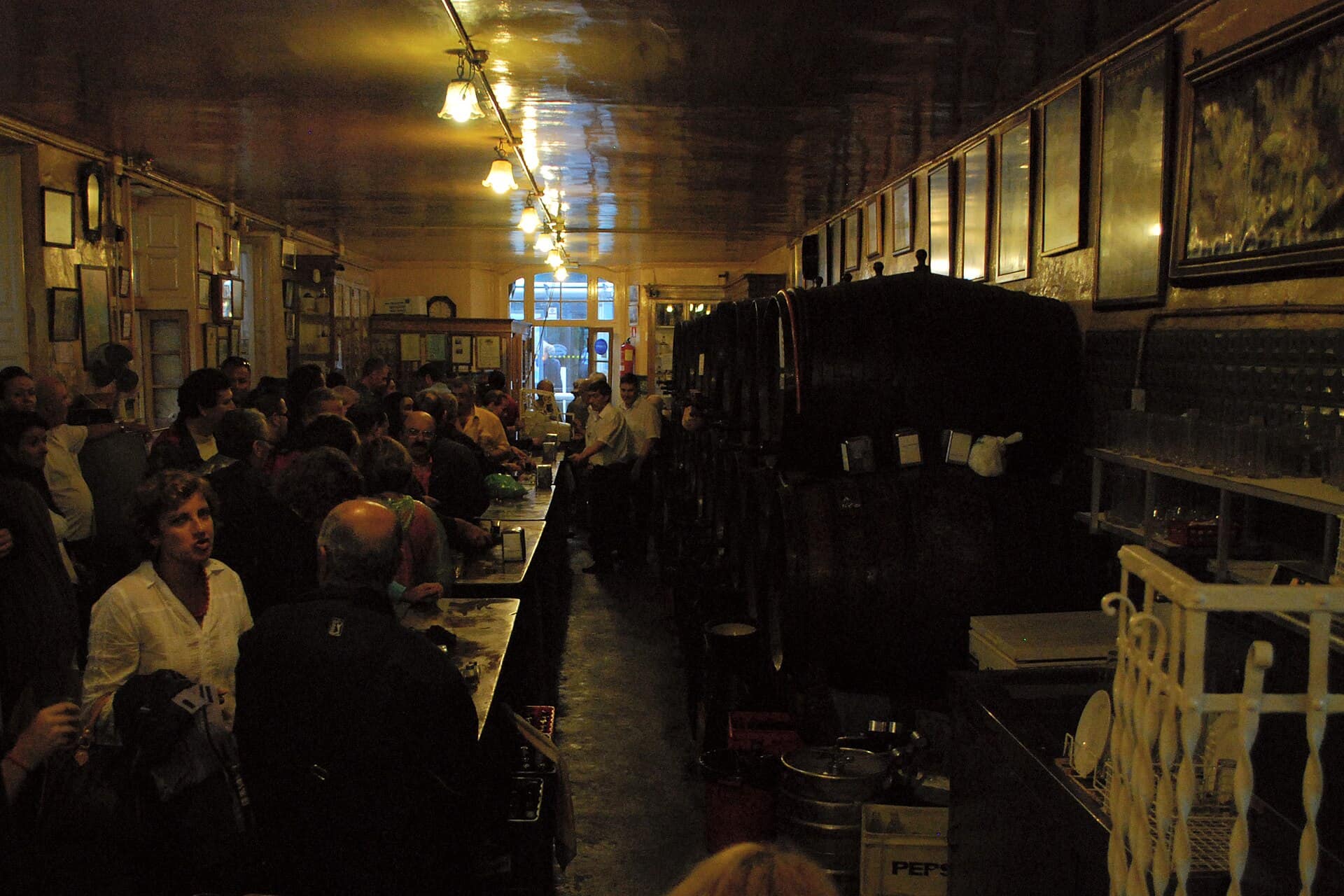
Antigua Casa de Guardia
Alameda Principal
Bodega El Pimpi
Calle Granada, beside the Roman theatre
Casa Aranda
The alley off Calle Larios, beside Atarazanas market
Chiringuito El Merlo
Pedregalejo seafront
El Tintero
El Palo, at the east end of the seafront
Questions
Málaga — FAQ
What is Málaga famous for?
A port old town layered Phoenician, Roman and Moorish — the Alcazaba climbing the hill, the Picasso museum in the painter's birthplace, the La Manquita cathedral and sweet Málaga wine.
How many days are enough for Málaga?
Two: the Alcazaba and Gibralfaro above it one day; the old town, the Picasso museum and the Atarazanas market the next, with the beach between them.
What is the best time to visit Málaga?
April to June, and September to early November.
How do I get around Málaga?
A compact core with the sea never far — the old town is walked, and the climb to Gibralfaro castle is the only real effort.
Why is Málaga's cathedral called La Manquita?
Because it was never finished — one tower was completed and the other stopped at half height, and the city has called it the one-armed lady ever since.