
Must-try snack in Málaga
Ajoblanco
Málaga, Andalucía
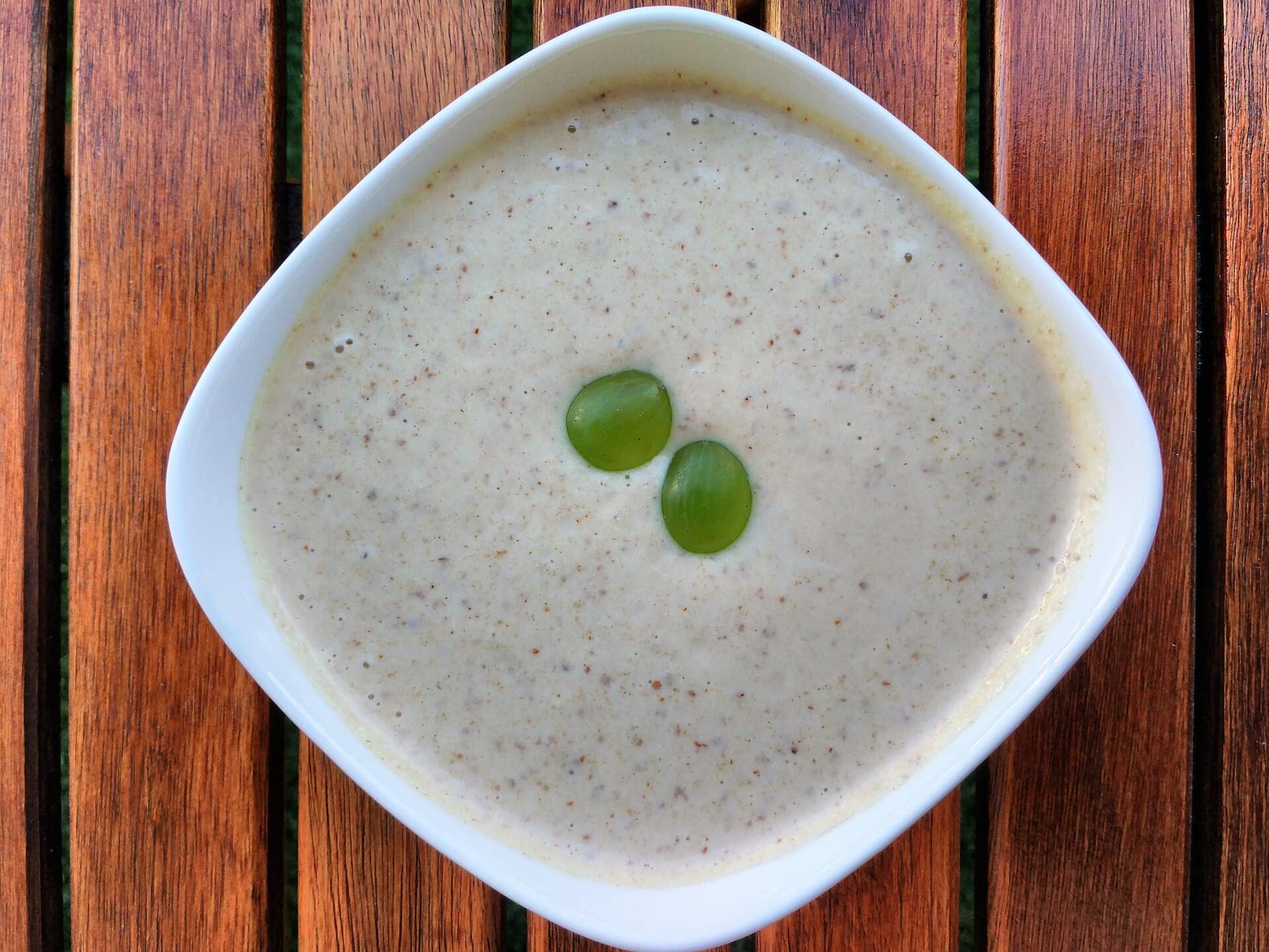
Almonds, bread, garlic, olive oil, vinegar and water blended into a pale cold soup and served with muscat grapes floated on top — occasionally with melon instead.
Taste
Cold, silky, sweet-and-sharp with a garlic edge
Spice level
Not spicy
Best time to eat
As a starter, in hot weather
Price range
€5–9
Food type & tags
Best paired with
Masala chai
The dish
What is Ajoblanco?
Expect it to be cold, silky, sweet-and-sharp with a garlic edge, with a not spicy kick.
The story
Why is Ajoblanco famous in Málaga?
The older cold soup of Andalucía, from before the tomato arrived from the Americas, and the one Málaga kept: the almonds come from the hills behind the city and the grapes are the same moscatel that goes into its sweet wine. Ordering it instead of gazpacho is the local move in August.
When to go
Best time to eat it
Ajoblanco is best enjoyed at as a starter, in hot weather, ideally with a hot cup of masala chai or filter coffee to balance the sweetness. Many spots make fresh batches through the day, so it’s easy to fit into your plan.
Where to eat
Best places to try Ajoblanco
Trusted Málaga spots — hours and directions.
Open Late morning through the evening, daily; book for the terrace
Ajoblanco available here
DirectionsOpen Long hours, from late morning; closed Sunday afternoons
DirectionsOpen Lunch and dinner in season; the fire is lit for service, not in between
DirectionsPerfect pairing
What to eat with Ajoblanco
Ajoblanco pairs best with a hot cup of masala chai or filter coffee to balance the sweetness. It’s a vegetarian snack, so keep the rest of the plate light and let the dish be the star.
Make a morning of it
Pair it with a photo spot
Eat well, then shoot nearby in Málaga.
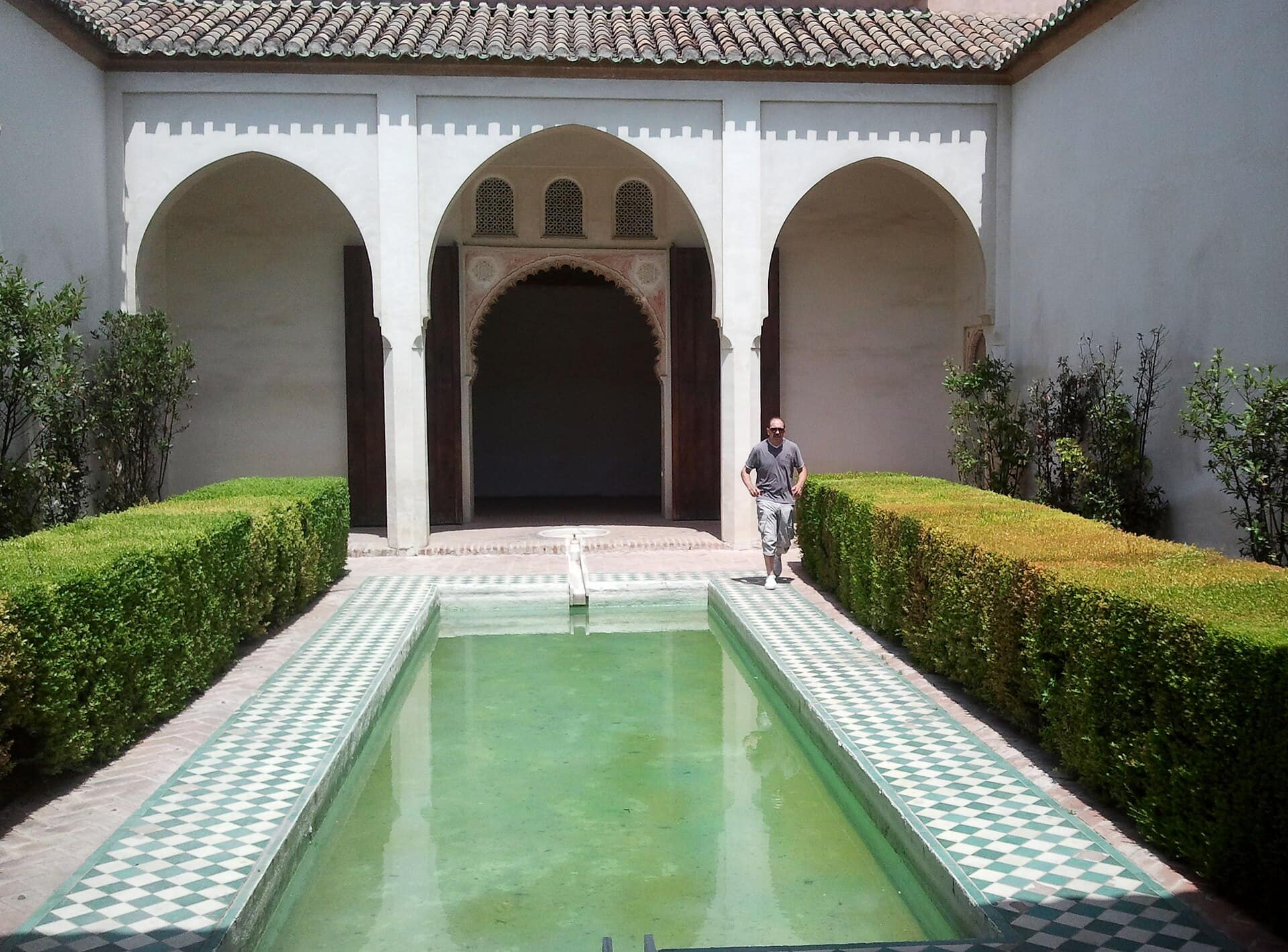
Alcazaba de Málaga
Early morning at opening, when the light comes through the arcades along the upper courtyards and there is nobody in them
Fuel up on Ajoblanco, then shoot Alcazaba de Málaga.
See photo spot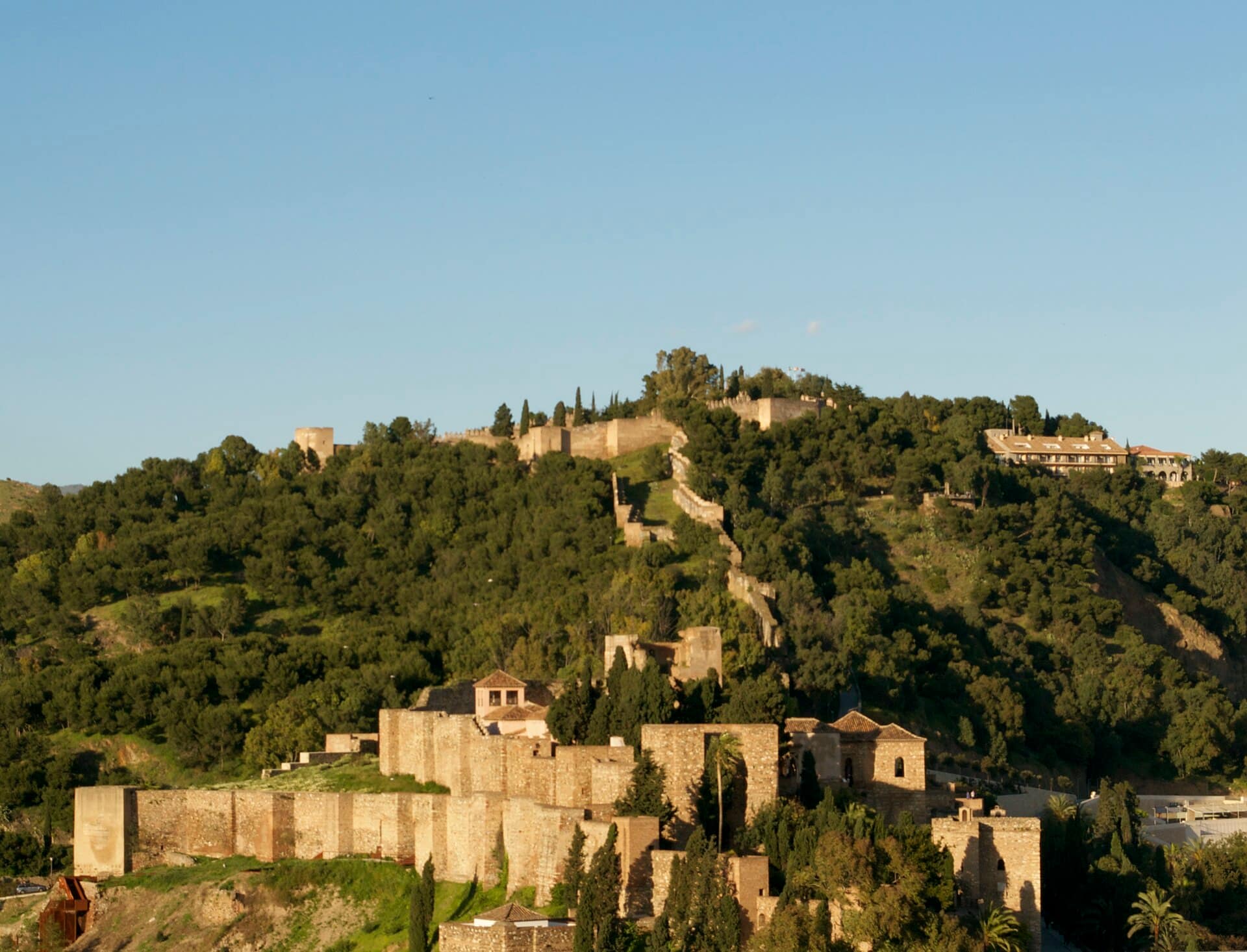
Castillo de Gibralfaro
The hour before sunset, when the sun drops behind the city and the bullring below turns into a lit circle
Fuel up on Ajoblanco, then shoot Castillo de Gibralfaro.
See photo spot
Catedral de Málaga — La Manquita
Late afternoon from the roof, when the light goes long across the tiles and the unfinished tower throws its shadow over the vaults
Fuel up on Ajoblanco, then shoot Catedral de Málaga — La Manquita.
See photo spotWant something else?
Search Málaga food by craving
Ajoblanco in Málaga
Ajoblanco belongs to the tea hour in Málaga: cold, silky, sweet-and-sharp with a garlic edge, a vegetarian dish, and part of how the city eats.
Almonds, bread, garlic, olive oil, vinegar and water blended into a pale cold soup and served with muscat grapes floated on top — occasionally with melon instead
🍛 What it is
Almonds, bread, garlic, olive oil, vinegar and water blended into a pale cold soup and served with muscat grapes floated on top — occasionally with melon instead - that is the whole idea of it, and everything else on this page follows from there.
It sits in the city's food life as a snack - eaten at as a starter, in hot weather, served the way the locality serves it, and priced the way the locality prices it.
Locally it is filed under: vegetarian, malaga-specific, cold - which is the vocabulary to use when asking for it.
📜 Where it comes from
The older cold soup of Andalucía, from before the tomato arrived from the Americas, and the one Málaga kept: the almonds come from the hills behind the city and the grapes are the same moscatel that goes into its sweet wine. Ordering it instead of gazpacho is the local move in August.
Dishes like this travel badly and reproduce badly - the version in Málaga is the reference version, made for the local palate at local prices.
👅 The taste, honestly
The register of it is cold, silky, sweet-and-sharp with a garlic edge - that is the honest one-line tasting note, and it holds from the first bite to the last.
There is no chilli heat in it at all.
As a snack dish it is made to accompany rather than dominate - which tells you what to order around it: it sits beside a drink or a main without competing.
🕐 When to eat it
The local answer to when is simple: as a starter, in hot weather. Follow it and you get the dish at its best; ignore it and you may not get it at all.
Snacks live on turnover: the stall doing brisk business is the stall serving fresh batches, and that single observation does more for quality than any review.
🥣 Ordering it well
In Spain, order it the way the bar does: standing, in the local rhythm, and in the portion that matches the hour - a small one at tapas time, a full ración when it is the meal.
💰 What it costs
The local range is €5–9 in Málaga - within it you are paying the local price; far above it, you are paying for something else.
It is a budget-friendly item - kind to every wallet, and no less authentic for it.
🤝 Eating it like a local
The European rhythm applies: food arrives as the meal's own pace dictates, conversation fills the gaps, and asking the server how a dish is best eaten is welcome rather than naive.
And the pairing instinct: whatever the neighbourhood drinks with its snacks - usually the local tea or coffee, taken slowly.
Questions
Ajoblanco — FAQ
What is Ajoblanco?
Almonds, bread, garlic, olive oil, vinegar and water blended into a pale cold soup and served with muscat grapes floated on top — occasionally with melon instead.
Is Ajoblanco veg or non-veg?
Ajoblanco is vegetarian. Spice level: not spicy.
Where can I try the best Ajoblanco in Málaga?
Try Bodega El Pimpi. See the "Best places to try it" section above for hours and directions.
What should I eat with Ajoblanco?
Pair it with a hot cup of masala chai or filter coffee to balance the sweetness.
When is the best time to eat Ajoblanco?
Ajoblanco is usually eaten as a starter, in hot weather.