
Andalucía · Spain
Seville
Andalucía's capital: a Mudéjar palace still in royal use, the largest Gothic cathedral in the world, and a tapas culture that runs on standing at a counter rather than sitting at a table.
Seville keeps two calendars — Semana Santa and the Feria de Abril — and the city genuinely stops for both. Dress is more formal than the heat suggests, and dinner starts far later than most visitors plan for.
Plan your trip
Seville Tour Itineraries
Timed, walkable day plans — plus the best season to go.
Where to shoot
Seville Photo Spots
 Medium crowd
Photo spot
Barrio de Santa Cruz
- Best timeMid-morning, when light drops into the narrow lanes without full midday glare
- ColorsWhiteCobaltCoral
Photo spot
Barrio de Triana
- Best timeSunset from Calle Betis, when the low sun lands on the far bank and the terraces along the river fill
- ColorsWhiteCobaltOchre
 High crowd
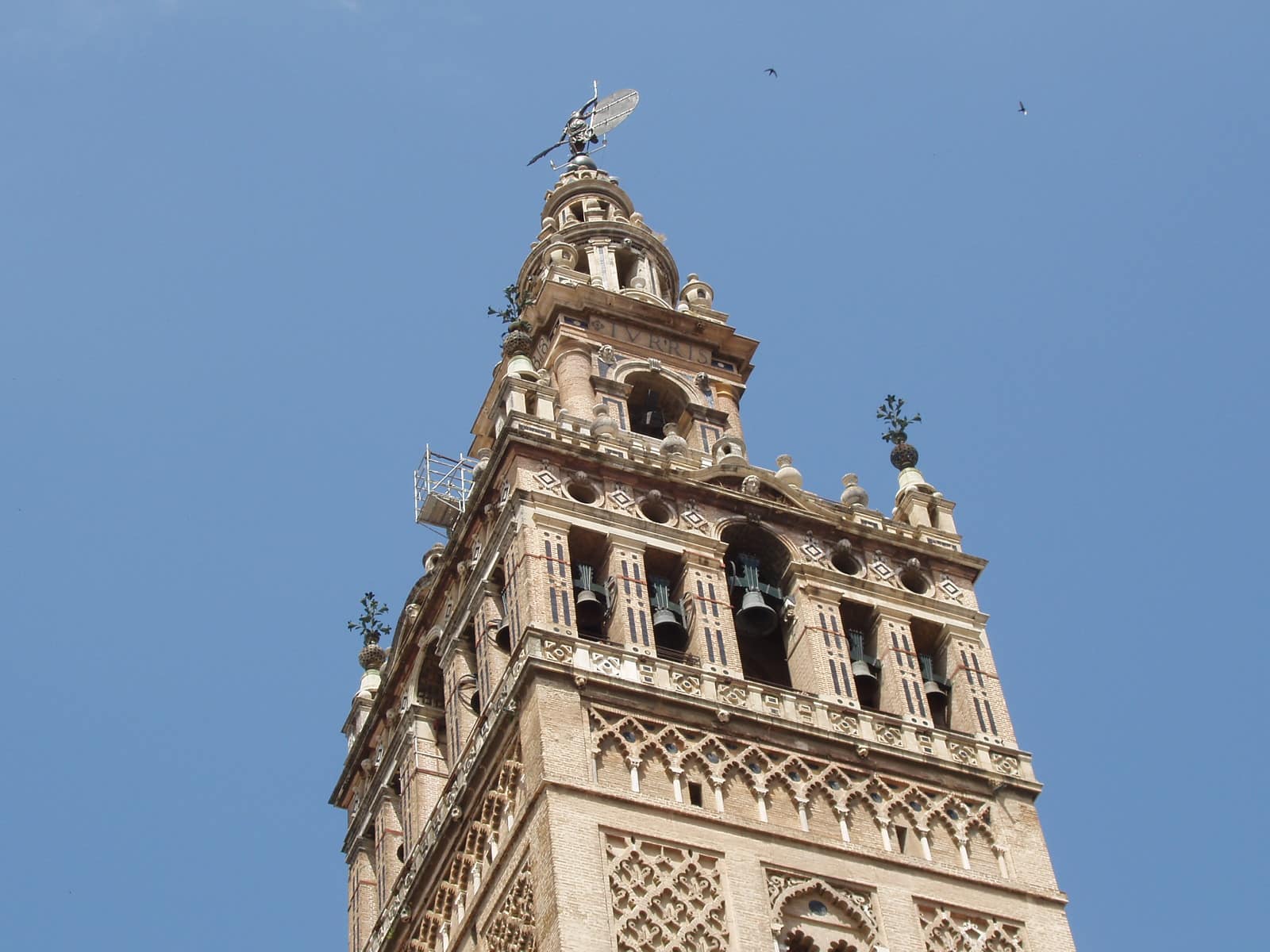
Entry Around €12, including the Giralda climb
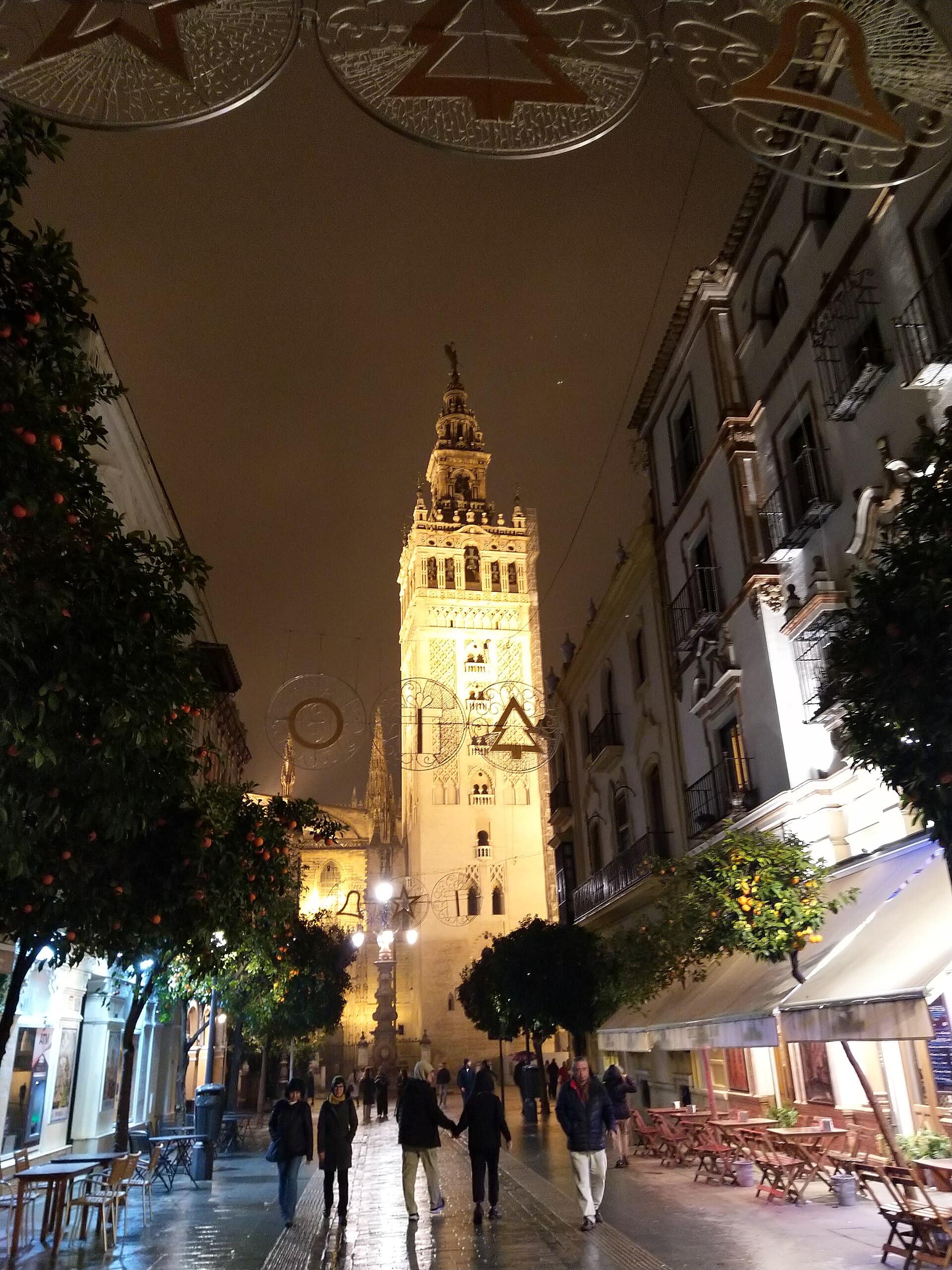
Catedral de Sevilla & La Giralda
- Best timeLate afternoon, when the west front warms up
- ColorsWhiteNavyOchre
Entry A token charge of a euro or two, and free to EU citizens who show ID — check the current rule rather than assuming it
Museo de Bellas Artes
- Best timeEarly morning, the first hour after it opens, when the low sun crosses the cloisters before the galleries fill
- ColorsCreamDeep greenOchre
Entry Free
Parque de María Luisa
- Best timeLate afternoon, when the low sun comes down the shaded avenues and lights the tiled benches without the midday glare
- ColorsWhiteTerracottaOlive
 High crowd
Photo spot
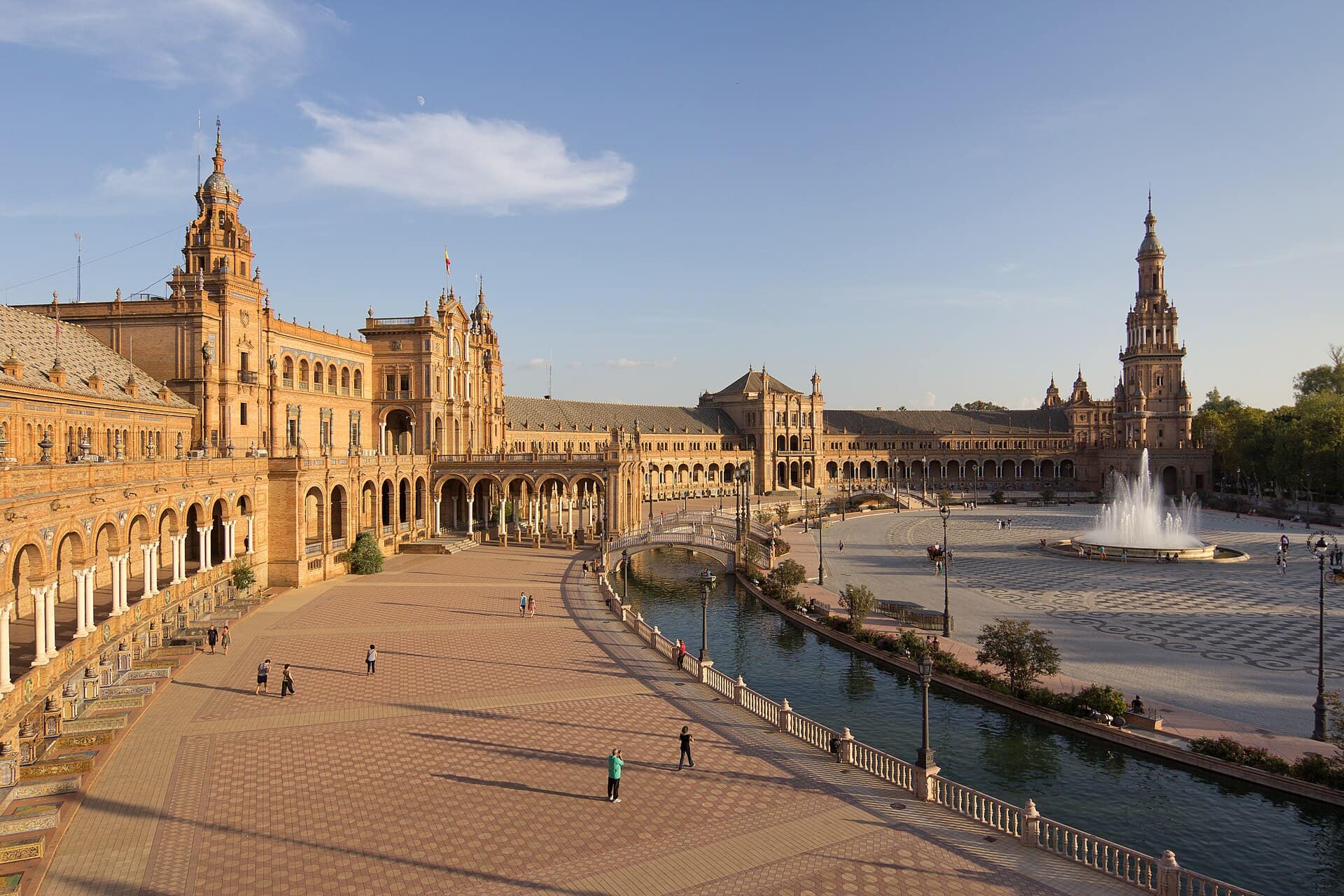
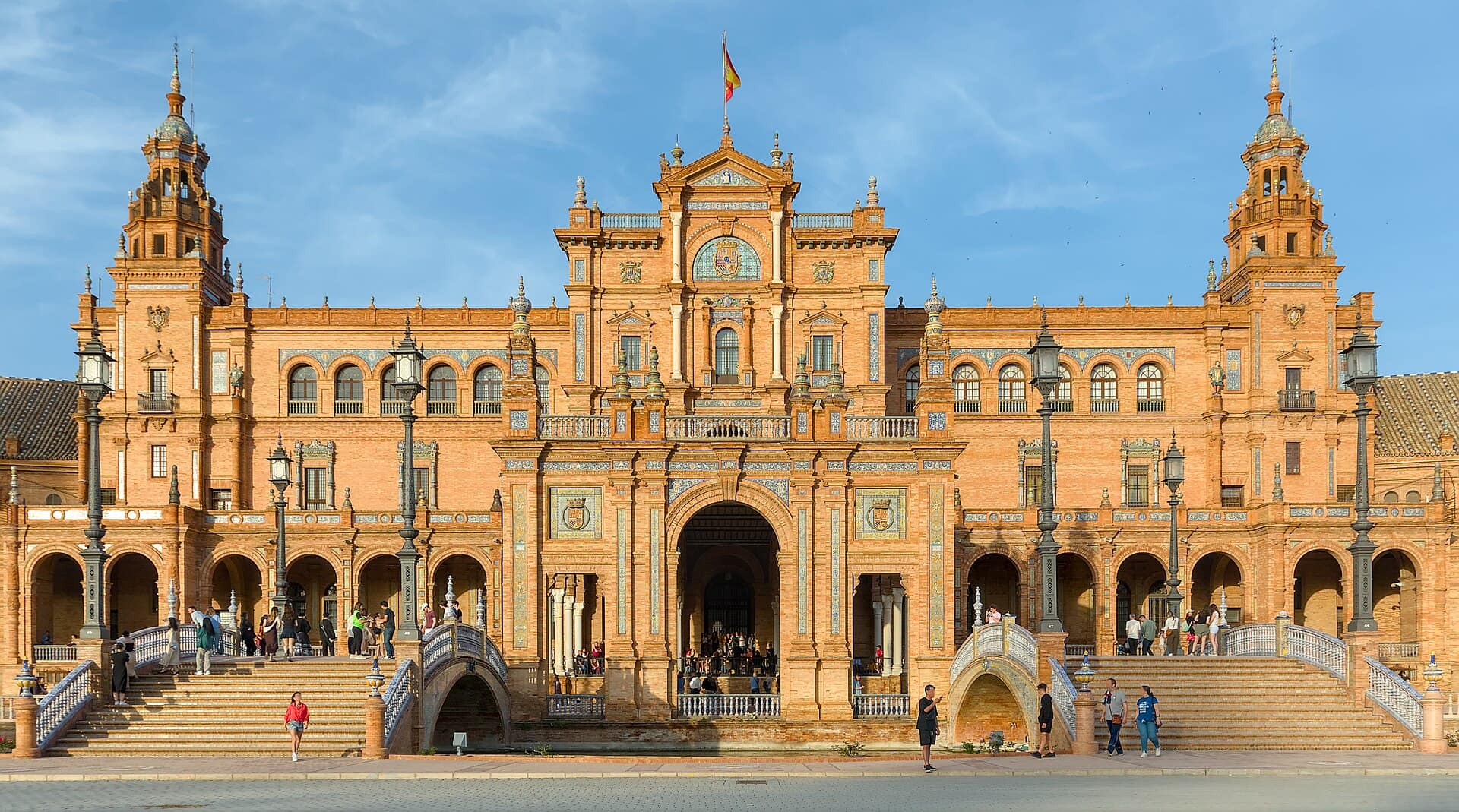
Plaza de España
- Best timeSunrise — the plaza is public, unticketed and almost empty before eight
- ColorsRedCobaltWhite
For the feed
Trending Wear in Seville
Modern, Instagram-friendly looks
Rooted in the city
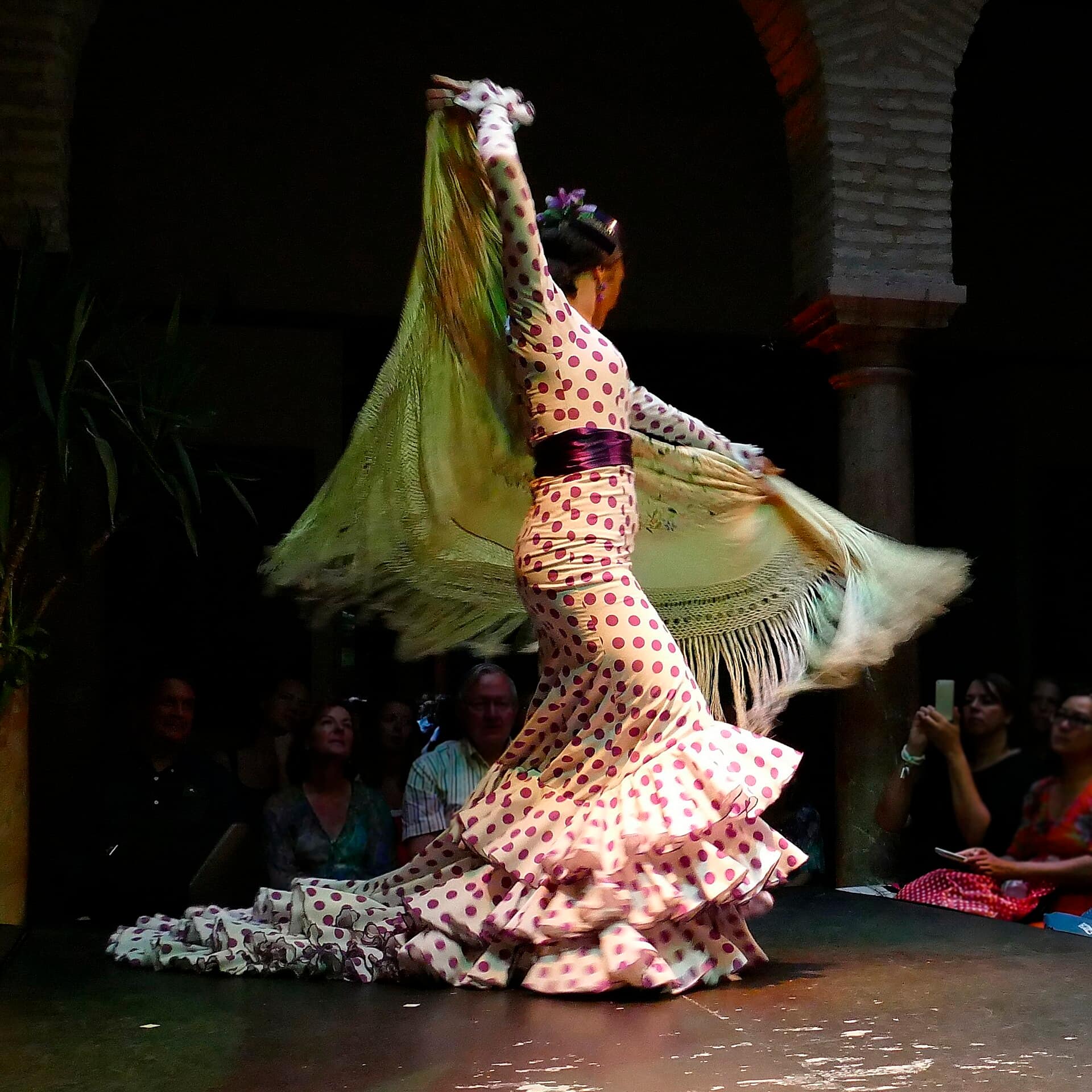
Seville Traditional Wear
Local, cultural, handcrafted outfits
Taste the city
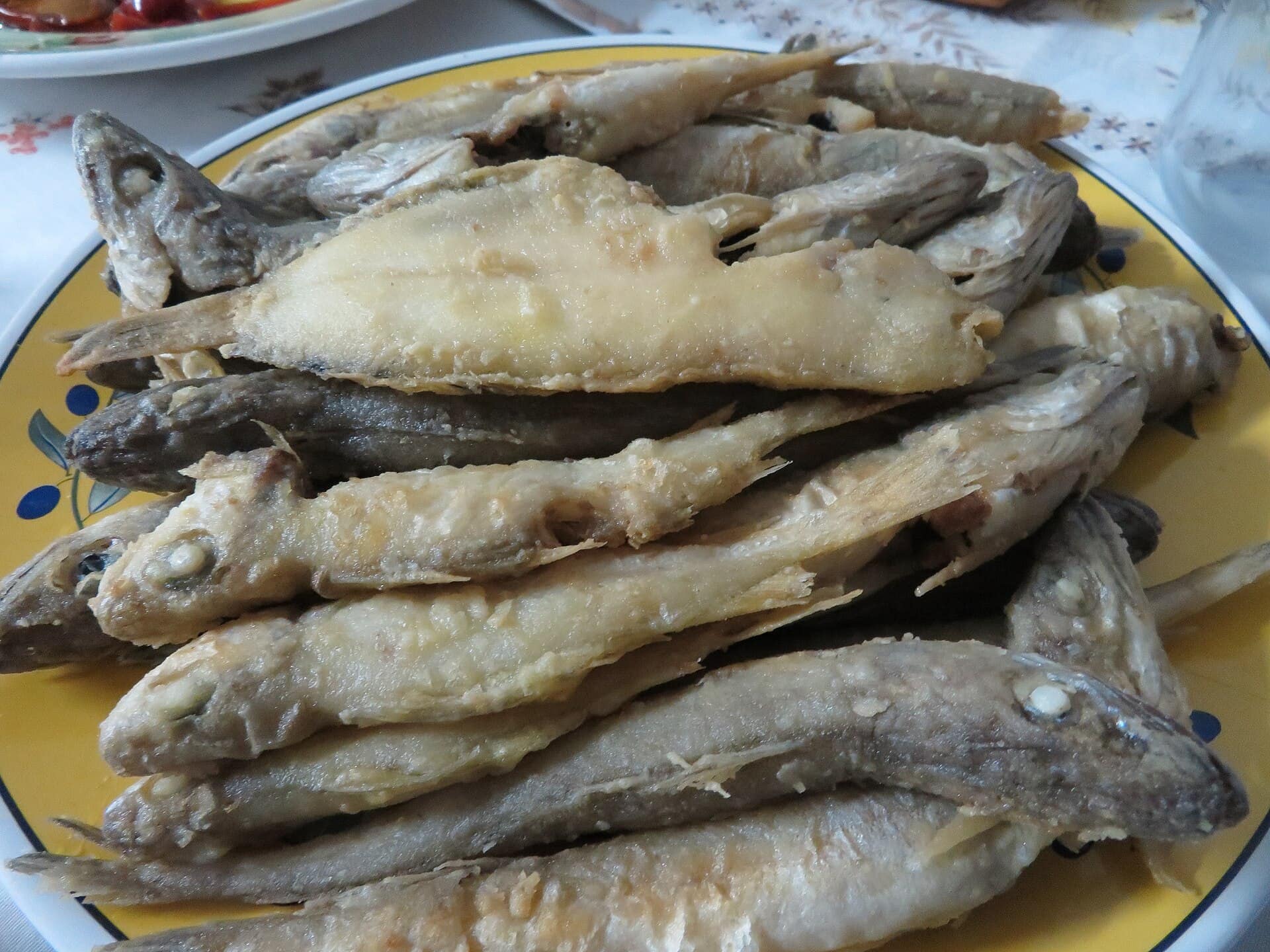
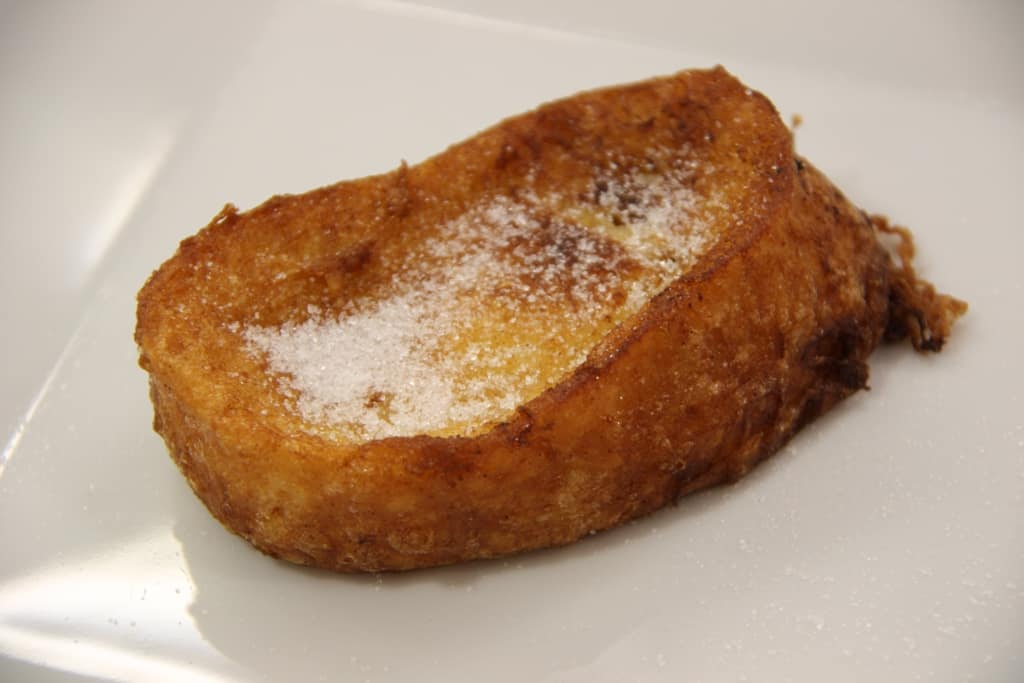
Food to Eat in Seville


Trusted tables
Where to Eat in Seville
Questions
Seville — FAQ
What is Seville famous for?
Andalucía's capital — a Mudéjar palace still in royal use at the Alcázar, the largest Gothic cathedral in the world, Plaza de España, and a tapas culture that runs on standing at the bar.
How many days are enough for Seville?
Two or three: the cathedral and its Giralda tower, the Alcázar and the Santa Cruz lanes; then Triana across the river, the park and Plaza de España.
What is the best time to visit Seville?
March to May, and October.
How do I get around Seville?
Spread out but flat, with a city metro under it — the cathedral quarter and Santa Cruz are walked, and Triana is across the bridge.
What is Triana famous for?
Historically its own town — potters, sailors and flamenco families — on the west bank of the Guadalquivir. Its ceramic past still shapes the lanes, and the river walk back towards the centre is the classic evening stroll.