
Must-try lunch in Seville
Salmorejo
Seville, Andalucía
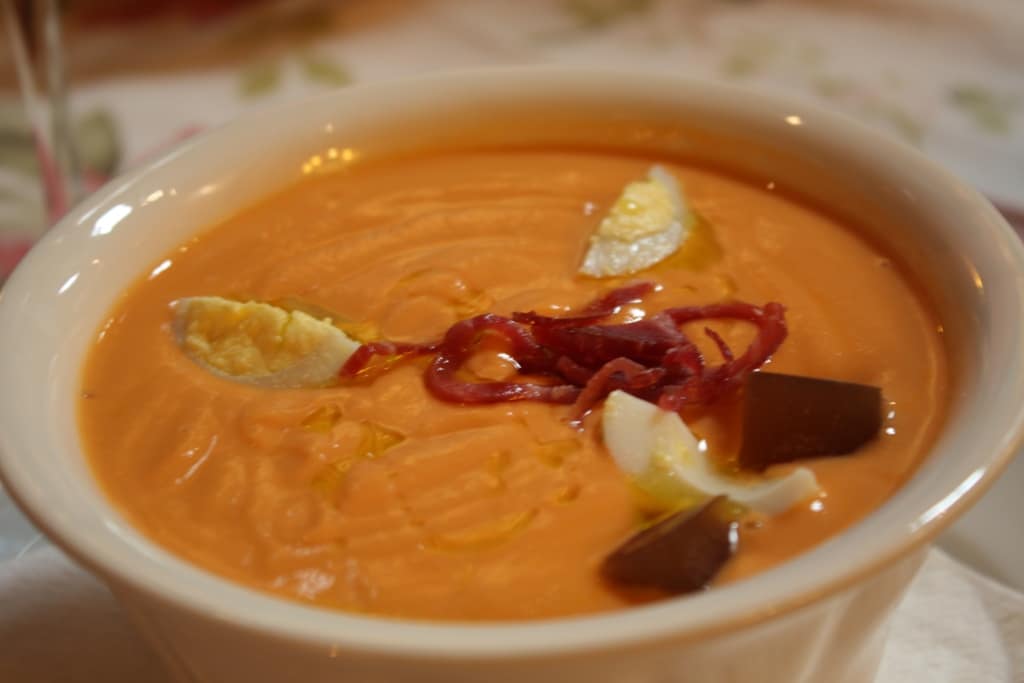
Tomato and bread blended with olive oil into something closer to a cold cream than a soup, topped with chopped egg and jamón. Thicker and richer than gazpacho, and not the same dish.
Taste
Cold, creamy, garlicky
Spice level
Not spicy
Best time to eat
Lunch
Price range
€4–8
Food type & tags
Best paired with
Chaas or lassi
The dish
What is Salmorejo?
Expect it to be cold, creamy, garlicky, with a not spicy kick.
The story
Why is Salmorejo famous in Seville?
Andalucían hot-weather food: served cold, eaten early, and on every menu from June onward.
When to go
Best time to eat it
Salmorejo is best enjoyed at lunch, ideally with chaas (spiced buttermilk) or a sweet lassi. Many spots make fresh batches through the day, so it’s easy to fit into your plan.
Where to eat
Best places to try Salmorejo
Trusted Seville spots — hours and directions.
Perfect pairing
What to eat with Salmorejo
Salmorejo pairs best with chaas (spiced buttermilk) or a sweet lassi. It’s a vegetarian lunch, so keep the rest of the plate light and let the dish be the star.
Make a morning of it
Pair it with a photo spot
Eat well, then shoot nearby in Seville.
Barrio de Santa Cruz
Mid-morning, when light drops into the narrow lanes without full midday glare
Fuel up on Salmorejo, then shoot Barrio de Santa Cruz.
See photo spotBarrio de Triana
Sunset from Calle Betis, when the low sun lands on the far bank and the terraces along the river fill
Fuel up on Salmorejo, then shoot Barrio de Triana.
See photo spot
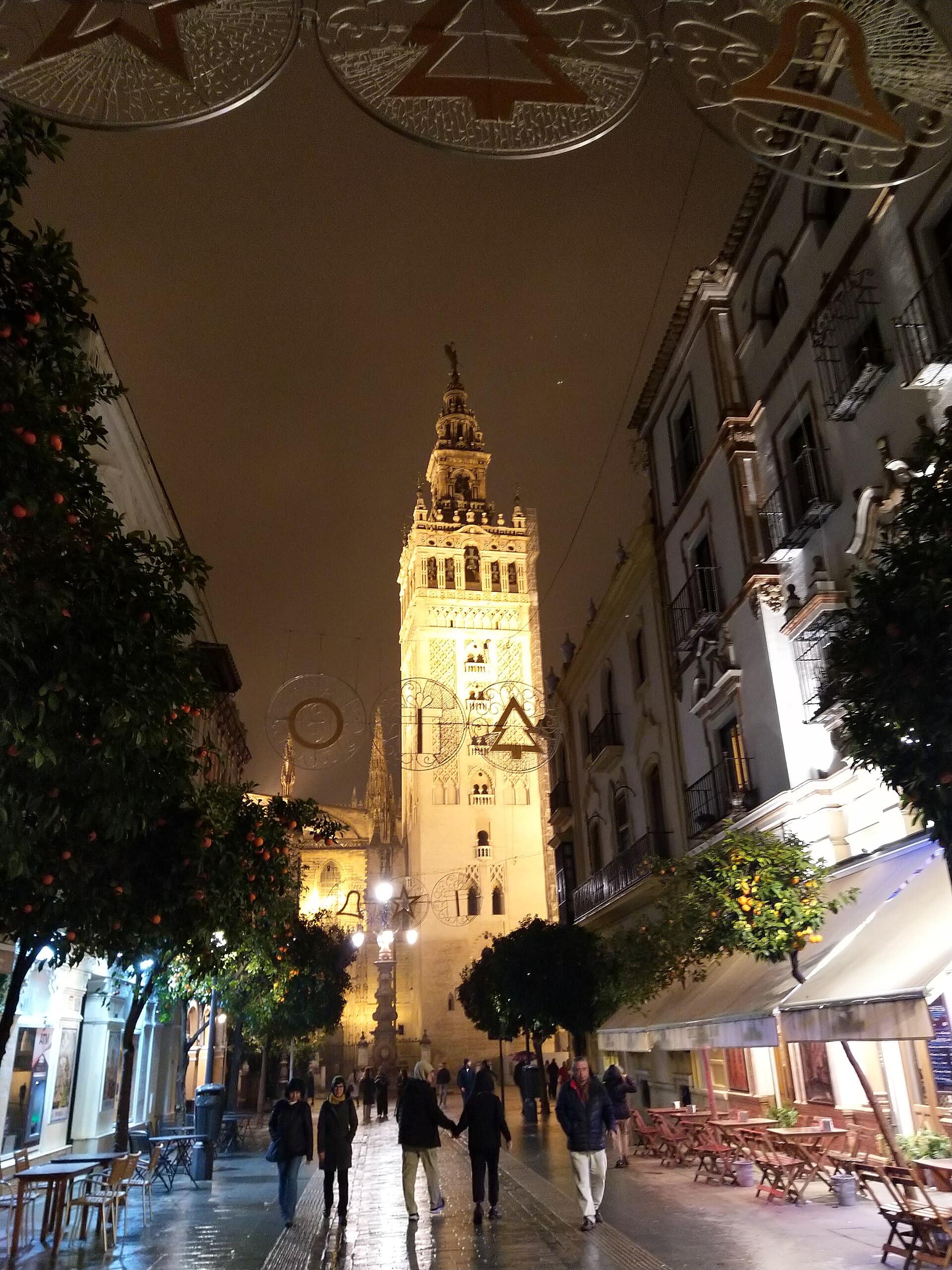
Catedral de Sevilla & La Giralda
Late afternoon, when the west front warms up
Fuel up on Salmorejo, then shoot Catedral de Sevilla & La Giralda.
See photo spotWant something else?
Search Seville food by craving
Salmorejo in Seville
Salmorejo is one of the fixtures of the lunch plate in Seville - cold, creamy, garlicky, vegetarian, and filed firmly under midday meal.
Tomato and bread blended with olive oil into something closer to a cold cream than a soup, topped with chopped egg and jamón. Thicker and richer than gazpacho, and not the same dish
🍛 What it is
Start with the description and hold it in mind: tomato and bread blended with olive oil into something closer to a cold cream than a soup, topped with chopped egg and jamón. Thicker and richer than gazpacho, and not the same dish. It is a vegetarian preparation, which shapes where you find it and when.
The category tells you most of the practical story: a midday meal, which in Seville means a proper plate, portions sized to the moment rather than to a menu photograph.
Locally it is filed under: cold, summer - which is the vocabulary to use when asking for it.
📜 Where it comes from
The local context: andalucían hot-weather food: served cold, eaten early, and on every menu from June onward.
Dishes like this travel badly and reproduce badly - the version in Seville is the reference version, made for the local palate at local prices.
👅 The taste, honestly
Ask what it tastes like and the answer is cold, creamy, garlicky; anything more specific you should taste rather than read.
There is no chilli heat in it at all.
As a midday meal dish it is made to be the centrepiece - which tells you what to order around it: keep the sides simple and let it lead.
🕐 When to eat it
Locals eat it lunch - and matching the local clock is half the pleasure of the dish.
For a proper meal dish, the meal-time rhythm applies: the kitchen is at its sharpest in the run-up to the peak, and the plate you get at the height of service is the plate to judge.
🥣 Ordering it well
The Spanish way with food like this is unhurried but specific - order at the bar, eat where you land, and let the kitchen set the pace.
💰 What it costs
The local range is €4–8 in Seville - within it you are paying the local price; far above it, you are paying for something else.
It is a budget-friendly item - kind to every wallet, and no less authentic for it.
🤝 Eating it like a local
The European rhythm applies: food arrives as the meal's own pace dictates, conversation fills the gaps, and asking the server how a dish is best eaten is welcome rather than naive.
And the pairing instinct: keep the rest of the order simple and let one dish carry the meal.
Questions
Salmorejo — FAQ
What is Salmorejo?
Tomato and bread blended with olive oil into something closer to a cold cream than a soup, topped with chopped egg and jamón. Thicker and richer than gazpacho, and not the same dish.
Is Salmorejo veg or non-veg?
Salmorejo is vegetarian. Spice level: not spicy.
Where can I try the best Salmorejo in Seville?
Try Bar Las Teresas and Casa Morales. See the "Best places to try it" section above for hours and directions.
What should I eat with Salmorejo?
Pair it with chaas (spiced buttermilk) or a sweet lassi.
When is the best time to eat Salmorejo?
Salmorejo is usually eaten at lunch.