
Castilla-La Mancha · Spain
Toledo
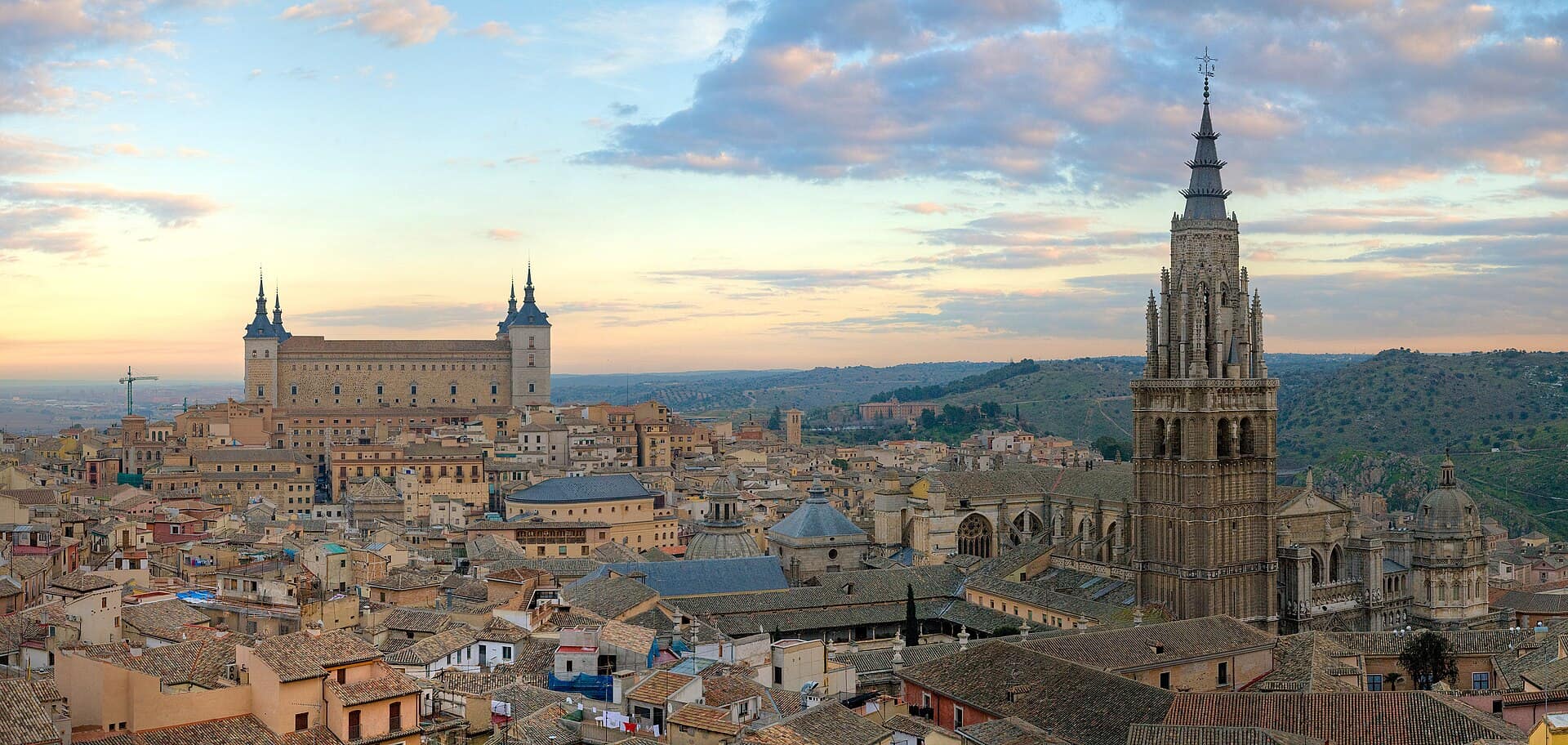
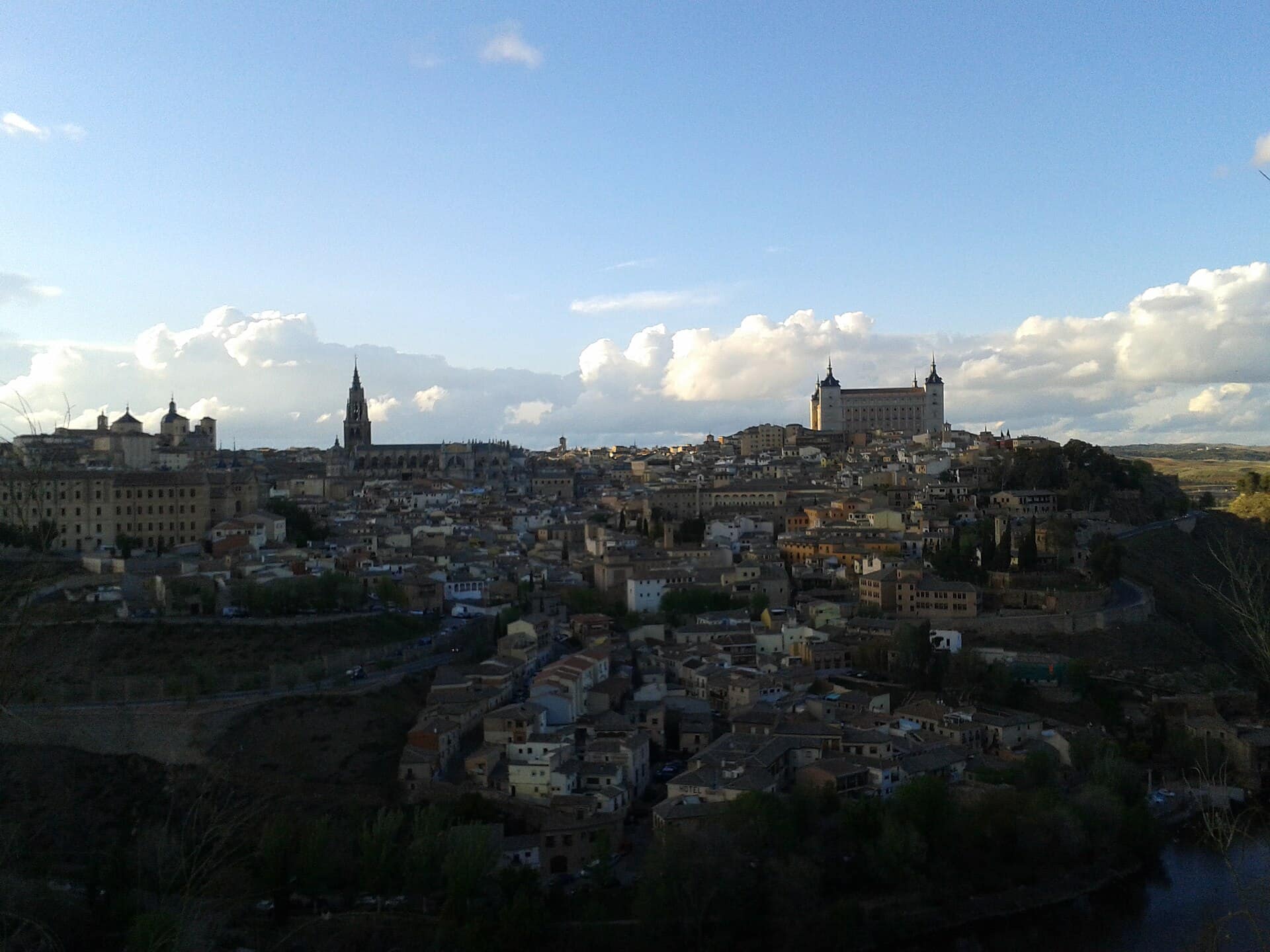
A whole walled city on a granite spur inside a bend of the Tagus, held in turn by Rome, the Visigoths, Islam and Castile, and still holding the layers of all four within about a kilometre of each other. The historic centre is a UNESCO World Heritage site and is small enough to cross on foot — which is the only way to cross it, because most of it has no room for a car.
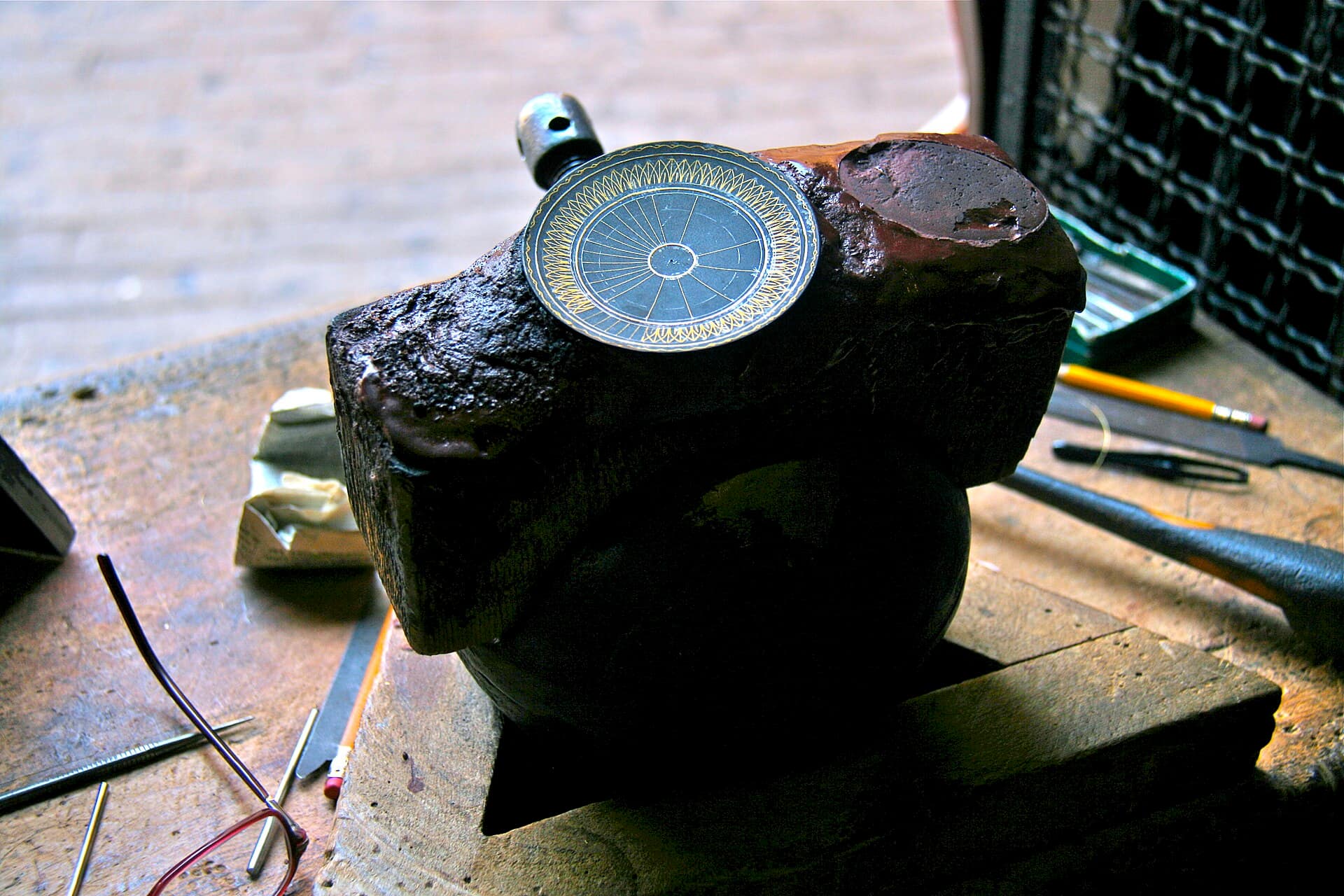
Toledo's shorthand is the 'city of three cultures', and the buildings back it: a 10th-century mosque still standing, two medieval synagogues built by Muslim craftsmen for Jewish congregations, and a cathedral that took two and a half centuries to finish. What the phrase flattens is that the coexistence was hierarchical and it ended — the Jewish quarter was emptied by the expulsion of 1492, and the synagogues survive because they were converted to churches. The other thing the city is still known for is metal: swords, and the damascene inlay of gold into blackened steel that gave the trade its second life.
Plan your trip
Toledo Tour Itineraries
Timed, walkable day plans — plus the best season to go.
Where to shoot
Toledo Photo Spots
 Medium crowd
Entry Around €5, and free on Wednesdays
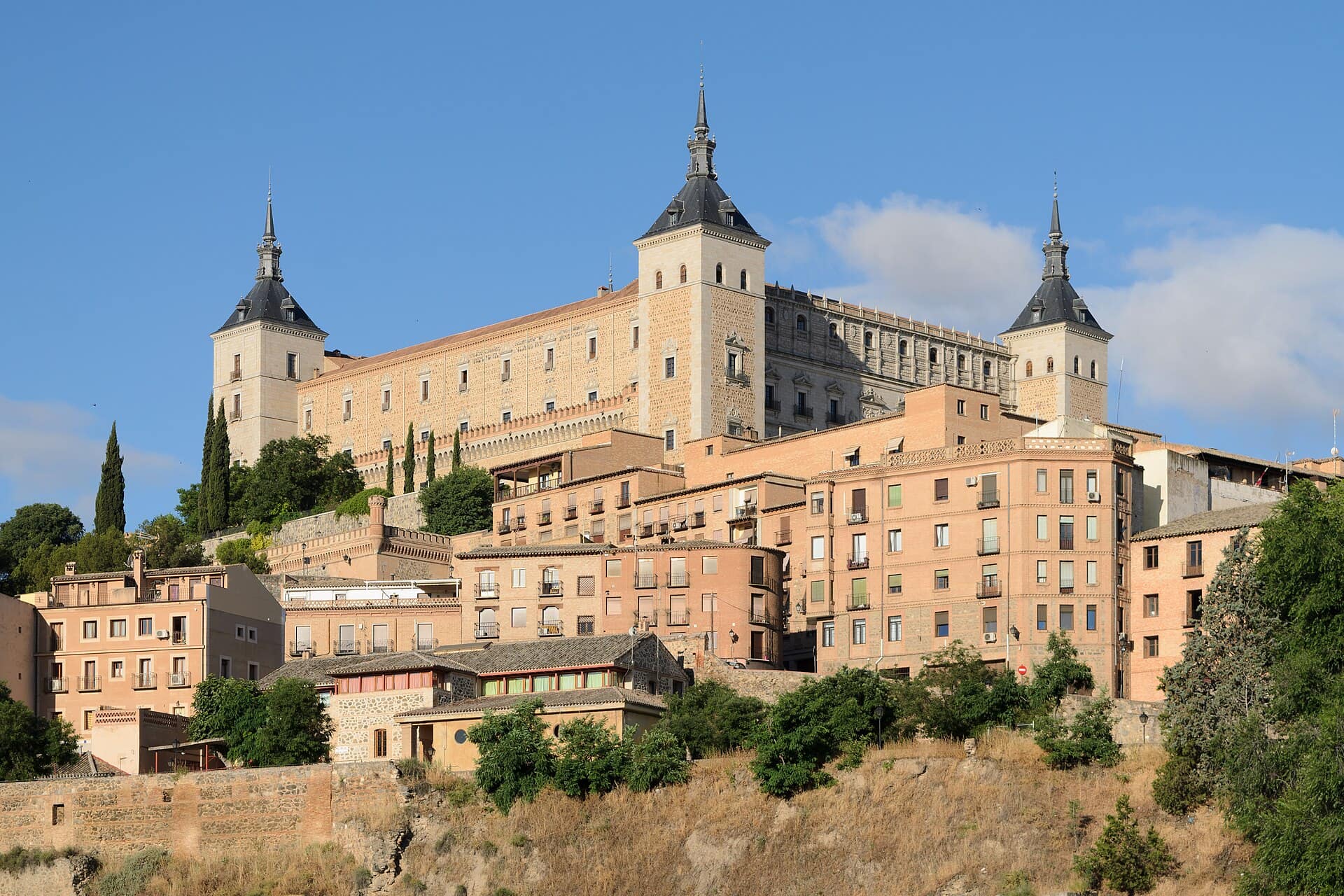
Alcázar de Toledo
- Best timeEarly morning, when the east face above the Puente de Alcántara takes the sun square-on and the skyline behind it is still clear
- ColorsSandOliveRust
 High crowd
Entry Around €12 for the full ticket, which covers the church, cloister, museum and treasury
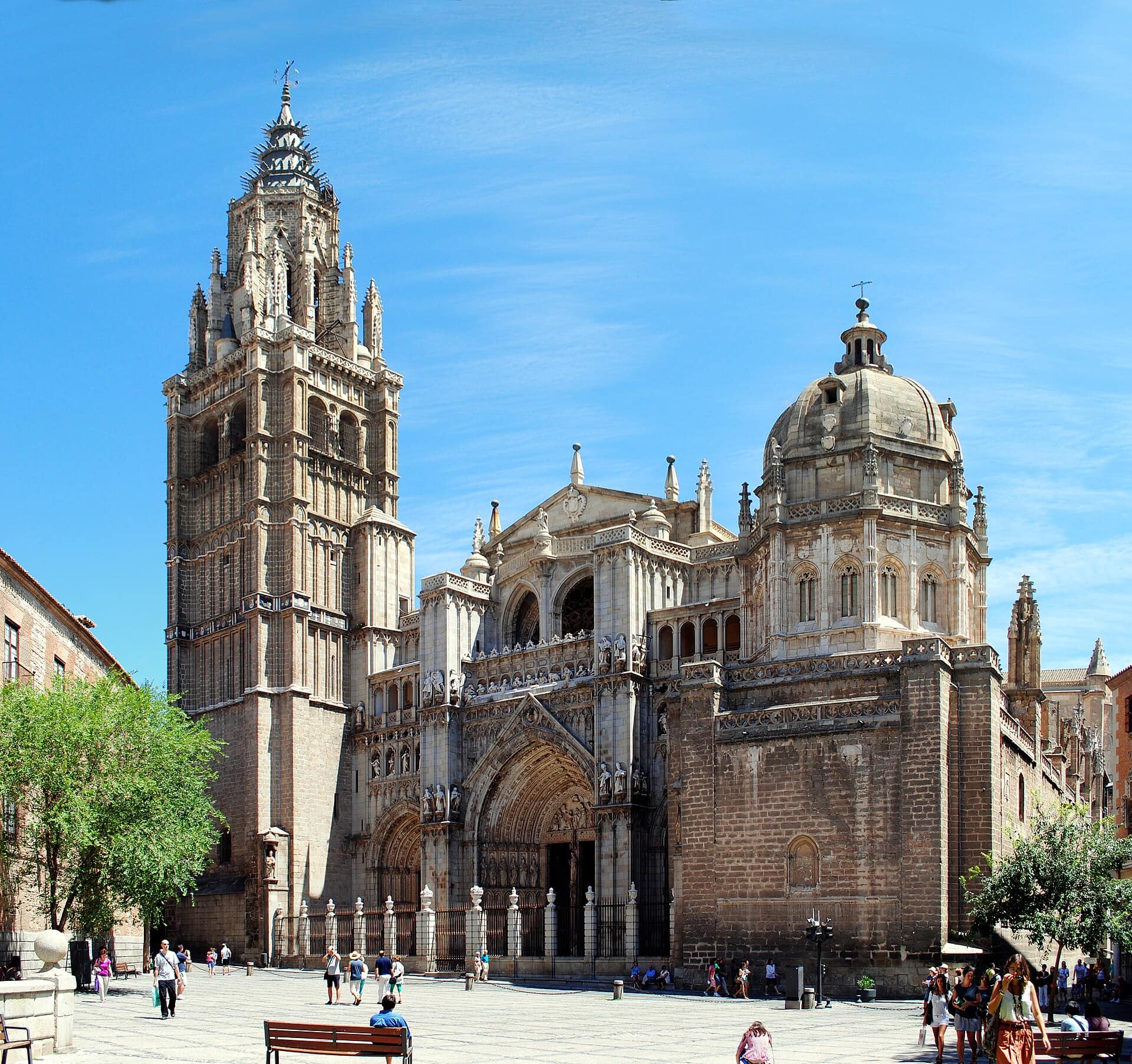
Catedral Primada
- Best timeAfter dark, when the west front is floodlit and the square in front of it is empty — the day-trip crowd has gone by then and the façade is the one part of the building you can stand back from
- ColorsIvoryCharcoalDeep green
 High crowd
Entry Around €4, or included in the Toledo Monumental bracelet
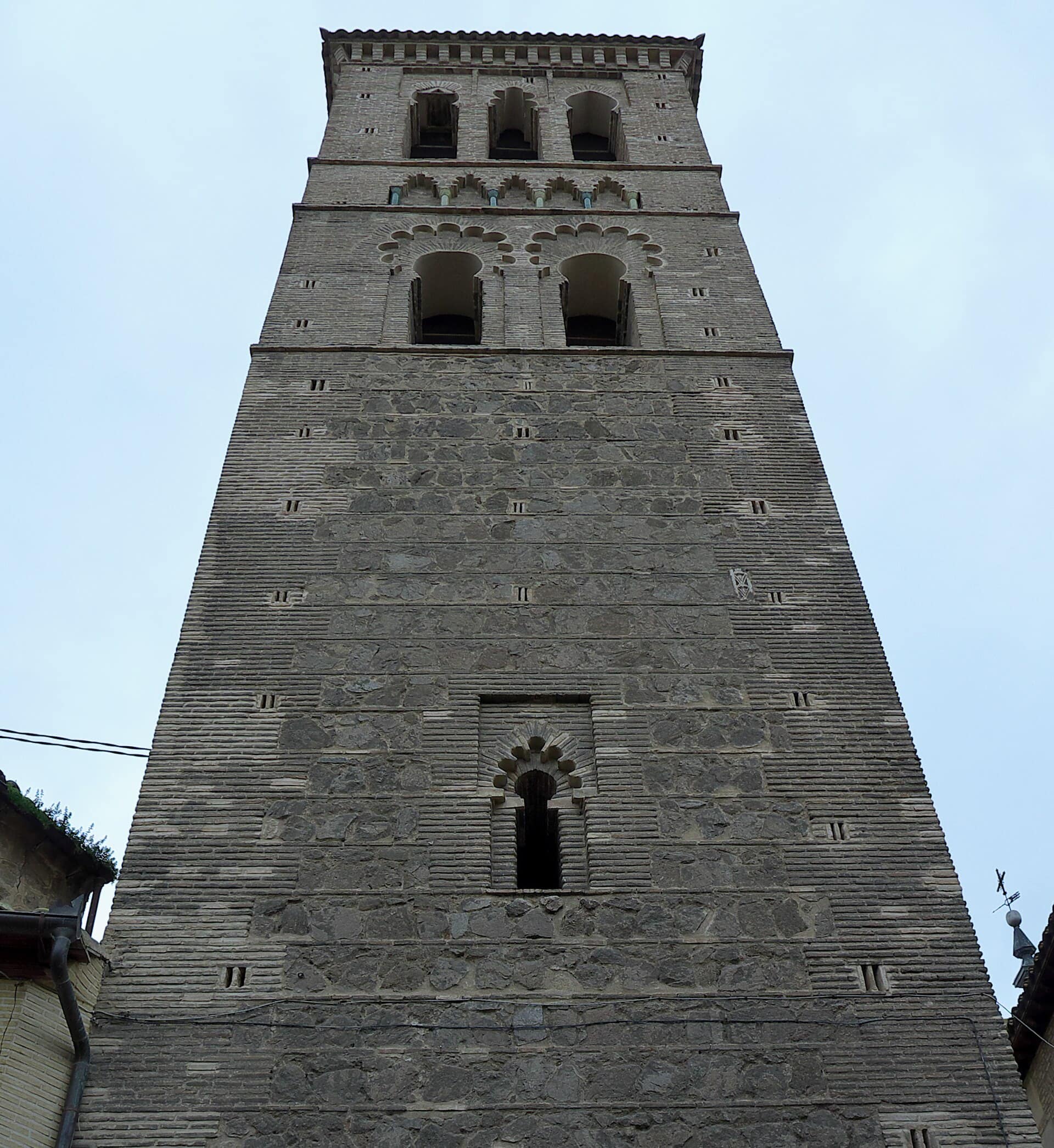
Iglesia de Santo Tomé
- Best timeLate afternoon, when the sun comes down Calle Santo Tomé and lights the brick of the Mudéjar tower — the tower is the photograph here, not the interior
- ColorsBlackIvorySlate
 Low crowd
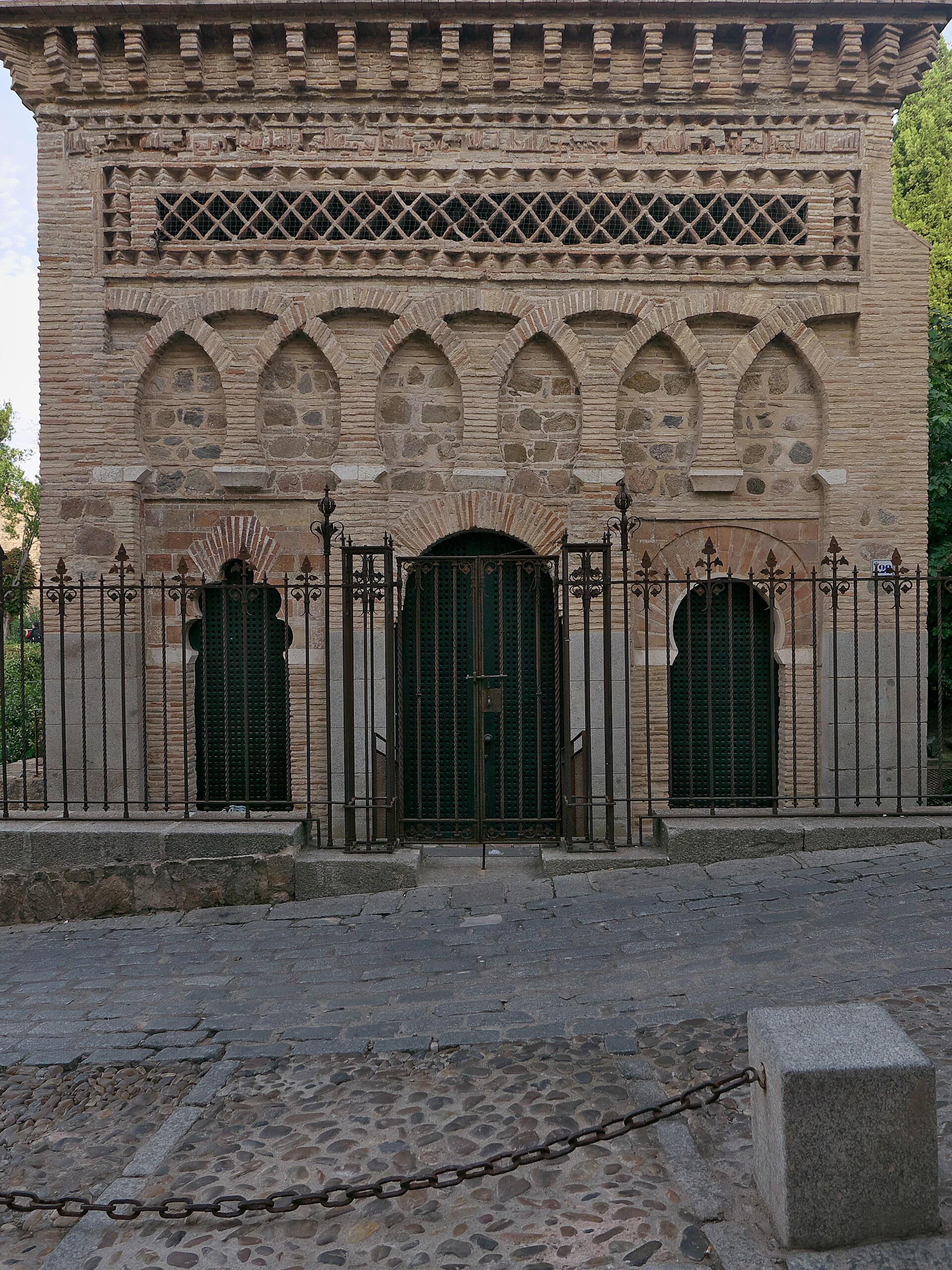
Entry Around €4, or included in the Toledo Monumental bracelet
Mezquita del Cristo de la Luz
- Best timeThe hour before sunset, from the garden below — the brickwork and the blind arcading only show their pattern in low, raking light
- ColorsBrick redCreamSage
 Medium crowd
Entry Free
Mirador del Valle
- Best timeThe hour before sunset and the blue hour after it, when the sun comes round onto the face of the city and the floodlights take over
- ColorsOchreWhiteDeep blue
 Medium crowd
Entry Around €4, or included in the Toledo Monumental bracelet
Monasterio de San Juan de los Reyes
- Best timeEarly morning, in the first hour after it opens — the cloister is genuinely empty then and the low sun reaches the upper gallery before it reaches the garden
- ColorsCreamTerracottaForest green
For the feed
Trending Wear in Toledo
Modern, Instagram-friendly looks
Rooted in the city
Toledo Traditional Wear
Local, cultural, handcrafted outfits
Taste the city
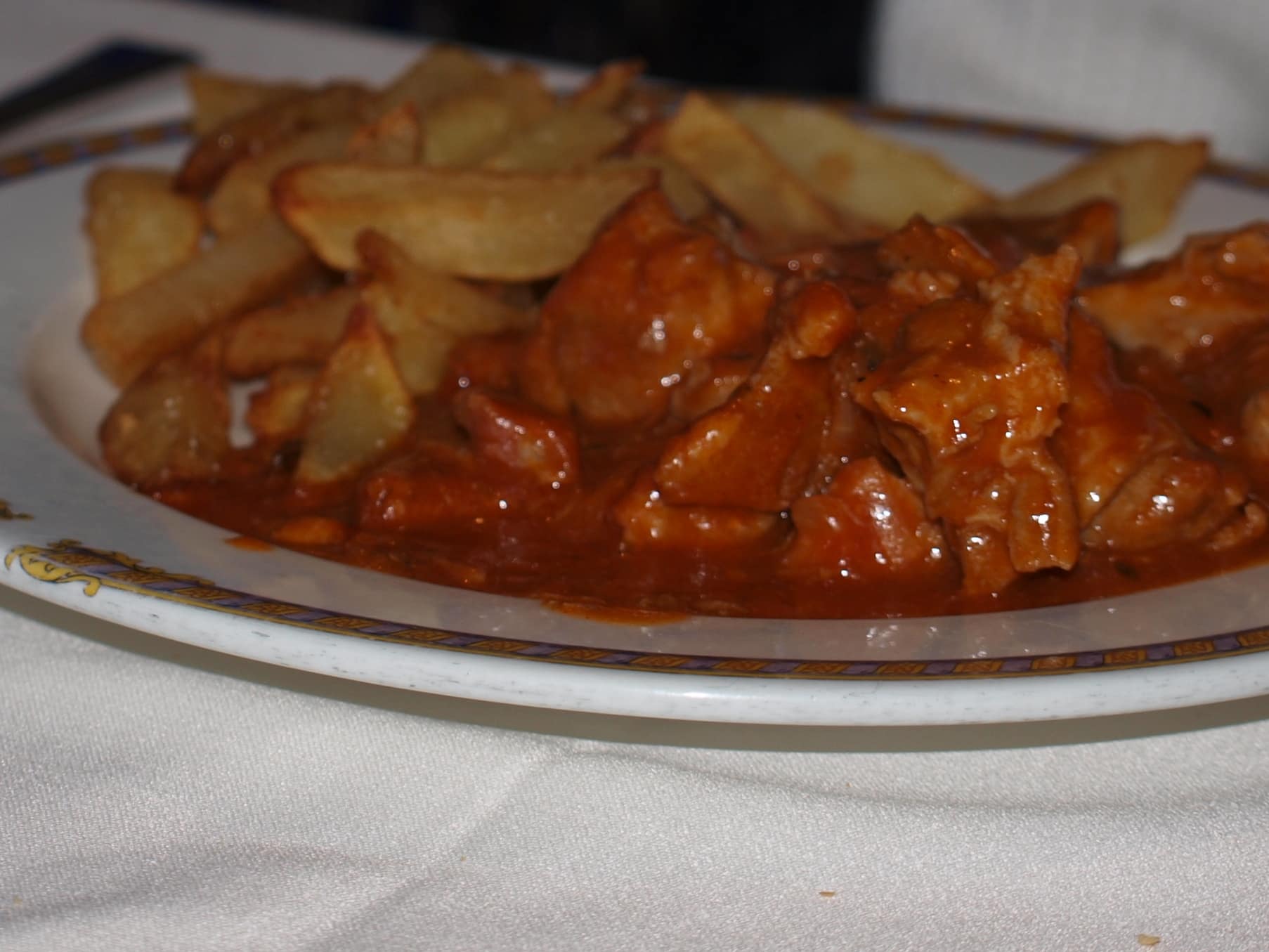
Food to Eat in Toledo
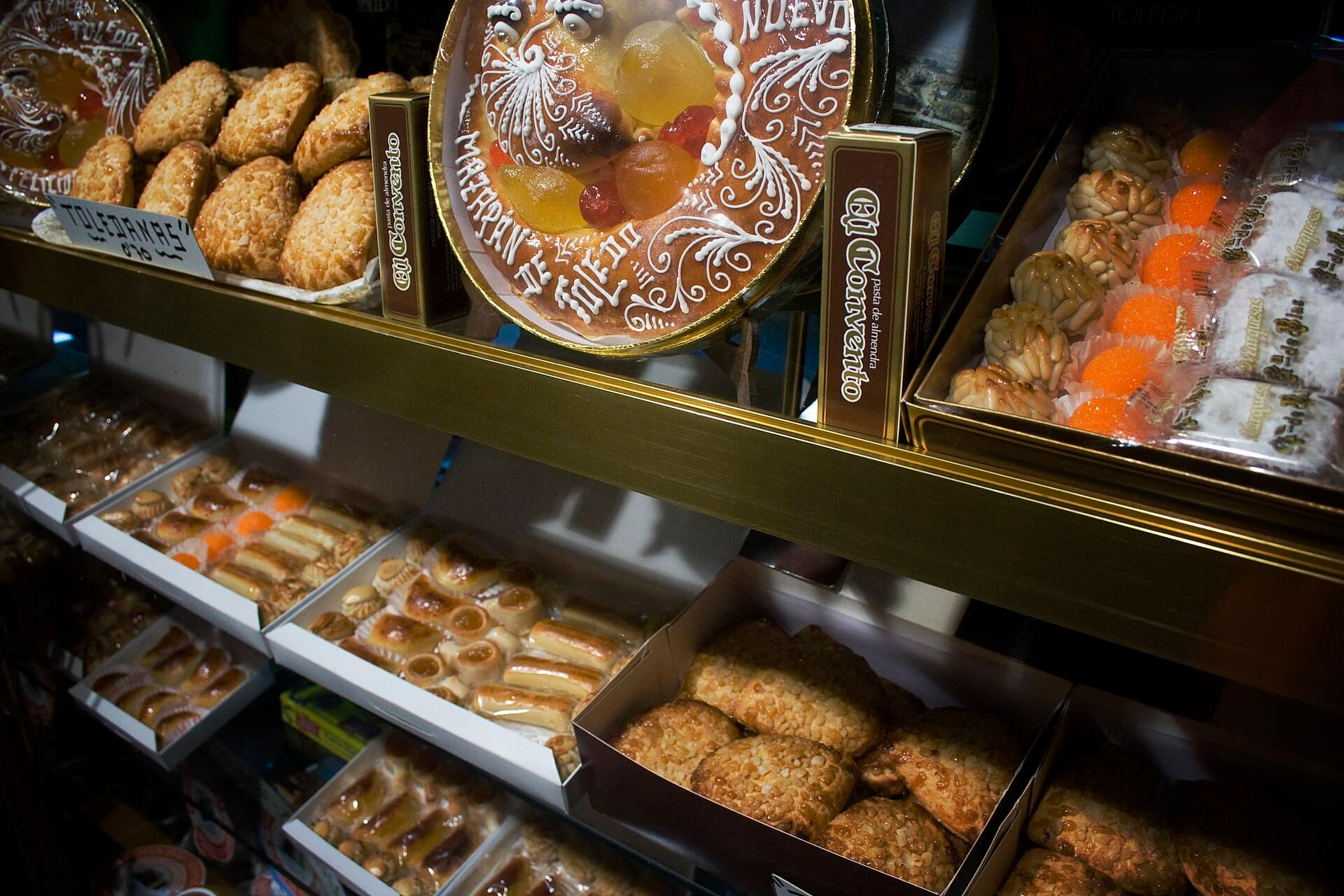
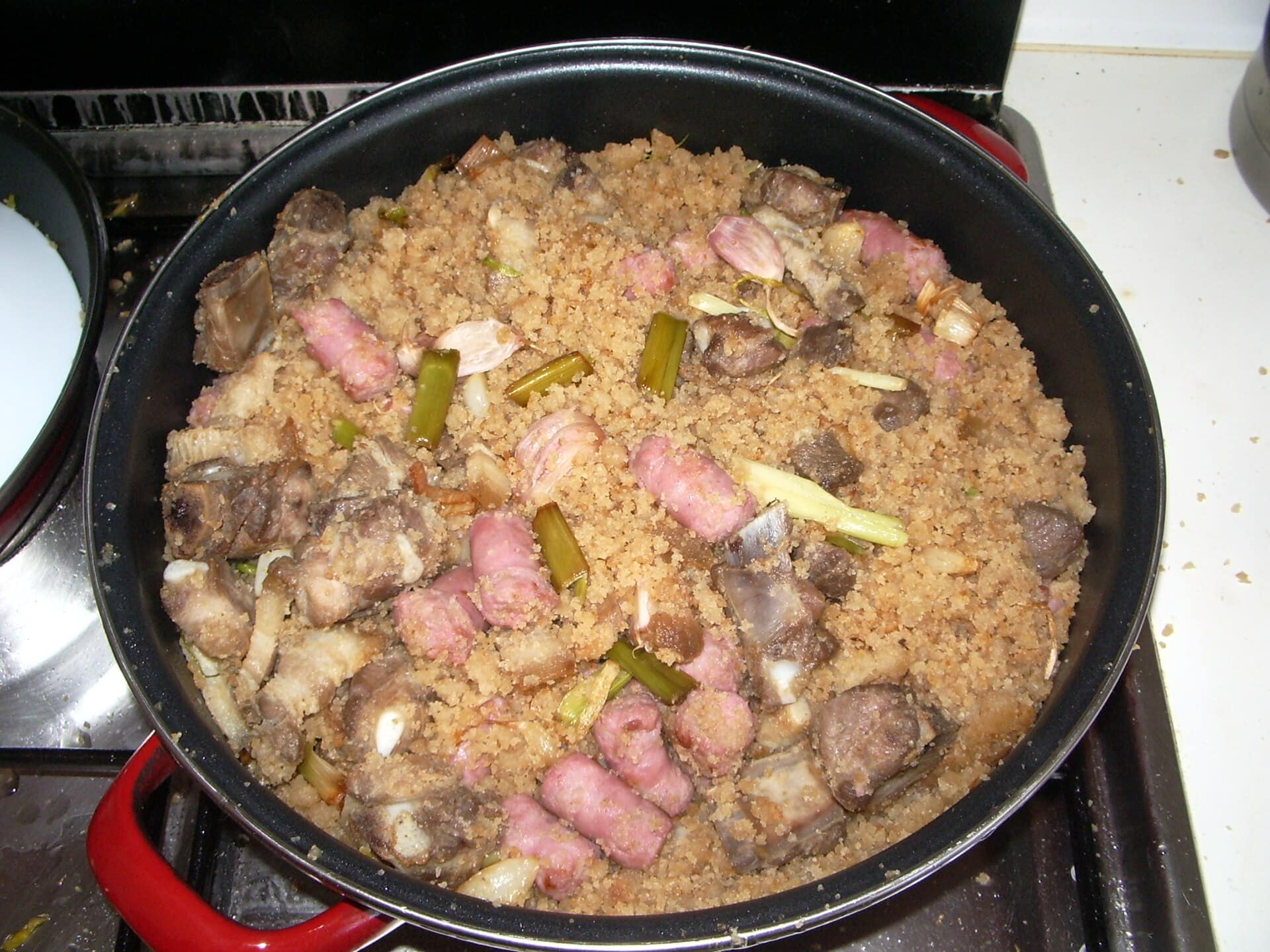
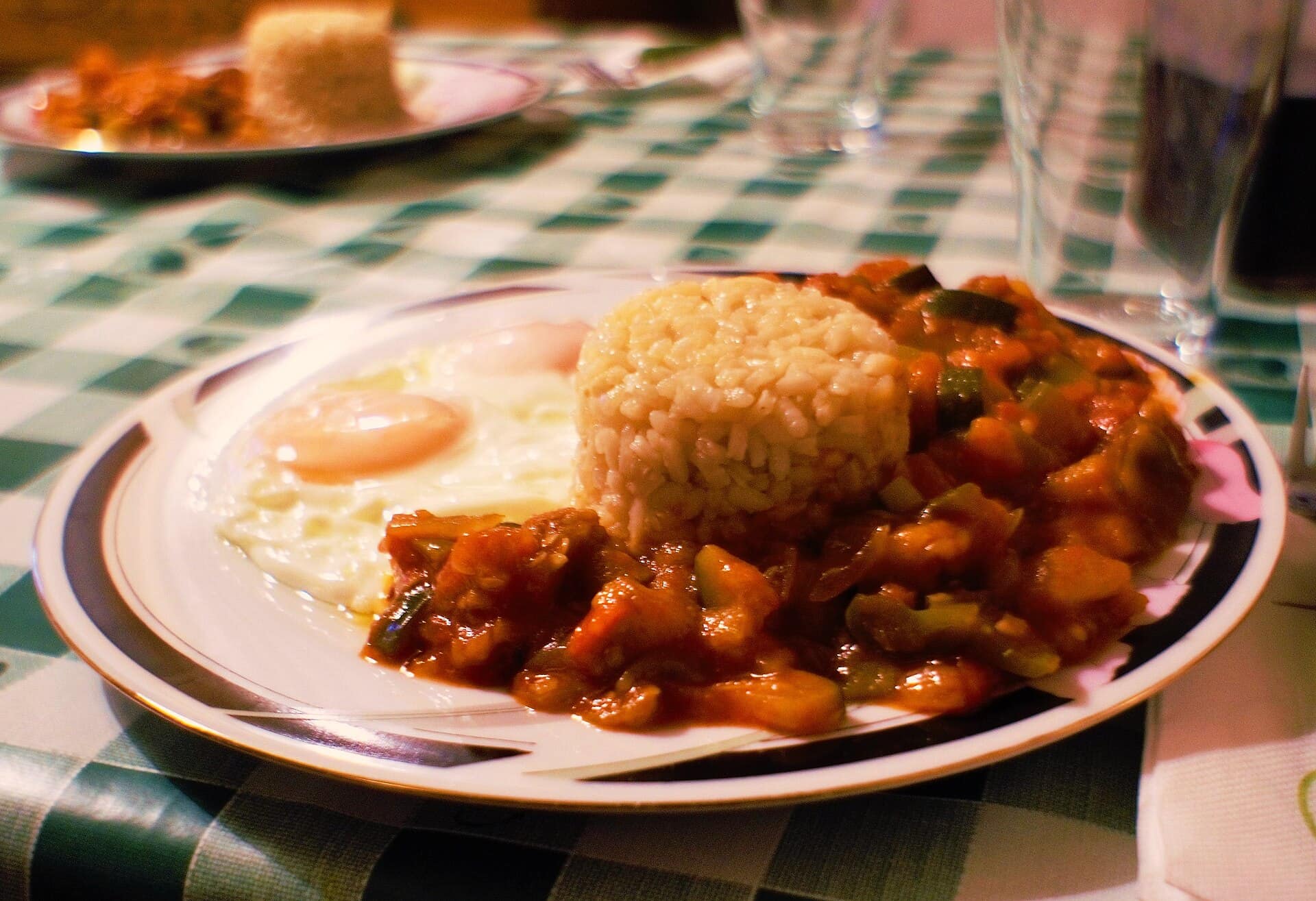
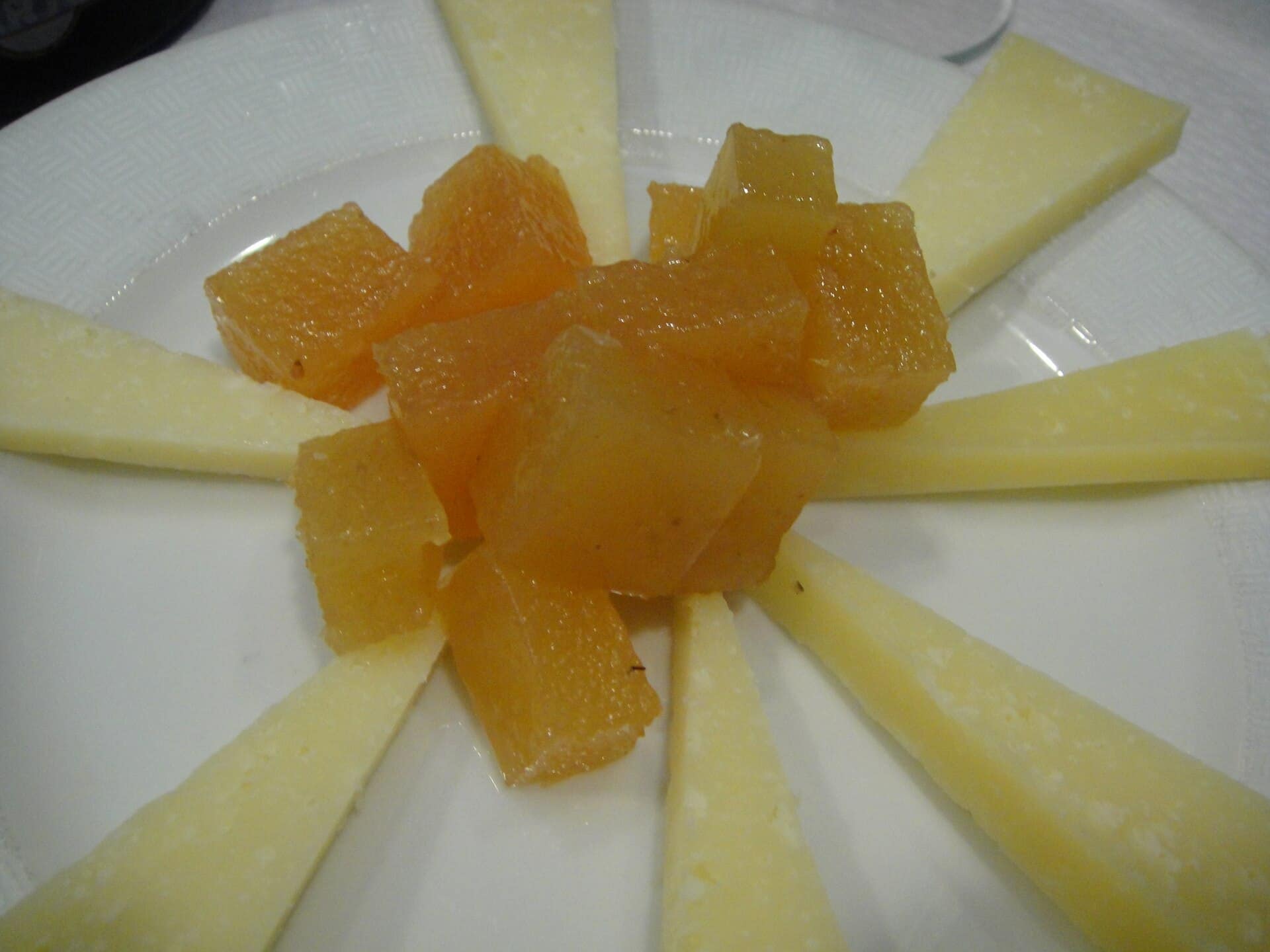
Trusted tables
Where to Eat in Toledo
Adolfo Restaurante
Calle del Hombre de Palo, beside the cathedral
Alfileritos 24
Calle Alfileritos, off Zocodover
Bar Ludeña
Plaza de la Magdalena
La Abadía
Plaza de San Nicolás
Mazapán Santo Tomé
Calle Santo Tomé, with a second counter on Zocodover
Questions
Toledo — FAQ
What is Toledo famous for?
A whole walled city on a granite spur inside a bend of the Tagus, held in turn by Rome, the Visigoths, Islam and Castile — the cathedral, the synagogues of the Judería, El Greco in the sacristies, and damascene steelwork.
How many days are enough for Toledo?
One or two — the cathedral, the Judería and the two river views can be done in a day; a second lets you walk the river banks at dusk and see El Greco's Santo Tomé without a queue.
What is the best time to visit Toledo?
March to mid-June, and mid-September to November.
How do I get around Toledo?
The whole city is inside the walls and the river bend — everything is walked, and the hills and stairs are the only effort.
What is damascene steelwork?
Toledo's classic craft: steel inlaid with gold thread by hand. Workshop pieces are sold with the maker's name and priced accordingly; stamped, imported pieces are sold cheaply a few doors away. Neither is dishonest, but they are not the same object.