
Best Photo Spots in Ayodhya
Ayodhya is a town of temples and river steps, and the best light falls on both at either end of the day. The catch is that phones are banned inside the Ram Mandir complex, so plan that photo from the street outside.
 High crowd
Entry Free
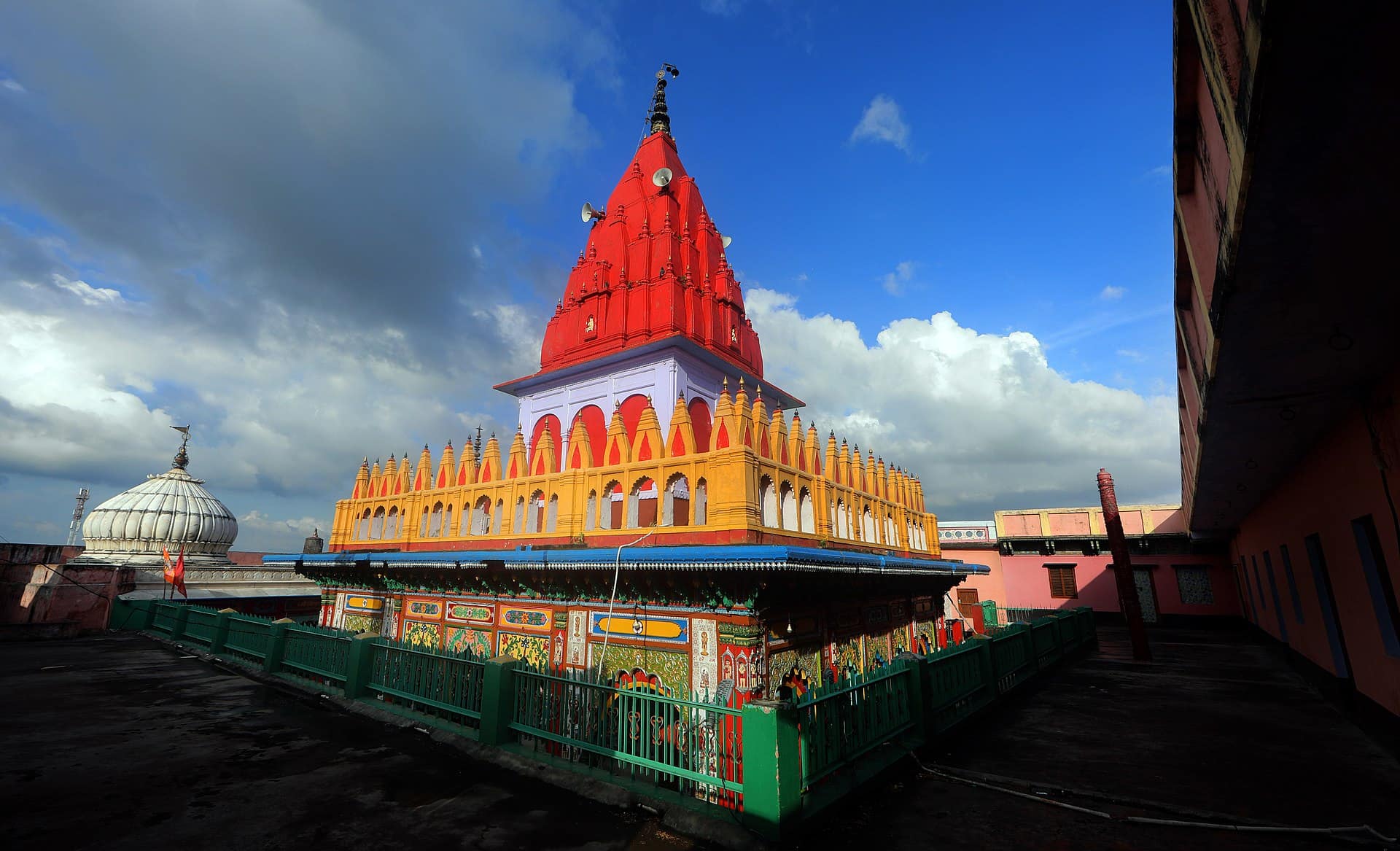
Hanuman Garhi
- Best timeEarly morning, when the steps are in soft light and the lane is still quiet; late afternoon for warm colour on the gateway.
- ColorsSaffronRedYellow
 Medium crowd
Entry Free
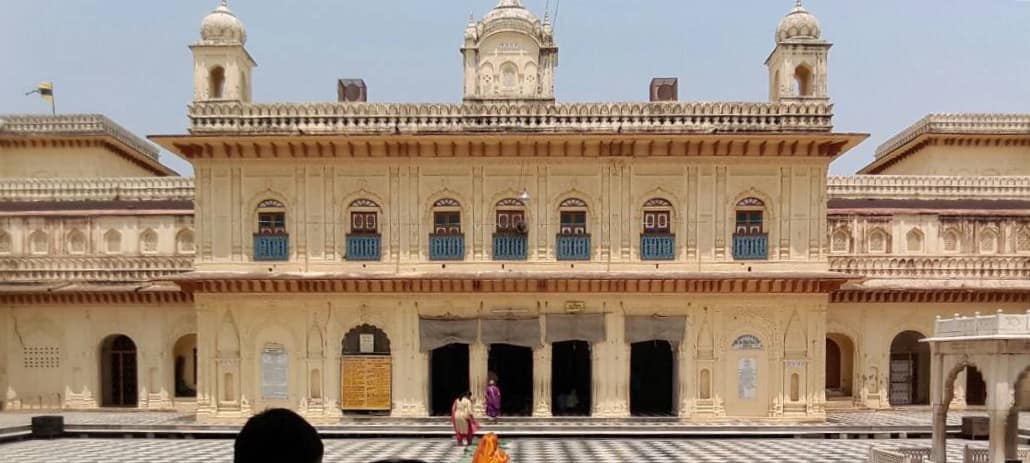
Kanak Bhawan
- Best timeMorning, when soft light fills the courtyard and there are fewer people; early evening for a warm, peaceful feel as the lamps come on.
- ColorsYellowSaffronGold
Entry Free
Nageshwarnath Temple
- Best timeEarly morning for soft light on the white spire; sunset for a warm glow with the ghats around it.
- ColorsSaffronWhiteRed
 High crowd
Entry Free (boat ride extra)
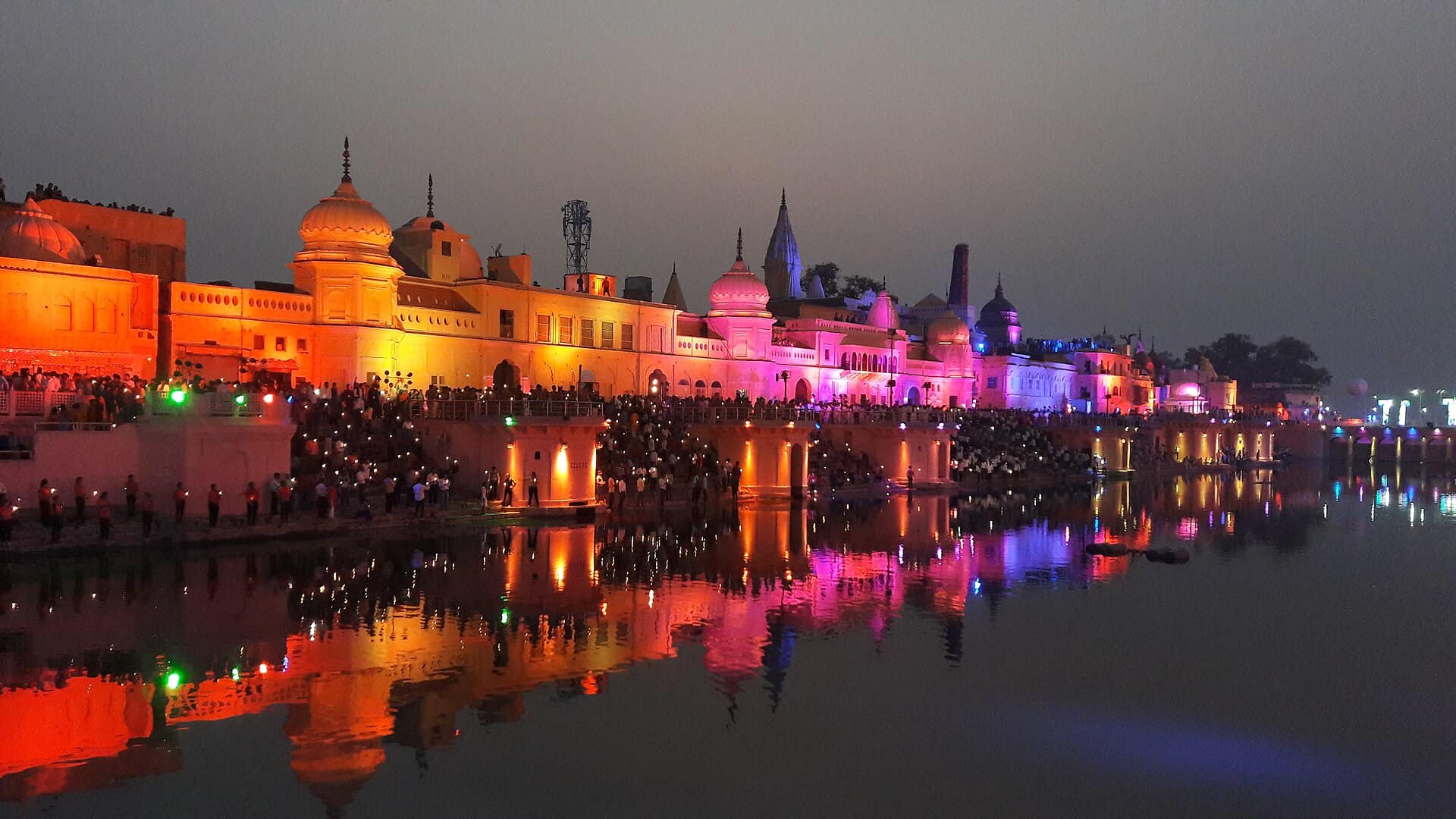
Ram Ki Paidi (Saryu Ghat)
- Best timeSunset for warm light on the steps and the aarti lamps; just after dark, when the floodlit ghats reflect in the water.
- ColorsSaffronYellowWhite
 High crowd
Entry Free (no phones inside)
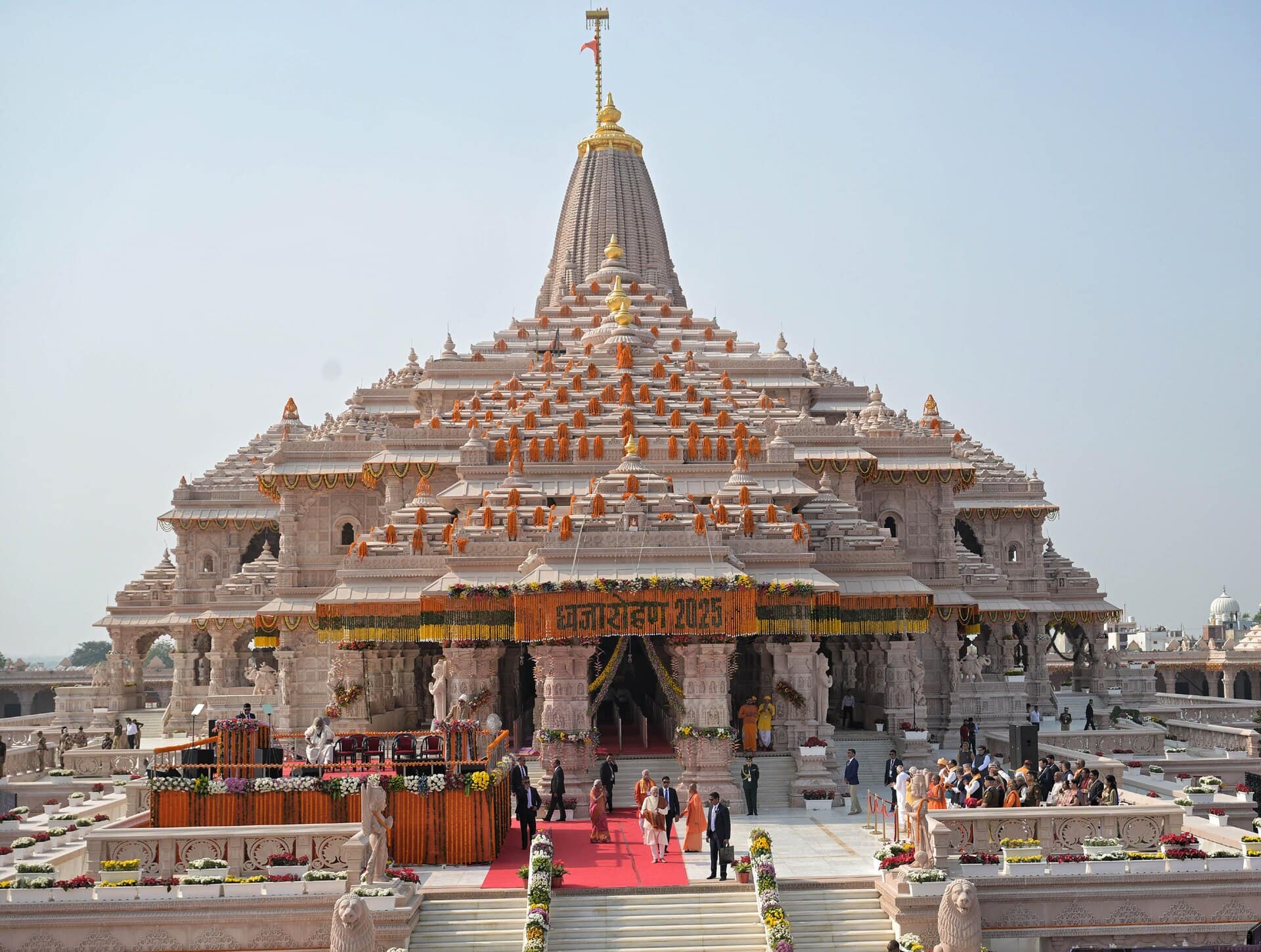
Ram Mandir
- Best timeEarly morning for soft light on the pink sandstone spires; after dark, when the temple is lit up against the sky.
- ColorsSaffronYellowCream
The Ram Mandir, from outside
The new temple is built of pink sandstone and rises to about 49 metres, so it looks best in low sun. You cannot carry a phone or camera past the security gate, which means every photo of it is taken from the approach roads. Early morning gives soft, even light on the carved spires. After dark the temple is lit up and the stone glows warm against the sky. See Ram Mandir for where people stand.
Steps, towers and a palace courtyard
Hanuman Garhi is the easiest place to take a photo with people in it: a wide flight of 76 steps, crowded with pilgrims carrying laddoo boxes, climbs to a fort-like temple with round corner towers. Shoot from the bottom of the steps in the morning, before the lane fills. Kanak Bhawan looks more like a Rajasthani palace than a temple, with a large inner courtyard and arched galleries. Photographing the deities is usually not allowed, so work with the facade and the courtyard.
The river at sunset
Ram ki Paidi is a long run of ghats on the Saryu. At sunset the steps turn gold, and after dark they are floodlit and reflected in the water. The white spire of Nageshwarnath stands on the same stretch, so both fit into one evening. A boat from the river ghats gives you the whole waterfront in a single wide frame.
Deepotsav night
On the eve of Diwali, well over two million clay lamps are lit along the ghats. It makes a remarkable photo, but access to the steps is controlled on the night and the crowds are huge. Arrive early, pick a spot on a bridge or raised bank, and stay put.
Respect in the frame
Ask before you photograph sadhus or families at prayer, and do not take photos inside sanctums where signs forbid it. Drones need permission from the local police, and the area around the Ram Mandir is a high-security zone.
Questions
Ayodhya — FAQ
Where can I take a photo of the Ram Mandir if phones are banned?
From the approach roads before the security gate, such as Janmabhoomi Path. The spires are visible above the entrance. Once you are past security, no device is allowed.
Can I fly a drone in Ayodhya?
Not without permission. The Ram Mandir area is a high-security zone, and drones need clearance from the local police. Assume the answer is no unless you have it in writing.
What is the best evening photo in Ayodhya?
The ghats of Ram ki Paidi at sunset and just after, when the steps are lit and reflected in the water. Take a boat for a view of the whole waterfront.
Can I photograph inside Hanuman Garhi and Kanak Bhawan?
The steps, gateways and courtyards are fine to photograph. Inside the sanctums, photography is usually not allowed, so ask the staff before you raise your phone.