
Uttar Pradesh · India
Ayodhya
Ayodhya, the birthplace of Lord Ram, is a sacred city on the Saryu River, known for its grand temples and beautiful ghats and evening aartis
Discover Ayodhya Ram Mandir - from peaceful walks along the Saryu to colourful streets, local food and places worth photographing.
Plan your trip
Ayodhya Tour Itineraries
Timed, walkable day plans — plus the best season to go.
Where to shoot
Ayodhya Photo Spots
 High crowd
Entry Free
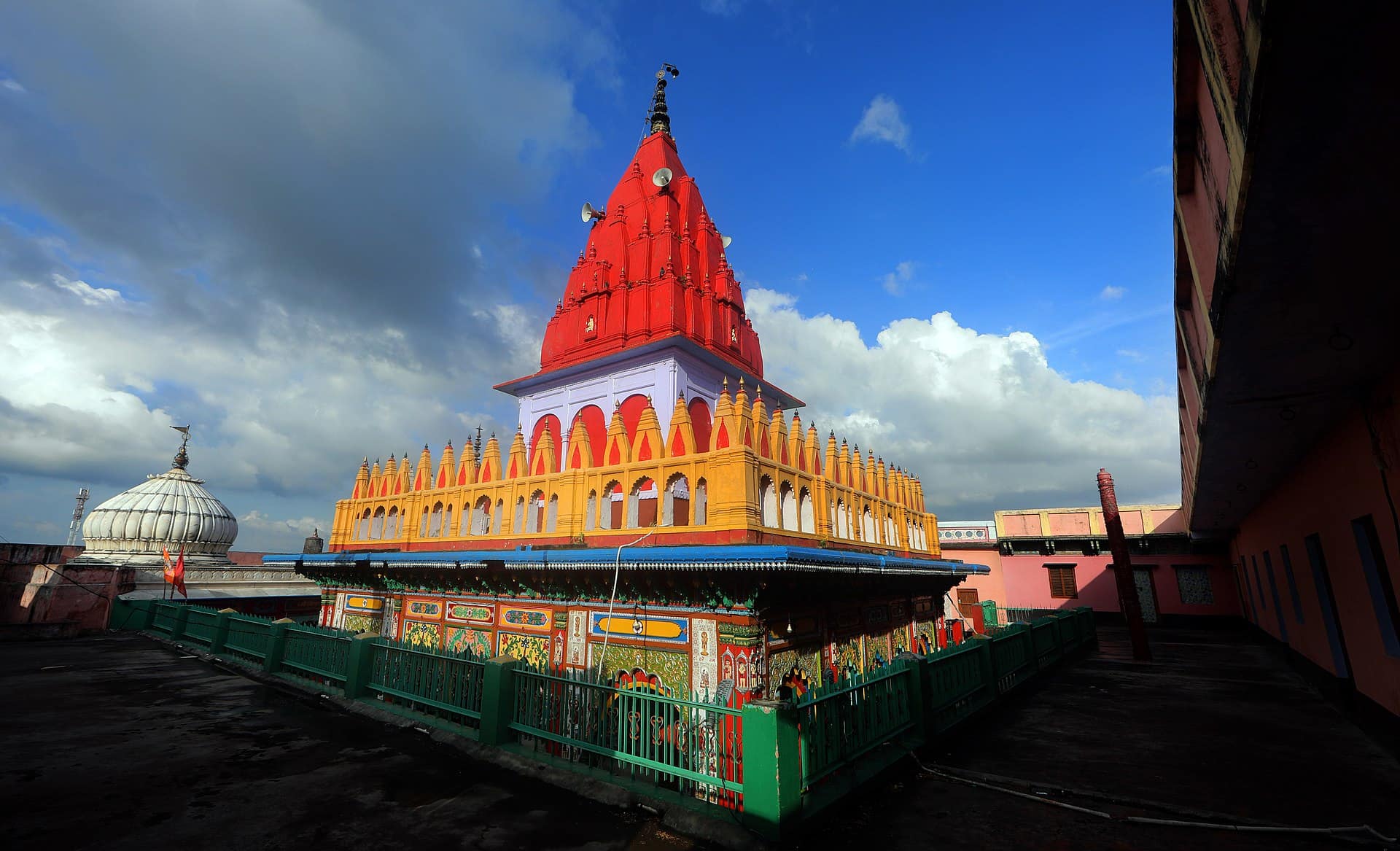
Hanuman Garhi
- Best timeEarly morning, when the steps are in soft light and the lane is still quiet; late afternoon for warm colour on the gateway.
- ColorsSaffronRedYellow
 Medium crowd
Entry Free
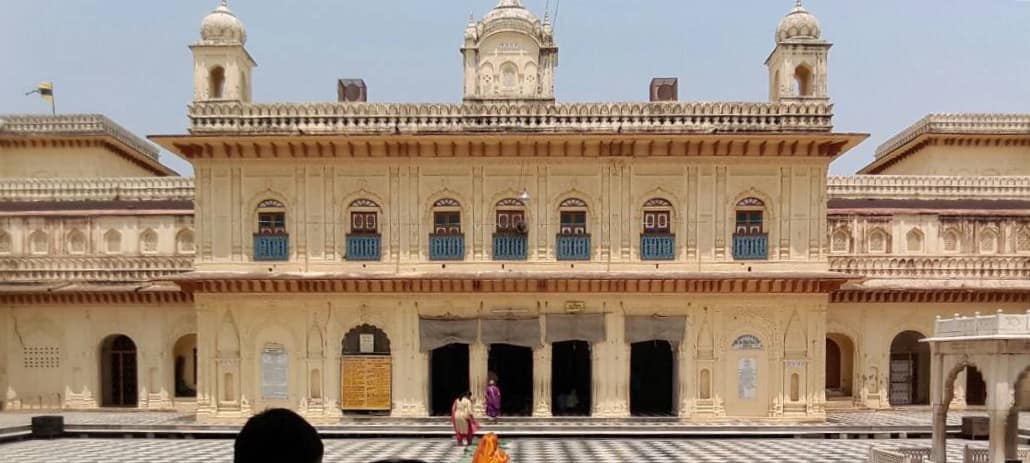
Kanak Bhawan
- Best timeMorning, when soft light fills the courtyard and there are fewer people; early evening for a warm, peaceful feel as the lamps come on.
- ColorsYellowSaffronGold
Entry Free
Nageshwarnath Temple
- Best timeEarly morning for soft light on the white spire; sunset for a warm glow with the ghats around it.
- ColorsSaffronWhiteRed
 High crowd
Entry Free (boat ride extra)
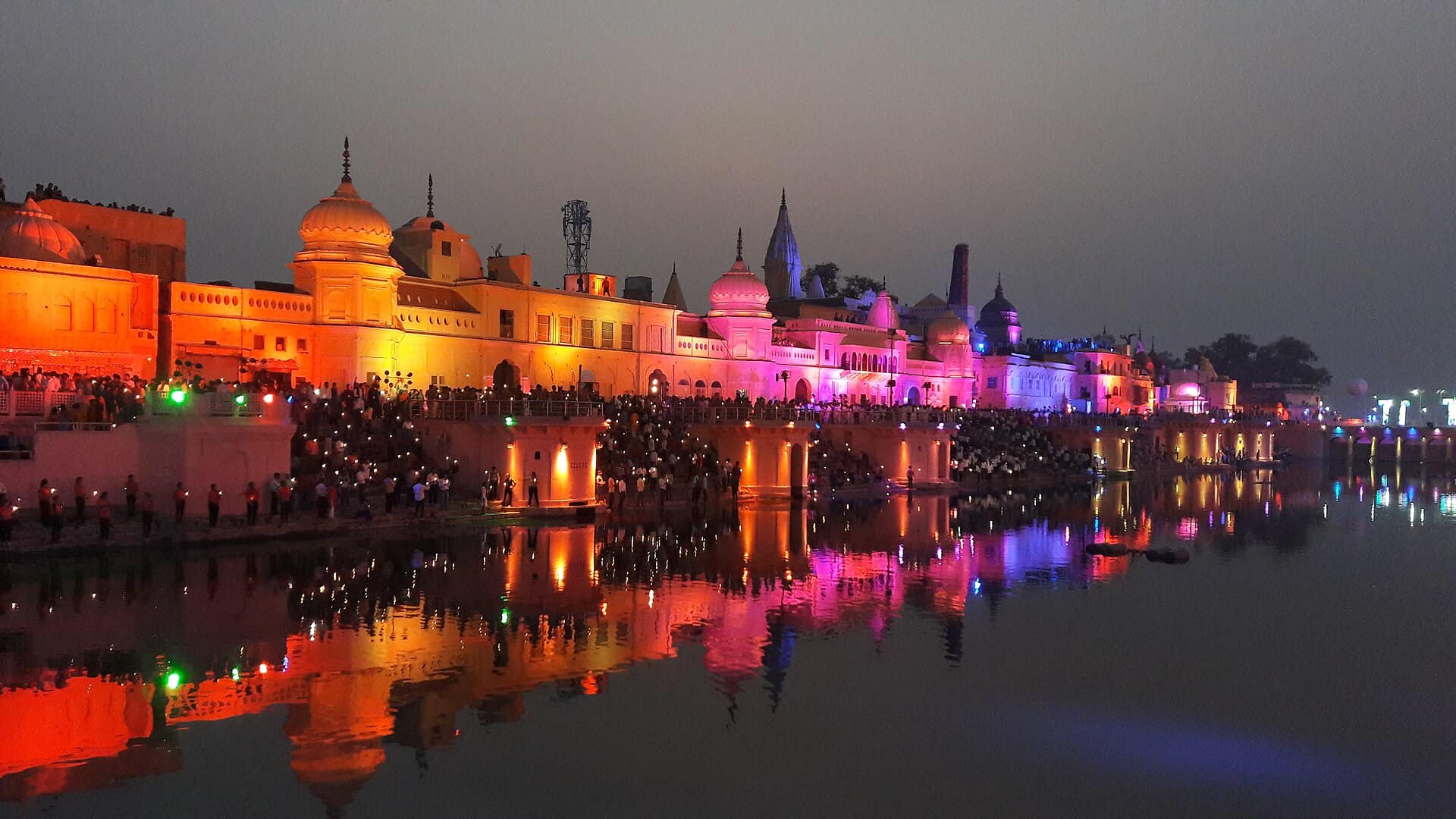
Ram Ki Paidi (Saryu Ghat)
- Best timeSunset for warm light on the steps and the aarti lamps; just after dark, when the floodlit ghats reflect in the water.
- ColorsSaffronYellowWhite
 High crowd
Entry Free (no phones inside)
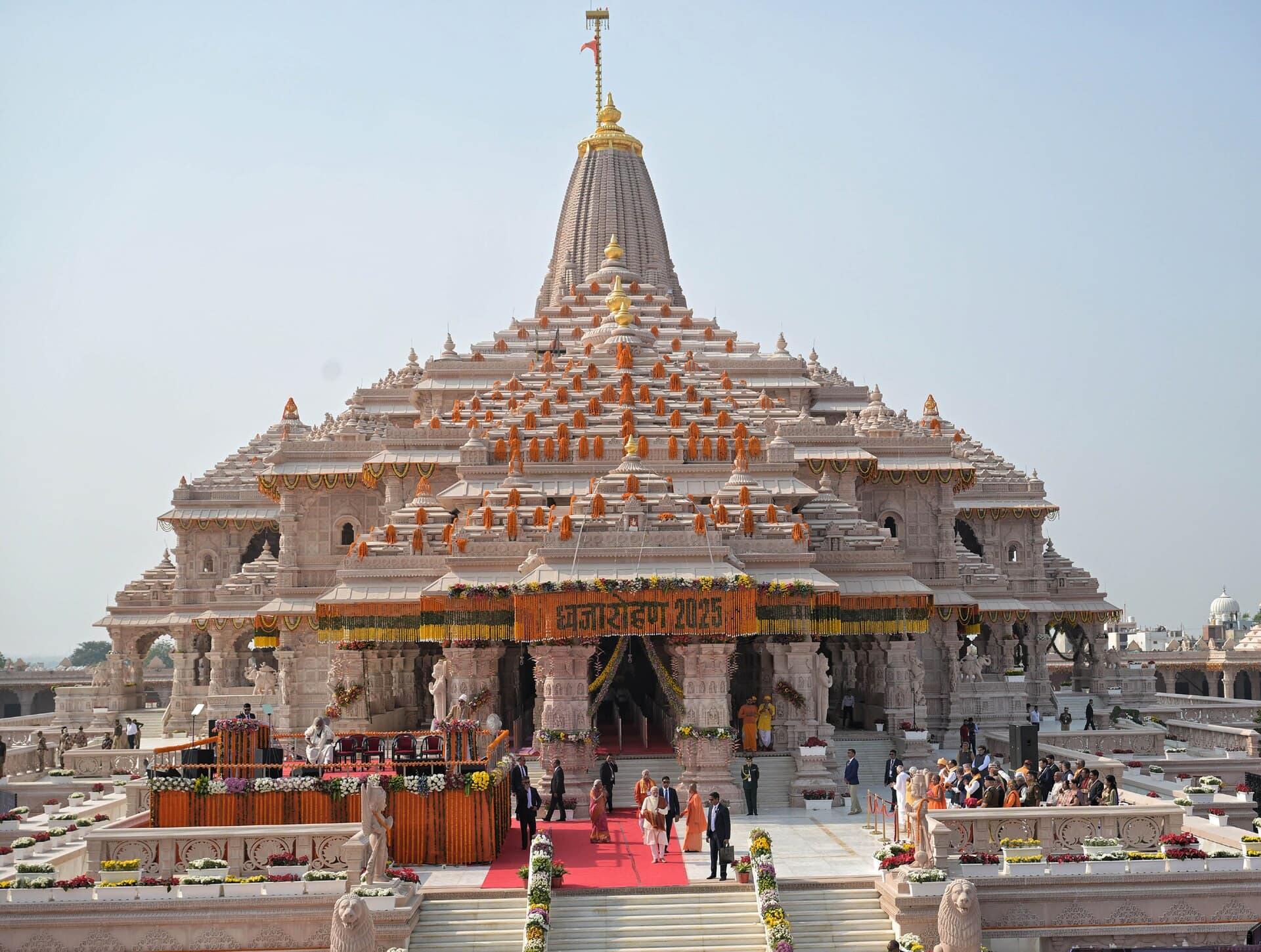
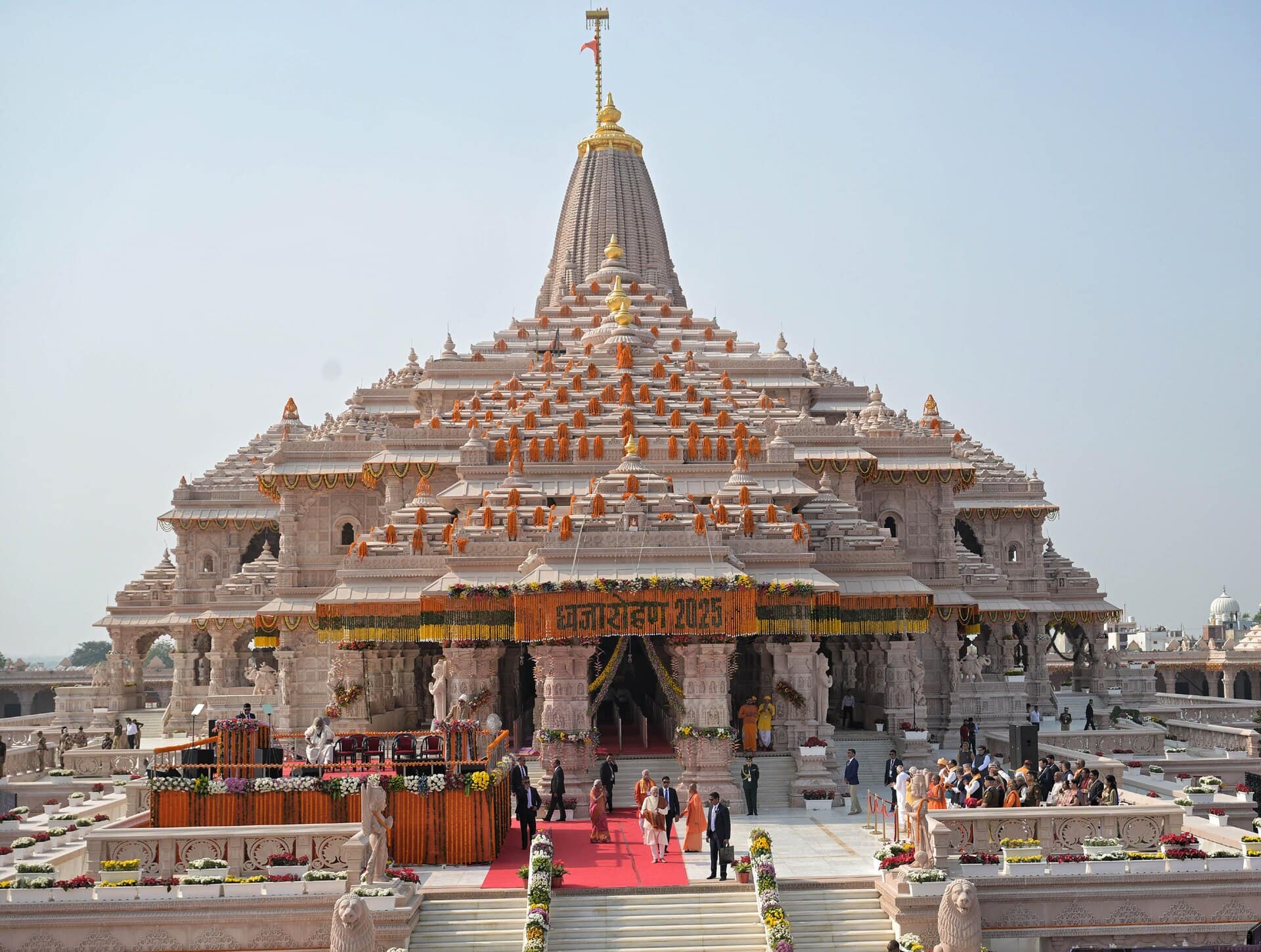
Ram Mandir
- Best timeEarly morning for soft light on the pink sandstone spires; after dark, when the temple is lit up against the sky.
- ColorsSaffronYellowCream
For the feed
Trending Wear in Ayodhya
Modern, Instagram-friendly looks

Rooted in the city
Ayodhya Traditional Wear
Local, cultural, handcrafted outfits
Before you go
Temples in Ayodhya
Darshan hours, dress codes and what gets refused at the gate
Taste the city
Food to Eat in Ayodhya

Trusted tables
Where to Eat in Ayodhya

A river town built around Ram
Ayodhya sits on the south bank of the Saryu in eastern Uttar Pradesh. Hindus revere it as the birthplace of Ram, and old texts list it among the seven holiest cities in India. For most visitors the trip is a round of temples in the old quarter called Ramkot, followed by an evening on the river. The town has changed fast since the new Ram Mandir opened to the public in January 2024: a widened Ram Path, a new airport and a rebuilt railway station now bring in crowds that the old lanes were never designed for.
The order most pilgrims follow
Local custom says you greet Hanuman before you see Ram. So the usual first stop is Hanuman Garhi, a fort-shaped temple up 76 steps in the centre of town. From there it is a short walk to the Ram Mandir, and then to Kanak Bhawan, the palace-style temple of Ram and Sita. In the evening, people head down to the ghats of Ram ki Paidi and the Shiva shrine of Nageshwarnath beside them. All five can be done in a long day on foot, but two days is kinder, because the Ram Mandir queue alone can take a morning.
Plan around the phone ban
The single rule that shapes a visit is that phones, cameras, smartwatches and bags cannot go into the Ram Mandir complex. There are free deposit counters near the entrance, but at busy times the queue to hand things in is long, and so is the queue to collect them. Many visitors leave everything at the hotel and walk up with only an ID card and some cash. Photographs of the temple have to be taken from outside the security line. The temples page covers the rules at each shrine.
A vegetarian town
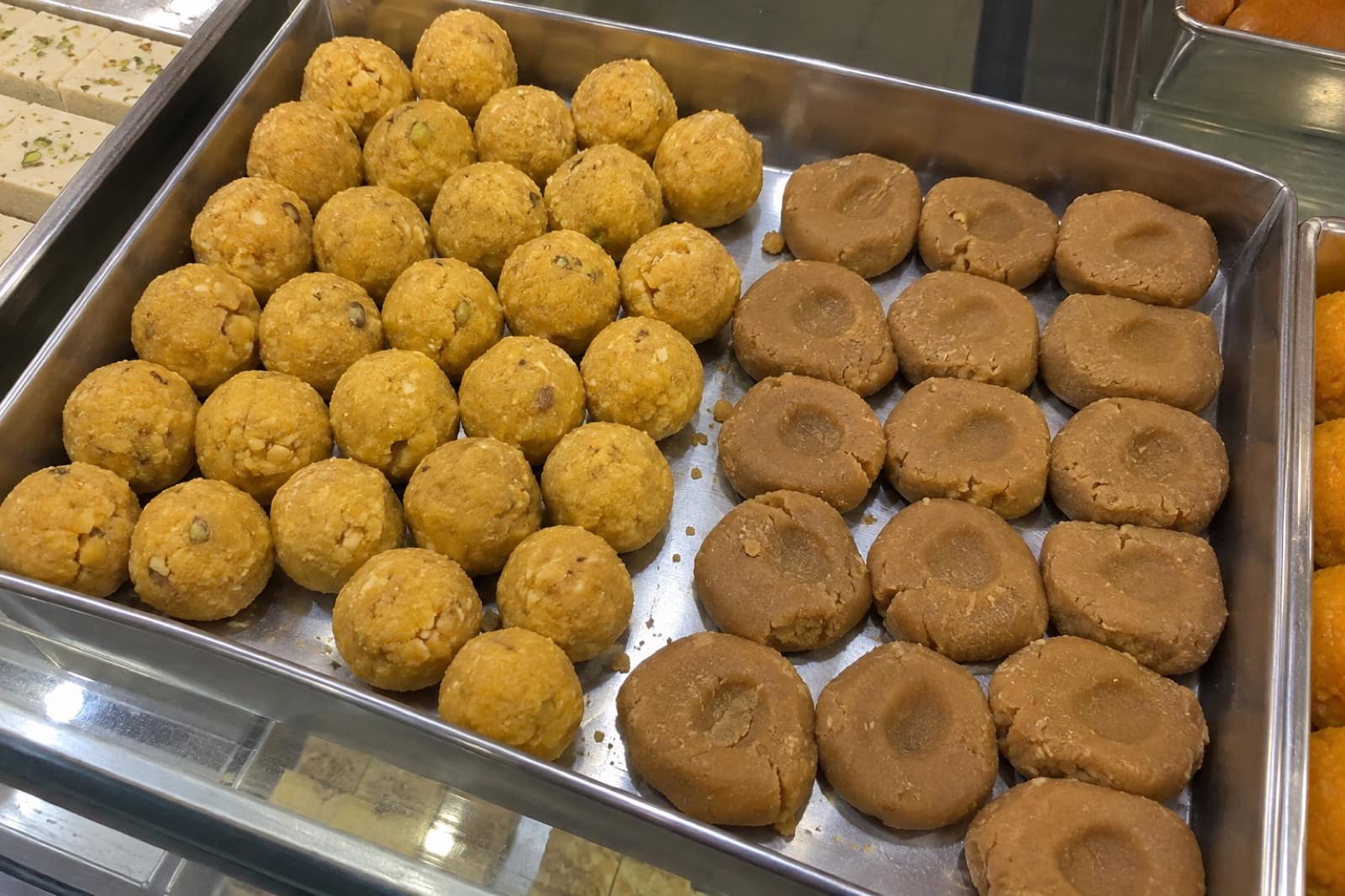
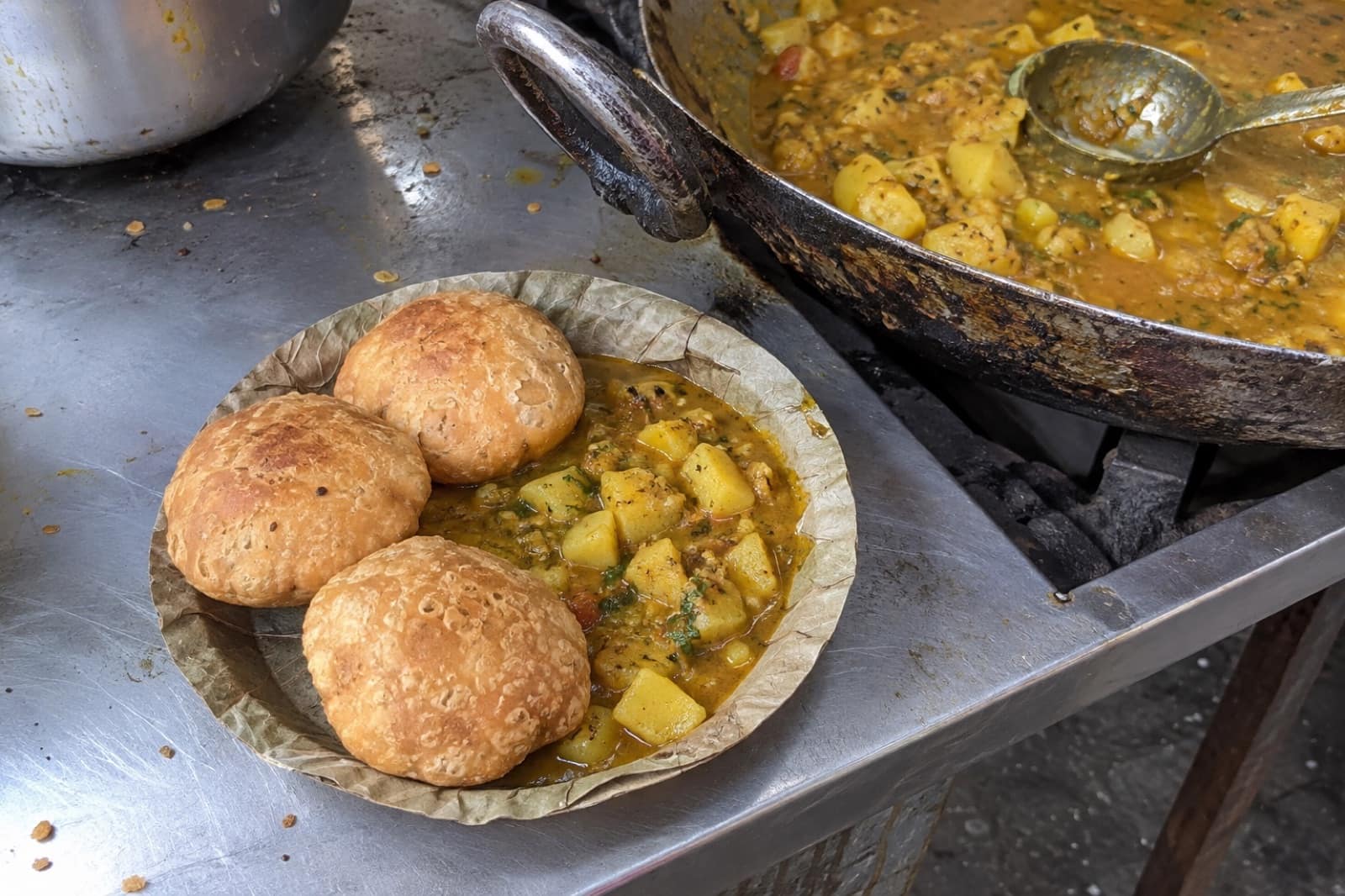
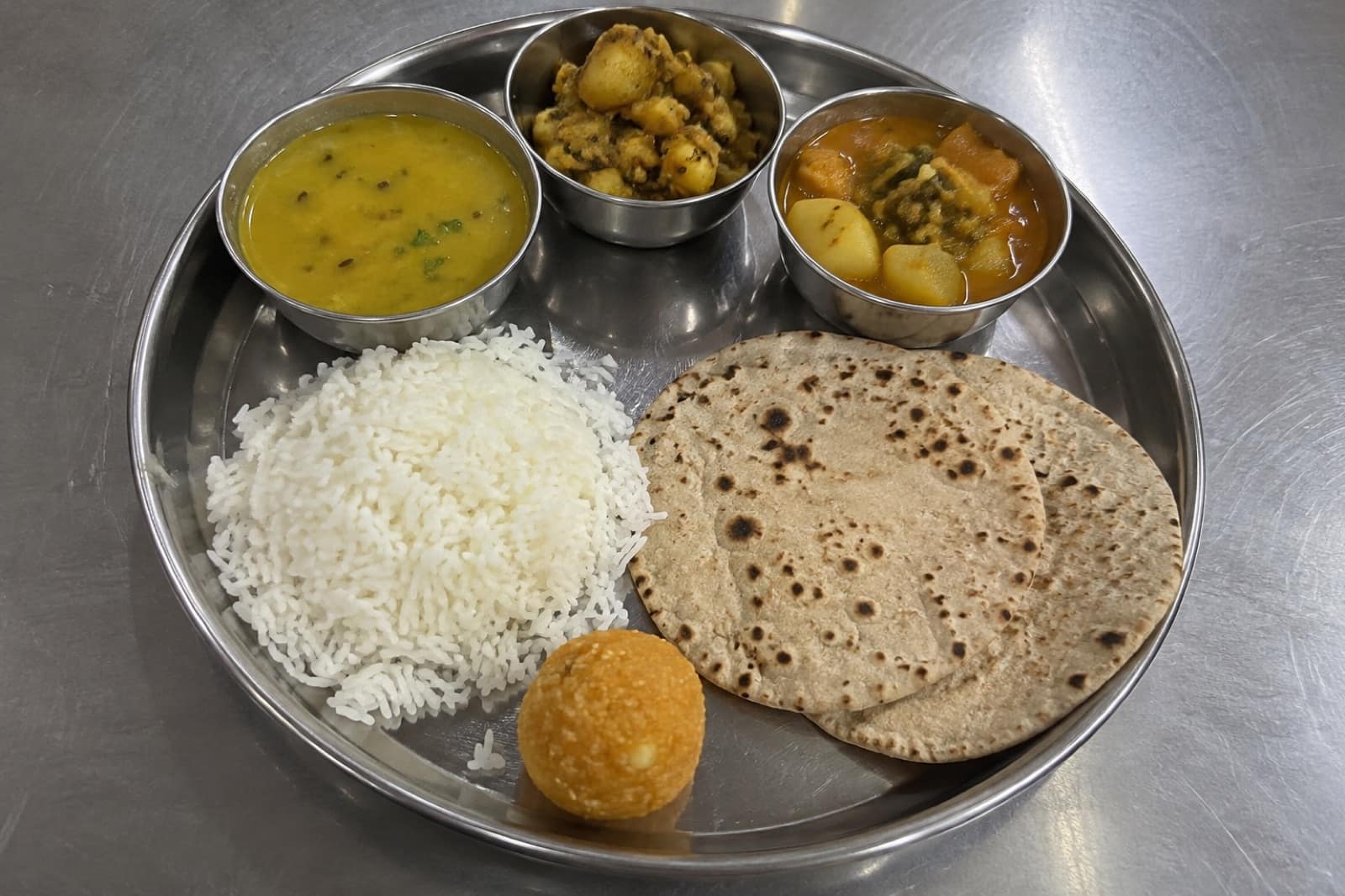
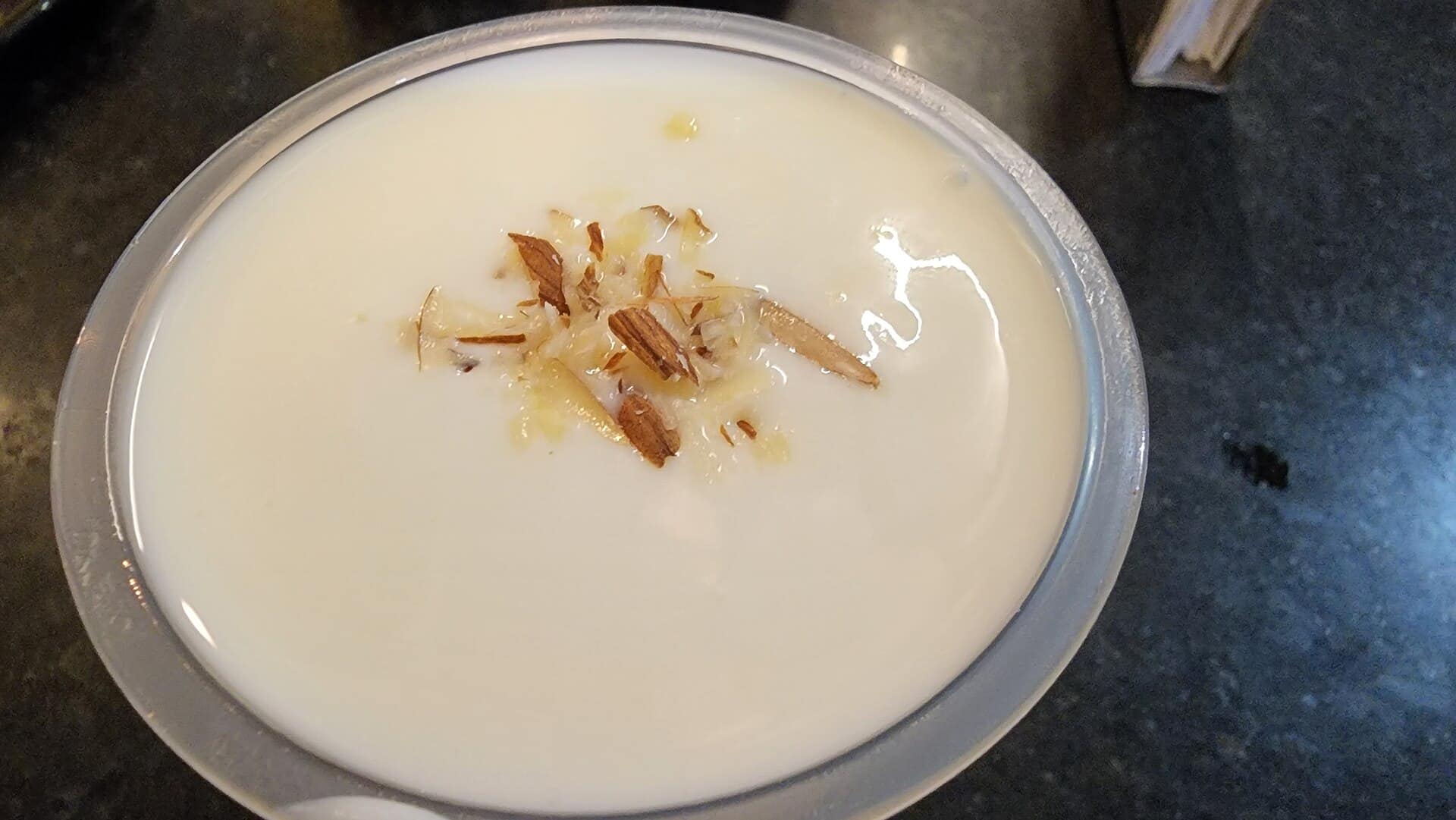
Food here is vegetarian, and much of it is cooked without onion or garlic. The civic body has banned meat and liquor sales along Ram Path and the parikrama roads, and hotels in the pilgrim area have been told not to serve either. Mornings start with kachori and aloo sabzi, lunch is a simple thali, and the famous sweet is the besan laddoo offered at Hanuman Garhi. See what to eat and where to eat.
When to come
October to March is the comfortable season, though December and January bring cold nights and foggy mornings that can delay trains. April to June is very hot. The monsoon, July to September, can push the Saryu high enough to flood low ghats. The busiest nights of the year are Deepotsav on the eve of Diwali and Ram Navami in March or April. Check the best time to visit and what's on before you book.
Getting there
Ayodhya Dham Junction is the main station, with Ayodhya Cantt (the old Faizabad Junction) a few kilometres away. The town's own airport has flights from several big cities, and Lucknow is about 135 km away by road or rail.
Questions
Ayodhya — FAQ
What are the best places to visit in Ayodhya?
The most popular places to visit in Ayodhya include Ram Mandir, Hanuman Garhi, Kanak Bhawan, Ram Ki Paidi, Nageshwarnath Temple, Sita Ki Rasoi, and the Saryu riverfront. You can combine nearby attractions to make your sightseeing easier.
How many days are enough to visit Ayodhya?
One to two days are enough to see Ayodhya's major attractions. A one-day trip works well for the main temples and riverfront, while two days give you more time to explore the city's streets, food and cultural spots without rushing.
What is the best time to visit Ayodhya?
The cooler months from October to March are generally more comfortable for exploring Ayodhya on foot and visiting its temples and riverfront. If you plan to travel during major festivals, expect a livelier atmosphere along with larger crowds.
What should I wear when visiting Ayodhya?
Choose comfortable, modest clothing, especially if you plan to visit temples. Lightweight cotton clothes work well in warmer weather, while traditional Indian outfits such as a kurta or saree can also be suitable. Comfortable footwear is important because sightseeing often involves walking.
What food should I try in Ayodhya?
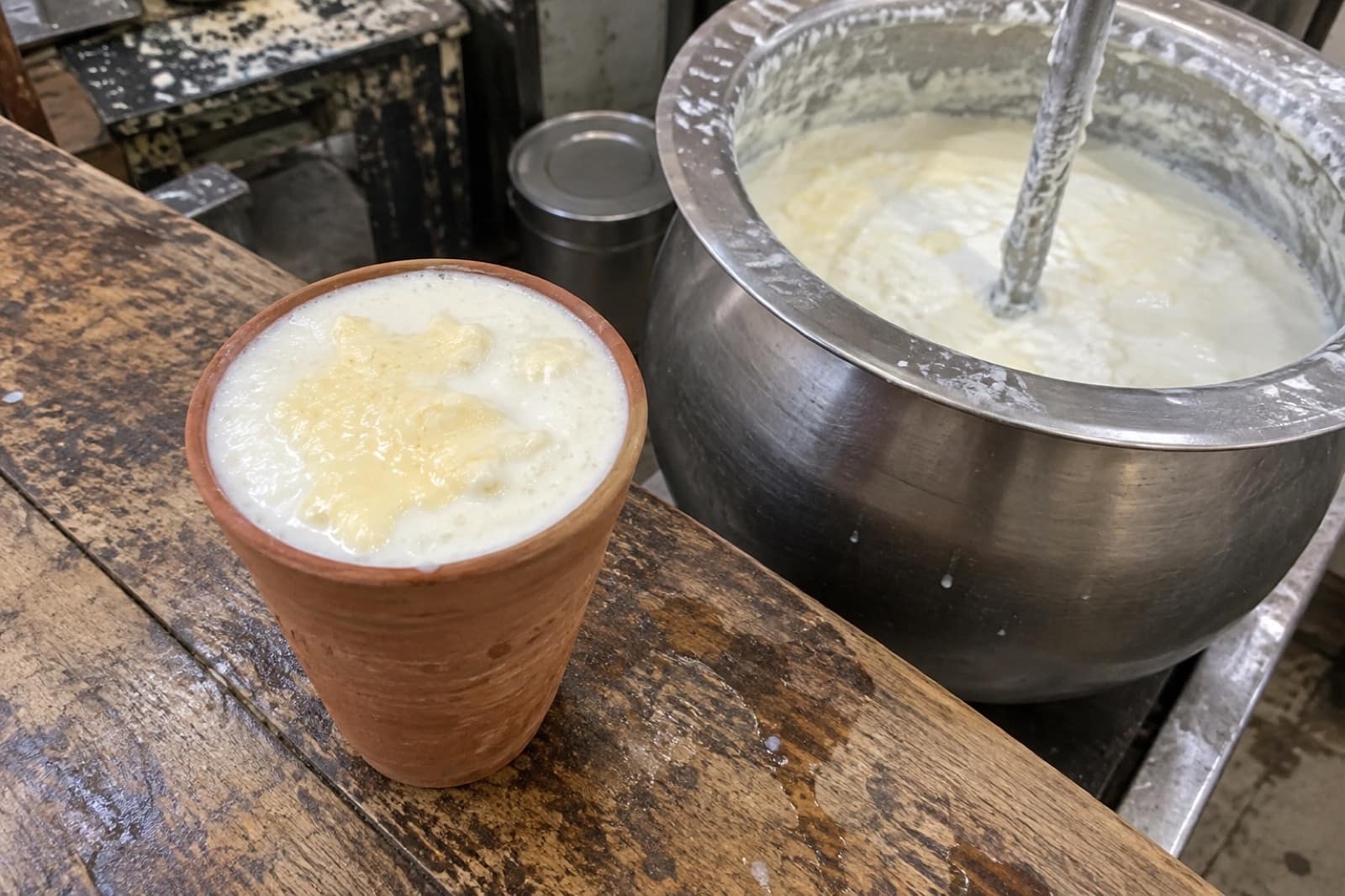
Ayodhya has plenty of vegetarian and sattvik-friendly food options. During your visit, you can try local-style breakfast dishes such as kachori with aloo sabzi, lassi, vegetarian thalis and other North Indian snacks and sweets.