
Photo spot in Chilika
Nalabana Bird Sanctuary
Chilika, Odisha
The reed island sanctuary at the centre of Chilika, where lakhs of migratory birds — flamingos, pelicans and geese among them — gather from November to February. Boats stay outside the boundary, and the island floods in the monsoon.
Best time
Early morning in December or January — birds feeding, calm water and soft light.
Best angle
Shoot from the boat with a long lens at water level, framing a line of flamingos or pelicans against the reeds.
Entry fee
Boat & permit
Opening hours
Boat (winter best)
Crowd level
Low
Best outfit colors
Overview
Best time to visit Nalabana Bird Sanctuary
Early morning in December or January — birds feeding, calm water and soft light. Crowds here are typically low. Arrive a little early to claim your angle and catch the softest light before the day tips over.
Poses & angles
Photo tips for Nalabana Bird Sanctuary
Shoot from the boat with a long lens at water level, framing a line of flamingos or pelicans against the reeds. Work a few of the pose ideas below, shoot wide for context and tight for detail, and give yourself a couple of extra minutes to get the frame right.
At the birding watchtower
By the reed shallows
Outfit guide
What to wear at Nalabana Bird Sanctuary
For photos at Nalabana Bird Sanctuary, olive, cream and teal work beautifully — they stand out against the setting without fighting it. Pick one hero colour and keep the rest of the look calm so you stay the subject of the frame.
Best outfit colors for photos
Trending wear for this spot
Modern, camera-ready looks picked for Nalabana Bird Sanctuary.
Traditional wear for this spot
Timeless, cultural outfits worn across Chilika.

Eat nearby
Food near Nalabana Bird Sanctuary
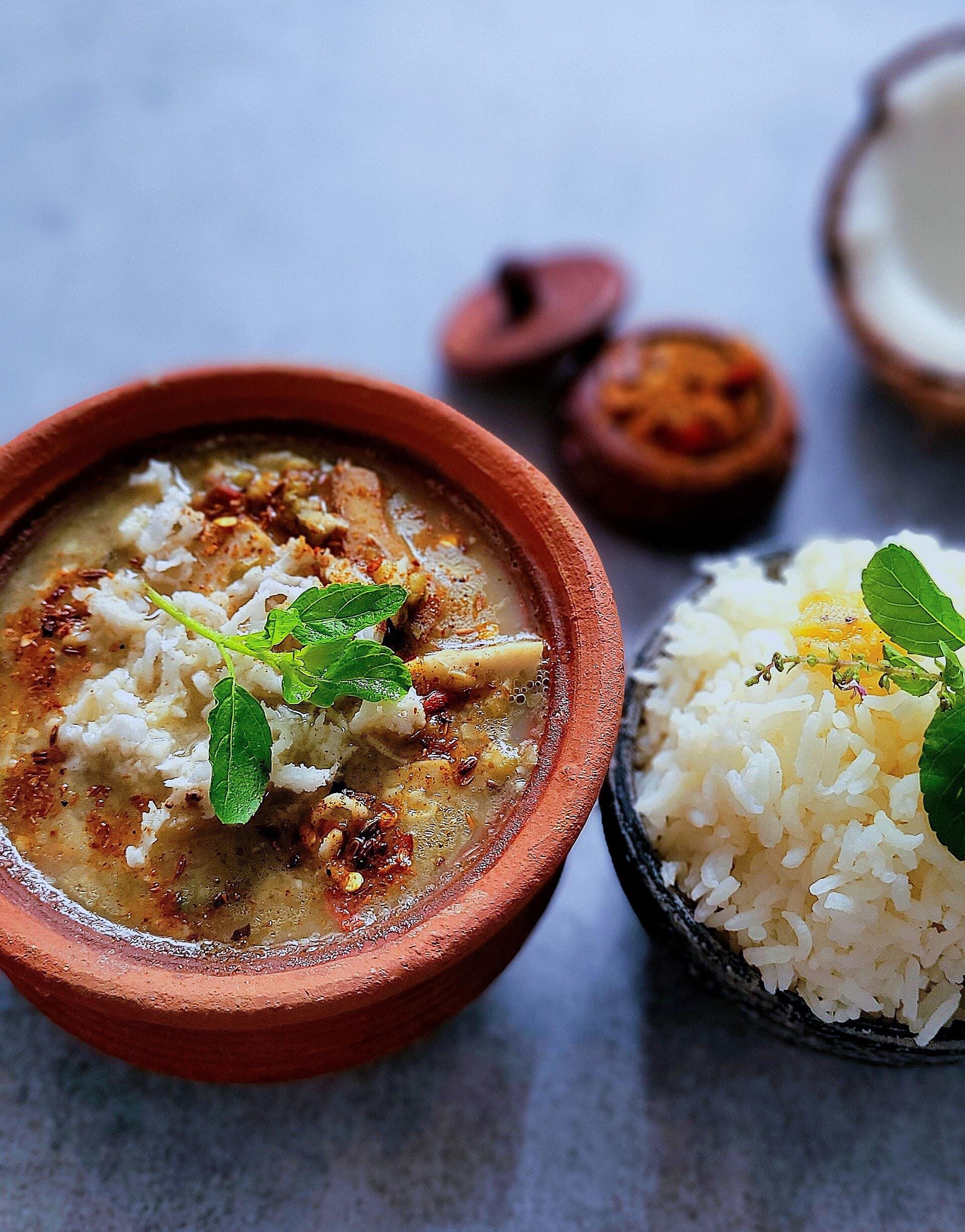
Round out the visit with something to eat. Look for dalma nearby.
Special dishes to try
Search food by craving
Good to know
Local tips
Visit between November and February; December and January are best.
Arrange the forest permit through your boat operator at Barkul.
Bring binoculars or a long zoom; boats stay outside the island boundary.
Wear muted colours such as olive, khaki or brown.
Ask the boatman not to drive into or flush the flocks.
Go early in the morning, when birds are feeding and the water is calm.
Try Mangalajodi for closer views from small punted boats.
An island that comes and goes
Nalabana means reed island. It lies in the middle of Chilika, covers about 15 square kilometres, and was declared a bird sanctuary in 1987. In the monsoon it disappears under the rising lagoon. When the water drops after the rains, the mudflats and reed beds reappear, just as migratory birds arrive.
The birds
From around November to February, hundreds of thousands of birds winter at Chilika, and Nalabana is one of their main gathering places. Look for greater flamingos, pelicans, bar-headed geese, several kinds of ducks, herons, egrets and many waders. December and January usually bring the largest numbers.
How you visit
Tourists cannot land on the island. Boats stop outside the sanctuary boundary, and you watch from the water. A permit from the forest department is needed; boat operators at Barkul usually arrange it. Take binoculars or a long lens, because the birds will be at a distance.
Being a good visitor
Ask the boatman not to drive towards the flocks or make noise to get the birds to fly. Keep your voice low and avoid bright clothes. The birds have flown thousands of kilometres and need the rest.
Mangalajodi
For closer views, many birdwatchers go to Mangalajodi on the northern shore. Small punted boats move quietly through reed channels, guided by villagers who once hunted the birds and now protect them.
When not to go
From April to October the migrants are gone, and in the monsoon the island is under water.
Questions
Nalabana Bird Sanctuary — FAQ
What is the best time to visit Nalabana Bird Sanctuary?
Early morning in December or January — birds feeding, calm water and soft light. Shoot from the boat with a long lens at water level, framing a line of flamingos or pelicans against the reeds.
Is there an entry fee at Nalabana Bird Sanctuary?
Entry to Nalabana Bird Sanctuary is by boat & permit.
What are the opening hours of Nalabana Bird Sanctuary?
Nalabana Bird Sanctuary is open boat (winter best).
What should I wear at Nalabana Bird Sanctuary?
Olive, cream and teal photograph especially well here. Explore the trending and traditional outfit ideas on this page for full looks.
How crowded does Nalabana Bird Sanctuary get?
Crowd levels are typically low. To miss the busiest window: early morning in December or January — birds feeding, calm water and soft light.
What food should I try near Nalabana Bird Sanctuary?
Try dalma at spots close by.
Can I land on Nalabana island?
No. Tourists watch from boats outside the sanctuary boundary. Landing is restricted to officials and researchers.
Do I need a permit for Nalabana?
Yes, a forest department permit is needed. Boat operators at Barkul usually arrange it.
Which birds can I see at Nalabana?
Flamingos, pelicans, bar-headed geese, ducks, herons, egrets and many waders in winter.
Is Nalabana worth visiting in summer?
No. The migratory birds leave by March, and the island floods in the monsoon.