
Odisha · India
Chilika
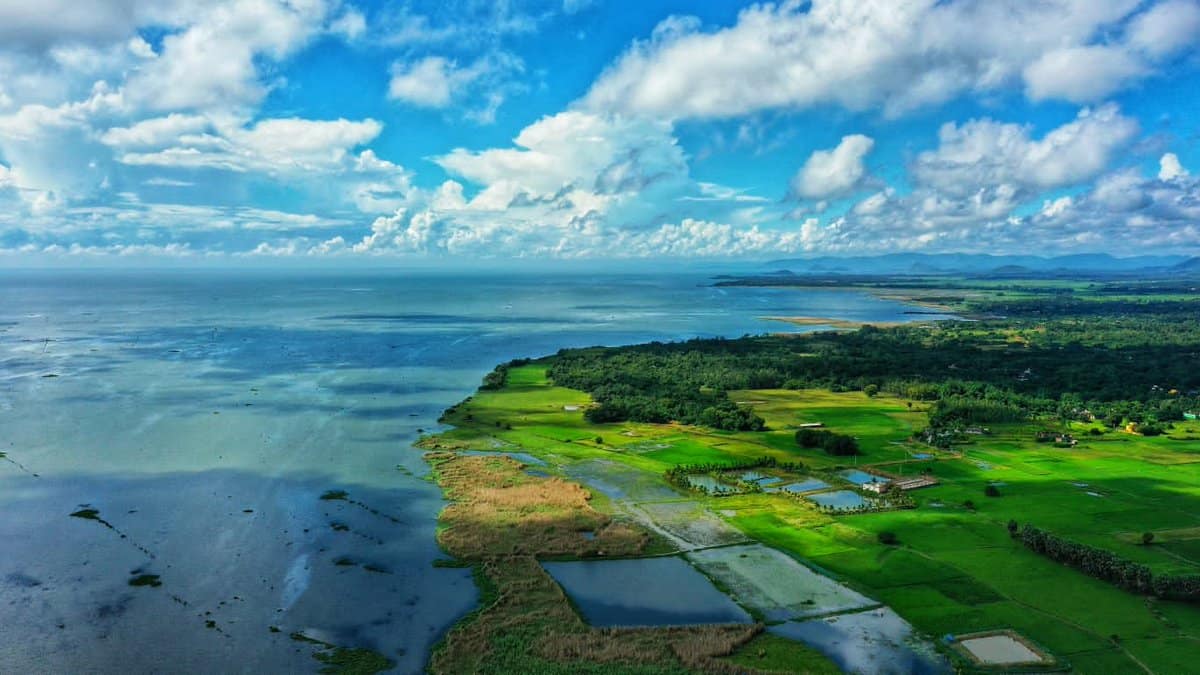
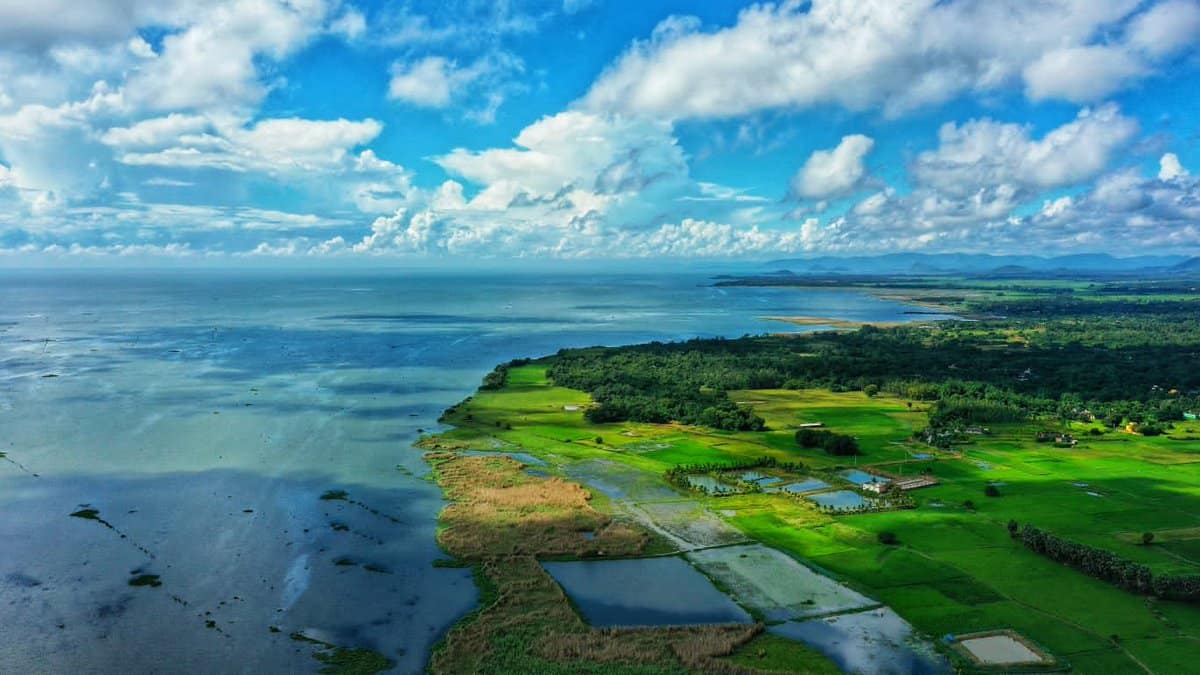
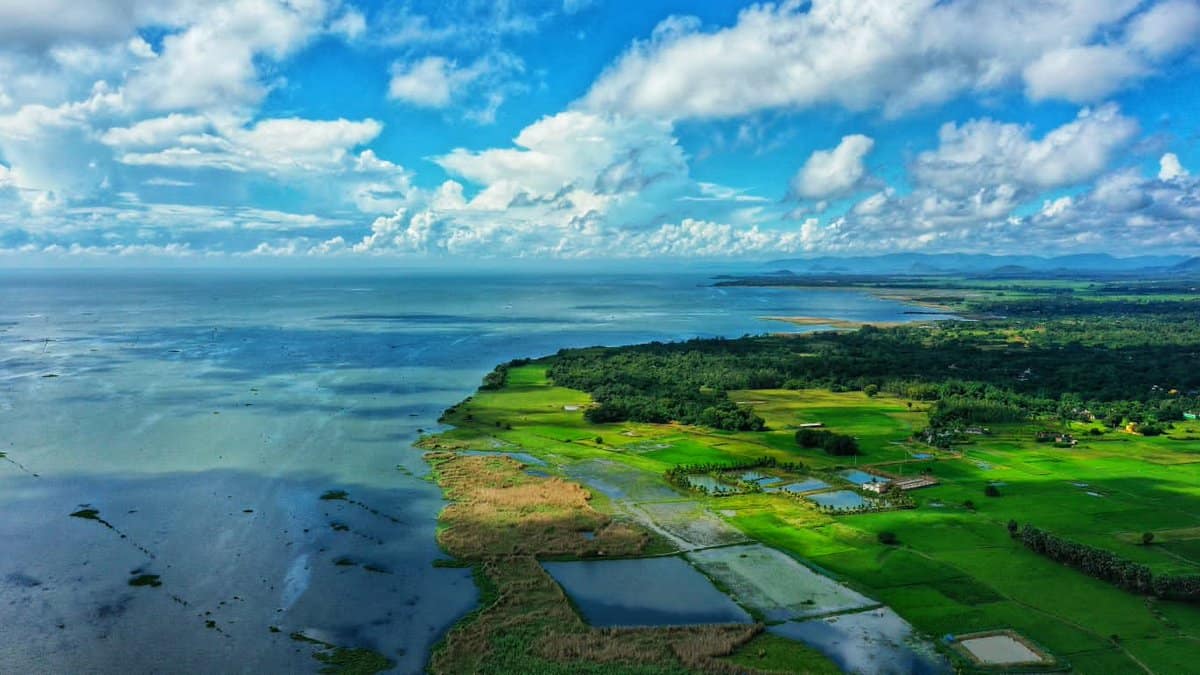
Asia's largest brackish-water lagoon on the Odisha coast — a vast shimmering expanse dotted with islands, famed for its rare Irrawaddy dolphins at Satapada and the huge flocks of migratory birds at Nalabana.
Chilika is lagoon-and-birds Odisha: dolphin-watching boats at Satapada, the island temple of Kalijai, winter flamingos and pelicans at Nalabana, fishing villages, and fresh crab-and-prawn Odia food.
Plan your trip
Chilika Tour Itineraries
Timed, walkable day plans — plus the best season to go.
Where to shoot
Chilika Photo Spots
 Medium crowd
Entry Boat fare
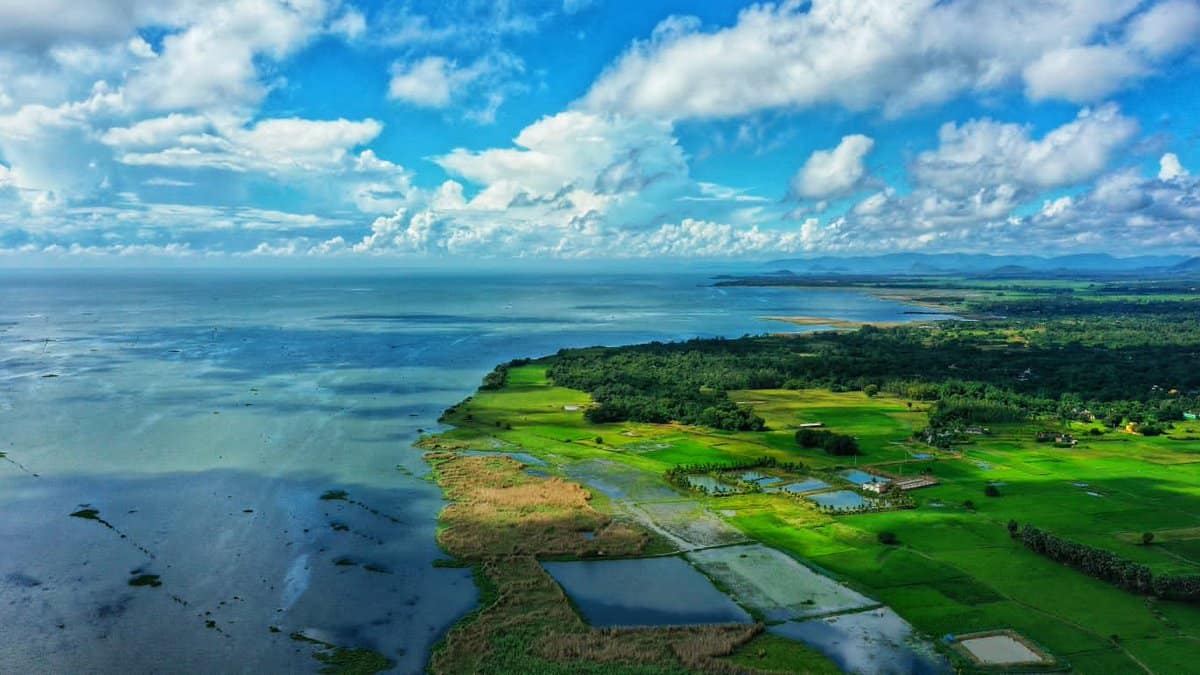
Chilika Lake
- Best timeSunrise for flat water and fishing boats in silhouette; late afternoon for warm light across the lagoon.
- ColorsTealCreamCoral
 Medium crowd
Entry Boat fare
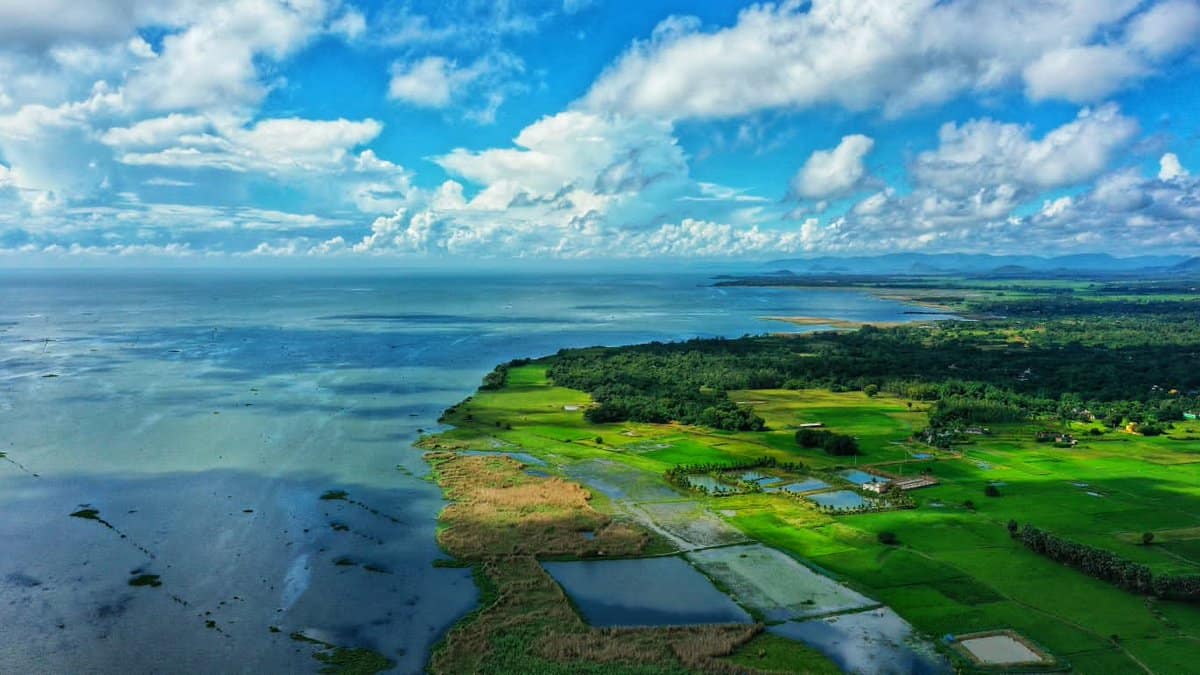
Kalijai Temple
- Best timeMorning for calm water and the island mirrored in it; mid-January for the Makar Mela boats.
- ColorsSaffronRedTeal
Entry Boat & permit
Nalabana Bird Sanctuary
- Best timeEarly morning in December or January — birds feeding, calm water and soft light.
- ColorsOliveCreamTeal
 Low crowd
Entry Boat fare
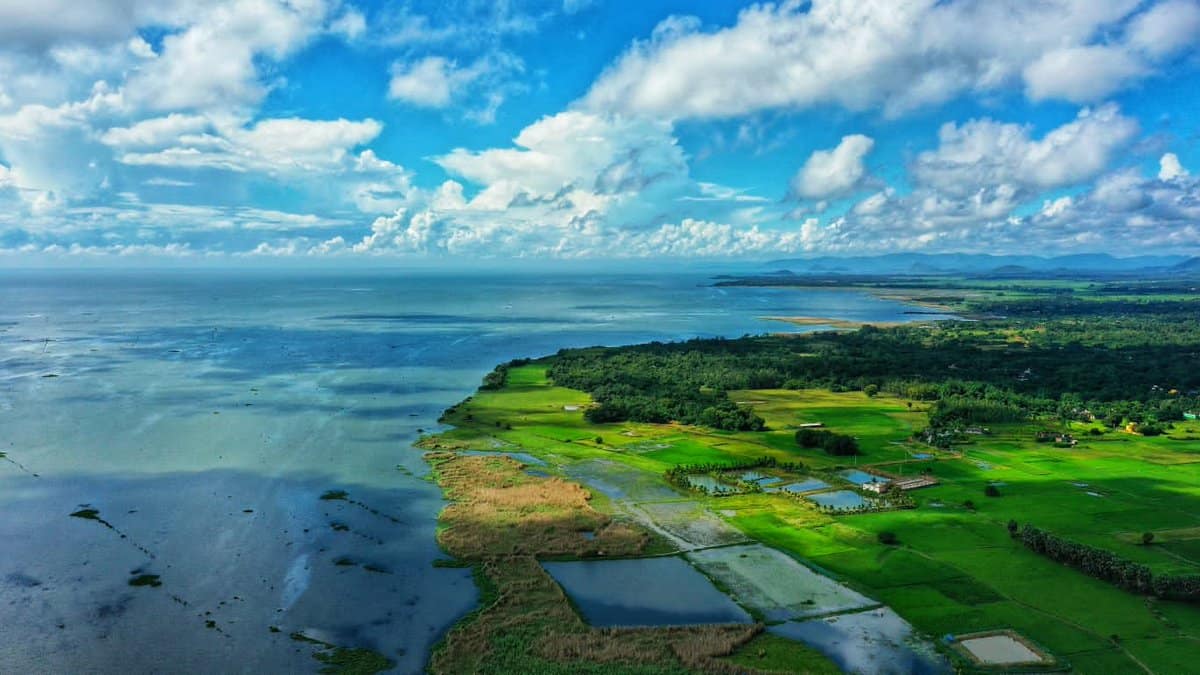
Rambha Bay
- Best timeLate afternoon, when the hills catch warm light and the bay is calm; early morning for mist on the water.
- ColorsTealCreamForest green
 Medium crowd
Entry Boat fare
Satapada Dolphin Point
- Best timeEarly morning — calm water, soft light and the best chance of a dolphin breaking a smooth surface.
- ColorsTealWhiteCoral
For the feed
Trending Wear in Chilika
Modern, Instagram-friendly looks
Rooted in the city
Chilika Traditional Wear
Local, cultural, handcrafted outfits

Taste the city
Food to Eat in Chilika
Trusted tables
Where to Eat in Chilika
 Representative photo
Ansupa Restaurant
Satapada
 Representative photo
Dolphin Dhaba
Satapada
Representative photoOTDC Panthanivas Barkul
Barkul
Representative photoOTDC Panthanivas Rambha
Rambha
A lagoon, not a town
Chilika is not one place but a body of water about 65 km long, spread across three districts of Odisha. It is Asia's largest brackish-water lagoon, fed by rivers from the west and opening to the Bay of Bengal through a narrow mouth on the east. Its area swells in the monsoon and shrinks in the dry months. In 1981 it became India's first Ramsar wetland of international importance.
Three bases
Where you stay decides what you see, because crossing the lagoon by road takes hours.
- Satapada, on the eastern side near the sea mouth, is the place for Irrawaddy dolphins. It is closest to Puri.
- Barkul and Balugaon, on the western shore along the highway, are the jumping-off points for Kalijai island and the Nalabana bird sanctuary.
- Rambha, at the southern end, is the quietest, with hills around the bay and small islands to boat to.
Many visitors pick one base for two nights. With three or four nights, you can split them.
Birds in winter
Between about November and February, hundreds of thousands of migratory birds arrive from Central Asia, Siberia and the Himalaya: flamingos, pelicans, ducks, geese and waders. The biggest gatherings are at Nalabana, an island that disappears under water in the monsoon, and at the village of Mangalajodi on the northern shore, where former poachers now guide birdwatchers.
Dolphins all year
The lagoon holds one of the few populations of Irrawaddy dolphins living in brackish water. Boats from Satapada go out to find them year round, weather permitting. Boats should switch off engines and keep their distance.
Food from the lagoon
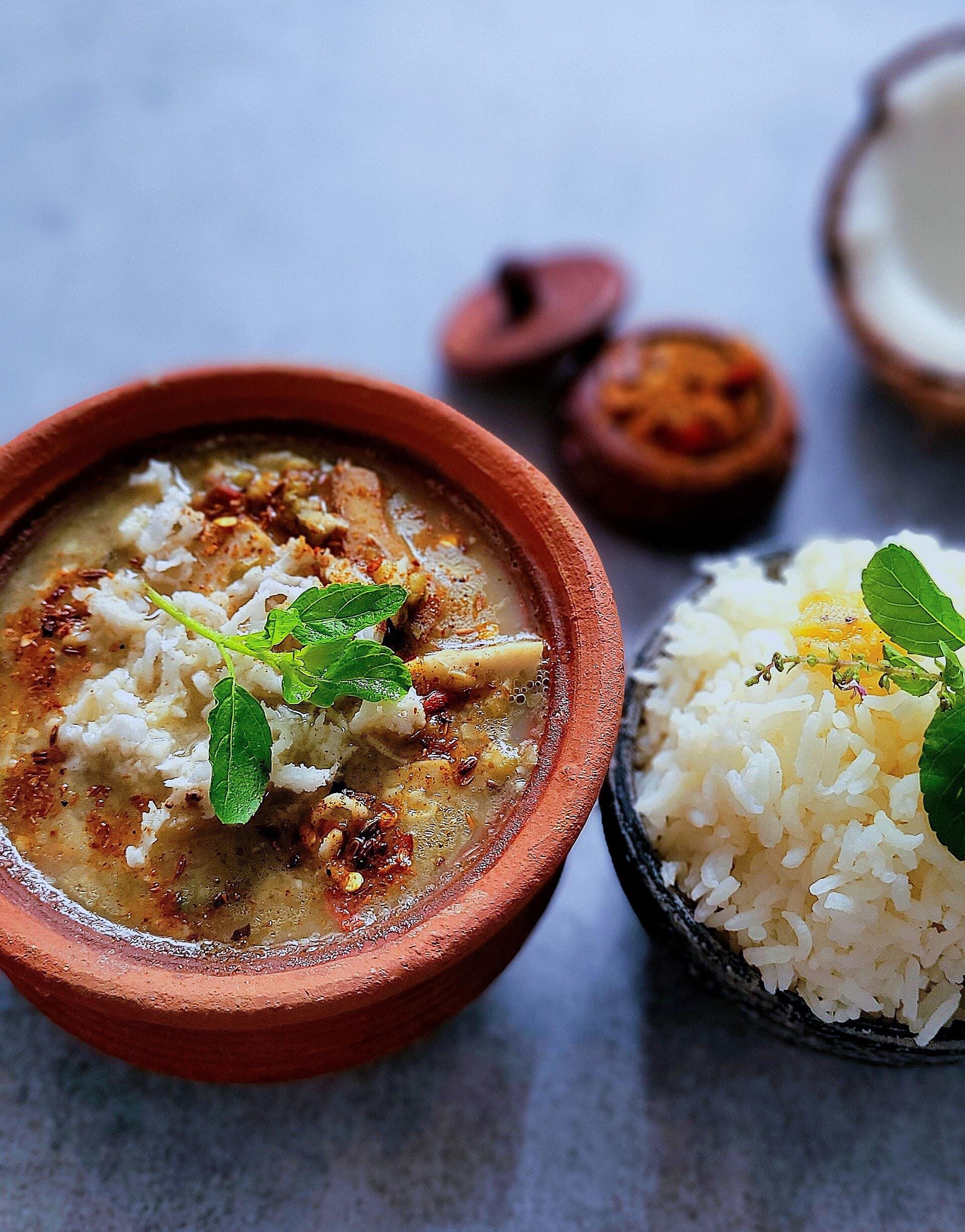
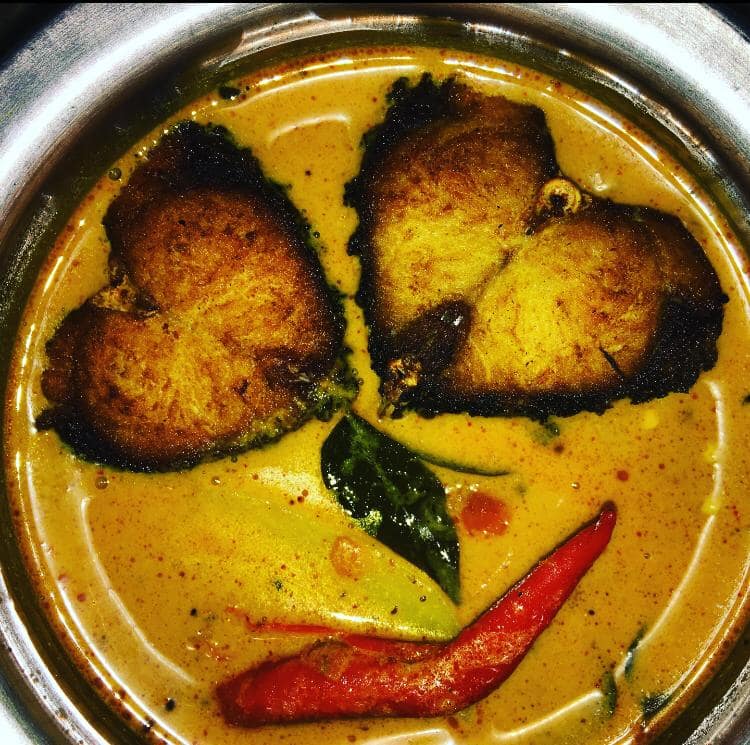
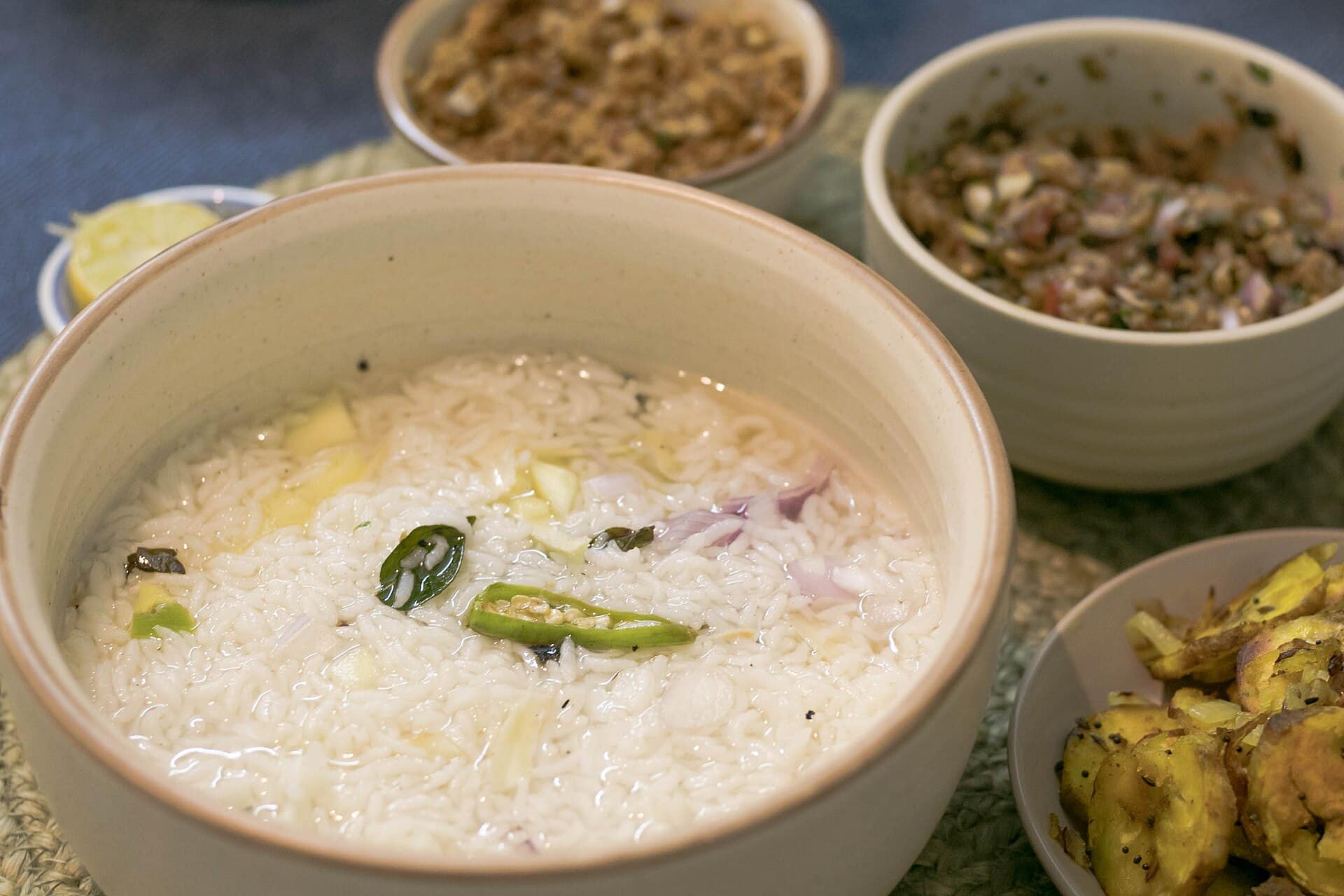
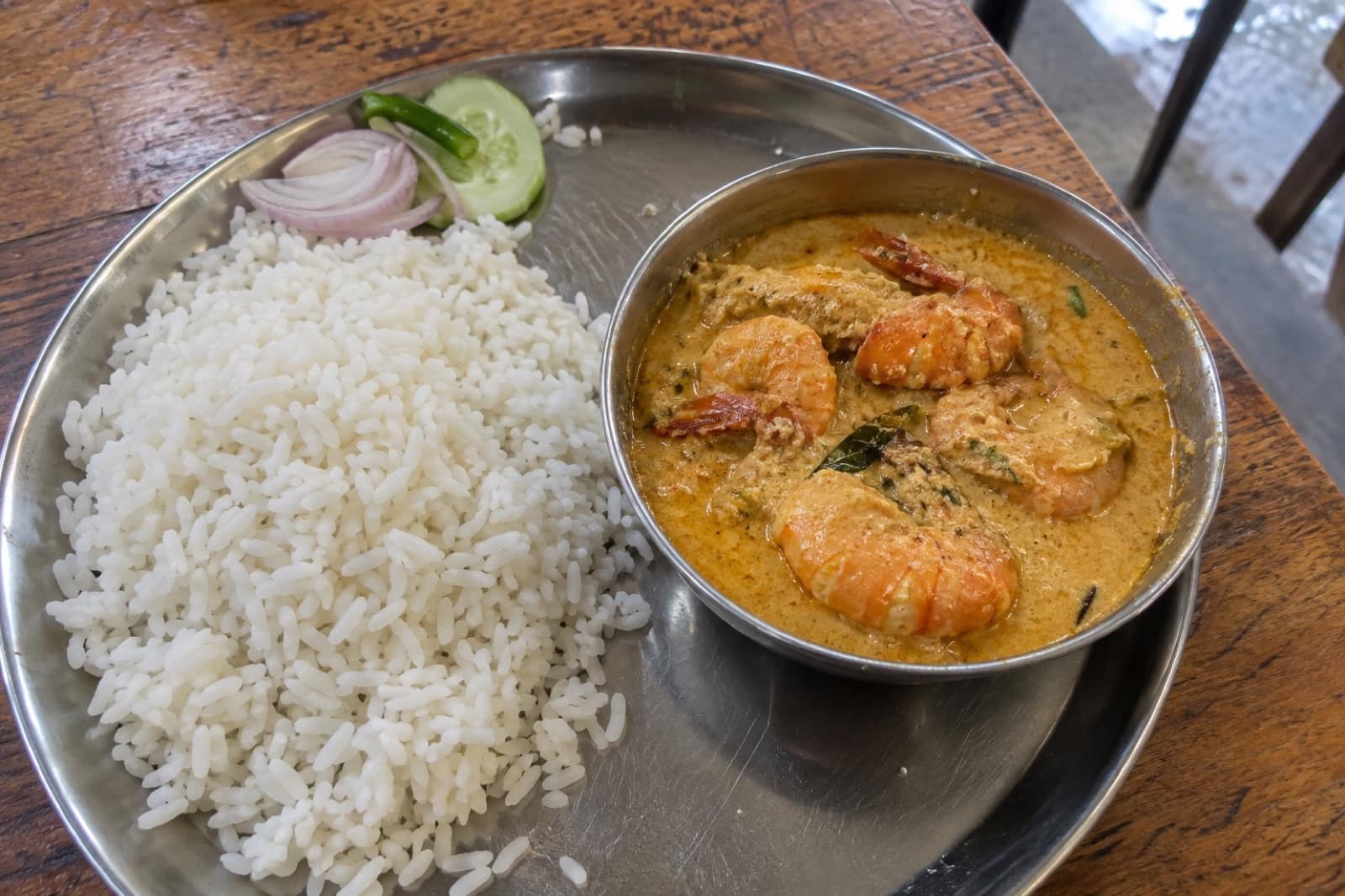
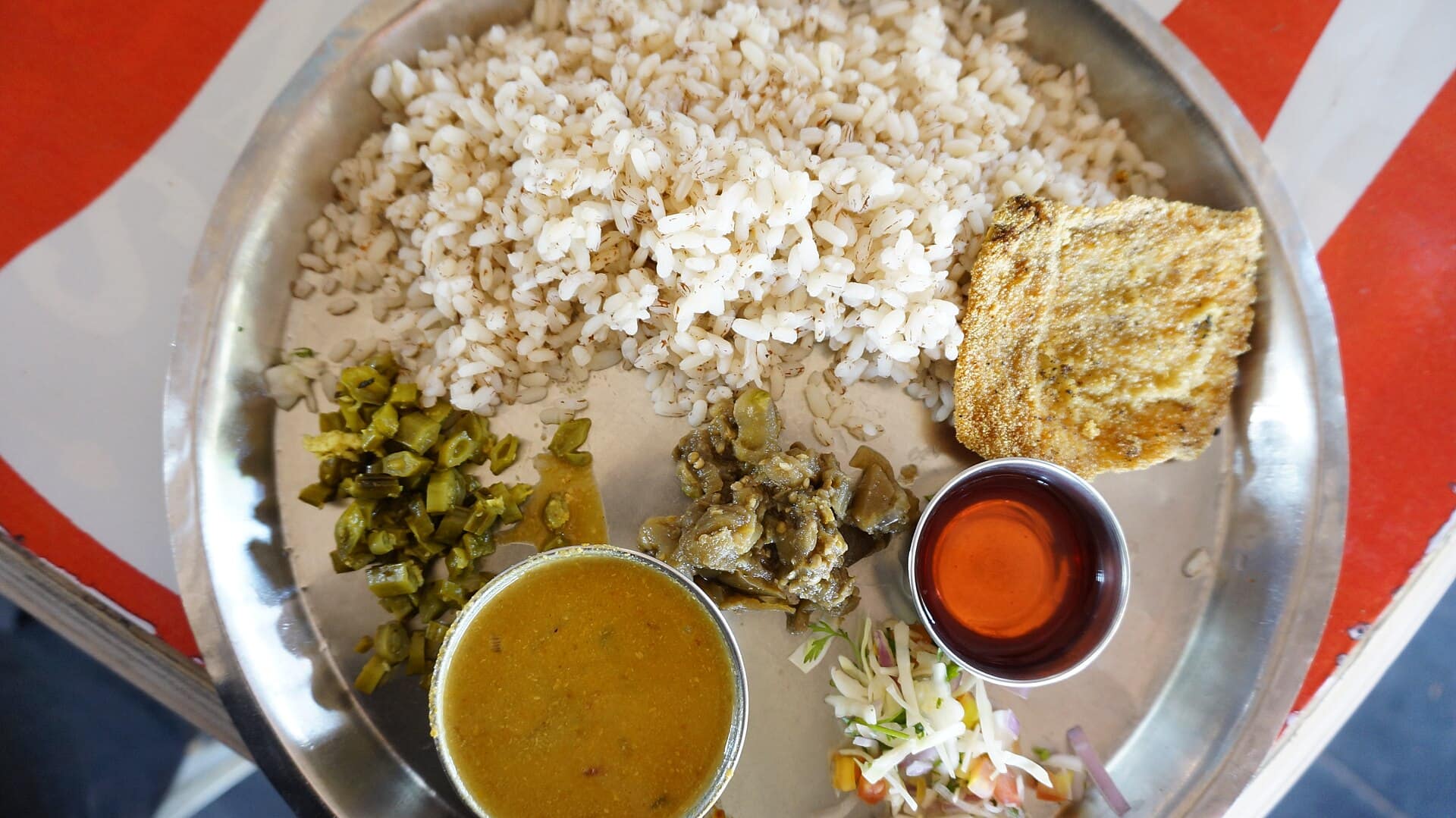
Chilika is known for its crab and prawns. Try crab curry at Ansupa in Satapada, prawn malai curry at the OTDC restaurants in Barkul and Rambha, and an Odia thali with dalma anywhere.
Getting there
Barkul and Balugaon sit on the highway and railway between Bhubaneswar and Chennai, about 100 km from Bhubaneswar. Satapada is about 50 km from Puri. Rambha is closer to Berhampur.
When to go
November to February, for birds and calm water. The best time page has the rest.
Questions
Chilika — FAQ
Where should I stay to see Chilika?
Satapada for dolphins, Barkul for Kalijai and Nalabana, Rambha for quiet islands and hills. The lagoon is large, so choose by what you most want to see.
Is Chilika a lake or a lagoon?
A lagoon. It is connected to the Bay of Bengal, so its water is a mix of fresh and salt, and its saltiness changes with the season.
How many days do I need at Chilika?
Two nights at one base is enough for its main boat trips. Three or four nights lets you see the dolphins and the birds from different sides.
Is Chilika good for families?
Yes. Boat trips are gentle in winter, and the OTDC guesthouses at Barkul and Rambha are simple and family-friendly. Life jackets should be worn on every boat.
What is Mangalajodi?
A village on Chilika's northern shore known for winter birdwatching by small punted boats, guided by local people who once hunted the birds.