
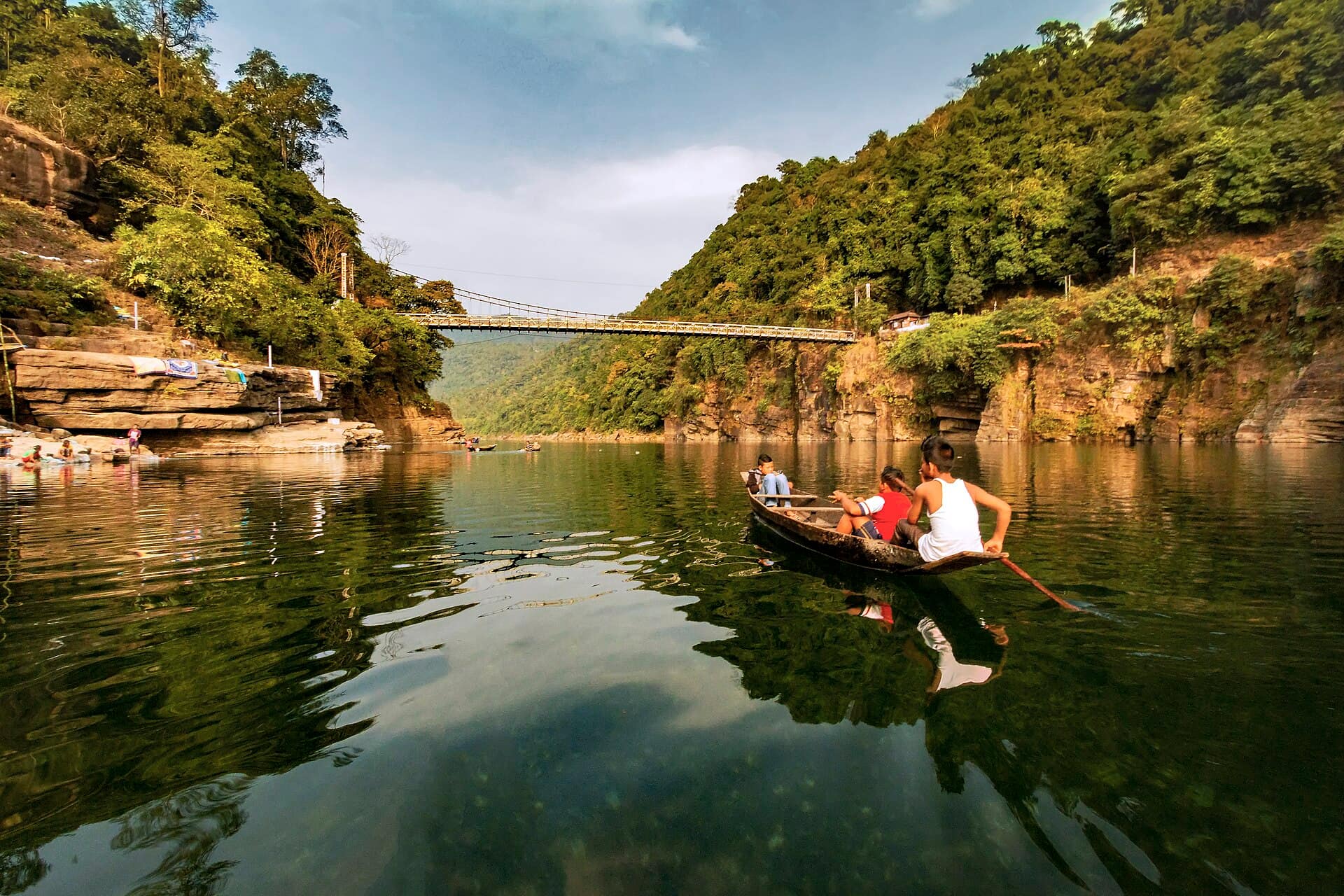
Photo spot in Dawki
Dawki Suspension Bridge
Dawki, Meghalaya
A single-lane suspension bridge over the Umngot built in the British era, swaying gently above the clear green water — a scenic landmark and photo spot.
Best time
Late morning, when the light reaches the water under the bridge and the boats below cast clear shadows; late afternoon for warm light on the towers.
Best angle
Walk down to the riverbank upstream and take a wide photo of the whole span, with its two towers and the boats on the water below.
Entry fee
Free
Opening hours
Open access
Crowd level
Medium
Best outfit colors
Overview
Best time to visit Dawki Suspension Bridge
Late morning, when the light reaches the water under the bridge and the boats below cast clear shadows; late afternoon for warm light on the towers. Crowds here are typically medium. Arrive a little early to claim your angle and catch the softest light before the day tips over.
Poses & angles
Photo tips for Dawki Suspension Bridge
Walk down to the riverbank upstream and take a wide photo of the whole span, with its two towers and the boats on the water below. Work a few of the pose ideas below, shoot wide for context and tight for detail, and give yourself a couple of extra minutes to get the frame right.
On the bridge
By the river with the bridge
Outfit guide
What to wear at Dawki Suspension Bridge
For photos at Dawki Suspension Bridge, teal, cream and rust work beautifully — they stand out against the setting without fighting it. Pick one hero colour and keep the rest of the look calm so you stay the subject of the frame.
Best outfit colors for photos
Trending wear for this spot
Modern, camera-ready looks picked for Dawki Suspension Bridge.
Traditional wear for this spot
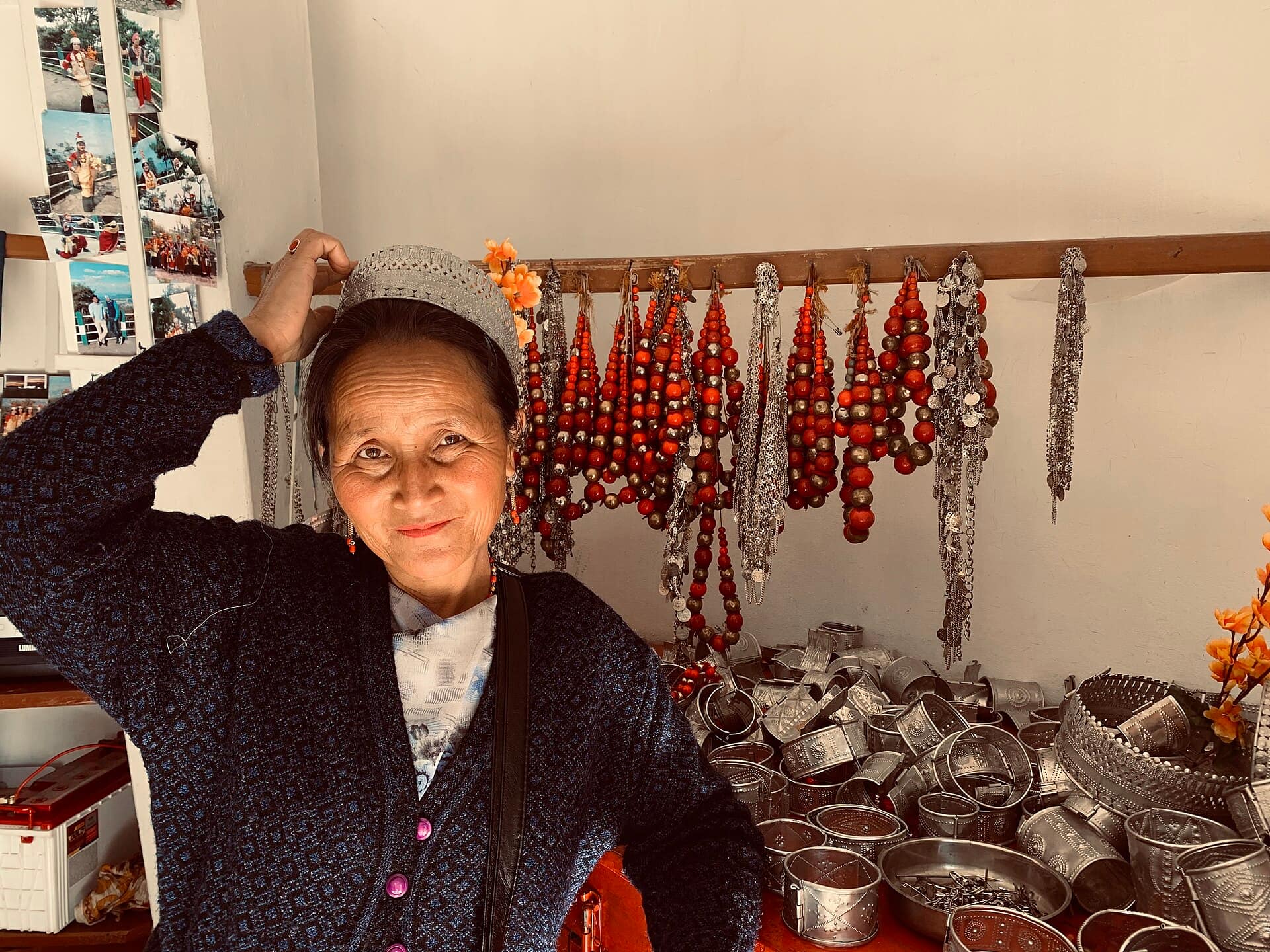
Timeless, cultural outfits worn across Dawki.
Eat nearby
Food near Dawki Suspension Bridge
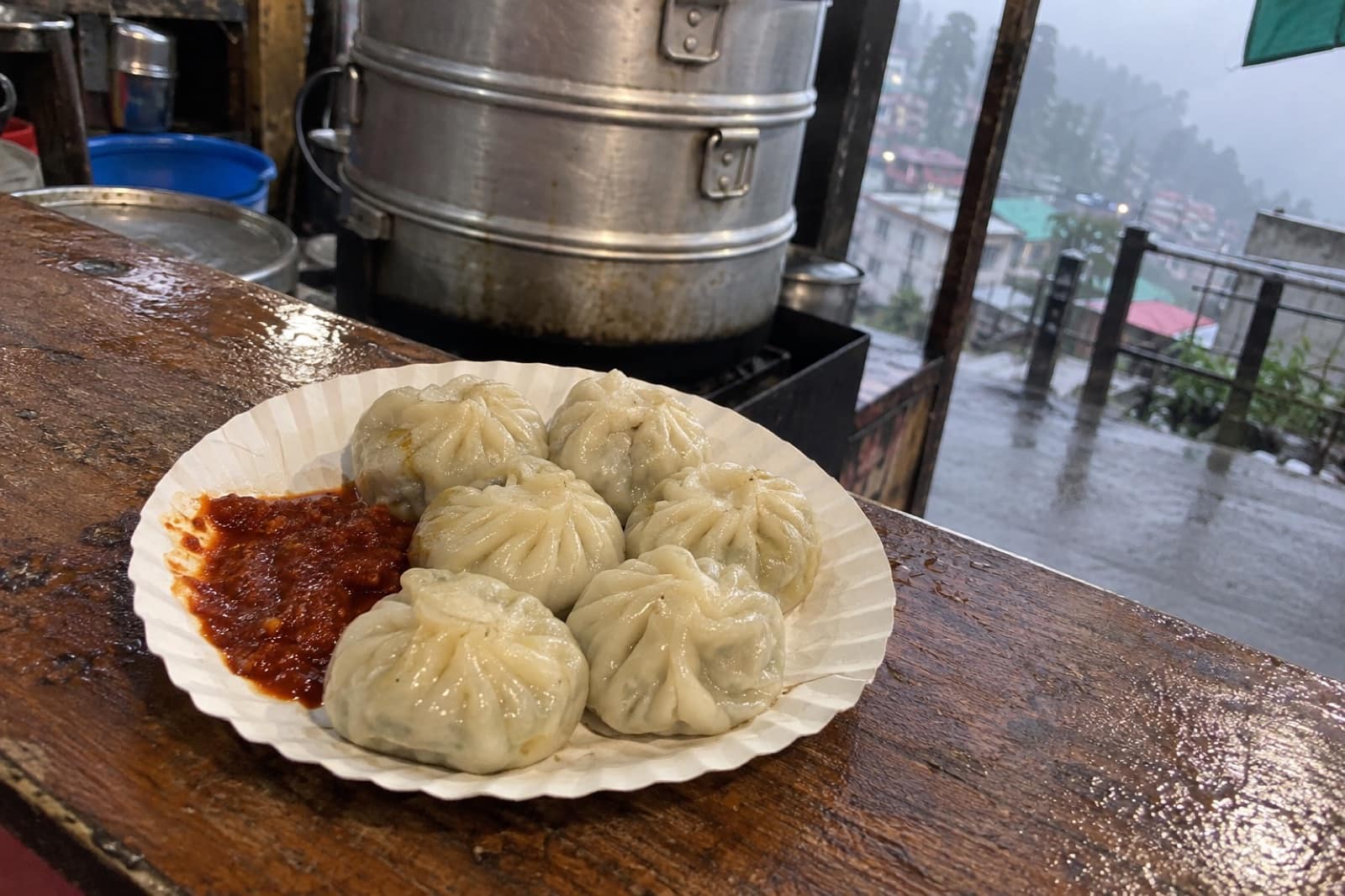
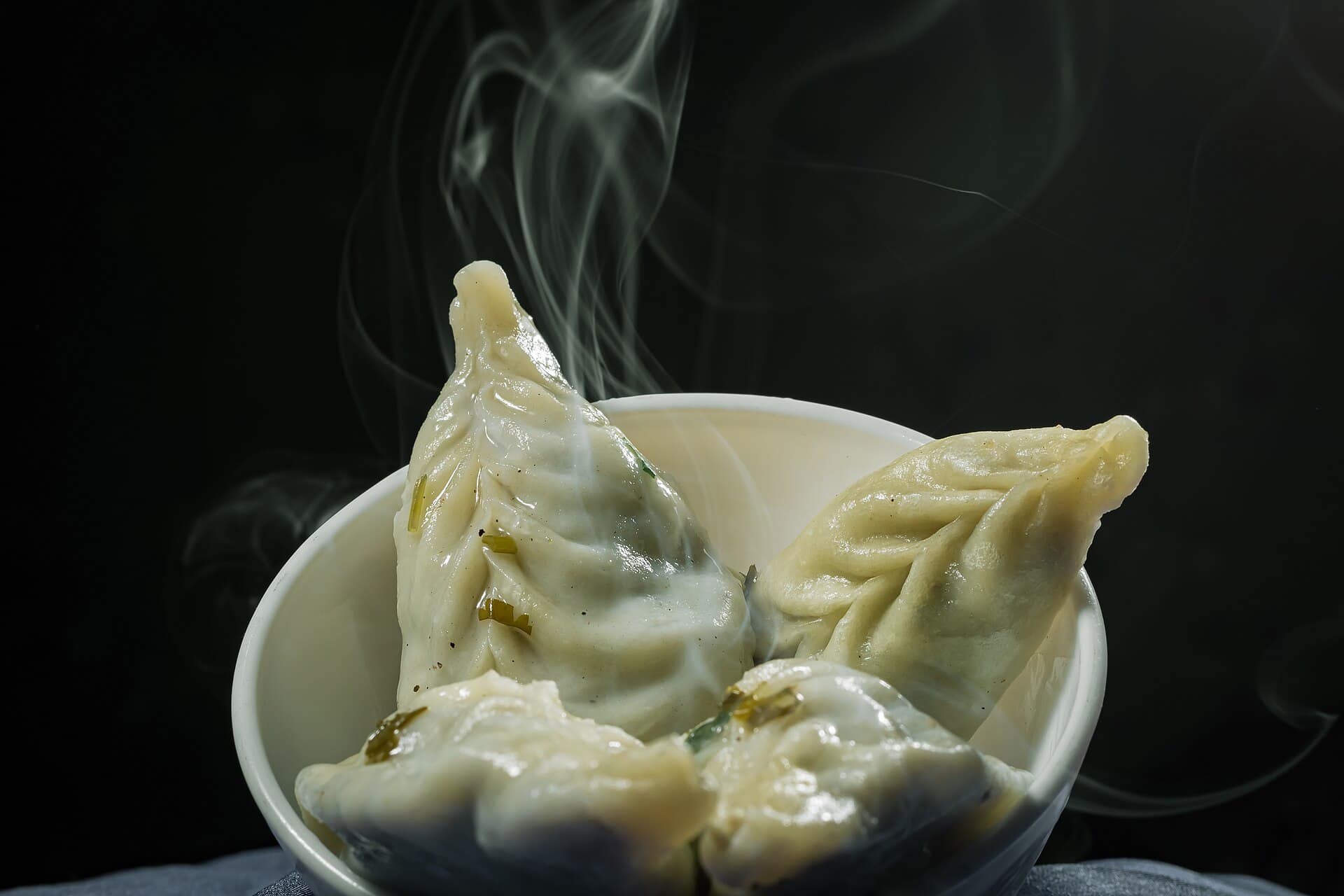
Round out the visit with something to eat. Look for momos nearby, or settle in at one of the 1 restaurants close by.
Special dishes to try
Restaurants & food places nearby
Search food by craving
Good to know
Local tips
Walk across rather than photographing from a car, since vehicles cannot stop on the bridge.
Expect traffic to wait on either side while vehicles cross one direction at a time.
Keep to the edge and step aside for trucks; do not step into the lane for a photo.
Look straight down from the middle of the span for the clearest view of the boats.
Hold your phone with both hands or a strap over the rail, because a drop into the river is final.
Visit on a weekday if you can, as weekend traffic makes the bridge slow and crowded.
Park before the bridge in the marked areas rather than on the approach road, which is used by queuing trucks.
A 1932 bridge still at work
The Dawki Suspension Bridge was built by the British in 1932. It is a single span hung between two towers over the Umngot, and it is only one lane wide. It is not a heritage piece behind a fence. It carries the main road to the Dawki–Tamabil border, so cars, buses and heavily loaded trucks cross it all day, one direction at a time. Queues on both sides are normal. The state government has planned a wider replacement bridge for years. Until one opens, this old bridge is still the way across.
The view from the deck
Walking across gives you the best view in Dawki. Upstream you see the green gorge; below you, the boats seem to float over the pebble bed in the dry months. This is where most of the famous floating-boat photos are taken. The bridge moves slightly as heavy vehicles cross. That is normal, but it is a working road, not a viewing platform.
Walking it safely
Stay on the edge, keep children close and stop only where there is room for traffic to pass. Do not stand in the middle of the lane for a photo, even if the traffic has stopped. The line can start moving without warning.
Seeing it from below
The riverbank and the boats give the other classic view: the whole span, with its two towers, over the clear water. From a boat, ask the boatman to pause upstream of the bridge so you can fit it all in.
The boating point is just below the bridge on the Umngot, and the border is a short drive beyond it.
Questions
Dawki Suspension Bridge — FAQ
What is the best time to visit Dawki Suspension Bridge?
Late morning, when the light reaches the water under the bridge and the boats below cast clear shadows; late afternoon for warm light on the towers. Walk down to the riverbank upstream and take a wide photo of the whole span, with its two towers and the boats on the water below.
Is there an entry fee at Dawki Suspension Bridge?
Entry to Dawki Suspension Bridge is free.
What are the opening hours of Dawki Suspension Bridge?
Dawki Suspension Bridge is open access.
What should I wear at Dawki Suspension Bridge?
Teal, cream and rust photograph especially well here. Explore the trending and traditional outfit ideas on this page for full looks.
How crowded does Dawki Suspension Bridge get?
Crowd levels are typically medium. To miss the busiest window: late morning, when the light reaches the water under the bridge and the boats below cast clear shadows; late afternoon for warm light on the towers.
What food should I try near Dawki Suspension Bridge?
Try momos, available at nearby restaurants.
When was the Dawki bridge built?
In 1932, under British rule. It is a single-span suspension bridge with two towers, and it still carries the main road to the border.
Is it safe to walk across the Dawki bridge?
Yes, people walk across it every day. Keep to the side, watch for trucks, and do not stop in the traffic lane.
Why is there always a traffic jam at the bridge?
It is one lane wide and carries border trade traffic, including coal and stone trucks, so vehicles cross one direction at a time.
Is a new bridge being built at Dawki?
A wider replacement has been planned for years, and the state government announced plans again in 2024. Check the current position; until a new bridge opens, the 1932 bridge remains in use.