
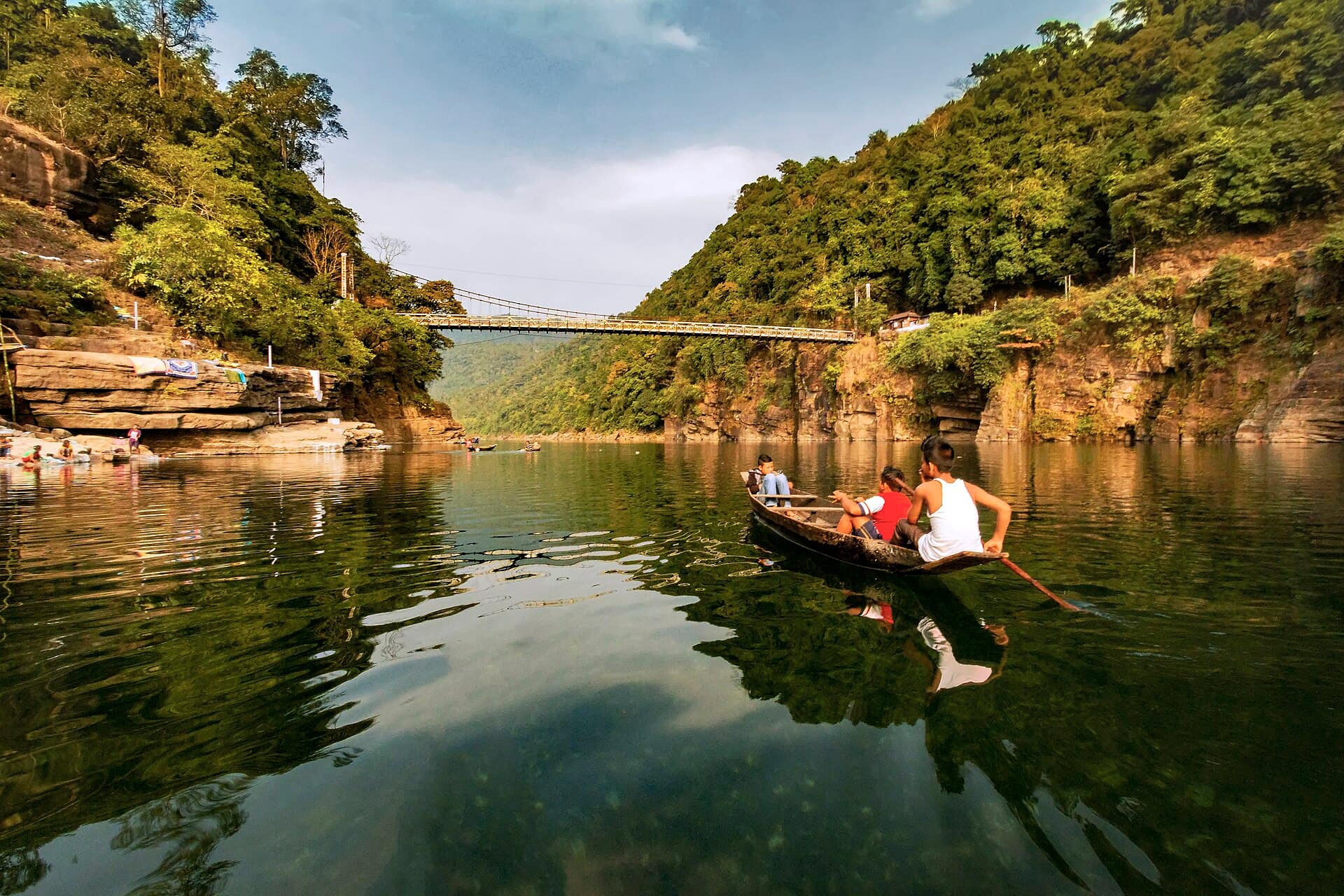
Photo spot in Dawki
Tamabil–Dawki Border
Dawki, Meghalaya
The India–Bangladesh land border and trade crossing at Tamabil near Dawki, with a gate and 'zero point' where visitors can see across into Bangladesh's plains.
Best time
Morning, when the plains below are clearest and the truck queues are shorter; late afternoon for softer light across Bangladesh.
Best angle
Stand on the Indian side where the guards allow and take a wide photo looking south over the flat plains, keeping posts and people in uniform out of the frame.
Entry fee
Free
Opening hours
Daylight hours
Crowd level
Medium
Best outfit colors
Overview
Best time to visit Tamabil–Dawki Border
Morning, when the plains below are clearest and the truck queues are shorter; late afternoon for softer light across Bangladesh. Crowds here are typically medium. Arrive a little early to claim your angle and catch the softest light before the day tips over.
Poses & angles
Photo tips for Tamabil–Dawki Border
Stand on the Indian side where the guards allow and take a wide photo looking south over the flat plains, keeping posts and people in uniform out of the frame. Work a few of the pose ideas below, shoot wide for context and tight for detail, and give yourself a couple of extra minutes to get the frame right.
At the border gate
At zero point
Outfit guide
What to wear at Tamabil–Dawki Border
For photos at Tamabil–Dawki Border, cream, teal and rust work beautifully — they stand out against the setting without fighting it. Pick one hero colour and keep the rest of the look calm so you stay the subject of the frame.
Best outfit colors for photos
Trending wear for this spot
Popular modern looks travellers are wearing across Dawki.
Traditional wear for this spot
Timeless, cultural outfits worn across Dawki.
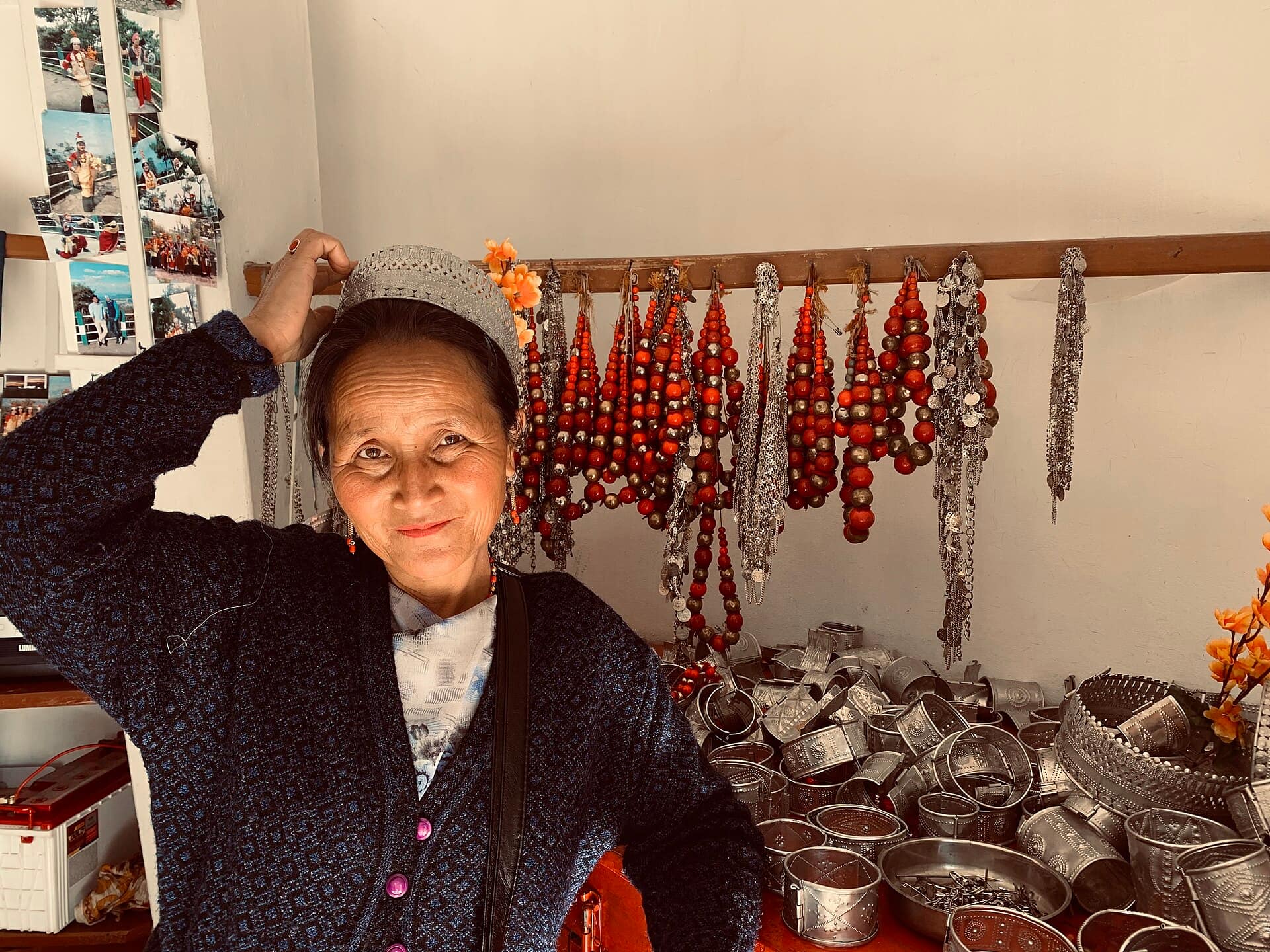
Eat nearby
Food near Tamabil–Dawki Border
Round out the visit with something to eat. Look for red tea & pukhlein nearby, or settle in at one of the 1 restaurants close by.
Special dishes to try
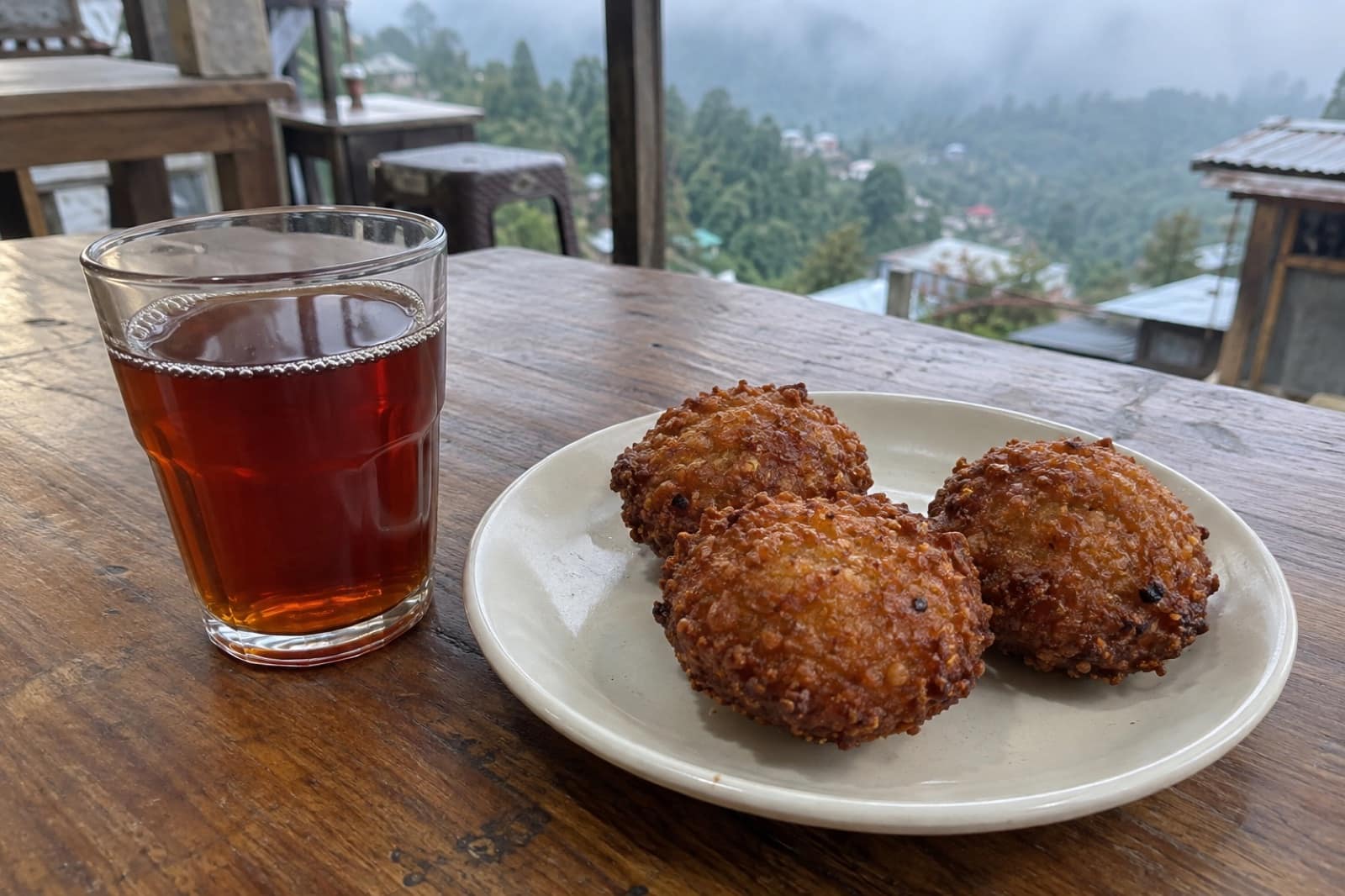
Restaurants & food places nearby
Search food by craving
Good to know
Local tips
Carry a government photo ID, and a passport if you are not an Indian national.
Ask a BSF guard before photographing anything other than the open view.
Go in the morning, before the truck queues on the approach road are at their longest.
Walk the last stretch if traffic is jammed; it is often quicker than sitting in the queue.
Do not step over the zero line or pass anything to people on the other side.
Keep drones packed away, as flying near the border is restricted.
Check current visa and land-port rules with the Bangladesh mission well before you plan a crossing.
Where two countries meet
Dawki is the Indian side of one of the few road crossings between Meghalaya and Bangladesh. Tamabil, in Bangladesh's Sylhet district, is the town on the other side. It began as a border crossing point in 1971 and opened as a full land port in 2017. It is a busy trade route, and long lines of trucks carrying coal and stone wait on the Indian side. Just past the hills, the land drops to the flat, green plains of Bangladesh. Few places show the change so suddenly.
What visitors can do
You can walk up to the border area and look across without a special permit. Border pillars mark the line, and many people take a photo beside one. Across the river on the Bangladeshi side is Jaflong, known for its river stones and tea gardens. Carry photo ID, and foreign visitors should carry their passport. The Border Security Force (BSF) guards the Indian side, and their instructions are final.
Photographs
The view is usually fine to photograph. Do not photograph guards, posts, vehicles or the checkpoint without asking. If you are told to put the camera away, do so. Do not step past the line or hand anything across it.
Crossing into Bangladesh
The crossing is an immigration point, not a tourist gate. You need a passport, a valid Bangladeshi visa, and time for immigration on both sides. It is usually open only in daytime office hours. Visa availability and land-port rules have changed in recent years, so check the current position with the Bangladesh mission and at the post before you plan a crossing.
Getting here
The border is a short drive past the Dawki bridge. Expect to crawl behind trucks at busy times. Combine it with a boat on the Umngot.
Questions
Tamabil–Dawki Border — FAQ
What is the best time to visit Tamabil–Dawki Border?
Morning, when the plains below are clearest and the truck queues are shorter; late afternoon for softer light across Bangladesh. Stand on the Indian side where the guards allow and take a wide photo looking south over the flat plains, keeping posts and people in uniform out of the frame.
Is there an entry fee at Tamabil–Dawki Border?
Entry to Tamabil–Dawki Border is free.
What are the opening hours of Tamabil–Dawki Border?
Tamabil–Dawki Border keeps daylight hours.
What should I wear at Tamabil–Dawki Border?
Cream, teal and rust photograph especially well here. Explore the trending and traditional outfit ideas on this page for full looks.
How crowded does Tamabil–Dawki Border get?
Crowd levels are typically medium. To miss the busiest window: morning, when the plains below are clearest and the truck queues are shorter; late afternoon for softer light across Bangladesh.
What food should I try near Tamabil–Dawki Border?
Try red tea & pukhlein, available at nearby restaurants.
Do I need a permit to visit the Dawki border?
No special permit is needed to visit the Indian side of the border area. Carry ID, and follow the BSF's instructions.
Can tourists cross into Bangladesh at Dawki?
Only as a proper international crossing, with a passport and a valid Bangladeshi visa, through immigration during office hours. Rules change, so check before you go.
Can I take photos at the border?
Photos of the view are usually fine. Do not photograph guards, posts or the checkpoint without permission, and stop if you are asked to.
What is Jaflong?
A tourist area on the Bangladeshi side, in Sylhet district, known for river stones, tea gardens and the Piyain river. It is visible from the border but cannot be visited without crossing.