
What to Wear in Deoghar
In Deoghar you dress for the temple and the queue. Cover up, choose shoes you can slip off fast, and plan for standing a long time.
Trending wear
Modern, Instagram-friendly looks
Traditional wear
Local cultural outfits
For Baidyanath Dham
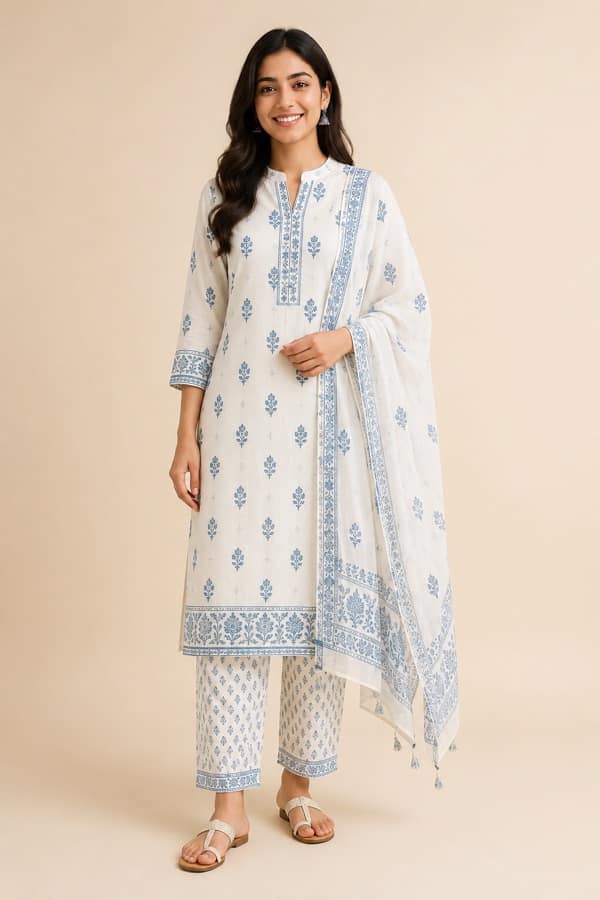
Modest dress is expected: shoulders and knees covered, nothing tight or see-through. Many men wear a dhoti or kurta-pyjama; women wear sarees or salwar suits. Western clothes are fine if they are modest. Shoes and leather items are left outside, so wear sandals you can take off and put on without bending over in a crowd. Floors are stone and can be wet from offerings, so choose clothes that you can hitch up slightly without fuss.
If you come in Shravan
The Shravani Mela falls in the monsoon. Expect heat, humidity and rain in the same day. Light, quick-drying cotton works best. Kanwariyas wear saffron, and you will see saffron everywhere, but visitors are not expected to wear it. A small towel, a light rain poncho and a change of clothes in a bag help if you are queuing for hours. Keep valuables to a minimum — phones are not allowed inside anyway.
Winter
From December to February, early mornings are chilly, and the temple queue often starts before dawn. A shawl over a kurta is the local way to stay warm. For Trikut and Tapovan, a light jacket and closed shoes are useful.
Summer
April to June is hot. Wear loose, light cotton, carry a cap and sunglasses, and plan outdoor visits for early morning. Stone floors get very hot by midday — go barefoot on them only when you must.
For the hills
Trikut and Tapovan mean rocky steps and dust. Wear trainers or sturdy sandals with grip rather than temple chappals. Keep sunglasses and phones secured; monkeys grab loose items.
What to buy
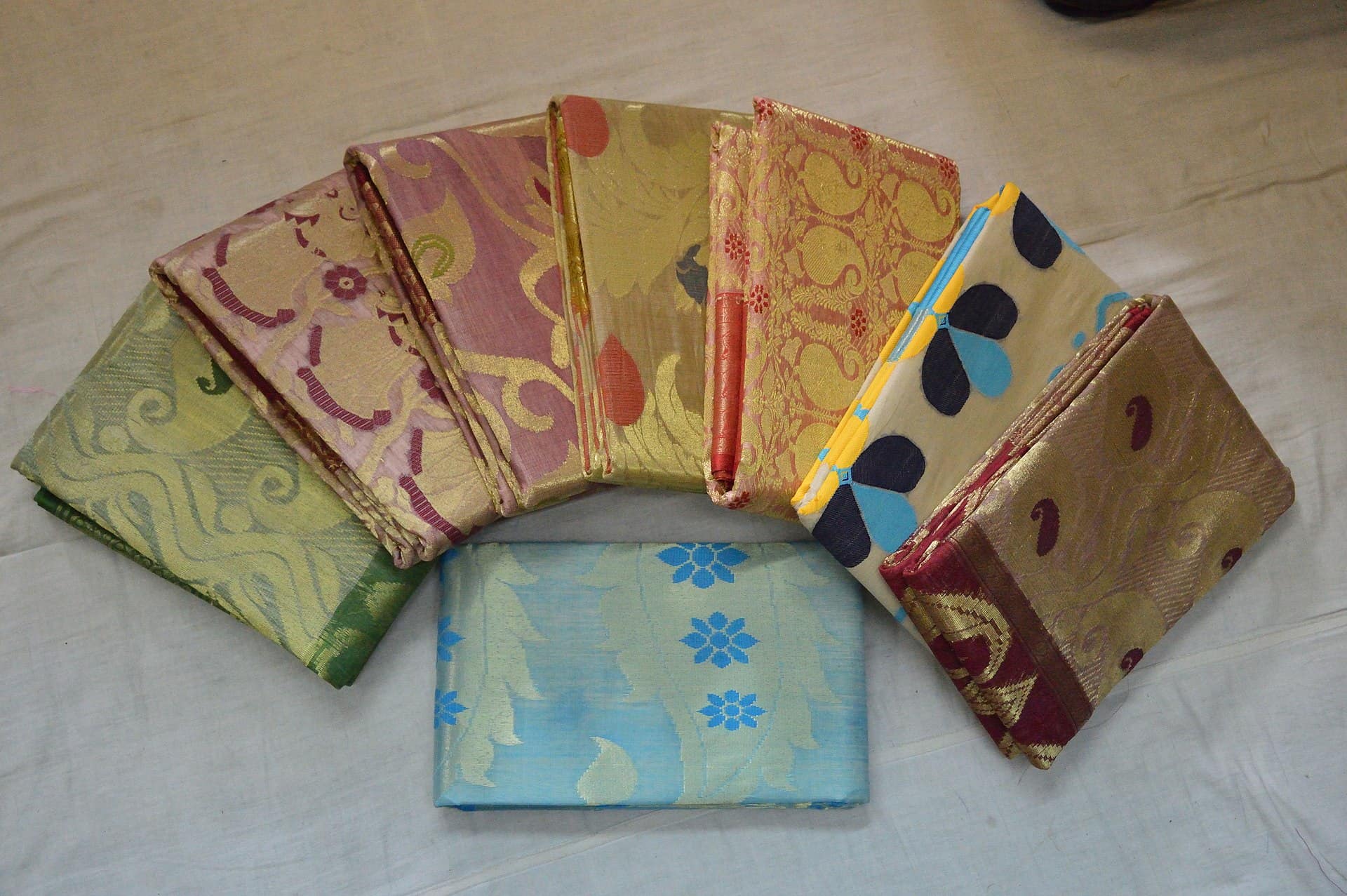
The region is known for tussar silk, woven from wild silk cocoons and valued for its natural gold-brown colour. Rudraksha malas, sold on every temple lane, are the classic Deoghar purchase. Buy from established shops and check for plastic fakes.
Questions
Deoghar — FAQ
Is there a dress code at Baidyanath temple?
There is no strict uniform, but modest dress covering shoulders and knees is expected. Traditional clothes such as a dhoti, kurta, saree or salwar suit are common and suit the setting.
Do I need to wear saffron in Deoghar?
No. Saffron is worn by kanwariyas on their pilgrimage. Visitors can wear any modest clothing.
What footwear is best for Deoghar?
Slip-on sandals for the temples, where shoes come off, and trainers or grippy sandals for the rocky paths at Trikut and Tapovan.