
 Medium spice
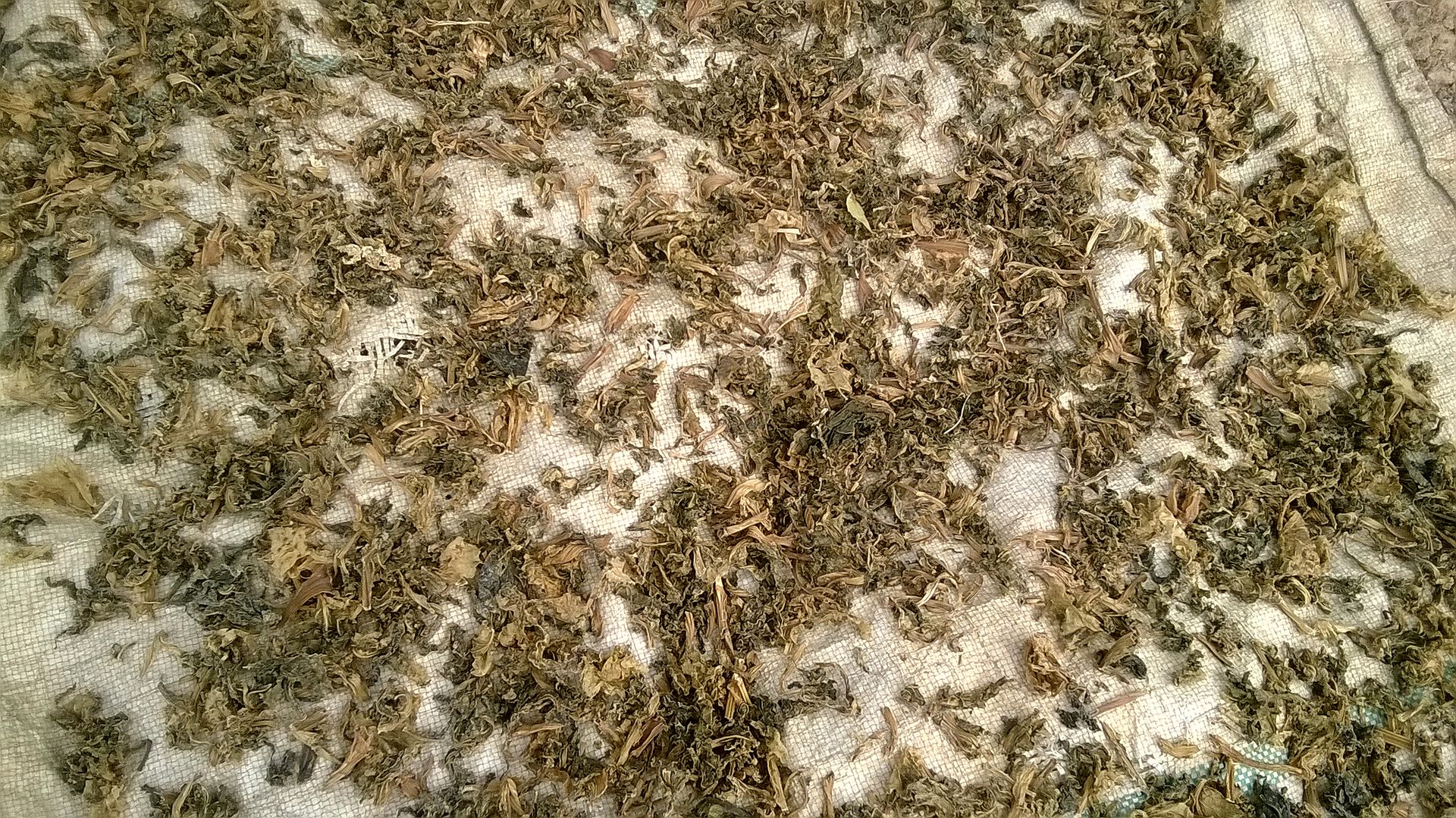
Gundruk-Sinki Soup
VegA tangy soup of fermented leafy greens (gundruk) — a signature Nepali-Sikkimese comfort dish, eaten with rice.
₹60–150
Best around: Development Area
Eat in Gangtok
Search Gangtok dishes by craving — gundruk-sinki soup, momos, phagshapa and more.
Gangtok eats from three kitchens at once: Tibetan noodles and dumplings, Nepali home food built on fermented greens, and Bhutia dishes of pork and radish. Most of it is warming, simple food made for cold, wet hills.
Popular cravings
Diet
Best for
5 Gangtok dishes found
Medium spiceA tangy soup of fermented leafy greens (gundruk) — a signature Nepali-Sikkimese comfort dish, eaten with rice.
₹60–150
Best around: Development Area
 Medium spice
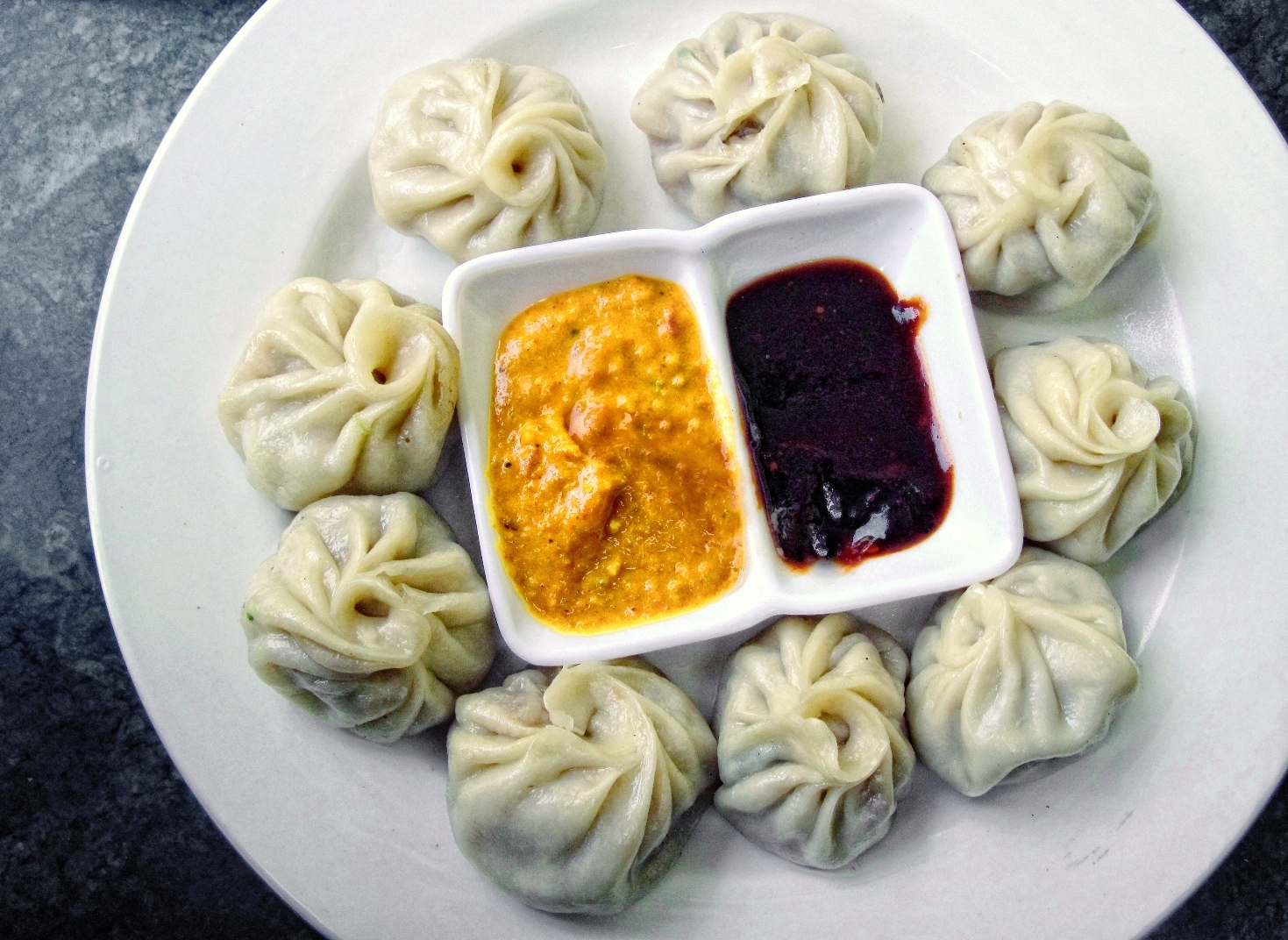
Steamed or pan-fried dumplings of veg, pork or chicken with a fiery dip — the hills' most-loved snack.
₹60–180
Best around: MG Marg
 Medium spice
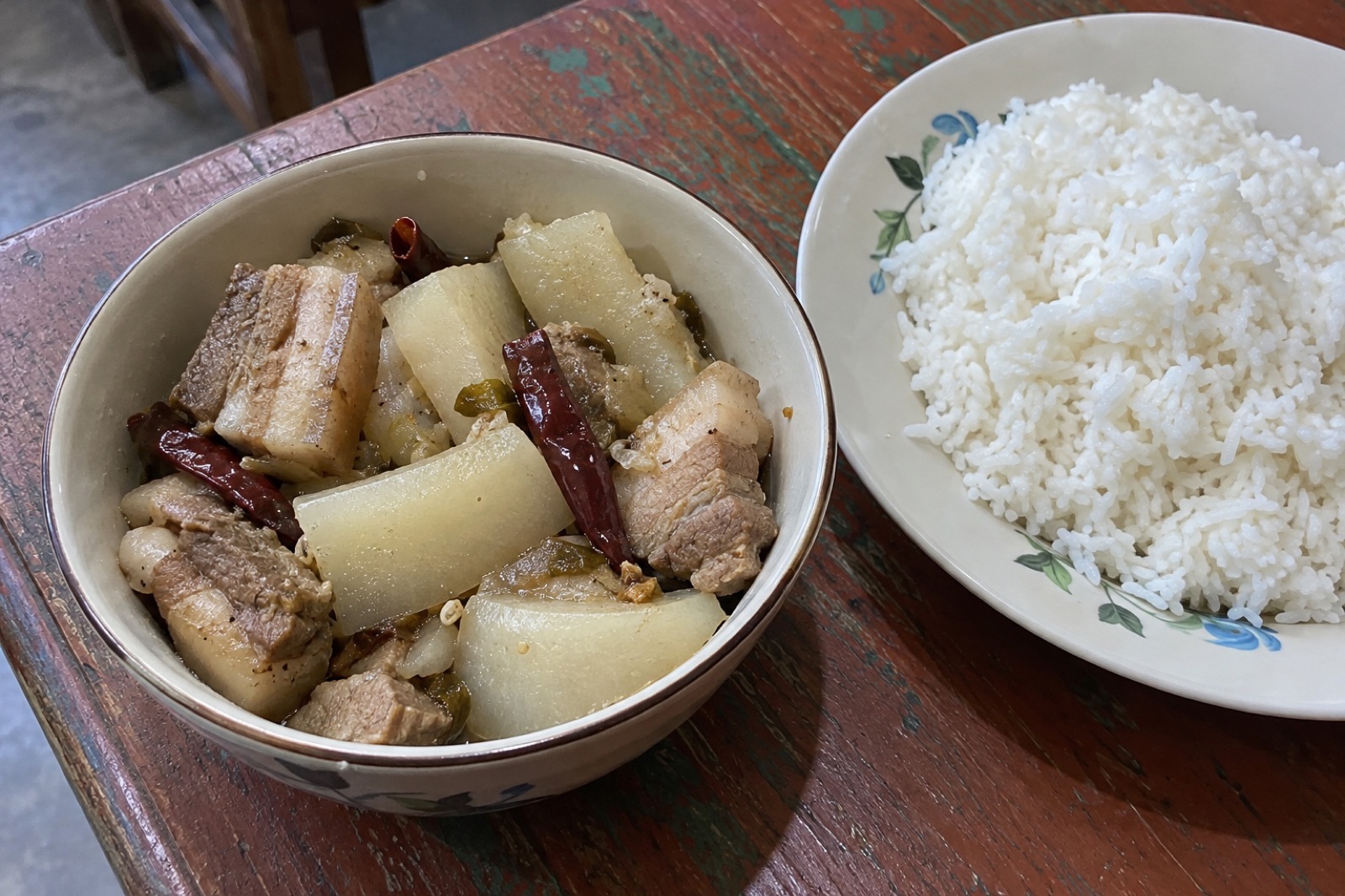
A Sikkimese dish of pork strips stewed with radish and dried chillies — hearty, homely Bhutia fare.
₹150–350
Best around: Development Area
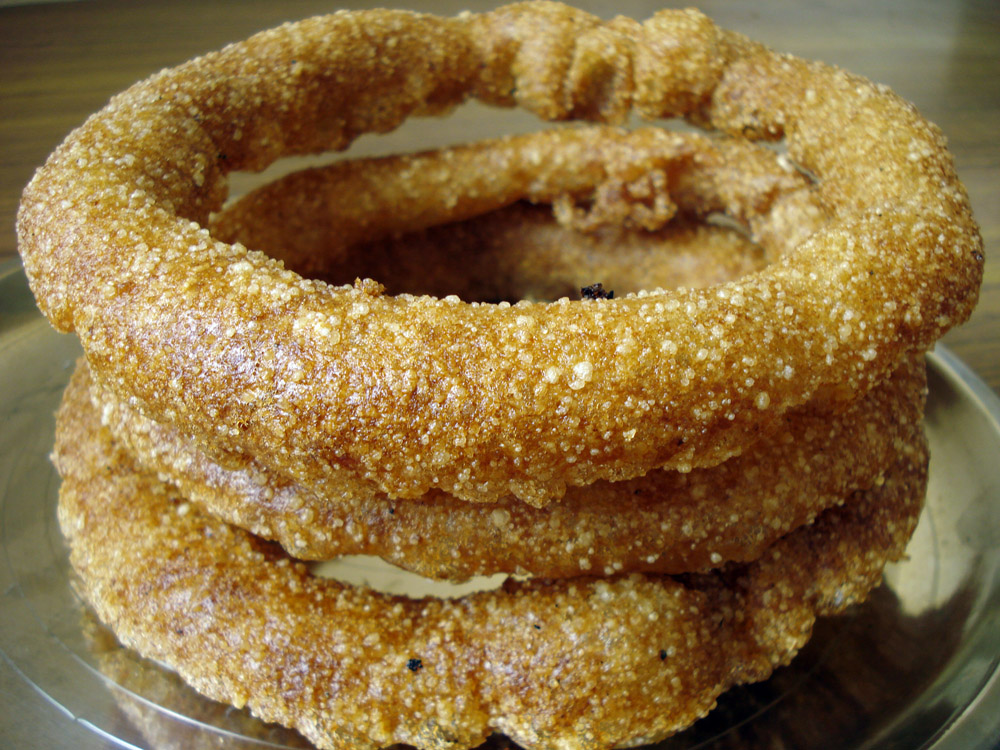
A ring-shaped, crisp-yet-soft fried rice bread — a festive Nepali sweet snack of the hills.
₹20–80
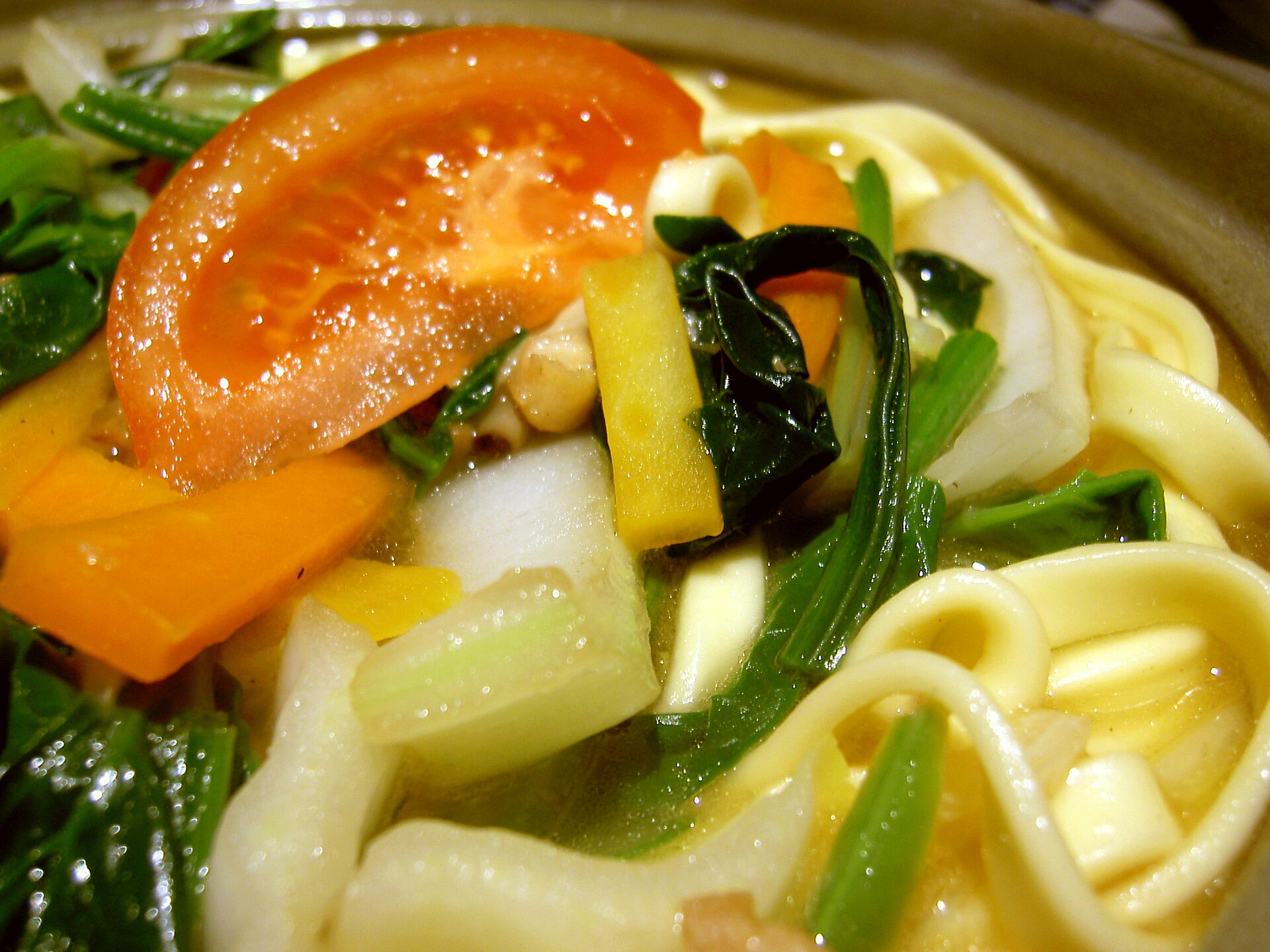 Medium spice
A hearty Himalayan noodle soup with vegetables and meat — comfort in a bowl against the cold.
₹80–200
Best around: MG Marg
Momos are everywhere in Gangtok, from MG Marg cafés to steamers on street corners. They come steamed or fried, filled with vegetables, chicken or pork, and served with a red chilli dip that can be very hot. Thukpa is a noodle soup with vegetables and often meat. It is the thing to eat after a cold morning at Tsomgo Lake. Both come in vegetarian versions almost everywhere, even when a menu lists the meat first.
Gundruk is leafy greens, usually mustard or radish leaves, that are fermented and then dried. Sinki is the same idea made from radish root. Both go into a sour, thin soup eaten with rice. It is Nepali home food, and it is the taste most visitors don't know before they arrive. Order it once with a plain meal of rice and dal.
Sel roti is a ring of rice batter, fried until crisp outside and soft inside, and lightly sweet. Families make it in large batches for Dashain and Tihar in October and November. At other times you find it at snack counters in the morning, often eaten with tea.
Phagshapa is a Bhutia dish of pork strips stewed with radish and dried chillies, with little or no oil. It is plain, filling home food, and few places outside Sikkim make it. Nimtho is the place in the list that cooks it, along with a full Sikkimese spread.
Sikkim declared its farming fully organic in 2016. In practice, that means local vegetables, greens and rice from the hills rather than trucked-in produce, at least in the simpler places.
Eat early. Many kitchens close by about 9 pm. Carry a refillable bottle, as Sikkim bans polythene bags and some villages on the road north turn away disposable plastic bottles. The restaurant list shows which kitchen is known for which dish.
Questions
Yes. Veg momos, veg thukpa, gundruk soup, dal and rice, and sel roti are easy to find. Menus often list meat first, but a vegetarian version is almost always available.
Sinki is radish root that is fermented and then dried in the sun. Like gundruk, which uses leaves, it is cooked into a sour soup and eaten with rice.
The dishes themselves are usually mild. The heat is in the chilli dips and pickles served on the side, which can be fierce. Taste a little first.
Nimtho serves Sikkimese dishes such as phagshapa and gundruk soup, and a mixed platter of them. Homestays outside town often cook the same food on request.