
Sikkim · India
Gangtok
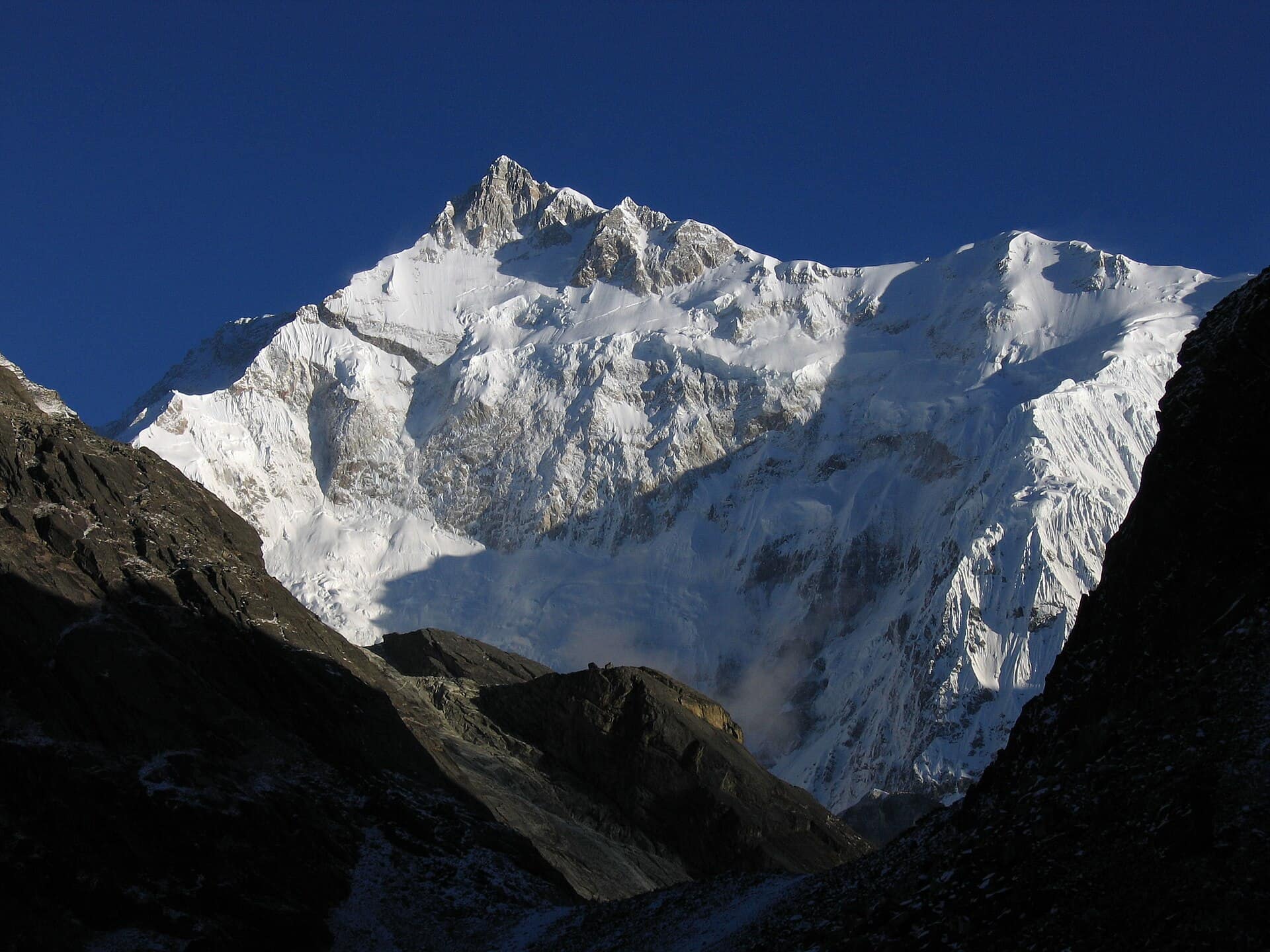
Sikkim's spotless hill capital — a ridge-top town of monasteries, prayer flags and cloud-wreathed Himalayan views toward Kanchenjunga.
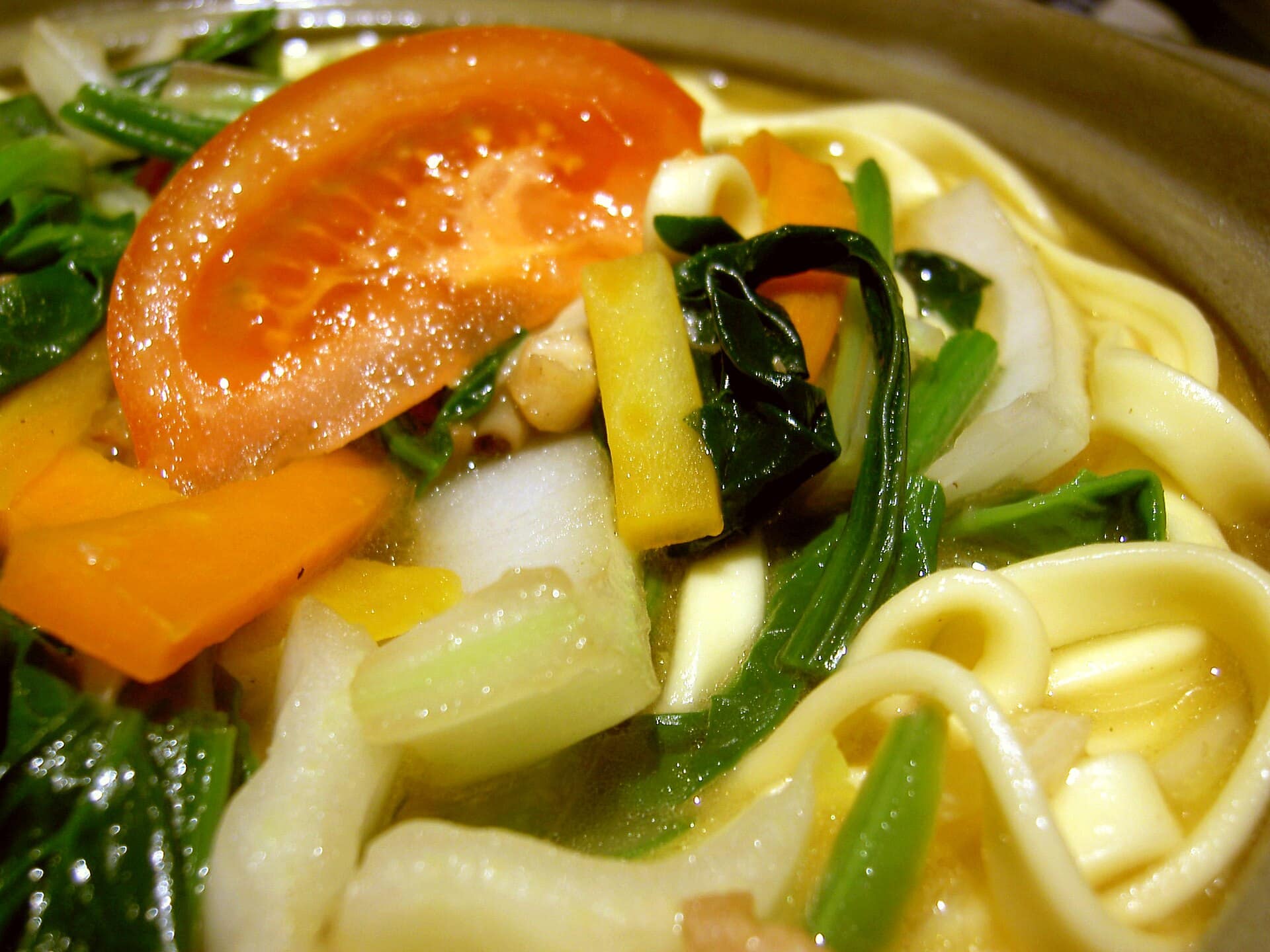
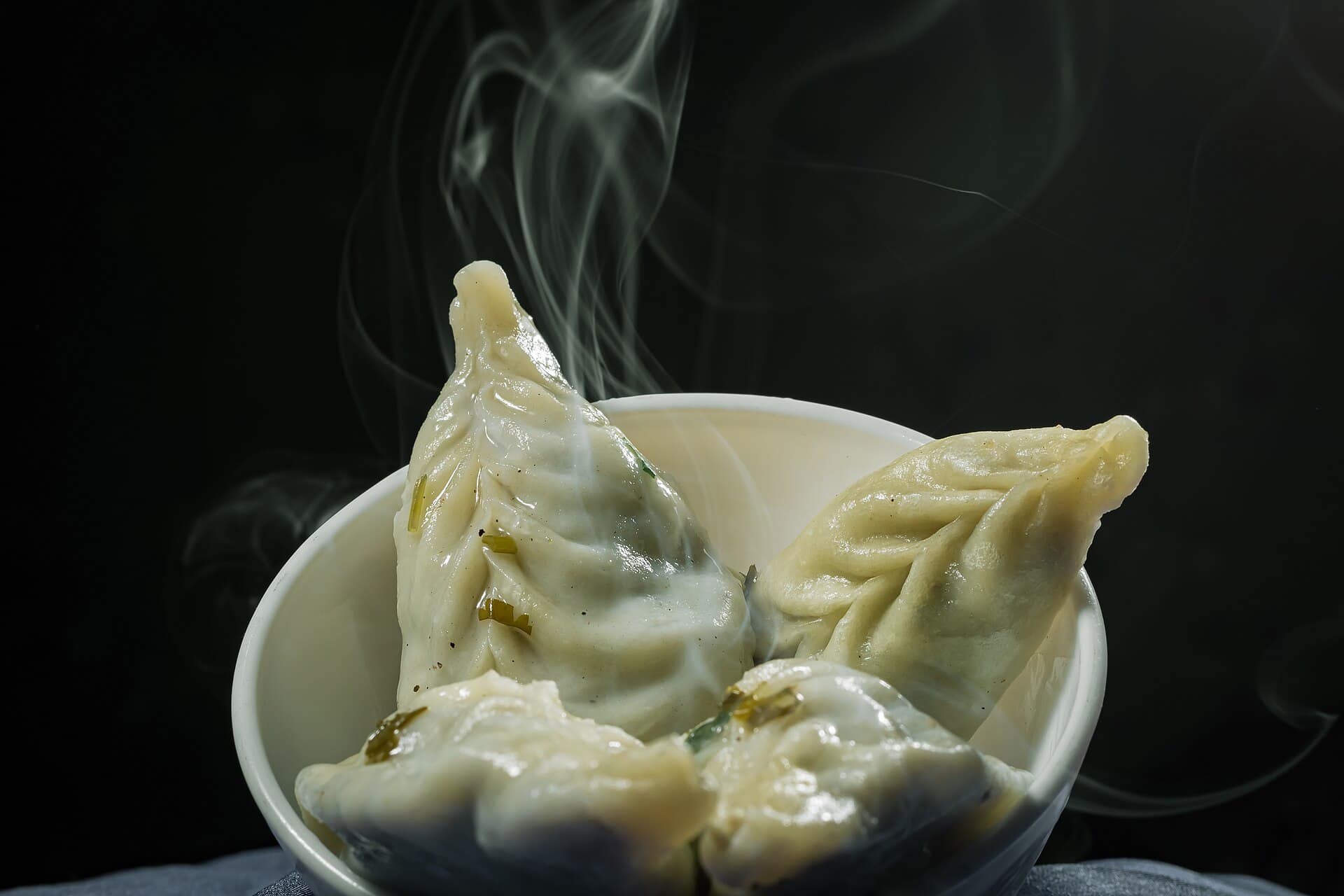
Gangtok blends Bhutia, Lepcha and Nepali cultures; expect Buddhist monasteries, the traditional bakhu, and a warming Himalayan cuisine of momos and thukpa.
Plan your trip
Gangtok Tour Itineraries
Timed, walkable day plans — plus the best season to go.
Where to shoot
Gangtok Photo Spots
 Low crowd
Entry Free
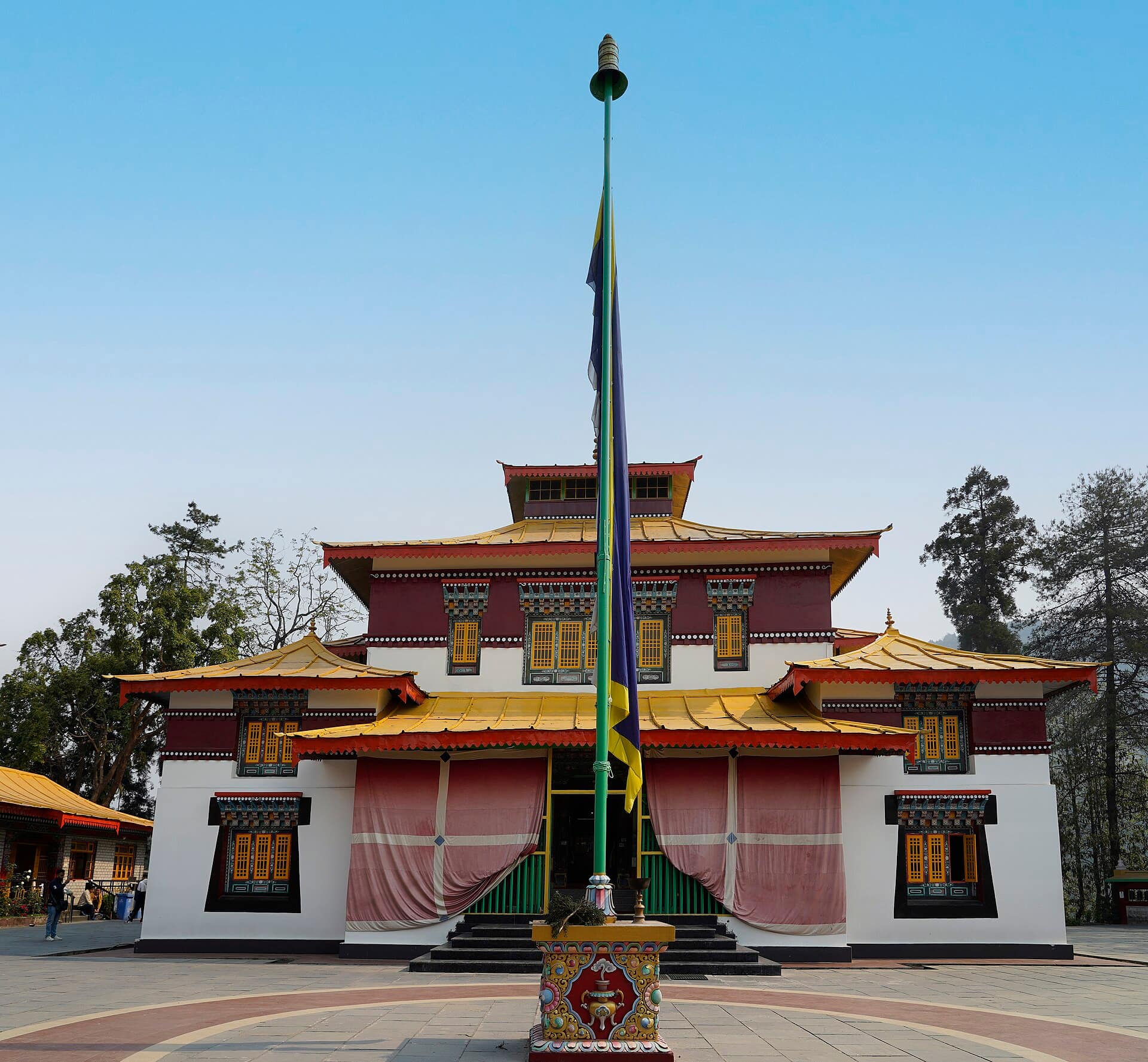
Enchey Monastery
- Best timeMorning, when light comes through the pines onto the painted front and the courtyard is quiet; on Cham days, the first hour of the dance.
- ColorsMaroonSaffronWhite
Entry Free
MG Marg
- Best timeEarly evening, when the street lamps come on and the shopfronts light up; early morning for an empty promenade and clean lines.
- ColorsRedCreamCharcoal
 Medium crowd
Entry Via permit
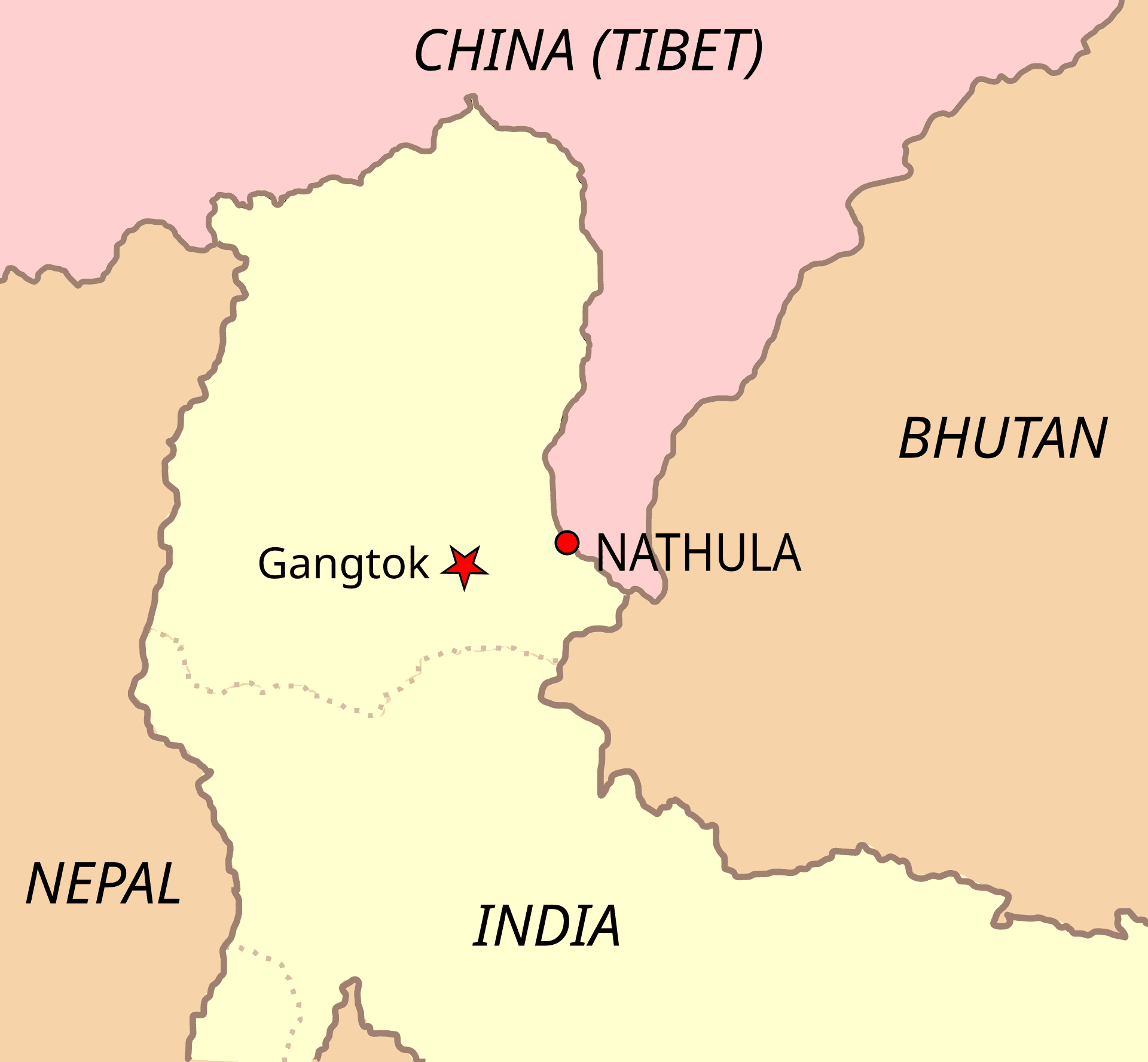
Nathula Pass
- Best timeEarly morning, when the sky over the pass is most often clear; avoid the afternoon, when cloud and wind usually close in.
- ColorsRedWhiteBlack
 Medium crowd
Entry ₹10
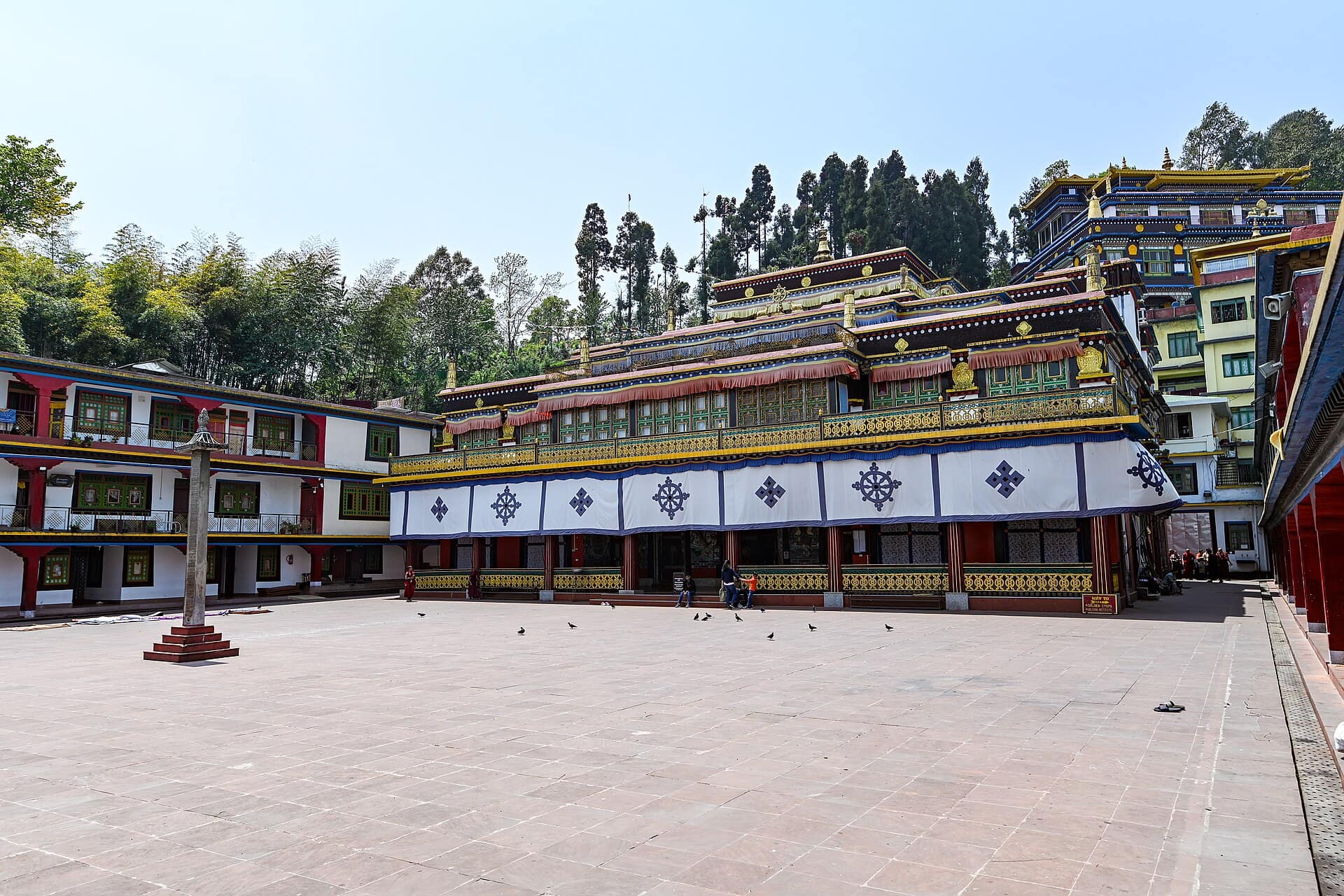
Rumtek Monastery
- Best timeMorning, when the sun lights the golden roofs and the courtyard is quiet; late afternoon for warm light across the valley.
- ColorsMaroonSaffronWhite
 Medium crowd
Entry Via permit + guide
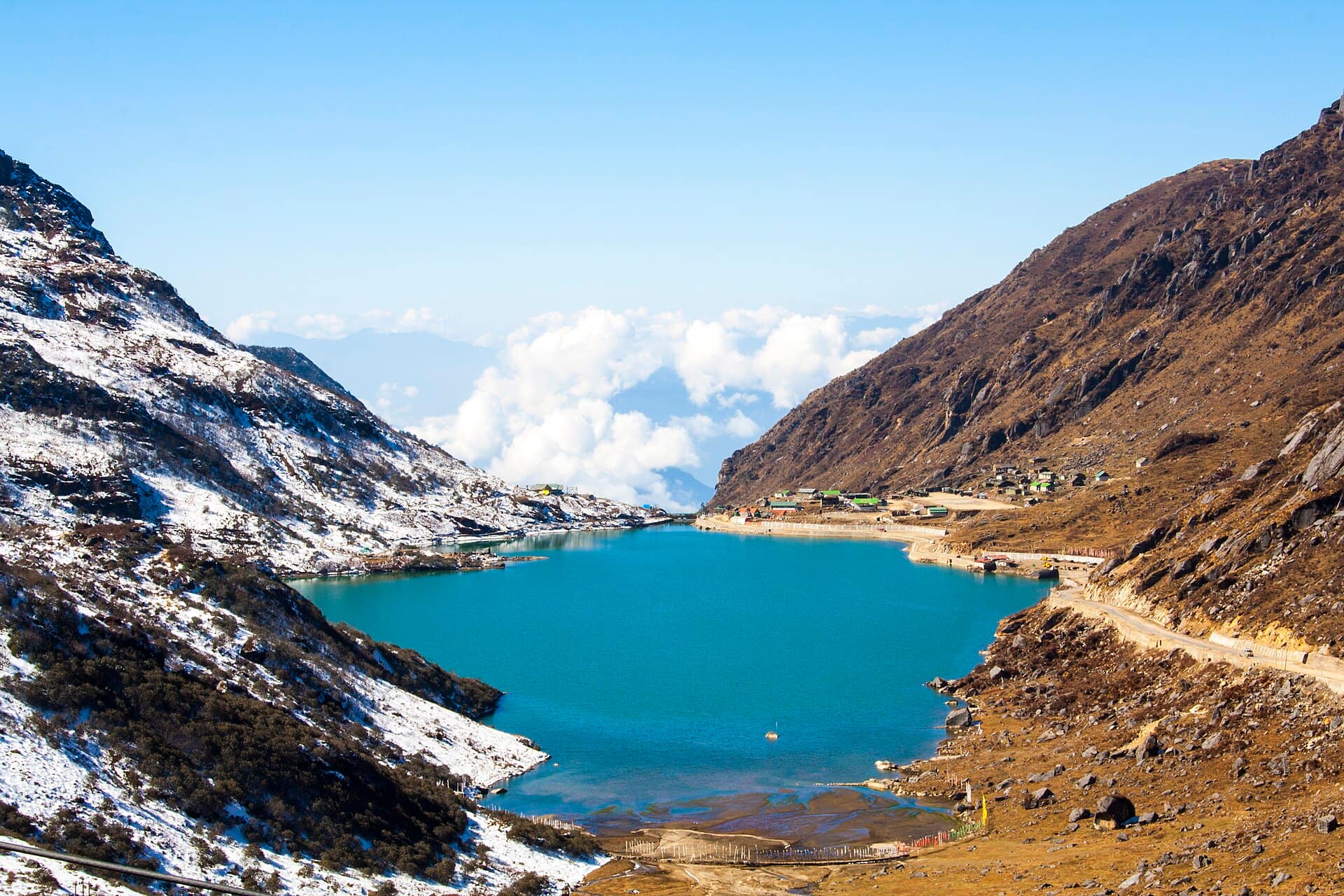
Tsomgo Lake
- Best timeMid-morning, once the sun clears the ridge and before the cloud rolls in; winter mornings for a frozen, snow-ringed lake.
- ColorsRedWhiteCharcoal
For the feed
Trending Wear in Gangtok
Modern, Instagram-friendly looks
Rooted in the city
Gangtok Traditional Wear
Local, cultural, handcrafted outfits
Taste the city
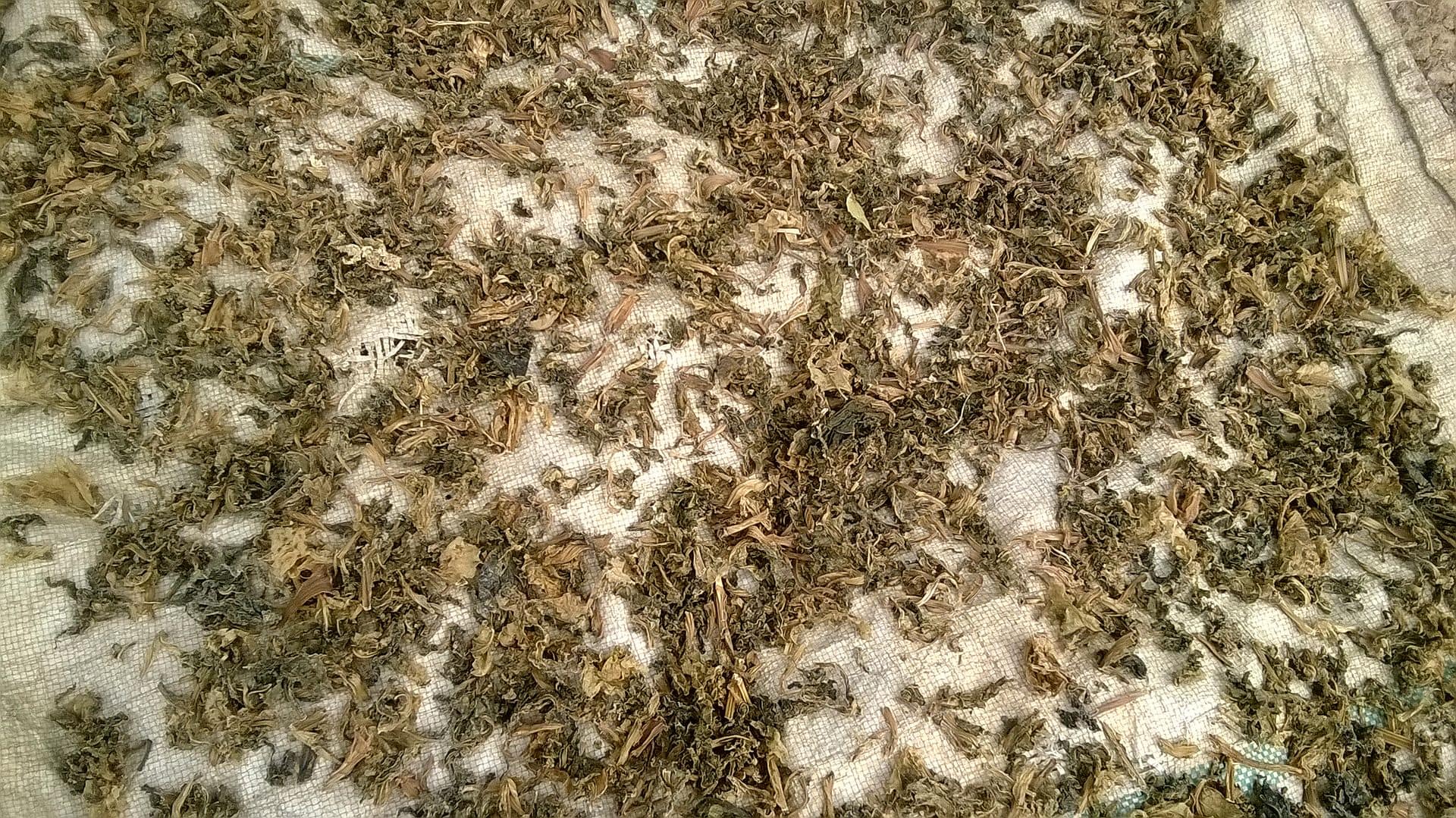
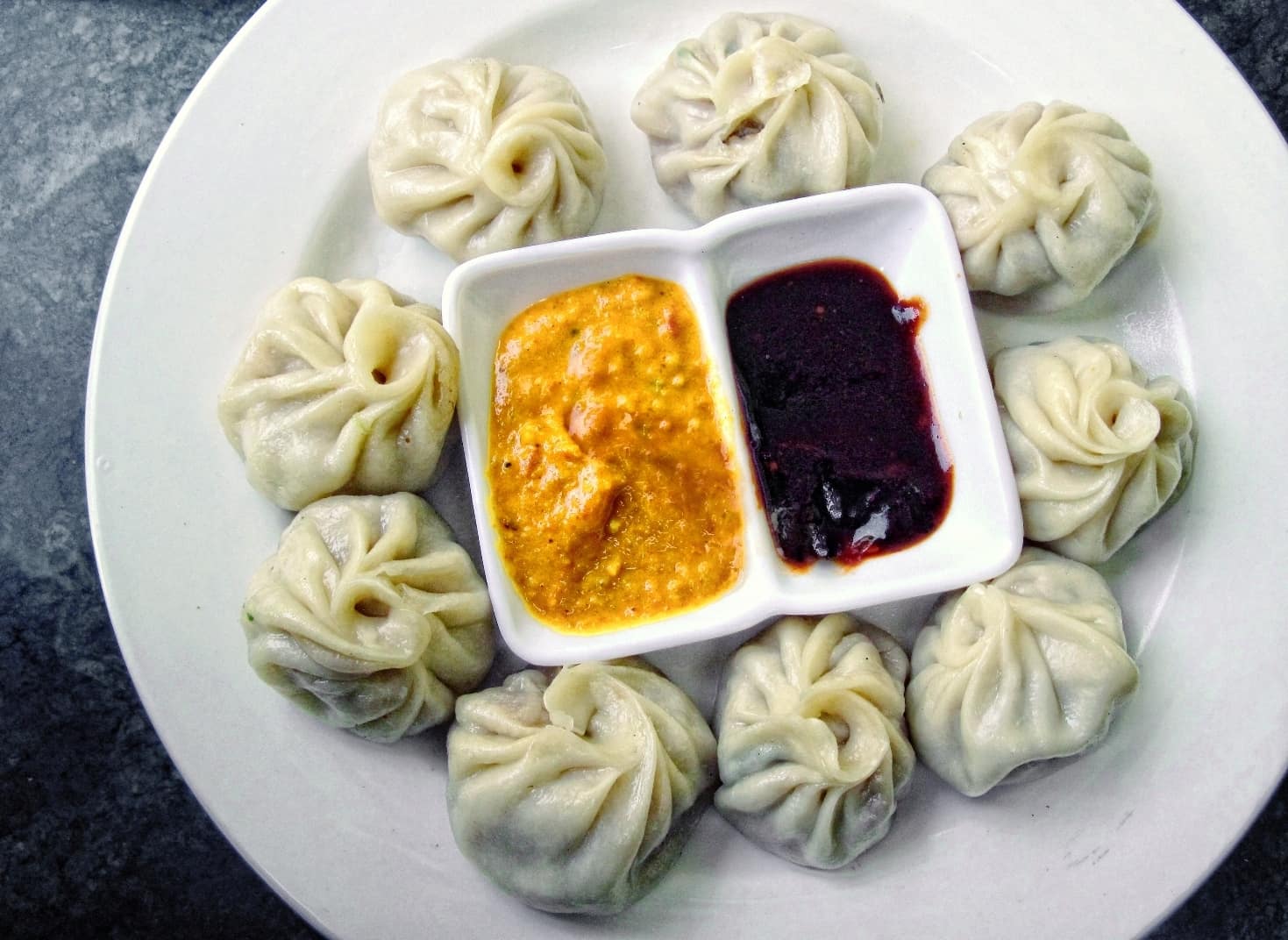
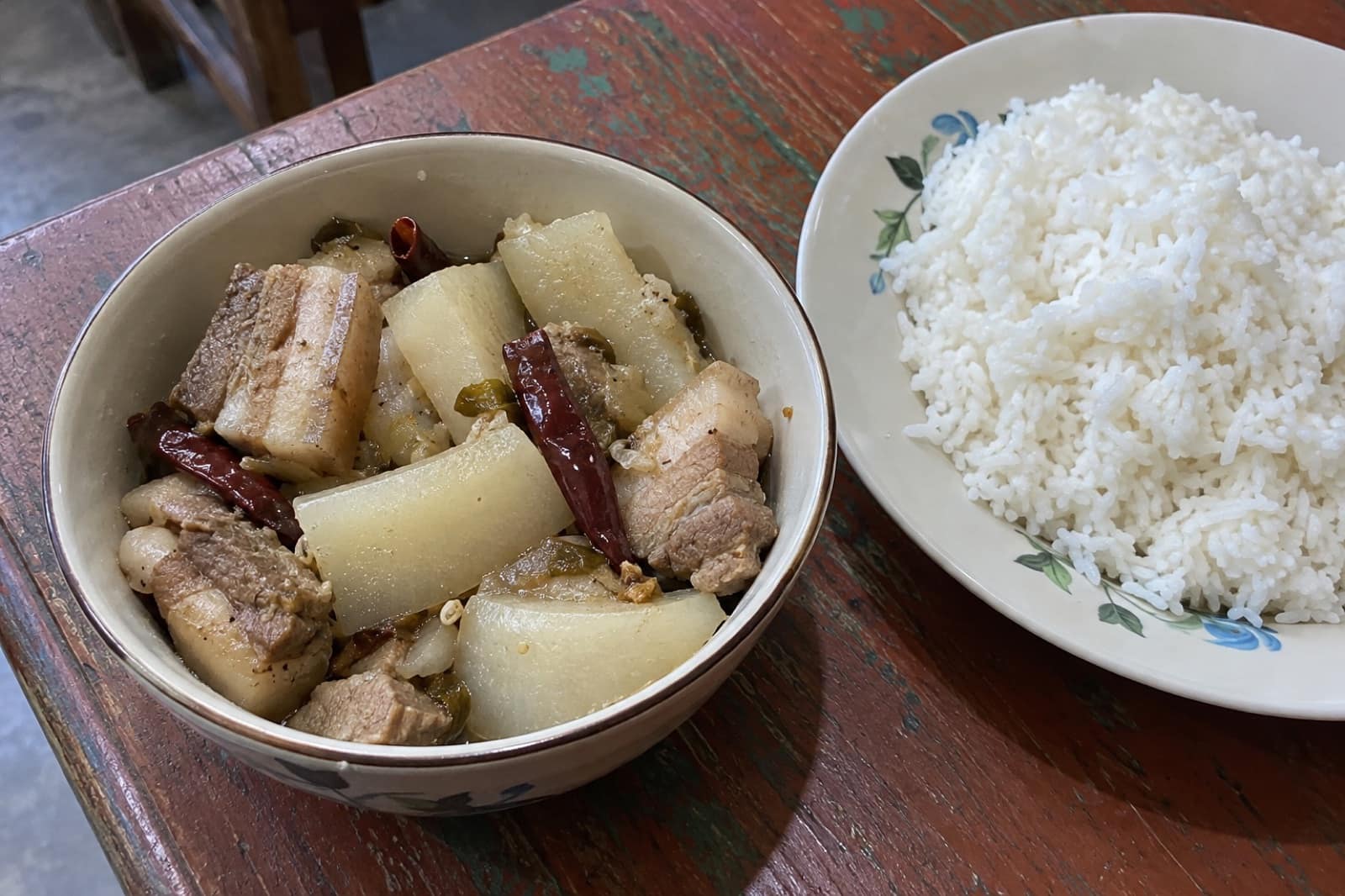
Food to Eat in Gangtok
Trusted tables
Where to Eat in Gangtok
A capital on a ridge
Gangtok sits at about 1,650 metres on the side of a ridge in East Sikkim. The name is usually read as "hill top". It was a small settlement until Enchey Monastery was founded above it in 1840, and in 1894 the Chogyal, Sikkim's king, moved his capital here from Tumlong. Sikkim became an Indian state in 1975, and Gangtok stayed its capital. Most people here speak Nepali, and Bhutia, Lepcha and Tibetan families add their own languages, festivals and kitchens.
Getting in
There is no railway. The nearest stations are New Jalpaiguri and Siliguri, and the usual airport is Bagdogra, all about 120 km away by NH10 along the Teesta. The drive usually takes four to five hours. Pakyong airport, about 35 km south, has had few and irregular flights, so check before you plan around it. From June to September, landslides close NH10 for days at a time. Leave a spare day before any flight home. Foreign nationals need a Restricted Area Permit to enter Sikkim at all. Indian nationals do not.
Around town
Town is steep, and taxis do most of the work. MG Marg is the flat, car-free centre, with Lal Market just below it. Enchey Monastery is about 3 km uphill. Do-drul Chorten, a white stupa ringed by 108 prayer wheels, stands above the Namgyal Institute of Tibetology. A short ropeway of about 1 km links the lower town with the upper ridge.
The high road east
The day trip most people come for climbs from 1,650 metres to more than 4,000 metres in one morning. Tsomgo Lake sits at about 3,750 metres, around 40 km out. Nathu La, the old trade pass into Tibet, is higher again, and only Indian nationals may go. Both need permits arranged through a registered Sikkim operator a day ahead. Across the valley, Rumtek Monastery is about 24 km away and needs a photo ID at the gate.
Eating
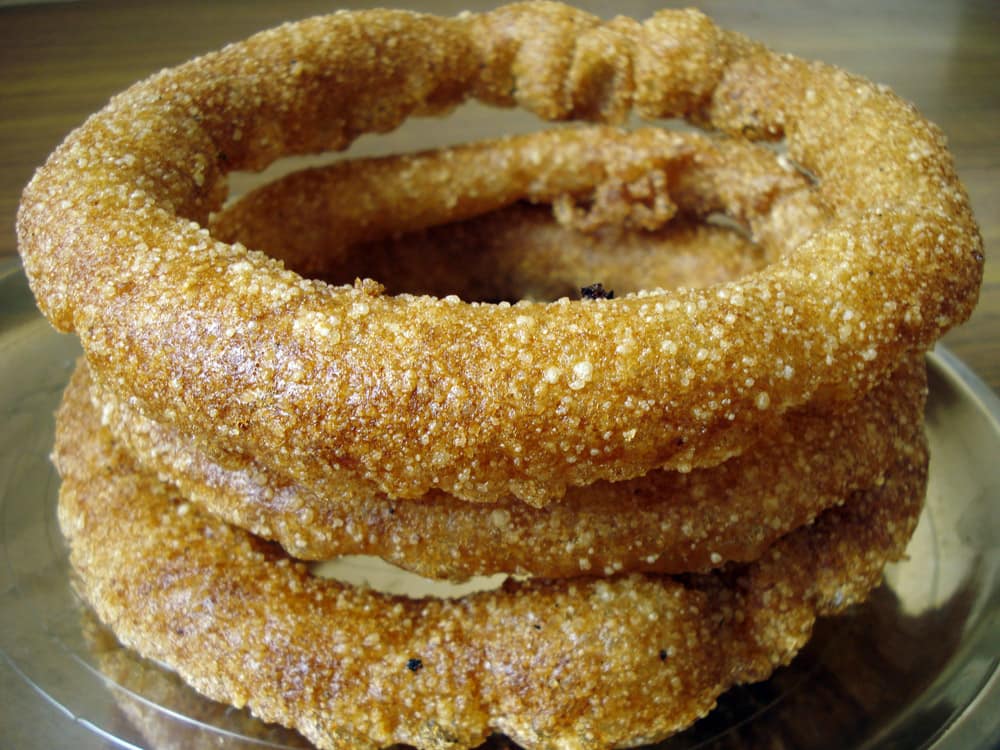
The food is Tibetan, Nepali and Bhutia: momos, thukpa, gundruk soup, sel roti and pork phagshapa. See the food guide and the restaurant list.
When to come
October to December brings the clearest views of Kanchenjunga. March to May is mild, with rhododendrons on the high road. June to September is very wet, and July is the wettest month. Snow in town is rare. The best time to visit page goes season by season.
Questions
Gangtok — FAQ
Do Indian travellers need a permit for Gangtok?
Not for Gangtok itself. You do need permits for Tsomgo Lake, Nathu La and North Sikkim. Registered Sikkim operators arrange these, usually a day in advance, so bring photo ID and a few passport photos.
Can foreign nationals visit Gangtok?
Yes, with a Restricted Area Permit, which is needed to enter Sikkim. It is issued at Indian missions abroad, Sikkim Tourism offices and the Rangpo checkpost. Tsomgo Lake is open to foreigners as a group day trip through an operator, but Nathu La is not open to them.
How many days should I spend in Gangtok?
Three days is comfortable. Use one for MG Marg and the town monasteries, one for Tsomgo Lake and Nathu La, and one for Rumtek. In the monsoon, add a spare day in case the road down closes.
Is it safe to travel to Gangtok in the monsoon?
The town itself is fine, but getting there is the problem. Landslides often block NH10 from June to September, sometimes for several days. Check the road the day before you travel and don't book a same-day flight out.
Can you see Kanchenjunga from Gangtok?
Yes, on clear mornings, looking west across the valleys. The views are most reliable from October to December. Viewpoints on the upper ridge, such as Ganesh Tok and Tashi Viewpoint, give a wider view than town.