
 Mild
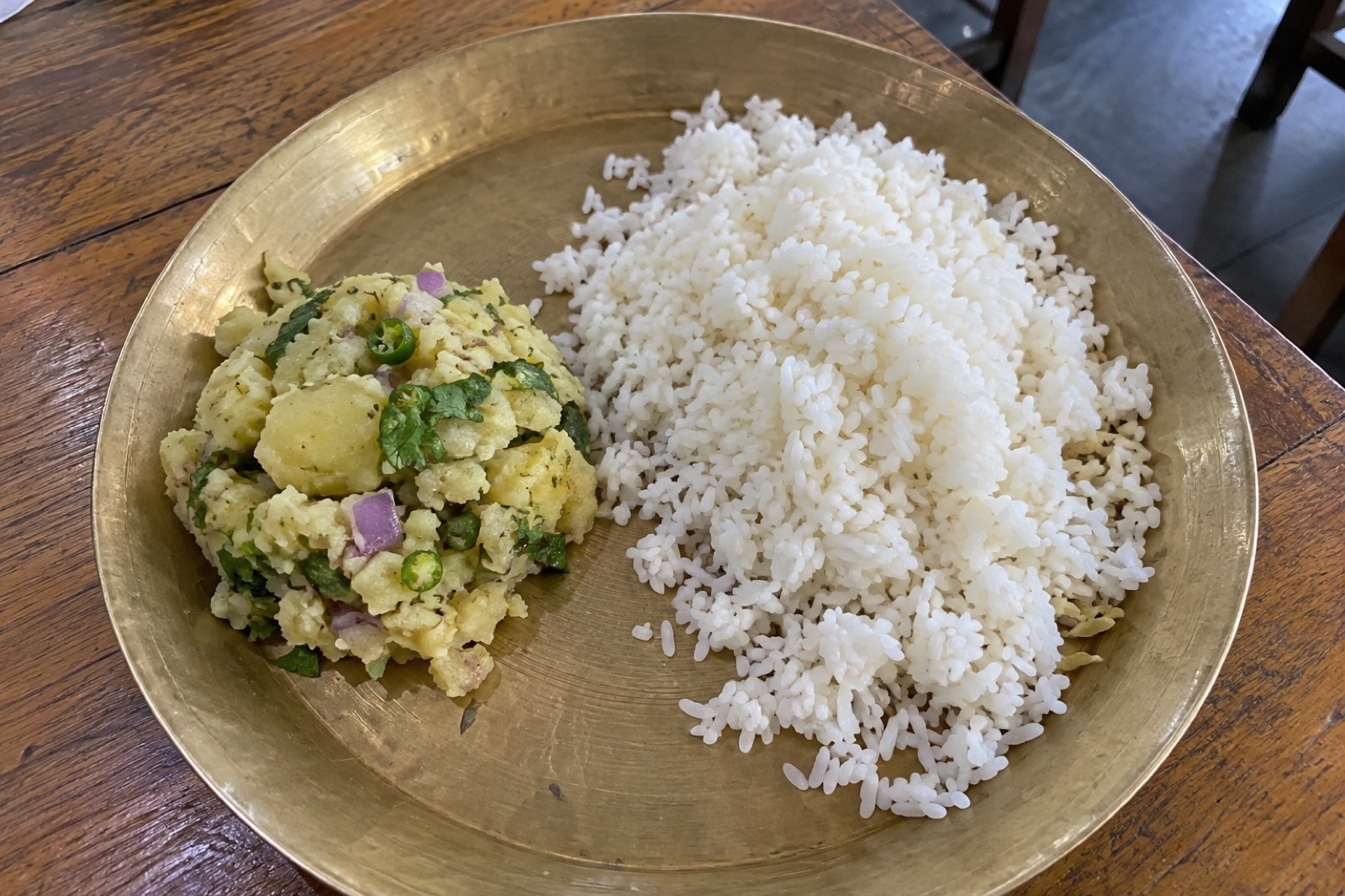
Aloo Pitika
VegMashed potato with mustard oil, onion, chilli and coriander — the humble, beloved staple of every Assamese plate.
₹40–120
Best around: Zoo Road and GS Road
Eat in Guwahati
Search Guwahati dishes by craving — aloo pitika, assamese thali, khar and more.
Assamese cooking is gentle on spice and heavy on sourness, mustard oil and fresh herbs. Guwahati is the easiest place in the state to try all of it in one sitting.
Popular cravings
Diet
Best for
5 Guwahati dishes found
MildMashed potato with mustard oil, onion, chilli and coriander — the humble, beloved staple of every Assamese plate.
₹40–120
Best around: Zoo Road and GS Road
 Mild
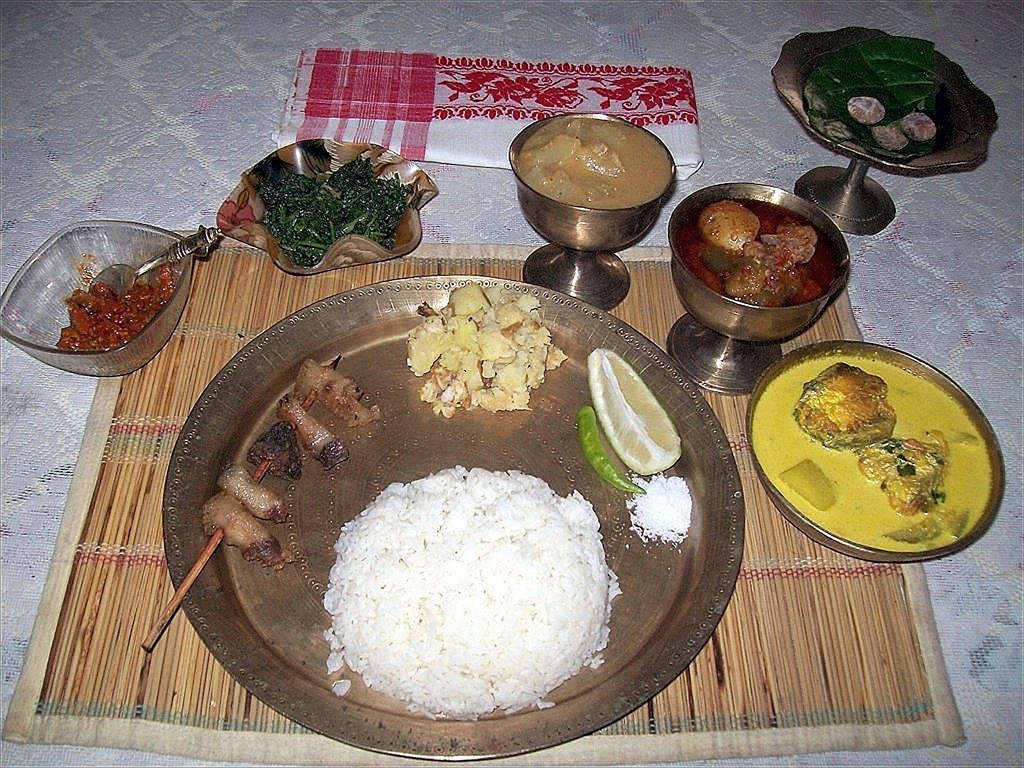
A traditional Assamese meal of rice, dal, khar, a tenga (sour) curry, bhaji and pickle — subtle, earthy and rice-forward.
₹150–400
Best around: Zoo Road and Silpukhuri
 Mild
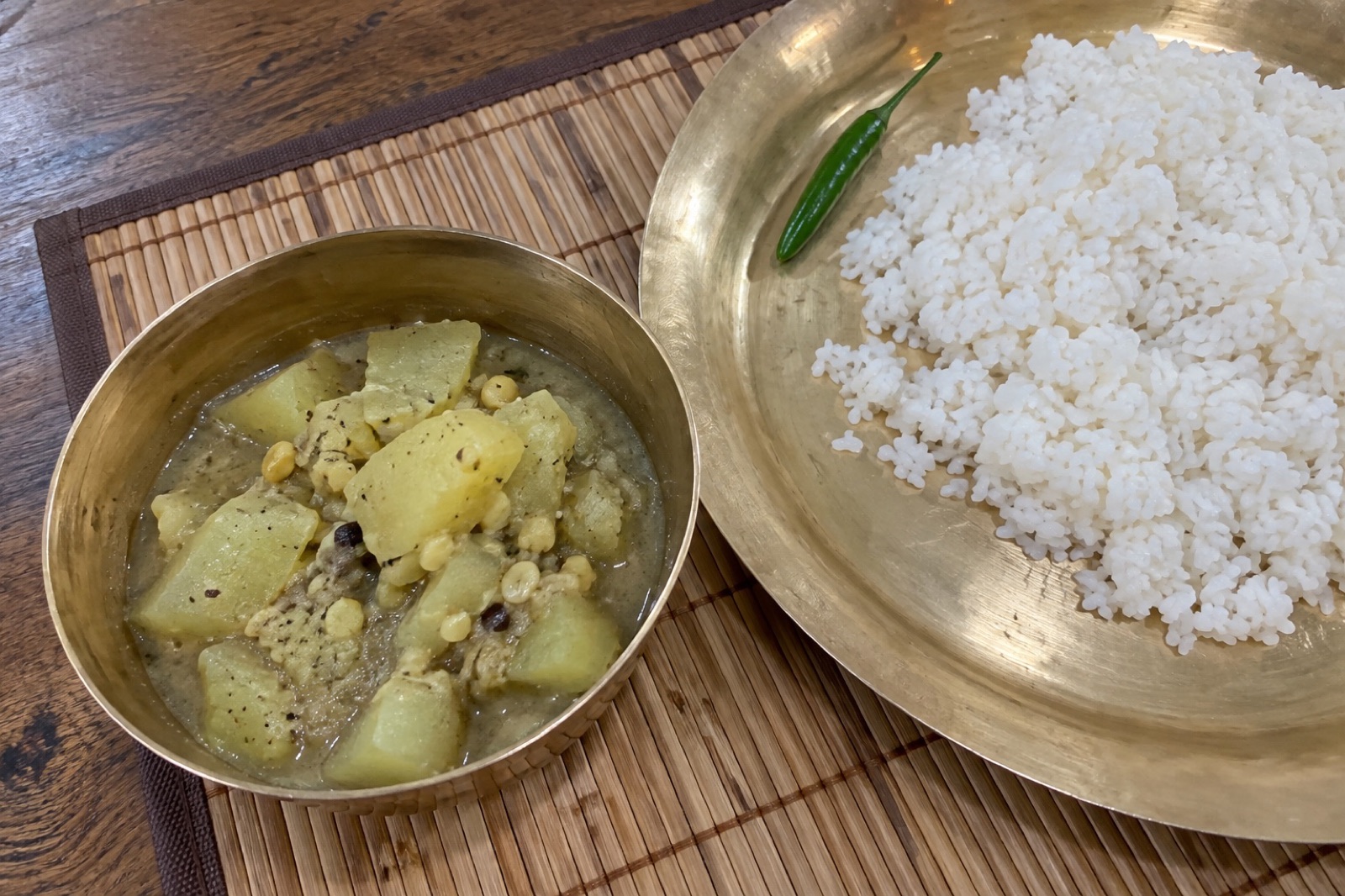
A traditional Assamese dish cooked with 'khar' (an alkaline extract), often with raw papaya or pulses — uniquely Assamese.
₹60–180
Best around: GS Road
 Mild
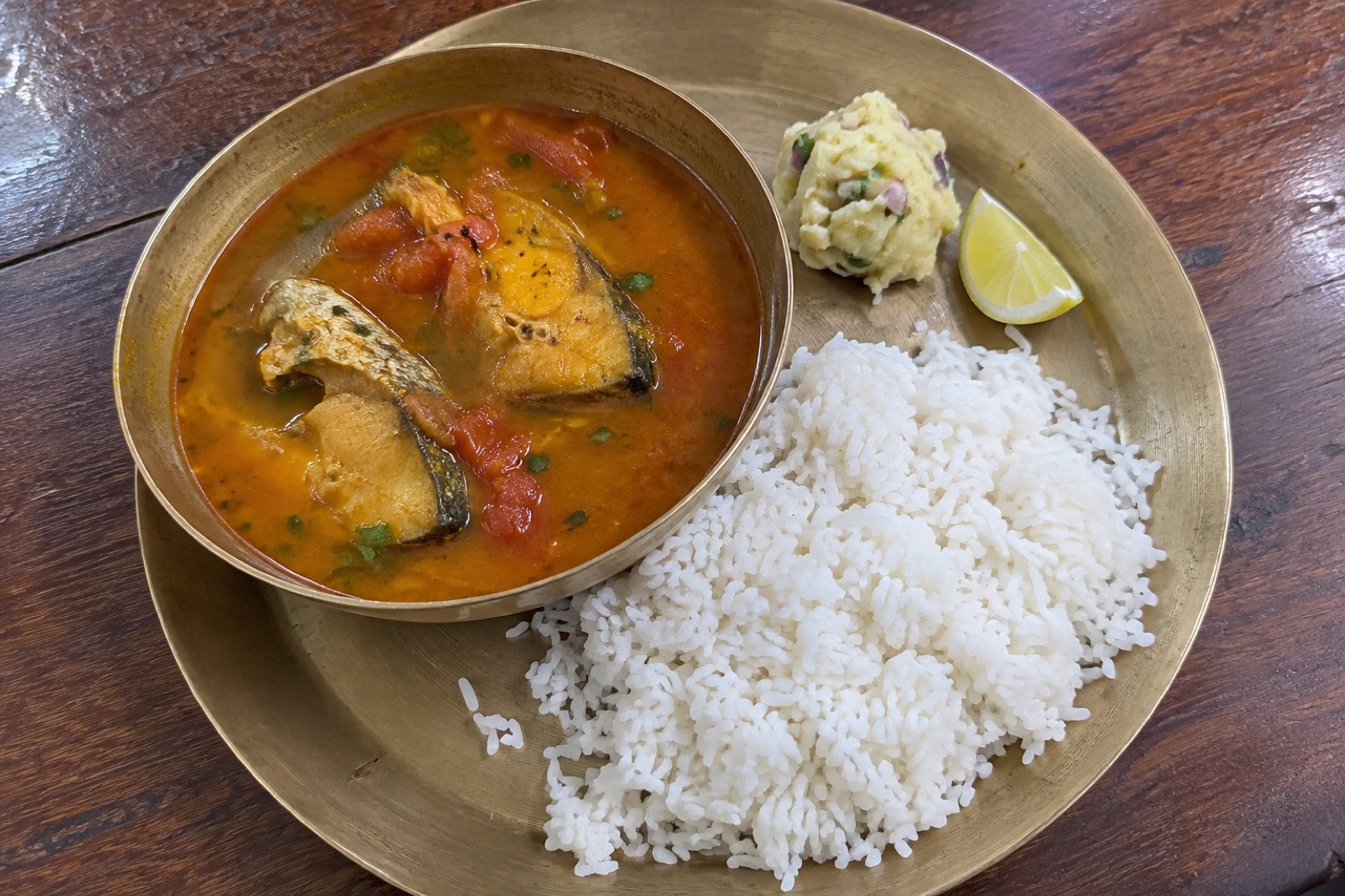
A light, tangy Assamese fish curry soured with tomato, lemon or elephant-apple — refreshing and rice-friendly.
₹180–400
Best around: Zoo Road and GS Road
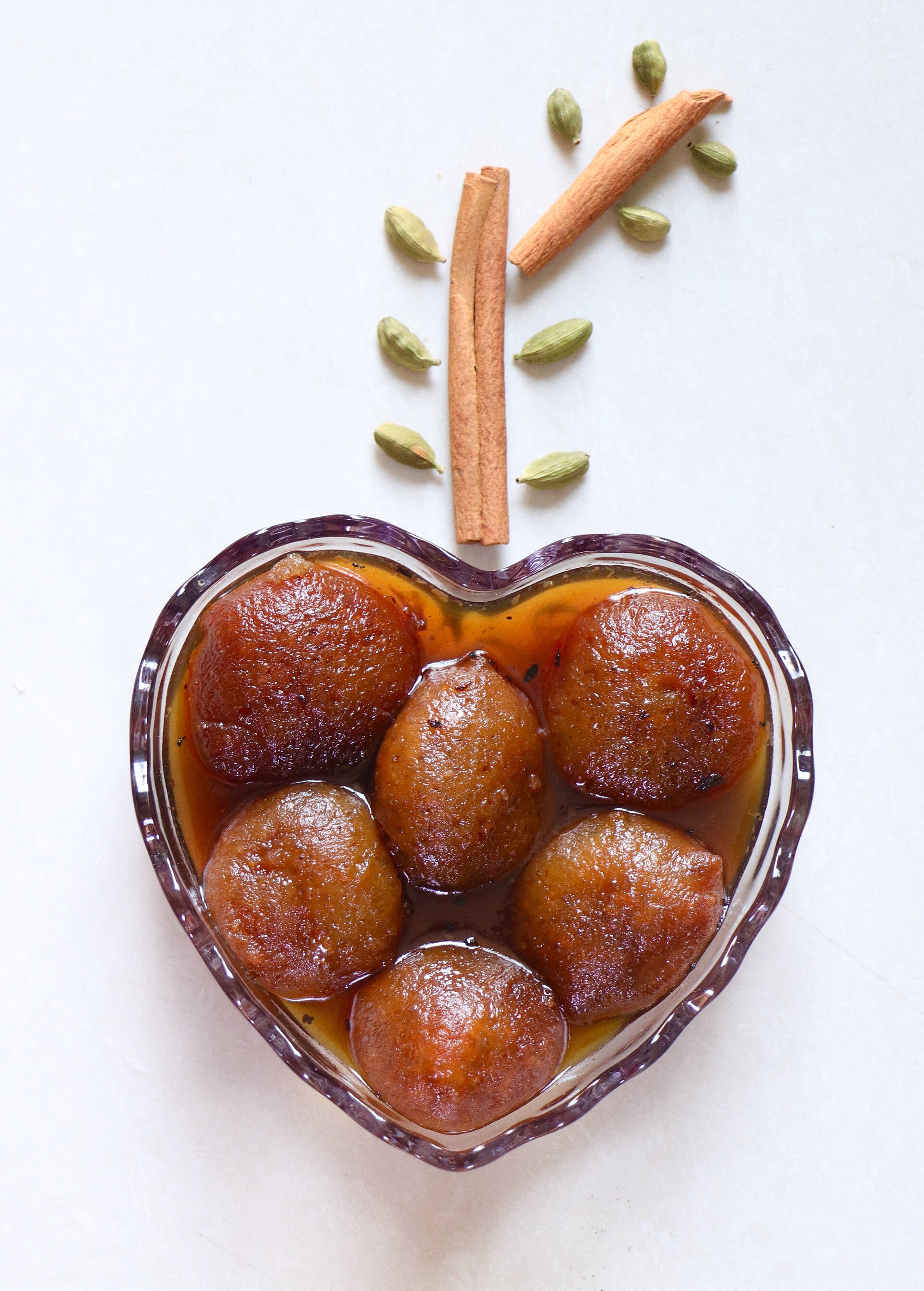
Rice-flour cakes — til pitha, ghila pitha, sunga pitha — filled with sesame or coconut and jaggery, made especially at Bihu.
₹40–120
A traditional meal starts bitter or alkaline and ends sour. Rice sits in the middle of the plate, and small bowls go around it: first khar, then dal and bhaji, then a meat or fish curry, and finally a tenga (sour) dish. Pickles, a green chutney and a slice of lime come on the side. Chillies are served separately, often the fierce bhut jolokia, so you control the heat yourself.
Khar is the dish that defines the state, so much that Assamese people jokingly call themselves khar-khuwa, the khar eaters. It is cooked with an alkaline liquid filtered from the ash of dried banana peel, usually with raw papaya or pulses. The taste is earthy and slightly soapy the first time. Eat it at the start of the meal, as locals do.
This light fish curry gets its sourness from tomato, lemon or thekera, a dried sour fruit. It is thin, bright and meant to be mixed into lots of rice. Rohu and other river fish are the usual choice. It is the dish most people remember from Guwahati.
Pitika means mashed. Aloo pitika is potato mashed with raw mustard oil, onion, green chilli and coriander, and it turns up on almost every plate. You may also see pitikas of roasted aubergine, fish or dried fish.
Pitha are rice-flour cakes made for Bihu. Til pitha is rolled around sesame and jaggery; ghila pitha is fried and round; narikol pitha has coconut. They are sold year-round in sweet shops, but January's Magh Bihu is when homes make them fresh.
Paradise in Silpukhuri and Khorikaa on GS Road serve full thalis at lunch. Gam's Delicacy on Zoo Road is good for masor tenga and pitika. The Where to Eat page lists what each kitchen is known for.
Questions
Usually not. Most dishes are mild and rely on mustard oil, sourness and herbs. The heat comes from chillies served on the side, which can include bhut jolokia, one of the hottest chillies in the world. Add it a little at a time.
Yes. Khar, aloo pitika, dal, seasonal bhaji and pitha are all vegetarian, and most thali places offer a vegetarian version. Ask whether the khar has been cooked with fish, as some home-style versions are.
Mid-January, during Magh (Bhogali) Bihu, when families make them fresh. Sweet shops sell til pitha and narikol pitha through the rest of the year, though they are less fresh than home-made ones.
Start with khar, then move to dal and vegetables, then the meat or fish, and finish with the sour tenga curry. You do not have to follow it strictly, but it is how the meal is designed to taste.