
Assam · India
Guwahati
The gateway to Northeast India — a riverine city on the mighty Brahmaputra, home to the powerful Kamakhya temple and lush Assamese culture.
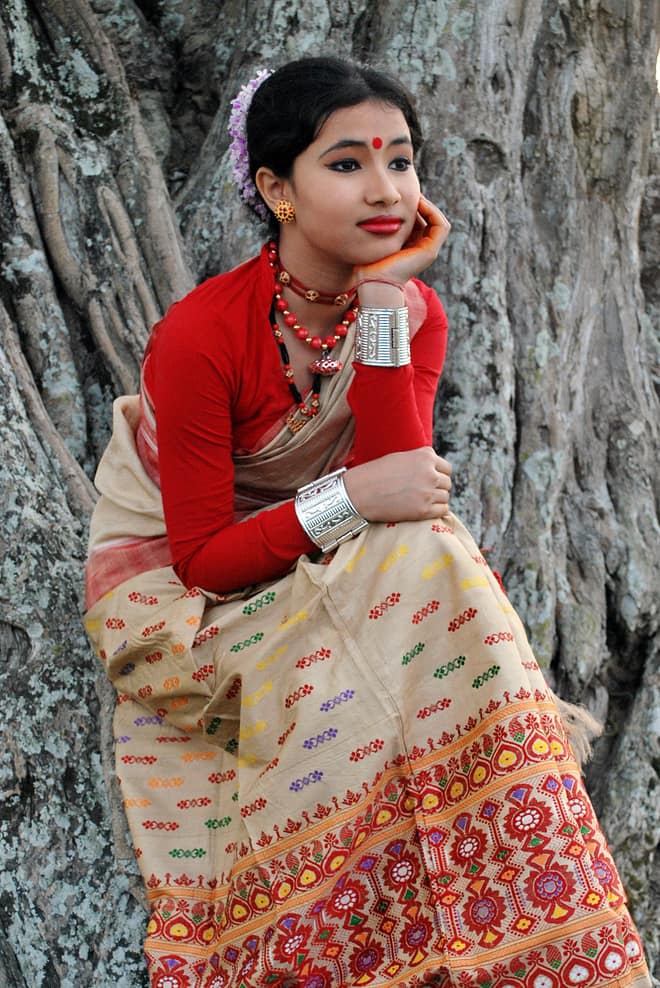
Guwahati is the cultural gateway to the Northeast; expect the Kamakhya shrine, Brahmaputra sunsets, Assam's Muga silk mekhela chador and gamosa, and an earthy Assamese cuisine.
Plan your trip
Guwahati Tour Itineraries
Timed, walkable day plans — plus the best season to go.
Where to shoot
Guwahati Photo Spots
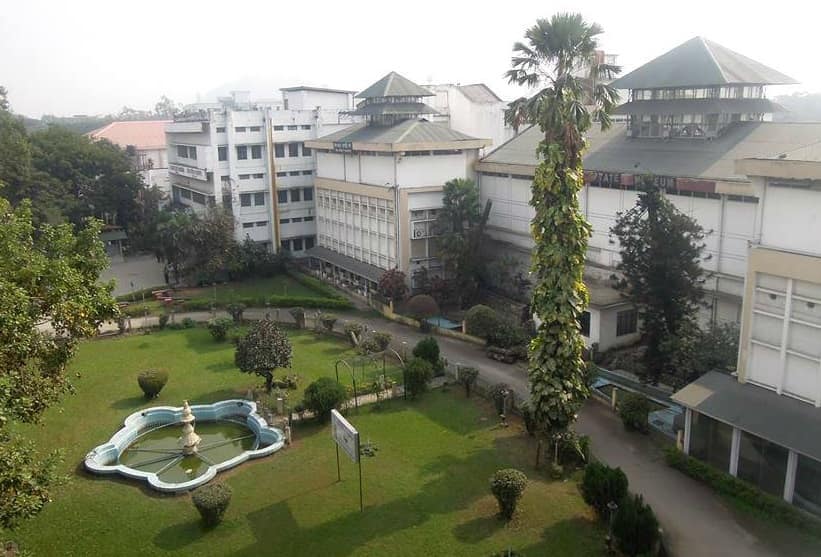 Low crowd
Entry Nominal
Assam State Museum
- Best timeMorning — soft light on the tank and the old buildings, with few people about; late afternoon for long shadows under the trees.
- ColorsCreamMaroonTeal
 Medium crowd
Entry Cruise ticket varies
Brahmaputra River Cruise
- Best timeLate afternoon into sunset — the sun drops behind the bridges and lights the whole river gold; just after sunset for the city lights coming on.
- ColorsWhiteCoralCobalt
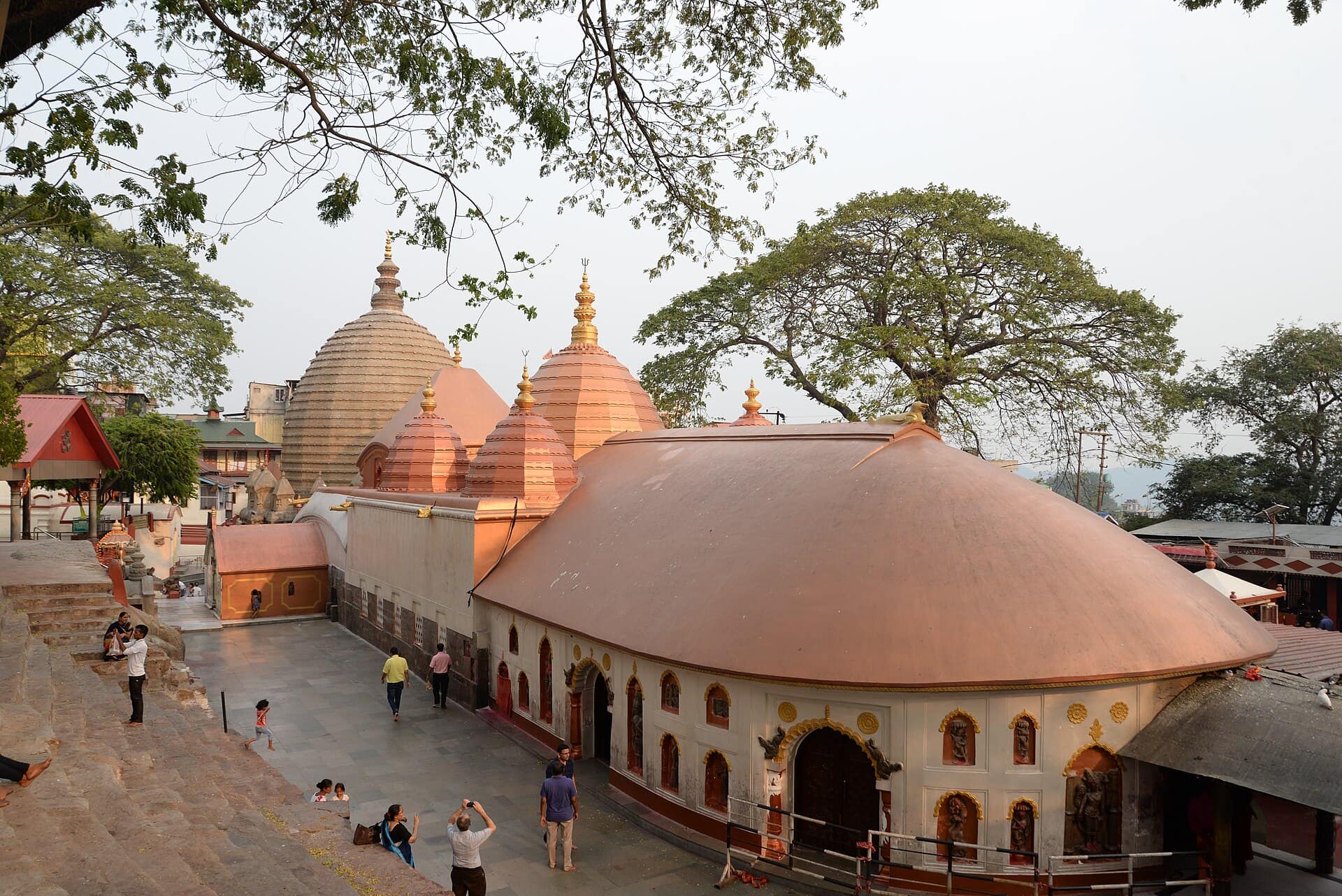 High crowd
Entry Free general queue; the temple publishes its own faster-darshan arrangements on its official website
Kamakhya Temple
- Best timeEarly morning — soft light on the spire and fewer people in the courtyard; late afternoon for the view over the river from the hilltop.
- ColorsRedSaffronWhite
Entry Free
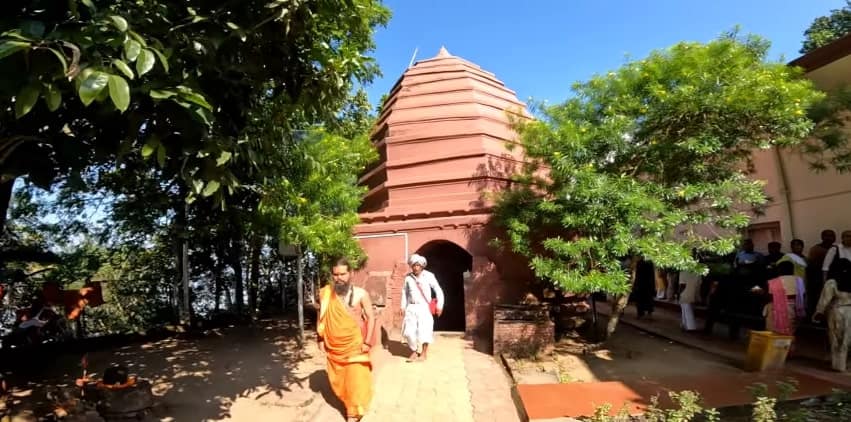
Navagraha Temple
- Best timeLate afternoon — warm light on the red dome and a calm, quiet hilltop; early morning for clear views over the city.
- ColorsSaffronRedWhite
 Medium crowd
Entry Ferry fare
Umananda Temple
- Best timeMorning — calm water and soft light on the island; late afternoon for a golden glow on the river on the last boats back.
- ColorsSaffronWhiteRiver blue
For the feed
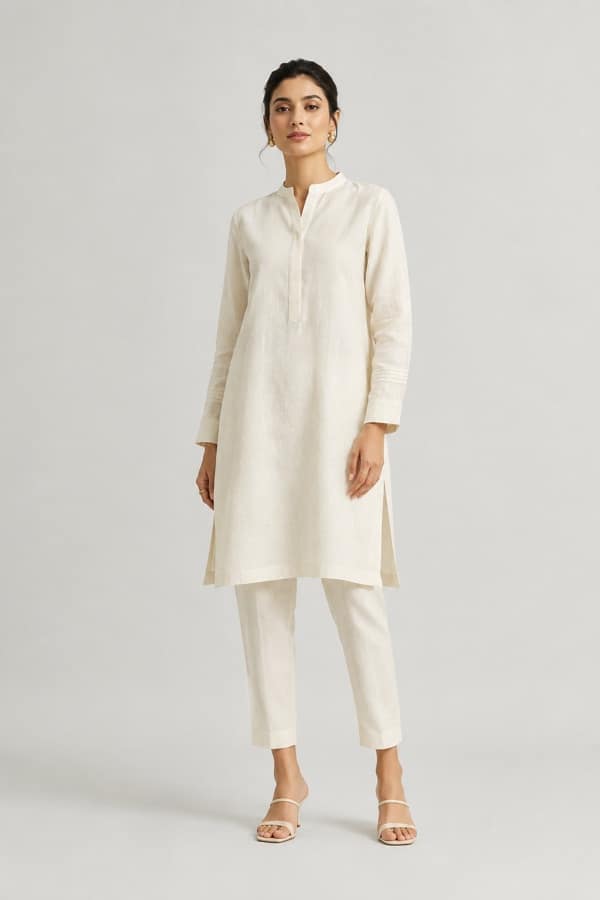
Trending Wear in Guwahati
Modern, Instagram-friendly looks
Rooted in the city
Guwahati Traditional Wear
Local, cultural, handcrafted outfits
Before you go
Temples in Guwahati
Darshan hours, dress codes and what gets refused at the gate
Taste the city
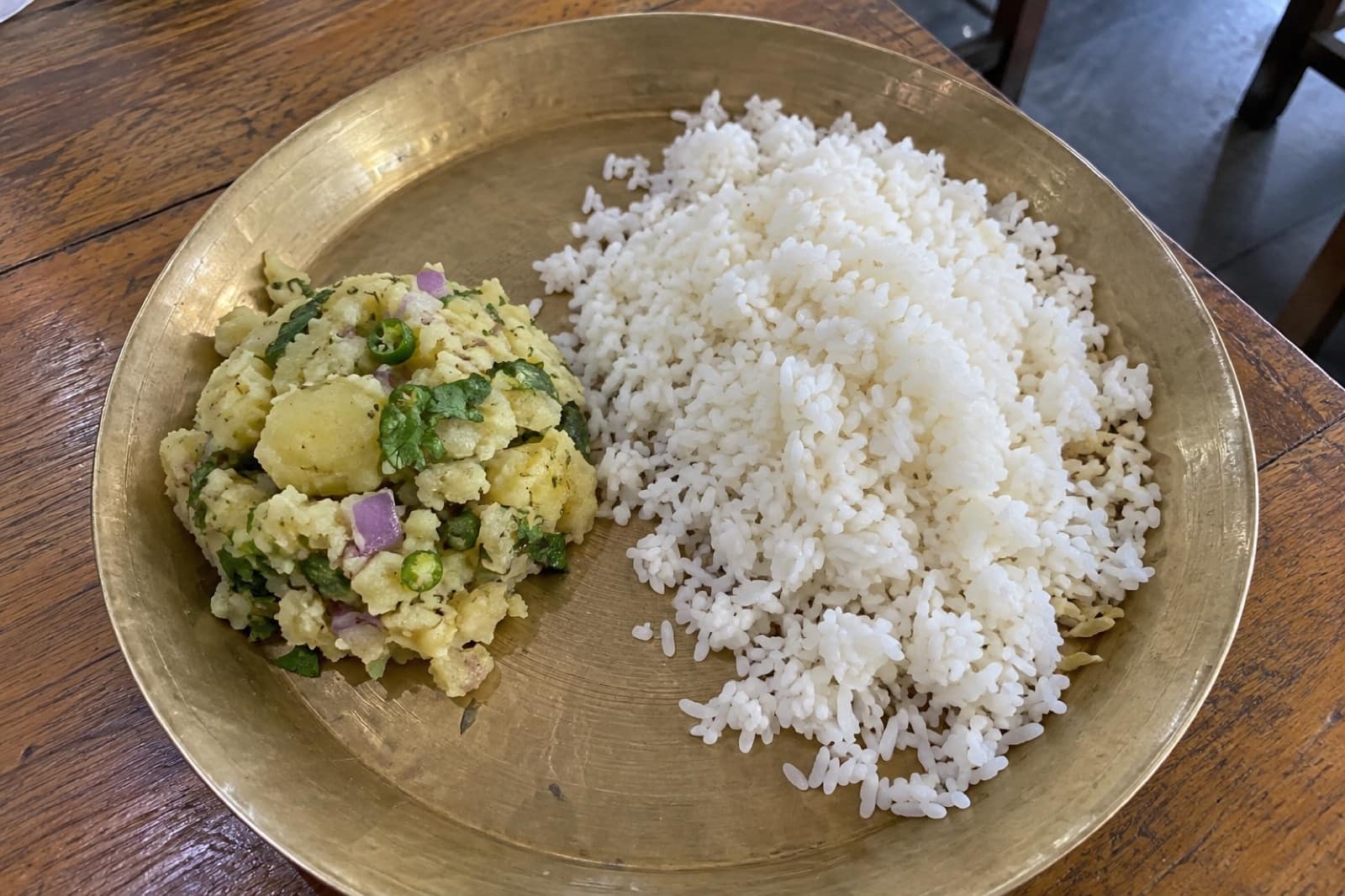
Food to Eat in Guwahati
Trusted tables
Where to Eat in Guwahati
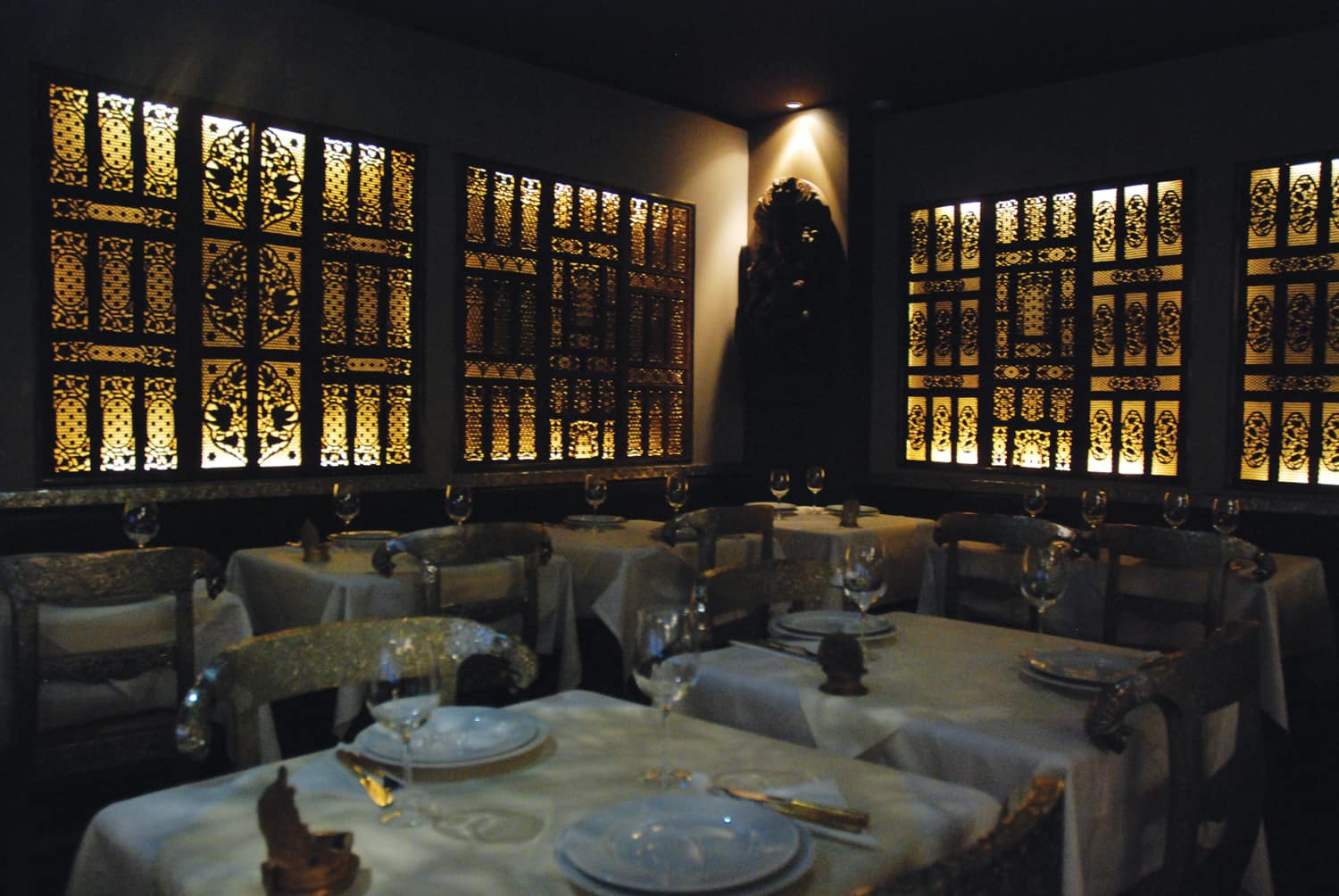
A river city, not just a transit stop
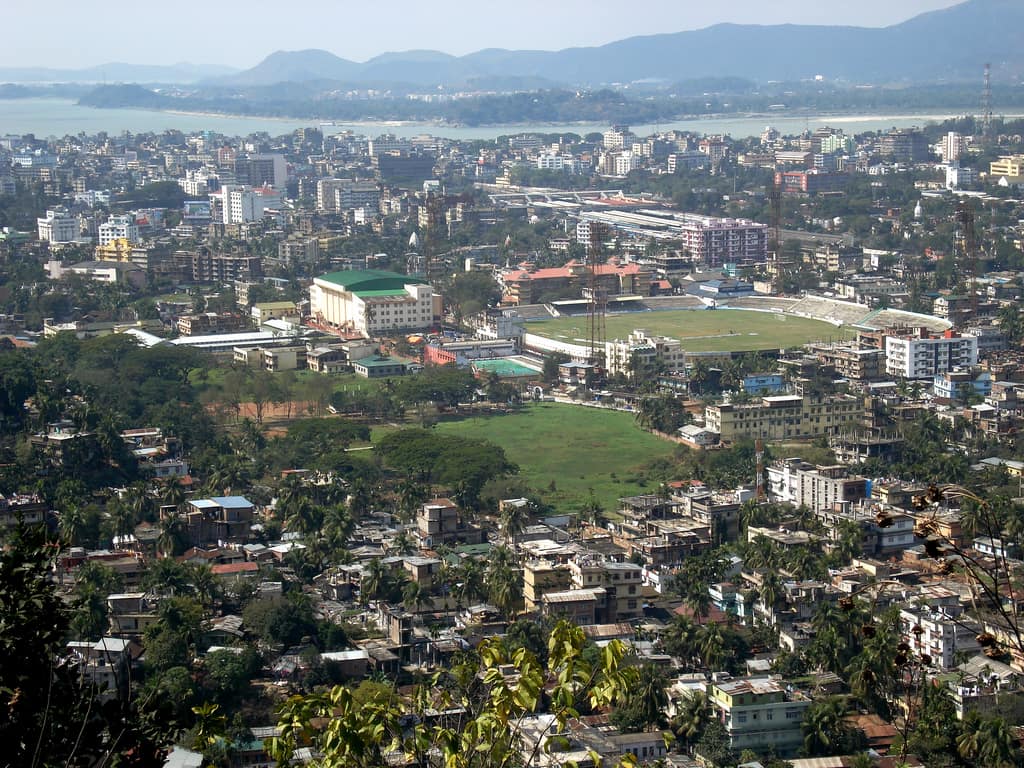
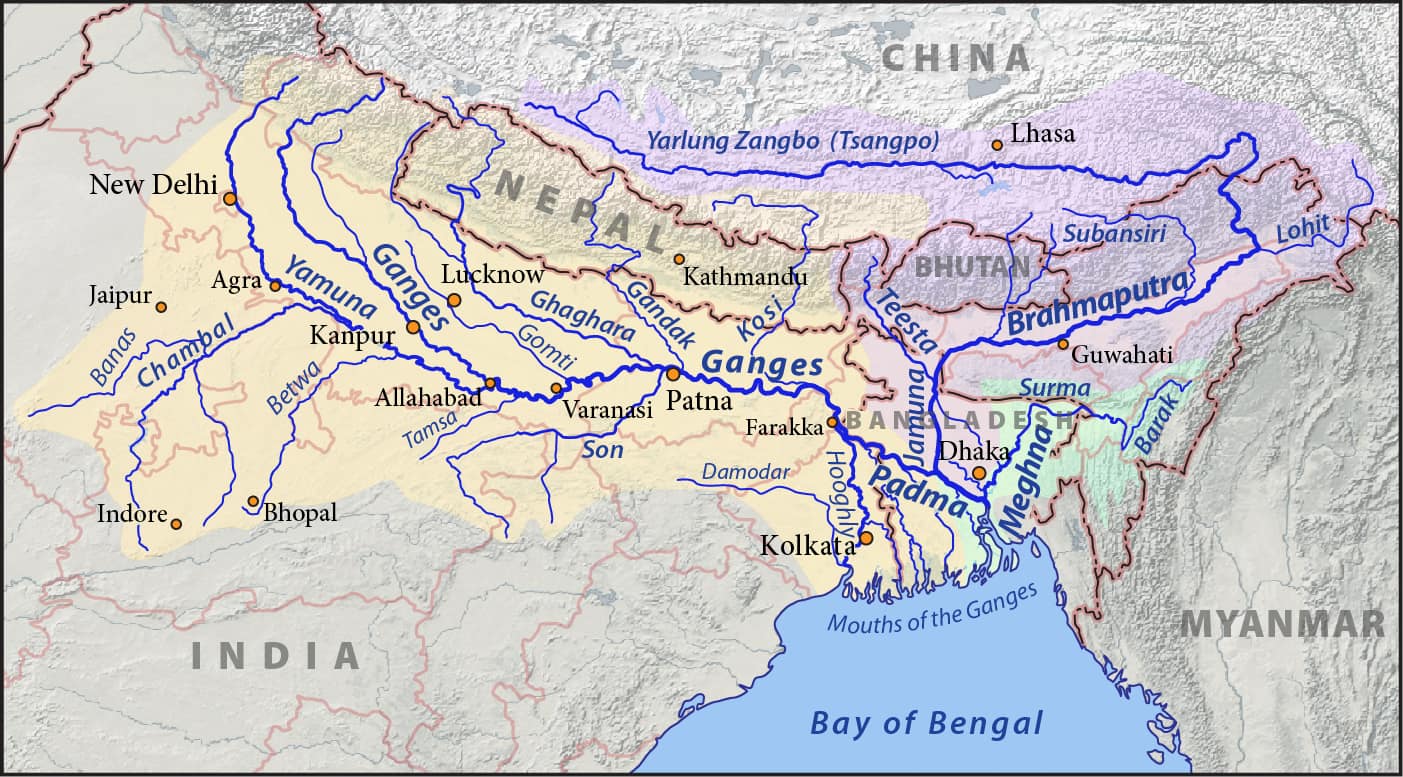
Guwahati runs along the south bank of the Brahmaputra, with low green hills rising right inside the city. It has the Northeast's busiest airport and railway station, so most travellers treat it as a place to change trains on the way to Kaziranga, Shillong or Majuli. Give it two days of its own. The river shapes everything here: the oldest temples sit on its hills and on an island in the middle of it, and the best hour of the day is the one just before sunset on the water.
Temples on the hills and in the river
Kamakhya Temple crowns Nilachal Hill on the western edge of the city. It is one of the most important Shakti Peethas in India and a working tantric shrine, so expect long queues, stalls selling red cloth and offerings, and a crowd that has come to worship rather than to look. The Kamakhya Temple guide covers the queues and the closure in June. On Chitrachal Hill to the east, the Navagraha Temple honours the nine planets and is far calmer. In the river, Umananda Temple stands on Peacock Island, a ten-minute ferry ride from Kachari Ghat near Uzan Bazar.
Getting around
The city is long and thin, squeezed between the river and the hills, and traffic on GS Road and around Paltan Bazar crawls at rush hour. App cabs and autos cover most trips. Kamakhya is about 7 km west of Paltan Bazar, and the airport at Borjhar is about 20 km west of the centre. Plan river trips for the afternoon and temple visits for the early morning, and you will spend less time stuck in traffic.
Eating and shopping
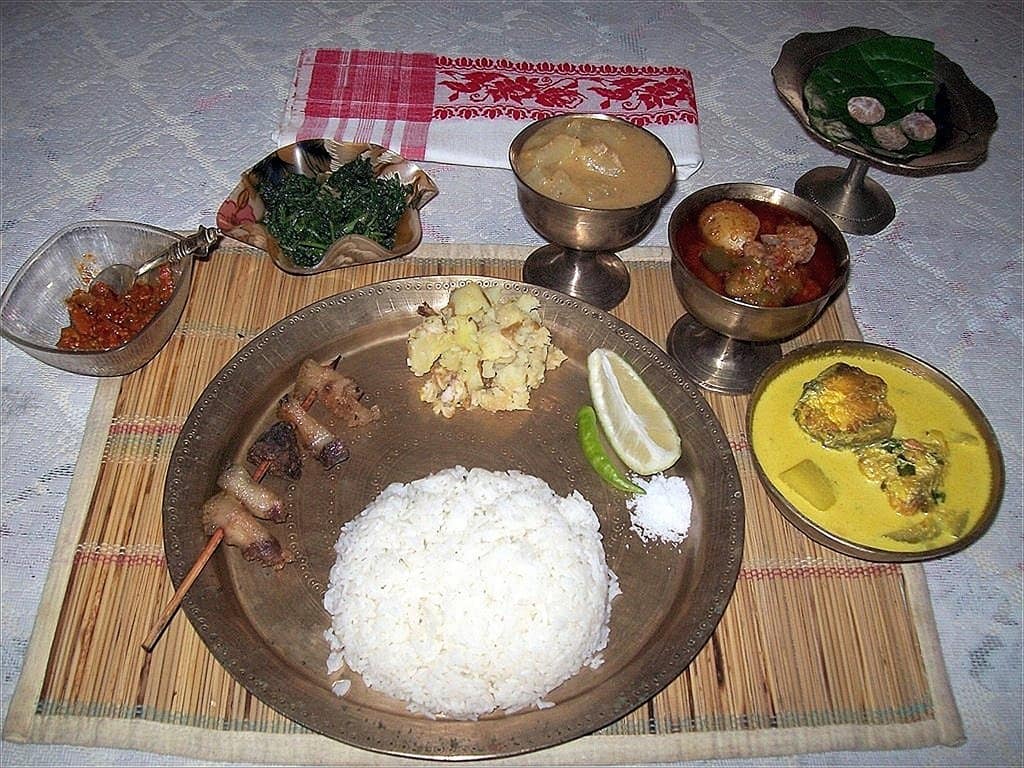
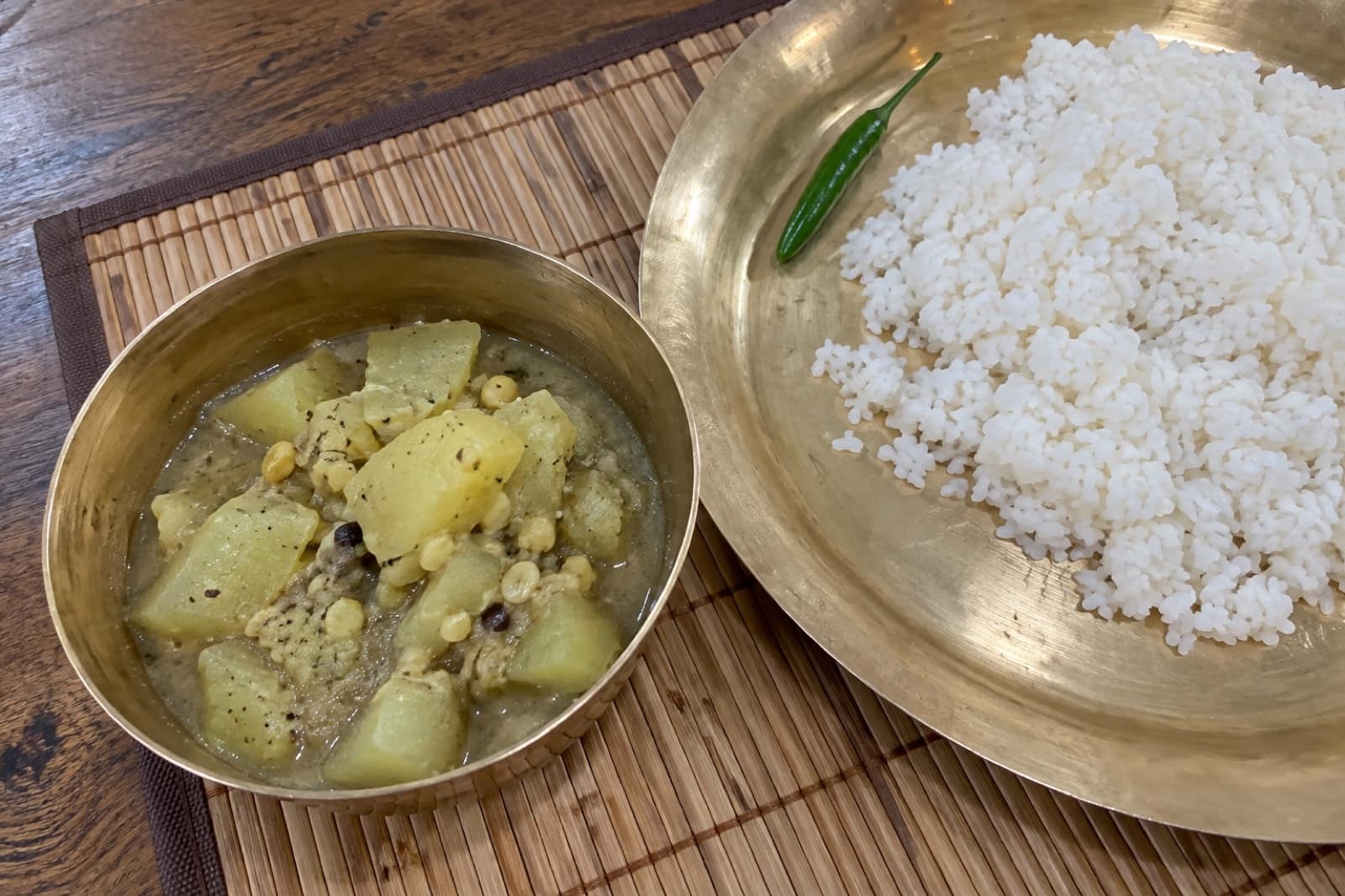
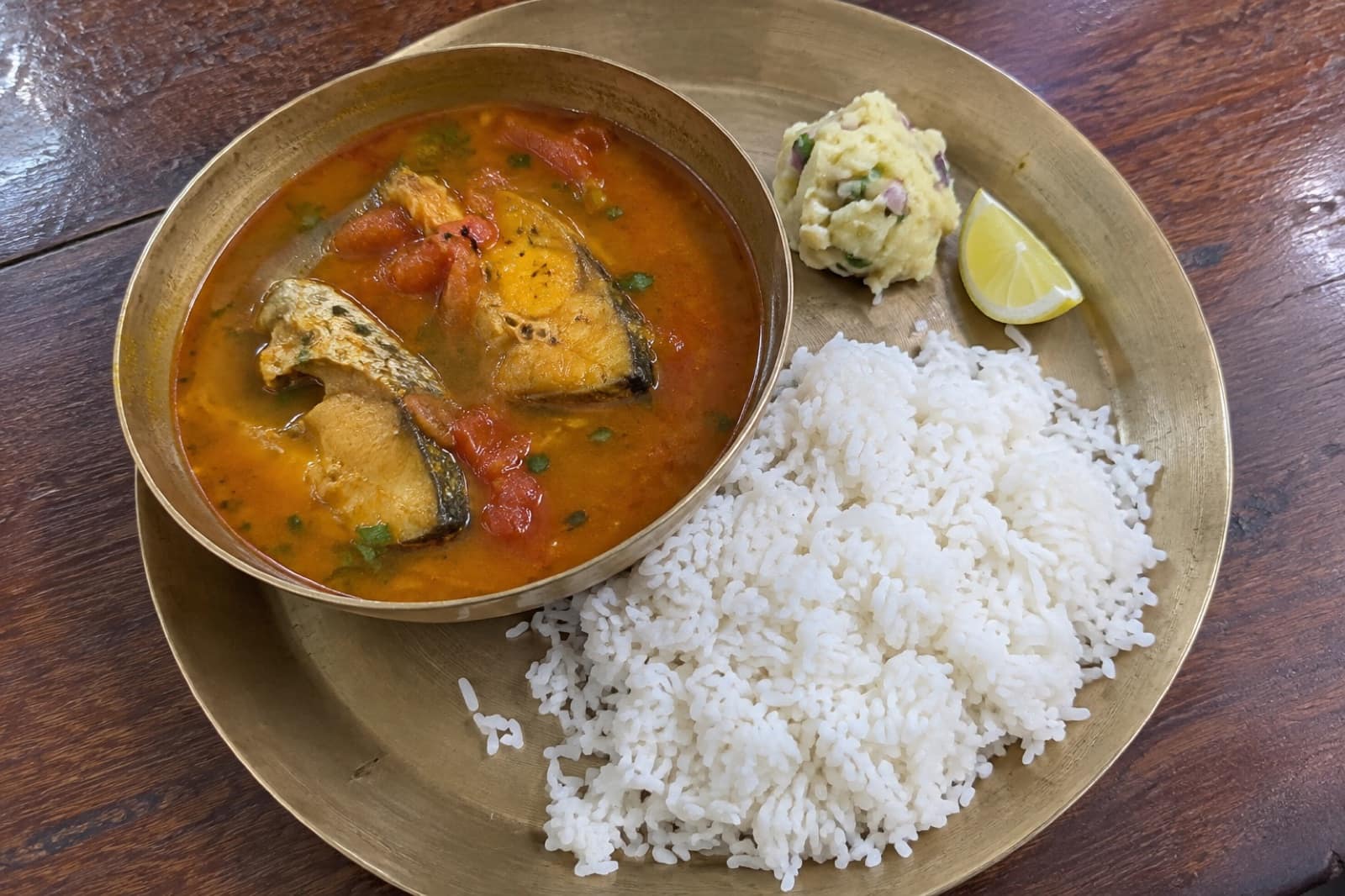
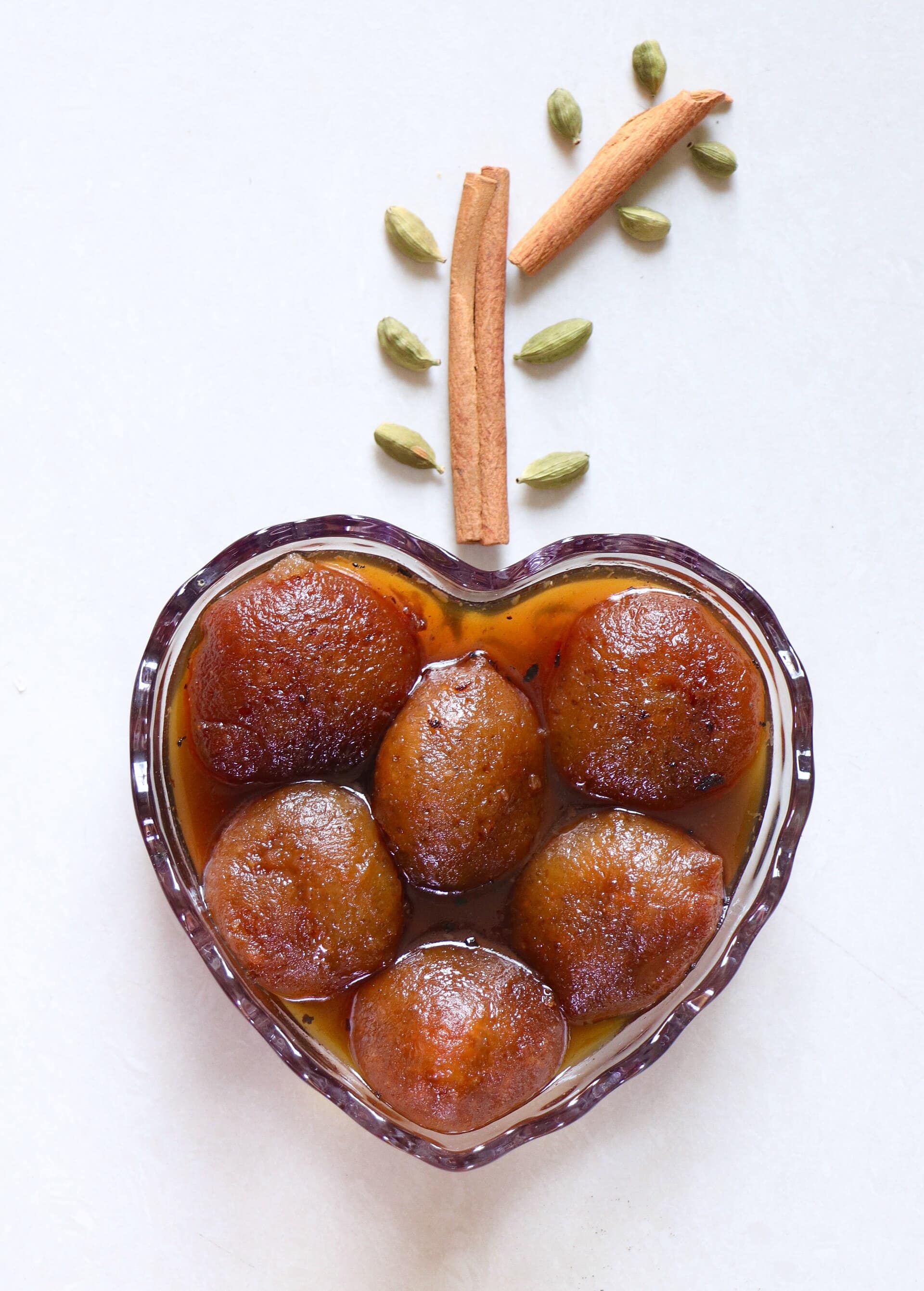
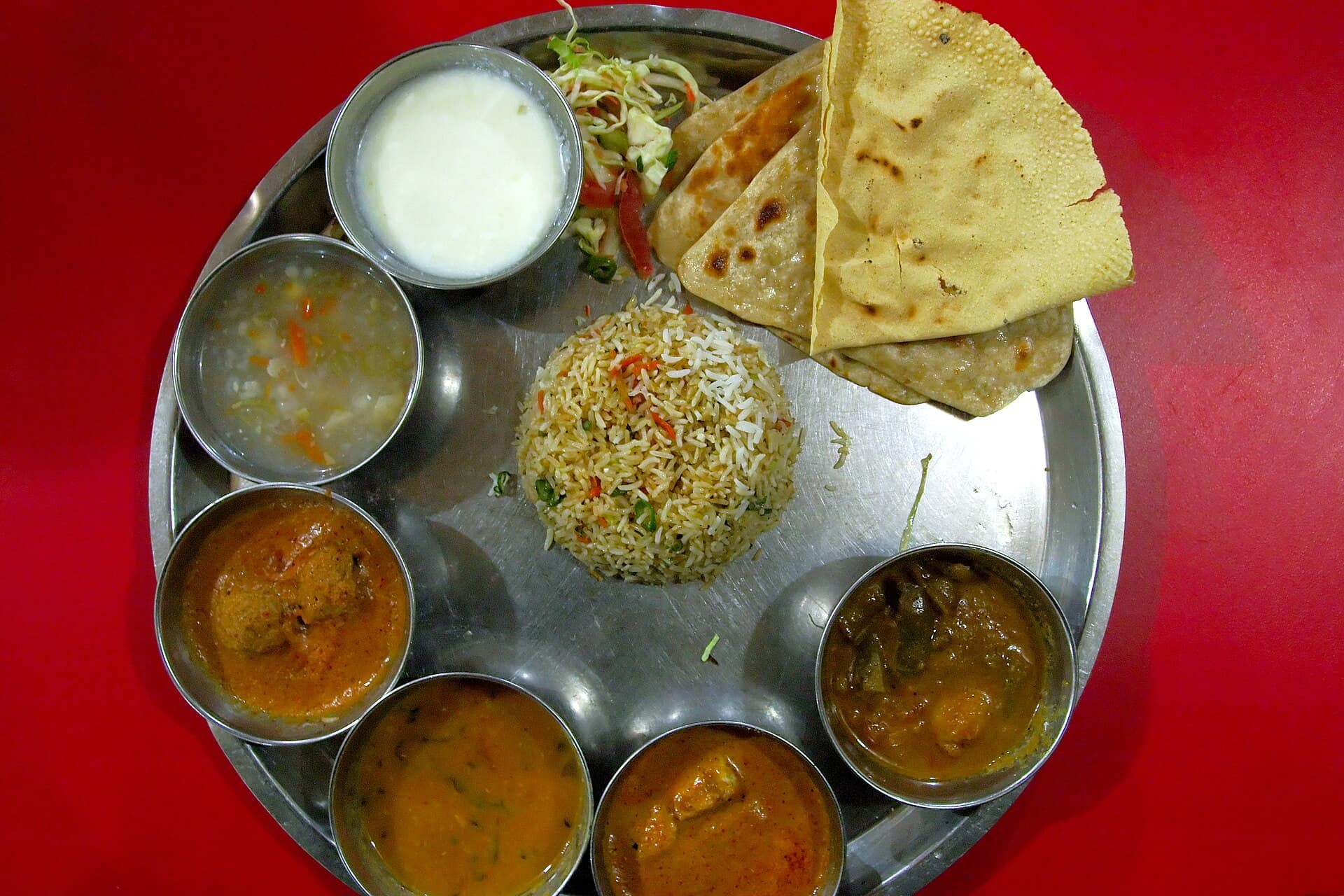
Assamese food is mild, sour and built around rice. Order a thali at Paradise in Silpukhuri or Khorikaa on GS Road and you will get khar to open the meal, masor tenga (a light, sour fish curry), aloo pitika and pickles. Pitha, the rice-flour cakes made for Bihu, sit in sweet-shop counters most of the year. Fancy Bazaar and Pan Bazar sell gamosas and ready-made mekhela chadors. If you want real Muga or Paat silk, go to Sualkuchi, the weaving village about 35 km west across the river.
When to come
October to April is the comfortable half of the year, with clear mornings and cool evenings from December to February. From May the humidity climbs, and the monsoon can flood low-lying streets for hours after a heavy shower. Check two dates before you book: Rongali Bihu in mid-April, when the city celebrates for a week, and the Ambubachi Mela in late June, when Kamakhya closes for three days.
Questions
Guwahati — FAQ
Where should I stay in Guwahati?
Paltan Bazar is closest to the railway station and has the most budget hotels. GS Road has mid-range hotels, malls and restaurants. Uzan Bazar and the riverfront are quieter and handy for the Umananda ferry and evening walks along the Brahmaputra.
How far is Guwahati from Kaziranga and Shillong?
Kaziranga's Kohora gate is about 200 km east, usually five hours by road. Shillong is about 100 km south, around three hours up the hill road. Both trips are easy to arrange by shared taxi or private car from Guwahati.
What should I buy in Guwahati?
A gamosa, the white cotton towel with a red border, is the classic gift. For silk, look for Muga (naturally golden) or Paat (off-white) mekhela chadors, ideally from Sualkuchi or a government emporium, where you are less likely to be sold a power-loom copy.
Is Guwahati a good base for day trips?
Yes for Sualkuchi, Hajo and Chandubi Lake, which are all within a couple of hours. Kaziranga and Shillong work far better as overnight trips, because the drive eats most of the day.
Does Guwahati flood in the monsoon?
Parts of the city do. Short, heavy showers from May to September can leave low-lying roads waterlogged for a few hours. Keep plans flexible on rainy afternoons and allow extra time for the airport.