
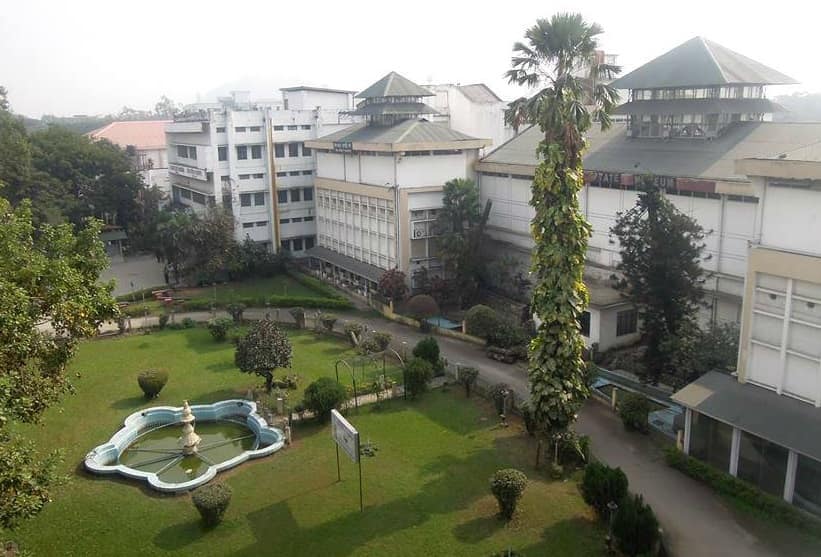
Photo spot in Guwahati
Assam State Museum
Guwahati, Assam
A rich museum of Assamese sculpture, crafts, textiles and tribal life, near the Dighalipukhuri tank in the city centre.
Best time
Morning — soft light on the tank and the old buildings, with few people about; late afternoon for long shadows under the trees.
Best angle
Stand on the far bank of Dighalipukhuri and take a wide photo of the water with the museum and the trees along the edge.
Entry fee
Nominal
Opening hours
10:00 AM – 5:00 PM; closed Mondays, 2nd and 4th Saturdays and government holidays
Crowd level
Low
Best outfit colors
Overview
Best time to visit Assam State Museum
Morning — soft light on the tank and the old buildings, with few people about; late afternoon for long shadows under the trees. Crowds here are typically low. Arrive a little early to claim your angle and catch the softest light before the day tips over.
Poses & angles
Photo tips for Assam State Museum
Stand on the far bank of Dighalipukhuri and take a wide photo of the water with the museum and the trees along the edge. Work a few of the pose ideas below, shoot wide for context and tight for detail, and give yourself a couple of extra minutes to get the frame right.
By the Dighalipukhuri tank
At the museum entrance
Outfit guide
What to wear at Assam State Museum
For photos at Assam State Museum, cream, maroon and teal work beautifully — they stand out against the setting without fighting it. Pick one hero colour and keep the rest of the look calm so you stay the subject of the frame.
Best outfit colors for photos
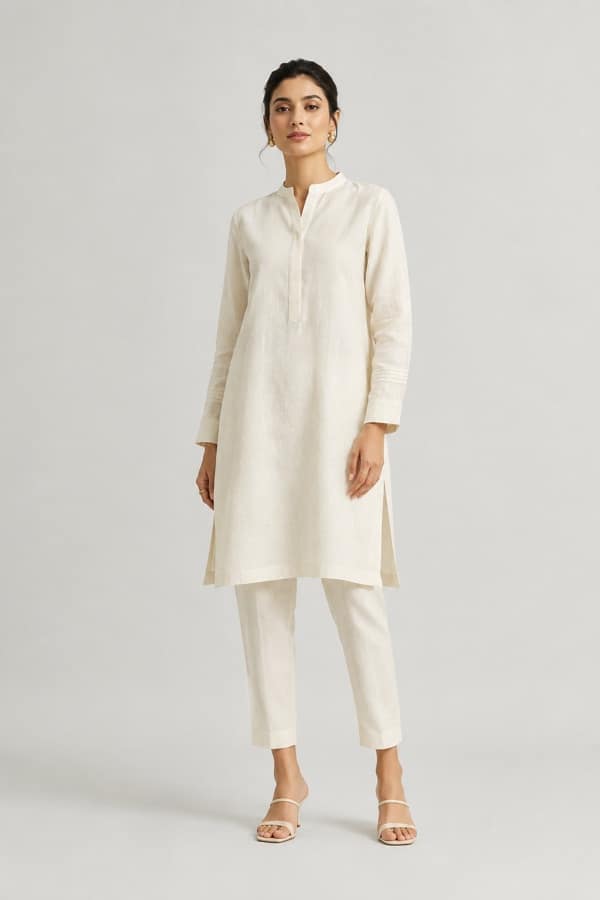
Trending wear for this spot
Modern, camera-ready looks picked for Assam State Museum.
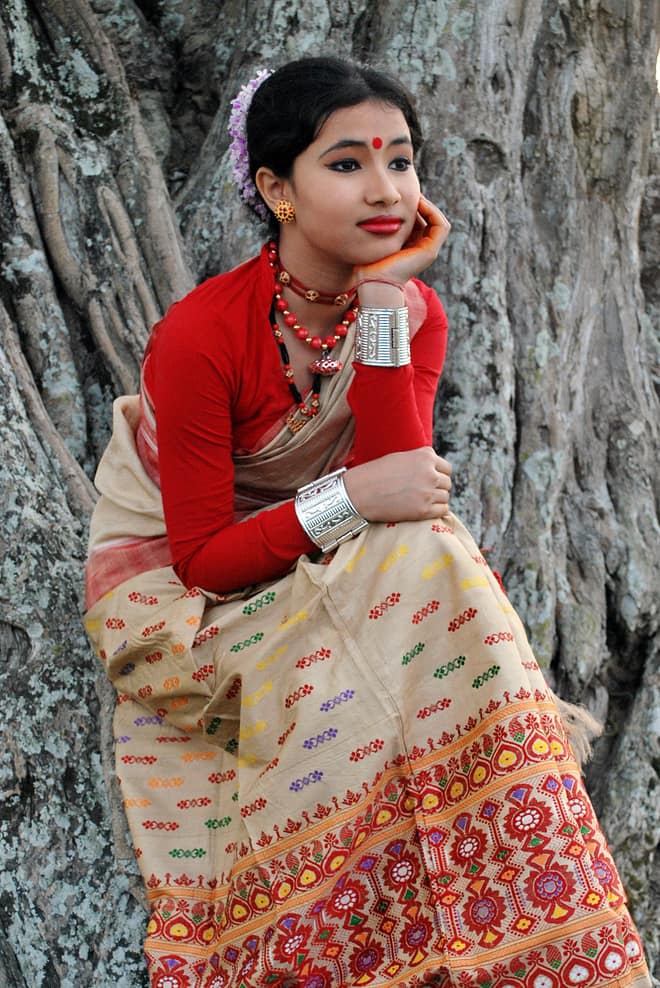
Traditional wear for this spot
Timeless, cultural outfits worn across Guwahati.
Eat nearby
Food near Assam State Museum
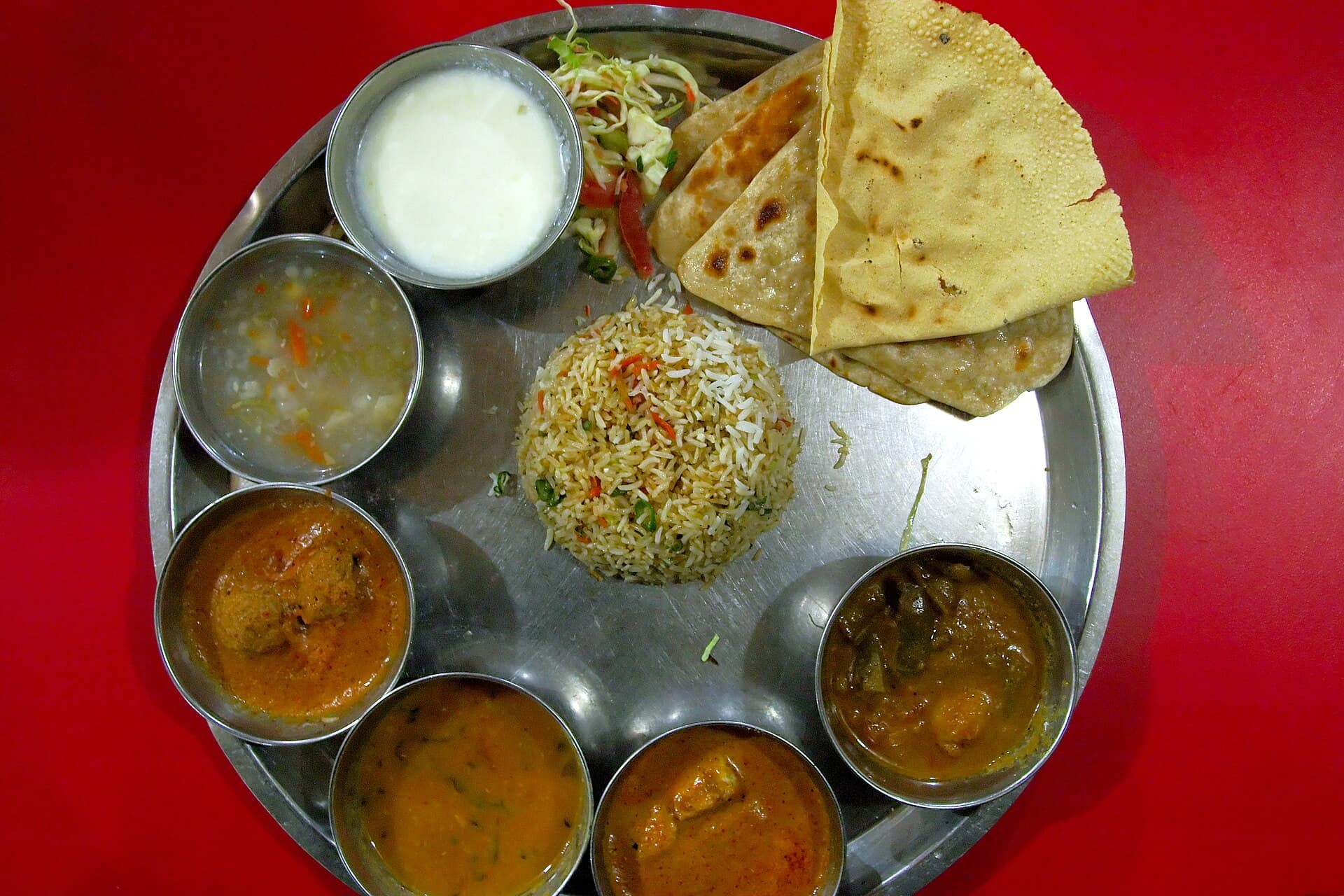
Round out the visit with something to eat. Look for assamese thali nearby, or settle in at one of the 1 restaurants close by.
Special dishes to try
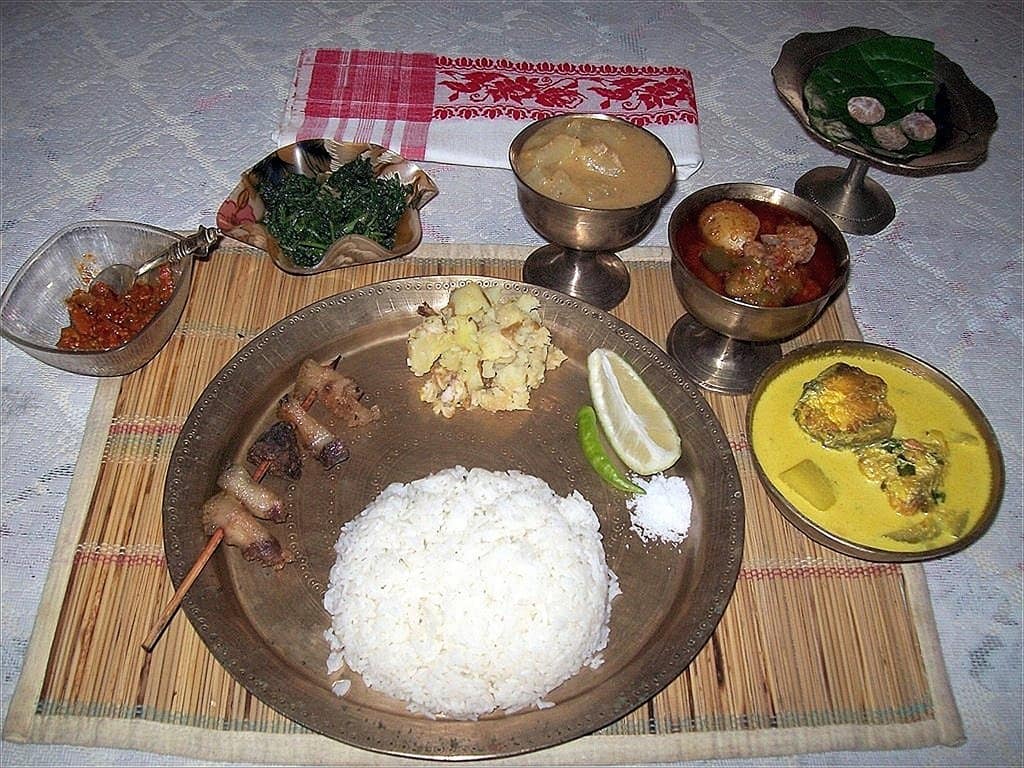
Restaurants & food places nearby
Search food by craving
Good to know
Local tips
Check the calendar first, since the museum closes on Mondays and the second and fourth Saturdays.
Ask at the ticket desk if you want to take photos, as permission is needed inside.
Start with the sculpture galleries, which hold the oldest and most important pieces.
Visit in the morning in summer, when the galleries without air conditioning are cooler.
Walk around Dighalipukhuri tank after your visit for shade and a breeze.
Browse the Pan Bazar bookshops nearby for books on Assamese history and crafts.
Use the museum as a rainy-day plan in the monsoon, when ferries often stop.
A good first stop
The Assam State Museum sits in the centre of Guwahati, on the edge of Dighalipukhuri, a long tank lined with trees. It is the best place in the city to understand the state before you travel further: its kingdoms, its crafts and the many communities who live across the hills and plains. An hour or two here makes the satras of Majuli and the villages around Kaziranga easier to read.
What is inside
The sculpture galleries hold stone and bronze figures from ancient Kamarupa, some over a thousand years old. Other rooms show Ahom-era weapons, coins, manuscripts written on sanchi bark, and royal objects. The textile and craft galleries cover Muga and Paat silk, bell-metal work and bamboo crafts. The ethnographic section recreates homes and tools from different communities, including Mishing and Bodo households. Labels are in English and Assamese, though some are dated.
Practical details
The museum is usually open from mid-morning to late afternoon, with shorter hours in winter. It closes on Mondays, the second and fourth Saturdays, and government holidays, so check before you go. Entry is ticketed. Photography inside needs permission and a separate charge. The building is not air-conditioned in every gallery, so it can be warm in summer.
Around the museum
Dighalipukhuri is pleasant for a walk, and paddle boats are sometimes available on the tank. Pan Bazar and its bookshops are a few minutes away on foot. For lunch, Paradise in Silpukhuri is a short ride and one of the best places in the city for an Assamese thali.
Why it helps on a rainy day
In the monsoon, when river trips are cancelled, the museum is a good indoor plan. Go in the morning, then eat and shop nearby while the afternoon showers pass.
Questions
Assam State Museum — FAQ
What is the best time to visit Assam State Museum?
Morning — soft light on the tank and the old buildings, with few people about; late afternoon for long shadows under the trees. Stand on the far bank of Dighalipukhuri and take a wide photo of the water with the museum and the trees along the edge.
Is there an entry fee at Assam State Museum?
Entry to Assam State Museum is nominal.
What are the opening hours of Assam State Museum?
Assam State Museum is open 10:00 AM – 5:00 PM; closed Mondays, 2nd and 4th Saturdays and government holidays.
What should I wear at Assam State Museum?
Cream, maroon and teal photograph especially well here. Explore the trending and traditional outfit ideas on this page for full looks.
How crowded does Assam State Museum get?
Crowd levels are typically low. To miss the busiest window: morning — soft light on the tank and the old buildings, with few people about; late afternoon for long shadows under the trees.
What food should I try near Assam State Museum?
Try assamese thali, available at nearby restaurants.
How long do I need at the Assam State Museum?
About one and a half to two hours to see the main galleries properly. Allow longer if you are interested in sculpture or textiles.
Which days is the Assam State Museum closed?
Usually Mondays, the second and fourth Saturdays of the month, and government holidays. Timings can change, so check the Directorate of Museums website before you go.
Can I take photos inside the museum?
Only with permission, and there is a separate charge for cameras. Ask at the ticket counter. Photos of the building and the tank outside are fine.
Is the museum good for children?
Yes, especially the recreated village homes and the weapons gallery. The tank outside gives children space to run around afterwards.