
Best Photo Spots in Guwahati
Guwahati's best photos come from two places: its hills and its river. Shoot the temples early, before the queues and the haze, and save the late afternoon for the Brahmaputra.
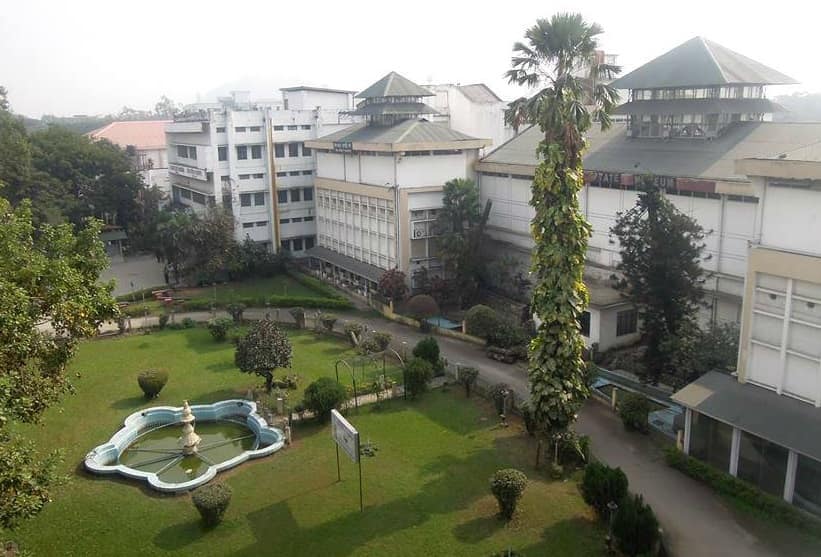 Low crowd
Entry Nominal
Assam State Museum
- Best timeMorning — soft light on the tank and the old buildings, with few people about; late afternoon for long shadows under the trees.
- ColorsCreamMaroonTeal
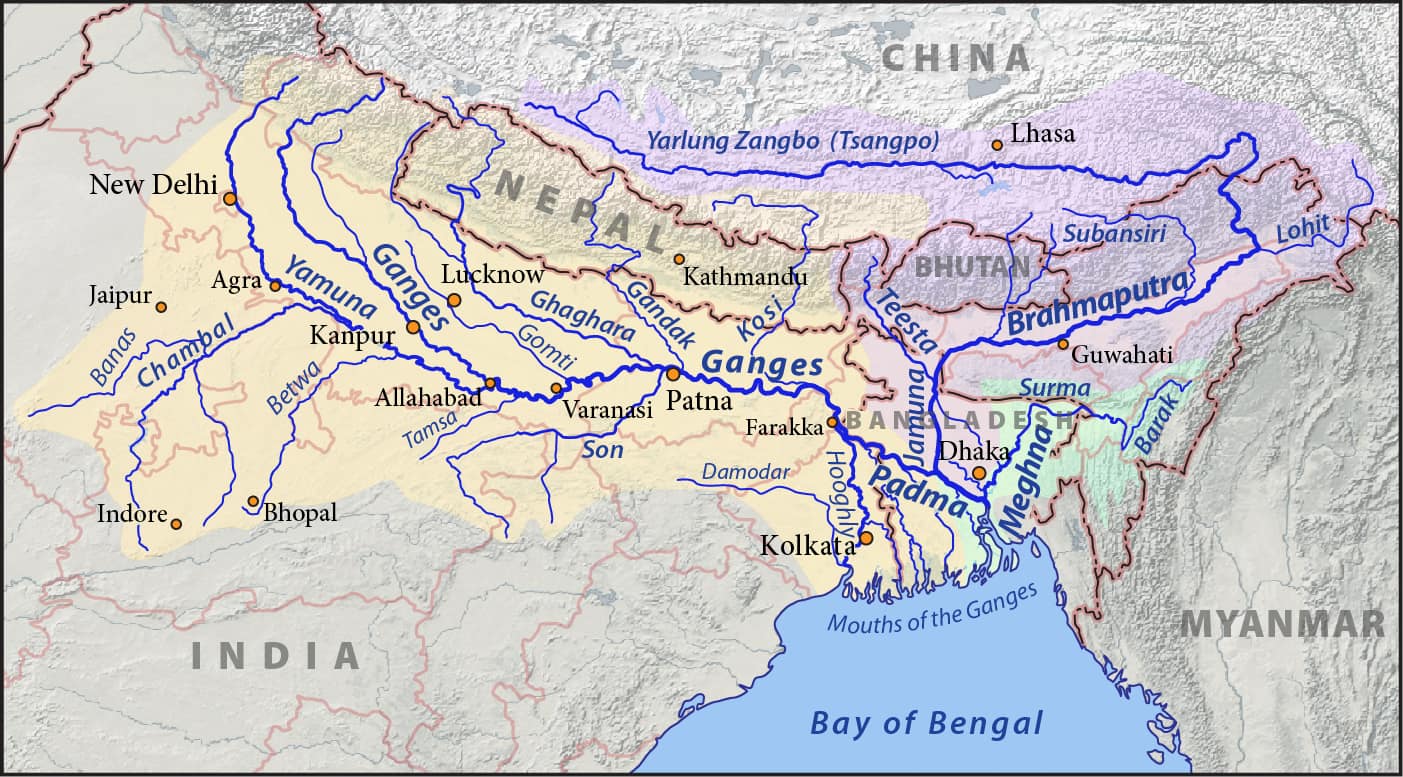 Medium crowd
Entry Cruise ticket varies
Brahmaputra River Cruise
- Best timeLate afternoon into sunset — the sun drops behind the bridges and lights the whole river gold; just after sunset for the city lights coming on.
- ColorsWhiteCoralCobalt
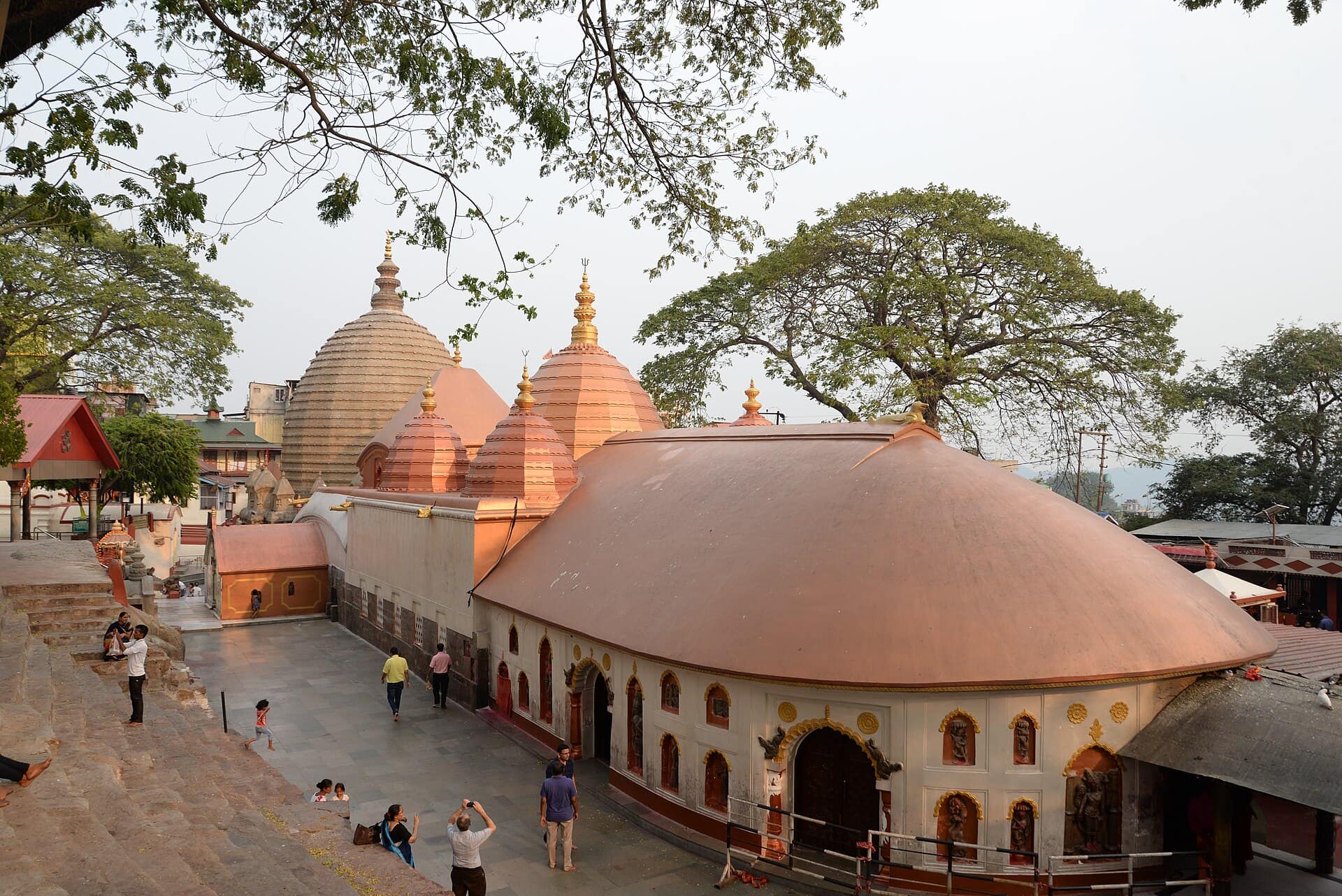 High crowd
Entry Free general queue; the temple publishes its own faster-darshan arrangements on its official website
Kamakhya Temple
- Best timeEarly morning — soft light on the spire and fewer people in the courtyard; late afternoon for the view over the river from the hilltop.
- ColorsRedSaffronWhite
Entry Free
Navagraha Temple
- Best timeLate afternoon — warm light on the red dome and a calm, quiet hilltop; early morning for clear views over the city.
- ColorsSaffronRedWhite
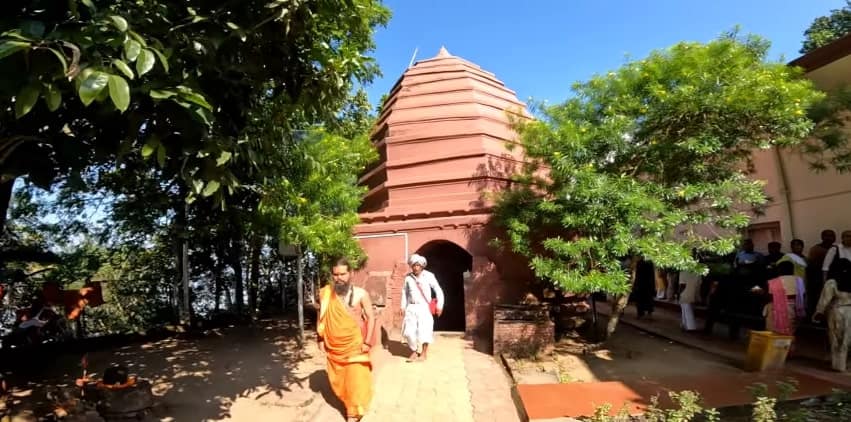 Medium crowd
Entry Ferry fare
Umananda Temple
- Best timeMorning — calm water and soft light on the island; late afternoon for a golden glow on the river on the last boats back.
- ColorsSaffronWhiteRiver blue
Plan the day around the light
Guwahati's air is often hazy, especially from March onwards, so the first two hours after sunrise give the cleanest colours. The river faces north, which means the sun sets over the water to the west, towards Saraighat bridge. That makes late afternoon on a boat or on the riverfront the most reliable golden-hour frame in the city.
The hilltop temples
Kamakhya Temple has a distinctive beehive-shaped spire that is best photographed from the courtyard outside. Photography is not allowed inside the temple buildings, and you should not point a camera at the sacrifice area or at people performing rituals. Walk up to the Bhuvaneshwari temple at the top of Nilachal Hill for a view over the river. The Navagraha Temple on Chitrachal Hill is quieter and easier to frame, with its red dome against the sky.
On the water
The ferry to Umananda is the cheapest river shot in the city. Stand at the back of the boat on the way out and you will have Peacock Island ahead and the city skyline behind. A Brahmaputra sunset cruise gives you an hour on the water with the sun going down behind the bridges. Bring a lens cloth; the spray and humidity fog up glass quickly.
In the city centre
The Assam State Museum sits beside Dighalipukhuri, a long tank lined with trees. Photography inside the galleries needs permission, but the tank and the old buildings around it work well in the morning. Nearby Pan Bazar and Fancy Bazaar suit street photography, with stacks of gamosas, spice sacks and rickshaws.
A few habits that help
Ask before photographing priests, sadhus or people at prayer. Keep drones at home unless you have permission; much of the riverfront is near government buildings. In the monsoon, carry a dry bag for your camera on every ferry.
Questions
Guwahati — FAQ
Can I take photos inside Kamakhya Temple?
No. Photography is not allowed inside the temples on Nilachal Hill. You can photograph the spire, the courtyard and the view from the hill, but put the camera away in the queue and near the sanctum.
Where can I photograph the Brahmaputra at sunset?
A sunset cruise gives the widest view. Without a boat, the riverfront near Uzan Bazar and Lachit Ghat works well, as does the Umananda ferry on its last runs of the afternoon.
Can I fly a drone in Guwahati?
Only with the required permissions. Parts of the riverfront and the city centre are near government and defence buildings, and drones are commonly stopped. Check India's current drone rules before you pack one.
Which month gives the clearest photos in Guwahati?
November to February usually has the clearest skies. Early mornings in December and January can be foggy over the river, which suits moody shots but can delay ferries.