
Photo spot in Gwalior
Gwalior Fort
Gwalior, Madhya Pradesh
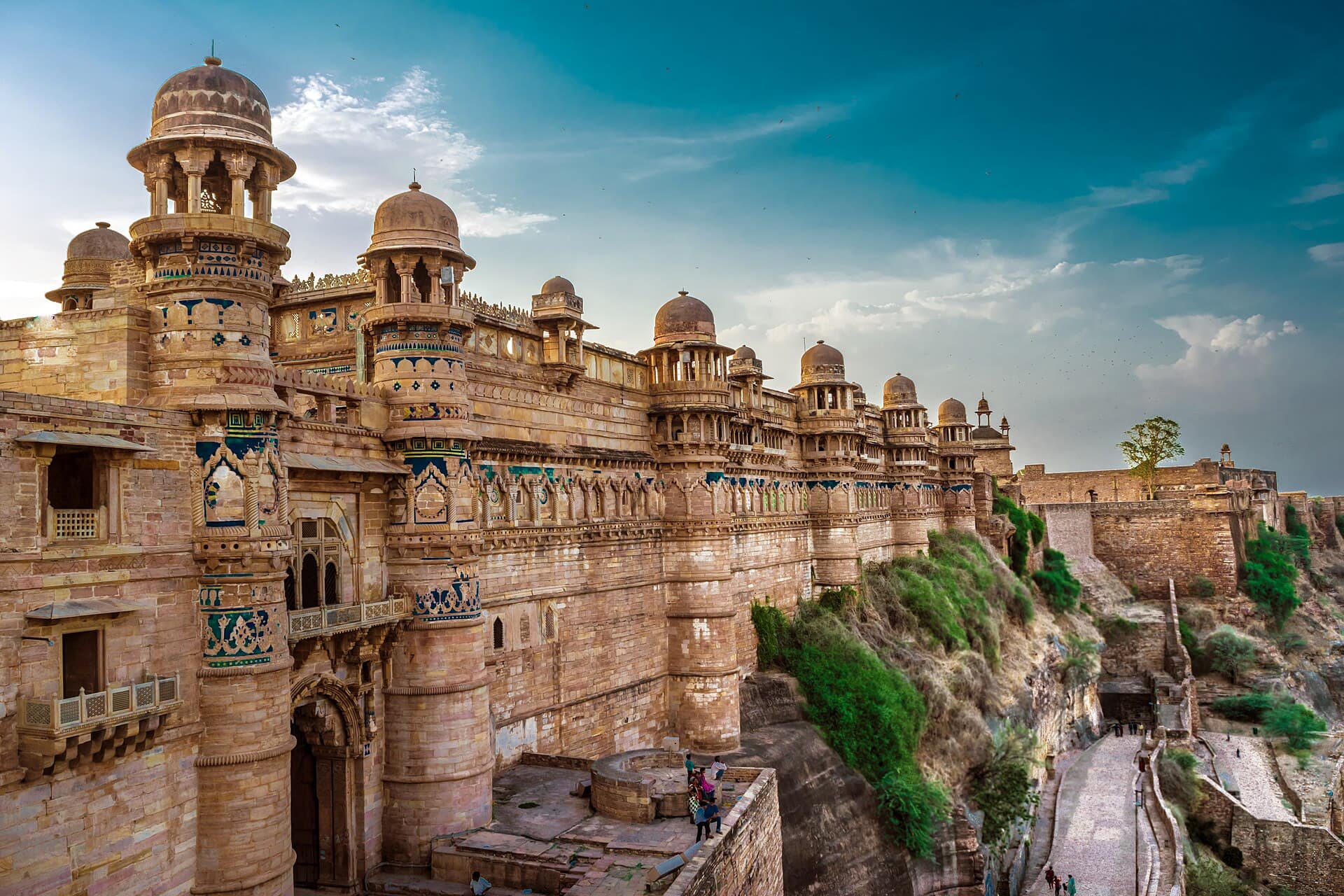
A magnificent hilltop fort — called 'the pearl among fortresses' — with the turquoise-tiled Man Mandir palace and rock-cut Jain colossi.
Best time
Early morning, when the paths are quiet and soft light falls on the sandstone walls; late afternoon for warm light and long views over the city.
Best angle
Stand at the edge of the ramparts and take a wide photo along the fort walls, with the city spread out far below.
Entry fee
₹75 (Indian) / ₹250 (foreign)
Opening hours
8:00 AM – 5:30 PM
Crowd level
Medium
Best outfit colors
Overview
Best time to visit Gwalior Fort
Early morning, when the paths are quiet and soft light falls on the sandstone walls; late afternoon for warm light and long views over the city. Crowds here are typically medium. Arrive a little early to claim your angle and catch the softest light before the day tips over.
Poses & angles
Photo tips for Gwalior Fort
Stand at the edge of the ramparts and take a wide photo along the fort walls, with the city spread out far below. Work a few of the pose ideas below, shoot wide for context and tight for detail, and give yourself a couple of extra minutes to get the frame right.
By the turquoise-tiled walls
On the ramparts over the city
Outfit guide
What to wear at Gwalior Fort
For photos at Gwalior Fort, turquoise, white and rust work beautifully — they stand out against the setting without fighting it. Pick one hero colour and keep the rest of the look calm so you stay the subject of the frame.
Best outfit colors for photos
Trending wear for this spot
Modern, camera-ready looks picked for Gwalior Fort.
Traditional wear for this spot
Timeless, cultural outfits worn across Gwalior.
Eat nearby
Food near Gwalior Fort
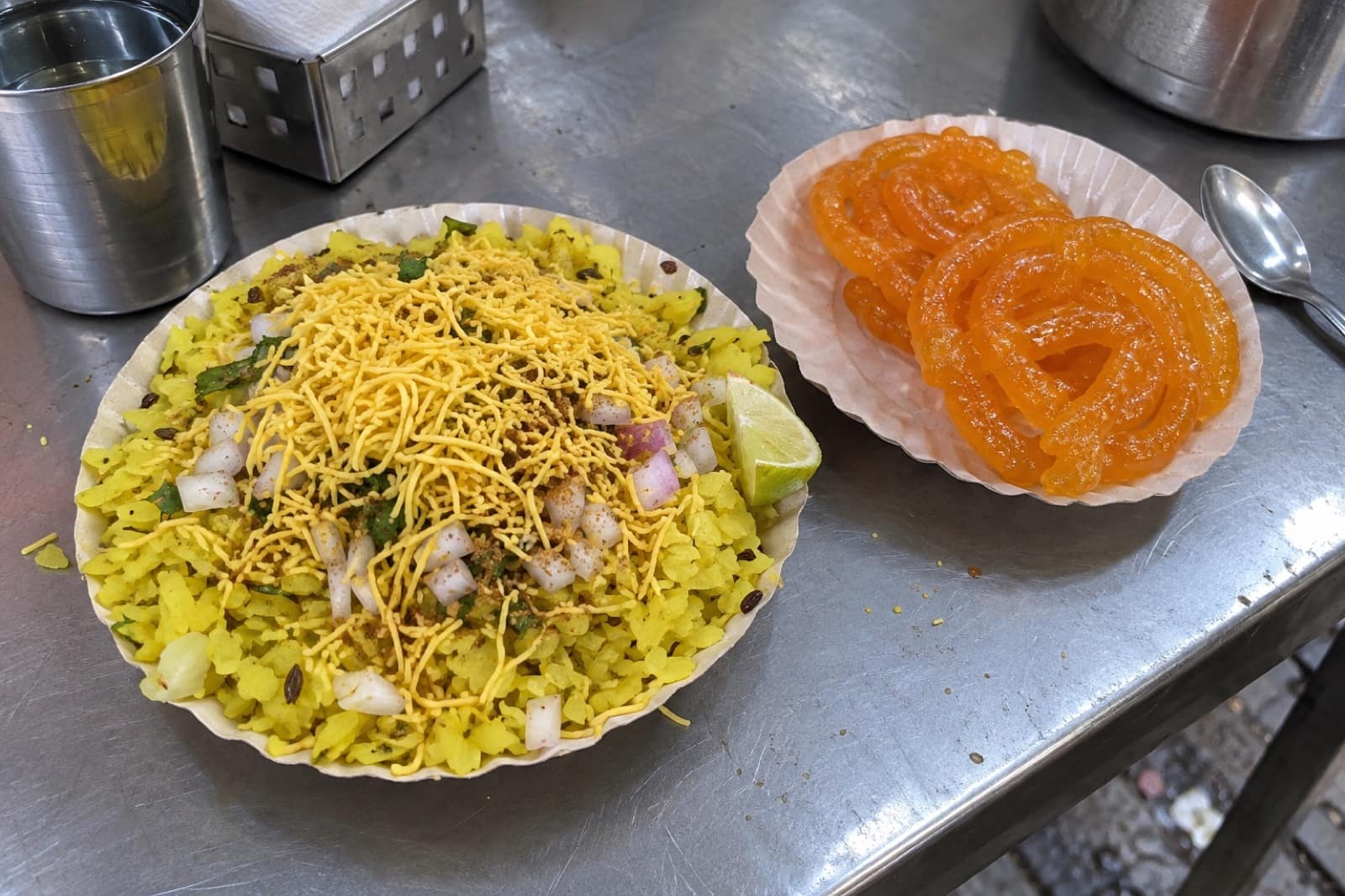
Round out the visit with something to eat. Look for poha-jalebi nearby.
Special dishes to try
Search food by craving
Good to know
Local tips
Drive up through the Urvai Gate to see the giant Jain figures carved into the cliffs beside the road.
Walk up from the Gwalior Gate only if you are fit, as the path is steep and takes about half an hour.
Start early in the day, before the sun heats up the open stone paths on top of the hill.
Carry water and a hat, especially between March and June.
Cover your head and remove your shoes before entering Gurdwara Data Bandi Chhor.
Stay for the sound-and-light show at Man Mandir Palace, which runs in Hindi and then English after dark.
Allow at least half a day to see the palaces, temples and viewpoints without rushing.
About Gwalior Fort
Gwalior Fort stands on Gopachal, a long, flat-topped sandstone hill that rises about 100 m above the city. Its walls follow the edge of the cliffs, and people have been building here for more than a thousand years, from 8th- and 9th-century temples to 15th-century palaces and Jain figures carved into the rock. The Mughal emperor Babur called it the pearl among the fortresses of Hind.
Inside the walls you can see Man Mandir Palace with its tiled walls, the Sas-Bahu Temples, Teli ka Mandir and Gurdwara Data Bandi Chhor, which marks the place where Guru Hargobind was held prisoner. The Gujari Mahal museum stands near the Gwalior Gate, at the foot of the path from the old town. The fort is large, so plan at least half a day, and go back after dark for the sound-and-light show at Man Mandir Palace.
Questions
Gwalior Fort — FAQ
What is the best time to visit Gwalior Fort?
Early morning, when the paths are quiet and soft light falls on the sandstone walls; late afternoon for warm light and long views over the city. Stand at the edge of the ramparts and take a wide photo along the fort walls, with the city spread out far below.
Is there an entry fee at Gwalior Fort?
Entry to Gwalior Fort costs ₹75 (Indian) / ₹250 (foreign). Prices change, so treat that as a guide and confirm at the counter.
What are the opening hours of Gwalior Fort?
Gwalior Fort is open 8:00 AM – 5:30 PM.
What should I wear at Gwalior Fort?
Turquoise, white and rust photograph especially well here. Explore the trending and traditional outfit ideas on this page for full looks.
How crowded does Gwalior Fort get?
Crowd levels are typically medium. To miss the busiest window: early morning, when the paths are quiet and soft light falls on the sandstone walls; late afternoon for warm light and long views over the city.
What food should I try near Gwalior Fort?
Try poha-jalebi at spots close by.
What is Gwalior Fort famous for?
Gwalior Fort is famous for its size, its cliff-top walls and more than a thousand years of history. It holds the tiled Man Mandir Palace, the carved Sas-Bahu Temples, Teli ka Mandir and, at the small Chaturbhuj Temple, one of the oldest known written zeros in India.
How do I get up to Gwalior Fort?
There are two main ways up. By car or auto-rickshaw, take the road through the Urvai Gate on the western side, which passes the Jain rock figures and ends at the parking area on top. On foot, take the steep path from the Gwalior Gate near the old town, which passes the Gujari Mahal and several gateways and takes about half an hour.
How much time do I need at Gwalior Fort?
Plan at least half a day for the palaces, temples and viewpoints. With the Gujari Mahal museum, the Jain rock figures and the evening sound-and-light show, it easily becomes a full day.
What is the sound-and-light show at Gwalior Fort?
It is an evening show at an open-air theatre next to Man Mandir Palace, where lights and narration tell the story of the fort and its rulers. There is usually a Hindi show followed by an English one, each lasting under an hour. Timings change with the season, so check them at the fort before you go.