
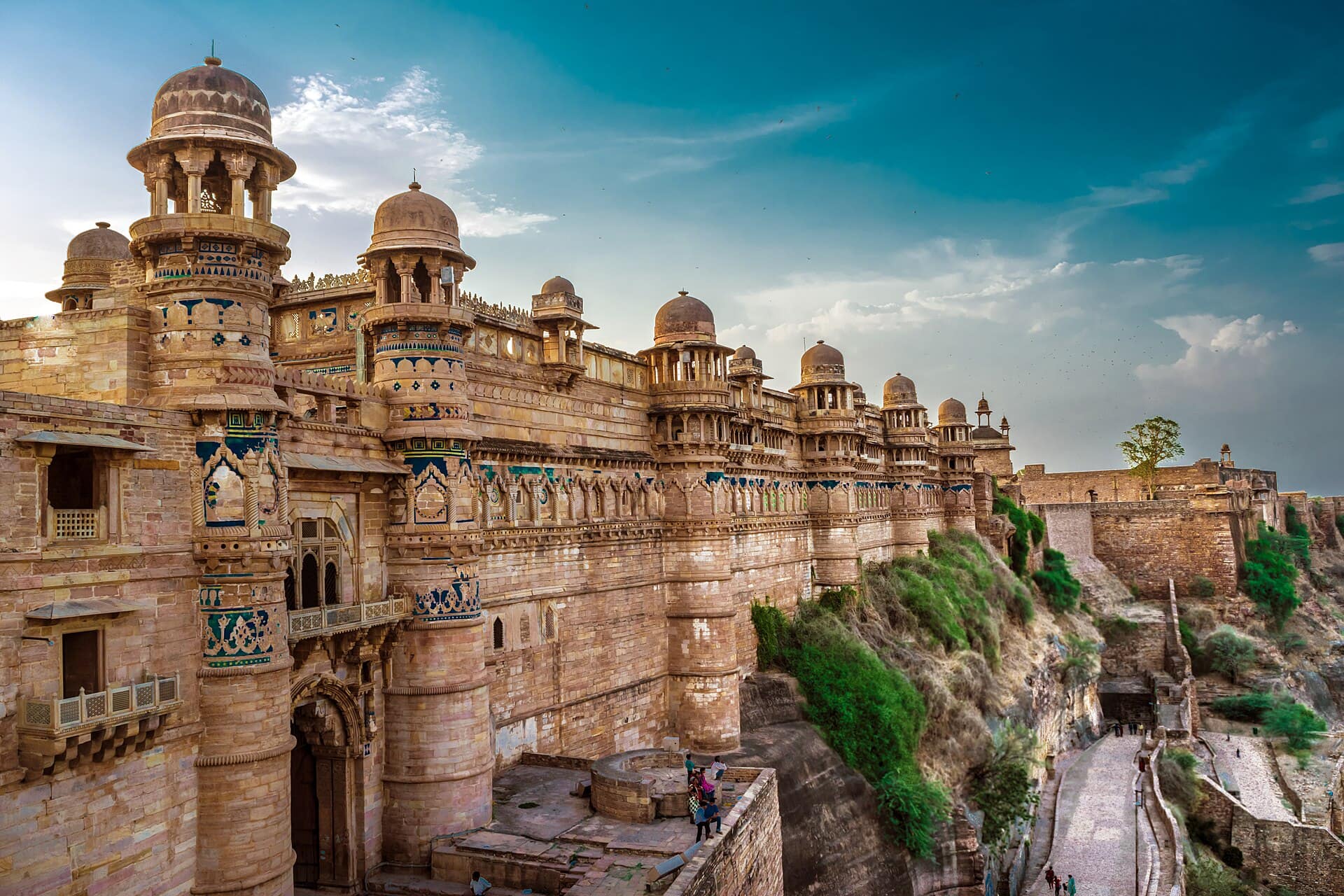
Madhya Pradesh · India
Gwalior
A historic fort-city of a magnificent hilltop citadel, Scindia palaces and a rich musical legacy as the home of the maestro Tansen.
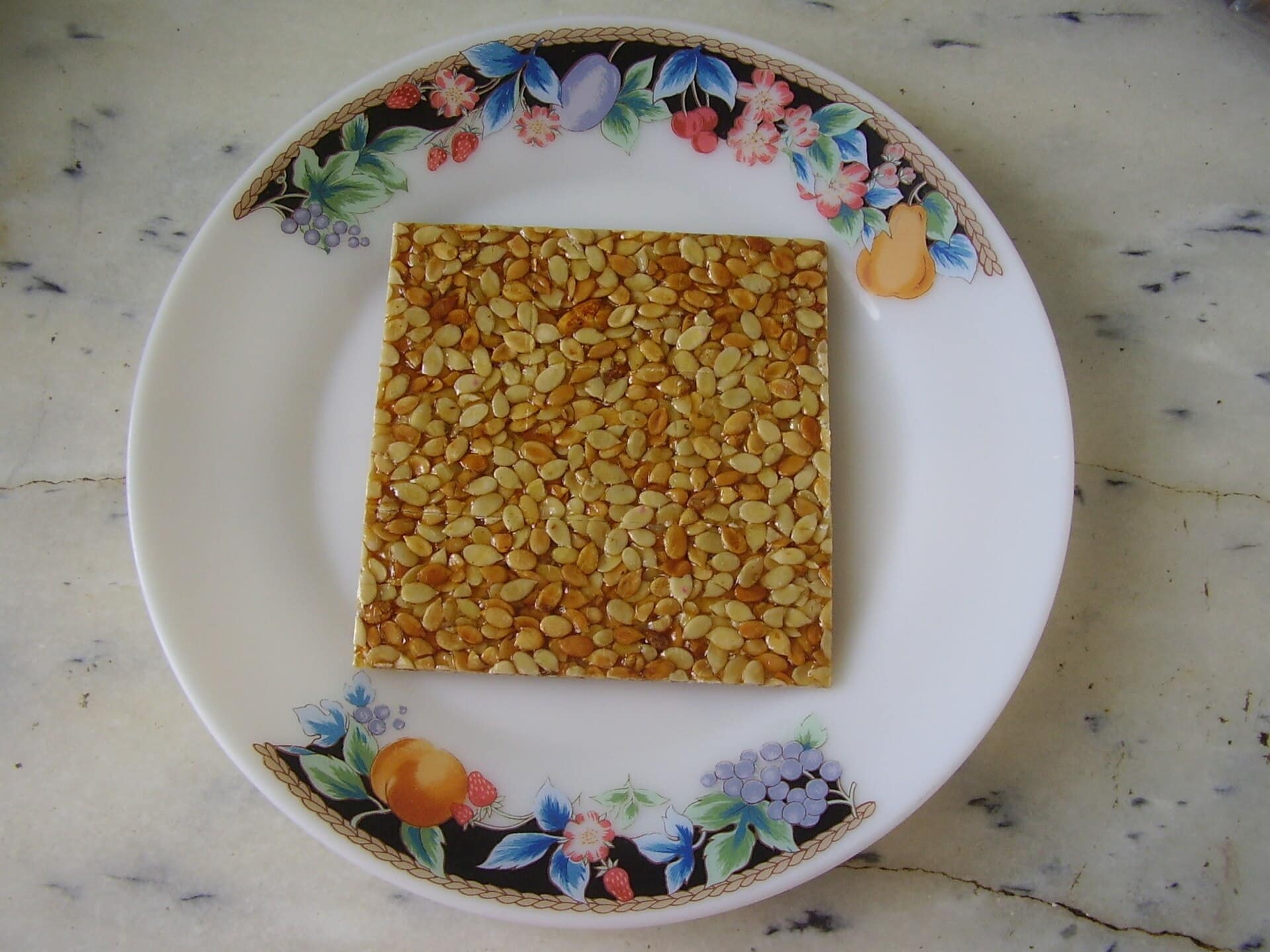
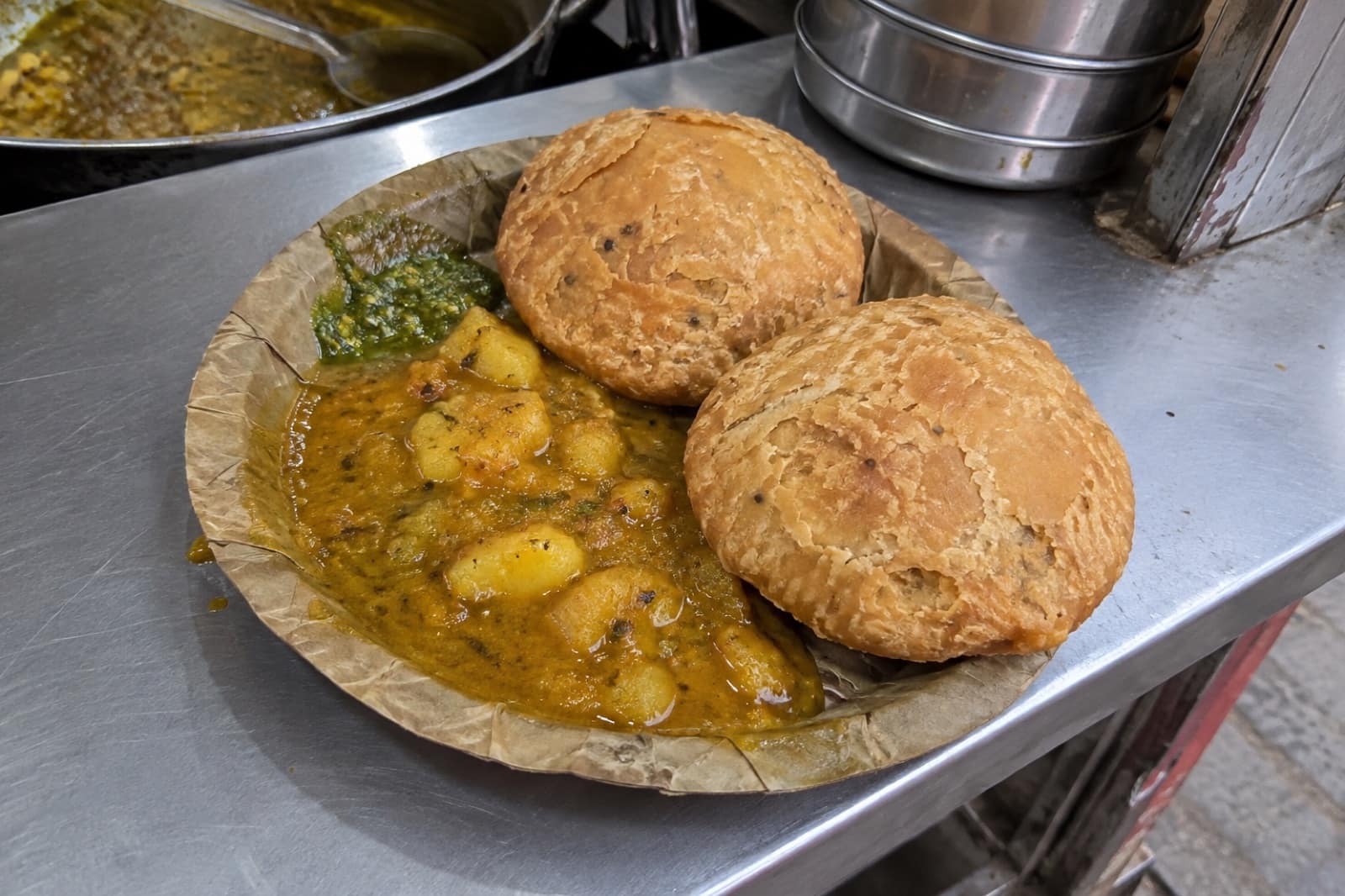
Gwalior is proud of its 'gem of a fort', the Scindia heritage, the Gwalior gharana of Hindustani music (Tansen), and winter gajak and poha-kachori food.
Plan your trip
Gwalior Tour Itineraries
Timed, walkable day plans — plus the best season to go.
Where to shoot
Gwalior Photo Spots
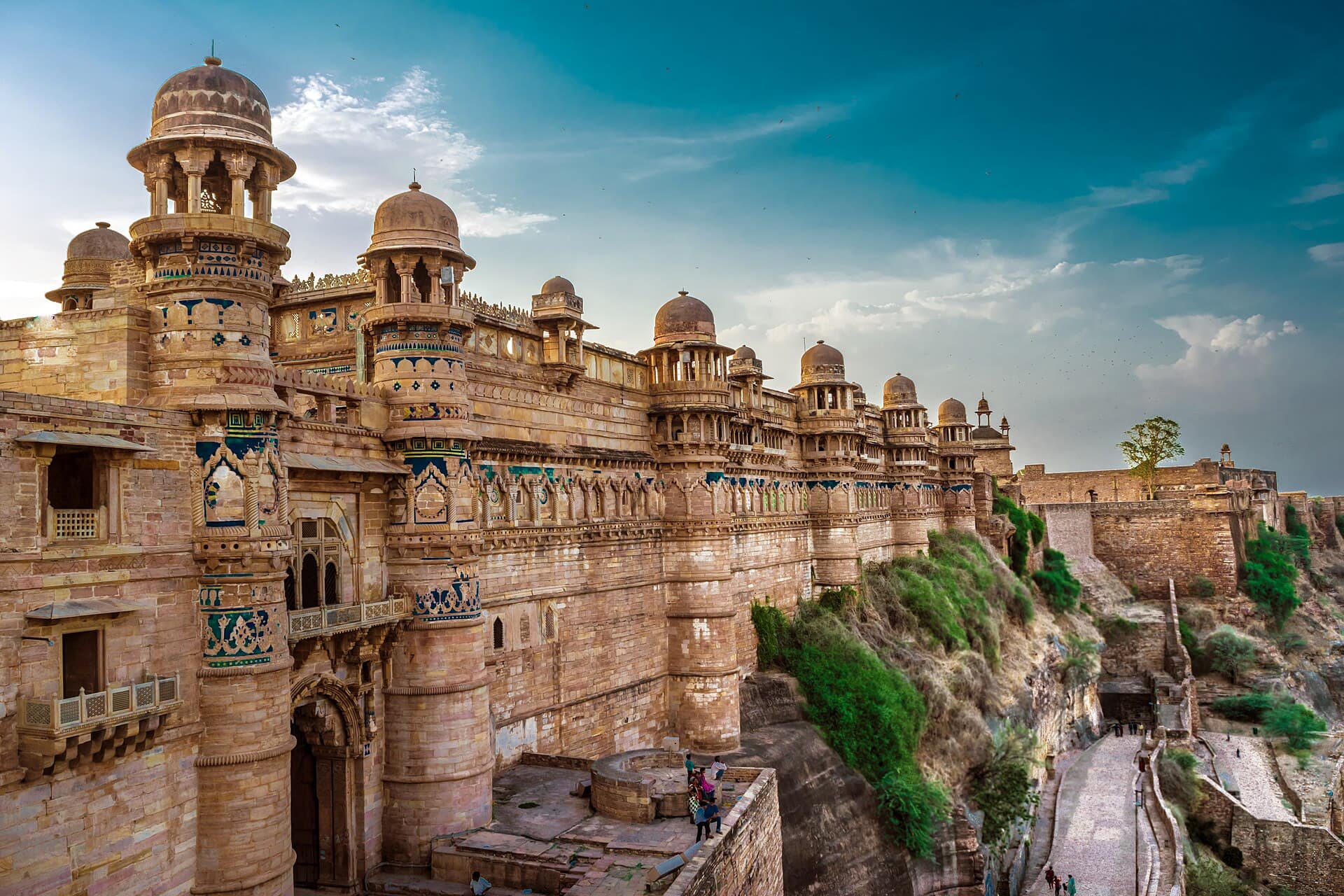 Medium crowd
Entry ₹75 (Indian) / ₹250 (foreign)
Gwalior Fort
- Best timeEarly morning, when the paths are quiet and soft light falls on the sandstone walls; late afternoon for warm light and long views over the city.
- ColorsTurquoiseWhiteRust
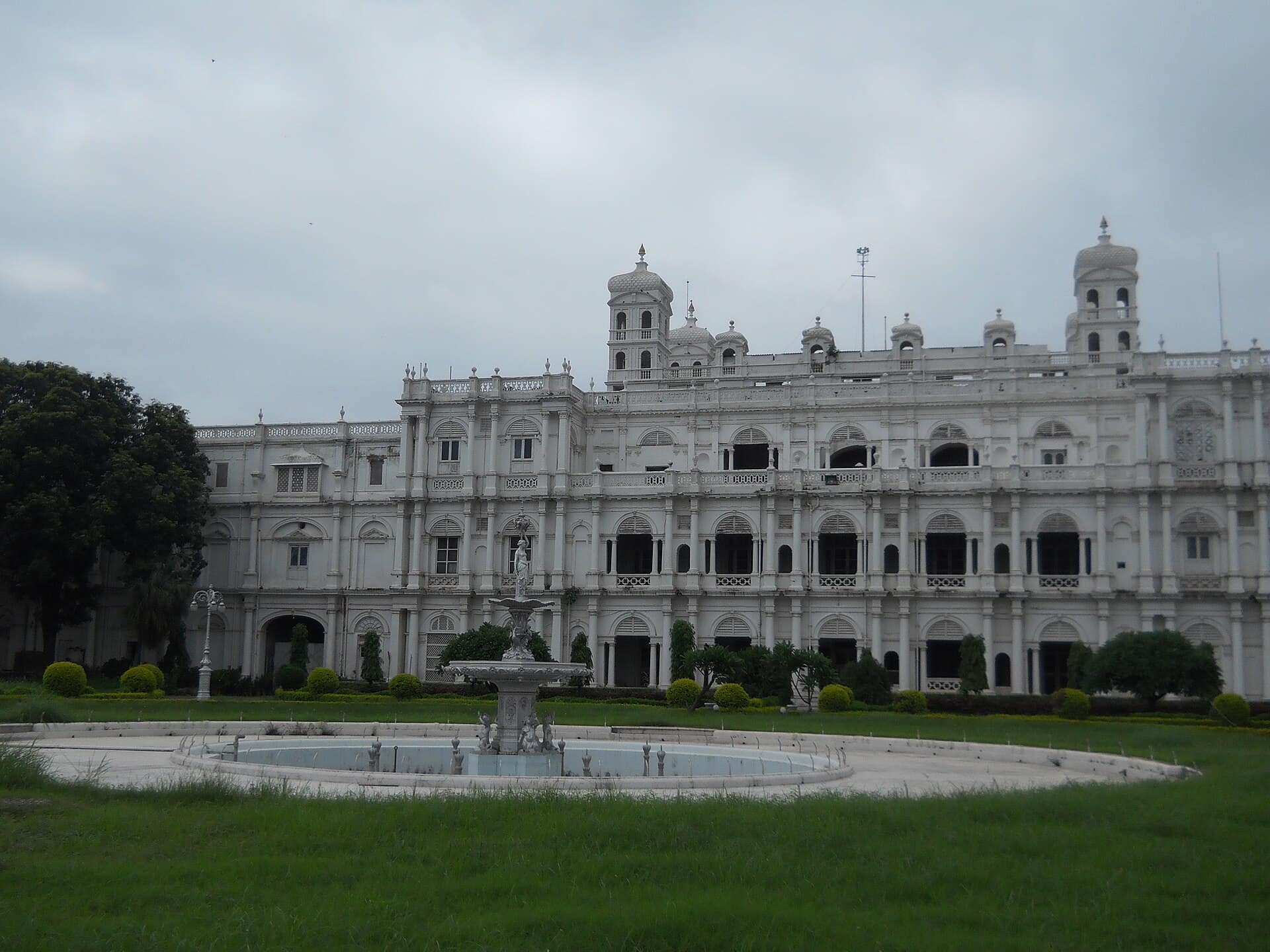 Medium crowd
Entry ₹150 (Indian)
Jai Vilas Palace
- Best timeMid-morning, soon after the museum opens, when the Durbar Hall is quieter and the white façade is not yet in harsh midday sun.
- ColorsIvoryEmeraldWine
Entry Covered by fort ticket
Man Mandir Palace
- Best timeMorning, when the light is soft and the tiled walls are quiet enough to photograph without crowds; after dark for the sound-and-light show.
- ColorsTurquoiseYellowWhite
Entry Covered by fort ticket
Sas-Bahu Temples
- Best timeMorning, when soft light brings out the depth of the carving and the temples are quiet.
- ColorsOchreCreamRust
Entry Free
Tomb of Tansen
- Best timeMorning, when the garden is quiet and soft light falls on the carved stone screens and domes.
- ColorsRustCreamMaroon
For the feed
Trending Wear in Gwalior
Modern, Instagram-friendly looks

Rooted in the city
Gwalior Traditional Wear
Local, cultural, handcrafted outfits
Before you go
Temples in Gwalior
Darshan hours, dress codes and what gets refused at the gate
Taste the city
Food to Eat in Gwalior



Trusted tables
Where to Eat in Gwalior

About Gwalior
Gwalior is a historic city in northern Madhya Pradesh, about 120 km south of Agra. It grew up around Gwalior Fort, which sits on a long sandstone hill above the city and has changed hands many times over more than a thousand years. Inside its walls are 8th- and 11th-century temples, the tiled Man Mandir Palace and giant Jain figures cut into the cliffs. Below the fort, the Scindia rulers built Lashkar, with its busy bazaars around Jayaji Chowk and the European-style Jai Vilas Palace, which is still partly the family's home.
Gwalior is also one of India's great music cities. Tansen, the most famous singer at Akbar's court, is buried here, the Gwalior gharana is one of the oldest schools of Hindustani classical singing, and in 2023 UNESCO named Gwalior a Creative City of Music. Spend a morning at the fort and go back after dark for the sound-and-light show, then see the chandeliers of Jai Vilas Palace and the quiet garden around Tansen's tomb. In winter, don't leave without a box of gajak, the city's crisp sesame-and-jaggery sweet.
Questions
Gwalior — FAQ
What is Gwalior famous for?
Gwalior is famous for Gwalior Fort, with the tiled Man Mandir Palace, the Sas-Bahu Temples and Teli ka Mandir, and for the Scindia family's Jai Vilas Palace and its giant chandeliers. It is also known as the resting place of the singer Tansen, as a UNESCO City of Music and for gajak, a winter sweet made with sesame and jaggery.
How many days are enough for Gwalior?
2 days is enough for the main sights. Spend the first day at Gwalior Fort and stay for the evening sound-and-light show, and the second at Jai Vilas Palace, the Tomb of Tansen and the bazaars of Lashkar. Add a third day for the Gujari Mahal museum, the Jain rock figures and a slower look around the fort.
What is the best time to visit Gwalior?
October to March is the best time, and November to February is the most comfortable, with sunny days and cold nights. April to June is extremely hot, with May afternoons averaging about 42 °C, and July to September brings the monsoon rain. See the best time to visit Gwalior for a month-by-month guide.
How do I reach Gwalior?
Gwalior Junction is on the main rail lines from Delhi to Mumbai and Chennai, and the fastest trains from New Delhi take about 3 hours. By road, Gwalior is about 120 km from Agra and about 320 km from Delhi. Gwalior Airport, about 10 km north-east of the city, has domestic flights to cities such as Delhi, Mumbai and Bengaluru, but routes change often, so check before you book.
Why is Gwalior called a City of Music?
In 2023 UNESCO added Gwalior to its Creative Cities Network as a City of Music. The city is closely linked with the dhrupad and khayal styles of Hindustani classical music, it is home to the Gwalior gharana, and the great singer Tansen is buried here. Every December his tomb hosts the Tansen Samaroh, one of India's oldest classical music festivals.