
What to Wear in Jaipur
What you wear in Jaipur depends mostly on the season. The city is hot and dry for much of the year, with a short humid monsoon, but winter nights can be properly cold. A day of sightseeing also means climbing fort ramps, walking busy bazaars and stepping into temples, so comfort matters as much as style.
Loose cotton clothes that cover your shoulders and knees work well almost all year. For photos, Jaipur is the place to try Rajasthani prints: a bandhani saree, a leheriya dupatta or a bright ghagra stands out against the pink walls and sandstone forts.
Trending wear
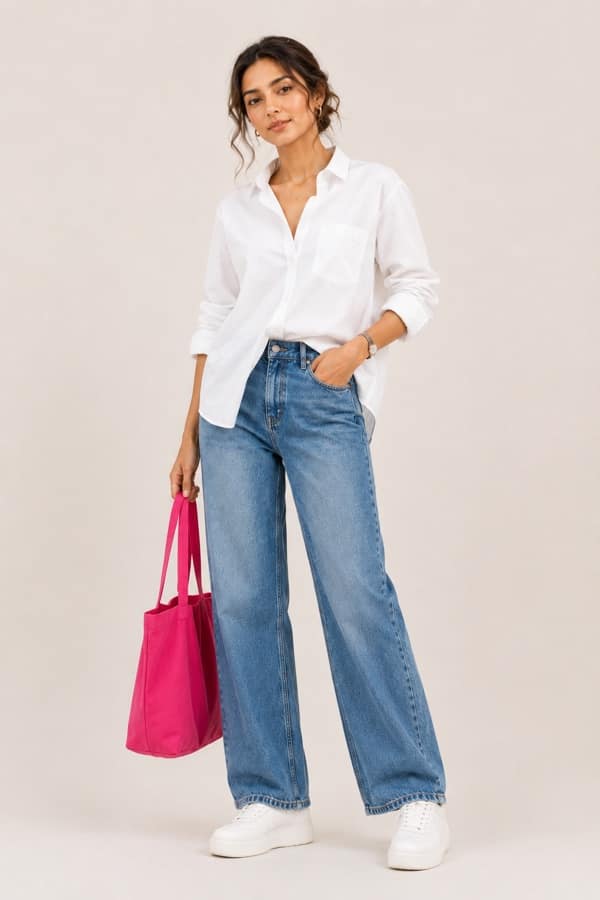
Modern, Instagram-friendly looks
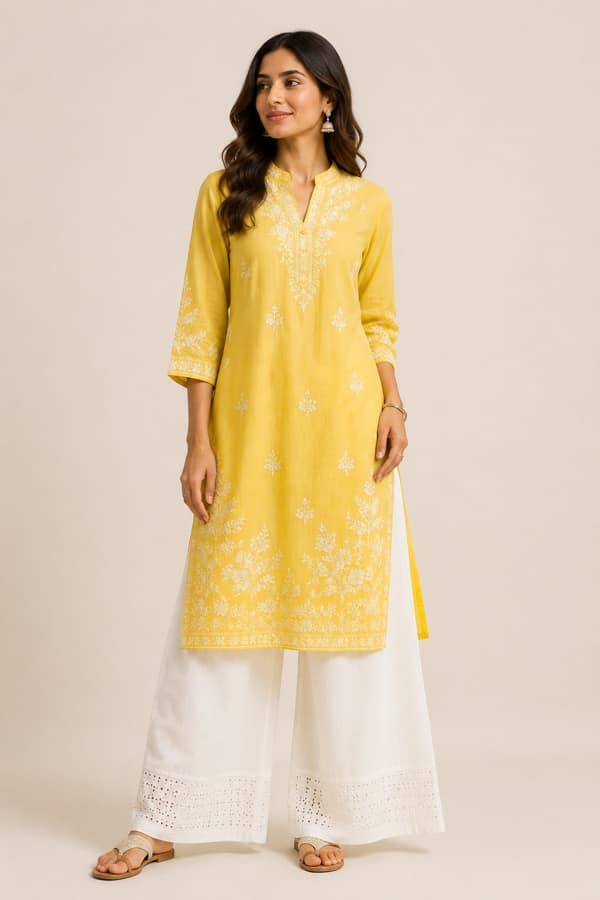
Traditional wear
Local cultural outfits
 Traditional
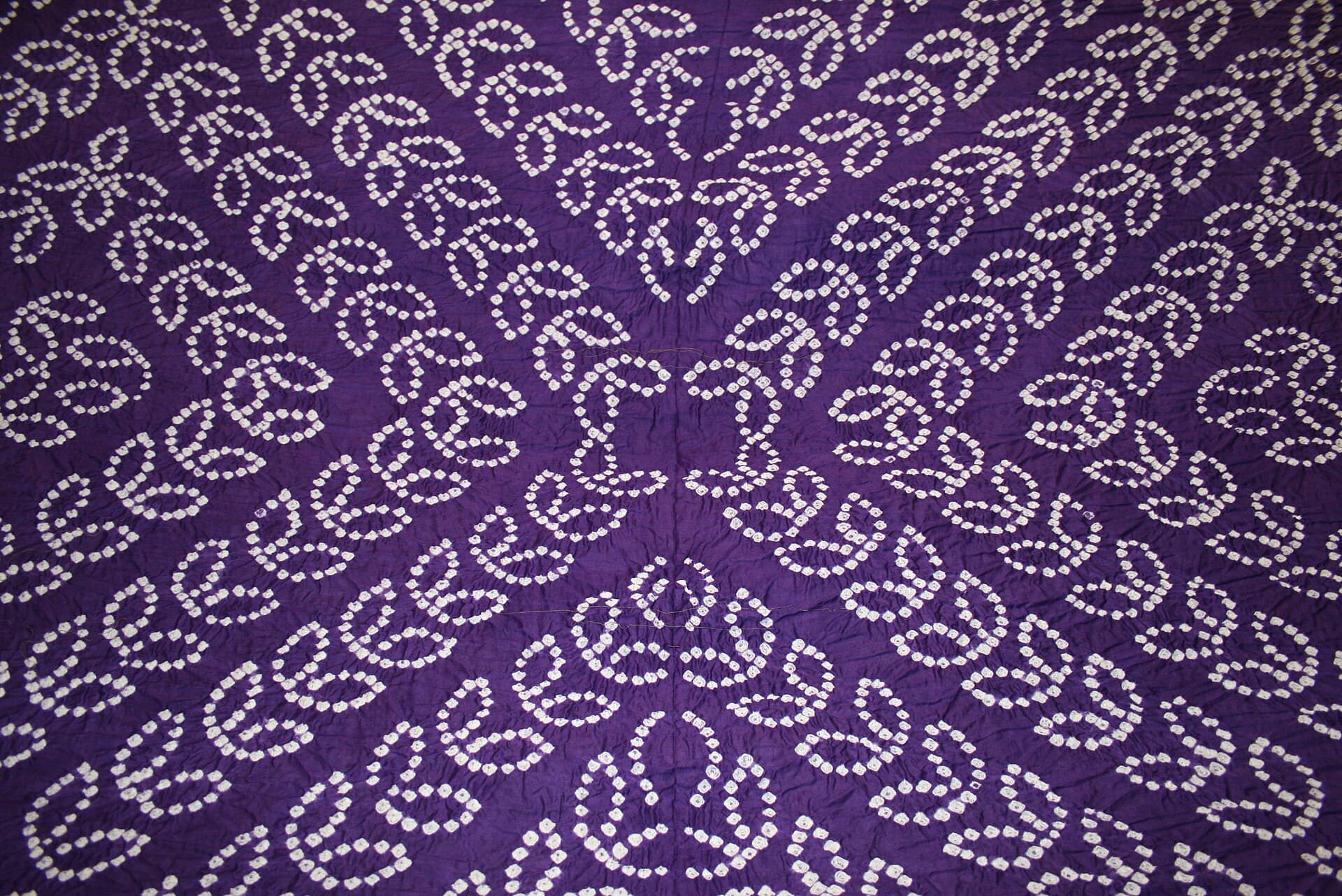
Bandhani saree
₹1,200–6,000
Bandhgala Jacket
₹1,500–8,000
Jaipuri Mojari and Jutti
₹300–2,500
Kundan Meena Jewellery
₹500–25,000 and far above
Lac Bangles
₹100–800 a set
 Traditional
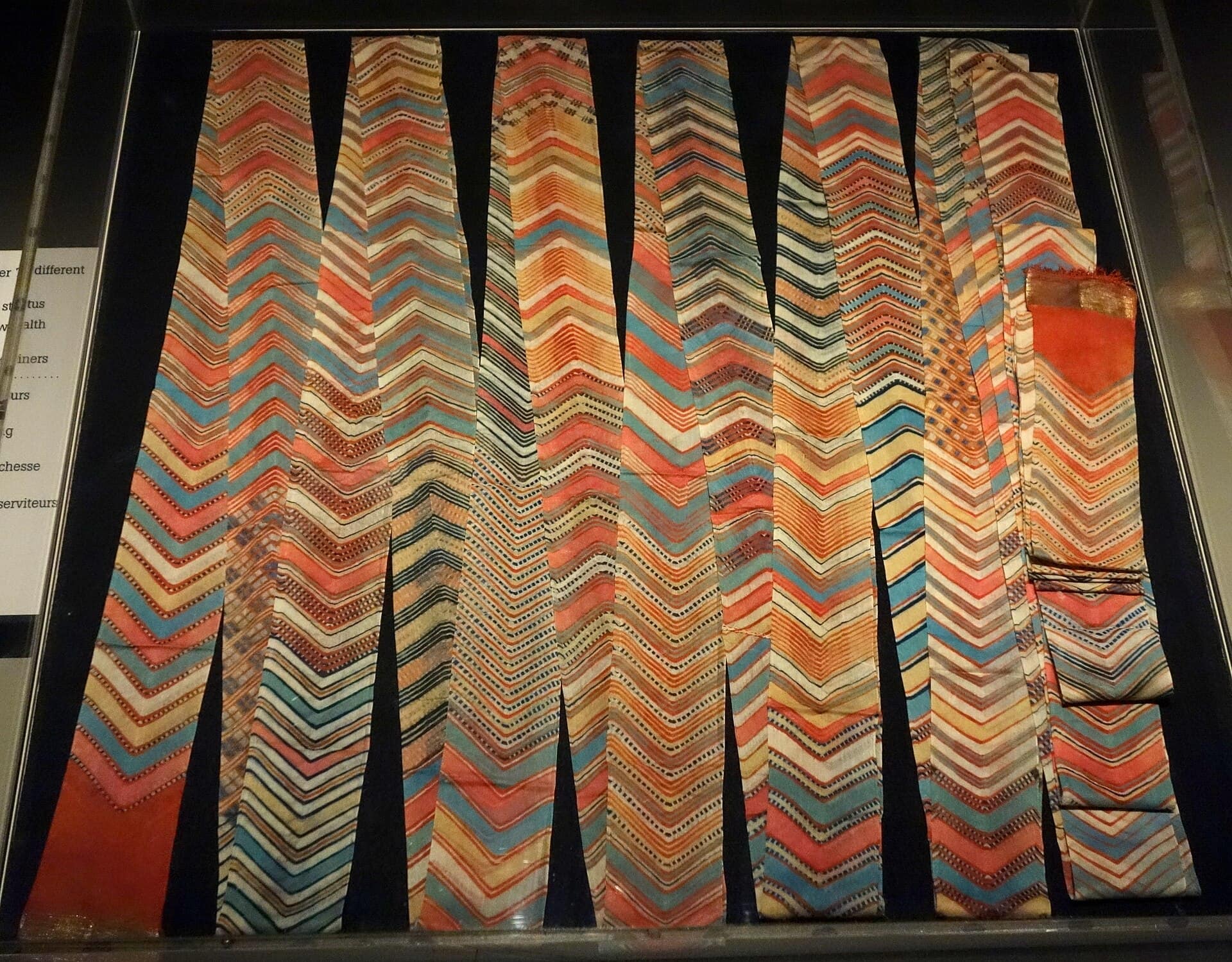
Leheriya dupatta with kurti
₹600–2,500
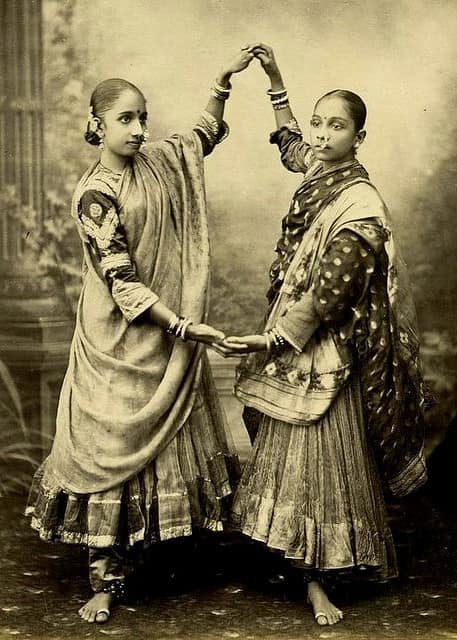 Traditional
Rajasthani ghagra (lehenga)
₹2,000–10,000 (rent from ₹800)
Rajasthani Pagdi
₹300–1,500
What to Wear in Jaipur During Winter
Winter (October to March) is the main travel season. Days are warm and sunny, but mornings and nights get cold, especially in December and January, when temperatures can fall to single figures after dark.
Best Winter Outfits for Jaipur
- Cotton kurtas or shirts for the daytime
- Jeans, trousers or palazzos
- A light jacket, sweater or shawl for mornings and evenings
- A warmer layer for December and January nights
- Sunglasses, as the winter sun is still bright
What to Wear in Jaipur During Summer
Summer (April to June) is very hot and dry, often above 40 °C by midday. Cover up rather than strip down: loose, light fabrics protect your skin from the sun better than shorts and vests.
Best Summer Outfits for Jaipur
- Loose cotton or linen shirts and kurtas
- Light, full-length trousers or long skirts
- A cotton scarf or dupatta to cover your head and neck
- A wide-brimmed hat and sunglasses
- Breathable sandals or light shoes
What to Wear in Jaipur During the Monsoon
The monsoon (July to September) brings warm, humid days and showers that come and go. Rain rarely lasts all day, but old-city lanes can flood briefly after a heavy burst.
Best Monsoon Outfits for Jaipur
- Quick-drying cotton or synthetic tops
- Light trousers that dry fast
- A compact umbrella or light rain jacket
- Sandals or shoes with a good grip
Best Colours to Wear in Jaipur
The old city is already pink and terracotta, so avoid pink if you want to stand out against the walls. White, cobalt blue, emerald green and mustard yellow work well in the bazaars and at Hawa Mahal. At the forts, red, orange and royal blue stand out against the golden sandstone, and at Patrika Gate a plain white or black outfit lets the painted arches do the work.
Footwear Tips for Jaipur
Amber Fort and Nahargarh involve steep, uneven ramps and stone paths, so wear comfortable closed shoes or sturdy sandals with a good grip. Stone courtyards get very hot in the afternoon sun, and you will remove your shoes at temples, so slip-on shoes save time. Leave new mojaris for photos rather than a full day of walking.
Questions
Jaipur — FAQ
Is it cold in Jaipur in winter?
Days are warm, but December and January nights can be cold, sometimes dropping to single figures. Pack a warm jacket or shawl for early mornings and evenings.
Can I wear shorts in Jaipur?
Shorts are fine in hotels and some cafés, but in the old city, forts and temples, trousers, long skirts or a kurta that covers your knees are more comfortable and more respectful. Loose long clothes also protect you from the sun.
Where can I buy or rent a Rajasthani outfit in Jaipur?
Johari Bazaar and the other old-city bazaars sell bandhani and leheriya sarees and dupattas. Some shops and photo studios near the main sights rent ghagras for photo shoots, so ask before you buy.
What should I wear to Amber Fort?
Wear light clothes that cover your shoulders and knees, a hat for the open courtyards, and comfortable shoes for the steep ramp up to the entrance. Bright colours like red or royal blue stand out against the sandstone.
What should I pack for Jaipur in summer?
Pack loose cotton clothes, a wide-brimmed hat, sunglasses, sunscreen and a scarf to cover your head and neck. Plan sightseeing for early morning and evening, when it is cooler.