
Rajasthan · India
Jaipur
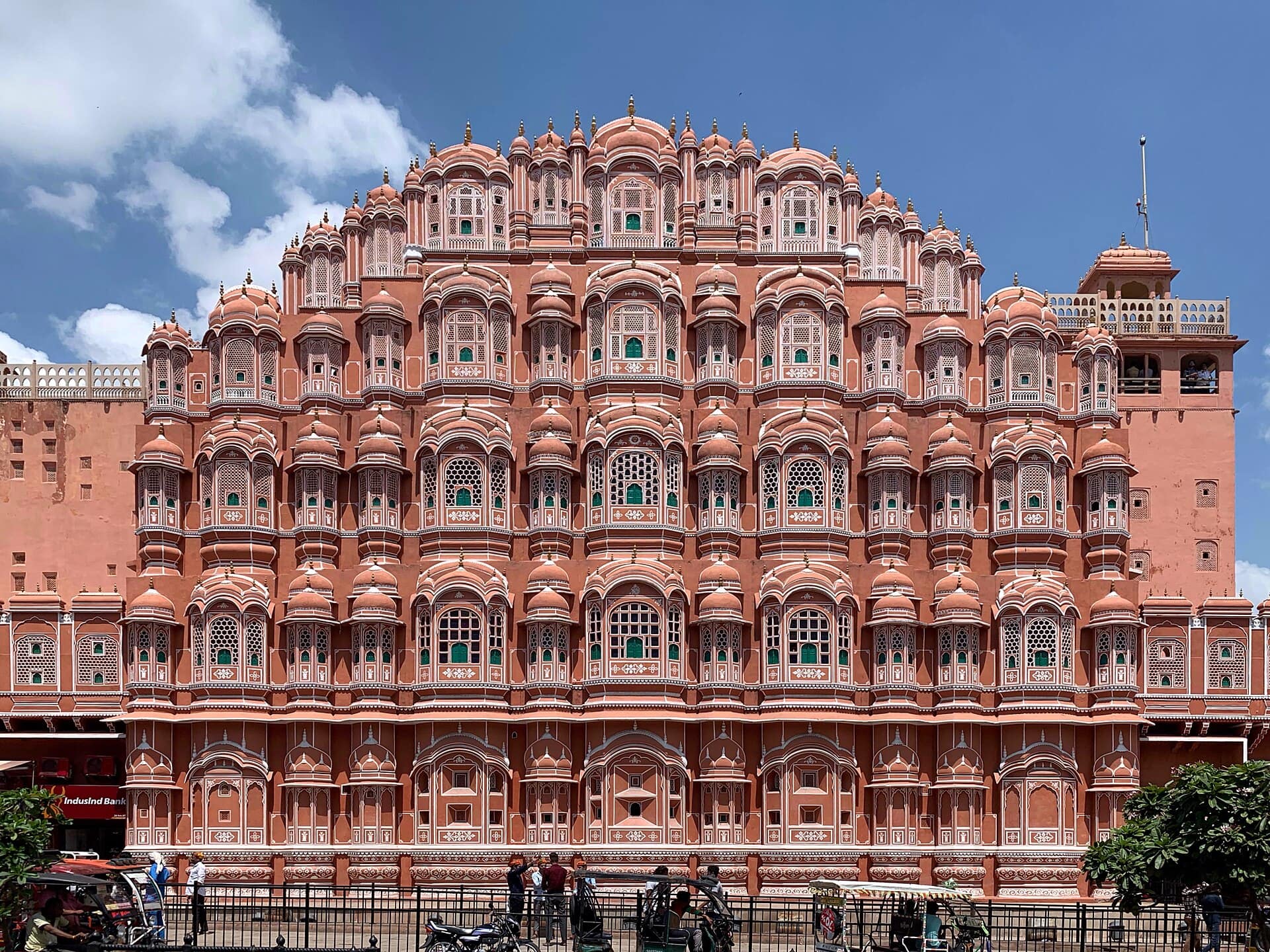
The Pink City — a riot of forts, palaces and bazaars where royal Rajputana heritage meets a thriving street-food and fashion scene.
Jaipur's old city is painted terracotta-pink. Bandhani, leheriya and block-print textiles, oxidised jewellery and mojari footwear define its traditional look.
Plan your trip
Jaipur Tour Itineraries
Timed, walkable day plans — plus the best season to go.
Where to shoot
Jaipur Photo Spots
Entry ₹100 (Indian) / ₹600 (foreign)
Albert Hall Museum
- Best timeDusk for the lit exterior with a reflection; early morning for clean sandstone detail.
- ColorsBlackEmeraldWhite
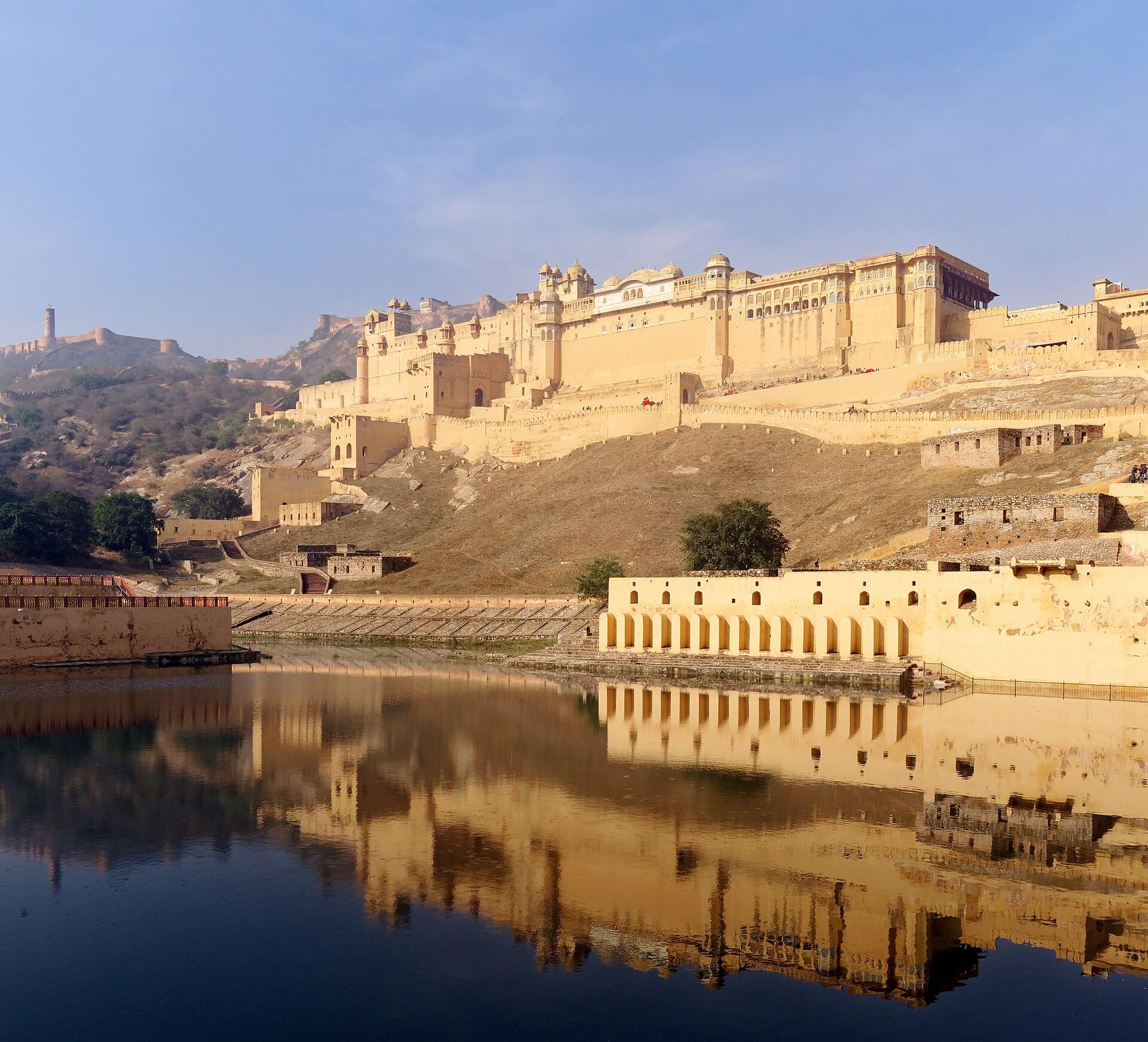 High crowd
Entry ₹200 (Indian) / ₹1,000 (foreign)
Amber Fort
- Best timeEarly morning, when the sun lights the fort walls and Maota Lake is calm enough for a reflection.
- ColorsWhiteMustardTerracotta
Entry Small entry fee (confirm locally)
Anokhi Museum of Hand Printing
- Best timeMid-morning to early afternoon, when the courtyard light is even.
- ColorsIndigoWhiteMadder red
Entry Free
Bapu Bazaar
- Best timeEarly evening, before full dark.
- ColorsIndigoMarigoldFuchsia
Entry Nominal (ASI) — confirm at the gate
Chand Baori, Abhaneri
- Best timeMid-morning for even light across the whole face; late afternoon for depth and shadow.
- ColorsRedWhiteCobalt
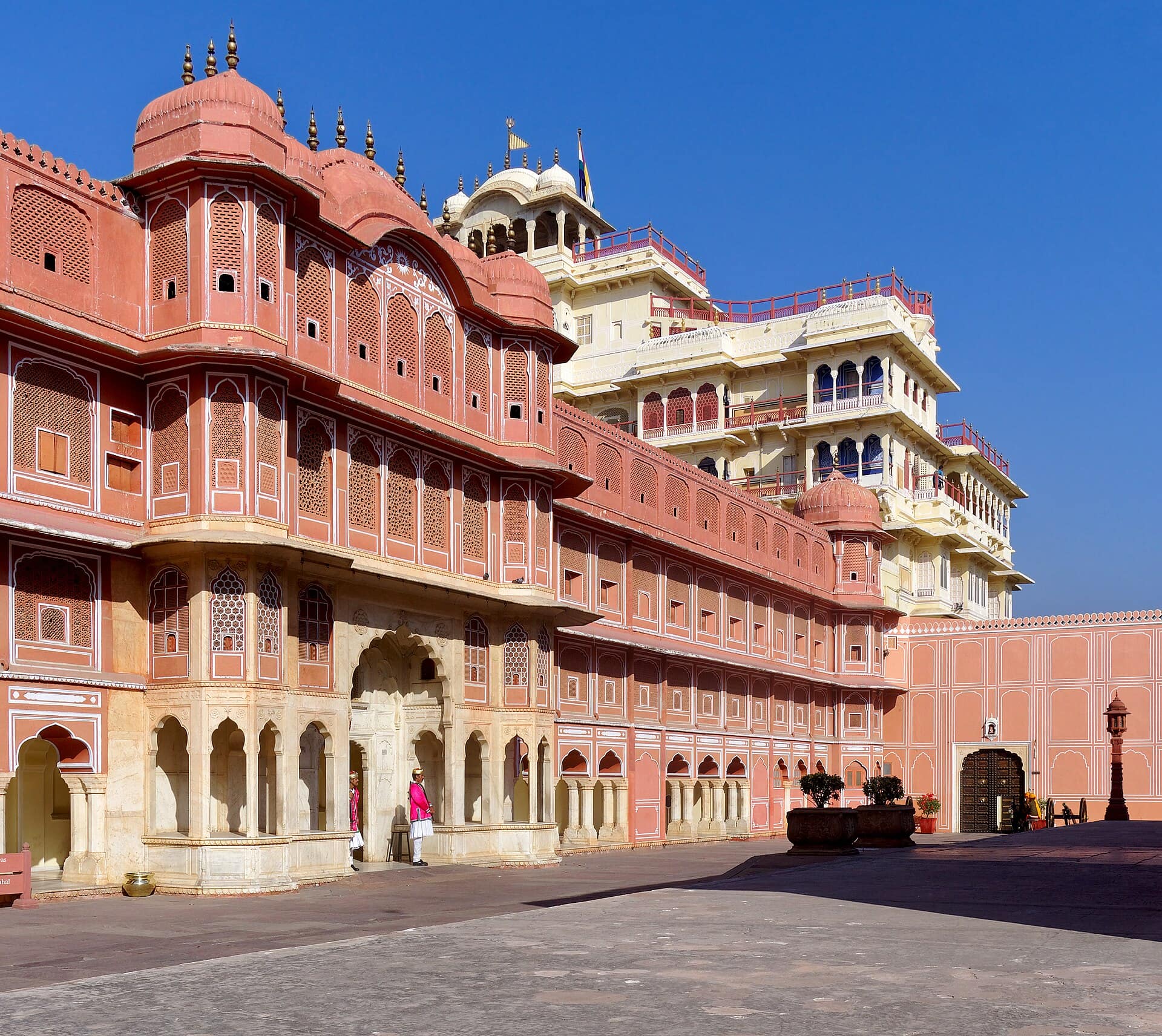 Medium crowd
Entry ₹200–400 (Indian) / ₹700–1,250 (foreign)
City Palace
- Best timeLate morning, when the sun is high enough to light the Peacock Gate evenly; a weekday visit also means fewer people waiting for the same shot.
- ColorsRoyal blueEmeraldFuchsia
For the feed
Trending Wear in Jaipur
Modern, Instagram-friendly looks

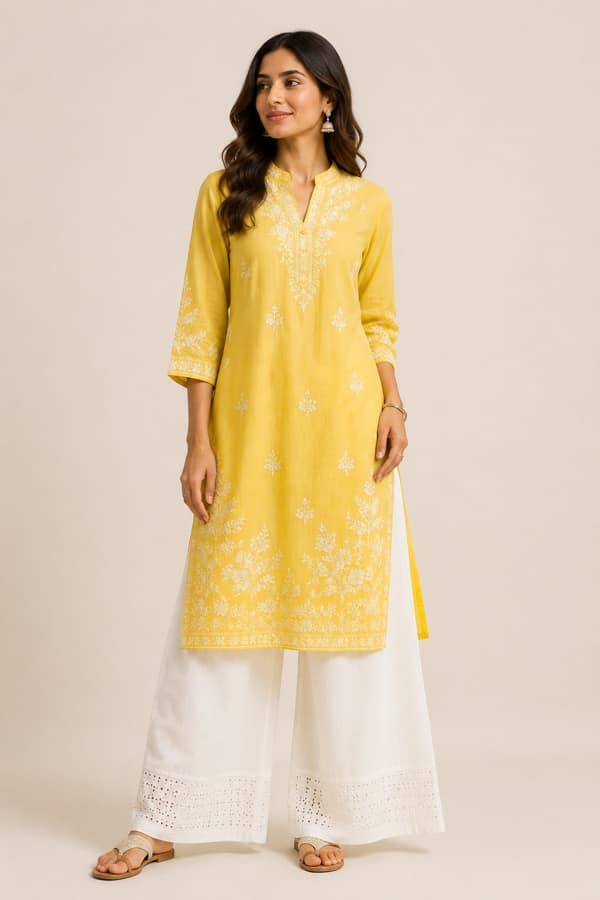
Rooted in the city
Jaipur Traditional Wear
Local, cultural, handcrafted outfits
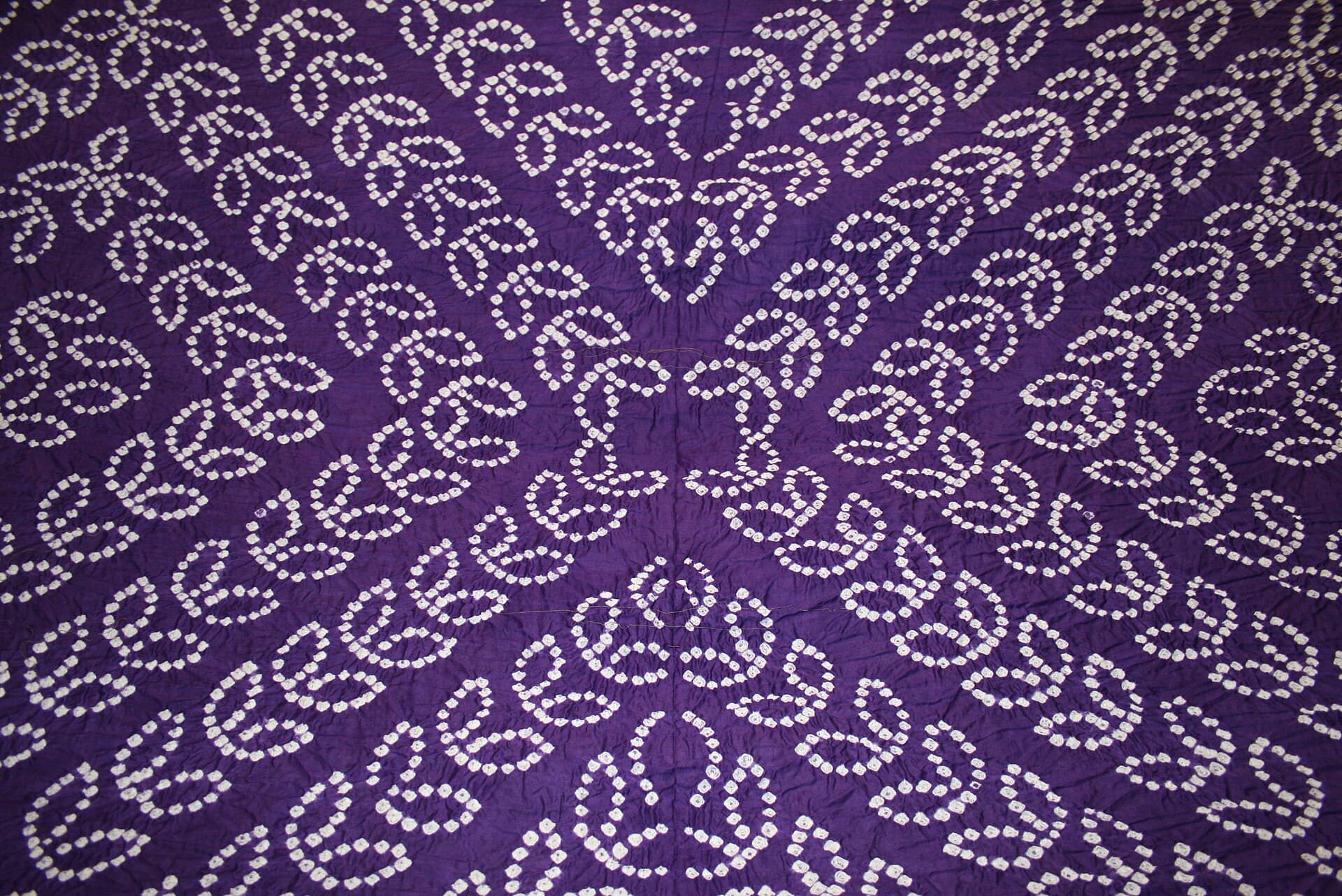 Traditional
Bandhani saree
₹1,200–6,000
Bandhgala Jacket
₹1,500–8,000
Jaipuri Mojari and Jutti
₹300–2,500
Kundan Meena Jewellery
₹500–25,000 and far above
Lac Bangles
₹100–800 a set
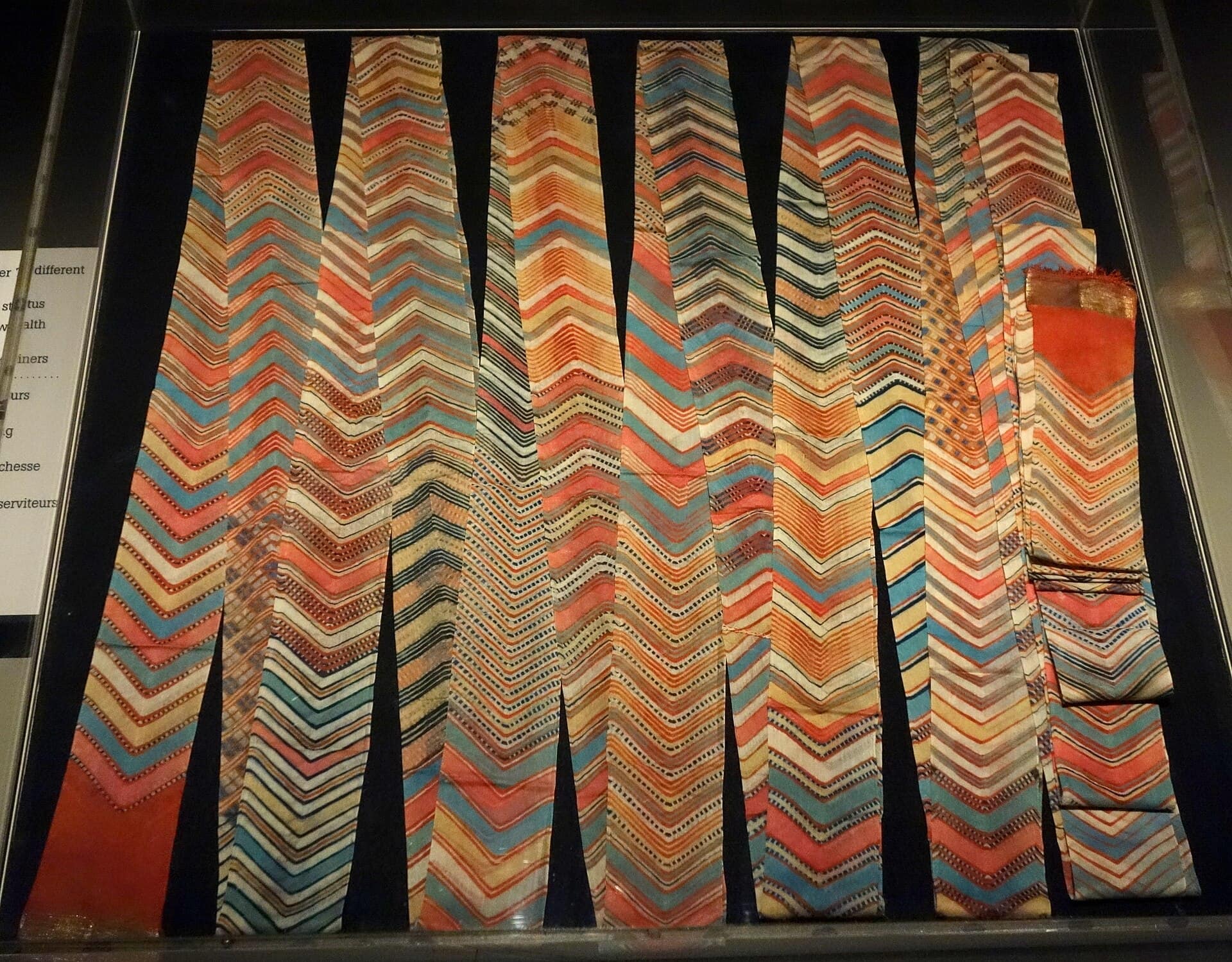 Traditional
Leheriya dupatta with kurti
₹600–2,500
Before you go
Temples in Jaipur
Darshan hours, dress codes and what gets refused at the gate
Birla Mandir
Lord Vishnu as Lakshmi Narayan, with Goddess Lakshmi
Vishnu · Krishna templeGaltaji (the Monkey Temple)
Hanuman, and Surya
Vishnu · Krishna templeGovind Dev Ji Temple
Krishna as Govind Dev
Vishnu · Krishna templeMoti Dungri Ganesh Temple
Lord Ganesha
Ganesha templeShila Devi Temple
Shila Devi (Kali)
Devi · Shakti templeTaste the city
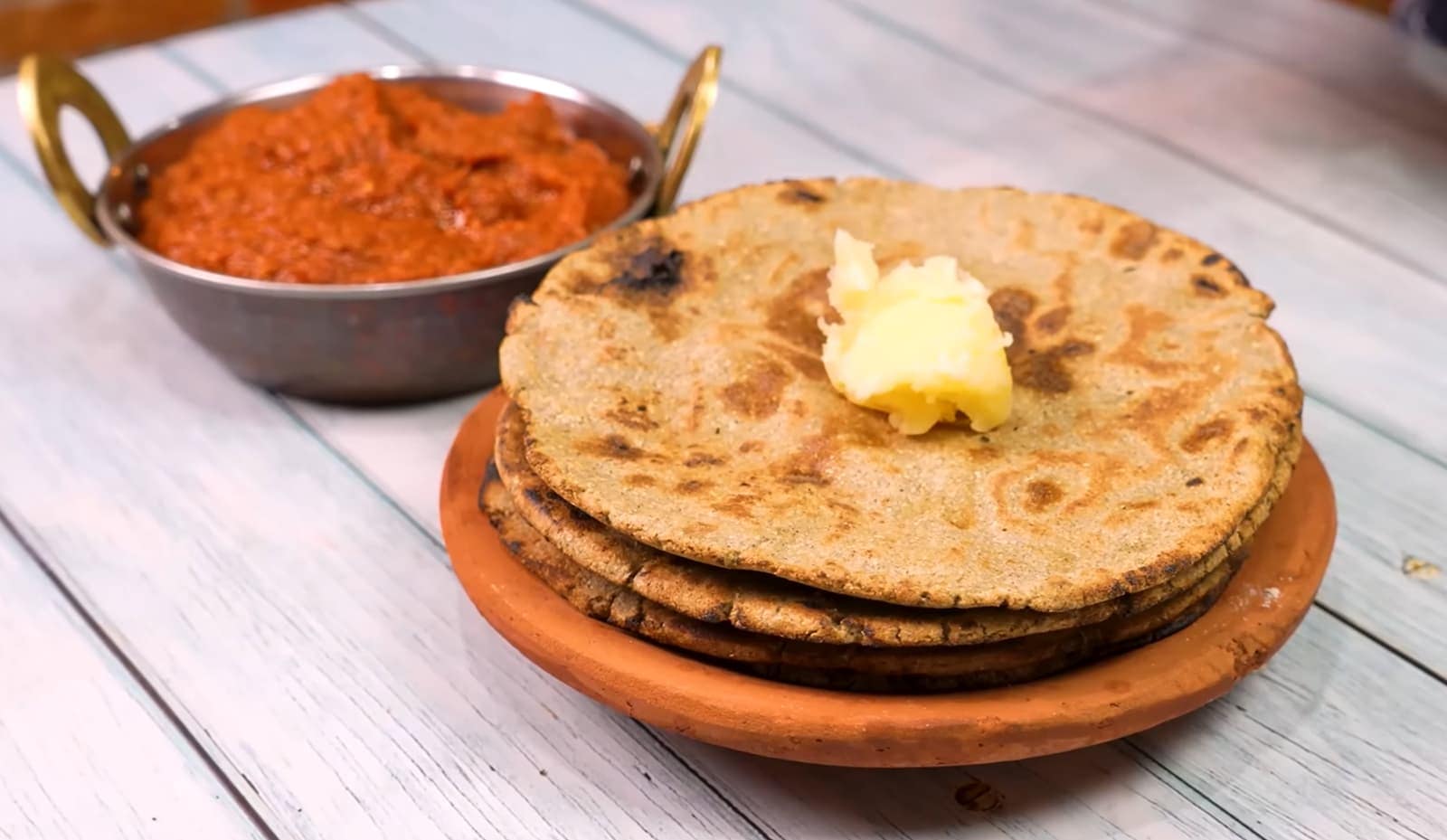
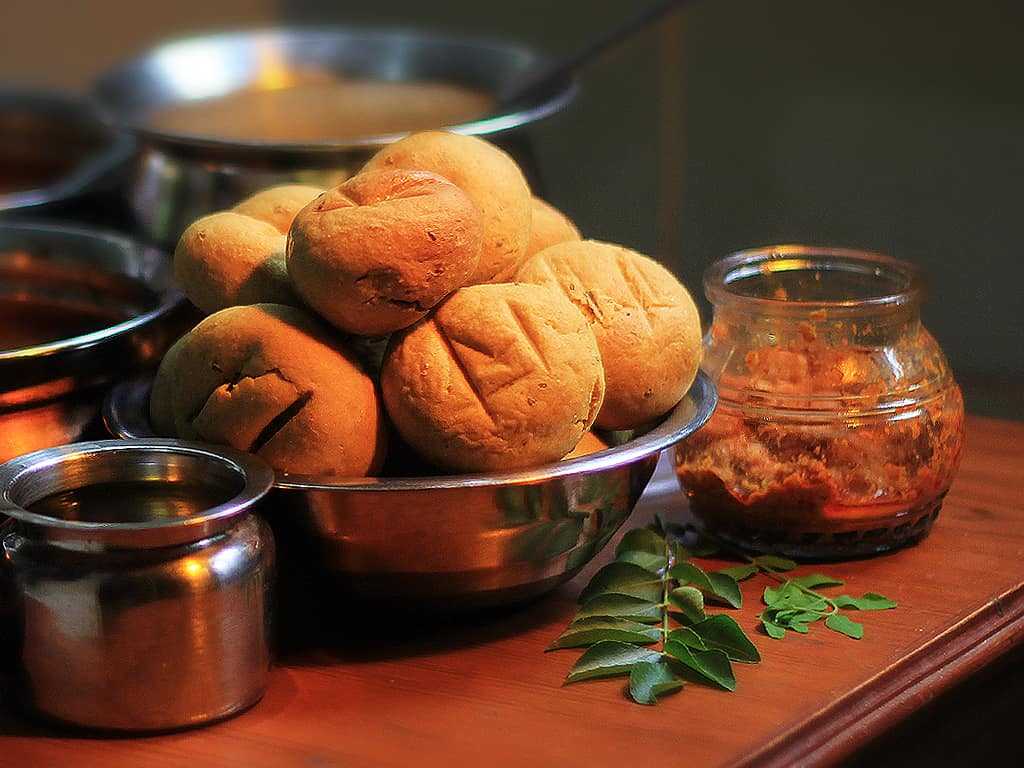
Food to Eat in Jaipur
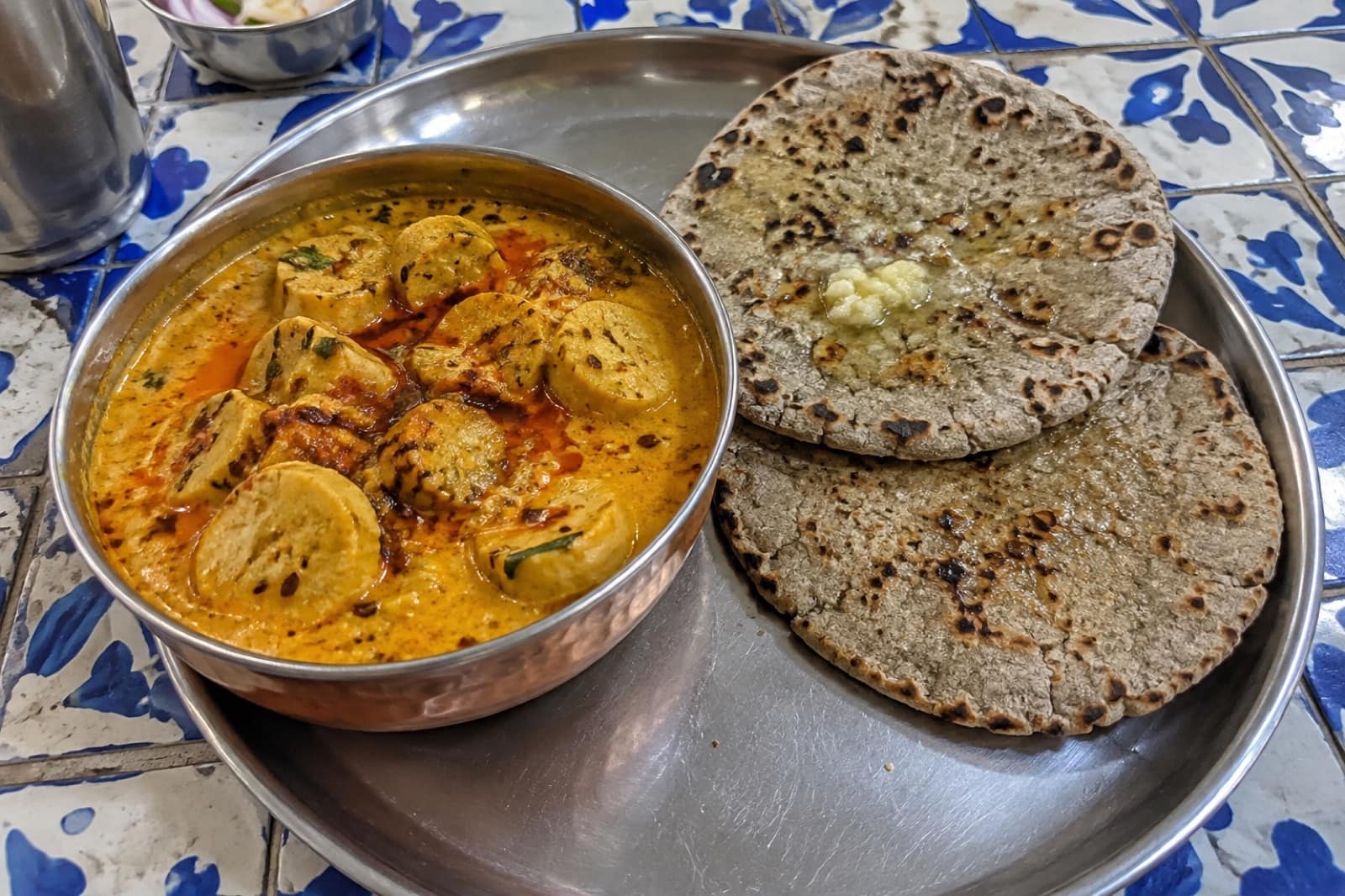
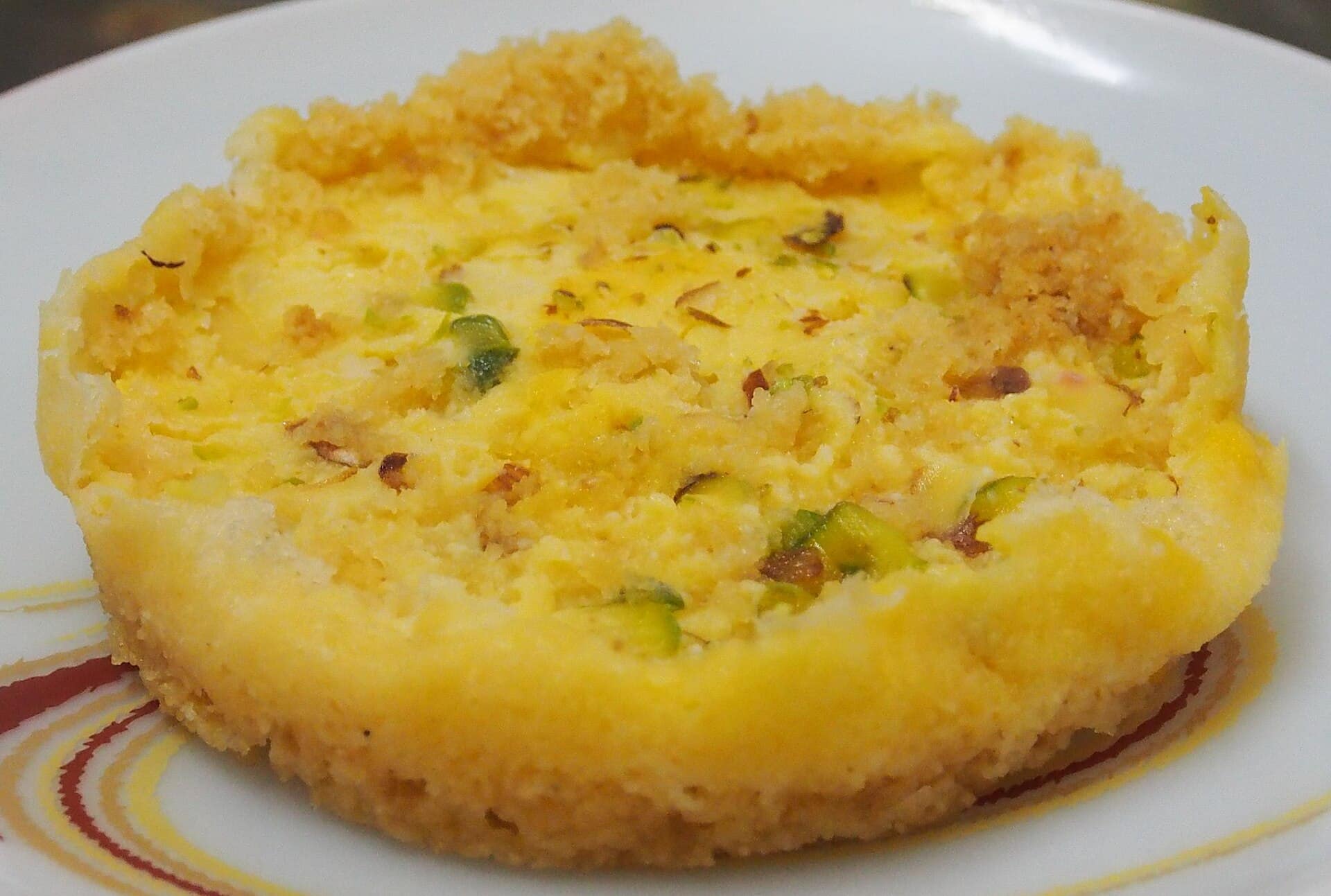
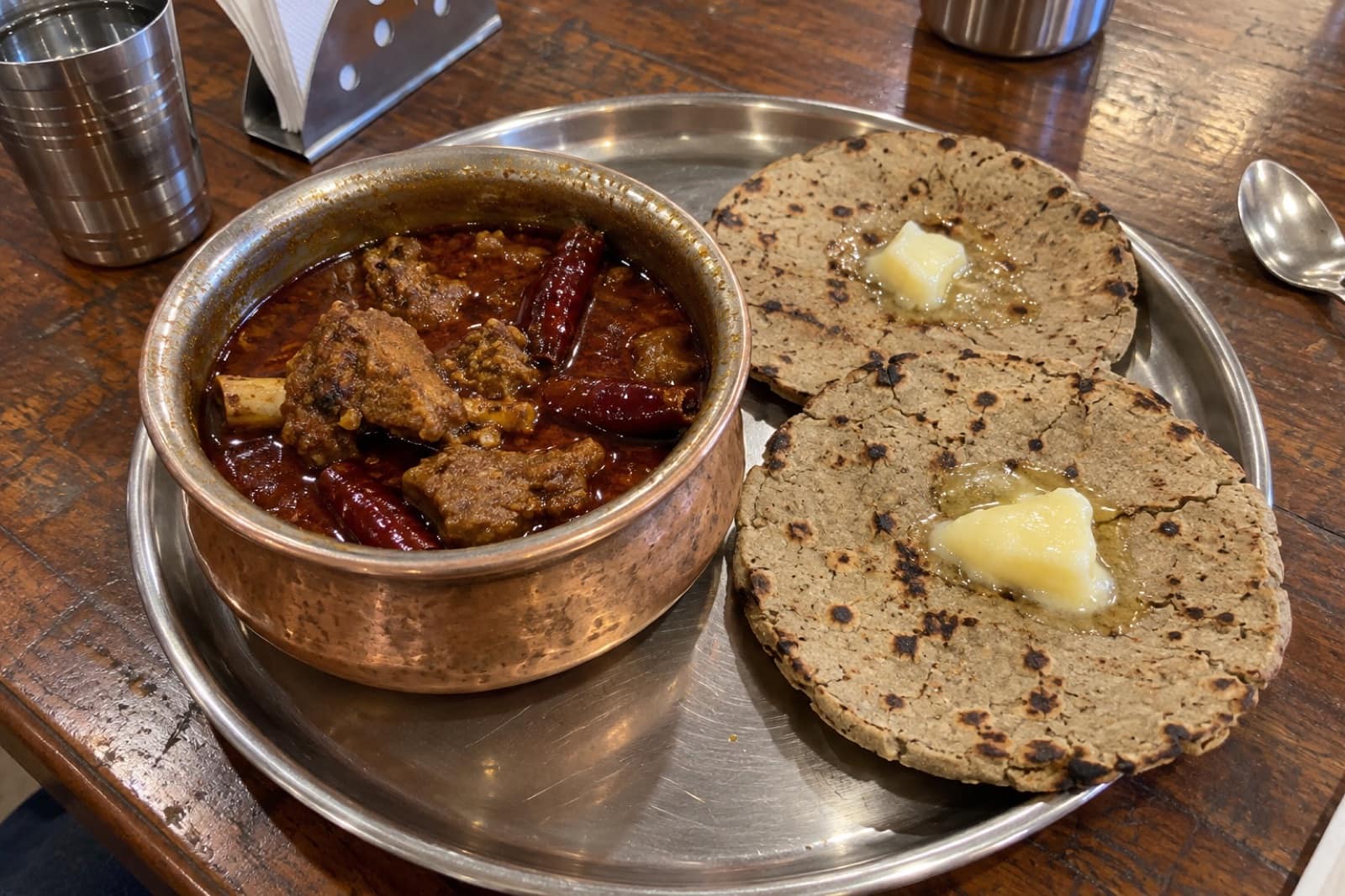
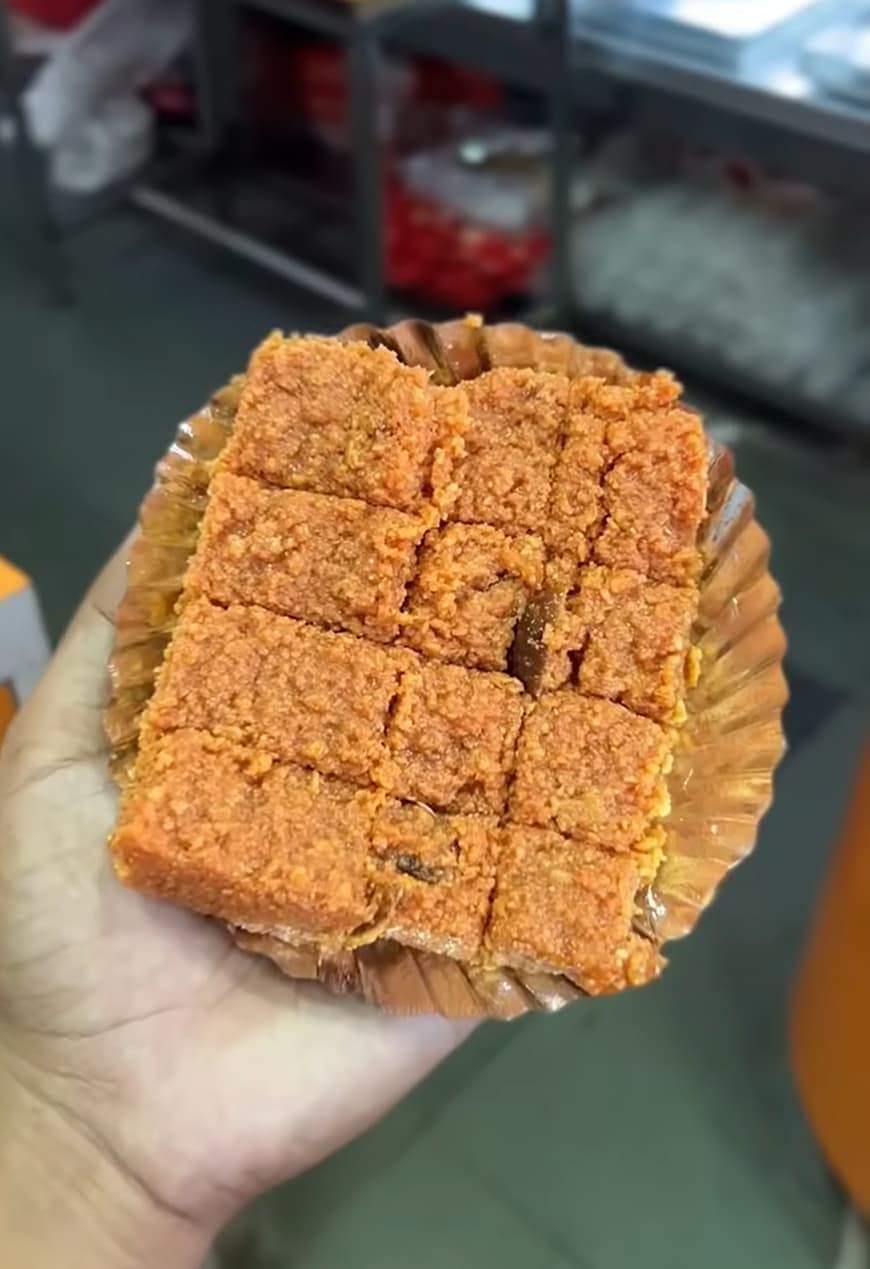
Trusted tables
Where to Eat in Jaipur
1135 AD
Amber Fort
Bar Palladio
JLN Marg
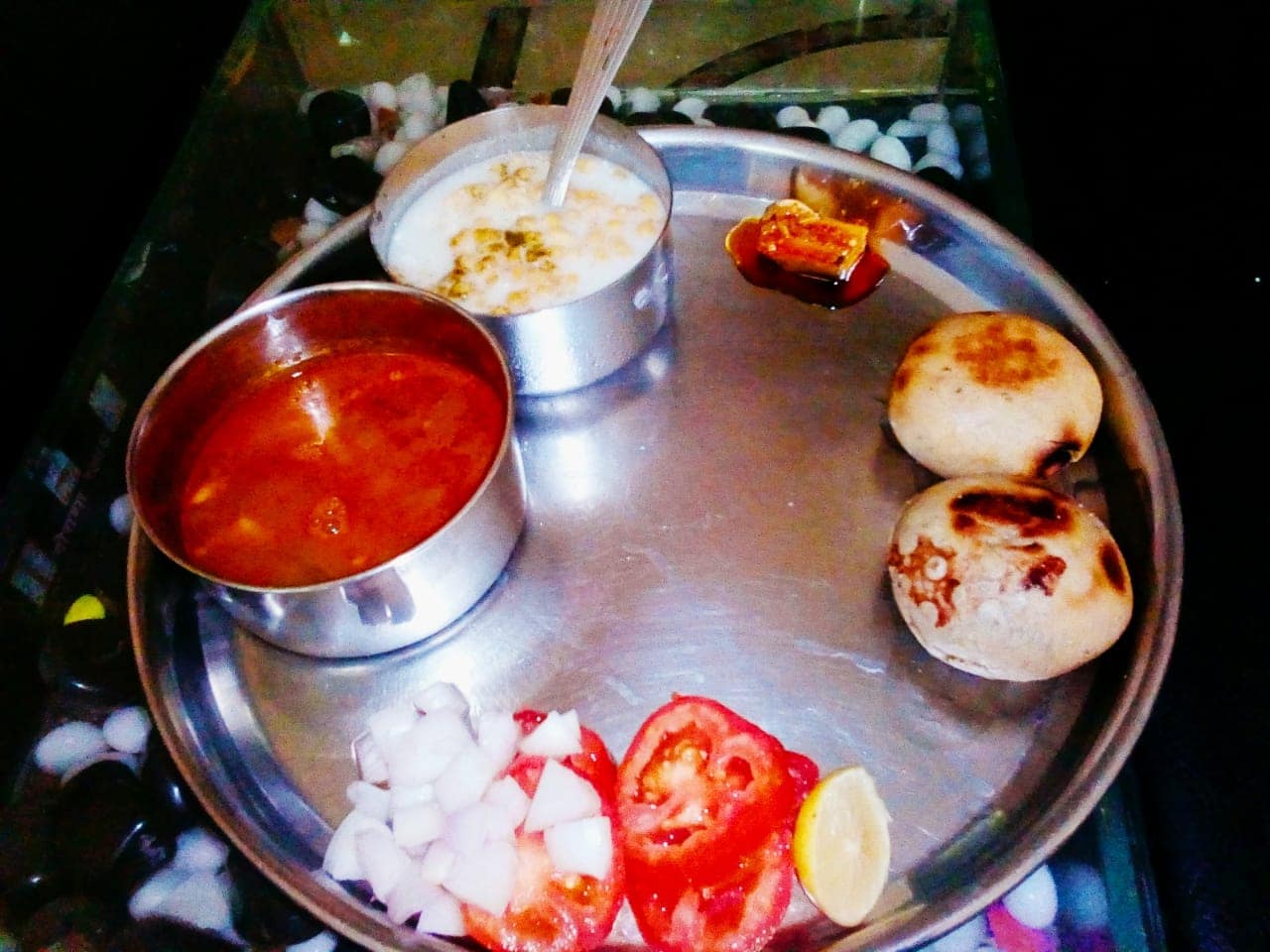 Representative photo
Chokhi Dhani
Tonk Road (outskirts)
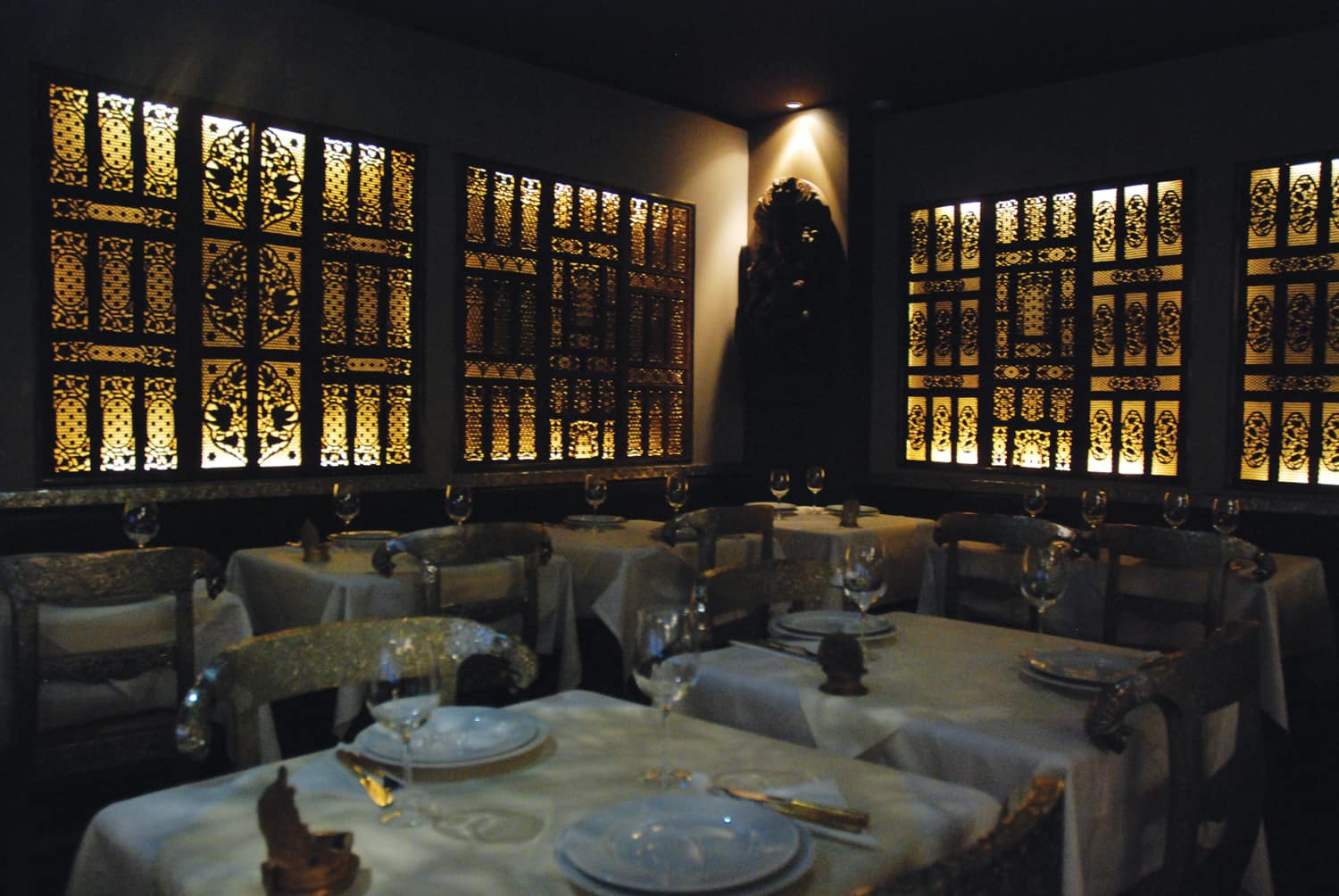 Representative photo
Handi Restaurant
MI Road
Lassiwala
MI Road
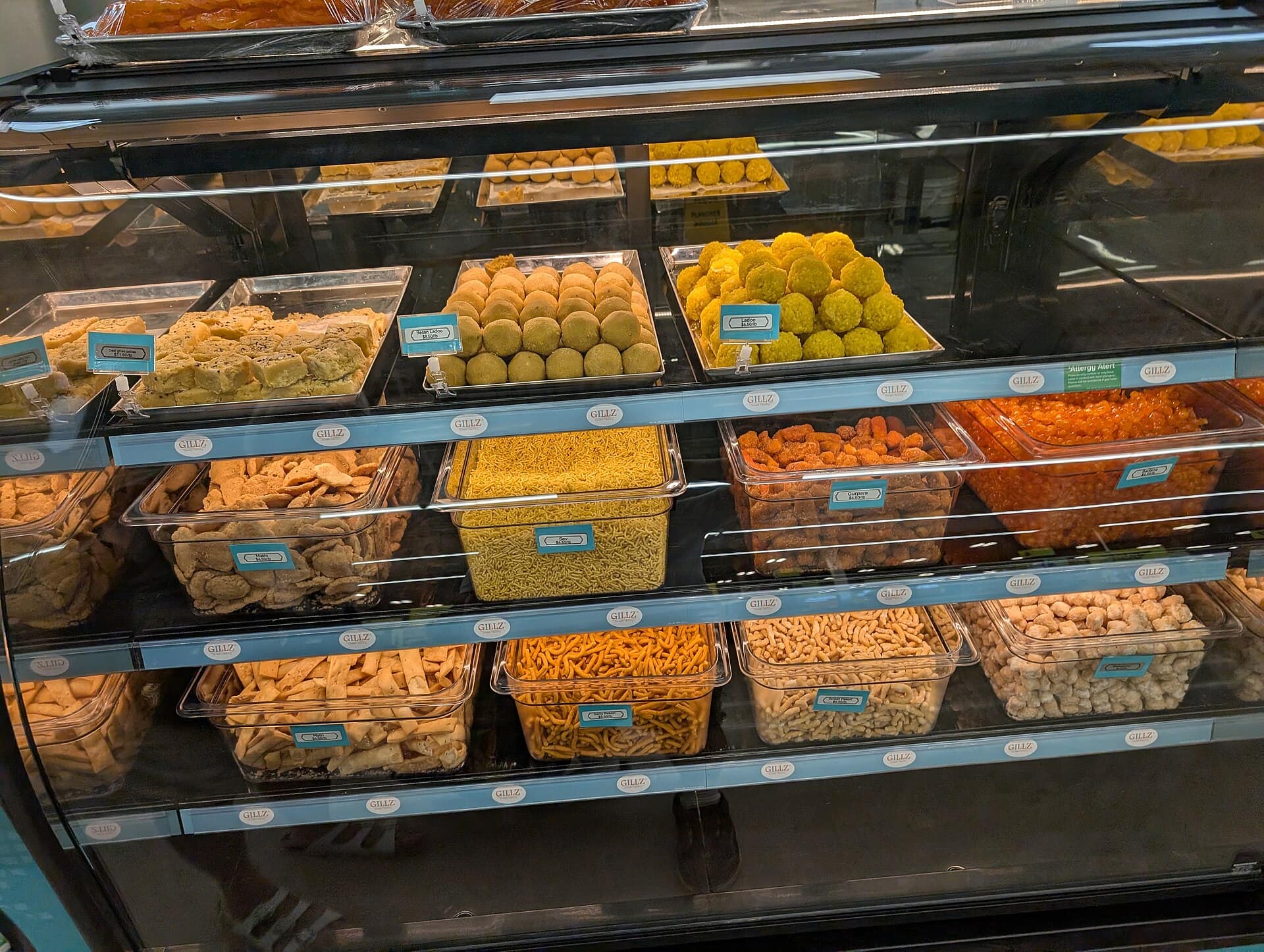 Representative photo
Laxmi Misthan Bhandar
Johari Bazaar
About Jaipur
Jaipur, the capital of Rajasthan, was founded in 1727 by Maharaja Sawai Jai Singh II and laid out on a grid of wide bazaars and city blocks. The old walled city is painted a terracotta pink, and in 2019 UNESCO listed it as a World Heritage City. Inside the walls you will find Hawa Mahal, the City Palace and Jantar Mantar within a short walk of each other, with Johari Bazaar and Tripolia Bazaar selling jewellery, block prints and bandhani textiles.
The Aravalli hills rise just north of the city. Amber Fort sits on a hillside about 11 km away, Nahargarh Fort runs along the ridge above the old city, and Jal Mahal stands in the middle of Man Sagar Lake on the road between them. Plan your days around the heat: forts and monuments early, bazaars and a slow lunch in the middle of the day, and a viewpoint for sunset. Save room for dal baati churma, pyaaz kachori and a slice of ghewar.
Questions
Jaipur — FAQ
What is Jaipur famous for?
Jaipur is famous for its pink-painted old city, Amber Fort, Hawa Mahal, the City Palace and the Jantar Mantar observatory. It is also known for block-printed and bandhani textiles, gemstone and silver jewellery, and Rajasthani food like dal baati churma and ghewar.
How many days are enough for Jaipur?
2–3 days covers the main sights: one day for the old city (Hawa Mahal, City Palace, Jantar Mantar and the bazaars), one for Amber Fort, Jal Mahal and Nahargarh, and a spare day for shopping, temples or a slower pace.
What is the best time to visit Jaipur?
October to March is the most comfortable time, with warm days and cool nights. April to June is very hot, often above 40 °C, and July to September brings humid weather and on-and-off rain. See the best time to visit Jaipur for a month-by-month guide.
How do I reach Jaipur?
Jaipur International Airport, in the south of the city, has direct flights from most big Indian cities. Delhi is about 280 km away, around 5 hours by road, and there are several fast trains a day. Jaipur is also one corner of the Golden Triangle with Delhi and Agra.
Why is Jaipur called the Pink City?
The old walled city was painted pink, the colour of welcome, for the visit of the Prince of Wales in 1876. The buildings inside the walls are still kept in the same terracotta-pink shade today.