
Must-try dessert in Jaipur
Kalakand
Jaipur, Rajasthan
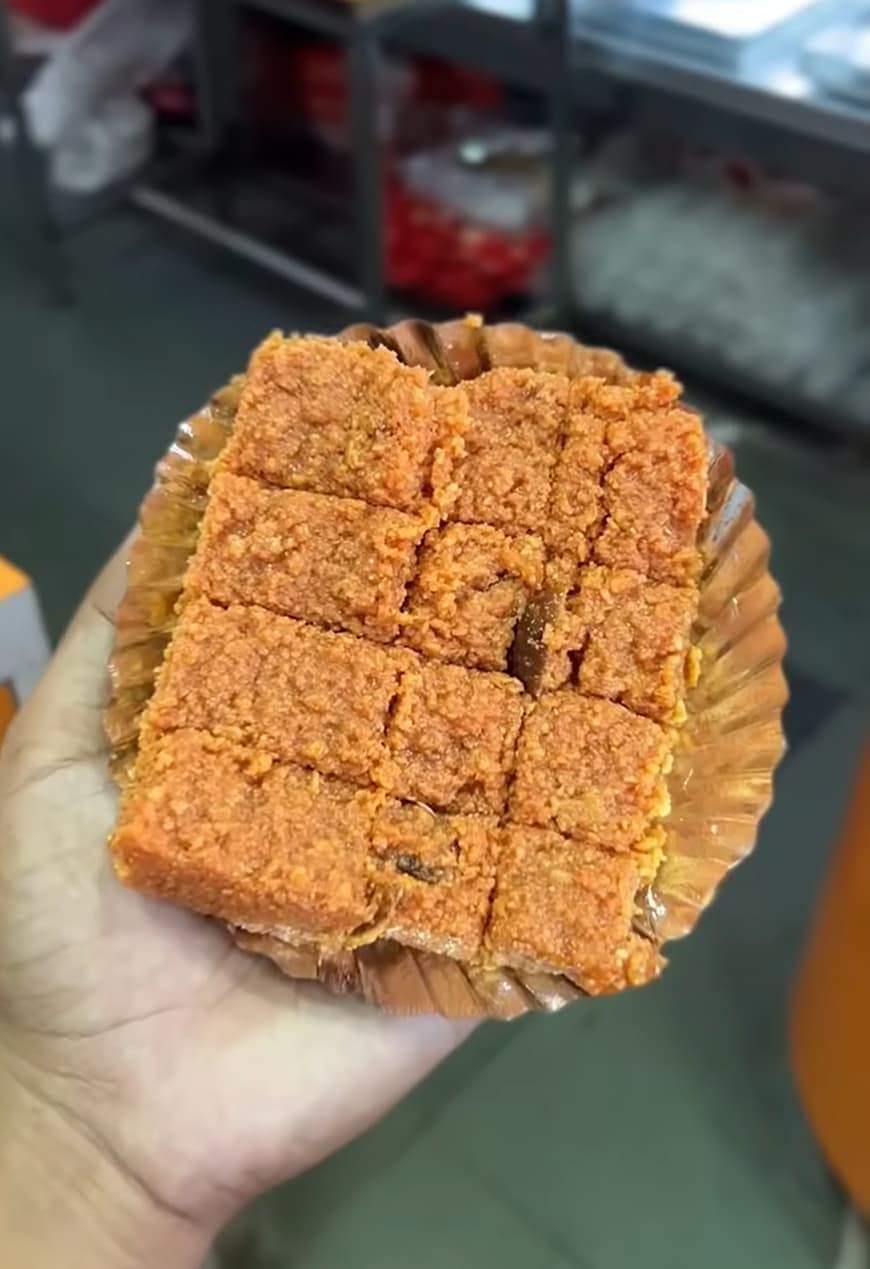
A soft set milk sweet made by reducing milk and curdling it lightly, then cooking the curds with sugar until they hold a fudge-like grain. It is cut into squares, sometimes topped with silver leaf or a pistachio, and eaten at room temperature. Alongside ghewar, mawa kachori and mishri mawa, kalakand is one of the sweets Jaipur's old sweet shops are actually known for — LMB in Johari Bazaar and Rawat on Station Road are the two names locals give first. It is sold by weight, so buy a small quantity and eat it the same day.
Taste
Sweet, milky
Spice level
Not spicy
Best time to eat
Any time, with tea; peak at Diwali and Teej
Price range
₹400–900 / kg
Food type & tags
Best paired with
A savoury snack
The dish
What is Kalakand?
Expect it to be sweet, milky, with a not spicy kick.
The story
Why is Kalakand famous in Jaipur?
A festival and gift sweet. Kalakand is bought in bulk for Diwali and Teej and sent as a gift box, which is why sweet shops stack it in kilogram trays rather than selling it by the piece. Because it is fresh milk-based and not preserved, it has a short life — the mark of a good shop is high turnover.
When to go
Best time to eat it
Kalakand is best enjoyed at any time, with tea; peak at Diwali and Teej, ideally with a crisp savoury bite — samosa, kachori or pakora — to balance the sweetness. Many spots make fresh batches through the day, so it’s easy to fit into your plan.
Where to eat
Best places to try Kalakand
Trusted Jaipur spots — hours and directions.
Open Lunch and dinner sittings; confirm with the fort
Directions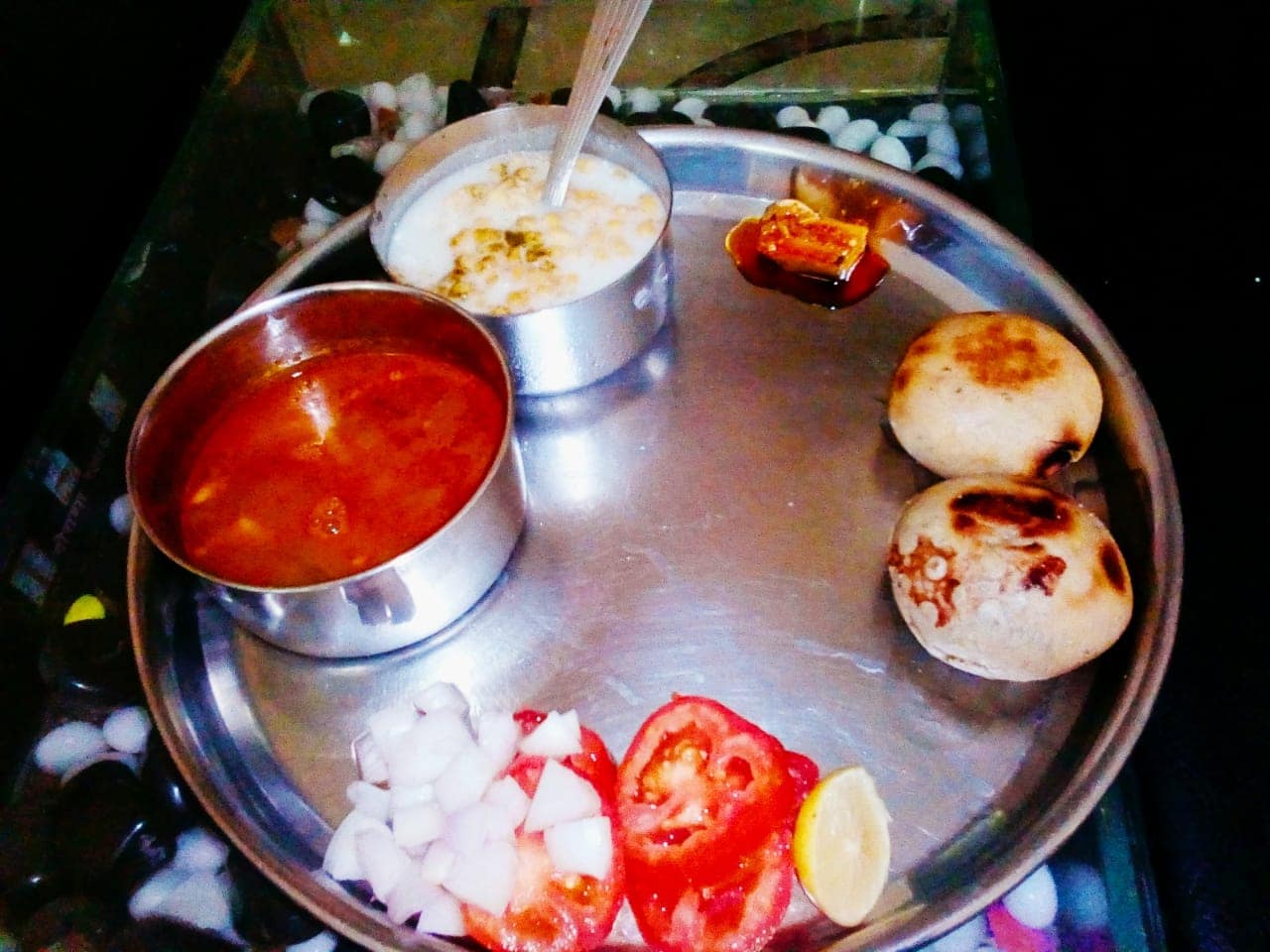
Perfect pairing
What to eat with Kalakand
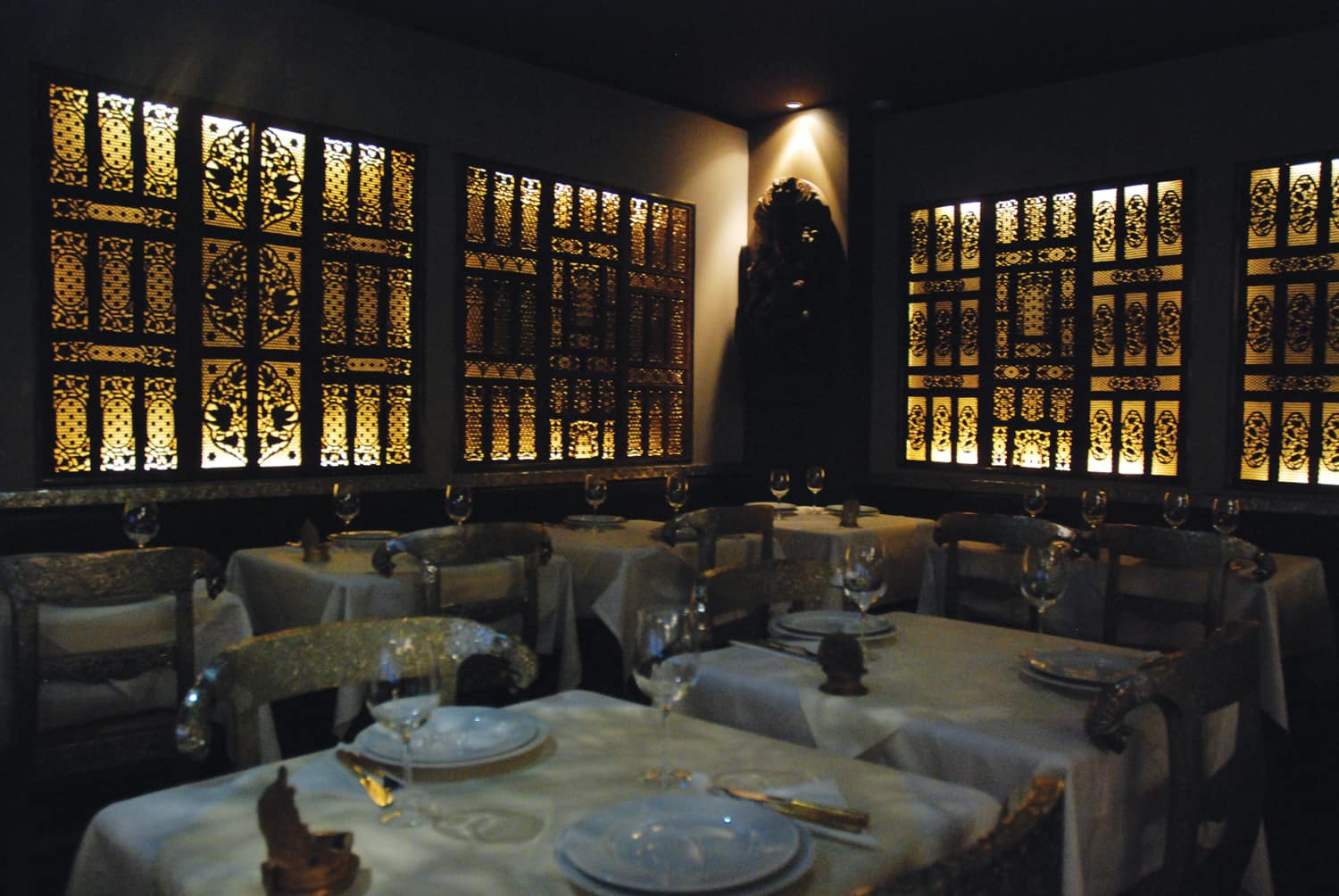
Kalakand pairs best with a crisp savoury bite — samosa, kachori or pakora — to balance the sweetness. It’s a vegetarian dessert, so keep the rest of the plate light and let the dish be the star.
Make a morning of it
Pair it with a photo spot
Eat well, then shoot nearby in Jaipur.
Albert Hall Museum
Dusk for the lit exterior with a reflection; early morning for clean sandstone detail.
Fuel up on Kalakand, then shoot Albert Hall Museum.
See photo spot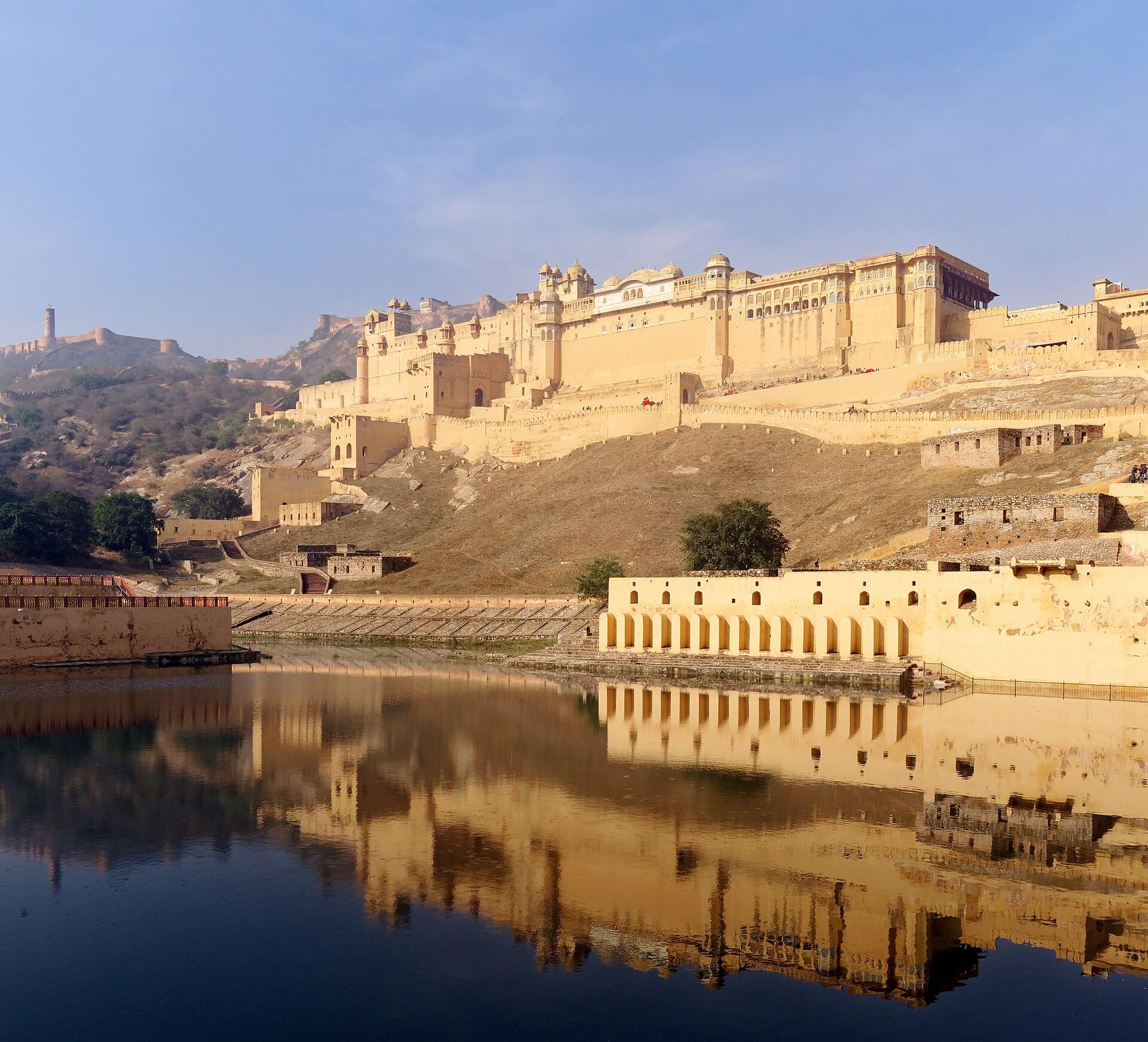
Amber Fort
Early morning, when the sun lights the fort walls and Maota Lake is calm enough for a reflection.
Fuel up on Kalakand, then shoot Amber Fort.
See photo spotAnokhi Museum of Hand Printing
Mid-morning to early afternoon, when the courtyard light is even.
Fuel up on Kalakand, then shoot Anokhi Museum of Hand Printing.
See photo spotWant something else?
Search Jaipur food by craving
What it is
Milk reduced and lightly curdled, the curds cooked with sugar until they set into a soft grainy square, sometimes finished with silver leaf (varak) or a pistachio. Fudgy rather than smooth, milky rather than syrupy.
🍬 Buying it well
Buy by weight, and buy little. It is sold per kilogram, typically ₹400–900 depending on the shop and the season. A quarter kilogram is plenty for two people.
Freshness is everything. Kalakand is unpreserved milk and does not keep. Buy from a shop with visible turnover, eat it the same day, and do not carry it on a long journey unless it is refrigerated.
It should be moist, not dry. A dry or crumbly kalakand has been sitting. The good ones give slightly under pressure.
Eat it with unsweetened chai. It is very sweet and the tea is the correct counterweight.
Silver leaf is optional and edible. Varak is real silver beaten thin. It adds nothing to the flavour; skip it if you are vegetarian-strict, since some leaf is applied with an animal-derived carrier.
📍 Where to buy it in Jaipur
- LMB (Laxmi Misthan Bhandar), Johari Bazaar — the old-city institution, high turnover, and the place for a gift box
- Rawat Misthan Bhandar, Station Road near Sindhi Camp — locals rate it alongside LMB, and it is convenient if you are arriving or leaving by train or bus
- Masala Chowk, Ram Niwas Garden — sweet stalls at street prices rather than shop prices
- Sweet shops across Bapu Bazaar and Johari Bazaar, especially in the weeks before Diwali
If you only take one sweet home from Jaipur, ghewar travels better. Kalakand is the one to eat here.
Questions
Kalakand — FAQ
What is Kalakand?
A soft set milk sweet made by reducing milk and curdling it lightly, then cooking the curds with sugar until they hold a fudge-like grain. It is cut into squares, sometimes topped with silver leaf or a pistachio, and eaten at room temperature. Alongside ghewar, mawa kachori and mishri mawa, kalakand is one of the sweets Jaipur's old sweet shops are actually known for — LMB in Johari Bazaar and Rawat on Station Road are the two names locals give first. It is sold by weight, so buy a small quantity and eat it the same day.
Is Kalakand veg or non-veg?
Kalakand is vegetarian. Spice level: not spicy.
Where can I try the best Kalakand in Jaipur?
Try 1135 AD, Bar Palladio and Chokhi Dhani. See the "Best places to try it" section above for hours and directions.
What should I eat with Kalakand?
Pair it with a crisp savoury bite — samosa, kachori or pakora — to balance the sweetness.
When is the best time to eat Kalakand?
Kalakand is usually eaten any time, with tea; peak at Diwali and Teej.