
Must-try lunch in Jaipur
Gatte ki Sabzi
Jaipur, Rajasthan
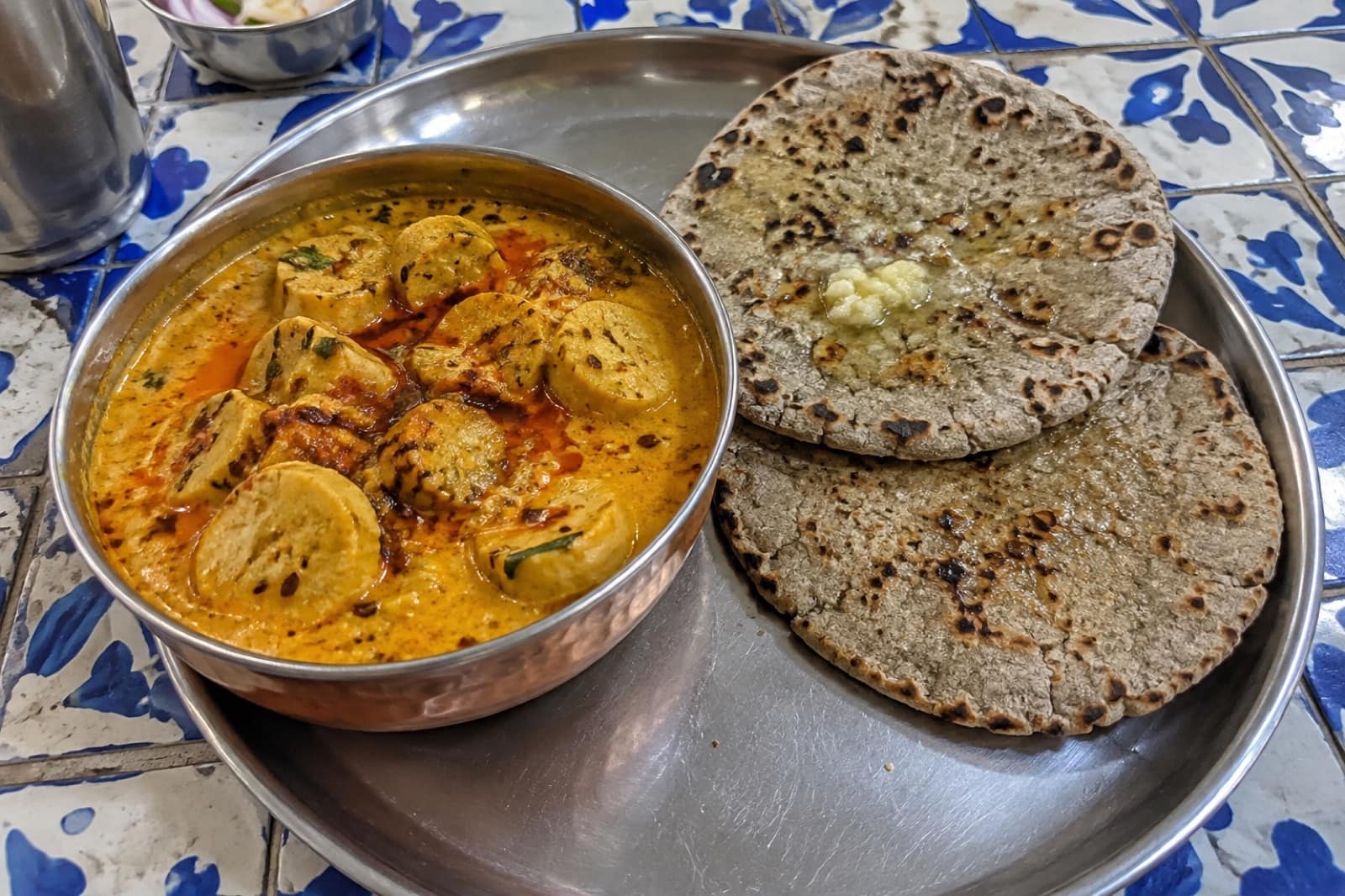
Gram-flour dumplings simmered in a spiced yoghurt gravy, and one of the three dishes that define Rajasthani cooking. The gatte are made by cooking besan into a stiff dough, rolling it into logs, boiling them, then slicing into rounds; the gravy is yoghurt thickened with besan and sharpened with mustard seeds, cumin, turmeric and red chilli. It was devised for a landscape where fresh vegetables and water are both scarce, which is why it keeps well and travels well. Expect it on every Rajasthani thali. In Jaipur the reliable versions are at Chokhi Dhani, LMB in Johari Bazaar, Spice Court in Civil Lines and 1135 AD inside Amber Fort.
Taste
Tangy, spiced
Spice level
Medium
Best time to eat
Lunch or dinner, as part of a thali
Price range
₹120–280
Food type & tags
Best paired with
Chaas or lassi
The dish
What is Gatte ki Sabzi?
Expect it to be tangy, spiced, with a medium kick.
The story
Why is Gatte ki Sabzi famous in Jaipur?
A preservation dish born of scarcity. Besan and yoghurt both keep without refrigeration in a desert climate, so gatte ki sabzi let a household serve protein through the dry months. It is standard at weddings and festival meals, and it is the dish most often named when Rajasthani families describe home cooking rather than restaurant cooking.
When to go
Best time to eat it
Gatte ki Sabzi is best enjoyed at lunch or dinner, as part of a thali, ideally with chaas (spiced buttermilk) or a sweet lassi. Many spots make fresh batches through the day, so it’s easy to fit into your plan.
Where to eat
Best places to try Gatte ki Sabzi
Trusted Jaipur spots — hours and directions.
Open Lunch and dinner sittings; confirm with the fort
Directions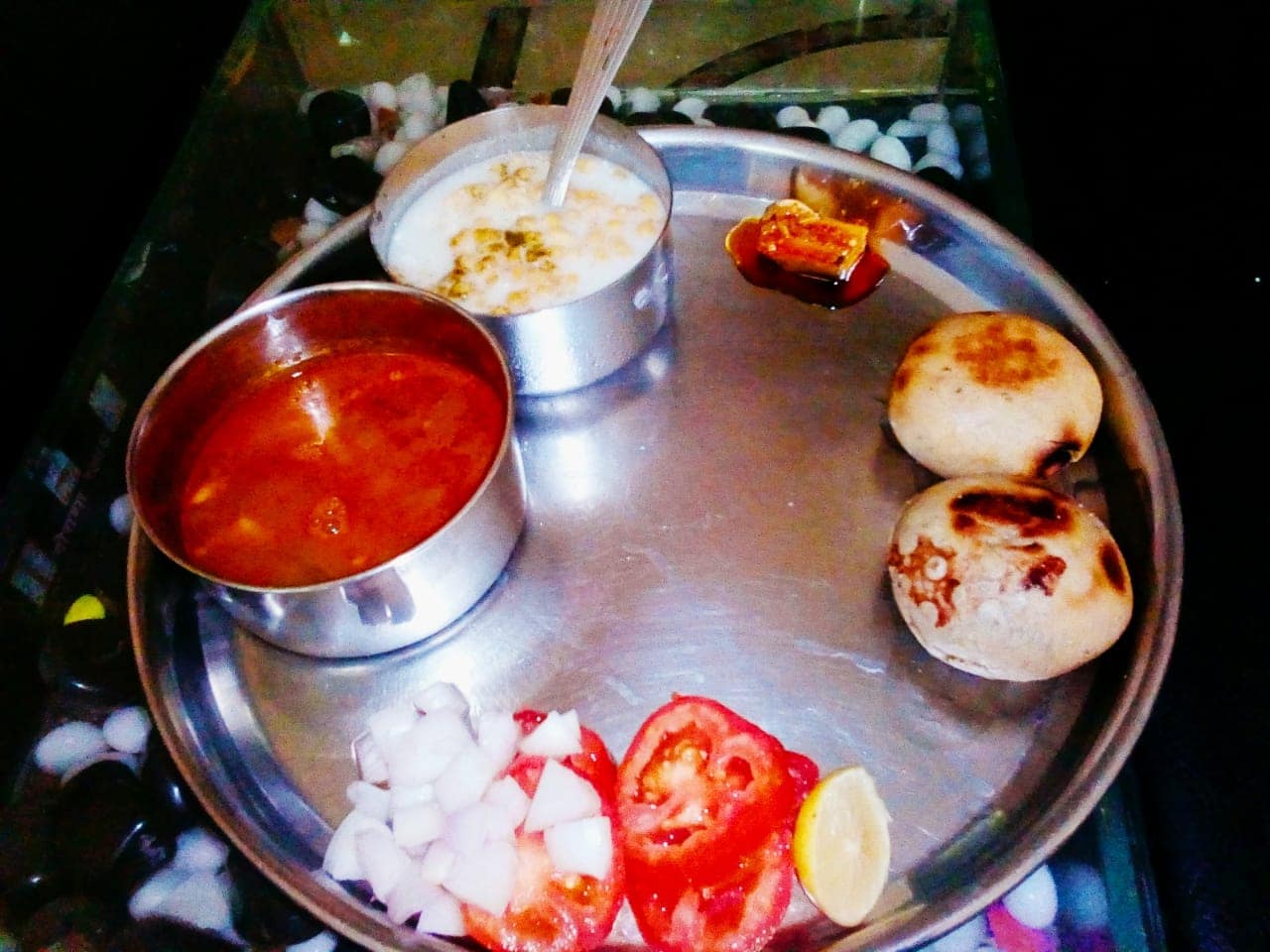
Perfect pairing
What to eat with Gatte ki Sabzi
Gatte ki Sabzi pairs best with chaas (spiced buttermilk) or a sweet lassi. It’s a vegetarian lunch, so keep the rest of the plate light and let the dish be the star.
Make a morning of it
Pair it with a photo spot
Eat well, then shoot nearby in Jaipur.
Albert Hall Museum
Dusk for the lit exterior with a reflection; early morning for clean sandstone detail.
Fuel up on Gatte ki Sabzi, then shoot Albert Hall Museum.
See photo spot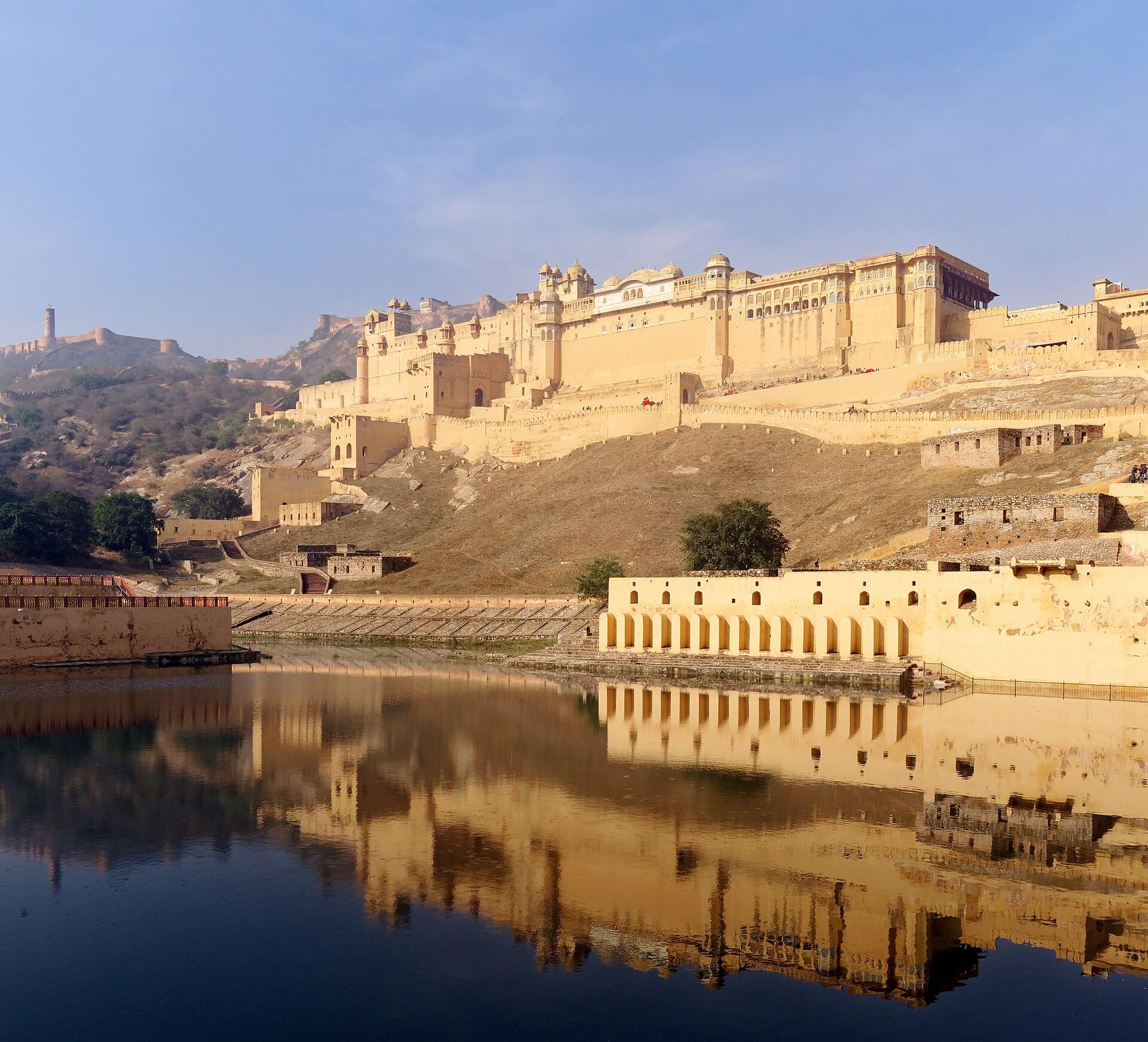
Amber Fort
Early morning, when the sun lights the fort walls and Maota Lake is calm enough for a reflection.
Fuel up on Gatte ki Sabzi, then shoot Amber Fort.
See photo spotAnokhi Museum of Hand Printing
Mid-morning to early afternoon, when the courtyard light is even.
Fuel up on Gatte ki Sabzi, then shoot Anokhi Museum of Hand Printing.
See photo spotWant something else?
Search Jaipur food by craving
What it is
Gatte ki sabzi is besan (gram flour) rolled into logs, boiled, sliced into rounds and simmered in a tangy spiced yoghurt gravy. The dumplings are soft but firm enough to hold their shape, and the gravy clings to them rather than pooling.
🍲 How to order it well
Ask for it as part of a thali first. A full Rajasthani thali almost always includes it, so you taste it in context — with dal baati churma, ker sangri, missi roti and a sweet — before you decide whether to order it alone.
The good versions are tangy, not bitter. Yoghurt gravy can turn sharp if it is boiled too hard or made with old yoghurt. A clean bright tang is right; a sour bite means the kitchen rushed it.
Watch the spice, not just the chilli. Rajasthani gravies use Mathania red chilli, which is hot but aromatic. If you want it mild, say so explicitly — 'gatte ki sabzi, kam mirch' — because the default is not mild.
📍 Where to eat it in Jaipur
- Chokhi Dhani, Tonk Road — the village-resort thali, served with folk music and dance; the most complete single sitting
- LMB, Johari Bazaar — the old-city institution, vegetarian throughout
- Spice Court, Civil Lines — repeatedly cited as a Rajasthani specialist, with outdoor seating
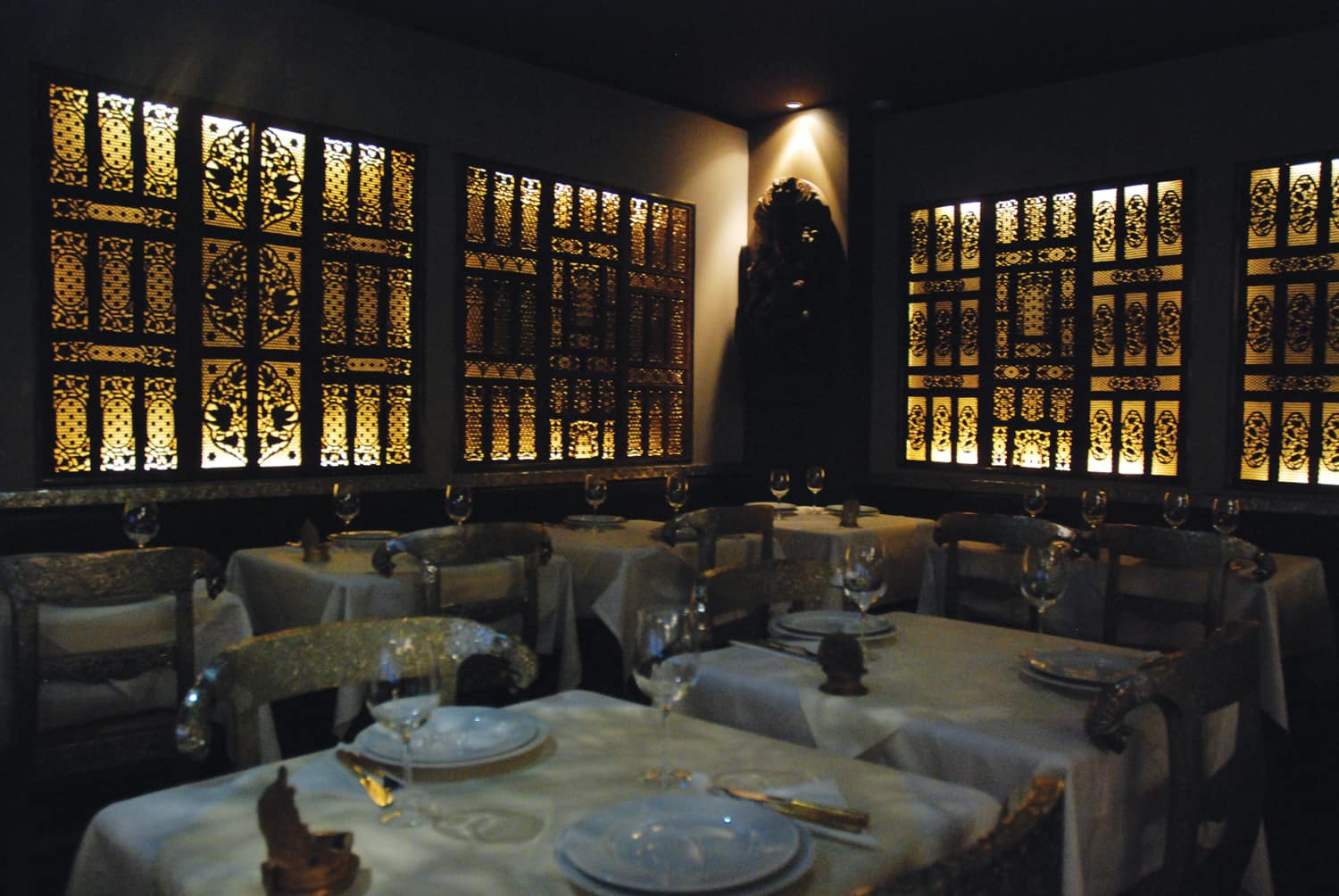
- 1135 AD, inside Amber Fort — the heritage setting, worth pairing with an Amber Fort visit
- Suvarna Mahal, Rambagh Palace — the royal thali, and by a wide margin the most expensive way to eat it
Jaipur is overwhelmingly vegetarian, so this is one dish you will never struggle to find. The reverse is true of meat dishes.
Questions
Gatte ki Sabzi — FAQ
What is Gatte ki Sabzi?
Gram-flour dumplings simmered in a spiced yoghurt gravy, and one of the three dishes that define Rajasthani cooking. The gatte are made by cooking besan into a stiff dough, rolling it into logs, boiling them, then slicing into rounds; the gravy is yoghurt thickened with besan and sharpened with mustard seeds, cumin, turmeric and red chilli. It was devised for a landscape where fresh vegetables and water are both scarce, which is why it keeps well and travels well. Expect it on every Rajasthani thali. In Jaipur the reliable versions are at Chokhi Dhani, LMB in Johari Bazaar, Spice Court in Civil Lines and 1135 AD inside Amber Fort.
Is Gatte ki Sabzi veg or non-veg?
Gatte ki Sabzi is vegetarian. Spice level: medium.
Where can I try the best Gatte ki Sabzi in Jaipur?
Try 1135 AD, Bar Palladio and Chokhi Dhani. See the "Best places to try it" section above for hours and directions.
What should I eat with Gatte ki Sabzi?
Pair it with chaas (spiced buttermilk) or a sweet lassi.
When is the best time to eat Gatte ki Sabzi?
Gatte ki Sabzi is usually eaten at lunch or dinner, as part of a thali.