
Photo spot in Jaipur
Anokhi Museum of Hand Printing
Jaipur, Rajasthan
A small, carefully curated museum of Rajasthani hand-block printing in a restored 16th-century haveli in Amber — ten minutes' walk from the fort, and the best place to understand the textiles Jaipur sells.
Best time
Mid-morning to early afternoon, when the courtyard light is even.
Best angle
The three floors of the haveli around the central courtyard; the exhibit of blocks and the printed cloth close-ups photograph better than the building exterior, which is unassuming from the lane.
Entry fee
Small entry fee (confirm locally)
Opening hours
Tuesday – Sunday, 11:00 AM – 4:30 PM (closed Mondays)
Crowd level
Low
Best outfit colors
Overview
Best time to visit Anokhi Museum of Hand Printing
Best times to shoot
Late morning, 11:00 AM – 1:00 PM
The haveli courtyard and the printed-textile displays are evenly lit through the middle of the day, and it is quietest then — most visitors are at Amber Fort.
Poses & angles
Photo tips for Anokhi Museum of Hand Printing
The three floors of the haveli around the central courtyard; the exhibit of blocks and the printed cloth close-ups photograph better than the building exterior, which is unassuming from the lane. Work a few of the pose ideas below, shoot wide for context and tight for detail, and give yourself a couple of extra minutes to get the frame right.
In the courtyard
Looking at the block-printing display
Outfit guide
What to wear at Anokhi Museum of Hand Printing
For photos at Anokhi Museum of Hand Printing, indigo, white, madder red and natural cotton tones work beautifully — they stand out against the setting without fighting it. Pick one hero colour and keep the rest of the look calm so you stay the subject of the frame.
Best outfit colors for photos
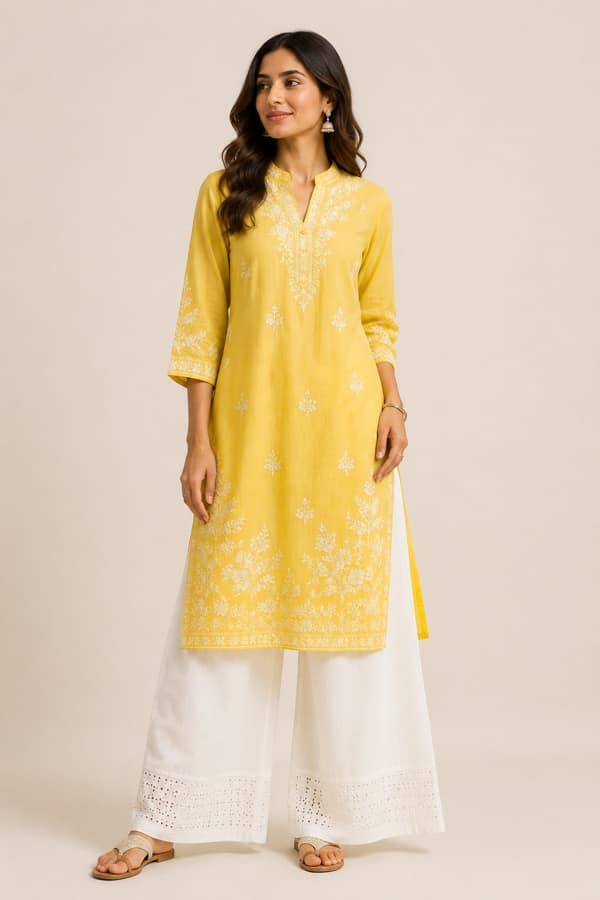
Trending wear for this spot
Popular modern looks travellers are wearing across Jaipur.

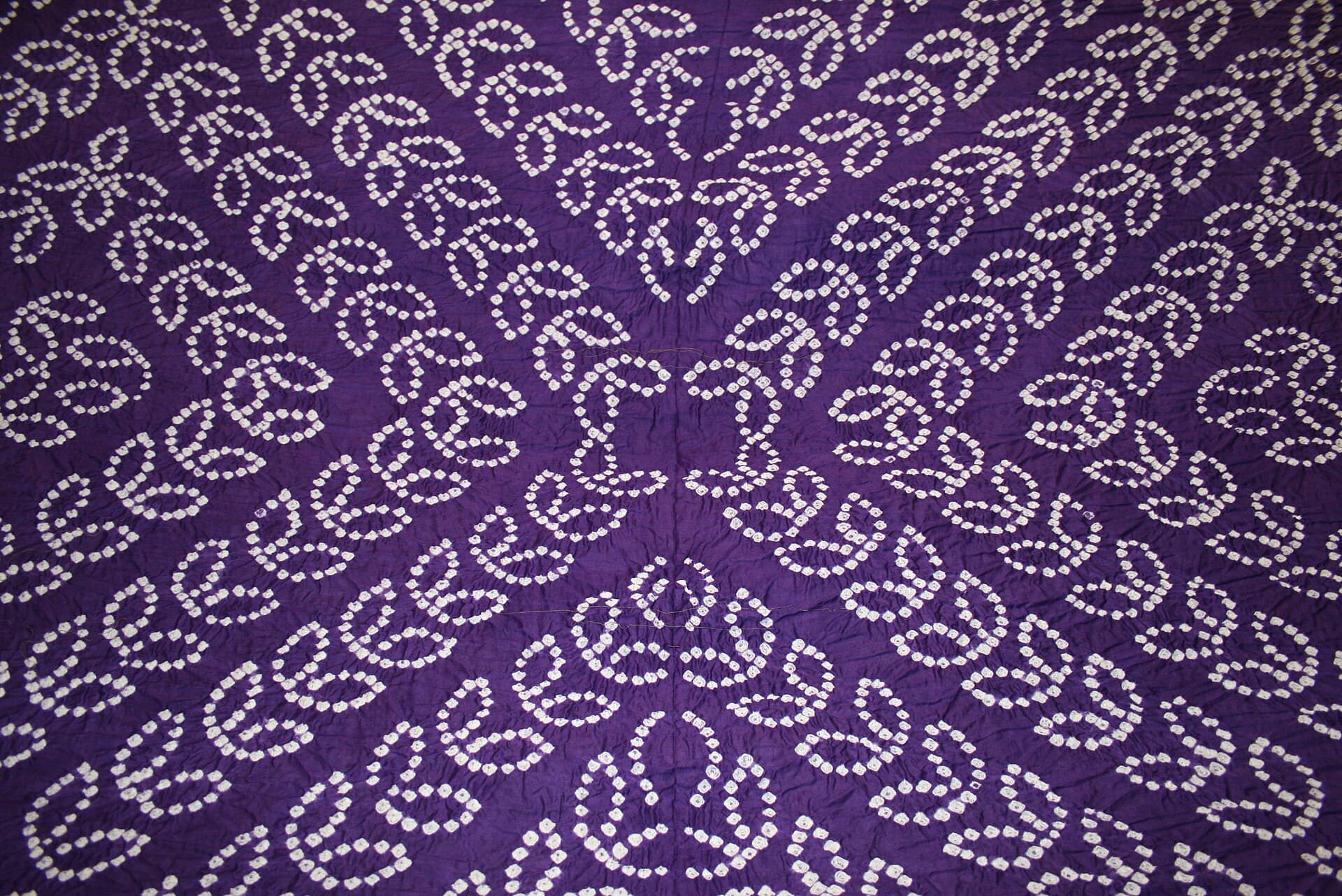
Traditional wear for this spot
Timeless, cultural outfits worn across Jaipur.
 Traditional
Bandhani saree
₹1,200–6,000
Bandhgala Jacket
₹1,500–8,000
Jaipuri Mojari and Jutti
₹300–2,500
Kundan Meena Jewellery
₹500–25,000 and far above
Lac Bangles
₹100–800 a set
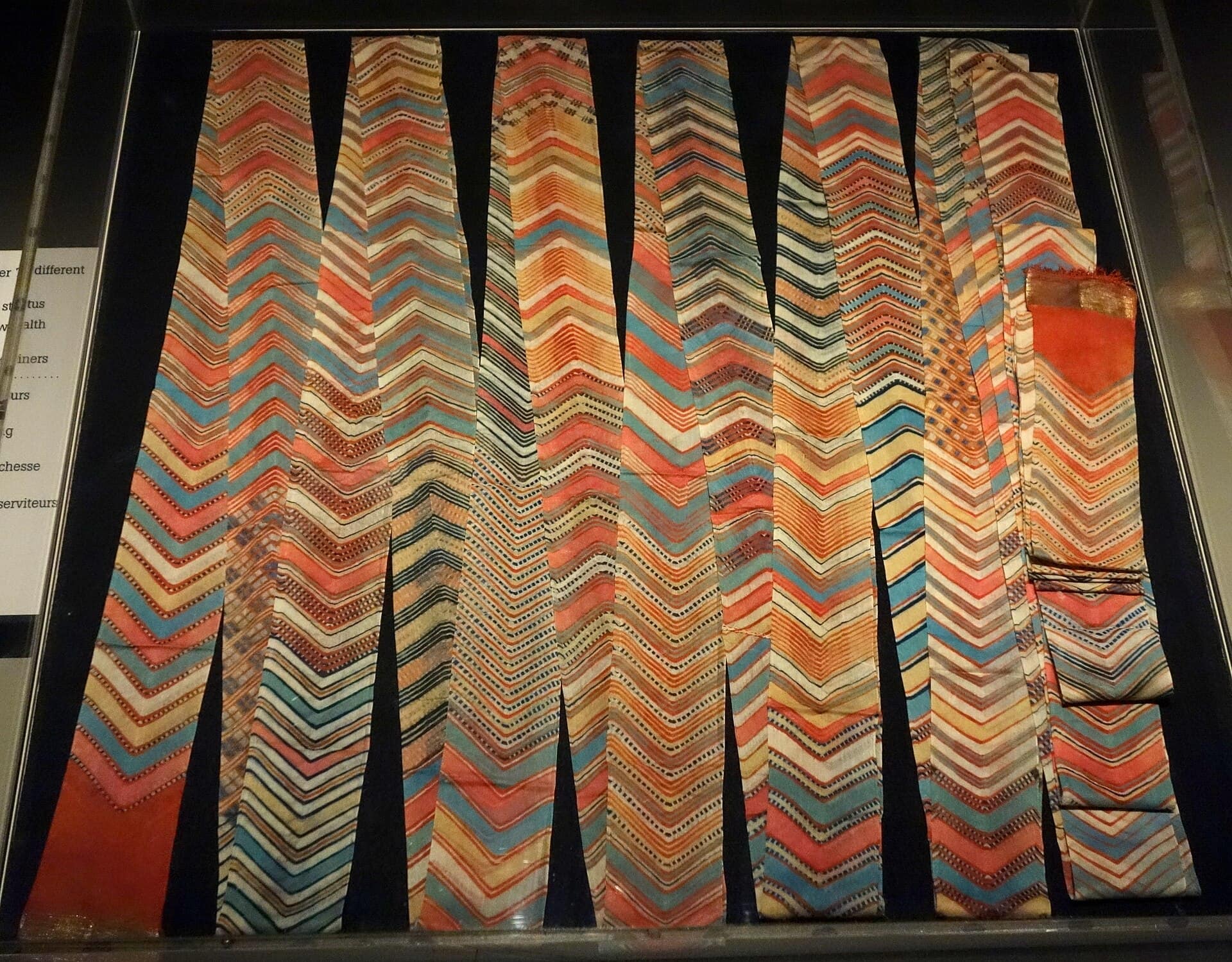 Traditional
Leheriya dupatta with kurti
₹600–2,500
Eat nearby
Food near Anokhi Museum of Hand Printing
Hungry after the shoot? Search the Jaipur food guide by craving to find something good nearby.
Good to know
Local tips
Best October to March, mid-morning, Tuesday to Sunday. Address: Anokhi Haveli (formerly Chanwar Palkiwalon ki Haveli), near Badrinath Temple, Kheri Gate, Amber, Jaipur 302028.
Opened in 2005 by Rachel Bracken-Singh and Pritam Singh, whose family bought the haveli in a dilapidated state in the late 1970s. It was the first place visitors could actually watch a block printer and carver at work.
You can see craftsmen at work — that is the reason to come rather than the exhibits alone. Three floors: history, process, and styles of hand-block printing.
Pair it with Amber Fort and Panna Meena ka Kund; all three are within a ten-minute walk of each other in Amber. It is the natural indoor, air-cooled break from the fort in the heat of the day.
If you are buying block-printed fabric or a Jaipuri razai and want to know what genuine hand work looks like, come here first — it will change what you accept in Bapu Bazaar.
Anokhi Museum of Hand Printing
As a museum in Jaipur, Anokhi Museum of Hand Printing gives you one strong photographic idea - the sections below are how to get it onto the sensor. Entry is small entry fee (confirm locally), and the posted hours are tuesday – Sunday, 11:00 AM – 4:30 PM (closed Mondays).
📷 The frame that works
Museums are indoor-light problems - check the photography policy at the desk first, and raise ISO rather than using flash.
Start from the recommended angle (the three floors of the haveli around the central courtyard; the exhibit of blocks and the printed cloth close-ups photograph better than the building exterior, which is unassuming from the lane) and work outward; it is the composition the spot rewards.
🕒 When the light is right
Time the visit for the window that suits the shot - mid-morning to early afternoon, when the courtyard light is even - and let everything else flex.
There is a second window worth knowing: late morning, 11:00 am – 1:00 pm.
Crowds run low here - you can work a frame slowly, wait for it to empty completely, and move around for a second version.
🧵 Colour and clothing
The colours that work here do so for a reason - indigo holds its own against warm sandstone and evening light; and white keeps a frame clean even when the background is busy. The pose rows on this page are built for the spot - start with the one about in the courtyard and adapt from there.
💡 Before you go
Closed on Mondays and on major national and local holidays — this catches people out, because Amber Fort is open every day and visitors assume everything in Amber is too. Note also that the museum closes for part of the summer; it reopened on 15 July 2026 after the seasonal closure, so check before making a special trip in April–June. Allow 45–60 minutes.
Pair it with Amber Fort and Panna Meena ka Kund; all three are within a ten-minute walk of each other in Amber. It is the natural indoor, air-cooled break from the fort in the heat of the day.
Questions
Anokhi Museum of Hand Printing — FAQ
What is the best time to visit Anokhi Museum of Hand Printing?
Anokhi Museum of Hand Printing is worth one different windows. Late morning, 11:00 AM – 1:00 PM — the haveli courtyard and the printed-textile displays are evenly lit through the middle of the day, and it is quietest then — most visitors are at Amber Fort. The three floors of the haveli around the central courtyard; the exhibit of blocks and the printed cloth close-ups photograph better than the building exterior, which is unassuming from the lane.
Is there an entry fee at Anokhi Museum of Hand Printing?
Entry to Anokhi Museum of Hand Printing is by small entry fee (confirm locally).
What are the opening hours of Anokhi Museum of Hand Printing?
Anokhi Museum of Hand Printing is open Tuesday – Sunday, 11:00 AM – 4:30 PM (closed Mondays).
What should I wear at Anokhi Museum of Hand Printing?
Indigo, white, madder red and natural cotton tones photograph especially well here. Explore the trending and traditional outfit ideas on this page for full looks.
How crowded does Anokhi Museum of Hand Printing get?
Crowd levels are typically low. To miss the busiest window: mid-morning to early afternoon, when the courtyard light is even.