

Temple in Jaipur
Galtaji (the Monkey Temple)
Jaipur, Rajasthan
A complex of pink sandstone pavilions in a gorge east of the city, built around seven natural water tanks fed by a spring. Hundreds of macaques live here — hence the nickname — and bathing in the Galta Kund is the point for pilgrims.
Photo: Yann Forget — CC BY-SA 4.0, via Wikimedia Commons
Overview
Who it's to, and what's expected
Deity
Hanuman, and Surya
Tradition
Vishnu · Krishna temple
- Entry
East of the city in a gorge, around pink sandstone pavilions built around seven natural water tanks fed by a spring that has never been recorded dry. Reaching it means a climb; carry water and do not attempt it in midday summer heat. The sunset view back over Jaipur from the upper level is the reason many people make the trip. Allow 1.5–2 hours including the walk.
- Footwear
Footwear comes off before the temple areas. The site involves a walk up through a gorge with steps and uneven stone, so wear something you can carry and walk up in barefoot or in socks where required.
- Access
Not accessible. The approach is a climb through a gorge with steps and uneven surfaces, and there is no vehicle access to the upper complex. Anyone with mobility limitations should treat this as not feasible.
- Prasadam
Prasad is distributed at the shrines within the complex. There is no formal prasad counter or fixed price, and offerings are voluntary. Do not accept food from anyone at the gate who is selling monkey feed rather than prasad.
Usually visited with
Time your visit
The darshan clock
A single opening-hours line cannot express a midday closure or an evening ceremony.
5:00 AM – 9:00 PM daily
Open
Widely published as roughly dawn to 9 PM. There is no reliable official schedule online — confirm locally, and note that the site is a working pilgrimage complex rather than a ticketed monument, so access to individual shrines varies.
Rules, timings and fees change — confirm locally before you rely on this.
How long this takes
Ways in
The difference between a twenty-minute visit and a three-hour one.
General visit
- No queue and no ticket
- The site is a spread-out pilgrimage complex rather than a single sanctum, so crowds disperse
Makar Sankranti
- The largest gathering of the year - thousands bathing in the kunds from before dawn
- The complex is genuinely crowded and the climb is congested
Sunset and evening aarti
- The best moment at Galtaji, and the busiest of an ordinary day
- Arrive early enough to climb to the Surya Mandir before dusk
At the gate
Before you go in
What gets refused, and what you cannot take past the door.
What to wear
Modest clothing covering shoulders and knees. This is a pilgrimage site where people are bathing in the tanks, so swimwear-style or revealing clothing is inappropriate even though there is water everywhere.
Phones and cameras
Photography is generally acceptable in the outer courtyards and around the water tanks, but not inside the sanctums. Ask before photographing anyone bathing or praying — this is a functioning religious site, not a photo set.
Rules, timings and fees change — confirm locally before you rely on this.
When not to come — unless you mean to
Festival windows
These follow lunar calendars and move by weeks each year, so the windows are months, not dates.
Makar Sankranti
Kartik Purnima
Hanuman Jayanti
Practicalities
The things that go wrong
Book through official channels, and treat anyone promising a guaranteed slot as a warning sign.
What to watch for
- Do not carry loose food, and keep bags closed — the monkeys here take rather than beg, and sunglasses and phones go the same way
- People selling nuts at the gate are selling you an interaction, not a snack
- Anyone offering you monkey feed, or insisting you must buy feed to be allowed in, is looking for payment rather than helping you
- You do not need to feed the animals
- Self-appointed guides who attach themselves at the entrance and demand a fee at the top
- If you did not ask for one, say no clearly at the start rather than negotiating later
One place, many temples
Other temples in Jaipur
Birla Mandir
Vishnu · Krishna templeLord Vishnu as Lakshmi Narayan, with Goddess Lakshmi
5.1 km away
View guideGovind Dev Ji Temple
Vishnu · Krishna templeKrishna as Govind Dev
Moti Dungri Ganesh Temple
Ganesha templeLord Ganesha
4.8 km away
View guideShila Devi Temple
Devi · Shakti templeShila Devi (Kali)
General guidance
Planning the visit
Customary practice and what Jaipur's climate means for a barefoot visit — not rules posted at this temple. Anything specific to Galtaji (the Monkey Temple) is above.
The queue is the ritual
Vaishnava temples in India are usually organised around a moving darshan queue rather than time spent in front of the deity. Expect to keep walking, and expect the view of the sanctum to be brief — that is the intended experience, not a rushed one.
Come in winter
Winter is when Jaipur is most comfortable to walk around, which matters here because a temple visit is done on foot and barefoot. Locally the window is given as october to march.
Stone gets hot — go early
You will be barefoot from the shoe rack onwards, often across an open courtyard. Between late morning and mid-afternoon in the hot months that stone is genuinely painful to stand on. Socks help, and are permitted almost everywhere shoes are not.
Metro, then walk
Jaipur has a metro, and it is usually the fastest way to get near a busy temple — the streets immediately around one are often closed to vehicles or jammed with them.
Outfit guide
What to wear at Galtaji (the Monkey Temple)
Cover shoulders and knees — the rules above win over anything here.
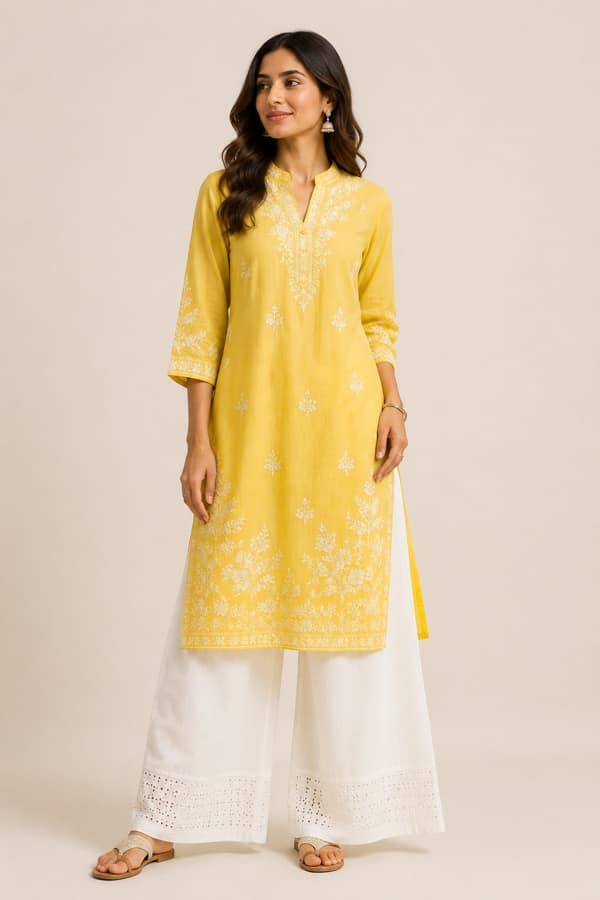
Trending wear for this spot
Popular modern looks travellers are wearing across Jaipur.

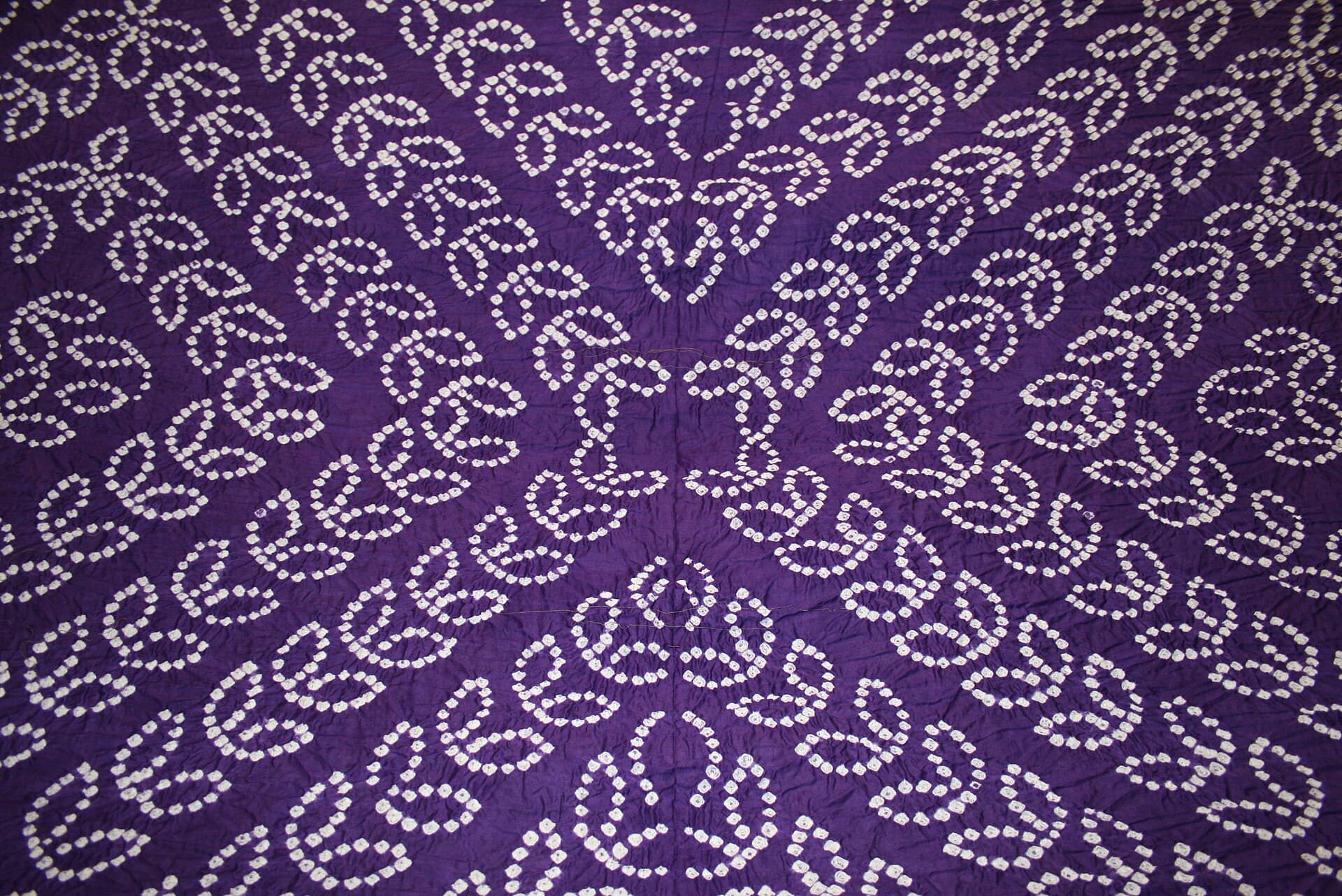
Traditional wear for this spot
Timeless, cultural outfits worn across Jaipur.
 Traditional
Bandhani saree
₹1,200–6,000
Bandhgala Jacket
₹1,500–8,000
Jaipuri Mojari and Jutti
₹300–2,500
Kundan Meena Jewellery
₹500–25,000 and far above
Lac Bangles
₹100–800 a set
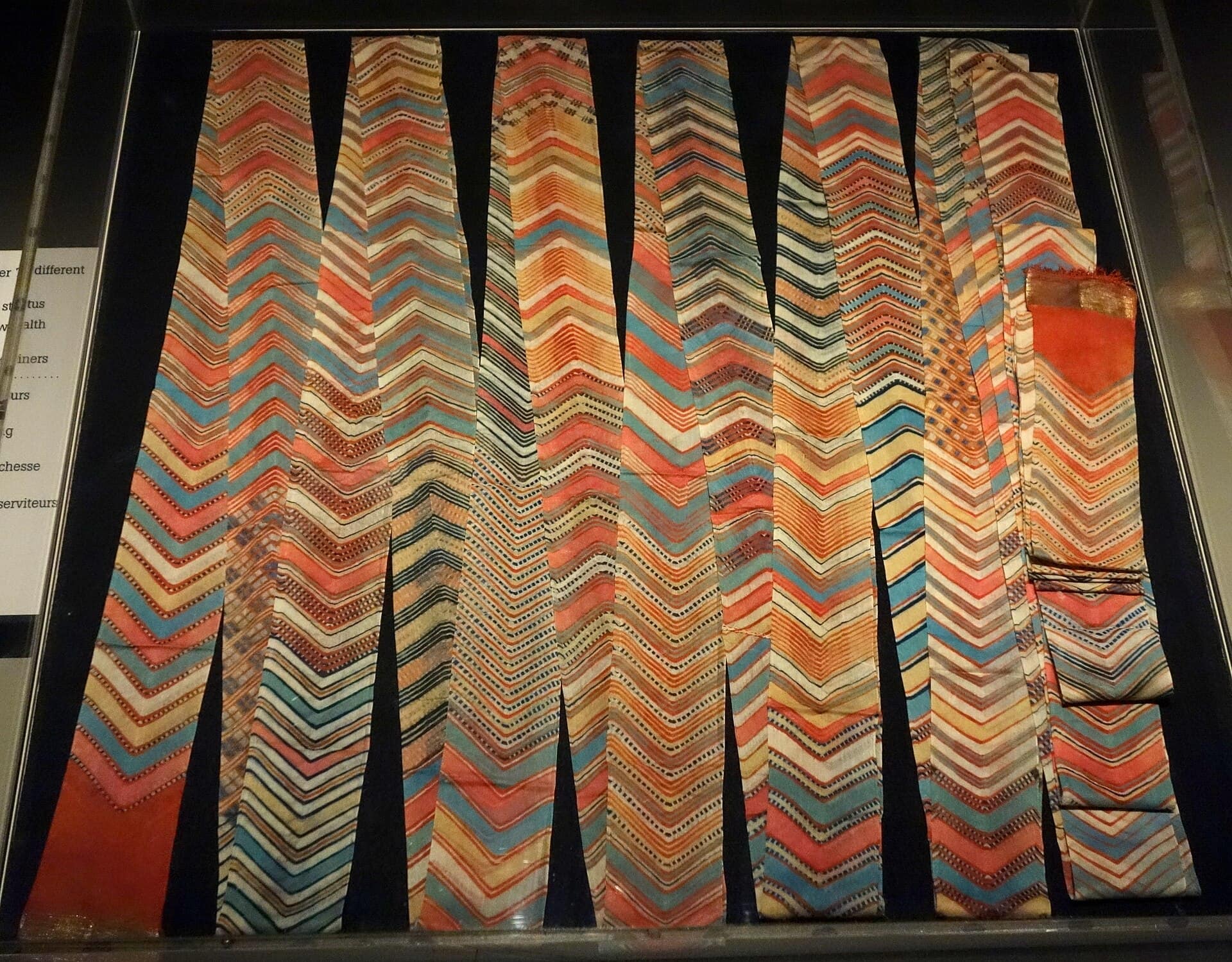 Traditional
Leheriya dupatta with kurti
₹600–2,500
Galtaji — the Monkey Temple
Galtaji is the most atmospheric religious site near Jaipur and the least like a temple visit. It is a complex of pink sandstone pavilions, terraces and tanks set into a narrow gorge in the Aravalli hills, about 10 km east of the city, built around seven natural water tanks fed by a spring that has never been recorded dry. Hundreds of rhesus macaques and langurs live in the gorge, which is where the "Monkey Temple" nickname comes from — and the monkeys are the reason to be careful with your bag.
It is a working pilgrimage complex and the seat of a monastic lineage, not a ticketed monument, and that distinction shapes everything about visiting it.
💧 The seven kunds and the Gau-Mukh
A natural spring emerges from the Gau-Mukh — a rock formation shaped like a cow's head — and descends the hillside filling seven sacred kunds, each considered more blessed than the one above it. Water pours through carved stone cow mouths before collecting in the tanks below.
The Galta Kund, at the top of the sequence, is the holiest. It is believed to have curative properties and never to run dry, even at the peak of a Rajasthan summer. Pilgrims bathe in it, and a dip is considered especially auspicious during Makar Sankranti and Kartik Purnima.
Bathing in the Galta Kund is the point of the site for pilgrims. Visitors are welcome to watch; joining is a religious act rather than a recreational swim, and it is worth understanding that distinction before you get in the water.
🕉️ The sage, and a seat of Vaishnava authority
The site is named after the sage Galav, said to have meditated here for a hundred years. Legend holds that the gods, pleased with his penance, blessed the gorge with the perennial spring that fills the kunds.
Historically the gorge has been an ascetic retreat since the early 1500s, and in the fifteenth to sixteenth centuries Ramanandi sadhus under Payohari Krishnadas established control of the site, whose followers belong to the Vaishnava Ramanuja tradition. Galtaji is an important centre of the Ramanandi Vaishnav sect, known as the Galta Peeth, and the tradition continues through a line of Acharyas to this day. It has been described as a governing office of the Vaishnava tradition in India. Emperor Akbar is recorded as having visited.
The present pink sandstone complex was built in the eighteenth century by Diwan Rao Kriparam, a courtier of Maharaja Sawai Jai Singh II, the founder of Jaipur — so the buildings are much younger than the sanctity of the site. Some sources date the temple to the fifteenth century; that refers to the ascetic settlement, not the structures you see.
A tradition also holds that Tulsidas wrote the Ramcharitmanas here. It is widely repeated and worth knowing as part of the site's own story, but it is a claim rather than an established fact.
The complex blends Rajput and Mughal influences, and holds several shrines including temples to Lord Ram and Lord Hanuman, plus a Surya Mandir (Sun Temple) at the upper level — which is where the sunset view comes from.
🐒 The monkeys — read this before you carry anything
The existing warnings on this page are accurate and worth repeating plainly: the monkeys here take rather than beg. Sunglasses, phones, loose food and anything dangling go the same way.
- Do not carry loose food, and keep bags closed and held in front of you.
- People selling nuts at the gate are selling you an interaction, not a snack. Feeding them brings the troop onto you.
- Anyone offering monkey feed, or insisting you must buy feed to be allowed in, is looking for payment rather than helping you. Entry requires nothing.
- Do not smile at, stare at or photograph individual monkeys at close range — this is how bites happen.
🎟️ Entry, third parties and the fee confusion
Entry is free for everyone — Indian nationals and foreign visitors alike, regardless of religion. There is no ticket and no legitimate charge at any point in the complex.
Beware: individuals near the gates attempt to collect entry fees from tourists. These are unauthorised third parties and should be firmly ignored.
There is a genuine wrinkle worth knowing: some sources report a small charge for foreign nationals and a nominal camera fee, and additional fees may apply for professional photoshoots or for guides. Voluntary donations toward upkeep are also sometimes requested inside. So while entry is free, do not be entirely surprised if someone mentions a camera contribution — but nobody can require an entry fee, and you should not pay one.
🕒 Timings and the walk up
Open daily, roughly 5:00 AM to 9:00 PM, including public holidays and festivals, with extended hours often observed during Hanuman Jayanti and Makar Sankranti. One source gives a 6:00 PM closing, so treat the evening edge as approximate.
Morning aarti is at sunrise, around 6:00 AM. Evening aarti is at sunset, around 7:00 to 7:30 PM — held at dusk with lamps lit, when the whole complex glows. The evening aarti is consistently described as the best moment here and should not be missed.
Getting to the upper temples involves climbing between fifty and a hundred and fifty steps depending on how far up you go, through a gorge with uneven stone. Comfortable footwear makes a real difference. Allow 1.5 to 2 hours including the walk.
🌅 When to go
October to March is the comfortable season. Within a day: early morning for the calmer atmosphere and softer light, or late afternoon for the sunset from the Surya Mandir and the evening monkey activity around the kunds. The sunset view back over Jaipur from the upper level is the reason many people make the trip at all.
Avoid midday in summer. The gorge holds heat and the climb is exposed in places.
🌸 Festivals
Makar Sankranti, in mid-January (around 14 January), draws the largest crowds of the year. Thousands of devotees converge from across Rajasthan to take a holy dip in the kunds, believing the water washes away past sins. The air fills with devotional chanting and festival colour. Kartik Purnima in November is the other major bathing occasion, and Hanuman Jayanti is significant given the site's Hanuman shrines.
⚠️ Not accessible
Galtaji is not accessible. The approach is a climb through a gorge with steps and uneven surfaces, and there is no vehicle access to the upper complex. Anyone with mobility limitations should treat this as not feasible rather than difficult.
🛕 Rules
Modest clothing covering shoulders and knees. This is a pilgrimage site where people are bathing in the tanks, so swimwear-style or revealing clothing is inappropriate even though there is water everywhere.
Footwear comes off before the temple areas. Since the site involves a climb with steps and uneven stone, wear something you can carry and walk up in barefoot or in socks where required.
Photography is generally acceptable in the outer courtyards and around the water tanks, but not inside the sanctums. Ask before photographing anyone bathing or praying — this is a functioning religious site, not a photo set.
🚗 Getting there
Around 10 km east of Jaipur in the Aravalli gorge. You can reach it through the historic Galta Gate, an old city gate built about 150 years ago. An auto-rickshaw or taxi from the city is the normal approach; agree the fare before travelling, and note the return leg is uphill and drivers may quote more for the round trip.
Pair it with Sisodia Rani ka Bagh, the terraced Mughal garden nearby, which most visitors combine with Galtaji in one outing.
Last verified: 2026. Entry is free; the reported foreigner and camera charges are noted as conflicting accounts rather than asserted. The eighteenth-century construction date and the fifteenth-century ascetic settlement are both given, since sources use them for different things.
Questions
Galtaji (the Monkey Temple) — FAQ
Who is Galtaji (the Monkey Temple) dedicated to?
Galtaji (the Monkey Temple) in Jaipur is dedicated to Hanuman, and Surya.
Who can enter Galtaji (the Monkey Temple)?
East of the city in a gorge, around pink sandstone pavilions built around seven natural water tanks fed by a spring that has never been recorded dry. Reaching it means a climb; carry water and do not attempt it in midday summer heat. The sunset view back over Jaipur from the upper level is the reason many people make the trip. Allow 1.5–2 hours including the walk.
What is the dress code at Galtaji (the Monkey Temple)?
Modest clothing covering shoulders and knees. This is a pilgrimage site where people are bathing in the tanks, so swimwear-style or revealing clothing is inappropriate even though there is water everywhere.
Do I have to take my shoes off at Galtaji (the Monkey Temple)?
Footwear comes off before the temple areas. The site involves a walk up through a gorge with steps and uneven stone, so wear something you can carry and walk up in barefoot or in socks where required.
Can I take photos inside Galtaji (the Monkey Temple)?
Photography is generally acceptable in the outer courtyards and around the water tanks, but not inside the sanctums. Ask before photographing anyone bathing or praying — this is a functioning religious site, not a photo set.
What prasadam is offered at Galtaji (the Monkey Temple)?
Prasad is distributed at the shrines within the complex. There is no formal prasad counter or fixed price, and offerings are voluntary. Do not accept food from anyone at the gate who is selling monkey feed rather than prasad.
Is Galtaji (the Monkey Temple) wheelchair accessible?
Not accessible. The approach is a climb through a gorge with steps and uneven surfaces, and there is no vehicle access to the upper complex. Anyone with mobility limitations should treat this as not feasible.
Checked, not remembered
Sources
Every rule and timing above traces back to one of these.
- Galtaji temple jaipurthejaipurvista.com
- Galtaji temple jaipurtirthayatra.org
- Galtaji temple jaipurderamandawa.com
- Galtaji mandir jaipurtripnetra.com
- Galtaji templeindianholiday.com
- Galtaji temple jaipur sacred monkey temple in the aravalli hillsjaipurtourplanner.com
- Galtaji temple jaipur a monkey temple of indiaveenaworld.com