

Temple in Jaipur
Govind Dev Ji Temple
Jaipur, Rajasthan
The city's own temple, inside the City Palace grounds — the deity was brought from Vrindavan and Jaipur was laid out so the ruler could see it from his apartments. It runs seven aartis a day, which is more than anywhere else on this list.
Photo: Jakub Hałun — CC BY-SA 4.0, via Wikimedia Commons
Overview
Who it's to, and what's expected
Deity
Krishna as Govind Dev
Tradition
Vishnu · Krishna temple
- Entry
Darshan runs roughly 04:30–21:30 in summer and 05:00–20:45 in winter, but the curtains are only open around the seven aartis — arriving between them means a closed screen.
- Footwear
Footwear must be removed before entering the premises. Use the designated shoe counter rather than leaving them in the open, and keep the token — this is a crowded temple and footwear goes missing.
- Access
The complex is largely flat with minimal stairs to the main sanctum, which makes it more manageable than Galtaji for older visitors — but crowds at aarti time are the real obstacle, so a mid-morning visit is easier than Mangla or Sandhya.
- Prasadam
Prasad and bhog are offered at all seven jhankis each day, following the offering at each session. Arriving for a jhanki rather than between them is how visitors encounter it. Accept with the right hand.
Usually visited with
Time your visit
The darshan clock
A single opening-hours line cannot express a midday closure or an evening ceremony.
4:30 AM – 12:00 PM, 5:45 PM – 9:30 PM
Summer darshan (April–September)
The temple CLOSES MIDDAY between the two sessions. Arriving at 2 PM means turning around — the most common mistake visitors make here.
5:00 AM – 12:15 PM, ~5:00 PM – 8:45 PM
Winter darshan (October–March)
Timings shift in winter: morning aarti about half an hour later, evening about 45 minutes earlier. Confirm on the day.
5:00 AM
Mangla Aarti
The day's first ritual and the biggest crowd. Arrive 15 minutes early.
7:30 AM and ~9:30 AM
Morning aartis
Quieter than Mangla and far easier to get close to the sanctum.
5:45 – 6:45 PM
Sandhya Aarti
The largest evening gathering — the courtyard fills well before it starts.
8:00 PM
Shayan Aarti
The closing ritual, performed quietly.
Rules, timings and fees change — confirm locally before you rely on this.
How long this takes
Ways in
The difference between a twenty-minute visit and a three-hour one.
Jhanki darshan
- The deity is revealed only at the seven daily jhankis and the screen is closed in between
- Arrive shortly before the jhanki you want, not at a random time
Mangla and Sandhya aarti
- The most crowded sessions
- Devotees pack the courtyard; a mid-morning visit is considerably easier
Janmashtami
- The busiest period of the year, with thousands of devotees, special decoration and extended darshan
At the gate
Before you go in
What gets refused, and what you cannot take past the door.
What to wear
Modest, full-length clothing for both men and women. Shorts, sleeveless tops and revealing clothing are not permitted. Carry a dupatta or stole — it is used as a head covering inside, and having one saves you buying one at the gate.
Phones and cameras
Photography is not allowed inside the sanctum sanctorum; respect the signage and the staff who enforce it. Keep your phone on silent through darshan and the aartis. Courtyard photography is generally tolerated but ask if unsure.
Rules, timings and fees change — confirm locally before you rely on this.
When not to come — unless you mean to
Festival windows
These follow lunar calendars and move by weeks each year, so the windows are months, not dates.
Janmashtami
Holi and Phagotsav
Annakut
Radha Ashtami
Sharad Purnima
Practicalities
The things that go wrong
Book through official channels, and treat anyone promising a guaranteed slot as a warning sign.
What to watch for
- Anyone outside claiming you need a special ticket, a paid 'darshan pass' or an advance puja booking
- Darshan is free and no pass exists
- Sellers at the gate pressing dupattas, flowers or prasad trays on visitors at inflated prices
- You are not required to bring an offering, and carrying your own dupatta avoids the purchase entirely
- Guides who attach themselves inside the City Palace complex and produce a fee at the end
- Hire only from the official counter where rates are posted
- Being told the temple is closed when it is merely between jhankis
- The screen closes between the seven daily sessions; check the jhanki timing rather than accepting that you cannot enter
One place, many temples
Other temples in Jaipur
Birla Mandir
Vishnu · Krishna templeLord Vishnu as Lakshmi Narayan, with Goddess Lakshmi
Galtaji (the Monkey Temple)
Vishnu · Krishna templeHanuman, and Surya
Moti Dungri Ganesh Temple
Ganesha templeLord Ganesha
Shila Devi Temple
Devi · Shakti templeShila Devi (Kali)
General guidance
Planning the visit
Customary practice and what Jaipur's climate means for a barefoot visit — not rules posted at this temple. Anything specific to Govind Dev Ji Temple is above.
The queue is the ritual
Vaishnava temples in India are usually organised around a moving darshan queue rather than time spent in front of the deity. Expect to keep walking, and expect the view of the sanctum to be brief — that is the intended experience, not a rushed one.
Come in winter
Winter is when Jaipur is most comfortable to walk around, which matters here because a temple visit is done on foot and barefoot. Locally the window is given as october to march.
Stone gets hot — go early
You will be barefoot from the shoe rack onwards, often across an open courtyard. Between late morning and mid-afternoon in the hot months that stone is genuinely painful to stand on. Socks help, and are permitted almost everywhere shoes are not.
Metro, then walk
Jaipur has a metro, and it is usually the fastest way to get near a busy temple — the streets immediately around one are often closed to vehicles or jammed with them.
Outfit guide
What to wear at Govind Dev Ji Temple
Cover shoulders and knees — the rules above win over anything here.
Trending wear for this spot
Popular modern looks travellers are wearing across Jaipur.


Traditional wear for this spot
Timeless, cultural outfits worn across Jaipur.
 Traditional
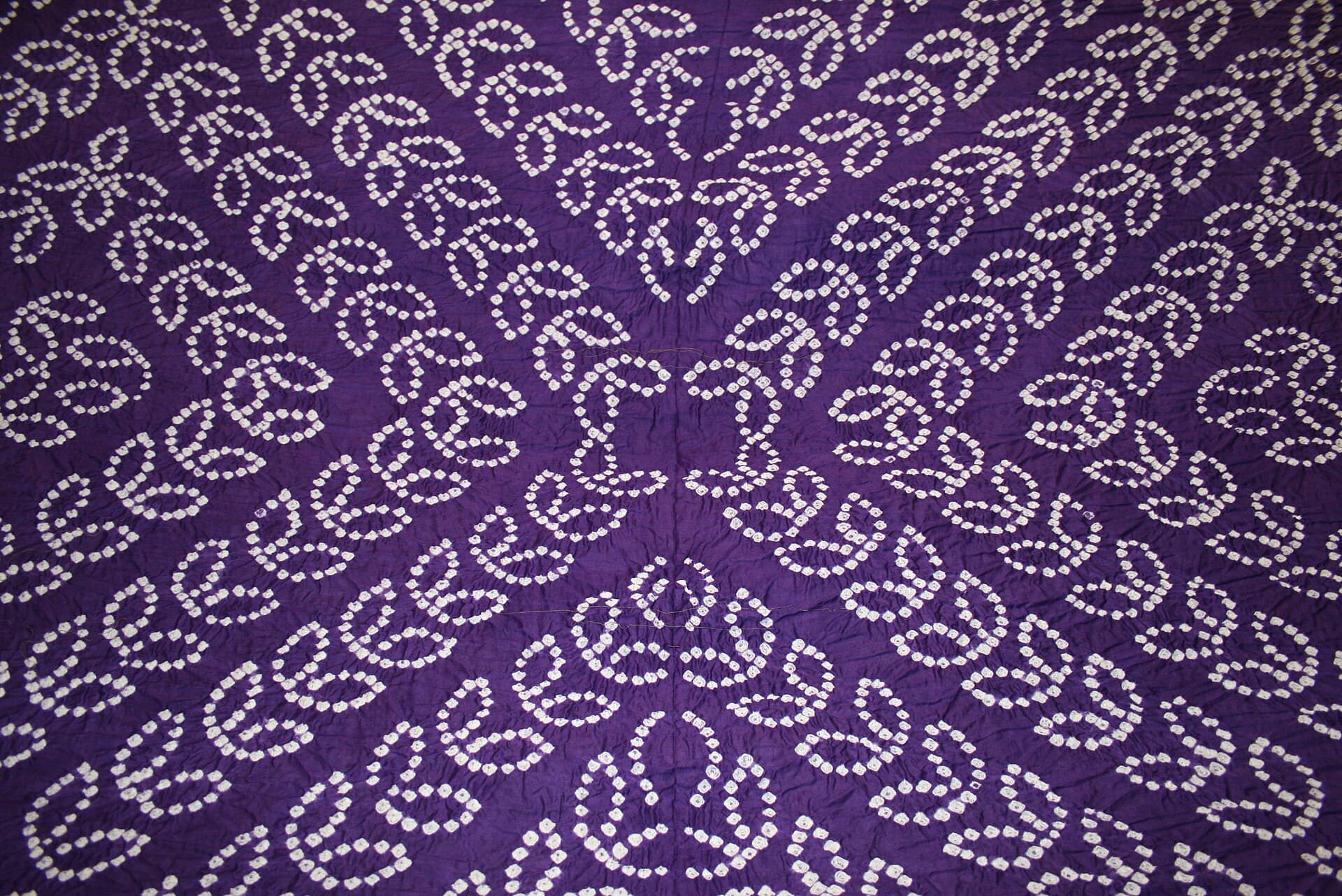
Bandhani saree
₹1,200–6,000
Bandhgala Jacket
₹1,500–8,000
Jaipuri Mojari and Jutti
₹300–2,500
Kundan Meena Jewellery
₹500–25,000 and far above
Lac Bangles
₹100–800 a set
 Traditional
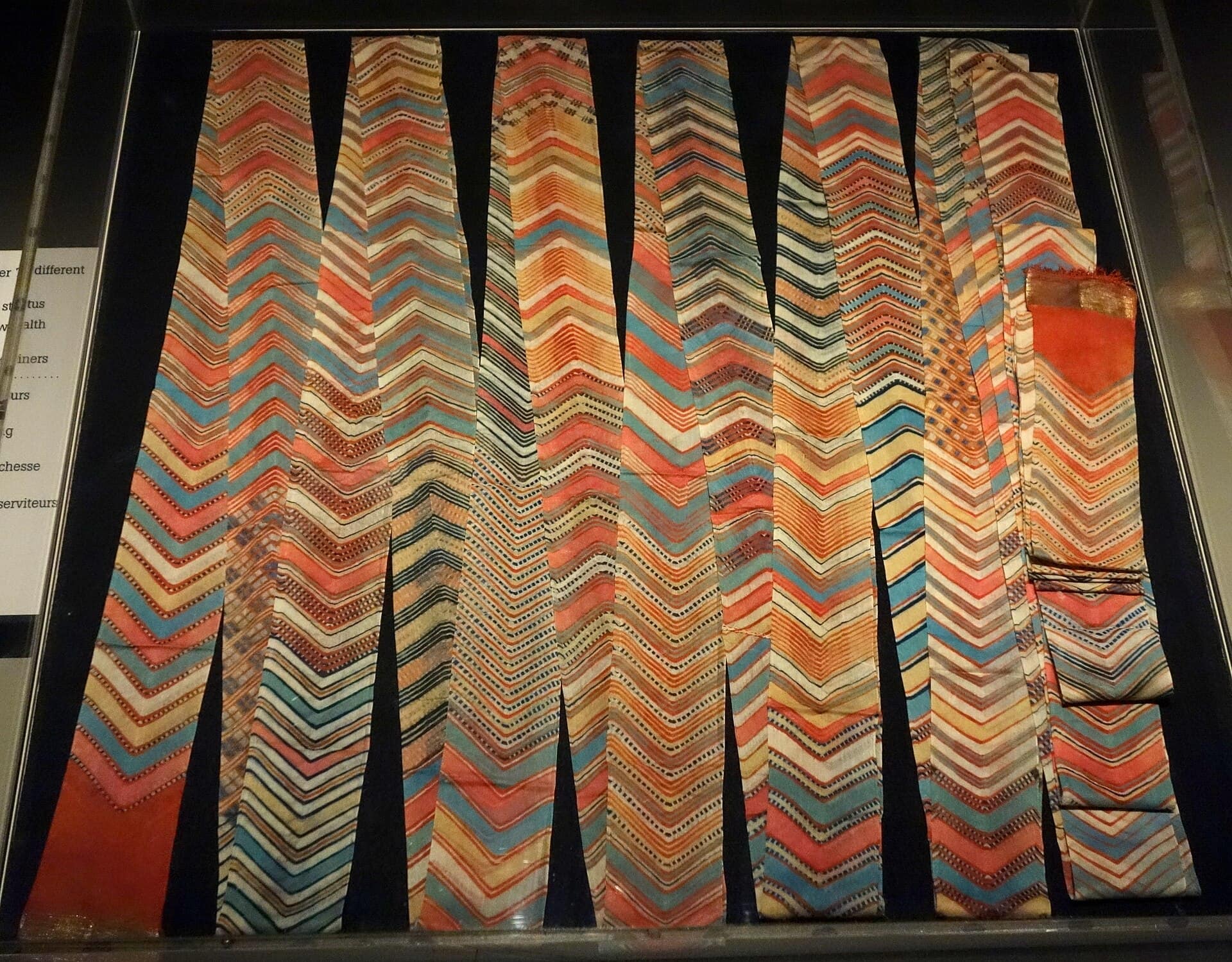
Leheriya dupatta with kurti
₹600–2,500
Govind Dev Ji Temple, City Palace
Govind Dev Ji is Jaipur's own temple — not a sight within the city but the deity the city was arranged around. It stands inside the City Palace complex, between Chandra Mahal and Badal Mahal, and it was positioned so that the Maharaja could see it directly from his own apartments in Chandra Mahal. Jaipur's plan accommodates this sightline, which tells you immediately that this is not an ordinary temple in an ordinary location.
The deity is Lord Krishna as Govind Dev, worshipped alongside Radha Rani, in the Gaudiya Vaishnava tradition. It is one of the most sacred Krishna temples in India and draws thousands of devotees daily.
The idol was brought from Vrindavan to Jaipur by Maharaja Sawai Jai Singh II, the founder of the city, and first placed in his own palace, Surya Mahal, before moving to Chandra Mahal.
Govind Dev Ji was the principal deity — the kuladevata — of Amber's Kachhwaha dynasty. The temple is counted among the seven temples of the Thakur of Vrindavan.
Devotees hold that the image resembles Lord Krishna exactly as he appeared on earth, and tradition attributes the idol's carving to Bajranabh, Krishna's great-grandson. That belief — a true likeness rather than a symbolic representation — is the core of the temple's extraordinary status, and it is why darshan here is treated as an audience rather than a viewing.
One distinction worth keeping straight: there is a separate and much older Govind Dev Ji temple in Vrindavan, built in 1590 by Raja Man Singh I of Amber as a seven-storey red sandstone structure of which three storeys survive. That is the Vrindavan shrine the Jaipur idol is associated with, not this temple — they are different buildings in different states, and they are easily confused in search results.
🎪 The seven jhankis — and the curtains
The defining feature of this temple is that darshan is not continuous. The deity is revealed at seven appointed jhankis each day, and the screen is closed in between. Arriving between jhankis means looking at a closed curtain — the single most common disappointment visitors have here, and entirely avoidable.
The seven jhankis, in order, are Mangla, Dhoop, Shringar, Rajbhog, Gwal, Sandhya and Shayan. Approximate timings:
- Mangla — around 4:30–6:00 AM, the opening
- Dhoop — around 7:30–9:45 AM
- Shringar — around 9:30–11:15 AM, when the deities are dressed and adorned
- Rajbhog — around 11:00 AM–12:15 PM, the midday offering, after which the temple closes
- Gwal — around 5:30–6:00 PM, the evening reopening
- Sandhya — around 6:30–7:45 PM
- Shayan — around 8:30–9:00 PM, the closing
Each darshan session is short, and devotees gather in large numbers for each one. Every time the Radha-Krishna idols are revealed they are clothed and decorated differently, so two jhankis on the same day are two different sightings.
Sources give slightly different times for the same jhankis, and some lists substitute Utthapan for Gwal — the sequence varies with the season and the temple's own calendar. Treat these as approximate windows and aim to arrive shortly before the one you want.
🕒 Opening hours, and the midday trap
Summer (April–September): roughly 4:30 AM to 12:00 PM and 5:45 PM to 9:30 PM. Winter (October–March): roughly 5:00 AM to 12:15 PM and 5:00 PM to 8:45 PM.
The temple closes at midday between the two sessions. This is the mistake to avoid: arriving at 2:00 PM means turning around. Published summaries often simplify this to "5 AM to 9 PM", which is misleading precisely because of the afternoon closure.
🏛️ The building
The temple was established during the reign of Sawai Jai Singh II, with government temple records dating it to 1735 AD. After Jai Singh's death, the temple building was constructed by Sawai Pratap Singh — so the idol's arrival and the structure you see belong to two reigns.
Architecturally it is unusual: built in a blend of Western, Hindu and Muslim styles, with a gold-decked ceiling, European chandeliers and paintings inside, and surrounded by gardens. The European interiors in a Krishna temple are a genuine surprise and a direct consequence of Jaipur's eighteenth-century court looking outward.
It sits in the City Palace grounds near Jalebi Chowk and Jai Niwas Garden, a short walk from Hawa Mahal, and about 7 km from Jaipur Junction.
🎟️ Entry
The temple is free, and access is through the City Palace complex. Because it sits inside the palace grounds, you may pass through areas that charge for palace entry — the temple itself does not, but check the current arrangement at the gate rather than assuming, since palace and temple ticketing are administered separately.
Photography is not allowed inside the sanctum sanctorum, and staff enforce it. Keep your phone silent through darshan and the aartis. Courtyard photography is generally tolerated; ask if unsure.
🌸 Festivals
Janmashtami — Krishna's birth — is the most important festival here, commemorated with thousands of devotees, special decoration and extended darshan. Beyond it:
- Holi and Phagotsav — celebrated with particular intensity at a Krishna temple
- Annakut — the mountain of food offering after Diwali
- Radha Ashtami — Radha's appearance day, significant given Radha Rani is worshipped alongside Govind Dev
- Sharad Purnima — a major autumn full-moon occasion
For peaceful darshan, a weekday during the early morning or a mid-day session is ideal. Festival days and the Mangla and Sandhya aartis are the most crowded.
🛕 Rules
Modest, full-length clothing for both men and women. Shorts, sleeveless tops and revealing clothing are not permitted.
Carry a dupatta or stole. It is used as a head covering inside, and having one saves you buying one at the gate — which is exactly the small purchase third parties outside are hoping for.
Footwear must be removed before entering the premises. Use the designated shoe counter rather than leaving shoes in the open, and keep the token — this is a crowded temple and footwear goes missing.
♿ Access and crowds
The complex is largely flat with minimal stairs to the main sanctum, which makes it considerably more manageable than Galtaji for older visitors and anyone with limited mobility.
The real obstacle is not the architecture but the crowd at aarti time. A mid-morning visit is easier than Mangla or Sandhya, when devotees pack the courtyard.
🍬 Prasad and bhog
Prasad and bhog are offered at all seven jhankis each day. Distribution follows the offering, so arriving for a jhanki rather than between them is how you encounter it.
⚠️ Practical notes
- Time your visit to a jhanki, not to the opening hours. This is the one piece of advice that determines whether the trip works.
- Combine it with the City Palace and Jantar Mantar, both adjacent — the temple is on the route, not a detour.
- Anyone outside claiming you need a special ticket, a paid 'darshan pass', or a puja booking is selling something unnecessary. Darshan is free.
- Flower and prasad sellers at the gate will offer trays at prices above the local rate. You are not required to bring an offering.
Last verified: 2026. Jhanki timings differ between published sources and shift seasonally; the sequence of seven is consistent across all of them and the approximate windows are given above. Confirm the current day's schedule locally if a specific aarti matters to you.
Questions
Govind Dev Ji Temple — FAQ
Who is Govind Dev Ji Temple dedicated to?
Govind Dev Ji Temple in Jaipur is dedicated to Krishna as Govind Dev.
Who can enter Govind Dev Ji Temple?
Darshan runs roughly 04:30–21:30 in summer and 05:00–20:45 in winter, but the curtains are only open around the seven aartis — arriving between them means a closed screen.
What is the dress code at Govind Dev Ji Temple?
Modest, full-length clothing for both men and women. Shorts, sleeveless tops and revealing clothing are not permitted. Carry a dupatta or stole — it is used as a head covering inside, and having one saves you buying one at the gate.
Do I have to take my shoes off at Govind Dev Ji Temple?
Footwear must be removed before entering the premises. Use the designated shoe counter rather than leaving them in the open, and keep the token — this is a crowded temple and footwear goes missing.
Can I take photos inside Govind Dev Ji Temple?
Photography is not allowed inside the sanctum sanctorum; respect the signage and the staff who enforce it. Keep your phone on silent through darshan and the aartis. Courtyard photography is generally tolerated but ask if unsure.
What prasadam is offered at Govind Dev Ji Temple?
Prasad and bhog are offered at all seven jhankis each day, following the offering at each session. Arriving for a jhanki rather than between them is how visitors encounter it. Accept with the right hand.
Is Govind Dev Ji Temple wheelchair accessible?
The complex is largely flat with minimal stairs to the main sanctum, which makes it more manageable than Galtaji for older visitors — but crowds at aarti time are the real obstacle, so a mid-morning visit is easier than Mangla or Sandhya.
Checked, not remembered
Sources
Every rule and timing above traces back to one of these.