
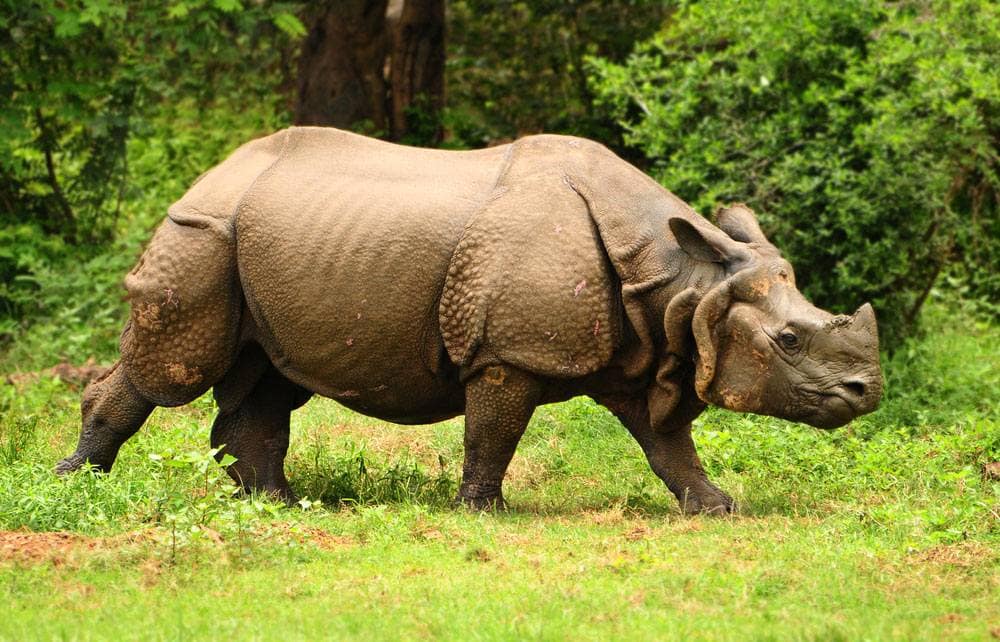
Photo spot in Kaziranga
One-Horned Rhino Safari
Kaziranga, Assam
The star of Kaziranga — the great Indian one-horned rhinoceros, best seen up close on a dawn jeep or elephant-back safari.
Best time
Early morning — rhinos grazing in the misty grass with soft light; midday for rhinos wallowing in the beels.
Best angle
Shoot from the jeep at eye level with a long lens, placing the rhino in the grass with open land or water behind it.
Entry fee
Safari fee
Opening hours
Morning & afternoon safaris
Crowd level
Medium
Best outfit colors
Overview
Best time to visit One-Horned Rhino Safari
Early morning — rhinos grazing in the misty grass with soft light; midday for rhinos wallowing in the beels. Crowds here are typically medium. Arrive a little early to claim your angle and catch the softest light before the day tips over.
Poses & angles
Photo tips for One-Horned Rhino Safari
Shoot from the jeep at eye level with a long lens, placing the rhino in the grass with open land or water behind it. Work a few of the pose ideas below, shoot wide for context and tight for detail, and give yourself a couple of extra minutes to get the frame right.
On the elephant safari
Watching rhinos from the jeep
Outfit guide
What to wear at One-Horned Rhino Safari
For photos at One-Horned Rhino Safari, khaki, olive and grey work beautifully — they stand out against the setting without fighting it. Pick one hero colour and keep the rest of the look calm so you stay the subject of the frame.
Best outfit colors for photos
Trending wear for this spot
Modern, camera-ready looks picked for One-Horned Rhino Safari.

Traditional wear for this spot
Timeless, cultural outfits worn across Kaziranga.
Eat nearby
Food near One-Horned Rhino Safari
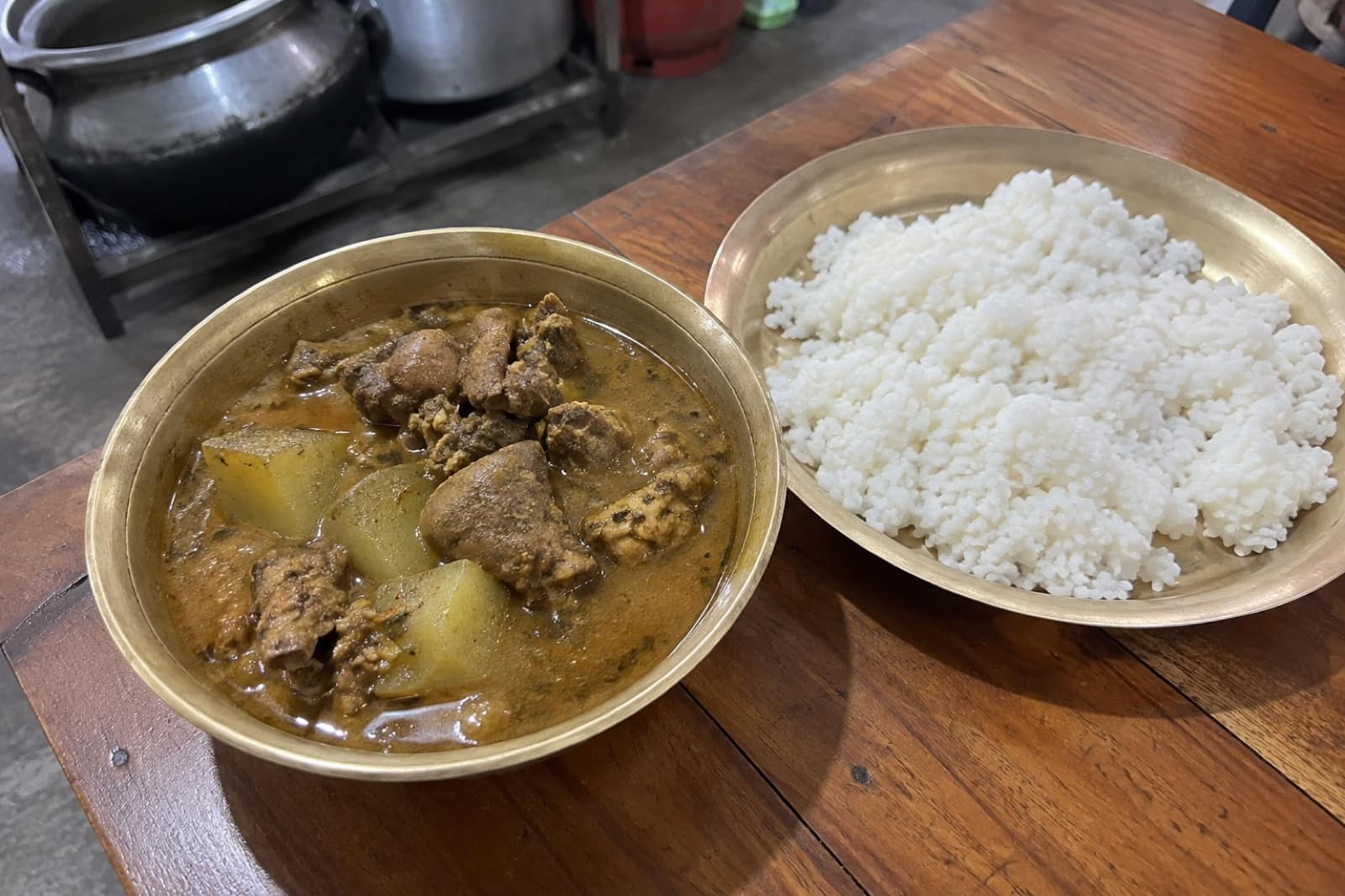
Round out the visit with something to eat. Look for duck curry (hanhor mangxo) nearby.
Special dishes to try
Search food by craving
Good to know
Local tips
Book at least one safari in the Western Range at Bagori for the highest rhino numbers.
Plan your trip for February to April if seeing rhinos in the open matters most.
Watch for white egrets in the grass, as they often mark where a rhino is feeding.
Stay silent when a rhino is close to the jeep, as sudden noise can make it charge.
Keep a mother and calf at a respectful distance and let the guard decide when to move.
Switch off flash and focus-assist lights on your camera before the safari starts.
Look near beels at midday, when rhinos wallow in the mud to keep cool.
The animal
The greater one-horned rhinoceros is the second-largest land mammal in Asia, with thick folds of skin that look like armour plates. Kaziranga holds about two-thirds of the world's population. The 2022 count found more than 2,600 in the park. Rhinos were close to extinction here a century ago; decades of protection brought them back, and poaching has fallen sharply in recent years.
Where to see them
Rhinos graze in open grassland and wallow in beels and muddy pools, especially in the heat of the day. The Western Range at Bagori has the highest density, and the Central Range at Kohora is almost as reliable. In February to April, when the grass is short and water is scarce, they gather in the open and are easiest to see. You are very likely to see several on any safari in season.
Jeep or elephant
A jeep safari covers more ground and more habitats. An elephant ride takes you into the grass and closer to the rhinos, which are used to elephants and often keep grazing. The ride is short and at dawn. Many visitors do one of each.
How to behave
Rhinos look calm but can charge if startled, especially mothers with calves. Stay quiet, stay in the vehicle, and never ask the driver to get closer. Do not use flash. If a rhino walks towards the jeep, the driver and guard will decide when to move off.
Signs to look for
Look for dung piles along tracks, which rhinos use as shared toilets, and mud-caked backs in the grass. Egrets and mynas often ride on rhinos, picking off insects, which makes them easier to spot.
Questions
One-Horned Rhino Safari — FAQ
What is the best time to visit One-Horned Rhino Safari?
Early morning — rhinos grazing in the misty grass with soft light; midday for rhinos wallowing in the beels. Shoot from the jeep at eye level with a long lens, placing the rhino in the grass with open land or water behind it.
Is there an entry fee at One-Horned Rhino Safari?
Entry to One-Horned Rhino Safari is by safari fee.
What are the opening hours of One-Horned Rhino Safari?
One-Horned Rhino Safari is open morning & afternoon safaris.
What should I wear at One-Horned Rhino Safari?
Khaki, olive and grey photograph especially well here. Explore the trending and traditional outfit ideas on this page for full looks.
How crowded does One-Horned Rhino Safari get?
Crowd levels are typically medium. To miss the busiest window: early morning — rhinos grazing in the misty grass with soft light; midday for rhinos wallowing in the beels.
What food should I try near One-Horned Rhino Safari?
Try duck curry (hanhor mangxo) at spots close by.
How many rhinos live in Kaziranga?
The 2022 census counted more than 2,600 greater one-horned rhinos in Kaziranga, about two-thirds of the world's population.
Are rhinos dangerous to safari visitors?
They can charge if startled or if a calf is threatened, but incidents are rare when visitors stay in the vehicle and keep quiet. Always follow the guard's instructions.
How close will I get to a rhino?
It varies. From a jeep, rhinos are often 20 to 100 metres away, sometimes nearer. An elephant ride can bring you much closer in the grass.
Why does the rhino have only one horn?
It is a different species from the two-horned African rhinos. The horn is made of keratin, like hair and nails, and it is the reason rhinos have been poached.