
Best Photo Spots in Kaziranga
In Kaziranga the photo spot is wherever the animals are, so the real choices are which range, which slot and which lens. Dawn and late afternoon give the best light and the most movement.
Entry Safari fee
Elephant Safari
- Best timeDawn — first light through the mist and rhinos close in the grass; the last minutes of the ride for clearer, brighter light.
- ColorsKhakiOliveGrey
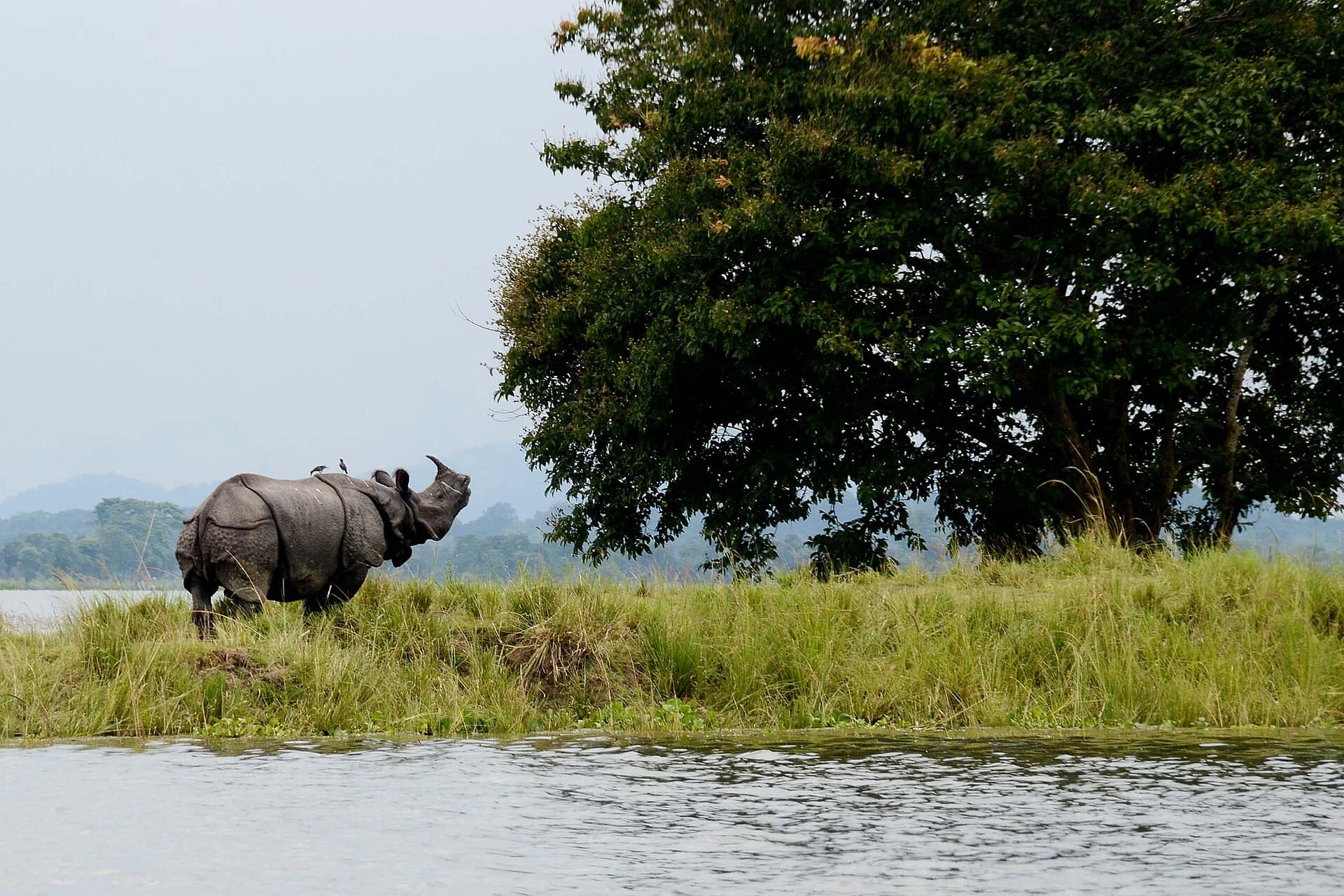 Medium crowd
Entry Park + safari fees
Kaziranga National Park
- Best timeEarly morning — mist over the grass and animals out grazing; late afternoon for warm, low light as animals move to the water.
- ColorsKhakiOliveBeige
Entry Ticketed
Kaziranga Orchid Park
- Best timeMorning — soft light in the greenhouses and fresh blooms; afternoon for the colourful cultural dance show.
- ColorsWhiteCoralGreen
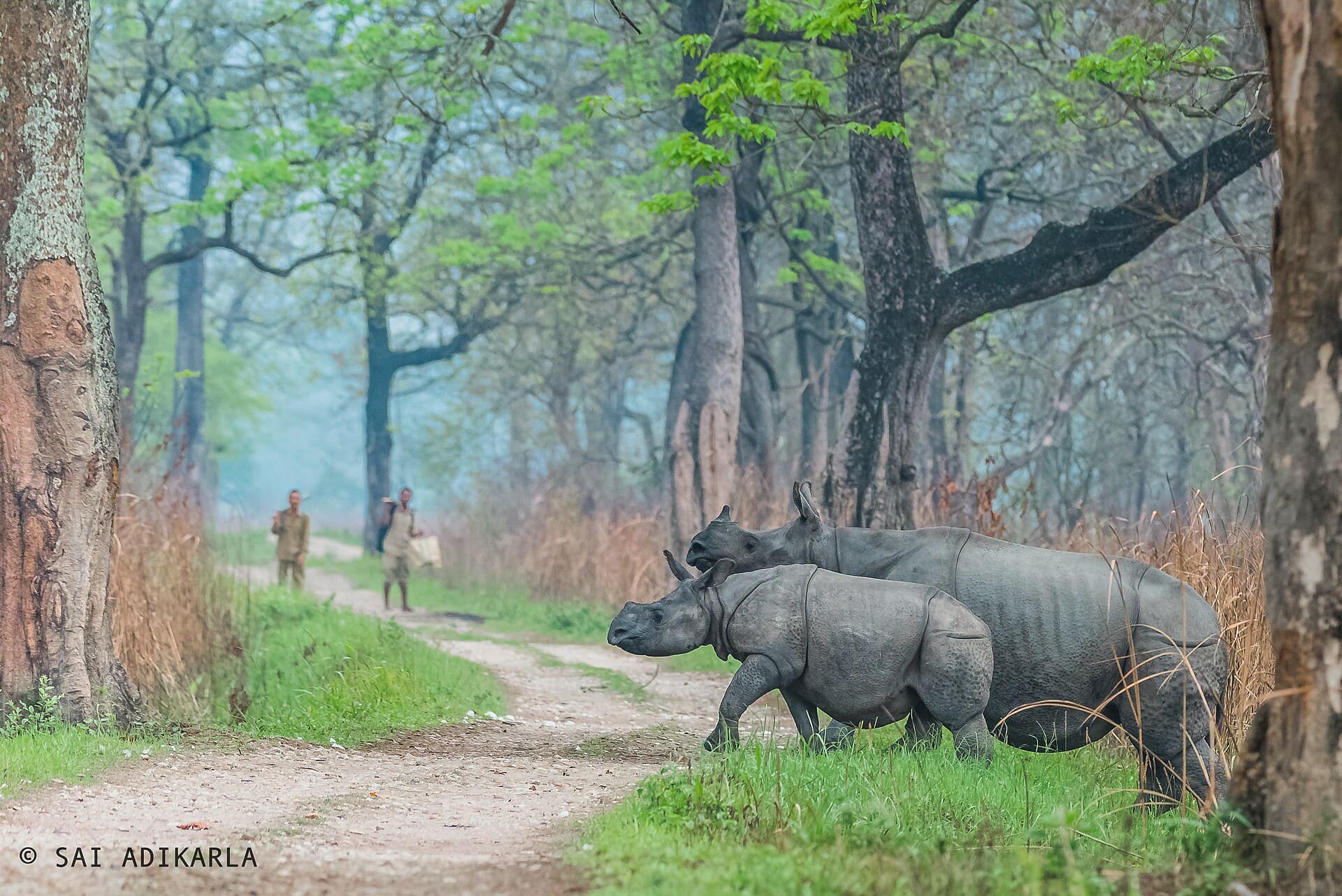 Medium crowd
Entry Safari fee
Kohora (Central) Range
- Best timeLate afternoon — warm light on the grass and animals heading to the water; early morning for mist over the beels.
- ColorsKhakiOliveBeige
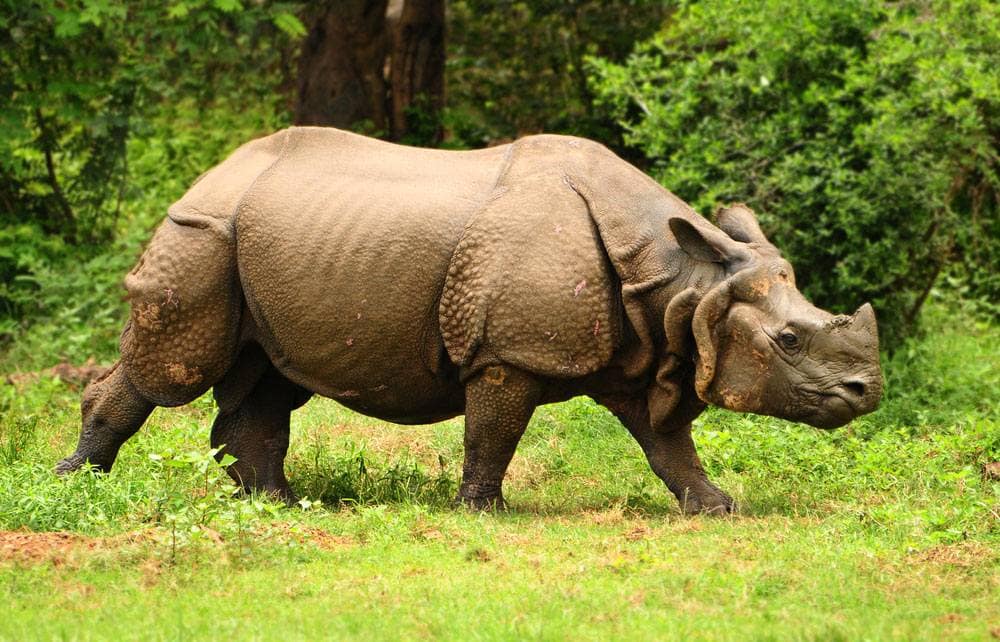 Medium crowd
Entry Safari fee
One-Horned Rhino Safari
- Best timeEarly morning — rhinos grazing in the misty grass with soft light; midday for rhinos wallowing in the beels.
- ColorsKhakiOliveGrey
Choose the slot before the spot
Morning safaris start in soft, often misty light, which is lovely for atmosphere but can be dim and flat for sharp wildlife shots. Afternoon safaris end in warm, low light as animals move back to the water. If you can, do one of each. From December to February, mist hangs over the grass until mid-morning, so a longer lens and a steady grip matter.
Central Range, Kohora
The Kohora range has open grassland, beels and a watchtower where you can get out and look across the plain. Rhinos, wild buffalo and swamp deer graze in the open here, often close to the track. It is the easiest range for a first safari and for classic rhino-in-grassland frames.
From elephant-back
The elephant safari gets you higher and closer than a jeep, and the rhinos seem less bothered by elephants. The ride is short and bumpy, so use a fast shutter speed and a zoom that you can handle with one hand. The first light through the grass is the reason people book it.
Water and birds
The Eastern Range at Agaratoli has large beels with pelicans, storks and migrating ducks in winter. The Western Range at Bagori has water where rhinos wallow and buffalo stand in the shallows. A 300 mm or longer lens helps for birds; a 100 to 400 mm zoom covers most wildlife from a jeep.
When the park is closed
From around June to September, the Orchid Park at Durgapur is the best photo stop, with greenhouses of orchids and dance shows. The tea gardens around Kohora are also good in the green monsoon months.
Rules that affect your photos
Stay in the jeep except at marked points. No flash. Do not ask drivers to go off the track or chase animals. Drones are not allowed over the park. A bean bag on the jeep rail steadies a long lens better than a tripod.
Questions
Kaziranga — FAQ
What lens should I bring to Kaziranga?
A 100 to 400 mm zoom, or similar, covers most rhino and elephant shots from a jeep. Birders will want 500 mm or more for Agaratoli. A wide lens is useful for grassland scenes from the watchtower.
Can I use a drone in Kaziranga?
No. Drones are not permitted over the national park, which is a protected tiger reserve. Keep it packed.
Is the morning or afternoon safari better for photos?
Afternoon usually gives warmer, clearer light. Morning has mist and more atmosphere, but light can be flat until the fog lifts. If you can, book one of each.
Can I get out of the jeep to take photos?
Only at designated points such as watchtowers. Everywhere else you must stay in the vehicle, however close the animals are.