
Assam · India
Kaziranga
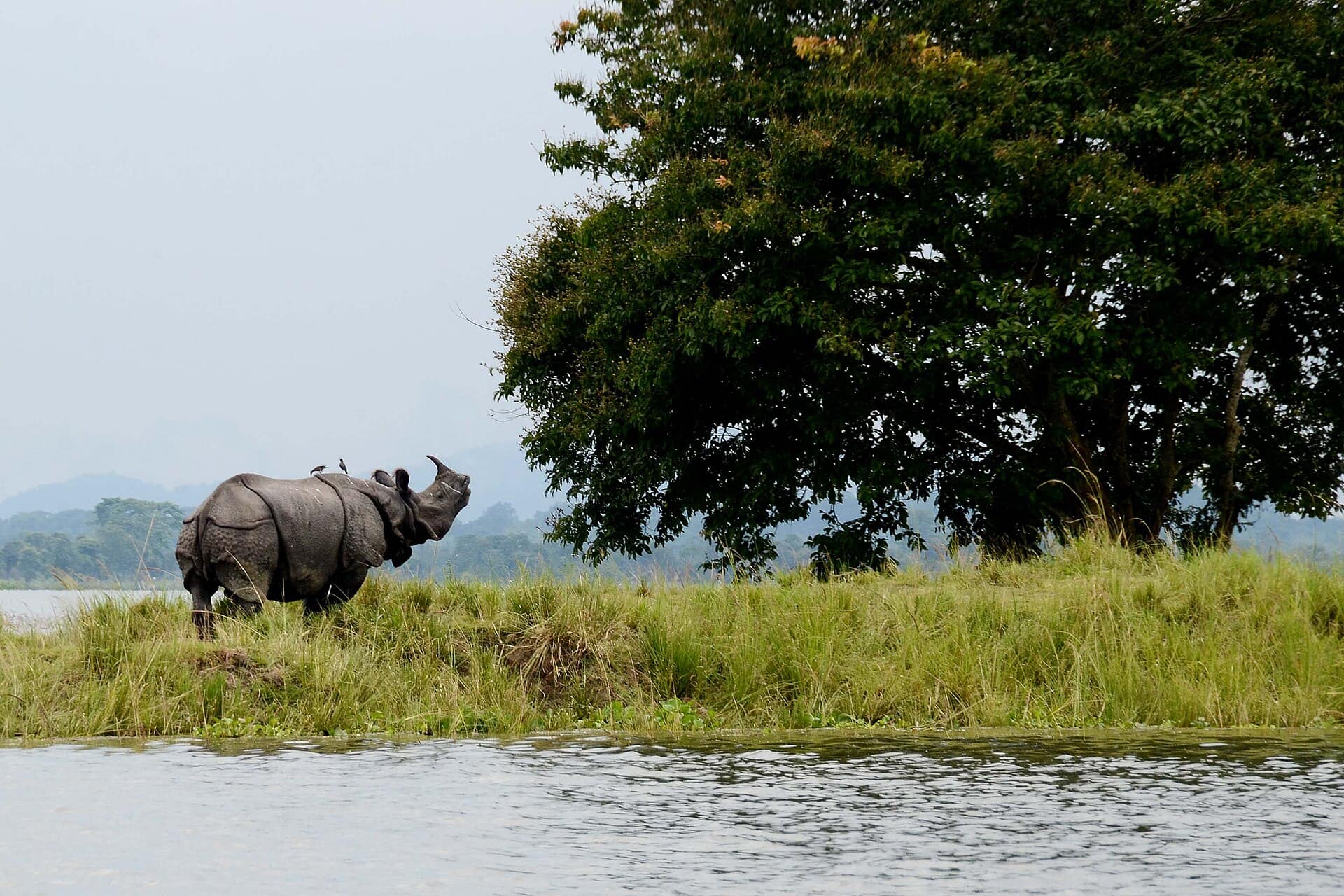
A UNESCO World Heritage national park on the Brahmaputra floodplains — home to two-thirds of the world's one-horned rhinos, plus elephants, tigers, swamp deer and vast grasslands.
Kaziranga is wild Assam: dawn jeep and elephant safaris among the tall grass and beels, one-horned rhinos, tea gardens all around, and hearty Assamese food.
Plan your trip
Kaziranga Tour Itineraries
Timed, walkable day plans — plus the best season to go.
Where to shoot
Kaziranga Photo Spots
Entry Safari fee
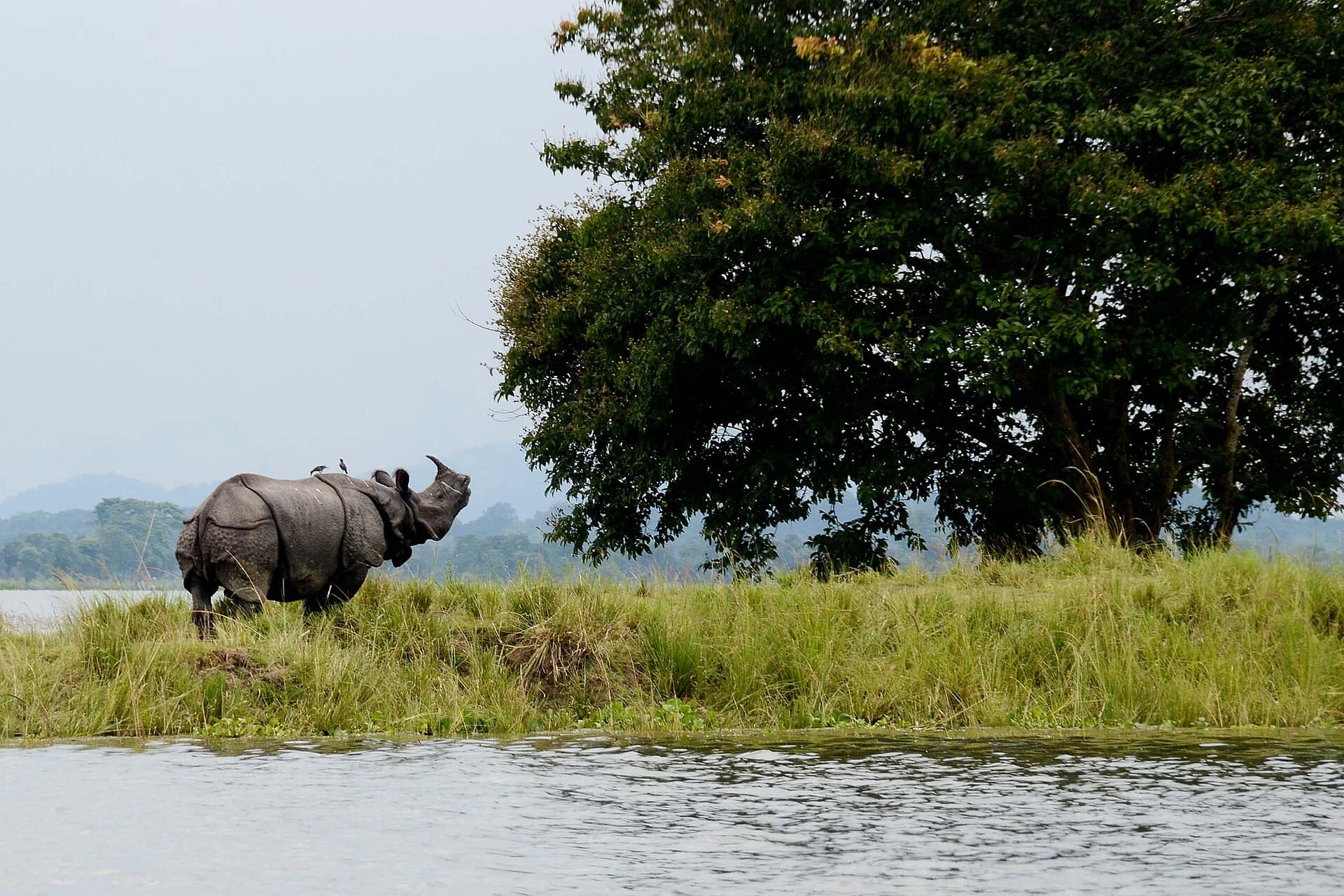
Elephant Safari
- Best timeDawn — first light through the mist and rhinos close in the grass; the last minutes of the ride for clearer, brighter light.
- ColorsKhakiOliveGrey
 Medium crowd
Entry Park + safari fees
Kaziranga National Park
- Best timeEarly morning — mist over the grass and animals out grazing; late afternoon for warm, low light as animals move to the water.
- ColorsKhakiOliveBeige
Entry Ticketed
Kaziranga Orchid Park
- Best timeMorning — soft light in the greenhouses and fresh blooms; afternoon for the colourful cultural dance show.
- ColorsWhiteCoralGreen
 Medium crowd
Entry Safari fee
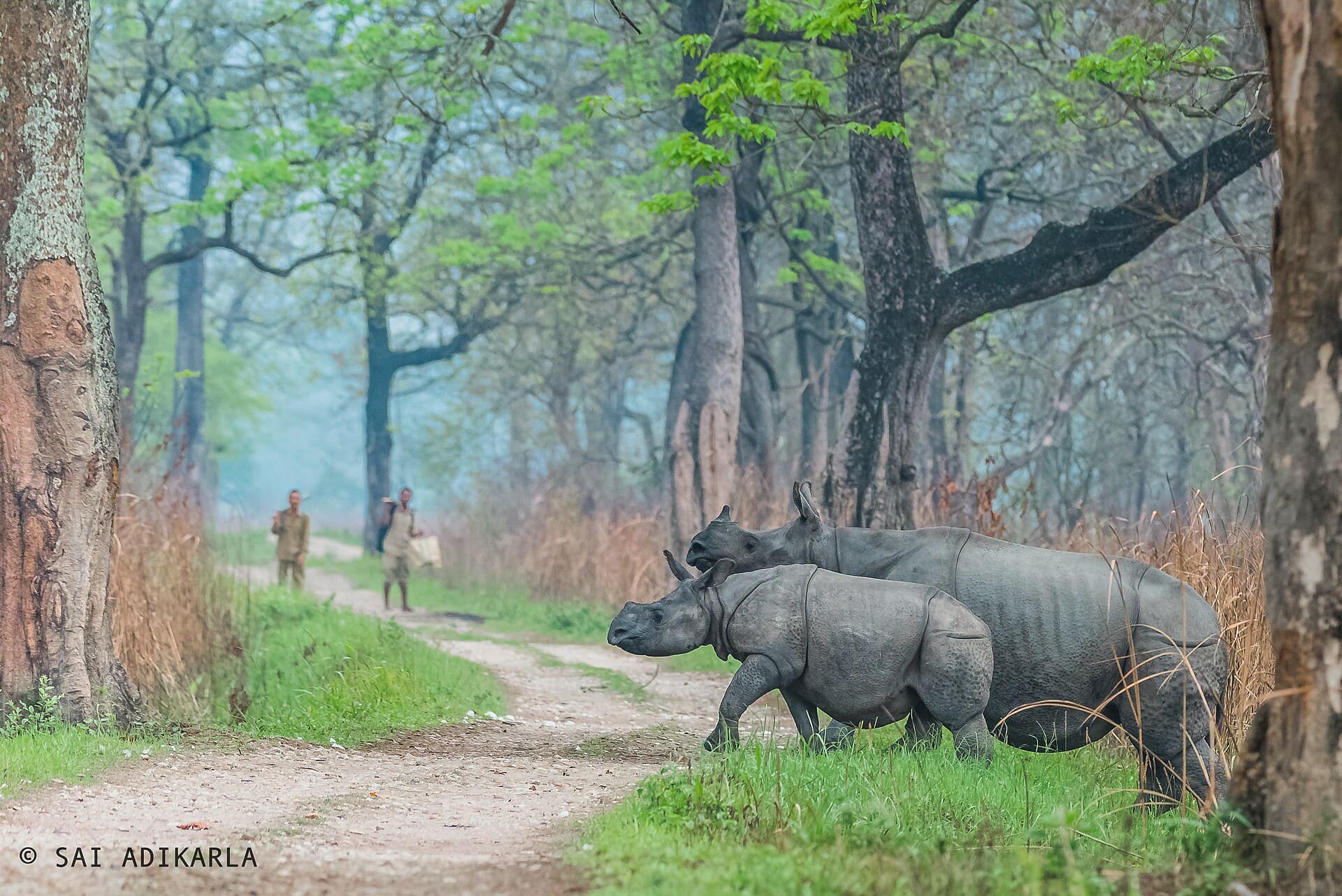
Kohora (Central) Range
- Best timeLate afternoon — warm light on the grass and animals heading to the water; early morning for mist over the beels.
- ColorsKhakiOliveBeige
 Medium crowd
Entry Safari fee
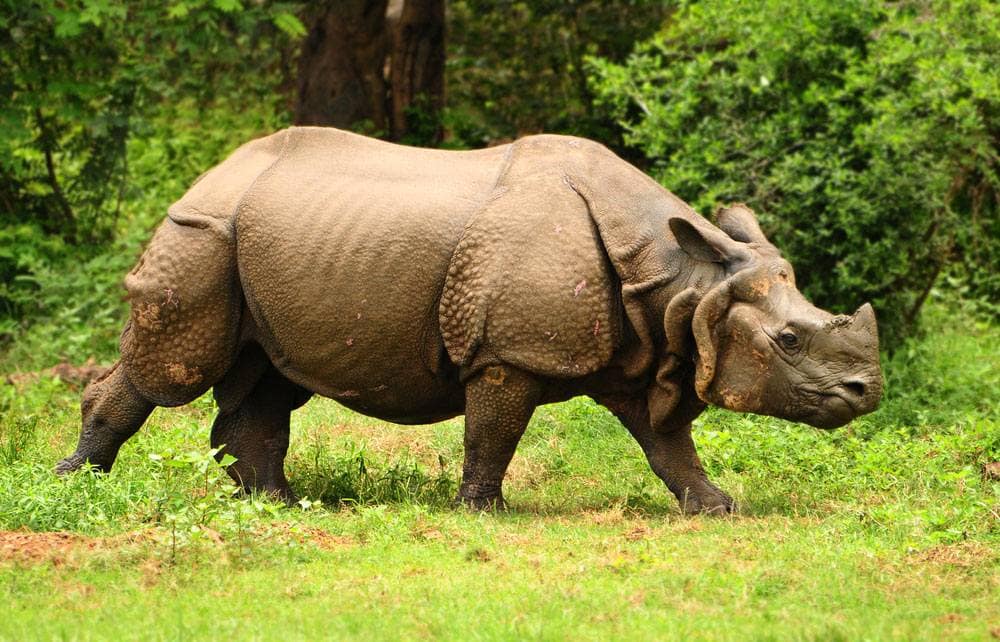
One-Horned Rhino Safari
- Best timeEarly morning — rhinos grazing in the misty grass with soft light; midday for rhinos wallowing in the beels.
- ColorsKhakiOliveGrey
For the feed
Trending Wear in Kaziranga
Modern, Instagram-friendly looks

Rooted in the city
Kaziranga Traditional Wear
Local, cultural, handcrafted outfits
Taste the city
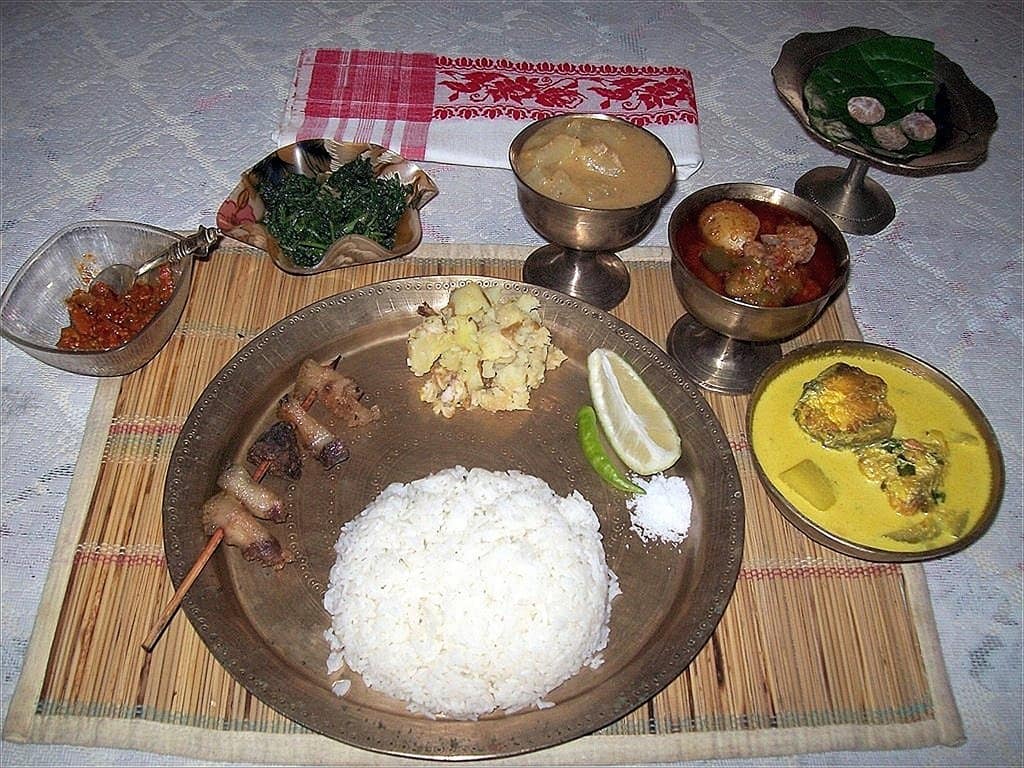
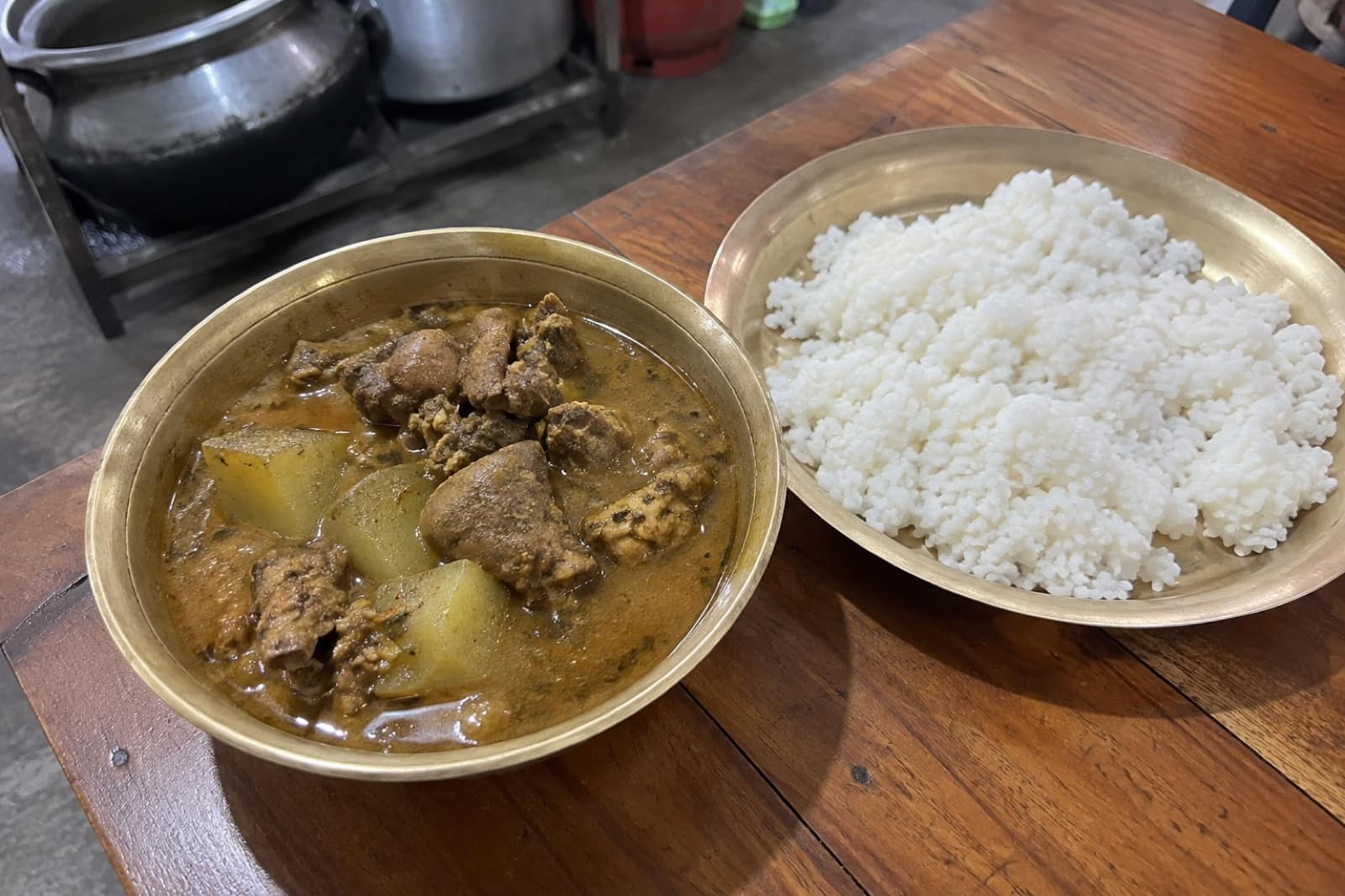
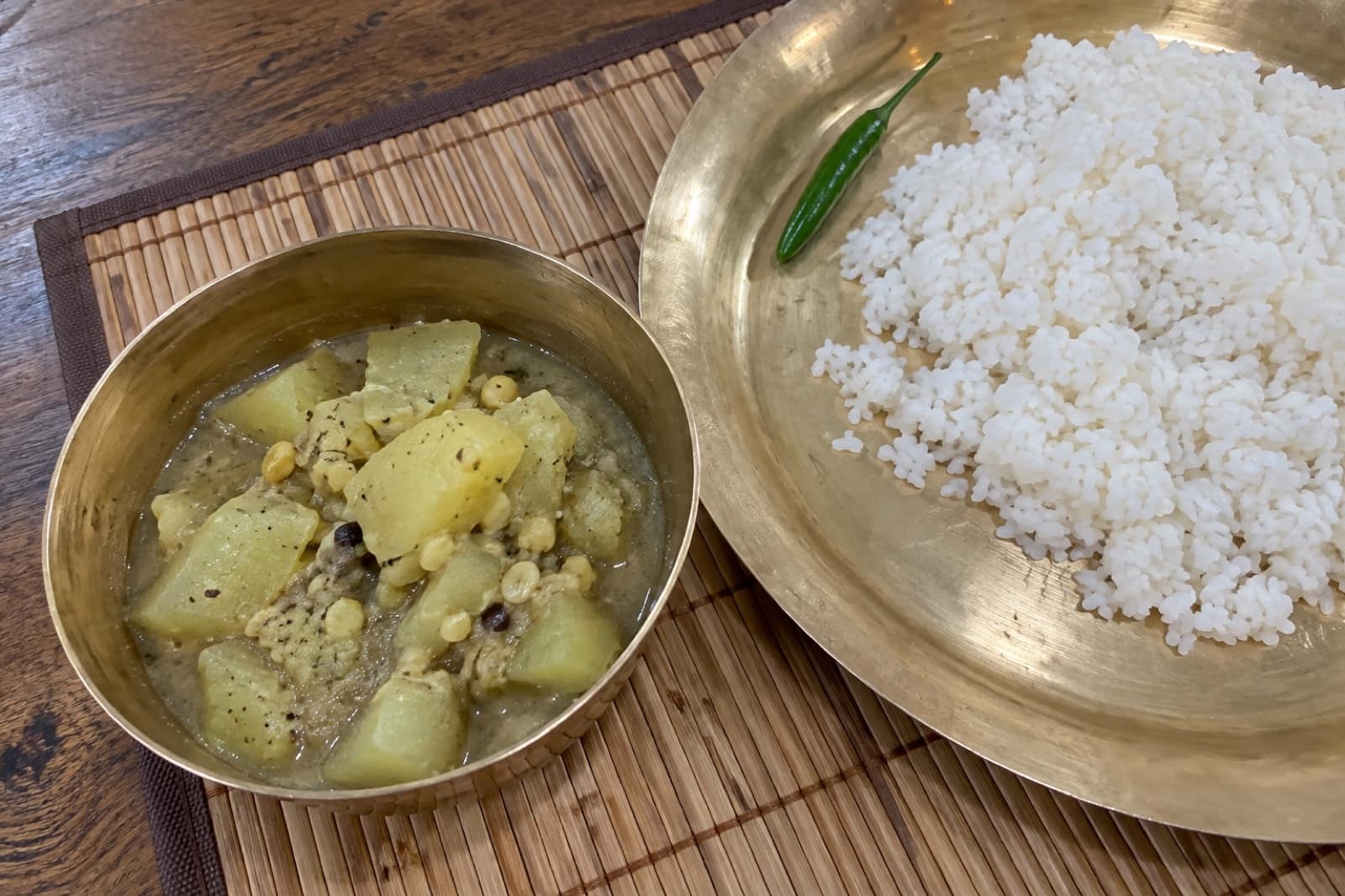
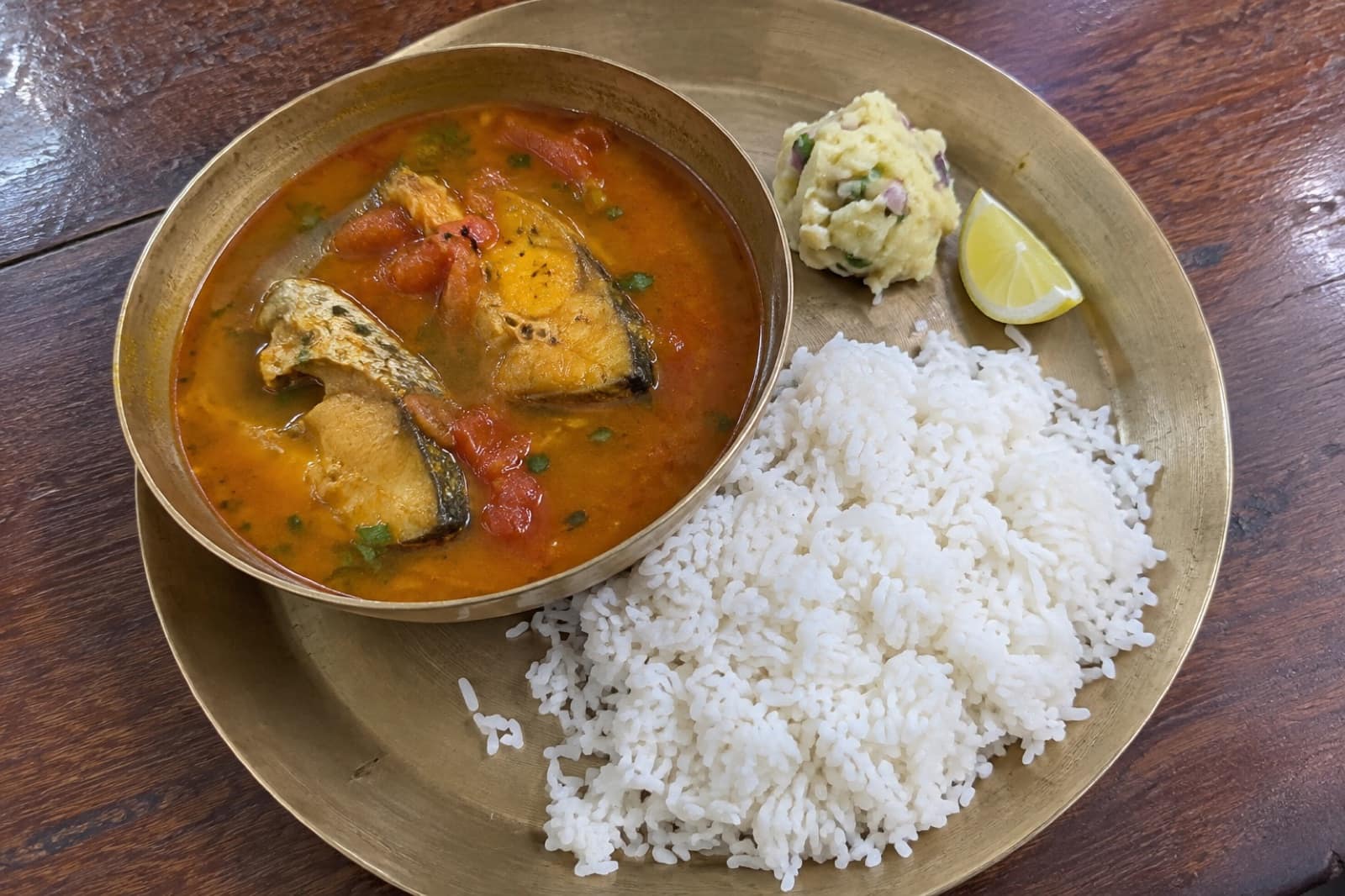
Food to Eat in Kaziranga

Trusted tables
Where to Eat in Kaziranga
 Representative photo
Assamese Kitchen
Kohora
Representative photoHighway Dhaba, Kohora
NH-37, Kohora
Representative photoInfinity Resort Restaurant
Kohora
Representative photoIORA Resort Restaurant
Kohora
Grassland, water and rhinos
Kaziranga National Park stretches along the south bank of the Brahmaputra in central Assam. It is a floodplain of tall elephant grass, shallow lakes called beels and patches of forest, and every monsoon the river spills across much of it. That yearly flood is what keeps the grass rich, and the grass is why about two-thirds of the world's greater one-horned rhinos live here. The park is a UNESCO World Heritage Site and a tiger reserve, and wild elephants, wild water buffalo, swamp deer and hundreds of bird species share it.
How a visit works
There is no town called Kaziranga. Most visitors stay in the resorts and homestays around Kohora, on the highway along the park's southern edge, or near Bagori to the west. Private vehicles cannot enter the park. You see it on a jeep safari with a registered driver and a forest guard, or on an early-morning elephant ride in the Central or Western Range. Safaris are booked online through the park's official system, and the morning slots fill first in peak season.
The ranges
The park is split into tourism ranges, each with its own gate. The Central Range at Kohora is the classic first safari, with open grassland, beels and a watchtower. The Western Range at Bagori has the highest density of rhinos. The Eastern Range at Agaratoli is best for birds and water, and the Burapahar Range in the far west has more forest. Two or three safaris across different ranges give you a far better picture than repeating one.
When the park is open
Kaziranga closes for the monsoon. It usually reopens in phases from 1 October, starting with one or two ranges, and elephant rides typically start in November. It closes again when the rains set in, usually around the end of May; in 2026 the last safari ran on 28 May. The best months are November to April, when the grass has been burnt back and animals are easier to see.
Beyond the safari
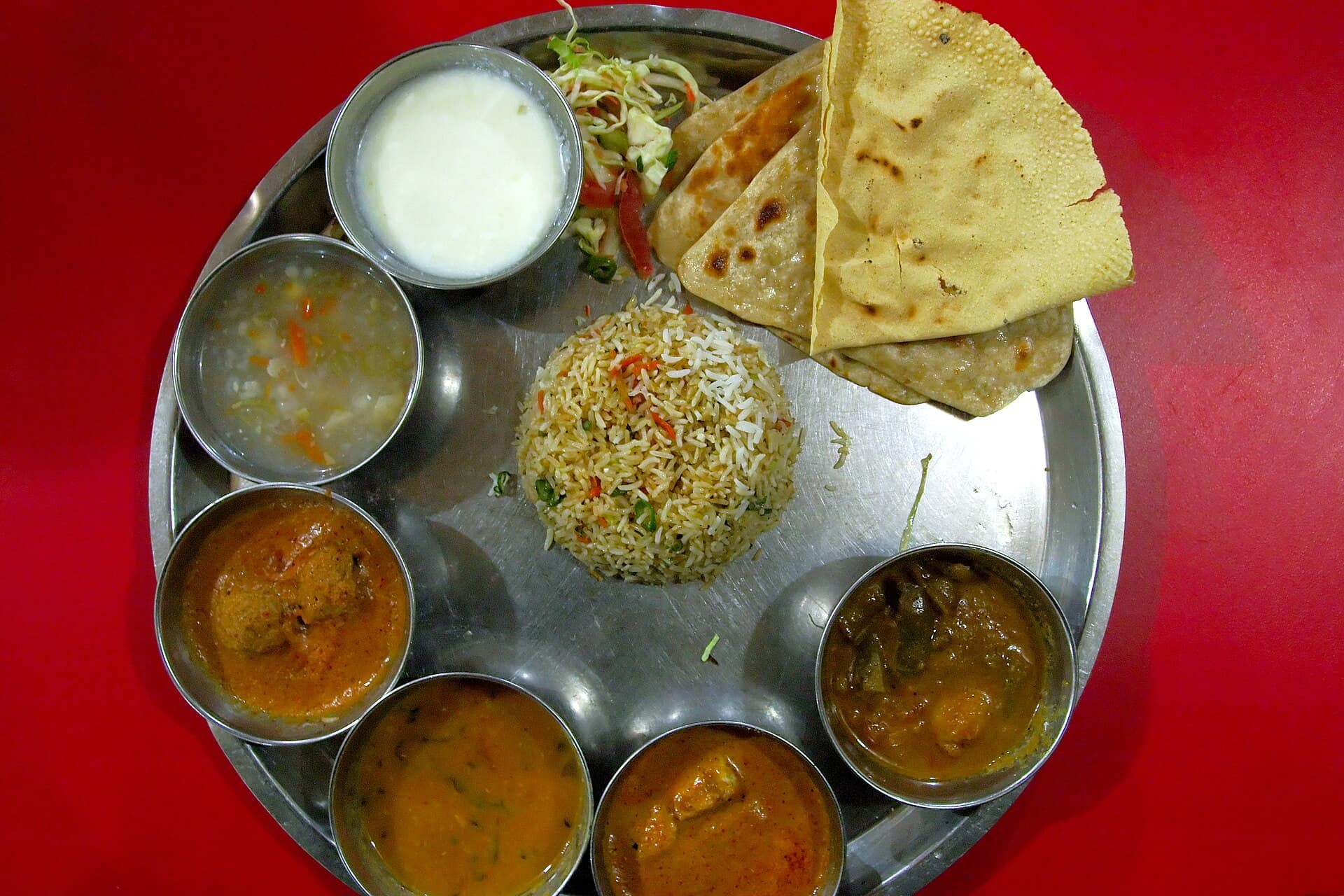
Tea gardens line the road around Kohora, and the Kaziranga Orchid Park at Durgapur shows hundreds of orchid species with evening Assamese dance. Food is simple and good: an Assamese thali with khar and masor tenga, or duck curry for dinner.
Getting there
Kohora is about 200 km east of Guwahati, a drive of around five hours. The nearest airport is Jorhat, about 95 km further east. The highway through the park's edge has low speed limits where animals cross, and they are enforced.
Questions
Kaziranga — FAQ
How many days do I need in Kaziranga?
Two nights is the minimum. That allows an afternoon jeep safari on arrival, an elephant ride and a morning jeep safari the next day, and a third safari in a different range before you leave. Three nights lets you add Agaratoli for birds.
Kohora or Bagori: where should I stay?
Kohora has the most hotels and restaurants and is next to the Central Range gate. Bagori, about 20 km west, is closer to the Western Range and tends to be quieter. Either works, since jeeps take you to other ranges.
Can I drive my own car into Kaziranga National Park?
No. Private vehicles are not allowed inside. You must book a registered safari jeep, which comes with a driver, and a forest guard rides along.
Will I see a tiger in Kaziranga?
Possibly, but do not count on it. Kaziranga has one of the highest tiger densities in India, but the tall grass hides them well. Rhinos, elephants, buffalo and deer are almost certain in season.
Is there anything to do in Kaziranga in the monsoon?
The park itself is closed, but the Orchid Park, tea gardens and village walks remain. The highway can be affected when floods push animals towards the hills, so check conditions before you travel.