
Best Photo Spots in Khajjiar
Khajjiar is a place you photograph more than you sightsee. The whole village sits around one wide meadow, with tall deodars on every side and a small lake in the middle, so almost every frame has green grass, dark forest and open sky in it.
For landscapes, temple details, forest trails or simple portraits on the grass, these are the best photo spots in and around Khajjiar.
 Low crowd
Entry Free
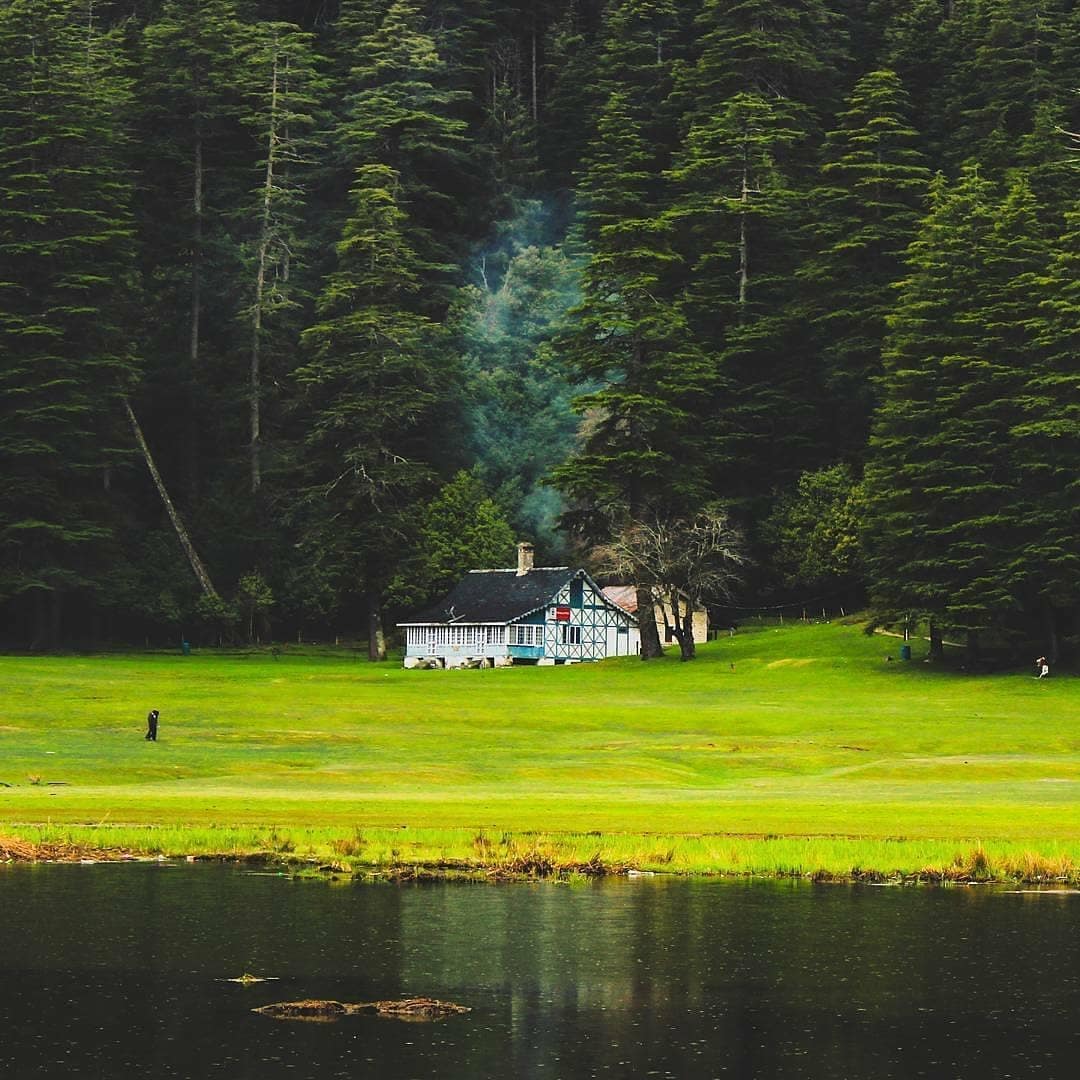
Golden Devi Temple
- Best timeMorning, when sunlight catches the golden dome and the meadow below is quiet.
- ColorsSaffronGoldForest green
 Low crowd
Entry Nominal (permit)
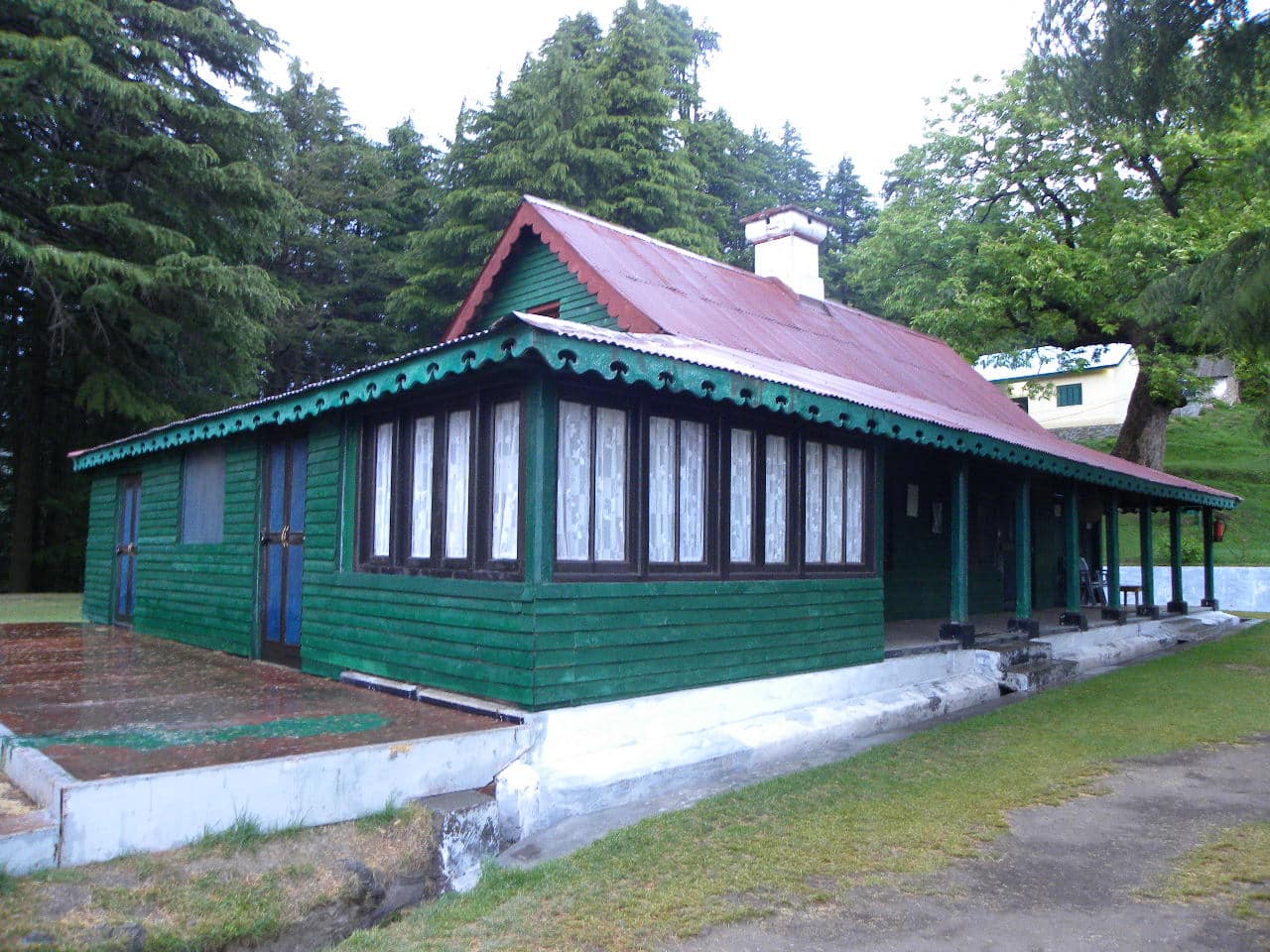
Kalatop Wildlife Sanctuary
- Best timeMorning, when light filters through the deodars and the forest is quiet.
- ColorsOliveRustForest green
 High crowd
Entry Free
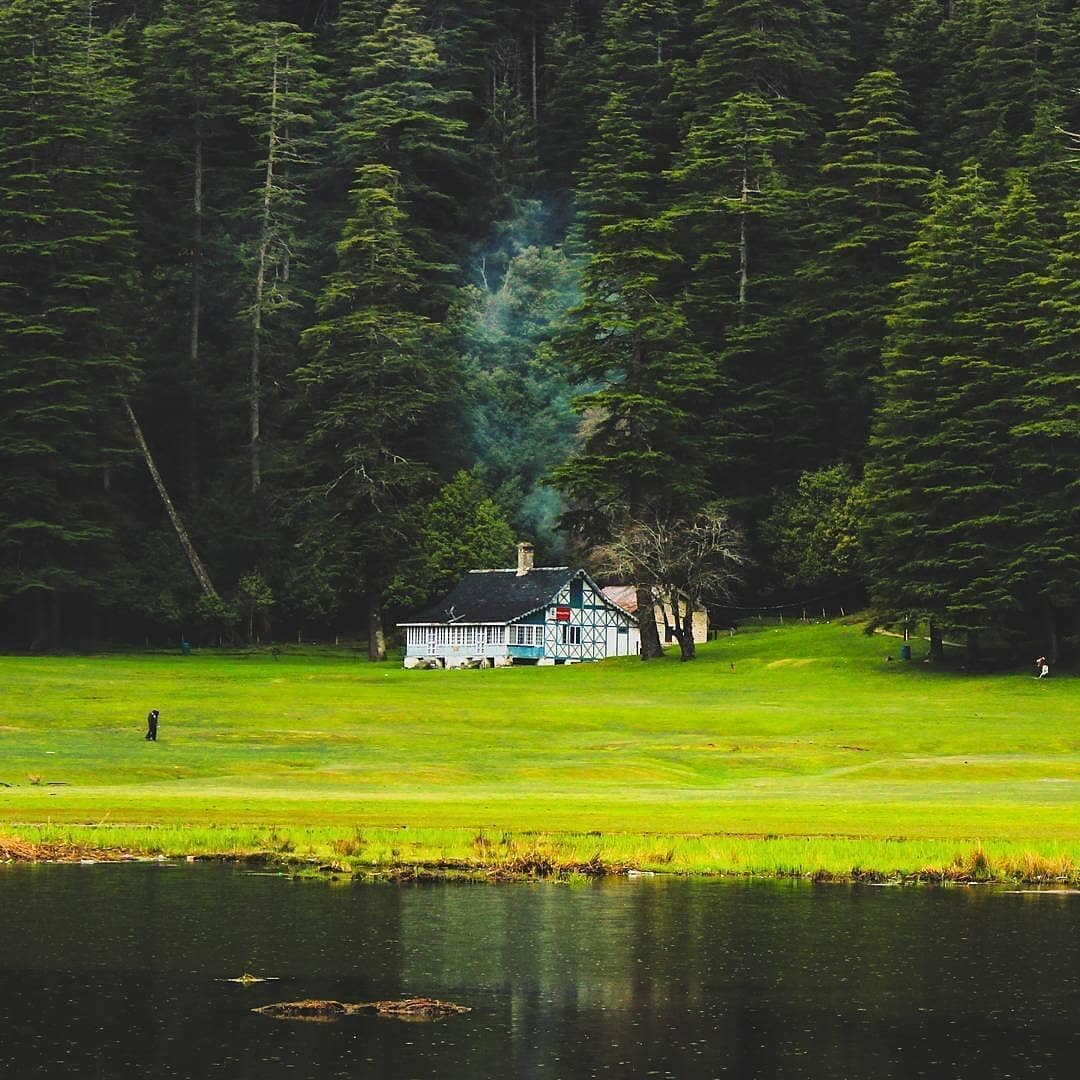
Khajjiar Lake
- Best timeEarly morning, before the crowds and horse rides arrive, when the water is still.
- ColorsWhiteTealForest green
 High crowd
Entry Free (activities extra)
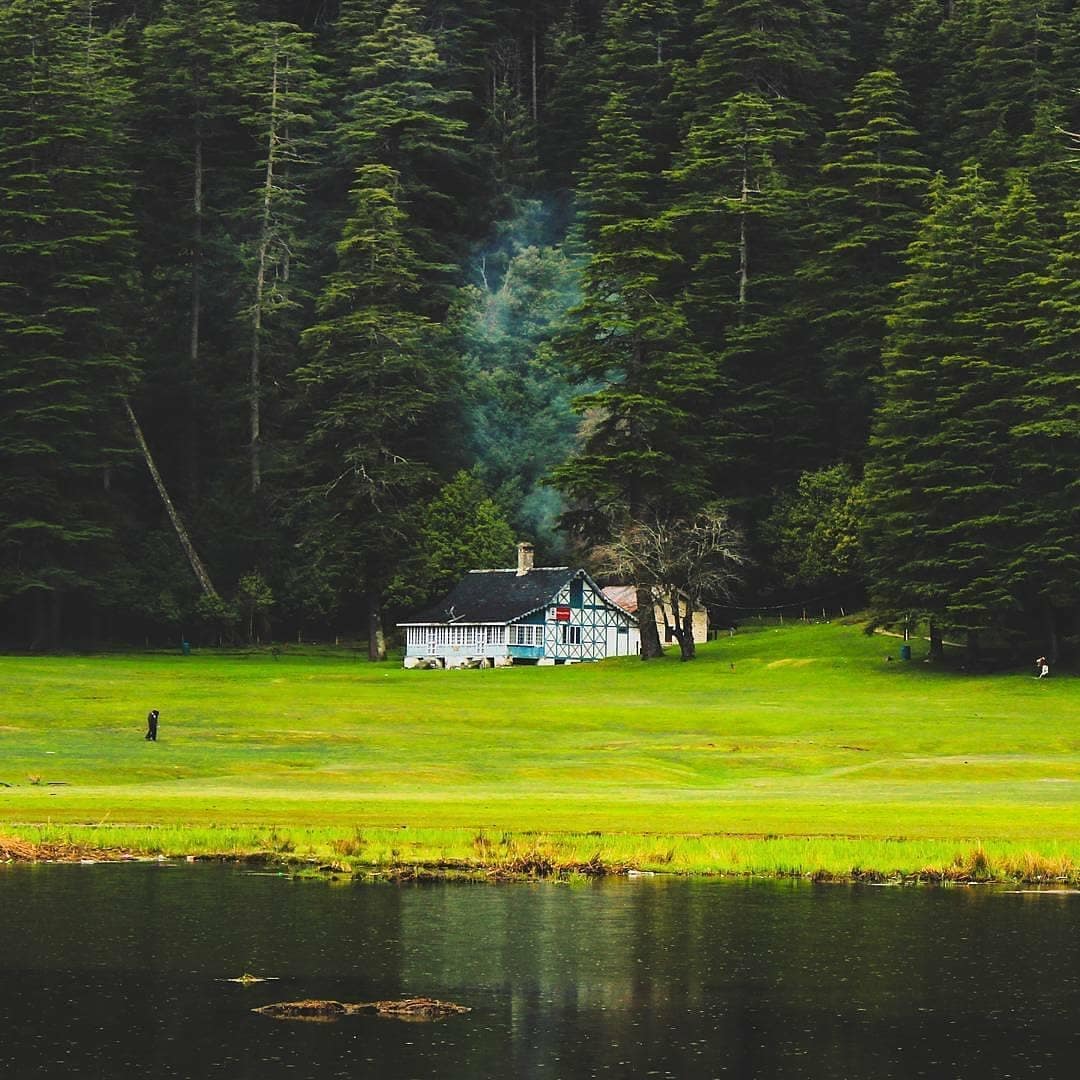
Khajjiar Meadow
- Best timeEarly morning for an empty meadow; late afternoon for warm light on the grass.
- ColorsRedWhiteForest green
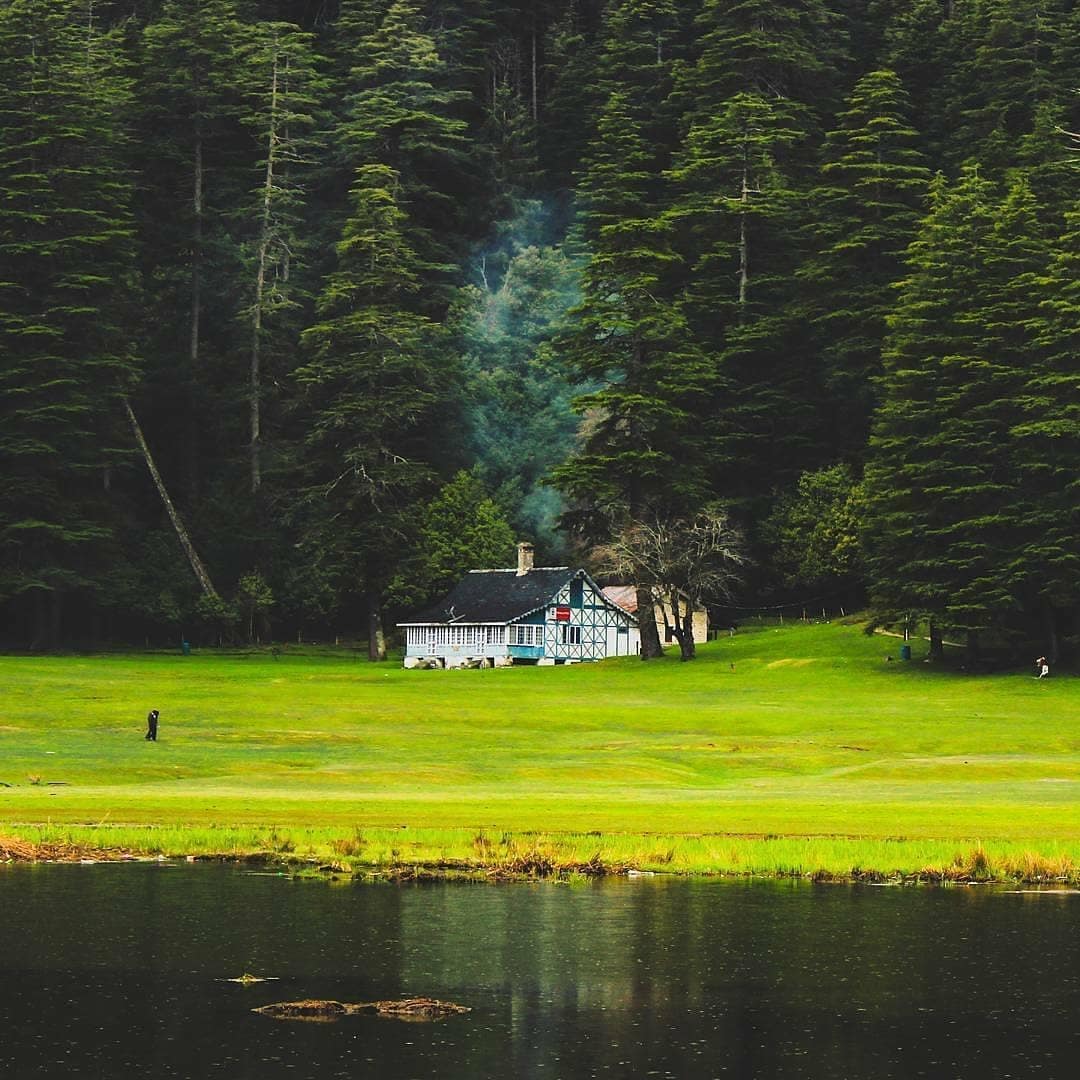 Medium crowd
Entry Free
Khajji Nag Temple
- Best timeMorning, when soft light falls on the carved woodwork and there are few visitors.
- ColorsSaffronMaroonForest green
Why Khajjiar Is Great for Photography
Khajjiar gives you a clean, uncluttered landscape that is rare in busy hill towns. The meadow is open and gently curved, so you can shoot wide scenes with the forest as a natural frame, or step back to fit the lake and its floating island into one picture.
Close by, the Khajji Nag Temple adds carved wood and old stonework, and the Kalatop forest on the road from Dalhousie gives shaded trails and tall deodars. On clear days the snow-capped Dhauladhar range can appear in the distance.
Photography Tips for Khajjiar
- Arrive before the day-trippers: Cars from Dalhousie start arriving mid-morning. Early morning is the only time the meadow looks empty.
- Use the forest as a frame: Shoot from the tree line so the deodars frame the meadow and lake.
- Expose for the sky: The open meadow and bright sky can overexpose quickly, so tap on the sky before you shoot.
- Mind the horses and zorbs: Activity areas move around the meadow. Look for a quieter corner rather than waiting for a clear frame.
- Respect temple rules: Photos inside the Khajji Nag Temple may not be allowed, so plan your shots of the exterior and the carved entrance.
- Protect your gear from rain: Showers can arrive quickly, especially in the monsoon. Carry a plastic cover or a zip bag.
Best Time for Photography in Khajjiar
March to June gives long days, fresh green grass and good chances of clear views. July to September makes the meadow its greenest, with low clouds and mist drifting through the trees, but expect rain. October and November bring crisp air and clearer skies, and winter can cover the meadow in snow after a good fall.
For a season-by-season guide, see the best time to visit Khajjiar.
Questions
Khajjiar — FAQ
What are the best photo spots in Khajjiar?
The best photo spots are Khajjiar Meadow, Khajjiar Lake, Khajji Nag Temple, Golden Devi Temple and the Kalatop forest. Between them you get open meadow, water, old temple woodwork and deodar forest.
What is the best time of day for photos in Khajjiar?
Early morning is best, before the day-trippers arrive from Dalhousie and while the light is soft. Late afternoon is also good for warm light on the meadow and long shadows from the trees.
Is Khajjiar good for Instagram photos?
Yes. The meadow ringed by deodars is one of the most recognisable scenes in Himachal Pradesh, and the lake, horse rides and zorbing add movement to reels.
Can I see snow in Khajjiar?
Snow is possible in the coldest winter months, usually between late December and February, but it depends on the year. After heavy snow the road from Dalhousie can be slow or closed, so check before you go.
Can I use a drone in Khajjiar?
Drone rules in India need registration and local permission, and the area around Khajjiar borders a wildlife sanctuary. Check the current rules before flying, and do not fly over temples or crowds.