

Photo spot in Kohima
Kisama Heritage Village
Kohima, Nagaland
The Naga Heritage Village at Kisama, with traditional morungs (dormitories) and carved houses of each Naga tribe — and the grand stage of the annual Hornbill Festival every December.
Best time
Morning, before the festival crowds and while the light is soft on the carved wood; late afternoon for warm side light on the morung roofs.
Best angle
Stand on the path just below a morung and take a slightly upward photo of its carved front and roof, with the green hillside behind it.
Entry fee
Nominal
Opening hours
8:00 AM – 5:00 PM
Crowd level
Medium
Best outfit colors
Overview
Best time to visit Kisama Heritage Village
Morning, before the festival crowds and while the light is soft on the carved wood; late afternoon for warm side light on the morung roofs. Crowds here are typically medium. Arrive a little early to claim your angle and catch the softest light before the day tips over.
Poses & angles
Photo tips for Kisama Heritage Village
Stand on the path just below a morung and take a slightly upward photo of its carved front and roof, with the green hillside behind it. Work a few of the pose ideas below, shoot wide for context and tight for detail, and give yourself a couple of extra minutes to get the frame right.
By a morung
Among the tribal huts
Outfit guide
What to wear at Kisama Heritage Village
For photos at Kisama Heritage Village, rust, cream and forest green work beautifully — they stand out against the setting without fighting it. Pick one hero colour and keep the rest of the look calm so you stay the subject of the frame.
Best outfit colors for photos
Trending wear for this spot
Popular modern looks travellers are wearing across Kohima.
Traditional wear for this spot
Timeless, cultural looks that suit Kisama Heritage Village.
Eat nearby
Food near Kisama Heritage Village
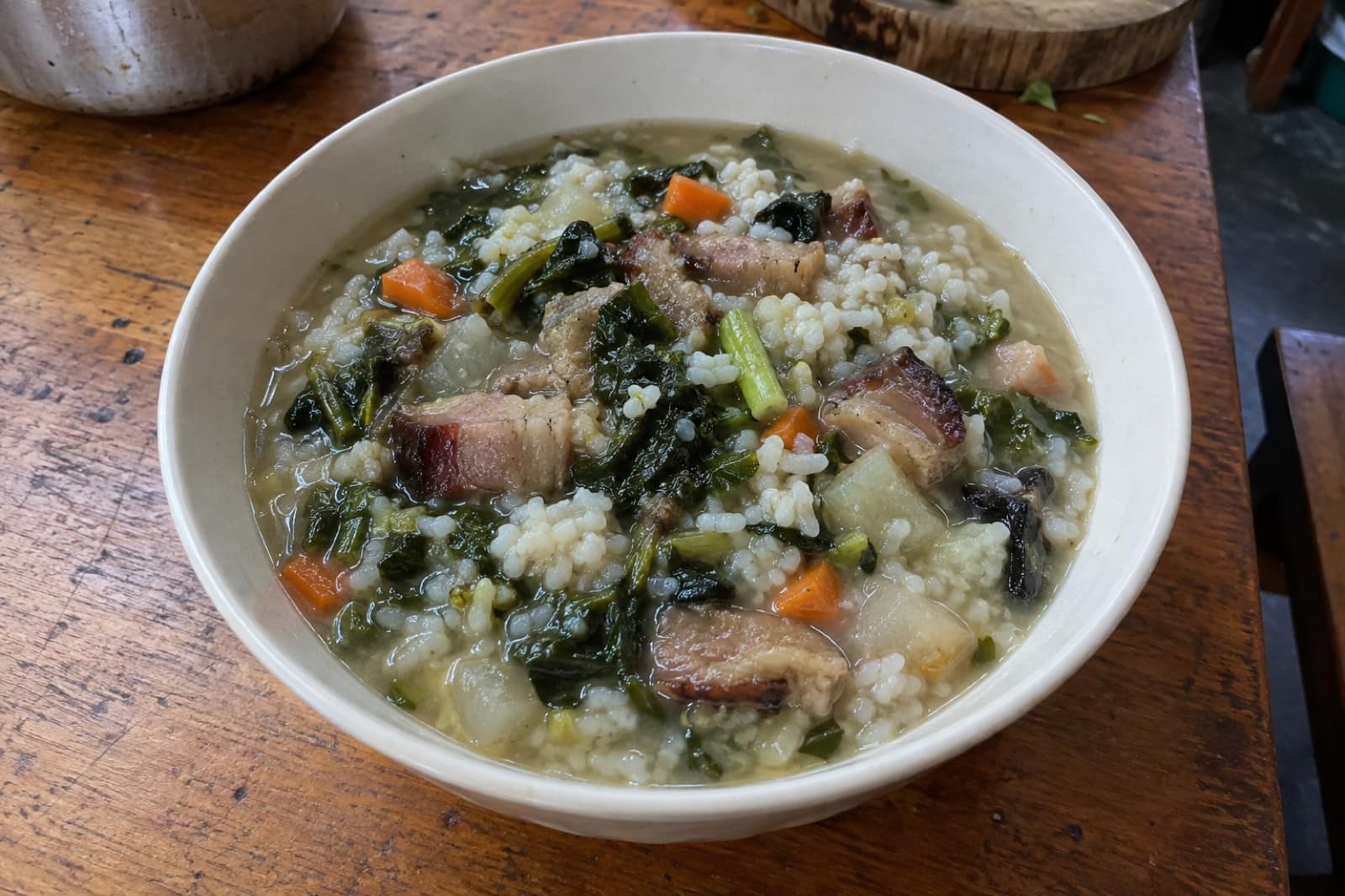
Round out the visit with something to eat. Look for galho nearby.
Special dishes to try
Search food by craving
Good to know
Local tips
Book a taxi for the whole day during Hornbill, as finding one for the return trip in the evening is hard.
Arrive in the morning on festival days to see the opening performances and walk the morungs before the crowds build.
Ask before you photograph performers up close, and keep off the dance ground while a troupe is performing.
Bring a warm jacket in December, as the hillside gets cold and windy after sunset.
Check with the tourism office in Kohima before an off-season visit, as some morungs and the museum may be locked.
Carry cash for the craft and food stalls, as card machines and mobile signal can be unreliable.
Wear shoes with grip, as the paths between the morungs are steep and dusty.
A village built for Hornbill
Kisama Heritage Village sits on a hillside above the main highway, about 12 km south of Kohima, between the villages of Kigwema and Phesama. Its name joins the two: Ki from Kigwema, sa from Phesama and ma from both. The site was laid out like an old Naga village, with a morung for each of Nagaland's tribes. A morung was the traditional house where young men lived and learned the ways of the village. Each one here follows its own tribe's style, with carved posts, crossed horns and steep thatched or wooden roofs.
During the Hornbill Festival
From 1 to 10 December, Kisama is the main stage of the Hornbill Festival. Each tribe's troupe performs dances and songs in full dress. Craft stalls sell shawls, beadwork and woodwork, and food stalls serve dishes from across the state. Traditional games and Naga wrestling fill the arena. It is crowded, noisy and the most complete look at Naga culture you can get in a single visit.
The rest of the year
Outside the festival, Kisama is very quiet. You can walk between the morungs and look at the carvings without crowds. But some visitors find buildings locked and few staff about, so check with the tourism office in Kohima before you make the trip. A World War II museum at Kisama has photographs and relics of the fighting, and it is worth asking whether it is open.
Getting there
Take a taxi from Kohima along the Imphal road. In December, traffic on this road is heavy in the mornings and after the last show, so leave early and agree a return time with your driver. The site is on a slope, with paths and steps between the morungs.
Questions
Kisama Heritage Village — FAQ
What is the best time to visit Kisama Heritage Village?
Morning, before the festival crowds and while the light is soft on the carved wood; late afternoon for warm side light on the morung roofs. Stand on the path just below a morung and take a slightly upward photo of its carved front and roof, with the green hillside behind it.
Is there an entry fee at Kisama Heritage Village?
Entry to Kisama Heritage Village is nominal.
What are the opening hours of Kisama Heritage Village?
Kisama Heritage Village is open 8:00 AM – 5:00 PM.
What should I wear at Kisama Heritage Village?
Rust, cream and forest green photograph especially well here. Explore the trending and traditional outfit ideas on this page for full looks.
How crowded does Kisama Heritage Village get?
Crowd levels are typically medium. To miss the busiest window: morning, before the festival crowds and while the light is soft on the carved wood; late afternoon for warm side light on the morung roofs.
What food should I try near Kisama Heritage Village?
Try galho at spots close by.
How far is Kisama from Kohima?
About 12 km south, on the main road towards Imphal. It usually takes 30 to 45 minutes by taxi, and longer during the Hornbill Festival.
What is a morung?
A morung is a traditional Naga youth house, where young men once lived and learned the skills and customs of their village. At Kisama, each tribe has built its own in its traditional style.
Is Kisama open outside the Hornbill Festival?
The grounds can usually be visited, but it is very quiet and some buildings may be locked. Check with the tourism office in Kohima before you go.
Is there a war museum at Kisama?
Yes. Kisama has a World War II museum with photographs, relics and memorabilia of the fighting around Kohima. Opening outside the festival varies, so ask before you go.