
Best Photo Spots in Kohima
Kohima's best frames are ridges, memorials and carved Naga houses rather than grand monuments. Five places cover it, from a war cemetery in the middle of town to a valley that takes half a day to walk into.
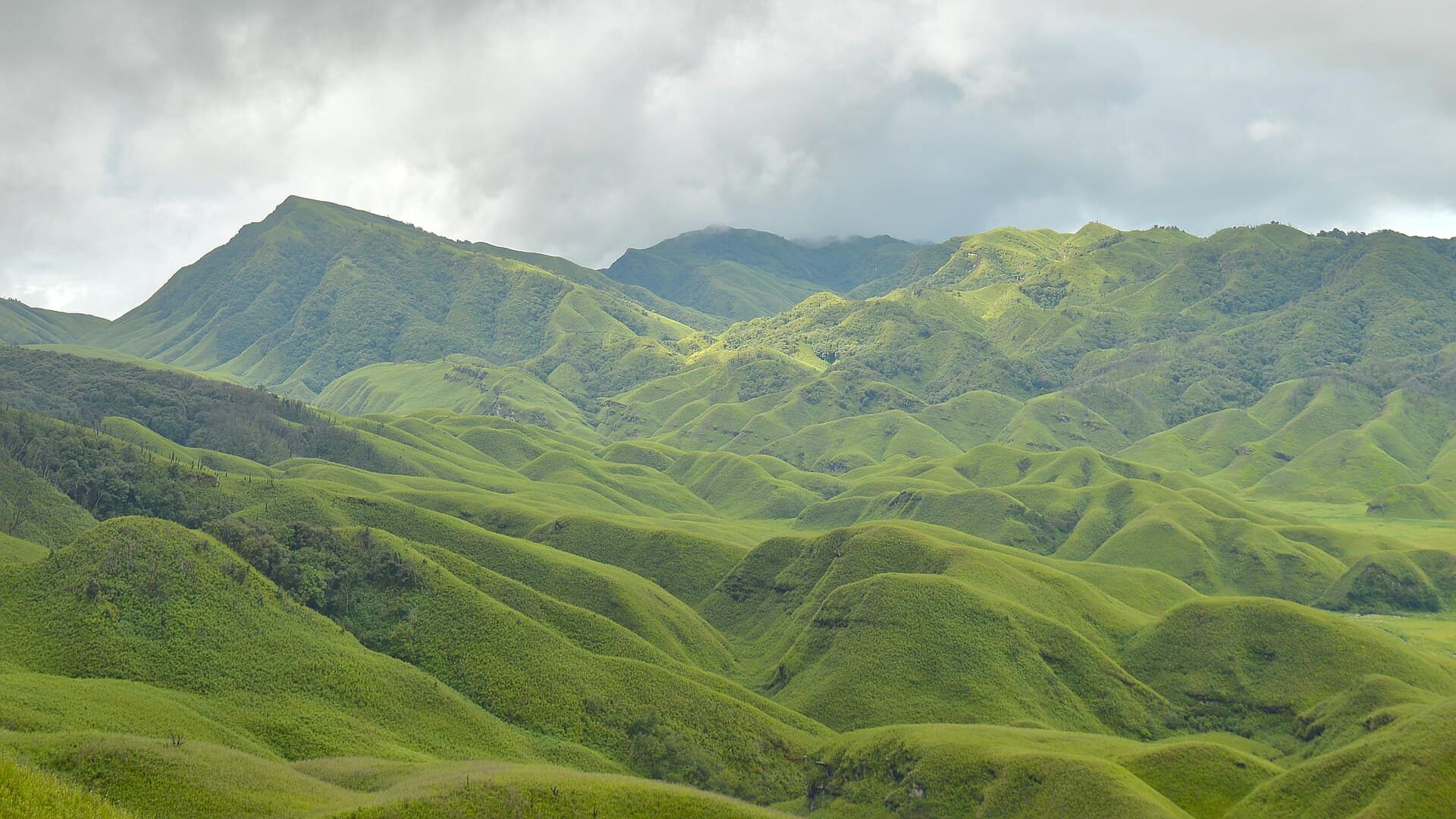 Medium crowd
Entry Trek/permit fee
Dzukou Valley
- Best timeEarly morning, when mist fills the folds of the valley and the light is low; late afternoon for long shadows across the bamboo meadows.
- ColorsRedCreamForest green
 Medium crowd
Entry Nominal
Kisama Heritage Village
- Best timeMorning, before the festival crowds and while the light is soft on the carved wood; late afternoon for warm side light on the morung roofs.
- ColorsRustCreamForest green
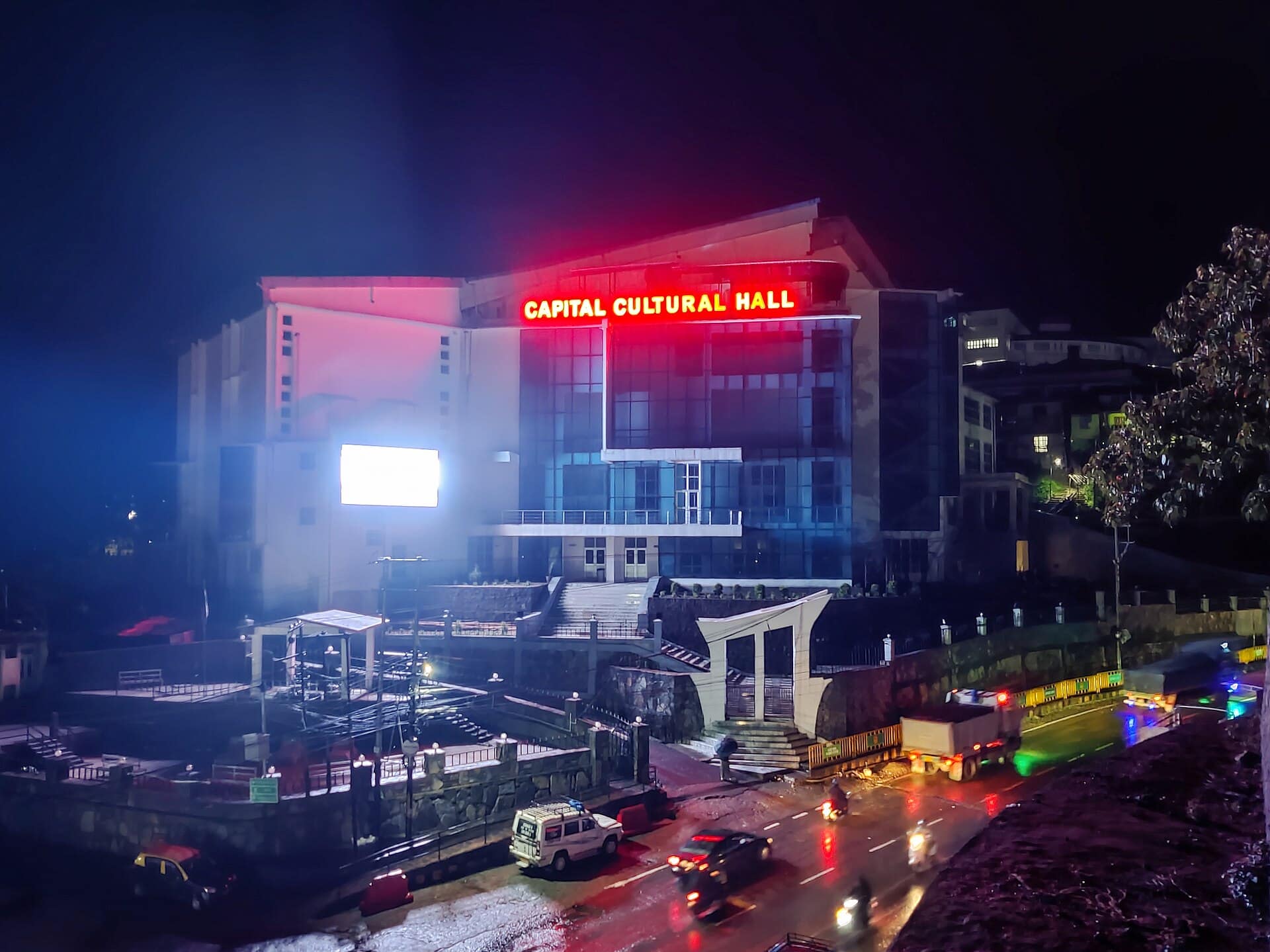 Medium crowd
Entry Free
Kohima Cathedral
- Best timeLate afternoon, when the light is warm on the building and the town below starts to glow; early morning for clear air over the ridges.
- ColorsCreamMaroonBlue
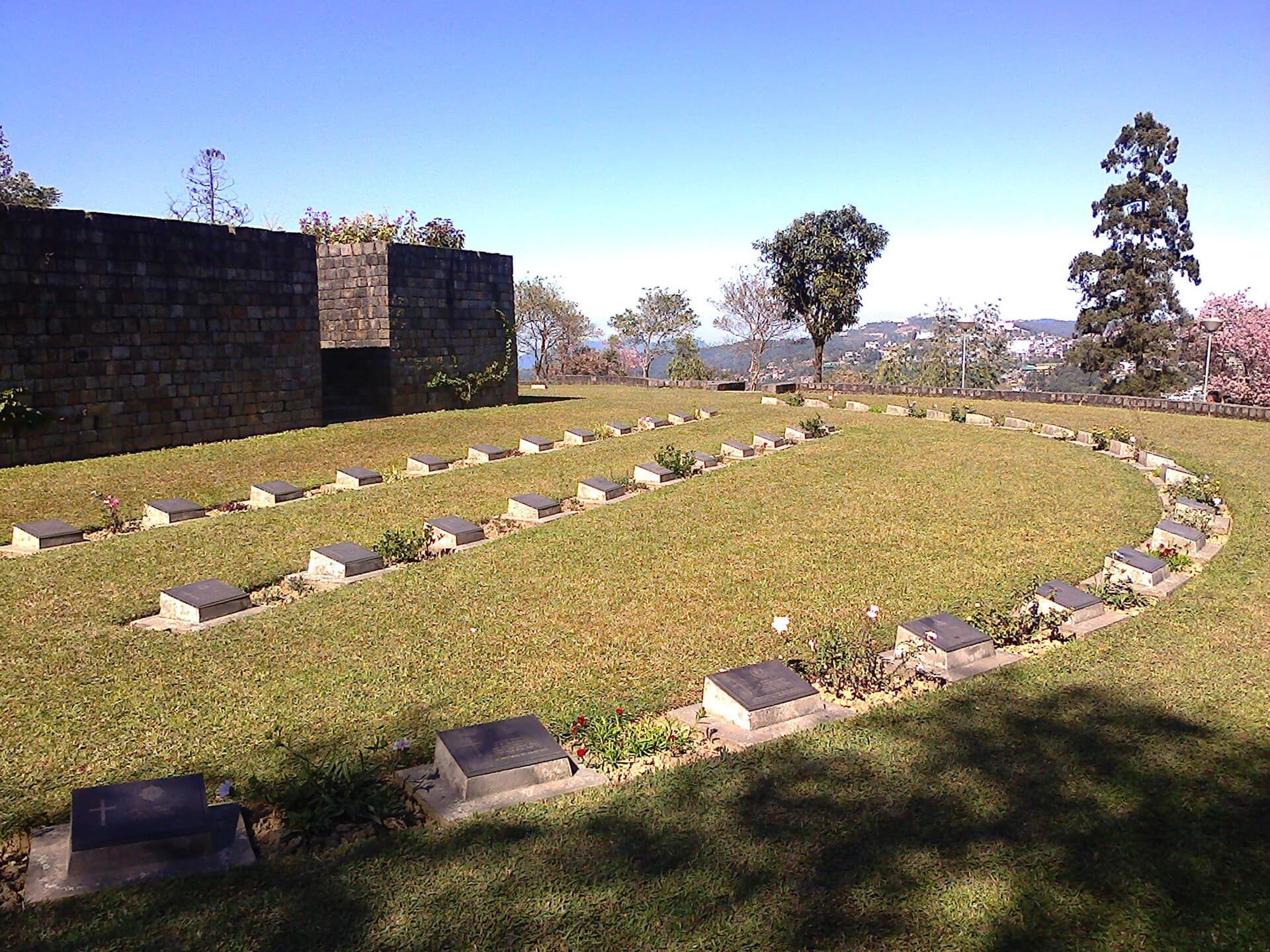 Medium crowd
Entry Free
Kohima War Cemetery
- Best timeMorning, when the light is soft and the terraces are quiet; late afternoon for a warm glow over the town before the gates close.
- ColorsCreamOliveMaroon
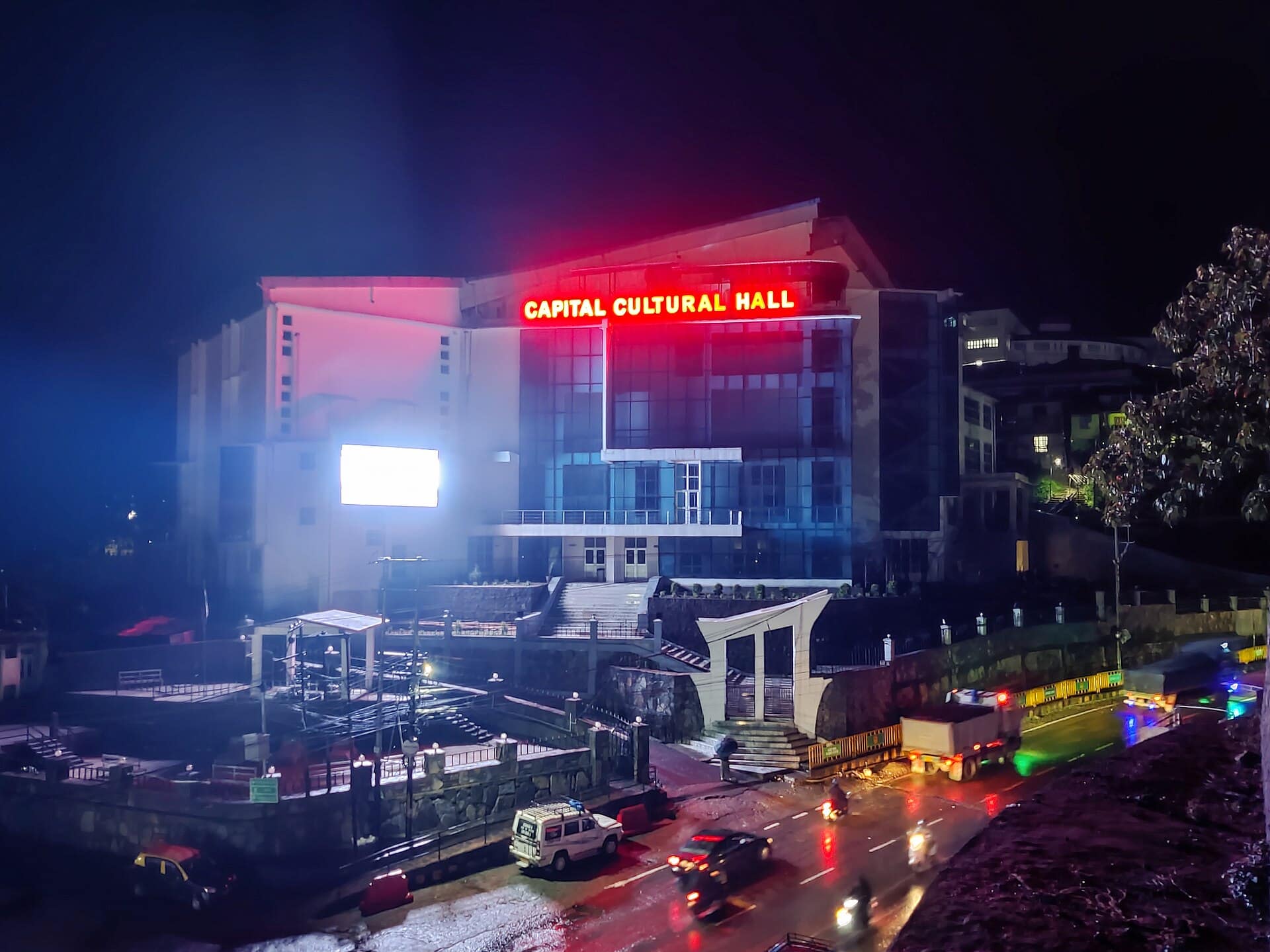 Low crowd
Entry Nominal
Nagaland State Museum
- Best timeLate morning, after the doors open and before any school groups arrive; mid-afternoon for soft light on the building outside.
- ColorsRustCreamOlive
In town: the cemetery and the cathedral
Kohima War Cemetery is the picture most people take home. The graves step down Garrison Hill in terraces, and from the top you look over the rooftops of the town. It is a place of mourning, so keep the camera for the setting and skip the posed shots. Kohima Cathedral on Aradura Hill is the other town landmark. Its front is shaped like a traditional Naga house, and the car park looks back over the ridges.
Kisama and the museum
At Kisama Heritage Village, each tribe has its own morung, or traditional house, with carved posts and steep roofs. During the Hornbill Festival in early December, the same paths fill with dancers in full dress. The rest of the year it is very quiet. The Nagaland State Museum is indoors and behind glass, so it is better for learning than for photos. Ask at the desk before you take any.
Dzukou Valley
Dzukou Valley is the big landscape shot: rolling meadows of dwarf bamboo, a winding stream and ridges on every side. It takes a steep walk of several hours to get there. The lilies and other wildflowers come out between May and September, which is also the wet season. In winter the valley turns brown.
Light and weather
Kohima's ridges drop into deep valleys on every side, so early morning and late afternoon give the softest light and the longest shadows. Mist often sits in the valleys at dawn from October to March. From May to September, cloud and rain can close in by midday, so shoot early.
Photographing people
Ask before you photograph anyone, and take no for an answer. At Hornbill, many performers are happy to pose between dances, but their dress, headgear and ornaments carry real meaning. Do not photograph church services, and do not ask anyone to pose on a grave.
Questions
Kohima — FAQ
Where can I get a view over Kohima town?
The top terrace of the war cemetery looks straight over the centre. The cathedral grounds on Aradura Hill give a wider view across the ridges, especially in the late afternoon.
Can I take photos at the Hornbill Festival?
Yes, photography is a big part of the festival. Ask performers before close portraits, stay off the dance ground during a performance, and do not block the view of people sitting behind you.
Which Kohima photo spot needs the most time?
Dzukou Valley. The walk in takes several hours each way, so most people stay overnight to catch the evening and morning light over the meadows.
Is Kohima good for photos in the monsoon?
It can be, but plan around the weather. Everything is green and misty, but rain and low cloud often arrive by midday, and trails and roads can be slippery.