
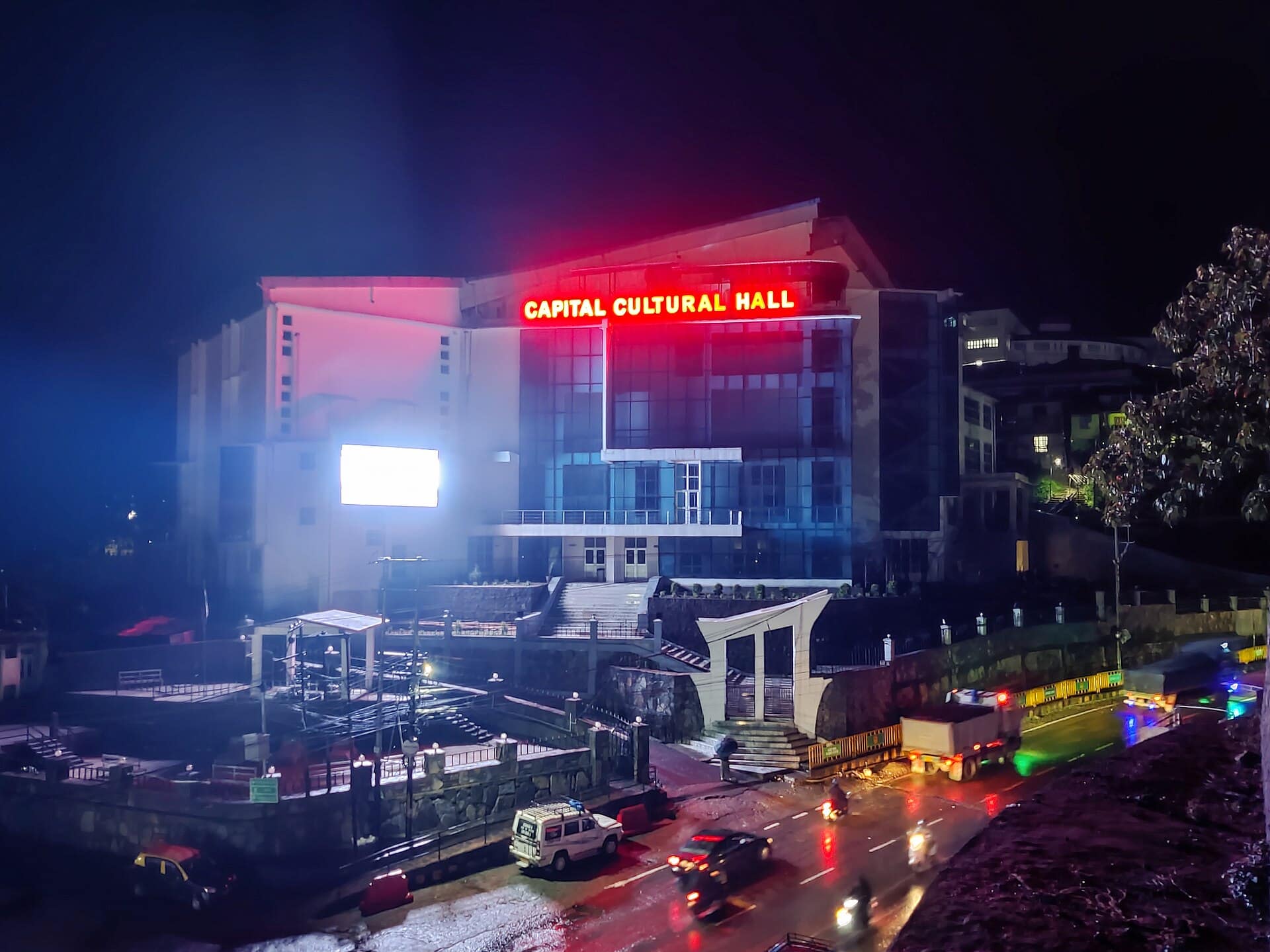
Photo spot in Kohima
Nagaland State Museum
Kohima, Nagaland
A museum of Naga tribal heritage — ceremonial dresses, headgear, jewellery, ancestral gateposts, log drums and artefacts of the state's many tribes under one roof.
Best time
Late morning, after the doors open and before any school groups arrive; mid-afternoon for soft light on the building outside.
Best angle
Take each photo of a diorama from slightly to one side, so the glass does not reflect your phone, and ask at the desk first whether photos are allowed.
Entry fee
Nominal
Opening hours
9:30 AM – 3:00 PM (closed Sun)
Crowd level
Low
Best outfit colors
Overview
Best time to visit Nagaland State Museum
Late morning, after the doors open and before any school groups arrive; mid-afternoon for soft light on the building outside. Crowds here are typically low. Arrive a little early to claim your angle and catch the softest light before the day tips over.
Poses & angles
Photo tips for Nagaland State Museum
Take each photo of a diorama from slightly to one side, so the glass does not reflect your phone, and ask at the desk first whether photos are allowed. Work a few of the pose ideas below, shoot wide for context and tight for detail, and give yourself a couple of extra minutes to get the frame right.
By the tribal displays
At the log-drum exhibit
Outfit guide
What to wear at Nagaland State Museum
For photos at Nagaland State Museum, rust, cream and olive work beautifully — they stand out against the setting without fighting it. Pick one hero colour and keep the rest of the look calm so you stay the subject of the frame.
Best outfit colors for photos
Trending wear for this spot
Popular modern looks travellers are wearing across Kohima.
Traditional wear for this spot
Timeless, cultural looks that suit Nagaland State Museum.
Eat nearby
Food near Nagaland State Museum
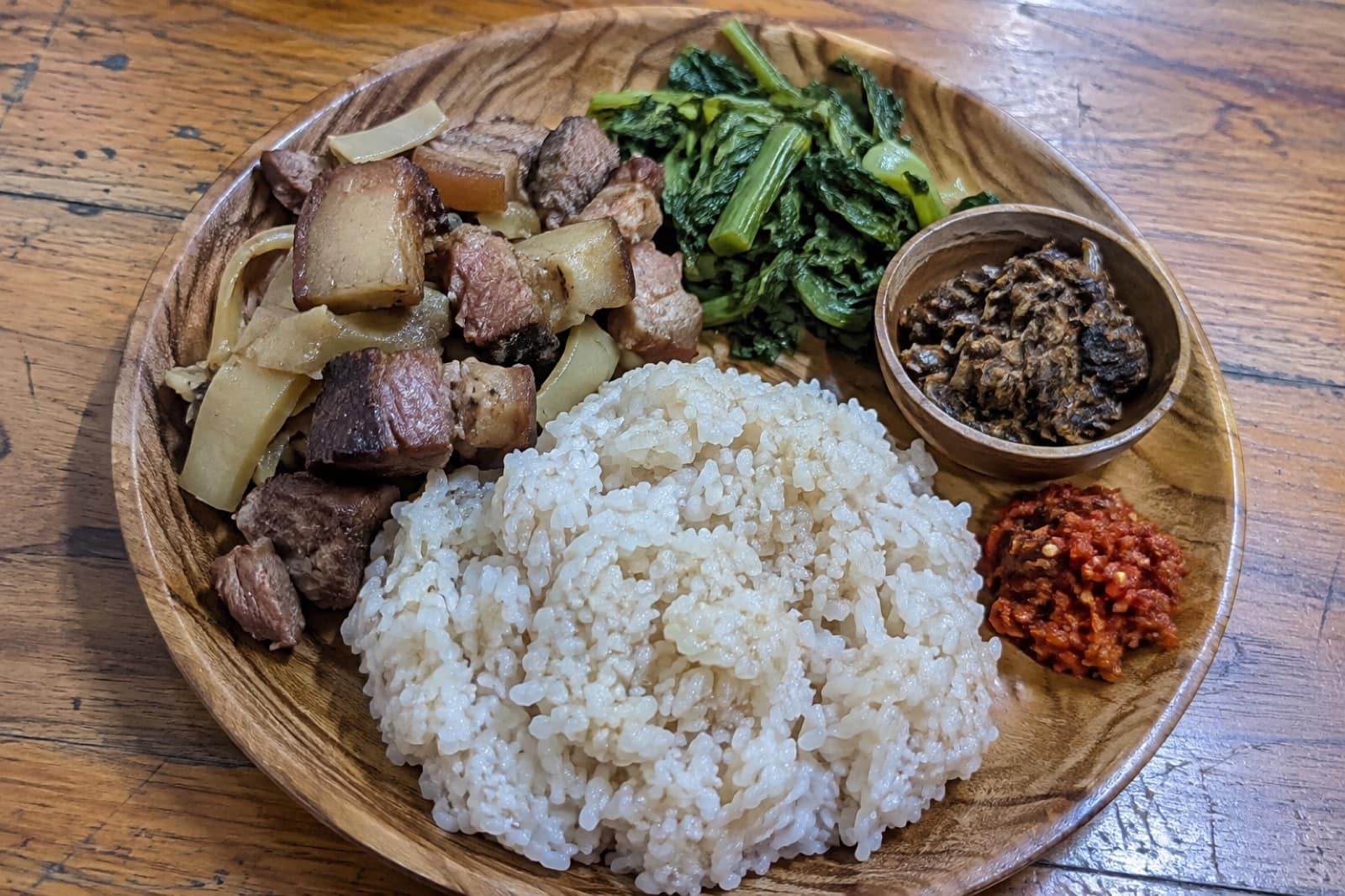
Round out the visit with something to eat. Look for naga thali nearby.
Special dishes to try
Search food by craving
Good to know
Local tips
Visit early in your trip, before Kisama or Hornbill, so you can recognise the different tribes' dress and houses.
Allow about an hour to see the galleries properly.
Ask at the desk before taking photos, as the rules on photography inside have varied.
Check the opening hours and weekly closing day locally, as published details disagree.
Go on a weekday morning, as the museum shuts on public holidays and sometimes closes early.
Pair the visit with the war cemetery, which is close by, to cover Kohima's culture and history in one morning.
Read the dioramas slowly, as the labels are short and a lot of detail is in the scenes themselves.
The state's collection
The Nagaland State Museum stands on Bayavü Hill in Kohima. It is run by the state's Department of Art and Culture and first opened to the public on 25 November 1970. The collection covers the many tribes of Nagaland, with traditional dress, necklaces, precious stones, clan motifs, inscriptions and ancient sculptures. Musical instruments made from bamboo and buffalo horn fill one section.
What to look for
Scale models of morungs show how each tribe builds its traditional house, and they are a useful guide before a visit to Kisama. Life-size dioramas show scenes of village life, including a Zeliang woman performing the butterfly dance and an Angami couple visiting relatives during the Sekrenyi festival. A gallery shows paintings by local artists. Labels are simple, so a guidebook or a guide adds a lot.
Why go before Kisama
Seeing the museum first makes the Hornbill Festival much easier to follow. You learn to tell the tribes apart by their shawls, headgear and ornaments. You also see how their houses and ways of life differ. An hour here explains a great deal of what you will see at Kisama.
Visiting
The museum is a short taxi ride from the town centre and close to the war cemetery. There is a small entry fee. Reported opening hours differ, and sources disagree on which day of the week it closes, so check locally before you go. It also closes on public holidays. Photography rules have varied, so ask at the desk before you take any photos inside.
Questions
Nagaland State Museum — FAQ
What is the best time to visit Nagaland State Museum?
Late morning, after the doors open and before any school groups arrive; mid-afternoon for soft light on the building outside. Take each photo of a diorama from slightly to one side, so the glass does not reflect your phone, and ask at the desk first whether photos are allowed.
Is there an entry fee at Nagaland State Museum?
Entry to Nagaland State Museum is nominal.
What are the opening hours of Nagaland State Museum?
Nagaland State Museum is open 9:30 AM – 3:00 PM (closed Sun).
What should I wear at Nagaland State Museum?
Rust, cream and olive photograph especially well here. Explore the trending and traditional outfit ideas on this page for full looks.
How crowded does Nagaland State Museum get?
Crowd levels are typically low. To miss the busiest window: late morning, after the doors open and before any school groups arrive; mid-afternoon for soft light on the building outside.
What food should I try near Nagaland State Museum?
Try naga thali at spots close by.
What can you see in the Nagaland State Museum?
Traditional dress, jewellery, precious stones, clan motifs, musical instruments, ancient sculptures and inscriptions from Nagaland's tribes, plus morung models, life-size dioramas and a gallery of local paintings.
How long do I need at the Nagaland State Museum?
About an hour is enough for most visitors. Allow longer if you want to read everything before a visit to Kisama or the Hornbill Festival.
Can I take photos inside the Nagaland State Museum?
The rules have varied over time. Ask at the ticket desk before you take any photos inside.
Where is the Nagaland State Museum?
On Bayavü Hill in Kohima, a short taxi ride from the centre and close to the war cemetery.