
Nagaland · India
Kohima
The hill capital of Nagaland, wrapped in blue ridges and Naga tribal culture — home to the moving WWII war cemetery, the Hornbill-festival heritage village at Kisama, and the flower-filled Dzukou Valley nearby.
Kohima is tribal-highland Nagaland: the war cemetery of the 1944 battle, the Kisama heritage village and its Hornbill Festival, the Dzukou Valley trek, Naga shawls and smoked-pork feasts.
Plan your trip
Kohima Tour Itineraries
Timed, walkable day plans — plus the best season to go.
Where to shoot
Kohima Photo Spots
 Medium crowd
Entry Trek/permit fee
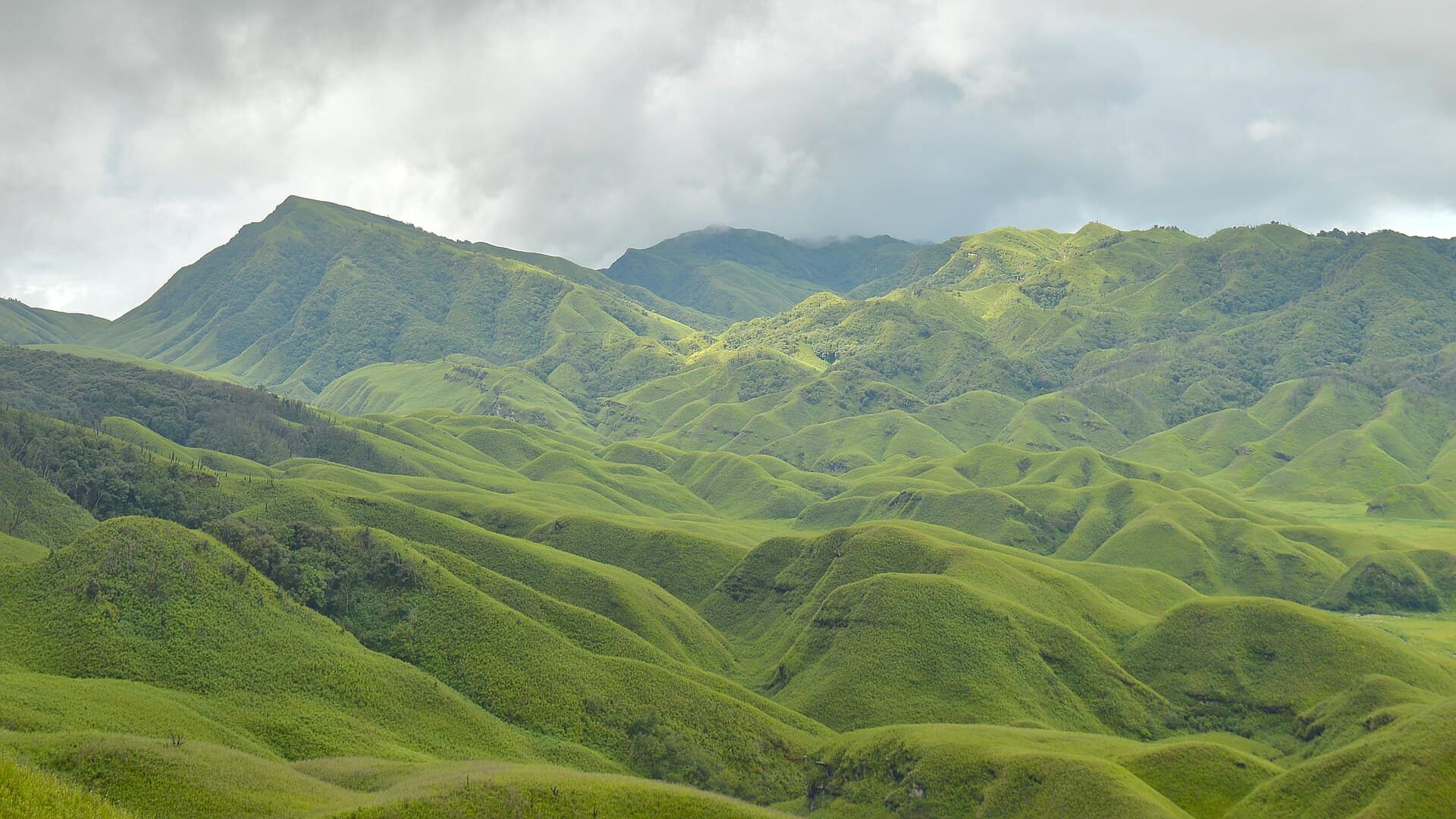
Dzukou Valley
- Best timeEarly morning, when mist fills the folds of the valley and the light is low; late afternoon for long shadows across the bamboo meadows.
- ColorsRedCreamForest green
 Medium crowd
Entry Nominal
Kisama Heritage Village
- Best timeMorning, before the festival crowds and while the light is soft on the carved wood; late afternoon for warm side light on the morung roofs.
- ColorsRustCreamForest green
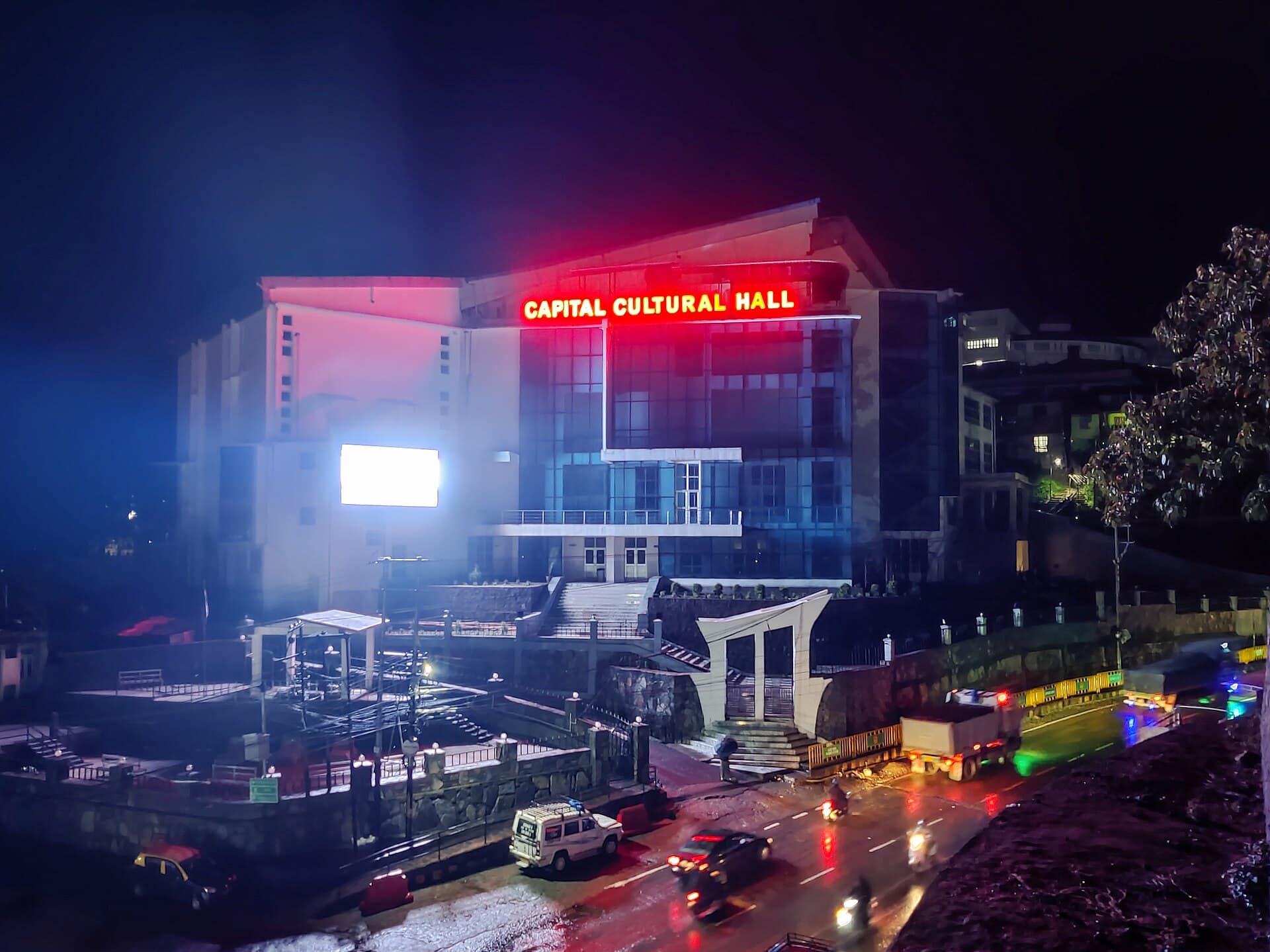
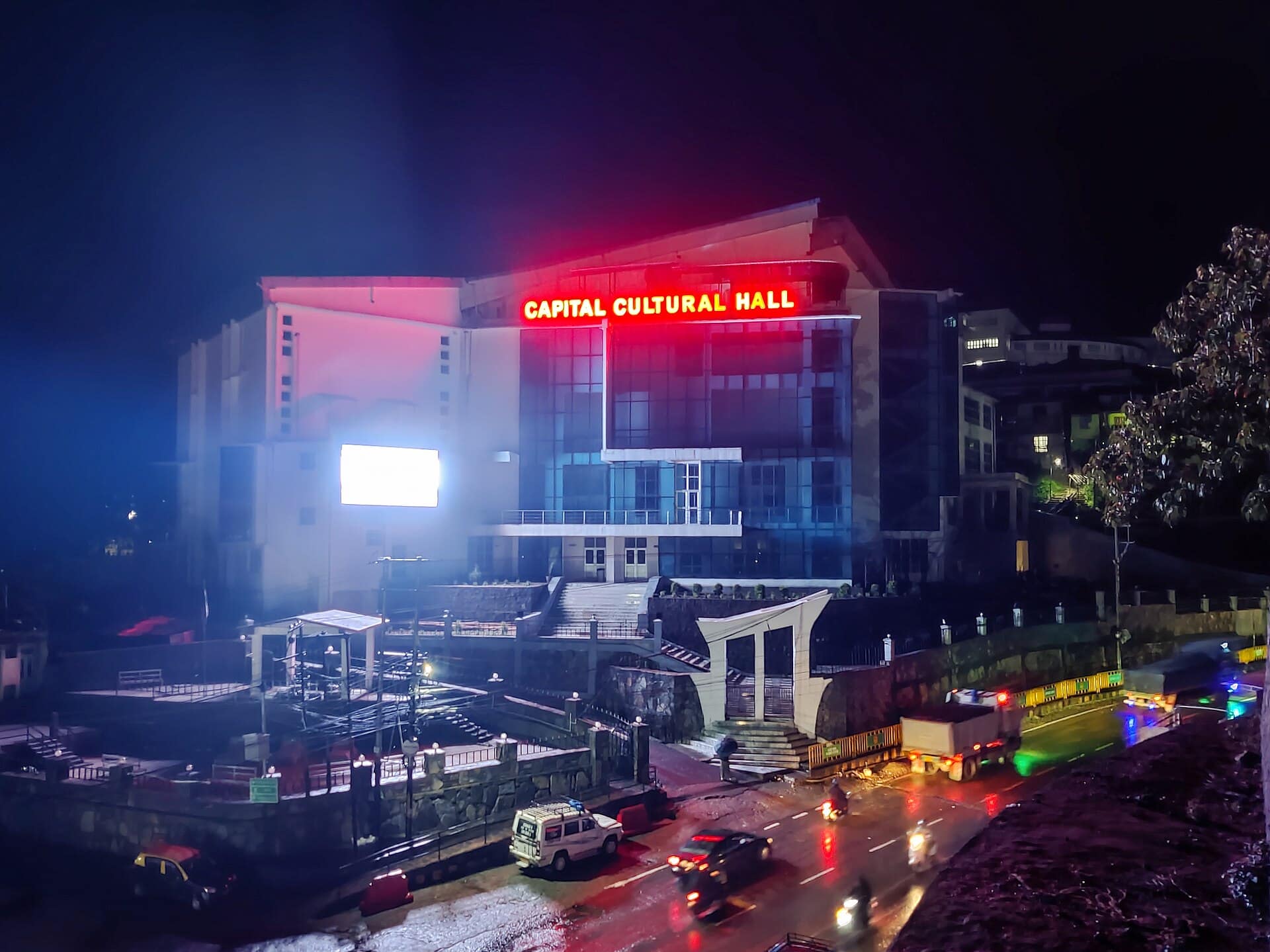 Medium crowd
Entry Free
Kohima Cathedral
- Best timeLate afternoon, when the light is warm on the building and the town below starts to glow; early morning for clear air over the ridges.
- ColorsCreamMaroonBlue
 Medium crowd
Entry Free
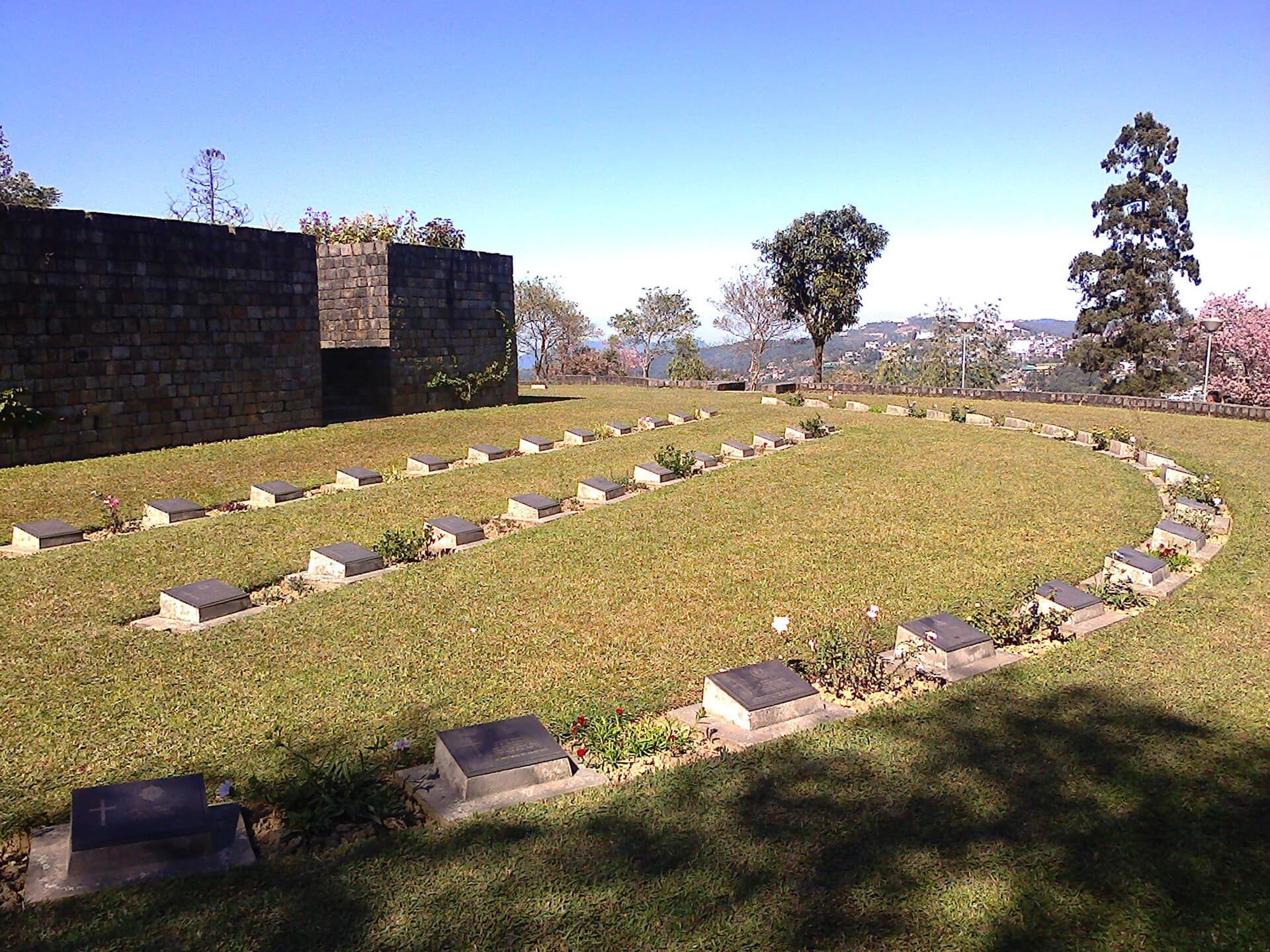
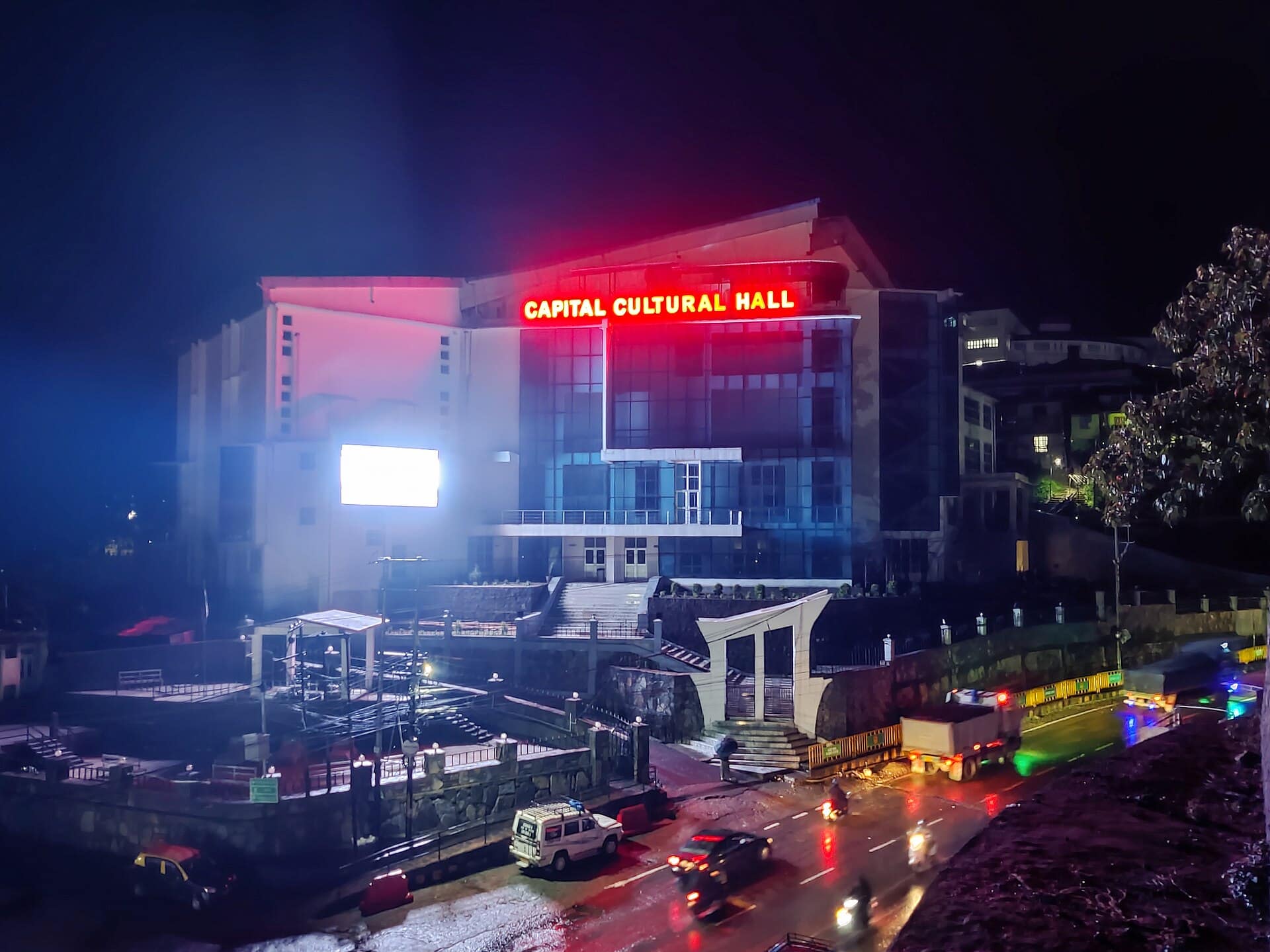
Kohima War Cemetery
- Best timeMorning, when the light is soft and the terraces are quiet; late afternoon for a warm glow over the town before the gates close.
- ColorsCreamOliveMaroon
 Low crowd
Entry Nominal
Nagaland State Museum
- Best timeLate morning, after the doors open and before any school groups arrive; mid-afternoon for soft light on the building outside.
- ColorsRustCreamOlive
For the feed
Trending Wear in Kohima
Modern, Instagram-friendly looks
Rooted in the city
Kohima Traditional Wear
Local, cultural, handcrafted outfits
Taste the city
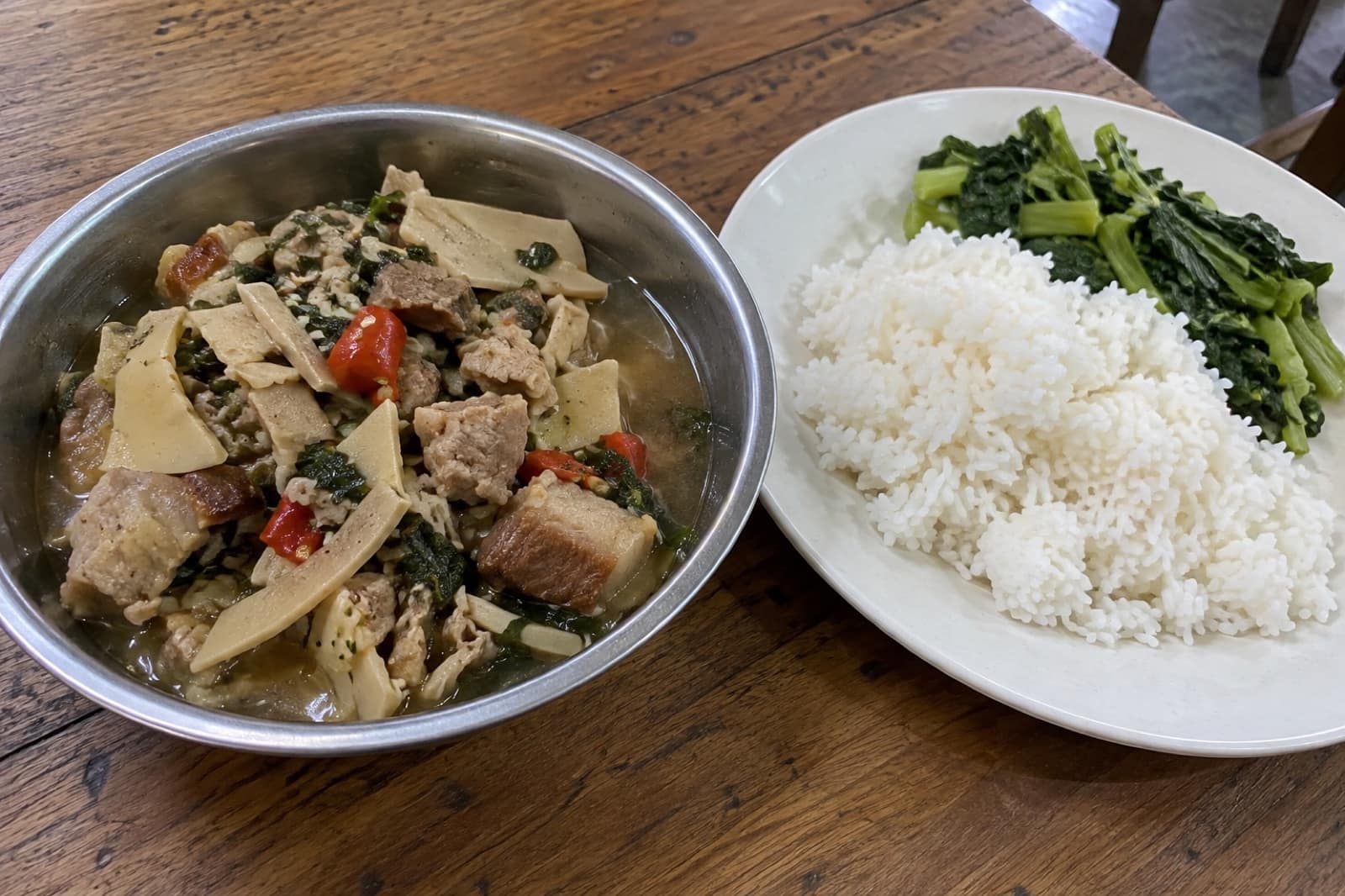
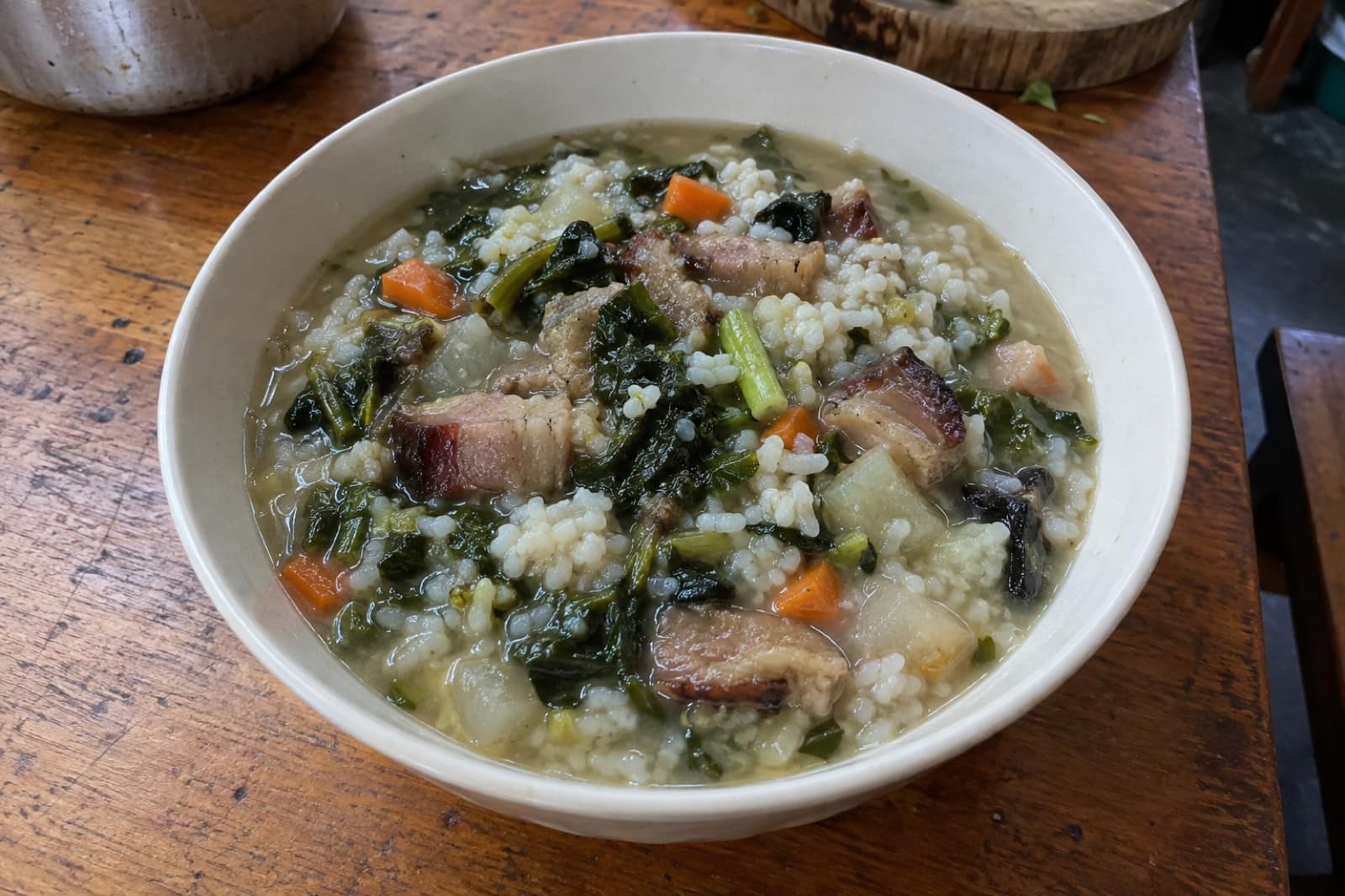
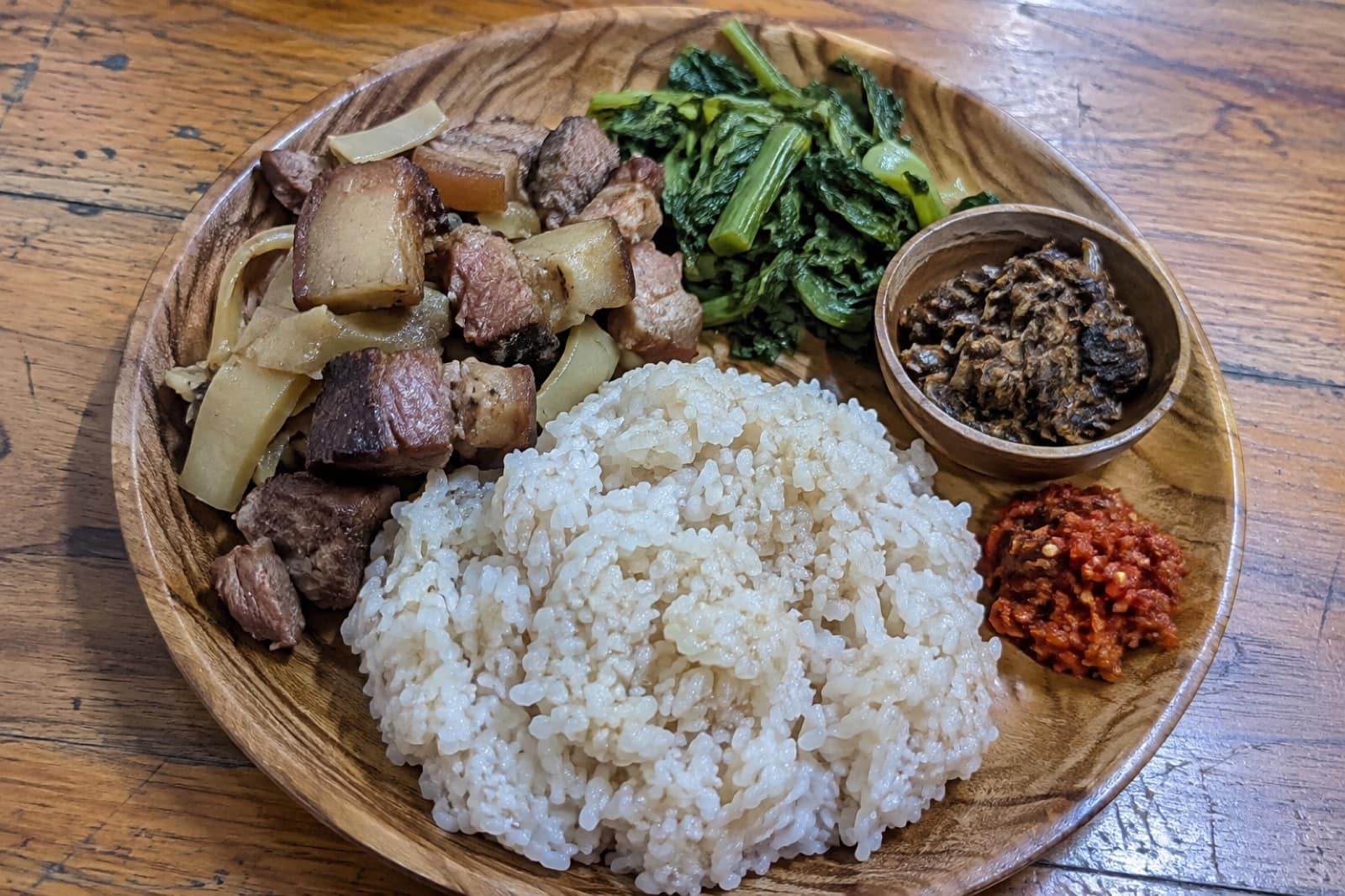
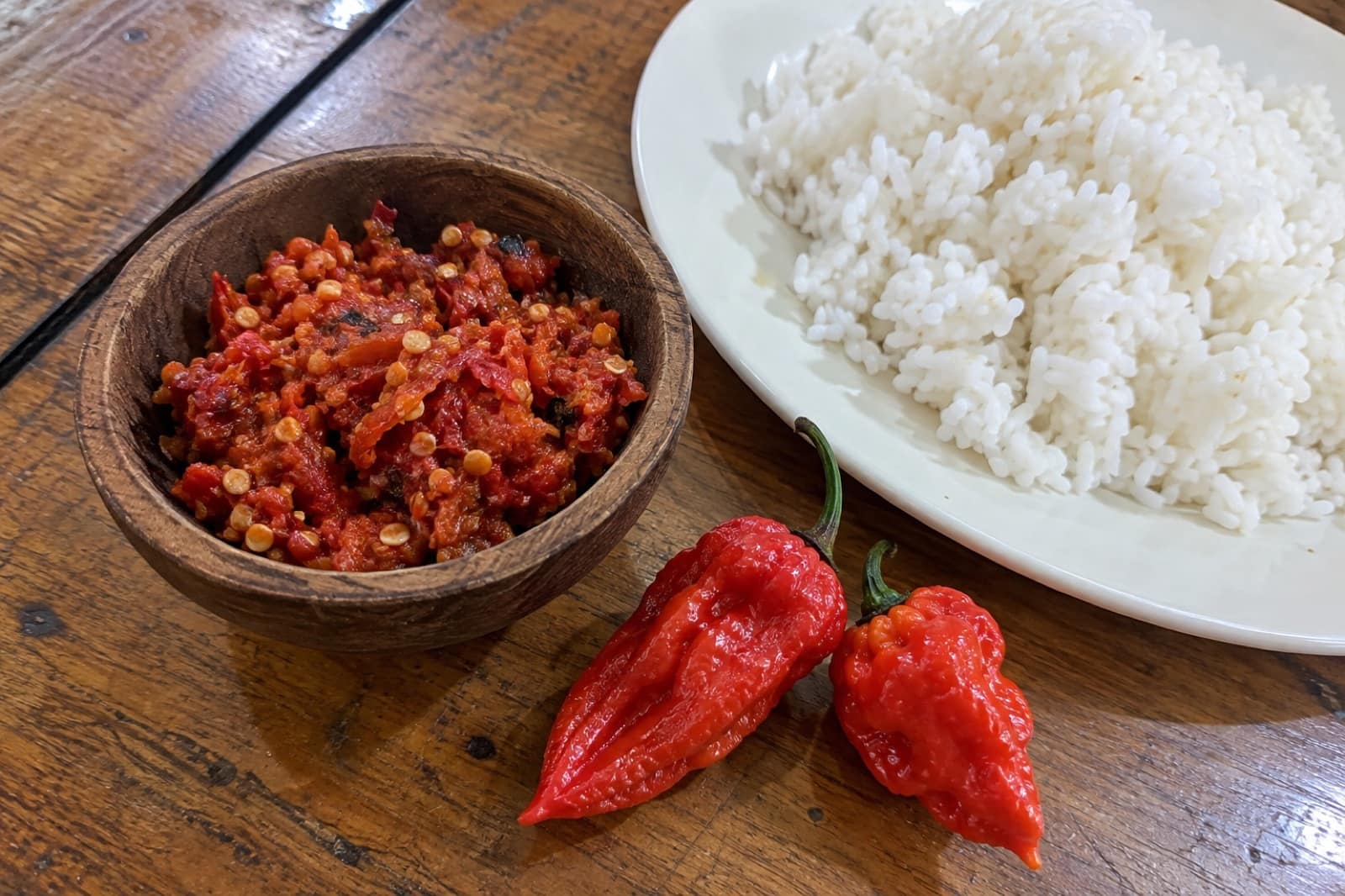
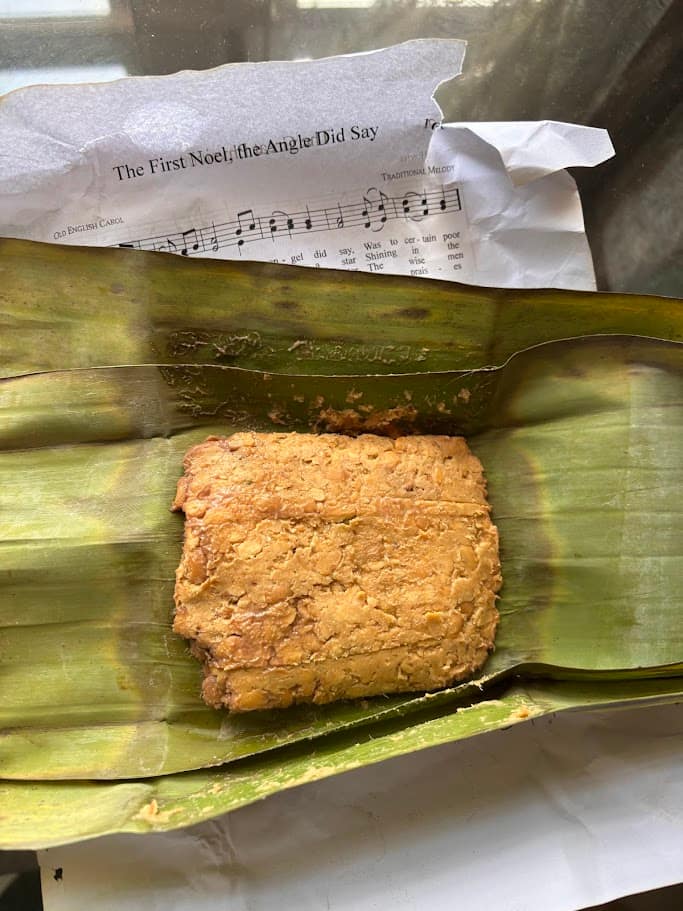
Food to Eat in Kohima
Trusted tables
Where to Eat in Kohima
The hill capital of Nagaland
Kohima runs along a chain of ridges in the south of Nagaland, mostly between about 1,300 and 1,500 metres. It began as Kewhira, an Angami Naga village, and became a town after the British set up the headquarters of the Naga Hills district here in the late 1870s. When Nagaland became a state in 1963, Kohima was named its capital. Around 100,000 people live here today. The old settlement, Kohima Village, still sits on the north-east side of town and is often called one of the largest villages in Asia.
The battle that shaped the town
In April 1944 the Japanese advance into India was stopped on the ridge in the middle of Kohima, and the fighting went on until June. Kohima War Cemetery now covers that ground on Garrison Hill, and it is where most visitors start. Kohima Cathedral on Aradura Hill, paid for largely by Japanese donors, belongs to the same story.
Permits come first
Indian citizens from outside Nagaland need an Inner Line Permit. Apply on the state's ILP portal before you travel, choose Kohima as the district, and carry the permit with you. Foreign nationals currently need a Protected Area Permit as well; in 2025 that rule was relaxed only for the ten days of the Hornbill Festival. The rules change, so check the portal before you book anything.
Getting there and getting around
Kohima has no airport or railway station. Both are at Dimapur, about 74 km away. Shared and private taxis leave from the stand next to Dimapur railway station, and the hill road usually takes around three hours. In town, taxis are the easiest way to get about. The streets are steep, and the main road is slow at busy times.
Church, Sunday and the table
About four in five people in Kohima are Christian, and Sunday is kept for church and rest. Many shops and eating places close, so plan Sundays around walks and viewpoints. The Angami are the local tribe, but the capital draws people from every Naga tribe. English is widely understood, and Nagamese is the everyday link language. Food is smoky, fermented and fiery: smoked pork, axone and the raja mircha chilli. The food guide explains what to order.
Beyond the town
Kisama Heritage Village, the home of the Hornbill Festival from 1 to 10 December, is about 12 km south. The walk to Dzukou Valley starts from Viswema or Jakhama, a little further down the same road. Khonoma, about 20 km west, is an Angami village known for its forest conservation work and for holding out against the British in 1879–80.
Questions
Kohima — FAQ
Do I need a permit to visit Kohima?
Yes. Indian citizens who are not from Nagaland need an Inner Line Permit, which you apply for online on the state ILP portal. Foreign nationals currently need a Protected Area Permit too. Check the portal before you travel, as the rules are updated from time to time.
How do I get from Dimapur to Kohima?
Take a shared or private taxi from the stand next to Dimapur railway station. The road is about 74 km and usually takes around three hours, longer in rain or heavy traffic. Try to finish the drive before dark.
How many days do I need in Kohima?
Two days covers the war cemetery, the cathedral, the state museum and Kisama. Add one or two days if you want to walk to Dzukou Valley and sleep there, or to visit Khonoma.
Are shops open on Sundays in Kohima?
Many are not. Kohima is mostly Christian, and Sunday is a day for church and rest, so a lot of shops and restaurants close. Stock up on Saturday and keep Sunday for easy sightseeing.
Is Kohima worth visiting outside the Hornbill Festival?
Yes. The war cemetery, the cathedral and the museum are open through the year, and the town is much calmer. Rooms are easier to find, and October to November and February to March are dry and clear.